
Discover the Zesty World of Preserved Lemons: Pizza, Orzo & More!
A little over a year ago, my culinary perspective on pizza was forever changed by Kesté’s lemon pizza. Its unconventional yet utterly captivating combination of smoked mozzarella, delicate lemon slices, and fresh basil challenged all my preconceived notions of what a perfect pizza could be. It was a revelation, proving that sometimes, the most unexpected pairings yield the most unforgettable flavors and redefine classic dishes.
My journey into making preserved lemons opened up an exciting new dimension to my cooking. Almost immediately, Kesté’s lemon pizza came to mind, inspiring me to experiment. What if the vibrant, intense flavor of fresh lemon slices could be replaced by the deeply complex, salty-bright, and slightly fermented notes of preserved lemons? The result was a culinary triumph that quickly became a cherished staple at my dinner table.
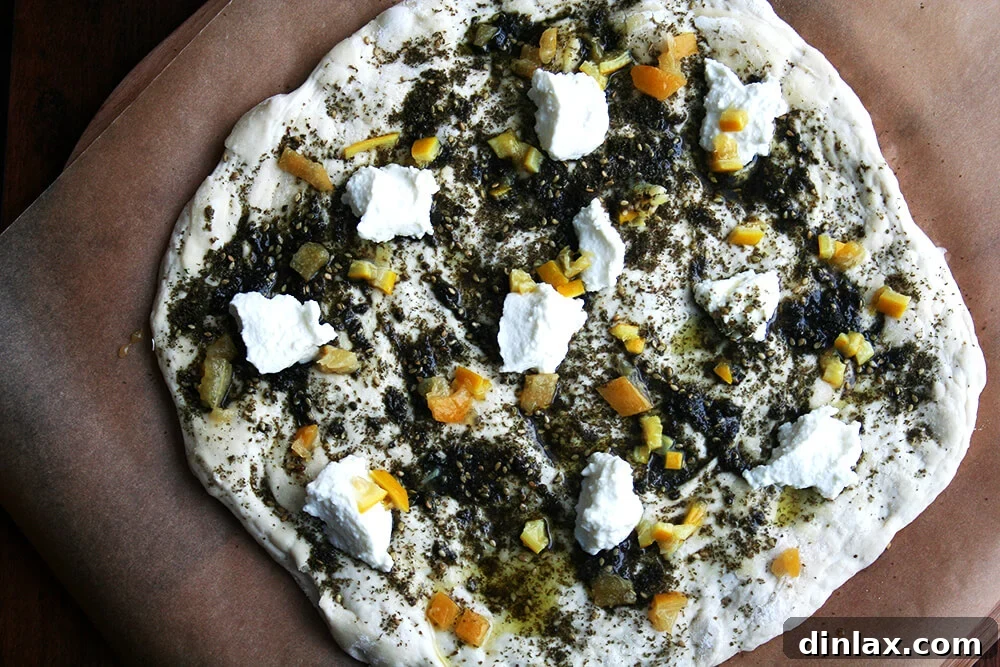
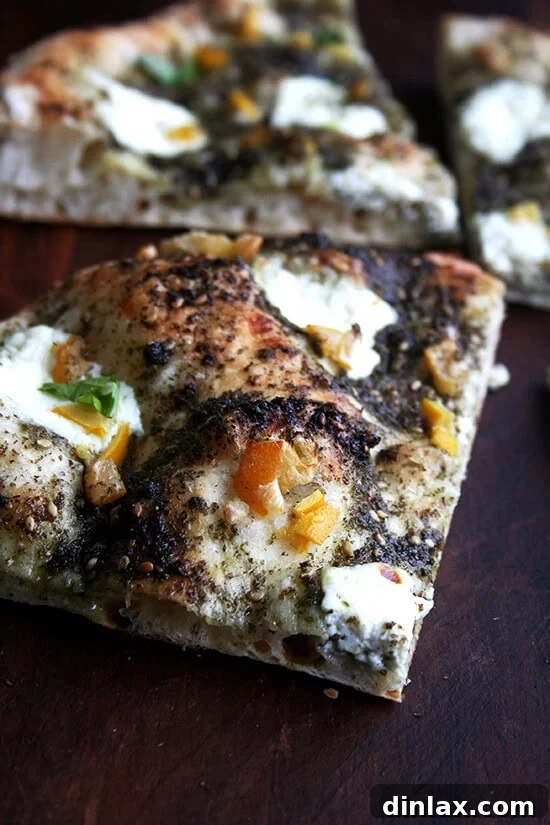
While Kesté’s original version remains a beloved classic, the preserved lemon iteration offers an equally compelling brightness and intensity, but with an added layer of nuanced flavor. This fusion has become one of my absolute favorite pizza combinations. I’m continually discovering that preserved lemons are wonderfully versatile, enhancing almost any dish where lemon and salt traditionally shine – which, truthfully, seems to be nearly everywhere! While the pure magic of smoked mozzarella and fresh lemon is hard to surpass, a fresh combination of earthy za’atar with fragrant olive oil, creamy ricotta, finely chopped preserved lemon, and vibrant basil offers a delightful alternative that is equally exciting and undeniably delicious. It’s a testament to how a single ingredient can revolutionize a familiar favorite.
The Art of Preserving Lemons: A Guide to Flavor Intensity
The secret to successfully cooking with preserved lemons lies in a simple yet profound maxim: “less is more.” Their flavor is incredibly concentrated, offering a potent burst of umami, salt, and intense lemon. Consequently, a little goes a remarkably long way in infusing a dish with their profound character. This insight truly solidified for me after following two distinct preserved lemon recipes, both of which called for surprisingly few lemons relative to the brine. At the time, I questioned this and even considered doubling the recipes, but now I understand the potent nature of this incredible ingredient. Just a small amount is enough to transform ordinary ingredients into something truly extraordinary, adding depth and brightness without overwhelming the palate.
Comparing Preserving Methods: Jerusalem vs. Bon Appetit
As a quick follow-up to my previous post detailing the process of making preserved lemons, I explored two distinct preparation methods, each yielding a unique flavor profile. The first, sourced from the renowned cookbook Jerusalem, involved a traditional process of scoring and salting whole lemons. This classic method requires a significant four weeks for the preservation to fully complete, allowing for deep fermentation and the development of intensely salty and profoundly flavored preserved lemons, embodying the rich culinary heritage of Moroccan and Middle Eastern cuisine. These are known for their firm texture and pungent aroma.
The second method, discovered in Bon Appetit magazine, offered a quicker alternative, ready in just two weeks. This innovative technique involved boiling the lemons first to soften them and reduce bitterness, then submerging them in a unique brine composed of sugar, salt, and various aromatic spices. Bon Appetit’s bold assertion that these were “the best [they’ve] ever tasted” was enough to convince me to try them, despite my initial skepticism about a sugary brine. Much to my surprise, these lemons don’t taste sweet at all. Instead, they offer a wonderfully balanced saltiness, notably less intense and often with a slightly softer texture than their Jerusalem counterparts.
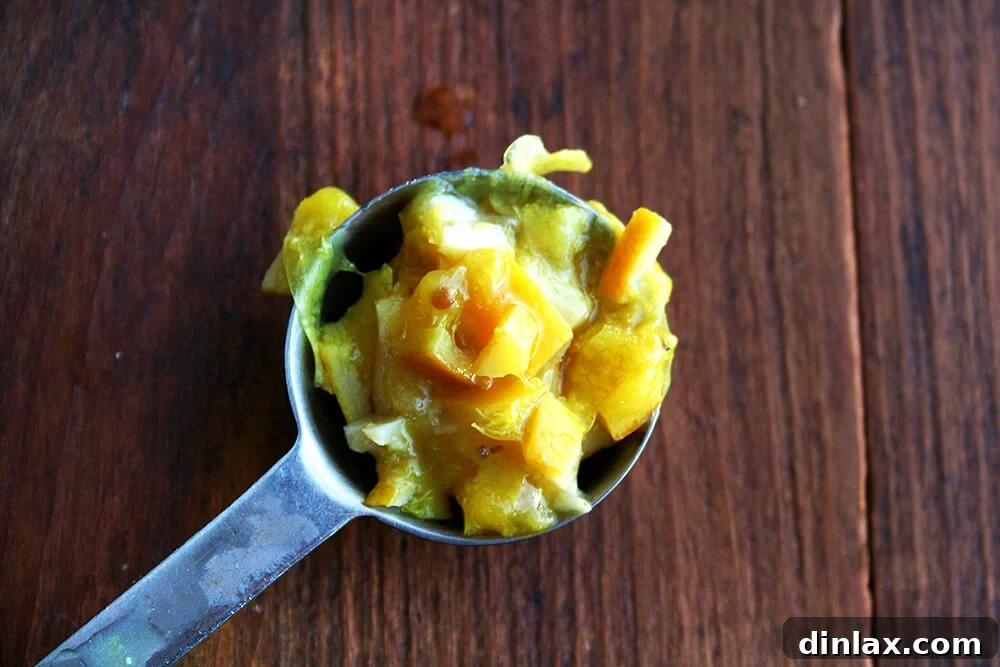
In a side-by-side taste test, the Bon Appetit lemons emerged as the clear winner for their nuanced and slightly mellower flavor profile. A particularly appealing aspect of the BA method is the inclusion of turmeric in the brine. While its taste is imperceptible in the final product, the turmeric imparts a beautiful, vivid golden hue to the lemons, making them visually stunning and incredibly appetizing. Ultimately, the differences in taste between the two methods are subtle when used in complex dishes, and I often find it challenging to detect a significant distinction in the final culinary application. Nevertheless, for their unique character, vibrant color, and expedited preparation time, I’ve become a devoted fan of the untraditional brine-preserved lemons.
Beyond Pizza: Culinary Adventures with Preserved Lemons
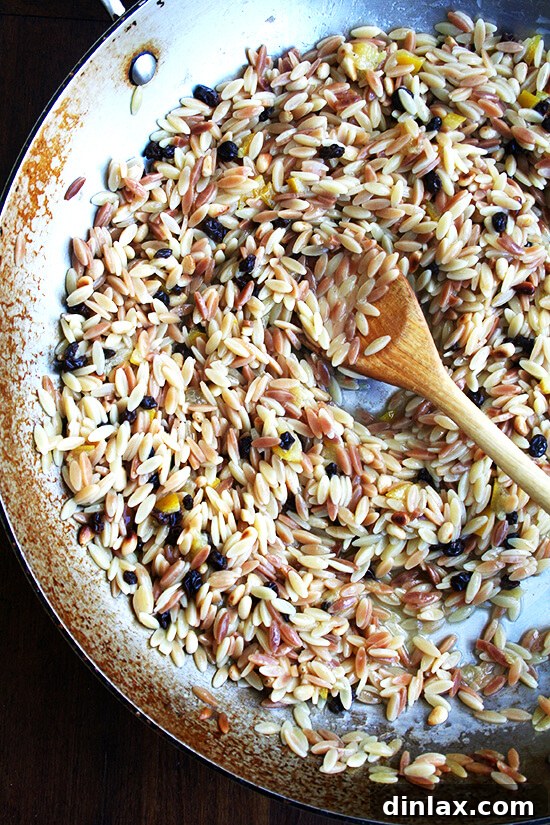
My journey with preserved lemons extends far beyond the realm of pizza, inspiring a multitude of delicious creations. While a classic chicken tagine with preserved lemons and green olives is still a delightful project in the works, promising an aromatic and tender stew, I have another exquisite dish to share that perfectly showcases the versatility of this ingredient. This recipe draws profound inspiration from Sally Schneider’s brilliant brown butter orzo “risotto”. Her innovative approach involves toasting orzo in rich, nutty browned butter, then simmering it gently with plain water for just eleven minutes. The magic lies in how the starch naturally released from the orzo pasta binds effortlessly with the water, creating a remarkably creamy, luxurious, and truly risotto-like dish without the need for traditional stock, wine, cream, or cheese. It’s a testament to simple ingredients yielding extraordinary results.
I’ve elevated this elegant and comforting base by incorporating a trio of complementary ingredients: toasted pine nuts for a nutty crunch, sweet plumped currants for a burst of concentrated fruitiness, and, of course, finely chopped preserved lemons for that signature bright, salty, and complex flavor. The resulting combination is utterly delectable, a harmonious blend of textures and tastes that dance on the palate. The preserved lemons provide a crucial counterpoint to the richness of the brown butter and the sweetness of the currants, ensuring a perfectly balanced dish. Whether enjoyed as a standalone vegetarian meal or as a sophisticated side dish alongside roasted meats or fish, this brown butter orzo, with or without the preserved lemons, remains one of my all-time favorite pasta preparations, proving the versatility and comforting appeal of this humble ingredient.

Recipe: Pizza with Za’atar, Preserved Lemons and Ricotta
Pizza with Za’atar, Preserved Lemons and Ricotta
No reviews
- Author: Alexandra Stafford at alexandracooks.com
- Total Time: 52 minutes
- Yield: 1 pizza 1x
Description
This recipe creates a vibrant, flavorful pizza that combines Mediterranean influences with creamy textures. It includes 45 minutes of inactive time for the pizza stone to preheat in the oven, during which you’ll have about 10 minutes to actively prepare and top the pizza. The result is a perfect harmony of bright preserved lemons, aromatic za’atar, and rich ricotta on a crispy crust.
Ingredients
- 1 round of your favorite pizza dough (refer to the Lahey recipe below for an excellent homemade option)
- Extra virgin olive oil, for drizzling
- Za’atar*, generously sprinkled
- 1 tablespoon finely chopped preserved lemon
- Fresh ricotta cheese, in dollops
- A few leaves of fresh basil (optional, but highly recommended for aroma and freshness)
*Za’atar is a distinctive Middle Eastern spice blend, typically featuring a mix of roasted wheat (or sometimes toasted breadcrumbs), dried thyme, ground sumac, sesame seeds, and salt. Its exact composition can vary, but these core ingredients create its signature earthy, tangy, and aromatic profile, offering a truly unique flavor dimension to this pizza.
Instructions
- Prepare Your Oven: If you are using a Baking Steel or a pizza stone, place it in your oven on the middle rack and preheat the oven to its highest possible setting, ideally 550ºF (288°C) or even hotter if your oven allows. If you don’t have a specialized stone or steel, simply preheat your oven to its highest temperature and line a sturdy baking sheet with parchment paper. Allow the steel or stone to heat for at least 45 minutes to ensure it reaches optimal temperature for a truly crispy, well-cooked crust.
- Prepare the Dough: Approximately 20 minutes before you plan to bake, remove your pizza dough from the refrigerator and let it rest on a lightly floured surface. This allows the dough to relax, making it much easier to stretch without tearing or excessive spring-back.
- Stretch and Dress the Dough: Place a piece of parchment paper on your pizza peel (a flat, shovel-like tool used to transfer pizza). (Alternatively, you can dust the peel generously with cornmeal or flour to prevent sticking, though parchment paper is a foolproof method that also helps keep your pizza stone cleaner by preventing burnt flour). With lightly oiled hands, gently stretch the dough into a circular shape. You can do this by hand-stretching in the air or by pressing it directly onto the peel – whatever technique feels most comfortable for you. Once stretched to your desired thickness, place the dough on the prepared peel (or baking sheet if not using a steel/stone) and drizzle lightly with extra virgin olive oil. Use your fingertips to create small dimples evenly across the surface of the dough; this helps prevent large bubbles from forming during baking and creates a lovely textured crust. Generously sprinkle the dough with za’atar, ensuring good coverage for maximum flavor.
- Add Toppings: Evenly scatter the finely chopped preserved lemon over the za’atar-dusted dough. Then, using a spoon, drop dollops of fresh ricotta cheese across the surface, distributing it for balanced creaminess in every bite. Finish with another light drizzle of olive oil, which will help the toppings caramelize slightly and add richness.
- Bake the Pizza: If you are using a pizza peel, carefully shimmy the parchment paper with the topped dough onto your preheated baking steel or stone in the oven. If using a baking sheet, simply place the pan directly into the hot oven. (Pro Tip: After about one or two minutes of baking, you can gently slide the parchment paper out from under the pizza if you wish. This allows the crust to crisp directly on the hot surface, yielding an even crunchier bottom. Alternatively, you can leave the parchment paper, allowing it to char slightly for a rustic appearance and easy removal). Bake for approximately 5 minutes when using a peel or stone, keeping a close eye on it. Baking times can vary depending on your oven’s true temperature and the thickness of your crust, so begin checking for doneness after 5 minutes. If baking on a sheet pan, the pizza will likely require a bit longer, typically 7 to 10 minutes, until the crust is golden brown and the toppings are bubbling and lightly charred in spots.
- Serve: Carefully transfer the baked pizza to a cutting board. Immediately sprinkle with fresh basil leaves, which will wilt slightly from the heat and release their fragrant aroma. Slice into wedges and serve immediately, while the flavors are at their peak and the crust is perfectly crisp. This pizza is best enjoyed fresh from the oven.
- Cook Time: 7 minutes
Recipe: Lahey Pizza Dough
Lahey Pizza Dough: The Secret to a Perfect Crust
No reviews
- Author: Alexandra Stafford at alexandracooks.com
- Total Time: 19 hours 20 minutes
- Yield: 6 rounds 1x
Ingredients
- 1000 grams all-purpose flour, preferably Tipo 00 for superior texture and elasticity, plus additional flour for shaping the dough
- 4 teaspoons fine sea salt
- 1/2 teaspoon active dry yeast
- Approximately 3 cups (700-750ml) water, at room temperature
Instructions
- Mix the Dough: In a spacious medium bowl, whisk together the flour, fine sea salt, and active dry yeast until thoroughly combined, ensuring an even distribution. While continuously stirring with a sturdy wooden spoon, gradually incorporate 3 cups of room temperature water. Continue stirring until all the dry ingredients are well-hydrated and a shaggy, wet dough forms. Gently mix the dough with your hands just enough to bring it together into a rough, cohesive ball. Avoid over-mixing, as this dough relies on slow fermentation rather than intensive kneading.
- First Rise (Bulk Fermentation): Transfer the rough dough ball to a large, clean bowl. Cover the bowl tightly with plastic wrap to prevent the dough from drying out and to create a humid environment for fermentation. Allow the dough to rise at room temperature (ideally around 72°F or 22°C) in a draft-free location. This long, slow fermentation process is crucial for developing the dough’s complex flavor and airy texture. The dough should more than double in size, and its surface should be covered with tiny bubbles, typically taking about 18 hours. Note that this time can vary significantly based on the ambient temperature of your room; a cooler room will require more time, a warmer room less.
- Shape the Dough Balls: Once the dough has completed its first rise and appears bubbly and expanded, gently transfer it to a lightly floured work surface. Be careful not to deflate it too much, preserving the air pockets that have formed. Carefully shape the dough into a rough rectangle. Divide the rectangle into 6 equal portions, using a bench scraper or knife. Working with one portion at a time, gently gather all four corners towards the center of the dough to create four distinct folds, effectively forming a small parcel. Turn the dough seam-side down and gently mold it into a smooth, tight ball. Lightly dust the dough ball with flour and set it aside on your work surface or a floured baking sheet. Repeat this precise process for the remaining portions of dough.
- Second Rest and Chill: Cover the shaped dough balls with plastic wrap or a slightly damp kitchen towel. Allow them to rest on the counter until they feel soft and pliable, which usually takes about 1 hour. This resting period allows the gluten to relax after shaping, making the dough easier to handle and stretch for pizza making. Finally, for best results and ease of use, wrap each dough ball separately and tightly in plastic wrap and chill them in the refrigerator until ready to use. Chilling improves the dough’s flavor, structure, and workability, making for a superior pizza crust.
- Prep Time: 20 minutes
Recipe: Toasted Orzo with Preserved Lemon, Pine Nuts & Currants
Toasted Orzo with Preserved Lemon, Pine Nuts & Currants
No reviews
- Author: Alexandra Stafford at alexandracooks.com
- Total Time: 35 minutes
- Yield: 4–6 servings as a side dish 1x
Description
Adapted from Sally Schneider’s critically acclaimed cookbook, A New Way to Cook, this toasted orzo dish offers a remarkably creamy, risotto-like experience without the traditional dairy or stock. Infused with the bright zest of preserved lemons, the satisfying crunch of pine nuts, and the subtle sweetness of plumped currants, it’s a perfect and surprisingly easy side dish for any meal.
Ingredients
- 1 tablespoon unsalted butter
- 1 cup orzo pasta
- 2 3/4 cups water
- 3/4 teaspoon kosher salt (adjust carefully if using very salty preserved lemons)
- 2 tablespoons finely chopped preserved lemons
- 2 tablespoons toasted pine nuts
- 2 tablespoons Zante currants, plumped in hot water with a splash of vinegar, then thoroughly drained
- Freshly ground black pepper, to taste
Instructions
- Brown the Butter and Toast Orzo: In a large skillet or a medium, heavy-bottomed saucepan, melt the unsalted butter over moderately low heat. Continue cooking, stirring occasionally, until the butter solids that settle at the bottom turn a beautiful golden brown and the butter emits a rich, nutty aroma, reminiscent of roasting nuts. This process, known as making brown butter or beurre noisette, adds incredible depth of flavor. Add the orzo pasta to the pan. Increase the heat to moderate and sauté the orzo, stirring constantly, until the pasta grains turn golden, with about one-third of them becoming a deep, dark brown. This toasting step is essential for developing a complex, almost toasty flavor in the finished dish.
- Simmer to Creaminess: Carefully stir in the measured water and kosher salt. Bring the mixture to a gentle boil over medium-high heat. Once boiling, reduce the heat to maintain a low boil or gentle simmer and cook, stirring occasionally to prevent sticking, until the orzo is tender to the bite (al dente) and most of the water has been absorbed or evaporated. This should take approximately 11 minutes. The goal is to achieve a creamy consistency, where the starch from the orzo naturally binds with the remaining water, creating a light, soup-like “sauce” that beautifully coats the pasta, mimicking a risotto.
- Finish and Serve: Once the orzo reaches the desired tenderness and creaminess, remove it from the heat. Stir in the finely chopped preserved lemons, toasted pine nuts, and the plumped and thoroughly drained Zante currants. Season generously with freshly ground black pepper to taste, adding more salt if needed (remembering the preserved lemons contribute salinity). It’s crucial to serve this dish immediately upon completion, as its delightful creamy consistency changes as it cools. Enjoy it right away for the best culinary experience.
- Prep Time: 5 minutes
- Cook Time: 30 minutes
More Brilliant Ways to Use Preserved Lemons
Preserved lemons are a true pantry staple, offering a unique burst of umami-rich lemon flavor and salinity that can elevate countless dishes. Remember, because they are inherently salty, always reduce or omit additional salt from your recipes when incorporating them to avoid over-seasoning. While I typically store mine at room temperature in a cool environment, if your kitchen tends to be warmer, refrigeration is advisable to ensure their longevity and freshness. When you’re ready to use them, simply rinse briefly, then chop them up – rind, flesh, and all – to unleash their full potential. Here are some inspiring ideas to get you started on your preserved lemon culinary journey:
- Elevate Your Pizza: As highlighted above, preserved lemons are a game-changer on pizza. They add an unexpected, bright, and tangy counterpoint to rich cheeses and savory toppings, creating a complex and sophisticated flavor profile. Substitute them for fresh lemon slices in classic lemon pizza recipes for a deeper, more profound flavor.
- Transform Pasta and Whole Grain Salads: The brown butter orzo “risotto” recipe shared here is just one delicious example. Preserved lemons marry beautifully with the textures and flavors of various pasta and grains. Try tossing finely chopped preserved lemons into warm or cold pasta salads, quinoa salads, farro bowls, or even Israeli couscous. Their briny zest provides an incredible lift and complexity, making them perfect for dishes featuring fresh herbs, crumbled feta cheese, olives, or roasted vegetables.
- Craft a Zesty Condiment: Philip Krajeck, the acclaimed chef from Rolf & Daughters and a pioneer of the brine-preserved lemon technique, suggests creating a versatile and vibrant condiment. Simply seed whole preserved lemons, purée them with a splash of fresh lemon juice, and then slowly blend in a stream of high-quality extra virgin olive oil until emulsified. This bright, tangy sauce is exceptional served alongside grilled fish, roasted chicken, or as a flavorful spread for crusty bread or sandwiches.
- Master a Moroccan Tagine: The quintessential and perhaps most famous use for preserved lemons is in a hearty Moroccan chicken tagine with green olives. The lemons slowly braise, imparting their distinctive, aromatic flavor into the tender chicken and olives, creating a rich, deeply satisfying, and authentically spiced stew. This traditional dish is a must-try for any preserved lemon enthusiast looking to explore global flavors.
- Enhance Roasted Vegetables: For an easy yet impactful flavor boost, toss finely chopped preserved lemons with your favorite root vegetables (carrots, parsnips, potatoes), asparagus, Brussels sprouts, or broccoli before roasting. The high heat caramelizes the lemons slightly, bringing out their savory notes and complementing the natural sweetness of the vegetables beautifully.
- Brighten Dressings and Marinades: A small amount of preserved lemon, either chopped or pureed, can be a secret ingredient in your homemade vinaigrettes or marinades. It adds an unforgettable depth, tanginess, and a complex salty-umami note that elevates dressings for salads, or marinades for chicken, fish, or lamb.
- Season Seafood and White Meats: Finely minced preserved lemon can be added to pan-seared scallops, grilled fish fillets, or even a simple chicken breast. Its concentrated flavor acts as both a seasoning and a flavor enhancer, requiring little else to create a gourmet meal.
My heartfelt thanks to everyone who participated and voted in the Food52–goop dark leafy greens recipe contest! Your support is truly appreciated and continually inspires me to keep sharing delicious culinary adventures and exploring new horizons in the kitchen.