
Embrace the Season: Mastering the Art of Cooking Soft Shell Crabs
The culinary world is full of delightful surprises, and few are as fleeting and exquisite as the soft shell crab. Imagine hosting a dinner party, or simply a special meal for a loved one, and presenting a dish that looks sophisticated yet is incredibly simple to prepare. This was precisely the revelation my friend Lisa experienced recently. When she cooked for her boyfriend, Clark, she usually stuck to the basics. Her last triumph, she proudly declared, was a salad where she “even cut the cherry tomatoes!” While admirable, I knew she was ready for something more.
When I suggested soft shell crabs, she initially hesitated, intimidated by what seemed like an exotic delicacy. But I assured her of their undeniable ease. With a promise of simplicity and an agreement on a fresh, vibrant side of baby arugula and shaved parmesan salad, complemented by some crusty bread, Lisa set off. Her update from the fish market was priceless: “These will still be dead when I get home, right?” she queried the fishmonger, who, amused, confirmed her crabs would remain docile. Later that evening, a jubilant text confirmed her success: a delectable dinner that impressed Clark and delighted Lisa. This anecdote perfectly captures the charm of soft shell crabs – they deliver an unforgettable gourmet experience without the gourmet effort.
What Exactly Are Soft Shell Crabs? Unveiling a Seasonal Delicacy
Soft shell crabs aren’t a distinct species but rather a temporary, delicate stage in the life cycle of certain crabs, predominantly the beloved blue crab. This unique culinary window opens when crabs undergo molting, shedding their rigid exoskeletons to grow larger. During this brief period, typically a mere few hours after molting, their new shells are incredibly soft and pliable, allowing the entire crab to be consumed, shell and all. This makes them a highly sought-after delicacy, celebrated for their tender texture and sweet, briny flavor.
The process is fascinating: as blue crabs grow, their old shells become too restrictive. Nature’s solution is to shed the old shell, allowing the crab to absorb water and quickly expand before its new shell hardens. Commercial crabbers, keenly aware of this cycle, carefully monitor “peelers” – crabs on the verge of molting – in specialized holding tanks. The moment a crab sheds its shell, it is immediately removed from the water. This swift action is crucial; exposure to water and air would rapidly cause the new, paper-thin shell to harden, rendering it unsuitable for the soft shell market. This meticulous process ensures that what arrives at your fishmonger is truly a soft shell, ready for a quick and delicious preparation.
The Fleeting Season: Don’t Miss Out!
The season for soft shell crabs is beautifully fleeting, typically gracing our tables from early May through August, though precise timing can vary slightly by region and year. This limited window is part of their allure, making them a true seasonal treat to anticipate and savor. If you’ve never experienced the joy of a perfectly cooked soft shell crab, this is your call to action. Their appearance heralds the true arrival of summer, offering a unique culinary experience that’s unlike any other seafood. Don’t let the season pass you by without indulging in this exceptional ingredient.
Buying and Preparing Your Soft Shell Crabs
When purchasing soft shell crabs, quality is paramount. Always seek out a reputable fish market that sells live specimens. At places like Wan’s Seafood in Reading Terminal Market, you’ll often find active crustaceans laying supine on ice, a clear sign of their freshness. Don’t hesitate to ask your fishmonger for assistance; they are usually more than happy to clean the crabs for you and pack them carefully on ice for your journey home. This service is a huge convenience, as proper cleaning involves removing the gills (known as “dead man’s fingers”), the mouthparts, and the apron on the underside of the crab, ensuring a pristine product ready for cooking.
If you find yourself cleaning them at home, the process is straightforward: using kitchen shears, snip off the eyes and mouth just behind them. Lift the pointed ends of the top shell and snip out the feathery gills, which are typically grayish. Finally, flip the crab over and lift the triangular flap (the “apron”) on the underside, snipping it off where it meets the body. A quick rinse under cold water, and they are ready for seasoning and cooking. Properly cleaned soft shell crabs should be stored on ice in the refrigerator and cooked within a day for optimal freshness and flavor. Their delicate nature means they are best enjoyed as soon after purchase as possible.
Why Soft Shell Crabs Are a Culinary Delight
Beyond their novelty, soft shell crabs offer a genuinely unique culinary profile. Their flavor is sweet and distinctly briny, a pure taste of the ocean. When prepared correctly, they boast an incredibly tender interior encased in a wonderfully crisp, almost buttery exterior – a textural contrast that is pure bliss. They are also incredibly versatile; while often enjoyed fried, they can also be sautéed, grilled, or even baked. Furthermore, soft shell crabs are a lean source of protein, packed with essential minerals like zinc, copper, and selenium, making them a nutritious addition to your summer diet.
A Simple Approach: Fried Soft Shell Crab Sandwiches
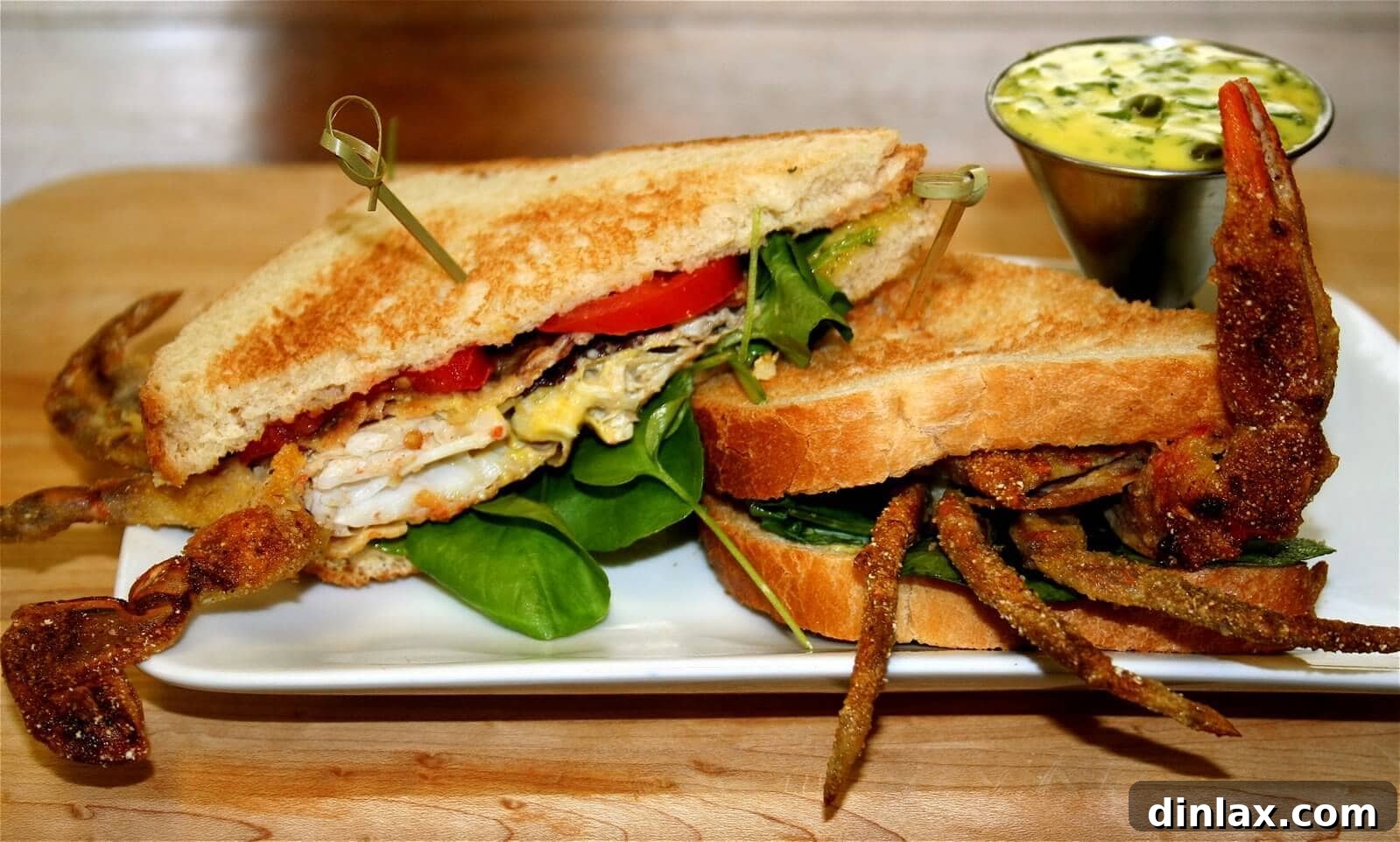
One of the most classic and delightful ways to enjoy soft shell crabs is in a sandwich. This recipe is designed to highlight their natural flavor and exquisite texture, complemented by a zesty homemade aioli. It’s perfect for a casual summer lunch or a light, yet impressive, dinner. Remember, the key to success lies in fresh ingredients and confident execution, neither of which requires extensive culinary experience.
Recipe: Soft Shell Crab Sandwiches
Serves 4
Ingredients:
- 1 cup low-fat buttermilk (for tenderizing and creating a sticky surface for the breading)
- 1 large egg (helps bind the buttermilk to the crab)
- ½ cup all-purpose flour (forms the base of the crispy coating)
- ½ cup cornmeal (adds a delightful crunch and golden color)
- ½ teaspoon kosher salt (enhances flavor)
- Freshly ground black pepper to taste (adds a touch of spice)
- ¼ cup neutral oil, such as canola or grapeseed (for frying, choose an oil with a high smoke point)
- 4 soft shell crabs, meticulously cleaned (the stars of our dish)
- 8 slices good quality white bread (or brioche for extra richness, or a sturdy sourdough)
- 1 beefsteak tomato, ripe and thinly sliced (for freshness and acidity)
- 1 bunch watercress, washed and dried (adds a peppery bite and vibrant color)
- Lemon-Caper Aioli (recipe below, a crucial condiment for this sandwich)
Instructions:
- In a wide-mouth shallow bowl, whisk together the buttermilk and egg until well combined. This mixture will serve as your wet dredge.
- On a large plate or in another shallow dish, whisk together the flour, cornmeal, salt, and black pepper. This will be your dry dredge, providing the crispy coating.
- Place a large nonstick skillet over medium-high heat and add the neutral oil. Allow the oil to heat up thoroughly. A simple test: drop a tiny pinch of flour into the oil; if it sizzles immediately, the oil is ready.
- While the oil heats, prepare the crabs. Take one cleaned soft shell crab and dip it fully into the buttermilk mixture, ensuring it’s coated evenly.
- Next, lightly dredge the buttermilk-coated crab in the cornmeal mixture on both sides, gently pressing to ensure the coating adheres. Place the dredged crab on a clean plate. Repeat this process for all four crabs.
- Carefully place the crabs into the hot oil. Ensure not to overcrowd the pan; you may need to cook them in batches to maintain oil temperature and achieve maximum crispiness. Leave the crabs undisturbed for about 1 minute to allow a crust to form.
- Gently shake the pan and continue to cook for another 2 to 3 minutes, or until the bottom side is beautifully golden brown and crispy.
- Flip the crabs carefully and cook for an additional 3 minutes on the second side, or until equally browned and cooked through. The crabs should be firm to the touch.
- While the crabs are cooking, toast your bread slices to your desired crispness.
- To assemble the sandwiches: spread a generous amount of the Lemon-Caper Aioli (recipe follows) on four of the toasted bread slices.
- Top each aioli-smeared slice with a handful of fresh watercress and a slice or two of ripe tomato.
- Carefully place one perfectly fried soft shell crab on top of the tomato and watercress.
- Finally, crown each sandwich with the remaining toasted bread slice. Serve immediately, perhaps with extra aioli or lemon wedges on the side for those who love an extra tang. These sandwiches pair wonderfully with a simple green salad or crispy fries.
Recipe: Lemon-Caper Aioli
Yields approximately 1½ cups
Ingredients:
- 2 large egg yolks (provide richness and emulsifying power)
- 2 tablespoons Dijon mustard (adds a tangy depth and aids emulsification)
- 2 cloves garlic, minced (for pungent flavor, adjust to taste)
- 2 tablespoons fresh lemon juice (brightens the aioli and helps with emulsification)
- 1 teaspoon kosher salt (seasoning, essential for balance)
- 1 cup grapeseed oil (or other neutral oil like canola or vegetable; ideal for a mild flavor)
- 3 tablespoons capers, drained and roughly chopped (adds briny, salty bursts of flavor)
- 1 bunch fresh basil, finely chopped (provides a fragrant, herbaceous note)
Instructions:
- Combine the egg yolks, Dijon mustard, minced garlic, fresh lemon juice, and kosher salt in a blender or food processor. Process until the mixture is smooth and well combined.
- With the motor running continuously, begin to slowly drizzle in the grapeseed oil. Start with just a few drops at a time, especially at the beginning, until you see the mixture start to thicken and emulsify. This slow addition is critical to prevent the aioli from breaking.
- Once the mixture begins to emulsify (it will look creamy and pale), you can increase the speed of your oil drizzle slightly, but always keep it a steady, thin stream until all the oil is incorporated. You should have a thick, creamy, and glossy aioli.
- Transfer the finished aioli to a bowl. Gently fold in the chopped capers and fresh basil.
- Taste the aioli and adjust the seasoning as needed with more salt, lemon juice, or pepper.
- Cover the bowl and chill the aioli in the refrigerator for at least 30 minutes before serving. This allows the flavors to meld beautifully.
- This homemade Lemon-Caper Aioli will keep well in an airtight container in the refrigerator for up to 2 weeks, making it a versatile condiment for various seafood dishes, sandwiches, or as a dip for vegetables.
The beauty of the aioli is its versatility; while it perfectly complements the crab sandwich, it also elevates grilled fish, roasted vegetables, or even acts as a sophisticated dip. Its bright, tangy, and herbaceous notes cut through the richness of the fried crab, creating a perfectly balanced bite.
Pairing Suggestions for Your Soft Shell Crab Feast
To further enhance your soft shell crab experience, consider the right accompaniments. For wine lovers, crisp, dry white wines are ideal. Think Sauvignon Blanc, Pinot Grigio, or a light Albariño, which will complement the crab’s sweetness and acidity. If beer is your preference, a light lager, a crisp pilsner, or even a citrusy wheat beer would be excellent choices, offering a refreshing contrast to the fried delicacy. For non-alcoholic options, iced tea with lemon, a sparkling lemonade, or even a simple cucumber-mint infused water would provide a delightful refreshment.
Seize the Summer: Your Soft Shell Crab Adventure Awaits
Soft shell crabs are more than just a meal; they’re an experience, a fleeting taste of summer that’s both elegant and incredibly approachable. As Lisa discovered, you don’t need to be a seasoned chef to create a memorable dish with these crustaceans. With their unique texture, delicate flavor, and simple preparation, soft shell crabs are a true culinary gem waiting to be discovered by home cooks. So, as the season unfolds from May to August, embrace the opportunity. Visit your local fish market, grab some fresh soft shells, and prepare to delight your senses with this easy, yet utterly impressive, summer meal. Your kitchen adventure awaits!