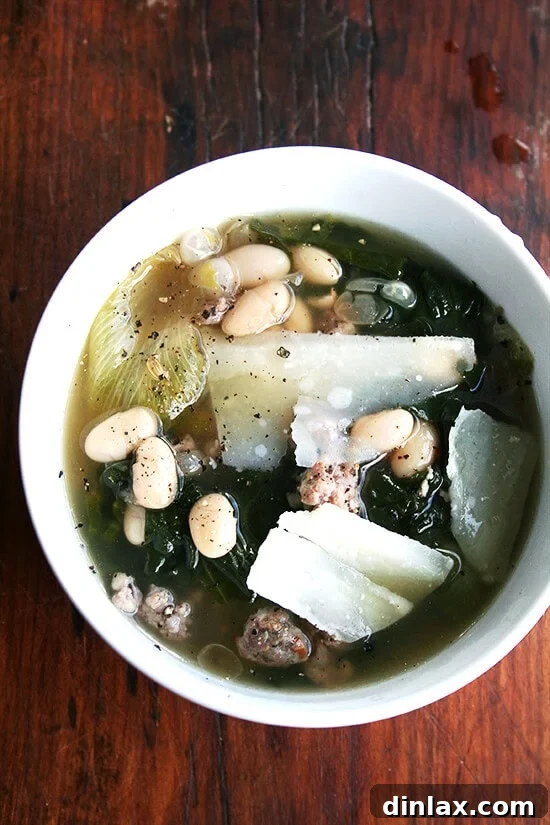
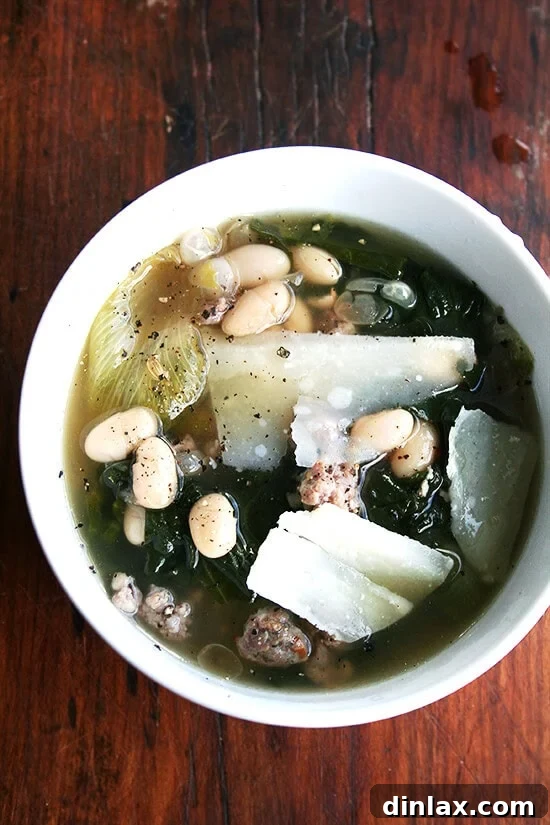
Embrace Winter Warmth: The Ultimate White Bean, Escarole & Sausage Soup Recipe
There’s a charming, bustling deli in my town, a local gem known as Gershon’s. My first visit with Ben was during the frantic midday rush, a common scene with a line of hungry patrons stretching behind us. We stood before an immense menu board, feeling the pressure mount with each successive “beep-beep-beep” of the front door announcing new arrivals. Deciding what to order felt like an impossible task amidst the delightful chaos.
Fortunately, a kind gentleman behind us noticed our dilemma and offered invaluable guidance. “Order the #1,” he declared, referring to their legendary corned beef and pastrami sandwich. He confided it was his weekly ritual, a tradition he had upheld since discovering Gershon’s two decades ago. His unwavering endorsement made it feel like the safest, most delicious bet we could make.
The sandwich, served on fresh rye bread, was a glorious tower of succulent meat, generously slathered with Russian dressing, and spilling over with crisp coleslaw. It was, without exaggeration, unbelievably delicious. As we savored every bite, accompanied by crunchy pickles and salty chips, we found ourselves contemplating whether we, too, would fall into the “number one for life” routine. But fate, or perhaps just the changing weather, intervened. When we next found ourselves at Gershon’s, this time seeking refuge from a particularly biting Saturday afternoon chill, our palates craved warmth. We opted for a cup of their daily special: white bean with escarole and sausage soup.
It came as no surprise that we adored the soup. After all, what’s not to love about the timeless Italian combination of bitter greens, wholesome beans, and savory sausage? What *did* surprise us, however, was the profound clarity and lightness of the broth. It possessed an unparalleled purity that elevated the entire dish. A few days later, compelled by curiosity, I returned to pick up a quart to-go and inquired about its secret. To my astonishment, I was told there was no elaborate trick; no hidden spices or secret vegetables. The broth, they explained, derived its rich, nuanced flavor almost entirely from the sausage itself, expertly seasoned with crushed anise, fennel seeds, and a hint of crushed red pepper flakes.
Inspired by this revelation, I’ve been recreating this delightful soup at home for several weeks now. With a ready supply of homemade stock in the freezer and pre-cooked beans on hand, it’s remarkably quick to assemble. And, like many deeply flavorful soups and stews, its taste only deepens and harmonizes with each passing day in the refrigerator, no doubt as the aromatic spices from the sausage continue to permeate the broth, creating an even more comforting experience.
Friends, the air outside is genuinely frigid. It’s the kind of cold that leaves frost on your windshield, makes you want to wear hats and mittens indoors, and demands an endless supply of hot chocolate and biscotti every afternoon. It’s the perfect weather for a substantial soup and a hunk of warm, crusty bread for dinner. So, I urge you, take a moment to soak those beans, prepare a batch of nourishing stock, and chop that vibrant escarole. Nothing will warm your soul faster or more completely. Have a truly wonderful and cozy weekend.
Crafting the Heart of Your Soup: Essential Preparations
Creating a truly exceptional soup begins with exceptional ingredients, especially when it comes to the foundational components like beans and stock. The following visual guide highlights key steps in preparing these homemade elements, ensuring your White Bean, Escarole & Sausage Soup achieves its full flavor potential.
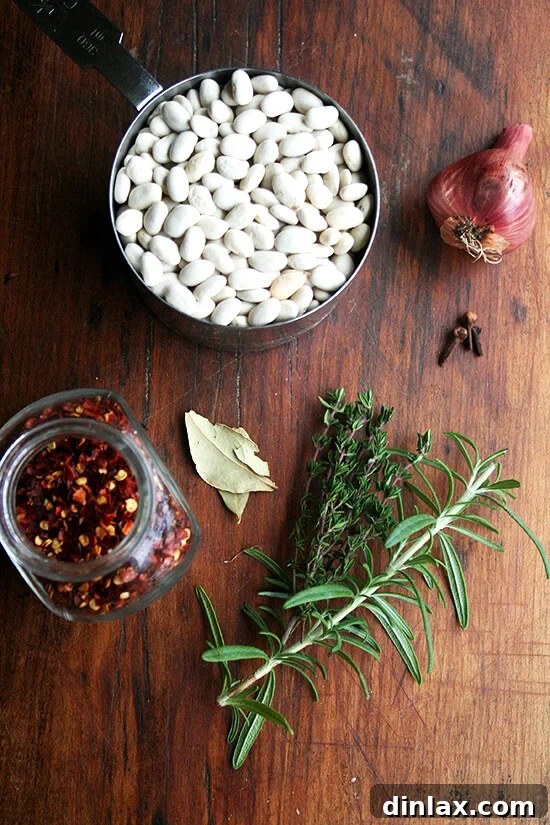
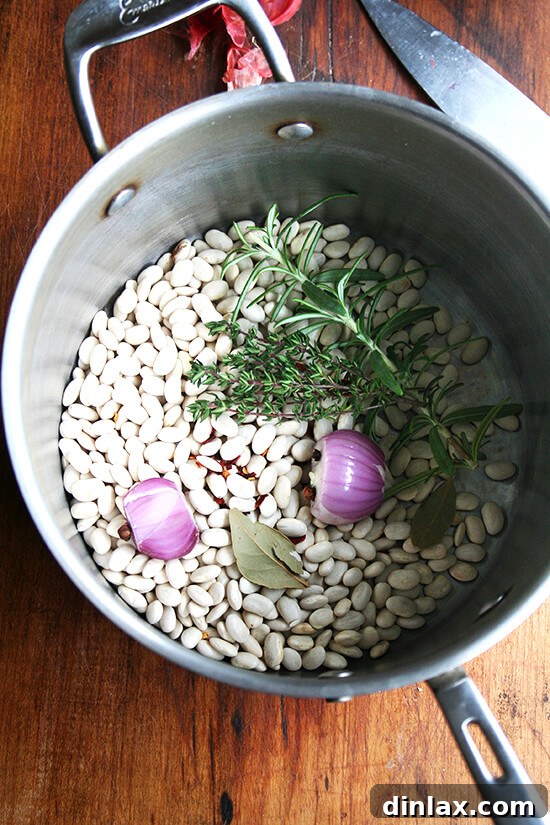
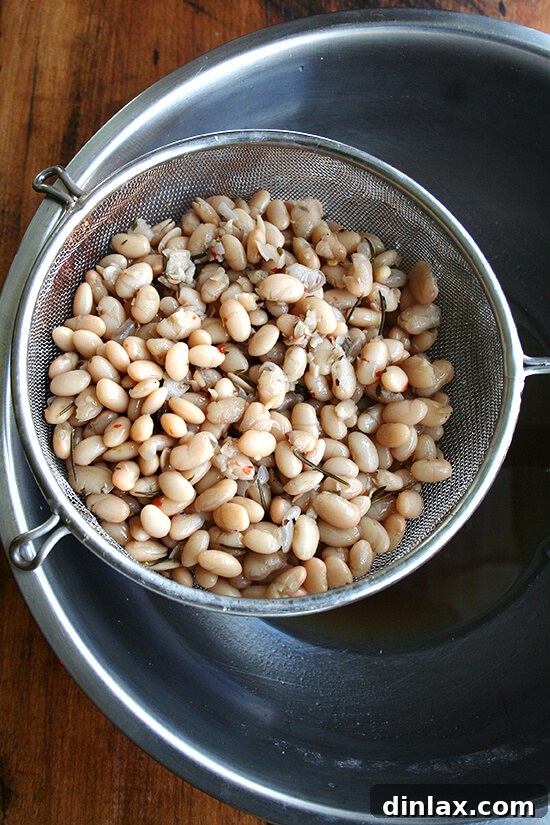
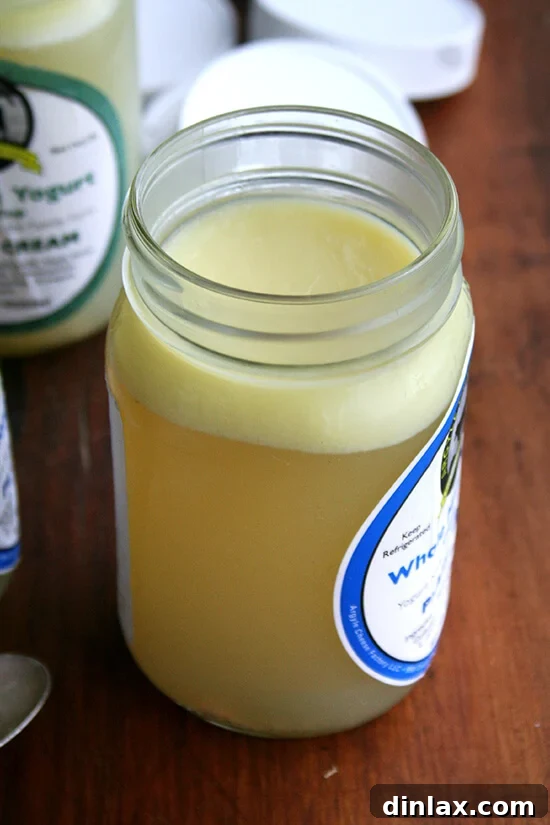
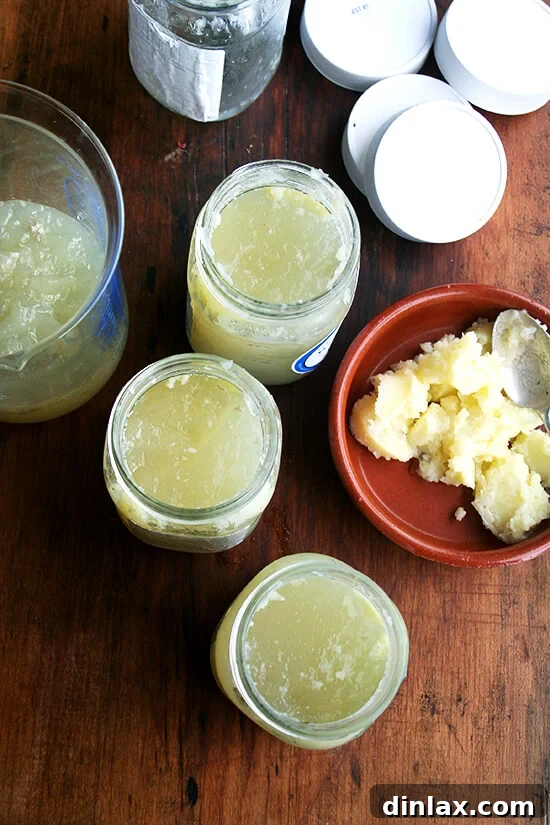
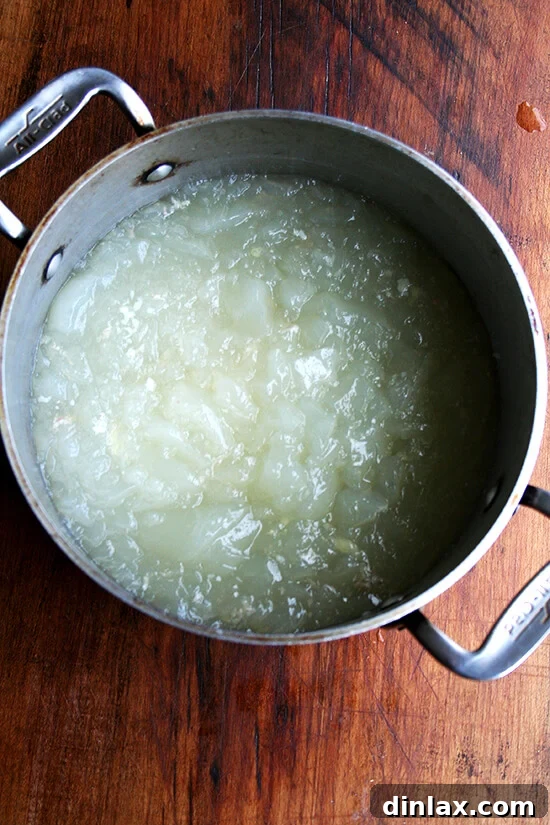
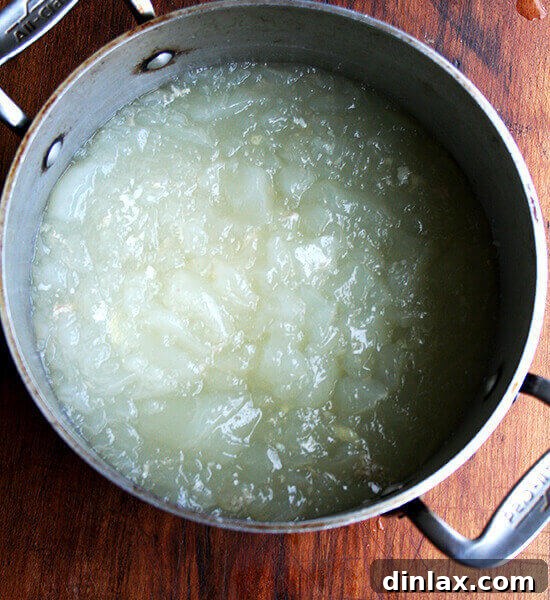
As any seasoned cook knows, the secret to a truly outstanding soup lies in the quality of your stock. When your homemade stock has fully cooled and the layer of fat has been meticulously removed, a rich, gelatinous texture is the tell-tale sign of its robust flavor and goodness. This jiggly consistency indicates that all the collagen and essential flavors have been perfectly extracted from the bones, promising a deeply satisfying base for your soup.

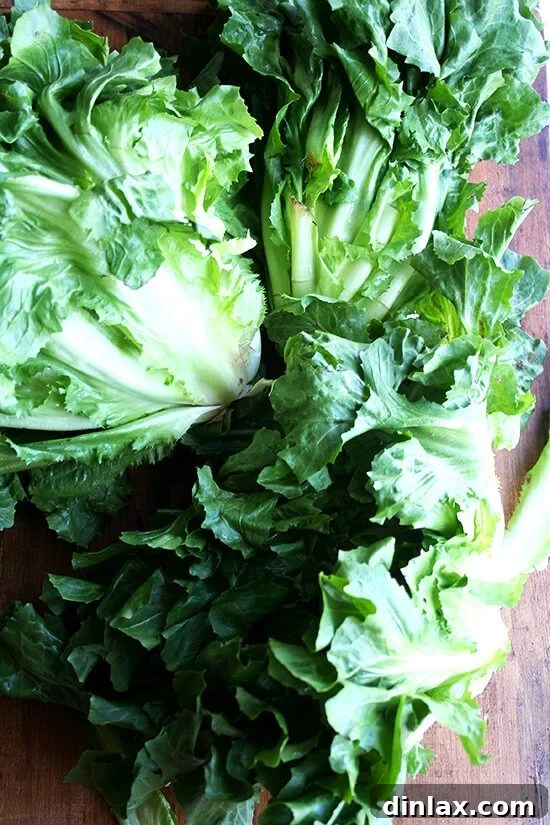
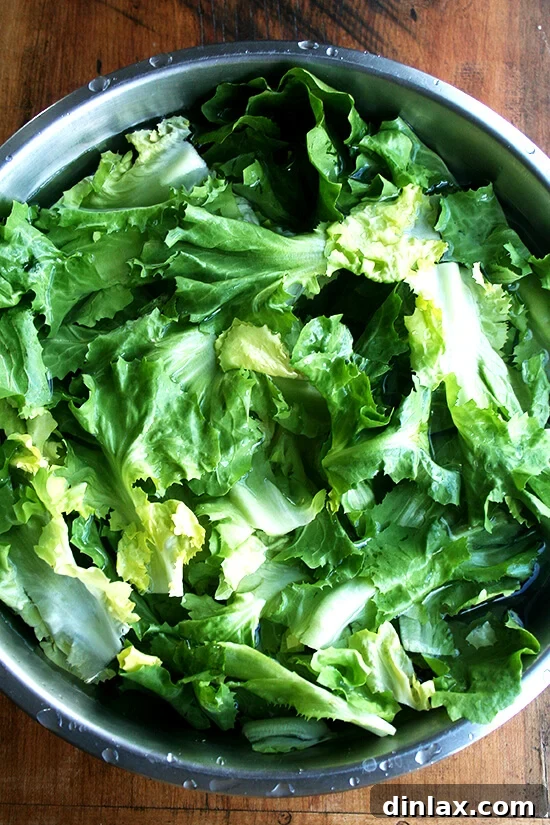
Escarole, like many leafy greens, can carry a fair bit of dirt and grit. It’s absolutely essential to soak it thoroughly in cold water to allow any impurities to settle to the bottom. This simple step ensures a clean, enjoyable eating experience, preventing any unwelcome surprises in your comforting bowl of soup.
Sourcing high-quality sausage is paramount for this soup, as its unique spice profile largely defines the broth’s flavor. The spicy Italian sausage from Bella Terra Farm, available at the Sunday Schenectady Green Market, is a perfect example of how exceptional ingredients elevate a simple dish to extraordinary heights. Look for a sausage that boasts distinctive notes of anise and fennel, along with a pleasant kick of red pepper.

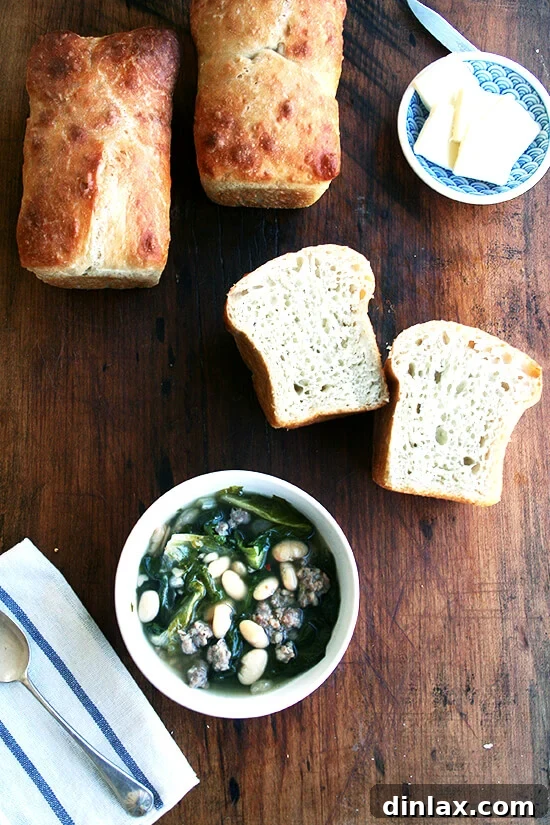
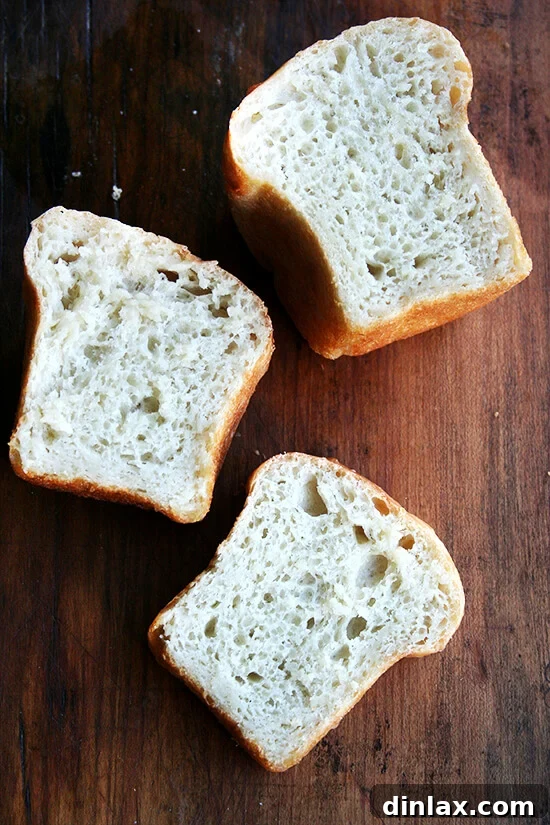
When you’re committing to making a pot of soul-warming soup from scratch, it’s the perfect opportunity to bake a few loaves of complementary bread. My go-to is the incredibly simple and delicious peasant bread. To create these adorable mini loaves, simply divide the dough into thirds and bake them in mini loaf pans. They’re ideal for serving alongside individual bowls of soup or for sharing.


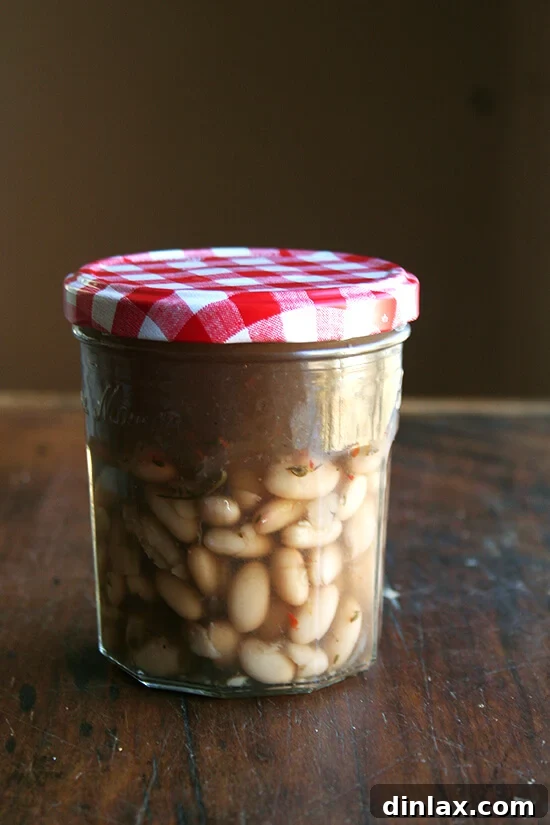
Don’t let any leftover cooked beans go to waste! The best way to preserve their flavor and texture is to store them directly in their cooking liquid. This keeps them moist and ready for your next culinary adventure. And if you find yourself with extra escarole, consider whipping up a classic Italian side dish: sautéed greens with cannellini beans. To do this, gently sweat a sliced onion over medium heat until translucent. Then, crank up the temperature to high and add the washed, slightly wet escarole. Season generously with salt and crushed red pepper flakes, tossing with tongs every so often until wilted. Finally, add your cooked white beans, along with a splash of their cooking liquid, toss to combine, and season to taste. It’s a quick, flavorful, and incredibly satisfying way to enjoy your leftover greens.
Print Recipe
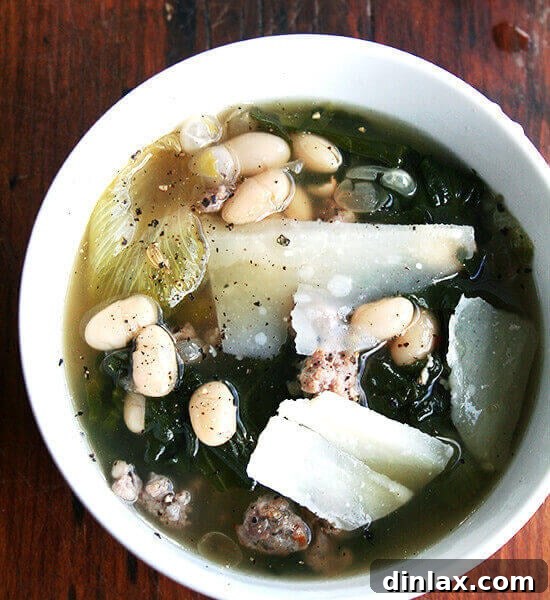
White Bean, Escarole & Sausage Soup
5 Stars 4 Stars 3 Stars 2 Stars 1 Star
No reviews
Author: Alexandra Stafford
Total Time: 35 minutes
Yield: 4–6 servings 1x
Description
This comforting White Bean, Escarole & Sausage Soup is a true winter favorite, brimming with the classic Italian flavors of hearty greens, tender white beans, and spicy Italian sausage. The secret to its incredibly pure and light broth lies in the aromatic spices within the sausage itself, primarily anise, fennel, and red pepper flakes. While the best results come from homemade chicken stock and cooked beans, making this soup is a breeze if you have those components prepped. It’s a wonderfully nourishing meal that tastes even better the next day, making it perfect for meal prep. Serve with crusty bread and a sprinkle of Parmigiano Reggiano for a truly satisfying experience.
Note: If you don’t have homemade stock or pre-cooked white beans, the preparation time will naturally be longer. For optimal flavor and convenience, consider making a batch of chicken stock and cooking dried beans ahead of time. I often prepare stock after dinner, using roasted chicken bones and any leftover chicken parts, letting it simmer before straining it in the morning. Similarly, beans can be cooked in advance and stored in their cooking liquid in the fridge or freezer. Soaking them overnight is optional but generally recommended for more even cooking.
Ingredients
- 6 to 8 cups homemade chicken stock (see recipe below)
- ½ lb. to 1 lb. escarole, depending on your preference for greens
- 1 lb. hot Italian sausage, casings removed
- 2 to 3 cups cooked white beans (from scratch, see recipe below, or two 15-oz cans, drained and rinsed)
- Kosher salt and freshly ground black pepper to taste
- Parmigiano Reggiano, freshly grated, for serving
Instructions
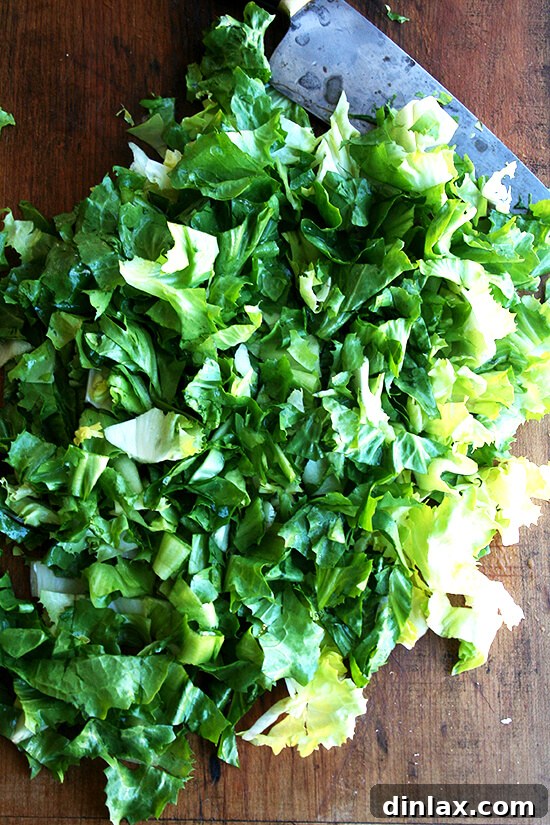
- Begin by pouring your homemade chicken stock into a large soup pot and bring it to a very gentle simmer over medium-low heat. If you happen to have a rind from a wedge of Parmigiano Reggiano or Pecorino, drop it into the stock; it will impart an incredible depth of umami flavor as the soup simmers. Meanwhile, prepare the escarole: cut off the tough core end and separate the leaves. Place the leaves in a large bowl filled with cold water and let them soak for at least 5 minutes to allow any dirt or grit to settle. Scoop the clean leaves out into a colander to drain. Roughly chop the leaves into bite-sized pieces – you want them large enough to have some texture, but not so large that they are difficult to eat with a spoon.
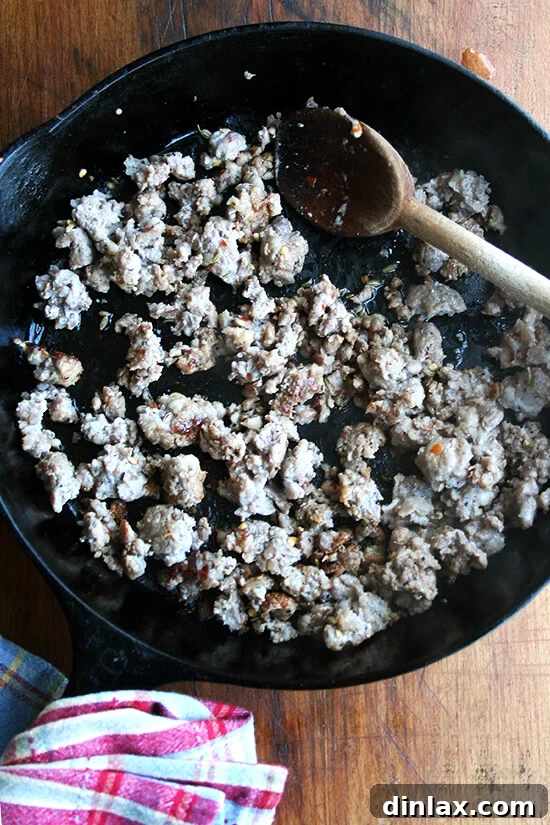
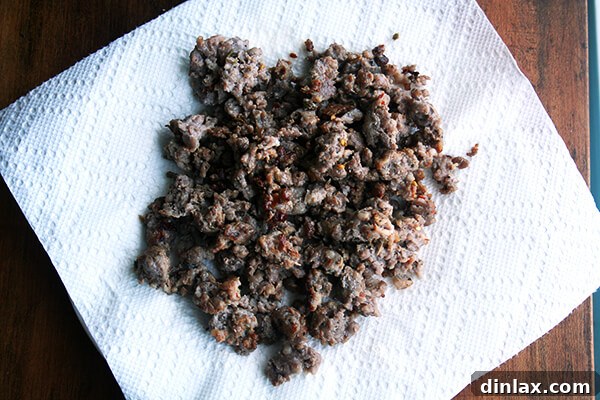
- While the stock simmers, brown the sausage. Heat a large skillet over medium heat. Add the uncased hot Italian sausage, breaking it up with a wooden spoon as it cooks. There’s typically no need to add extra oil to the pan, as the sausage fat should be sufficient. Cook until the sausage is mostly browned and cooked through. Once done, transfer the browned sausage to a plate lined with paper towels to drain any excess fat. This step helps prevent the soup from becoming overly greasy.
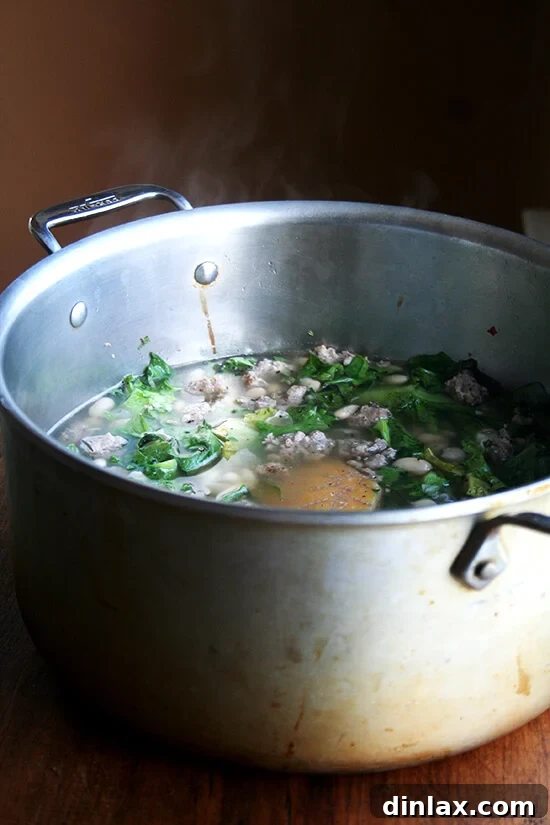
- Add 2 cups of the cooked white beans to the simmering stock in the soup pot. Then, add about half a pound of the chopped escarole. Gently press the escarole down with a wooden spoon to submerge it in the hot stock. As the escarole begins to wilt and soften, stir in the browned sausage. At this point, assess the consistency of your soup. If you prefer a heartier soup with more substance, feel free to add the remaining beans and escarole (I personally recommend using the full pound of greens and 3 cups of beans for a robust soup). If you enjoy a brothier soup, simply leave it as is. Allow the soup to simmer gently for another 15 minutes, allowing the flavors to meld beautifully. Finally, taste the broth and adjust the seasoning with kosher salt and freshly ground black pepper as needed. Remember, this soup’s flavors intensify and improve significantly after a day or two in the fridge, as the spices from the sausage and the Parmigiano rind (if used) deeply infuse the broth.
- Prep Time: 10 minutes
- Cook Time: 25 minutes
- Category: Soup
- Method: Stovetop
- Cuisine: Italian
Print Recipe
Homemade Chicken Stock: The Foundation of Flavor
5 Stars 4 Stars 3 Stars 2 Stars 1 Star
No reviews
Author: Alexandra Stafford
Total Time: 2 hours 45 minutes
Yield: 2 quarts 1x
Description
Homemade chicken stock is the unsung hero of countless recipes, especially for a hearty soup like our White Bean, Escarole & Sausage. It’s incredibly simple to make, essentially involving simmering chicken bones or parts in water for a few hours. While you can certainly make a basic stock with just chicken, incorporating aromatic vegetables like onions, carrots, and celery, along with a bay leaf and peppercorns, will yield a much richer and more flavorful liquid. This recipe, a time-honored method passed down from my mother, emphasizes the importance of these additions for a stock intended to be the star of your soup. The difference between store-bought and homemade is truly remarkable, offering superior depth of flavor and control over ingredients.
Ingredients
- 3 lbs chicken, such as a whole chicken, wings, legs, or just bones
- 2 stalks celery, roughly chopped
- 2 carrots, peeled and roughly chopped
- ½ tsp. whole peppercorns
- 1 bay leaf
- 1 onion, cut in half, each half studded with 2 cloves (total 4 cloves)
Instructions
- Place the chicken (or chicken bones/parts) into a large, heavy-bottomed pot. Add all the remaining ingredients: celery, carrots, whole peppercorns, bay leaf, and the clove-studded onion halves. Pour enough cold water over everything to fully cover the ingredients by at least an inch or two. Bring the pot to a boil over high heat. Once boiling, immediately reduce the heat to low, so the water is just gently simmering. As the stock begins to heat, scum will rise to the surface; use a spoon to skim this off and discard it, as it can make your stock cloudy. Let the stock simmer uncovered for approximately 2 hours, allowing the flavors to slowly extract.
- After simmering, remove the pot from the heat. Place a large colander over a sturdy bowl. Carefully pour the entire contents of the stockpot through the colander, separating the liquid stock from the solids. Discard all the cooked chicken pieces, vegetables, and spices once they have cooled sufficiently to handle. Transfer the strained, clear stock into appropriate storage containers. For best results and easy fat removal, allow the stock to cool completely, preferably in the refrigerator overnight. Once thoroughly chilled, a solid layer of fat will form at the top of the container; gently scoop this off and discard it. Your homemade chicken stock can then be frozen for up to 3 months or stored in the refrigerator for about a week, ready to elevate your next culinary creation.
- Prep Time: 5 minutes
- Cook Time: 2 hours 10 minutes
- Category: Stock
- Method: Stovetop
- Cuisine: American
Print Recipe

How to Cook Beans and Chickpeas from Scratch
5 Stars 4 Stars 3 Stars 2 Stars 1 Star
5 from 10 reviews
Author: Alexandra Stafford
Total Time: 11 hours
Yield: 6 cups 1x
Description
Once you discover the magic of cooking dried beans and chickpeas from scratch, you’ll never go back to canned. The brining method, a technique refined by Cook’s Illustrated, ensures that your beans cook up perfectly evenly, beautifully tender, and surprisingly quickly. This process not only vastly improves texture and flavor but also makes them more digestible. There’s an undeniable satisfaction in having several quarts of these freshly cooked legumes in your fridge or freezer, ready to be added to soups, salads, stews, or served as a simple, wholesome side. This recipe, adapted from The Science of Good Cooking, offers a straightforward path to achieving perfectly cooked beans every time. For alternative cooking methods like an Instant Pot or slow cooker, refer to the detailed notes in the article above for additional guidance.
Ingredients
- 1 lb. dried chickpeas or other dried beans (e.g., cannellini, great northern)
- 3 tablespoons + 1.5 teaspoons kosher salt
- 1 small onion, halved through the core
- 1 bay leaf
- ¼ cup olive oil
- A few sprigs of fresh thyme, optional
- 1 clove garlic, smashed, optional
- 1 teaspoon crushed red pepper flakes, optional
Instructions
- For the brining process, place the dried chickpeas or beans into a large bowl. Cover them generously with cold water, ensuring there’s at least 3 inches of water above the bean level. Add the 3 tablespoons of kosher salt to the water and stir thoroughly until it dissolves completely. Allow the beans to soak at room temperature overnight, or for a minimum of 8 to 10 hours. This crucial brining step helps tenderize the beans evenly and reduces cooking time.
- After brining, drain the beans and rinse them well under cold running water. Transfer the rinsed beans to a large pot. Add the remaining 1.5 teaspoons of salt, the halved onion, bay leaf, olive oil, and any optional aromatics like thyme sprigs, smashed garlic, or crushed red pepper flakes. Cover the beans with fresh cold water by at least three inches. Bring the pot to a vigorous boil over high heat, then immediately reduce the heat to a gentle simmer. Cook at this low simmer for about 45 minutes, or until the beans are tender and creamy. Periodically check the water level and add more hot water as needed to ensure the beans or chickpeas remain fully submerged throughout the entire cooking process. Please note that cooking times can vary significantly based on the type, size, and age of your dried beans; some may take more or less than 45 minutes to reach desired tenderness.
- Once cooked, remove the pot from the heat and allow the beans to cool completely in their flavorful cooking liquid. This step is vital for retaining their moisture and absorbing additional flavor. Before storing, discard the thyme sprigs, bay leaf, and onion halves. Store the cooked beans in their cooking liquid in an airtight container in the refrigerator for 5 to 7 days, or freeze them for up to 3 months for longer preservation. They will be ready to use in your favorite recipes, adding a homemade touch that canned beans simply can’t match.
- Prep Time: 10 hours (for brining)
- Cook Time: 1 hour (approximate)
- Category: Beans, Legumes
- Method: Boil, Simmer
- Cuisine: American, Italian