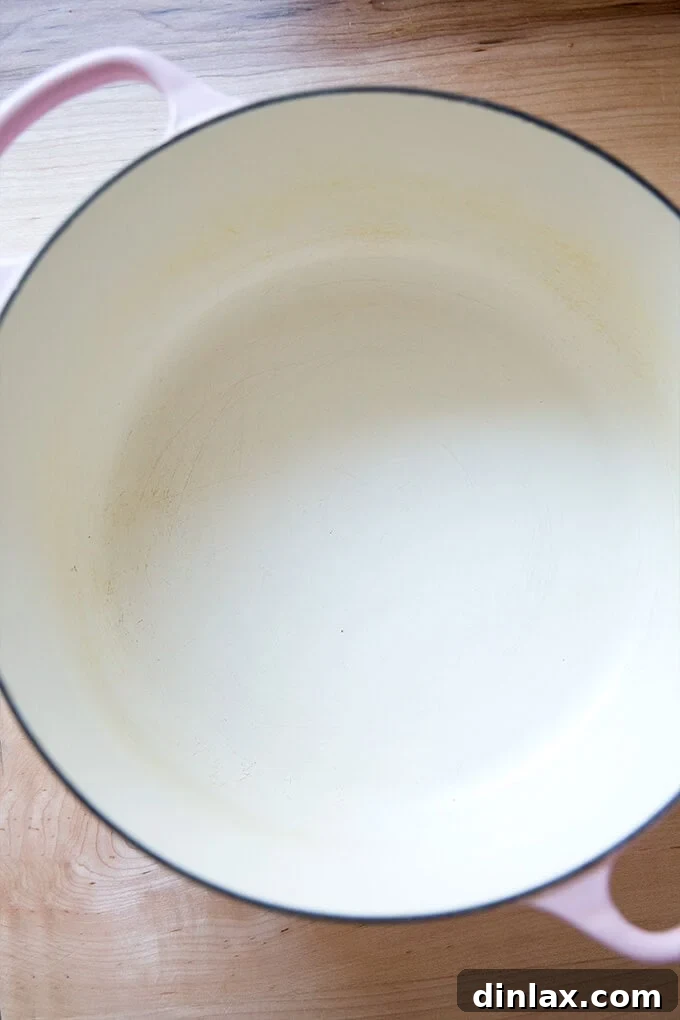
How to Safely Clean Your Le Creuset Pots and Pans: A Comprehensive Guide to Restoring Their Luster
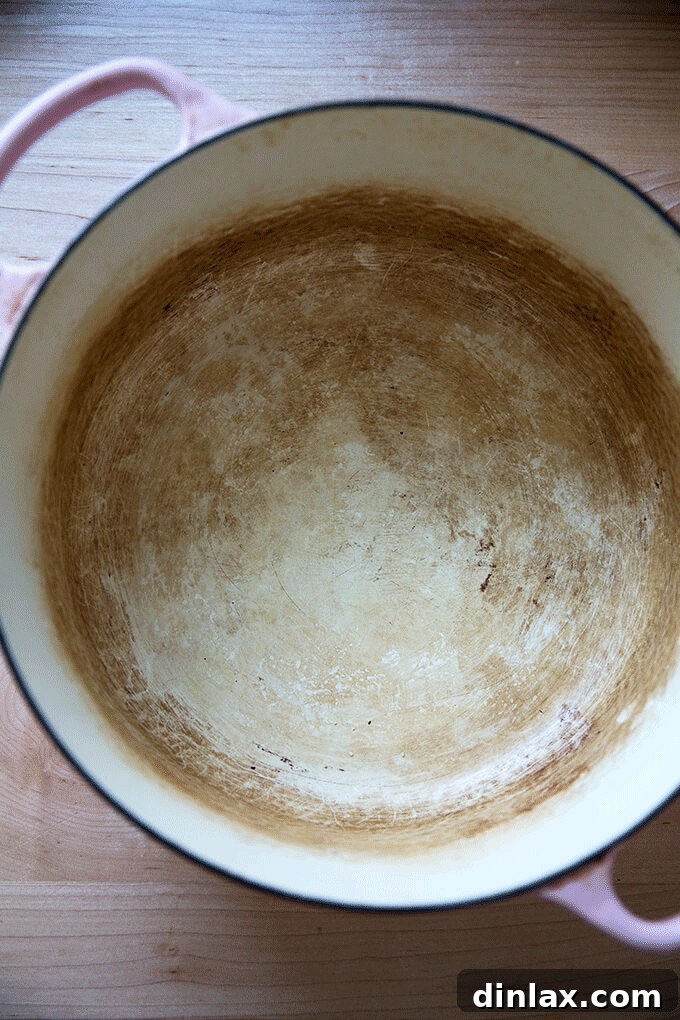
Le Creuset cookware represents a significant investment for any culinary enthusiast. Known for its vibrant colors, superior heat retention, and exceptional durability, enameled cast iron cookware elevates the cooking experience and often becomes a cherished kitchen centerpiece. However, even these high-quality pieces are not immune to the rigors of daily use. Over time, stubborn stains, burnt-on food, and general discoloration can diminish their pristine appearance and make them look less than new.
The good news is that restoring your Le Creuset pots and pans to their original glory is entirely achievable. With the right techniques and a commitment to safety, you can effectively tackle even the toughest grime without harming the enamel or compromising your well-being. This comprehensive guide will equip you with proven, safe, and effective methods to clean your Le Creuset cookware, ensuring it remains both beautiful and functional for generations to come. From everyday maintenance to deep cleaning solutions, we’ll cover everything you need to know.
The Critical Warning: Never Mix Bleach and Vinegar!
Before we dive into effective and safe cleaning solutions, it is absolutely paramount to address a dangerous chemical combination that must be avoided at all costs: mixing bleach and vinegar. This particular concoction, which regrettably surfaced as a cleaning tip in the past, poses significant health risks.
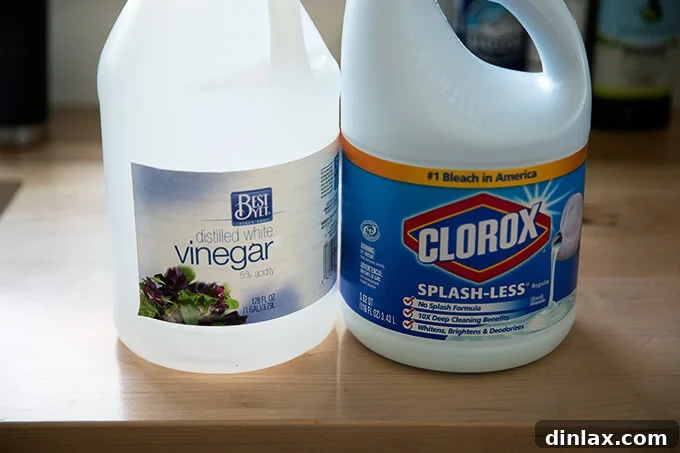
In March of 2019, a reader-suggested cleaning formula involving this mixture gained brief attention for its purported “magical” results. However, immediate and crucial feedback from concerned readers, supported by expert advice, highlighted the severe dangers. Combining bleach (sodium hypochlorite) with an acid like vinegar (acetic acid) triggers a chemical reaction that releases toxic chlorine gas.
Chlorine gas, even at low levels, is a potent respiratory irritant. Exposure can lead to a range of alarming symptoms, including:
- Persistent coughing and difficulty breathing
- A burning sensation in the throat, nose, and lungs
- Severe eye irritation, watering, and burning
- Headaches, nausea, and vomiting
- In more severe instances, dizziness, chest pain, and potentially serious lung damage (pulmonary edema).
To underscore the seriousness of this hazard, I personally contacted poison control. Despite my hopeful inquiries – such as “Can’t I use just a tiny bit?” or “Is a small amount of chlorine gas really that terrible?” – their response was unequivocal and firm: “Ma’am, don’t do it.” The message is clear: the potential health risks associated with mixing these common household cleaners far outweigh any perceived cleaning benefits. Always prioritize your safety and err on the side of caution when handling cleaning chemicals. Should accidental exposure occur, immediately move to fresh air and seek medical attention or contact poison control.
General Care and Preventative Measures for Your Le Creuset Cookware
The secret to keeping your Le Creuset cookware in pristine condition often lies in consistent, gentle care and preventative habits. By adopting these simple practices, you can significantly reduce the frequency and intensity of deep cleaning required to remove stubborn stains.
- Utilize Low to Medium Heat: Enameled cast iron is designed for efficient heat distribution and retention. Using excessively high heat can cause food to stick, burn, and potentially damage the enamel surface over time. Always start with lower heat settings and gradually increase if needed.
- Opt for Gentle Utensils: To protect the delicate enamel interior from scratches and chips, always use cooking utensils made from silicone, wood, or heat-resistant plastic. Avoid metal utensils at all costs.
- Handle with Care: When moving your Le Creuset pots and pans, lift them rather than dragging them across stovetops, countertops, or other surfaces. This prevents scratches on the base and reduces wear and tear.
- Embrace Hand Washing: While some Le Creuset pieces are marketed as dishwasher safe, handwashing is always the recommended method. Dishwashers can be harsh on enamel, potentially dulling its finish or causing subtle damage over many cycles. Handwashing preserves the cookware’s luster and extends its lifespan.
- Clean Promptly After Use: The sooner you clean your pot after cooking, the easier it will be to remove food residue. Allowing food to dry and harden on the enamel makes cleaning much more challenging.
- Avoid Thermal Shock: Never subject your hot Le Creuset cookware to cold water, or vice-versa. Extreme temperature changes can cause thermal shock, which may lead to cracks or chipping in the enamel. Always allow your cookware to cool down completely to room temperature before washing.
Safe and Effective Methods for Deep Cleaning Your Le Creuset Cookware
With safety warnings and preventative care in mind, let’s explore the tried-and-true, non-toxic, and effective methods that will restore the brilliance of your treasured Le Creuset pieces. These strategies come from both personal experience and the collective wisdom of dedicated Le Creuset owners.
1. The Official Le Creuset Cast Iron Cookware Cleaner
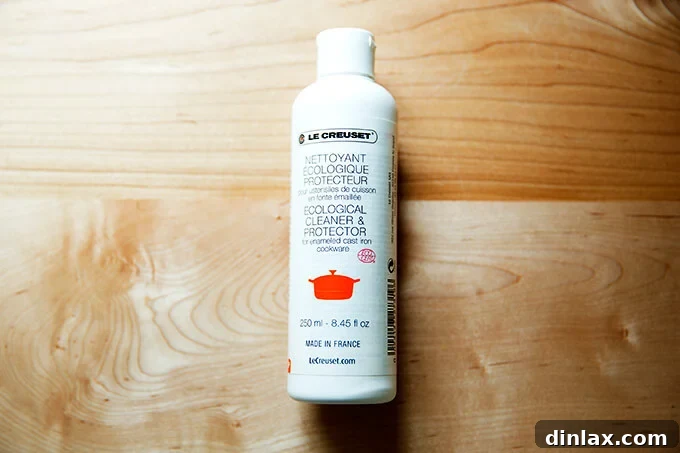
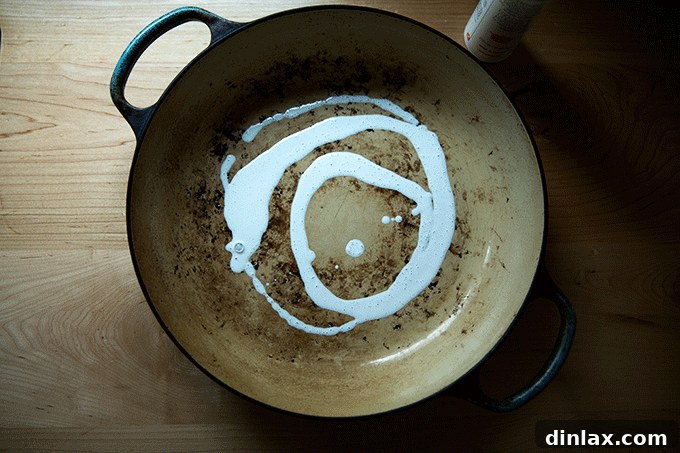
When seeking the safest and most reliable cleaning solution, often the best approach is to consult the manufacturer. Le Creuset offers its own Cast Iron Cookware Cleaner, specifically formulated to gently yet effectively remove stains and discoloration from their enameled surfaces without causing any damage. While the initial cost of approximately $25 might seem considerable, this cleaner is highly concentrated. A small amount is sufficient for each cleaning task, meaning a single bottle will last an extended period, proving to be a wise and cost-effective investment in the long run for maintaining your premium cookware.
How to Use the Le Creuset Cleaner:
- Ensure your Le Creuset cookware is completely cool before starting.
- Apply a small, pearl-sized amount of the cleaner directly onto the stained or discolored area.
- Using a damp soft cloth, sponge, or a soft-bristle brush, gently rub the cleaner into the stain using circular motions.
- For particularly stubborn marks, allow the cleaner to sit on the stain for a few minutes to penetrate.
- Rinse the cookware thoroughly with warm water, ensuring all cleaner residue is removed.
- Dry completely with a clean towel to prevent water spots.
This cleaner is particularly adept at tackling everyday discoloration, light food residue, and restoring the original glossy sheen of the enamel. Its gentle yet powerful formulation makes it a top choice for regular maintenance and preserving the beauty of your investment.
2. The Bleach + Water Boil Method (Strictly with Regular Bleach Only!)
This method is highly effective for eradicating stubborn, baked-on stains and significant discoloration from the *interior* of your enameled cast iron. It leverages the powerful oxidizing properties of bleach without the dangerous addition of any acidic components like vinegar.
How to Use the Bleach + Water Boil Method:
- Fill your cool Le Creuset pot with enough water to fully cover the stained areas.
- Carefully add regular chlorine bleach (it is crucial to use standard, non-splash, non-scented chlorine bleach; avoid “color-safe” or “chlorine-free” varieties) in a precise ratio: use 1 cup of bleach for every liter of water. For instance, a 4-liter Dutch oven would require 4 cups of bleach.
- Place the pot on the stovetop and bring the solution to a gentle boil.
- Once boiling, reduce the heat to a simmer and allow it to continue for approximately 5 to 10 minutes. Throughout this process, ensure your kitchen is exceptionally well-ventilated by opening windows, turning on exhaust fans, or using a range hood, as bleach fumes can be irritating and harmful.
- Carefully remove the pot from the heat and let the bleach solution cool down completely within the pot.
- Pour out the cooled bleach solution, taking care to dispose of it properly.
- Thoroughly scrub the interior of the pot with a soft sponge and dish soap to remove any remaining residue and odors.
- Rinse the pot several times with clean, warm water to ensure all traces of bleach are completely gone.
- Dry the cookware thoroughly with a clean towel.
Important Safety Precaution: Always perform this method in a very well-ventilated area. Absolutely never add any other cleaning agents, especially acids like vinegar or lemon juice, when working with bleach. Avoid directly inhaling the fumes. This method is generally recommended only for the white or light-colored interior enamel and should be used with extreme caution on the exterior colored enamel.
3. The Magic Eraser Method
Magic Erasers, made from melamine foam, are micro-abrasive sponges renowned for their ability to tackle a wide variety of tough grime and scuff marks. They can prove remarkably effective on certain types of stains and superficial marks found on Le Creuset cookware.
How to Use a Magic Eraser:
- Dampen a clean Magic Eraser with plain water.
- Gently rub the stained or scuffed areas of your Le Creuset pot. Apply light to moderate pressure, observing the results as you go.
- You will notice stains and scuffs beginning to lift away. The melamine foam works by acting like superfine sandpaper, gently abrading the surface to remove embedded dirt.
- Once the stain is removed, rinse the pot thoroughly with warm water and a mild dish soap.
- Dry completely with a clean towel.
While generally safe for the interior enamel, exercise caution when using a Magic Eraser on the exterior of your cookware, especially on glossy finishes. Excessive or aggressive scrubbing could potentially dull the shine over a long period. This method is best suited for light stains, minor scuff marks, and recent burnt-on residue that hasn’t fully carbonized.
4. Warm Water + Baking Soda + Vinegar or Lemon (Used Separately!)
This approach harnesses the natural abrasive and acidic properties of common kitchen staples to lift food particles and address discoloration. It’s particularly excellent for tackling stubborn burnt-on food. The key here is to use baking soda and vinegar/lemon in separate stages, not mixed together.
How to Use Baking Soda for Burnt-On Food:
- Begin by removing as much loose food residue as possible from the pot.
- Add enough warm water to the pot to completely cover the burnt-on area.
- Sprinkle 2 to 4 tablespoons of baking soda into the water (adjust amount based on pot size and stain severity).
- Bring the baking soda and water mixture to a gentle boil on the stovetop for 10 to 15 minutes.
- Turn off the heat and allow the pot and solution to cool down completely. The baking soda solution will work to significantly loosen and soften the burnt food particles.
- Once cool, use a wooden spoon, silicone scraper, or a plastic spatula to gently scrape away the loosened burnt food. Avoid metal scrapers.
- For any remaining stubborn stains, create a thick paste using baking soda and a small amount of water. Apply this paste directly to the stain, let it sit for 15 to 30 minutes, then gently scrub with a non-abrasive sponge.
- Rinse the pot thoroughly with warm, soapy water.
How to Use Vinegar or Lemon for Hard Water Stains or to Restore Shine:
If you notice hard water spots or wish to restore a natural sparkle to your Le Creuset *after* it has been cleaned, a mild acid can be very effective.
- After your pot is clean and dry, fill it with a solution of equal parts warm water and white vinegar, or water with several slices of fresh lemon.
- Let this acidic solution sit in the pot for 15 to 30 minutes.
- Pour out the solution and rinse the pot thoroughly with clean water.
- Dry completely with a soft towel to prevent watermarks.
Crucial Reminder: As previously emphasized, do NOT mix baking soda and vinegar simultaneously for cleaning purposes, especially when boiling. While their individual properties are excellent, their combined reaction can create excessive foam and neutralizes their cleaning power. Use them as distinct, separate steps if both are required for cleaning and polishing.
5. Warm Water + Baking Soda + Hydrogen Peroxide
This powerful cleaning combination offers another fantastic option for deeply embedded stains, browned interiors, and particularly stubborn burnt-on residue. Hydrogen peroxide acts as a mild bleaching agent and disinfectant, effectively breaking down organic matter and lifting discoloration.
How to Use the Baking Soda & Hydrogen Peroxide Method:
- Fill your Le Creuset pot with enough warm water to adequately cover all stained areas.
- Add a generous amount of baking soda – typically between 1/4 to 1/2 cup, depending on the size of your pot and the severity of the stains.
- Pour in a similar quantity (1/4 to 1/2 cup) of standard 3% hydrogen peroxide solution.
- Place the pot on the stovetop and bring the mixture to a boil. Once boiling, reduce the heat to a simmer and cover the pot with its lid.
- Allow the solution to simmer gently for 10 to 20 minutes. The heat helps activate the ingredients, working to lift and dissolve the layers of grime and discoloration.
- Turn off the heat and let the solution cool completely inside the pot.
- Once cool, the residue should be significantly loosened and easier to remove. Wipe the interior clean with a paper towel or a soft sponge.
- Rinse the pot thoroughly with warm, soapy water and then dry it completely.
Many users laud this method for its remarkable ability to leave their Le Creuset pots looking “pristine,” effectively restoring their original luster and cleanliness.
6. Easy-Off Oven Cleaner (Use with Extreme Caution and Only on Exterior!)
This method is reserved for the most extreme and desperate cleaning scenarios, typically when dealing with very old, heavily stained, or carbonized exteriors of Le Creuset pots. It is crucial to understand that this powerful chemical solution should *never* be used on the interior cooking surface and demands strict adherence to safety protocols.
How to Use Easy-Off Oven Cleaner on Le Creuset Exterior:
- Work in a highly ventilated environment: Ideally outdoors, in a garage with open doors, or in a well-ventilated utility room. Wear heavy-duty protective gloves and eye protection without fail.
- Ensure the Le Creuset pot is completely cool and dry before application.
- Carefully spray Easy-Off Oven Cleaner (the regular, yellow-cap formulation, often specified for cold oven cleaning, is usually recommended) onto the *exterior* of the stained areas only. Go to great lengths to avoid spraying or getting any cleaner on the interior enamel cooking surface.
- To allow the cleaner to work effectively and to contain fumes, place the sprayed pot into a large plastic garbage bag and seal it tightly, or place it in a cold oven and keep the door shut.
- Allow the cleaner to sit and penetrate the stains for several hours, or even overnight, depending on the severity of the carbonization.
- Wearing gloves, carefully remove the pot from its enclosure. Rinse it meticulously under running water, using an old sponge or stiff brush to wipe away all the loosened gunk and chemical residue. Be extremely thorough in rinsing to ensure no chemical traces remain.
- Wash the pot as usual with warm water and mild dish soap.
- Rinse again several times and dry the cookware completely.
Extreme Caution Advisory: Oven cleaner is a corrosive chemical. It has the potential to damage certain finishes, so if you have any reservations, always perform a small spot test on an inconspicuous area first. This method is strictly not recommended for matte black enamel, nor should it ever come into contact with the cooking surface. Always follow the manufacturer’s safety instructions provided on the oven cleaner product. This is a last-resort cleaning technique for severe exterior issues only.
Restoring the Shine and Ensuring the Longevity of Your Le Creuset
Once your Le Creuset pots and pans have been thoroughly cleaned and dried, a few final steps can help maintain their restored brilliance and ensure their longevity. After drying, you might consider applying a thin layer of mineral oil or Le Creuset’s own conditioning oil to the rim of the pot – the area where raw cast iron is sometimes exposed, even if typically covered by enamel – to prevent any potential for rust. For the enamel itself, the best ongoing practice is simply to keep it clean and dry after every single use.
By integrating these cleaning and care tips into your routine, you can confidently preserve the aesthetic appeal and superior performance of your Le Creuset cookware, allowing it to continue inspiring delicious meals for many years to come.