Sheet Pan Pasta Gratin with Kale: The Ultimate Crispy Comfort Food
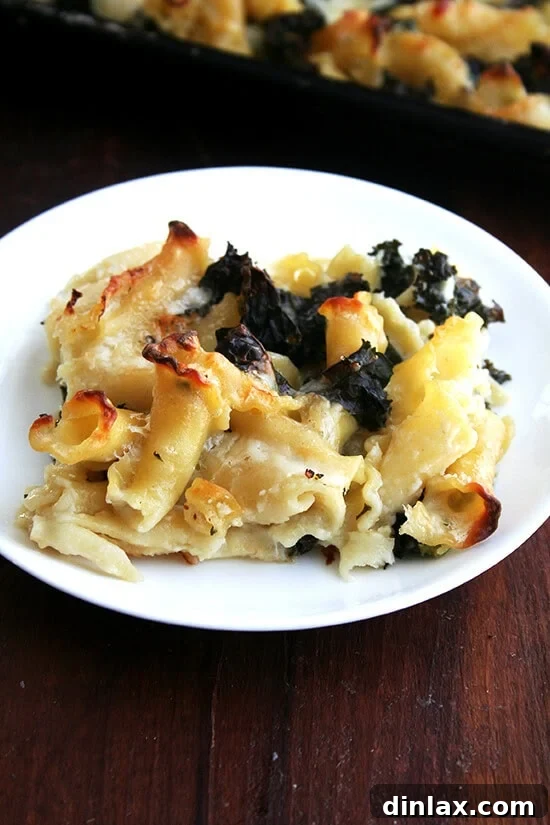
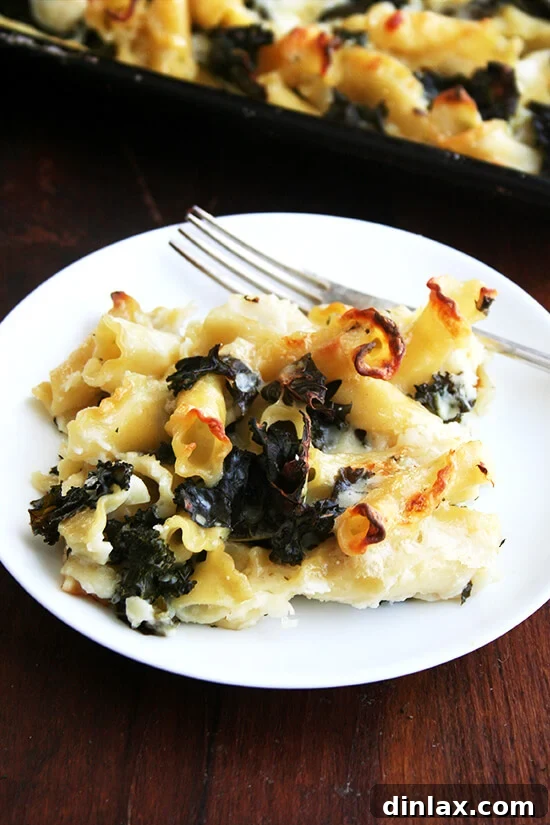
Who can resist the irresistible allure of crispy, golden edges on a baked pasta gratin? It’s often the best part of the dish, yet so frequently, we find there’s simply not enough of it to go around. We’ve all been there, vying for that coveted crunchy corner. Well, prepare to have your gratin game revolutionized, because this sheet pan pasta gratin recipe is designed to deliver maximum crispness in every single bite. By utilizing the expansive surface area of a sheet pan, we elevate the ratio of crunchy topping to creamy, cheesy pasta, ensuring that everyone gets a generous share of gratin perfection.
Beyond its unparalleled crispiness, this sheet pan pasta gratin stands out for its incredible speed and simplicity. Unlike traditional gratins that often require a breadcrumb topping (which adds another step), this recipe streamlines the process. The ingenious addition of fresh, chopped kale serves a dual purpose: it not only provides a welcome dose of healthy roughage and vibrant color but also dramatically bolsters the crispness effect, transforming into delightfully charred, almost “kale chip”-like edges that mingle beautifully with the rich gratin. Think of it as the ultimate marriage of crispy texture and wholesome goodness, all baked to perfection on a single sheet pan.
The Sheet Pan Advantage: Unleashing Maximum Crispy Potential
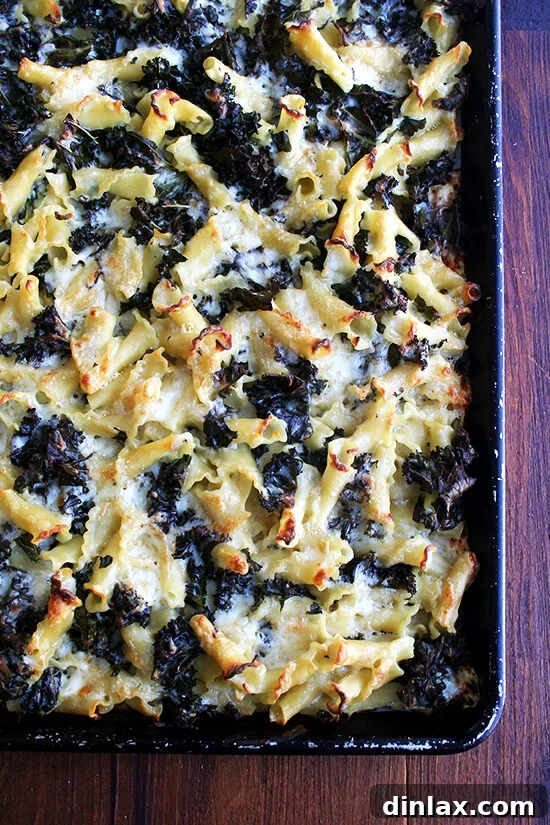
What makes a sheet pan so superior for achieving that sought-after crispy texture in baked pasta dishes? The answer lies in maximizing surface area. Traditional casserole dishes, while perfect for deep, bubbling gratins, concentrate the heat, resulting in a smaller proportion of crispy edges compared to the creamy interior. A sheet pan, however, spreads the pasta mixture thinly, allowing a much larger portion of the dish to come into direct contact with the hot air of the oven. This increased exposure to dry heat promotes browning and caramelization, creating an abundance of those coveted crunchy bits that make gratin so incredibly addictive.
This method isn’t just about crispiness; it’s also about even cooking and a more dynamic texture profile. Each forkful delivers a delightful contrast: the tender, al dente pasta, coated in a luscious béchamel, nestled alongside the deeply browned, cheesy edges and the surprisingly crisp, slightly bitter notes of baked kale. It’s a sensory experience that a traditional deep dish simply can’t replicate. The sheet pan transforms a humble pasta bake into an exciting textural adventure, making it a favorite for weeknight dinners and special occasions alike. If you’ve ever found yourself wishing for more of the crunchy topping on your baked pasta, this technique is your culinary revelation.
Crafting the Heart of the Gratin: Béchamel and Cheeses
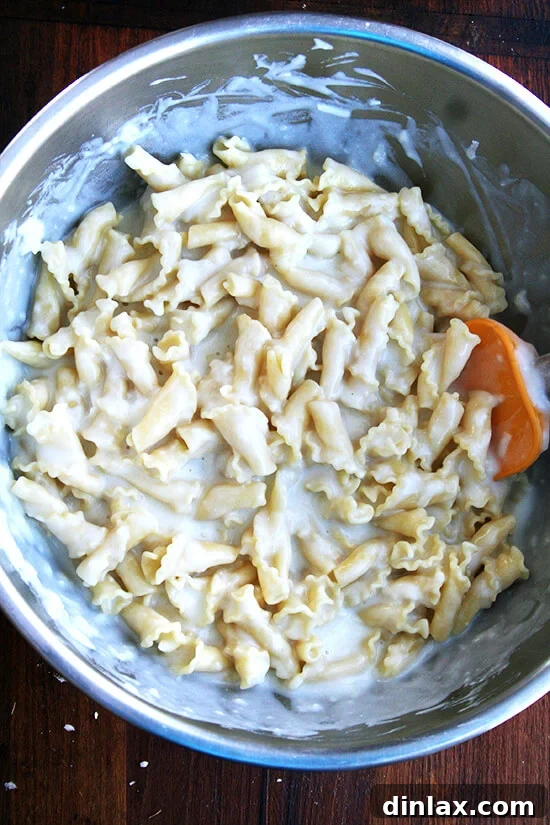
At the core of any great gratin is a velvety, rich sauce, and this sheet pan pasta gratin is no exception. We opt for a lightened béchamel, a classic French white sauce, made with equal parts milk and water. This intentional choice results in a sauce that is perfectly creamy and flavorful without being overly heavy, allowing the other ingredients to shine. The process is straightforward: butter and flour are cooked into a roux, forming the thickening base, to which the milk and water mixture is gradually whisked in. The key to a smooth, lump-free béchamel is continuous whisking, especially in the initial stages as the liquid is added, and then a gentle simmer until it thickens sufficiently to coat the back of a spoon.
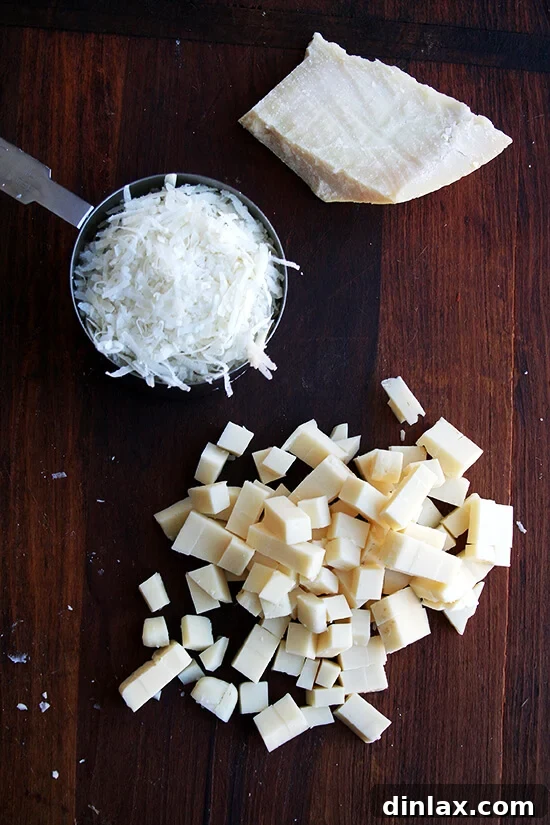
When it comes to cheese, this recipe calls for a duo to achieve a perfect balance of sharp, salty, and melty goodness. For the primary cheese, grated Parmigiano Reggiano lends its iconic nutty, salty punch. You can also experiment with Pecorino Romano for a sharper bite or Grana Padano for a slightly milder flavor profile. The second cheese, diced into small cubes, adds a wonderful creaminess and irresistible melt. Fontina, with its mild, earthy, and exceptionally melty qualities, is a fantastic choice, as is fresh mozzarella for a classic, gooey stretch. For a more sophisticated twist, consider Gruyère or Comté, which contribute complex, nutty, and slightly sweet undertones that elevate the gratin to new heights. The combination of these cheeses ensures a depth of flavor and an amazing textural experience in every bite.
The Perfect Pasta: Shapes and Essential Parboiling
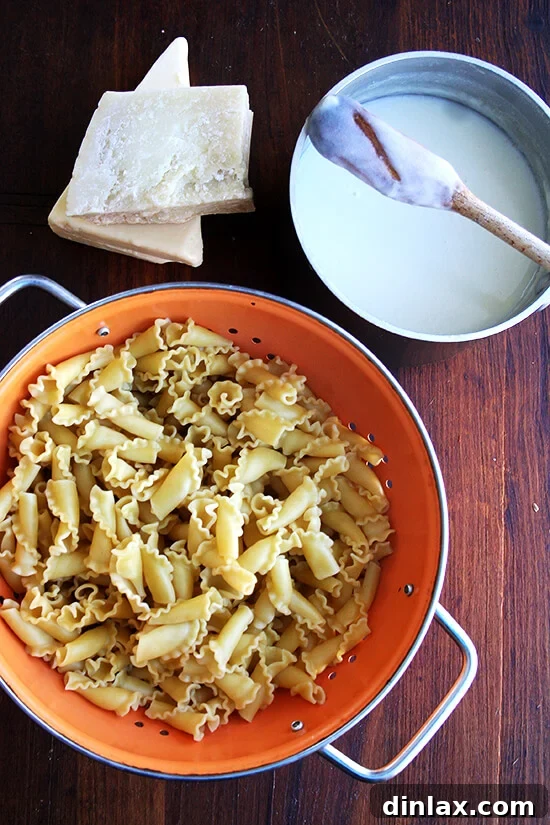
The choice of pasta shape, while seemingly minor, plays a crucial role in the overall success and texture of your sheet pan pasta gratin. While shapes like penne are traditional and perform beautifully, their ridged surfaces excel at capturing the creamy béchamel. For an extra touch of elegance and enhanced crispiness, campanelle, meaning “bellflowers” in Italian, is a stellar option. Its fluted, petal-like edges are designed to catch and hold sauce, and more importantly for this dish, they brown up exquisitely in the oven, adding another layer of delightful crispness to the gratin. Other sturdy, medium-sized pasta shapes like rotini, cavatappi, or even macaroni would also work wonderfully, each contributing its unique texture and sauce-holding capabilities.
Crucial to any baked pasta dish, especially one destined for a sheet pan, is the art of parboiling. The pasta must be cooked for 2 minutes less than the package’s suggested al dente time. For example, if your campanelle calls for 10-11 minutes for “al dente perfection,” you would boil it for only 8 minutes. This ensures that the pasta is pliable enough to mix with the sauce but still retains a firm bite, preventing it from becoming mushy during its final bake in the oven. It will finish cooking and absorb the creamy béchamel on the sheet pan, resulting in a perfectly tender yet resilient texture that stands up to the rich sauce and crispy edges. Remember, draining the pasta but not rinsing it is key, as the residual starch helps the béchamel adhere beautifully.
Kale: The Unsung Hero of This Gratin
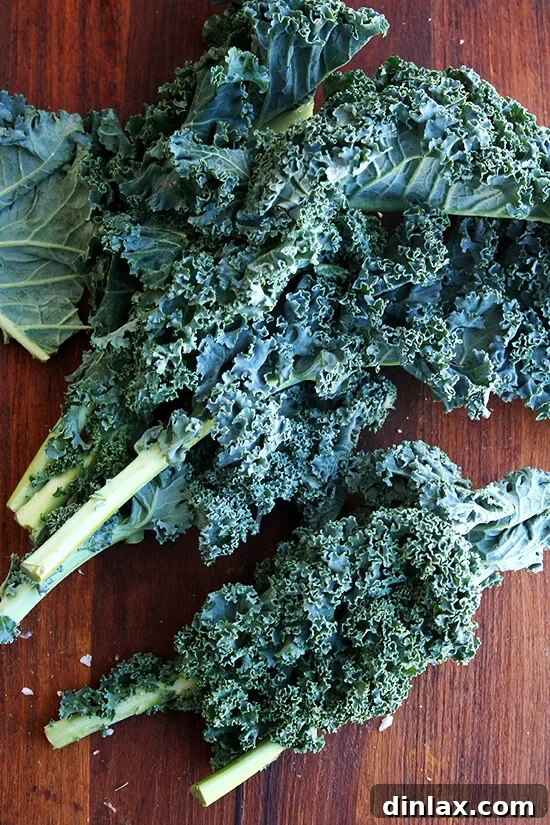
In this sheet pan pasta gratin, kale isn’t just an afterthought; it’s a vital component that contributes significantly to both flavor and texture. Often perceived solely for its robust nutritional profile, kale here plays a starring role in achieving that coveted crispness. When finely chopped and distributed across the sheet pan, the edges of the kale leaves, much like the pasta, are exposed to direct heat. This transforms them into surprisingly crisp, slightly caramelized bits that mimic the texture of a kale chip, adding an unexpected and delightful counterpoint to the creamy pasta and melted cheese. This “kale chip meets gratin edge” effect is truly unique and immensely satisfying.
Beyond its textural contribution, kale also infuses the dish with a subtle earthy bitterness that beautifully balances the richness of the béchamel and cheeses. For those observing Meatless Mondays or simply looking to incorporate more vegetables, kale provides a hearty, nutrient-dense filling that doesn’t require any pre-cooking. Simply chop it finely and toss it directly with the pasta and béchamel. Swiss chard works equally well here, offering a similar texture and a slightly milder flavor. Even spinach can be used, though it will wilt down significantly more and should be added closer to the final mixing step. The versatility of greens allows for seasonal adaptations, ensuring your sheet pan gratin is always fresh and exciting.
Endless Customization: Making Your Sheet Pan Gratin Your Own
One of the most appealing aspects of this sheet pan pasta gratin is its incredible adaptability. While the core elements of crispy pasta, creamy béchamel, and delicious cheeses remain constant, the “fillings” are entirely up to your imagination and what you have readily available in your pantry and refrigerator. This recipe is a fantastic canvas for culinary creativity, making it perfect for using up leftover ingredients or catering to specific dietary preferences.
Protein Power-Ups
For meat lovers, the addition of a savory protein can transform this vegetarian delight into a hearty meal. Hot Italian sausage, crumbled and browned, infuses the gratin with a spicy, aromatic depth. Crisped pancetta or bacon bits offer a smoky, salty crunch that pairs wonderfully with the creamy pasta. If you have leftover roasted chicken or turkey, shredding and mixing it in provides a lean protein boost. Even cooked ham, diced into small cubes, can add a comforting, savory dimension. Just ensure any meat additions are pre-cooked before folding them into the pasta mixture.
Vibrant Vegetable Medley
The world truly is your sheet pan when it comes to vegetables. Beyond kale and chard, consider a colorful array of additions. Bell peppers, onions, and mushrooms benefit from a quick sauté to soften them and deepen their flavor before being added to the mix. For tougher vegetables like broccoli florets or cauliflower, a brief blanching or steaming beforehand ensures they reach the perfect tenderness when baked. Diced zucchini, cherry tomatoes, or even roasted butternut squash (pre-roasted for best results) can add wonderful flavors and textures. Don’t be afraid to mix and match; a combination of sweet bell peppers, earthy mushrooms, and vibrant kale can create a truly complex and satisfying dish. Think seasonally to incorporate the freshest produce.
Aromatic Herbs and Spices
While kosher salt and freshly ground black pepper are essential, a pinch of nutmeg in the béchamel sauce adds a classic, warm, and sophisticated note. Fresh herbs like finely chopped parsley, basil, or thyme can be stirred in at the end for a burst of freshness. Dried Italian seasoning, a touch of red pepper flakes for a subtle kick, or even a hint of smoked paprika can further enhance the flavor profile, making each iteration of your sheet pan gratin uniquely yours. This recipe isn’t just a guide; it’s an invitation to explore and experiment, ensuring a delicious and satisfying meal every time.
Print
Sheet Pan Pasta Gratin with Kale
5 Stars 4 Stars 3 Stars 2 Stars 1 Star
5 from 3 reviews
Author: Alexandra Stafford
Total Time: 60 minutes
Yield: 4 to 6 1x
Description
As noted in the post, this recipe can be adapted to your liking. Shapes like penne are more traditional but campanelle, which means “bellflowers” in Italian, has fluted, petal-like edges which crisp up nicely in the oven and look pretty. Any shape, however, will work just fine. You can use Pecorino or Grana Padano in place of the Parmigiano Reggiano. For the second cheese, I love to use mozzarella or Fontina, but something like Gruyère or Comte would work well, too. And as for fillings, add what you like. I love the simplicity of raw greens and maybe a little browned sausage, but use what you have on hand.
Ingredients
- 3/4 pound pasta, penne or campanelle or anything you like
- 4 tablespoons unsalted butter
- 1/4 cup flour
- 2 cups milk (2% or whole)
- 2 cups water
- 1 1/4 teaspoons kosher salt
- Freshly ground black pepper to taste
- about 8 oz kale or Swiss chard, stems removed
- 1 1/2 cups (4 ounces) Parmigiano Reggiano, grated
- a scant cup (6 oz) fontina or fresh mozzarella, diced into small cubes
Instructions
- Preheat oven to 425°F (218°C).
- Bring a large pot of generously salted water to a rolling boil. Add your chosen pasta (penne, campanelle, etc.) and boil for 2 minutes less than the package’s suggested al dente cooking time. This crucial step ensures the pasta remains slightly firm and will finish cooking perfectly in the oven without becoming mushy. Drain the pasta thoroughly but do not rinse it, as the residual starch helps the sauce adhere. Set aside.
- Meanwhile, prepare the béchamel sauce. In a medium saucepan, melt 4 tablespoons of unsalted butter over medium-high heat. Once melted, add the 1/4 cup of flour, whisking constantly for about one minute to create a smooth roux. Gradually pour in the 2 cups of milk and 2 cups of water, continuing to whisk vigorously to incorporate the roux and prevent any lumps from forming. Bring the mixture to a boil, then immediately reduce the heat to a gentle simmer. Season with 1 1/4 teaspoons of kosher salt and freshly ground black pepper to taste. Continue to simmer, whisking occasionally, for about 20 minutes, or until the mixture begins to thicken. The sauce won’t be extremely thick, but it should be able to coat the back of a spoon, and a trail should remain if you run your finger through it. Remove from heat.
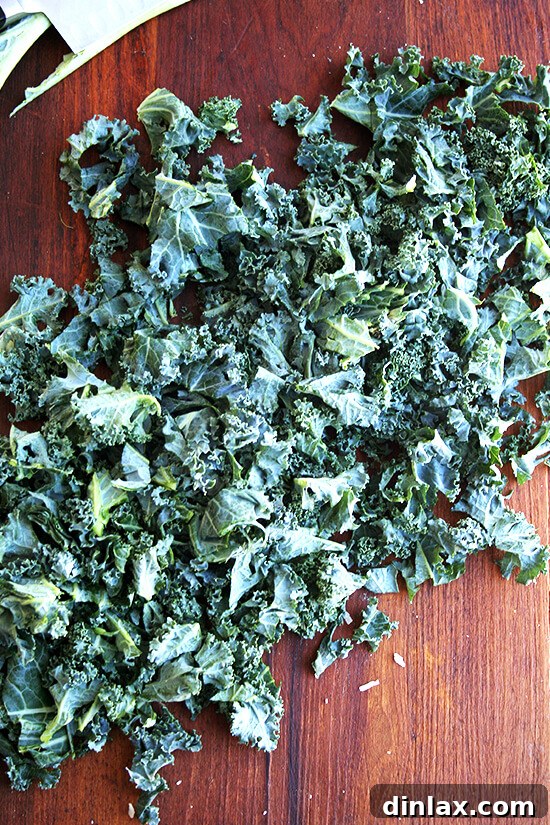
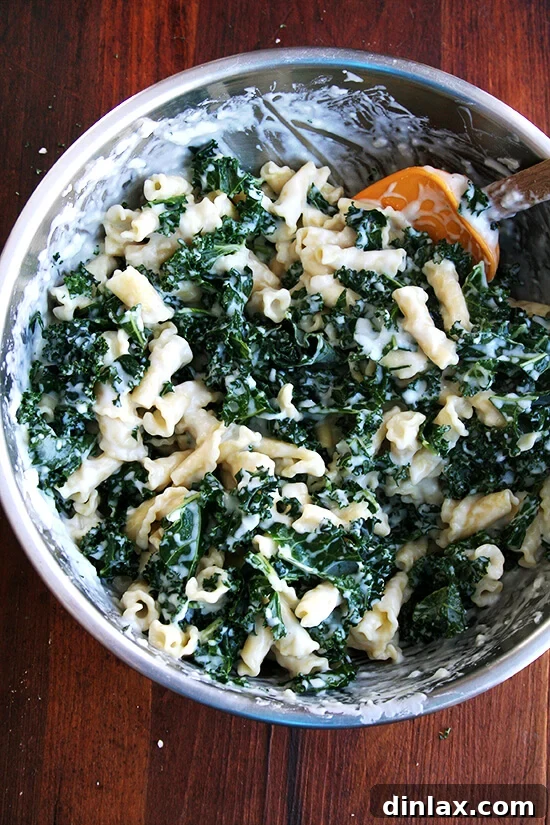
- While the béchamel simmers, prepare the kale or Swiss chard by removing the tough stems and chopping the leaves into small, bite-sized pieces. In a large mixing bowl, combine the parboiled, drained pasta with the prepared béchamel sauce and 1 1/2 cups of grated Parmigiano Reggiano. Fold in the chopped kale, ensuring it is evenly distributed throughout the pasta mixture.
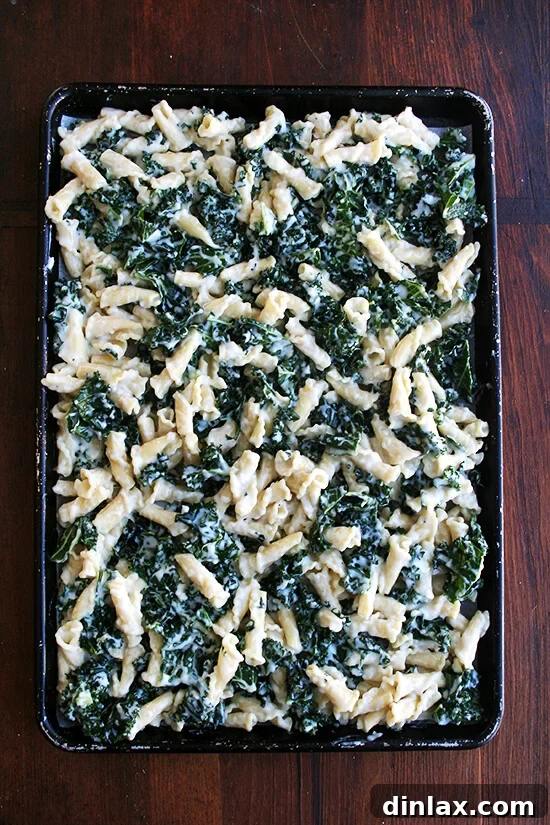
- Line a rimmed sheet pan (approximately 13×18 inches) with a sheet of parchment paper. Spread the macaroni and kale mixture evenly across the prepared sheet pan, ensuring a relatively thin layer for maximum crispness. Distribute the diced Fontina or fresh mozzarella cubes over the top of the pasta mixture.
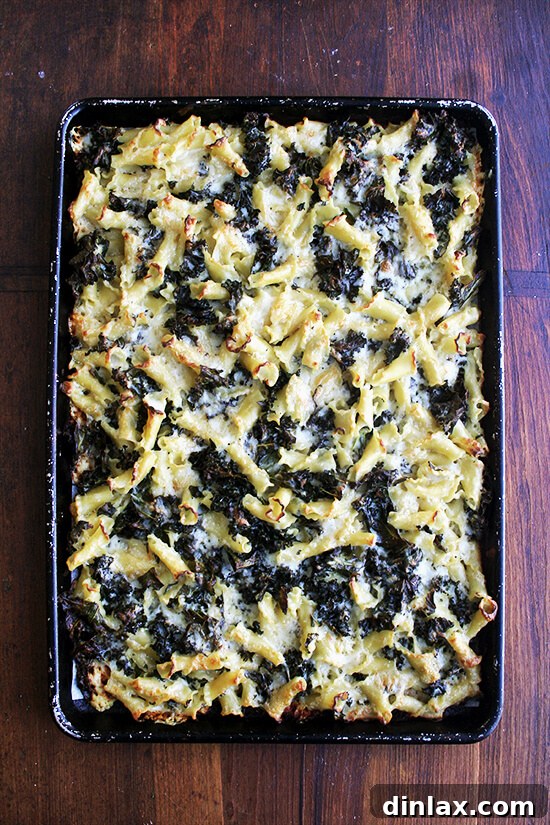
- Bake for 25 to 30 minutes in the preheated 425°F (218°C) oven, checking after about 10-15 minutes. If the gratin appears to be browning too quickly, you can reduce the oven temperature to 400°F (200°C) for the remainder of the cooking time. The gratin is ready when it is bubbling vigorously, the cheese is melted and golden, and the edges are delightfully crisp and browned. Remove from the oven and let it rest for 10 minutes before serving to allow the sauce to set and prevent the gratin from falling apart. Enjoy your perfectly crispy sheet pan pasta gratin!
- Prep Time: 10 minutes
- Cook Time: 50 minutes
- Category: Pasta
- Method: Oven
- Cuisine: Italian