Embracing Culinary Authenticity: Why Real Butter Transformed My Kitchen
In a world saturated with processed foods and artificial substitutes, I’ve embarked on a journey towards culinary purism. This path has led me to re-evaluate many staples in my pantry, most notably a decades-long relationship with “fake butter.” For years, a tub of Brummel and Brown, a yogurt-based spread, held a sacred spot in the Stafford household refrigerator. It was more than just a spread; it was intertwined with daily rituals – slathered generously on morning toast and accompanying warm bread at dinner. Its convenient, always-soft texture and the reassuring whispers of its “health claims” made it an undeniable fixture. In fact, my husband Ben and I often joke about our early days, suggesting we practically fell in love over that very tub of Brummel and Brown.
The Awakening: Michael Pollan’s Profound Influence on Our Food Choices
So, what prompted this significant culinary shift? The answer, as many of my readers might anticipate, lies with Michael Pollan. His transformative work, particularly In Defense Of Food: An Eater’s Manifesto, has become an indispensable guide, profoundly shaping how I shop, cook, and eat. Far from a restrictive diet, Pollan’s philosophy encourages a return to common sense and traditional wisdom regarding nutrition. His insights have not only made me a more conscious consumer but have also revealed the immense pleasure and superior flavor of real, unprocessed foods. And as I’ve discovered, real butter is, unequivocally, really good.
Before Pollan’s influence, the thought of scrutinizing an ingredient list for something as seemingly innocuous as a butter spread never crossed my mind. Yet, spurred by his teachings, I finally examined the label on a tub of Brummel and Brown. The list was illuminating:
Water, vegetable oil blend (liquid soybean oil, partially hydrogenated soybean oil), nonfat yogurt (cultured nonfat milk), salt, gelatin, vegetable mono and diglycerides, soy lecithin, (potassium sorbate, calcium disodium edta) used to protect quality, lactic acid, artificial flavor, vitamin a (palmitate), beta carotene (for color).
Deconstructing “Food-Like Substances”: Applying Pollan’s Wisdom
Michael Pollan’s simple yet revolutionary “eating algorithms” from In Defense Of Food provide an excellent framework for evaluating what we put into our bodies. Let’s apply just a few of them to the ingredient list above:
- Don’t eat anything your great-grandmother wouldn’t recognize as food. This rule champions whole, traditional foods. Would our ancestors recognize “partially hydrogenated soybean oil” or “calcium disodium edta” as edible? Highly unlikely. They would recognize butter, made from cream.
- Don’t eat anything incapable of rotting. The presence of preservatives like potassium sorbate and calcium disodium edta in Brummel and Brown is designed to extend shelf life, often at the expense of nutritional integrity and natural decomposition. Real, fresh foods, by their very nature, eventually spoil.
- Avoid food products containing ingredients that are A.) unfamiliar, B.) unpronounceable, C.) more than five in number, or that include D.) high-fructose corn syrup. Brummel and Brown’s ingredient list is a parade of unfamiliar and unpronounceable chemicals. It boasts well over five ingredients, a clear red flag. While it avoids high-fructose corn syrup (failing only on 3-D), it fails spectacularly on the other counts.
By these standards, Brummel and Brown falls short across multiple criteria. Of course, a single tablespoon of this spread every other day was unlikely to cause immediate harm, and the individual impact of each ingredient might be debatable. However, the cumulative effect of consuming numerous highly processed ingredients, often engineered for taste and shelf life rather than nutritional value, raises legitimate concerns about long-term health. We’ve enjoyed real butter for over 4,000 years, a testament to its natural origins and sustained consumption without complex industrial processing. Why, then, should I choose partially hydrogenated soybean oil – a source of trans fats – or soy lecithin when I can savor the pure simplicity of cream, the sole ingredient in a batch of wholesome, unsalted butter? The choice, once seen through Pollan’s lens, became abundantly clear.
For those interested in delving deeper into Michael Pollan’s insightful arguments and exploring my personal reflections on In Defense Of Food, I’ve compiled extensive notes on the book. (While a direct link is not provided here, I encourage readers to explore his impactful work independently.)
Decoding Trans Fats and Labeling Nuances
It’s worth noting that Brummel and Brown explicitly states “No Trans Fats” on its packaging. However, this claim often comes with an asterisk, leading to a crucial qualification based on FDA labeling regulations. These regulations allow manufacturers to declare “0 grams of trans fat” per serving if the product contains less than 0.5 grams per serving. While technically true for a single serving, repeated consumption can still lead to an accumulation of these harmful fats, which are widely linked to increased risk of heart disease. This labeling loophole highlights the importance of reading the full ingredient list, not just the front-of-package claims, to truly understand what you’re eating.
The Joy of Artisan Butter: A Farmers’ Market Discovery
My journey to butter purism reached a delightful turning point one sunny Sunday at the San Clemente farmers’ market. Amidst the vibrant stalls brimming with fresh produce and artisanal goods, I encountered Jordan Stone of Delaney’s Culinary Fresh. When Jordan playfully asked if I was “anti-butter,” I shook my head emphatically and eagerly accepted an invitation to sample their offerings. The experience was a revelation. Each handcrafted butter offered a symphony of fresh, natural flavors. My favorites quickly emerged: the robust sun-dried tomato asiago, the fragrant basil parmesan, and the intensely savory garlic asiago. Without hesitation, a tub of the garlic asiago butter found its way into my market basket.
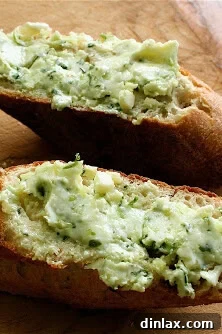
Back home, spread generously onto warm, crusty bread, this artisan butter transformed a simple snack into a gourmet delight. Infused with roasted garlic, premium Asiago cheese, aromatic herbs, a hint of zesty lemon, and a touch of sea salt, it brought an unparalleled depth of flavor and richness. This wasn’t just butter; it was a culinary experience, elevating everyday meals and bringing immense happiness to the Stafford household. It underscored my belief that real, high-quality ingredients, thoughtfully prepared, make all the difference.
Beyond Butter: A Testament to Quality and Local Craftsmanship
Despite how passionately I speak of their products, I assure you, I am not a sales representative for Delaney’s Culinary Fresh – merely an enthusiastic advocate and a huge fan. My positive experience with their flavored butters led me to explore their wider range, and I’ve been consistently impressed. Their artichoke tapenade, served with a crisp baguette, makes for an elegant and effortless hors d’oeuvres. The sun-dried tomato marinara sauce has become a go-to for quick, flavorful pasta dishes, bursting with authentic Mediterranean taste. And their basil Asiago sauce, paired with some garlic-basil spaghetti, creates an instant, delectable dinner that feels both homemade and gourmet. It’s a testament to the fact that when quality ingredients are at the core, even convenience products can align with a “real food” philosophy.
Embracing a Purist Path: Simple Pleasures, Profound Health
My journey from “fake butter” to artisan butter is more than just a preference for taste; it’s a reflection of a broader commitment to conscious eating and well-being. By questioning conventional food products, reading ingredient labels diligently, and seeking out natural, minimally processed alternatives, we empower ourselves to make healthier choices. The purist path isn’t about deprivation; it’s about rediscovering the vibrant flavors, nutritional integrity, and simple joys that real food brings to our tables and our lives. It’s about celebrating the timeless wisdom that emphasizes whole, recognizable ingredients, prepared with care and enjoyed with appreciation. So next time you reach for a spread, pause, read the label, and consider the simple, wholesome goodness of real butter – your taste buds, and your body, will thank you.
This stunning sunset is not, regrettably, the daily view from our apartment. It’s actually the breathtaking vista from The Beachcomber, a truly wonderful motel located in San Clemente. Each room at The Beachcomber comes equipped with a mini-kitchen, making it perfect for preparing your own meals with fresh, local ingredients. I highly recommend a visit!