Skip to Recipe
Mastering the Art of the Two-Egg Omelet: A Quick, Delicious, and Versatile Meal
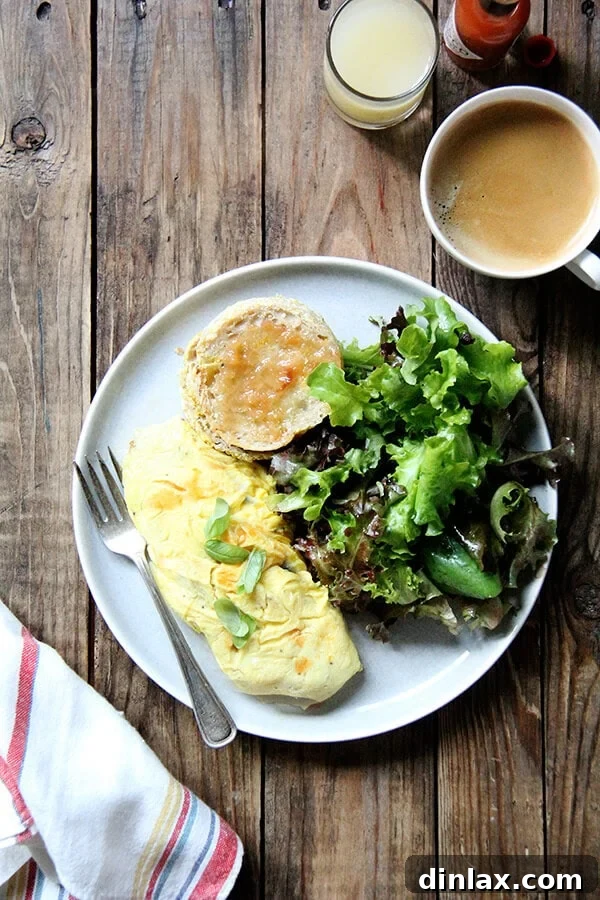
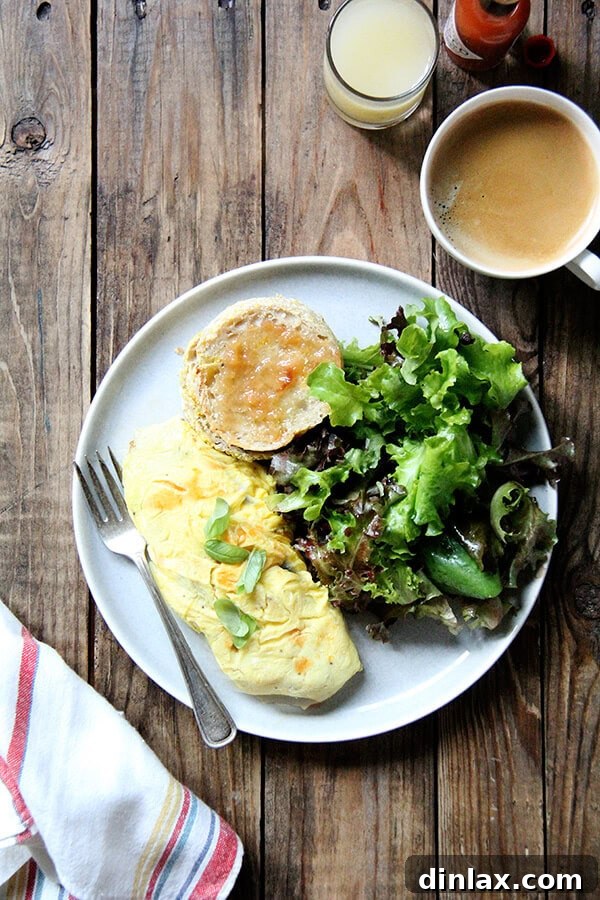
There’s something uniquely satisfying about preparing a meal from ingredients that are truly fresh, especially when they arrive straight from the farm. Every week, our farm share consistently blesses us with an abundance of onions – sweet, crisp, and vibrantly colored, ranging from brilliant whites to deep purples. These versatile orbs, whether oblong or perfectly round, are a cornerstone of countless culinary creations. While their arrival is always a delight, keeping pace with such a generous bounty can sometimes be a pleasant challenge. It’s a familiar scenario for many who participate in Community Supported Agriculture (CSA) programs: your vegetable bin suddenly brims with fresh produce, and you find yourself needing to act before nature takes its course.
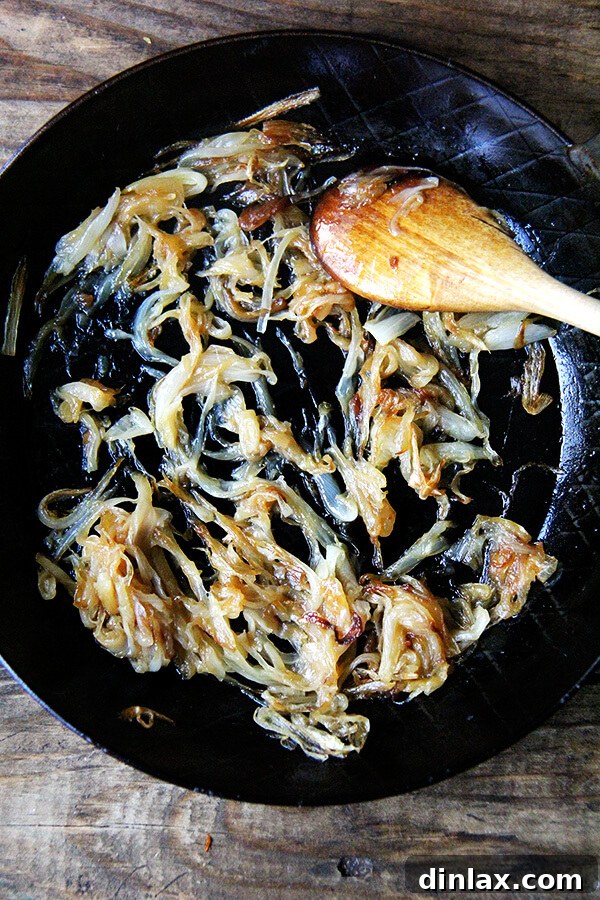
When I discover my kitchen filled with onions nearing their peak, my go-to solution is to transform them into a batch of rich, deeply flavorful caramelized onions. This simple, slow cooking process unlocks an incredible depth of sweetness and umami, turning ordinary onions into a culinary goldmine. Once caramelized, these golden strands become an indispensable ingredient, ready to elevate a variety of dishes. They’re perfect as a topping for a gourmet pizza, adding a complex sweetness that complements fresh mozzarella and burrata beautifully. They can also be stirred into a hearty pasta dish, marrying exquisitely with roasted eggplant and ripe tomatoes for a truly comforting meal. However, one of my absolute favorite ways to enjoy them – a quick, elegant, and incredibly satisfying dinner – is in a classic two-egg omelet paired with creamy goat cheese.
The Perfect Omelet: A Culinary Journey from Farm to Fork
The omelet, often perceived as a simple breakfast staple, is in fact a canvas for culinary creativity and a testament to efficient cooking. A well-made omelet is a delight: light, fluffy, and bursting with flavor. It’s an ideal meal any time of day, whether you’re seeking a hearty breakfast, a light lunch, or a sophisticated yet easy dinner. This particular recipe, featuring the delightful combination of sweet caramelized onions and tangy goat cheese, showcases just how elevated a simple egg dish can be. It’s a meal that feels indulgent but comes together with remarkable speed. This fusion of fresh, vibrant ingredients with classic cooking techniques ensures a dish that is both nutritious and profoundly delicious.
For those who prefer a visual guide, here’s a quick video demonstration that walks you through the process of crafting this caramelized onion and goat cheese omelet. Mastering the omelet technique can seem daunting at first, but with a few key tips and a little practice, you’ll be creating restaurant-quality omelets in no time. The subtle nuances of whisking the eggs, controlling the heat, and perfecting the fold are all covered, helping you achieve that ideal texture and flavor profile. Happy cooking, and may your Friday (or any day, for that matter) be filled with the joy of a perfectly crafted omelet!
The Essential Tool: Your Forged Steel Fry Pan for Flawless Eggs
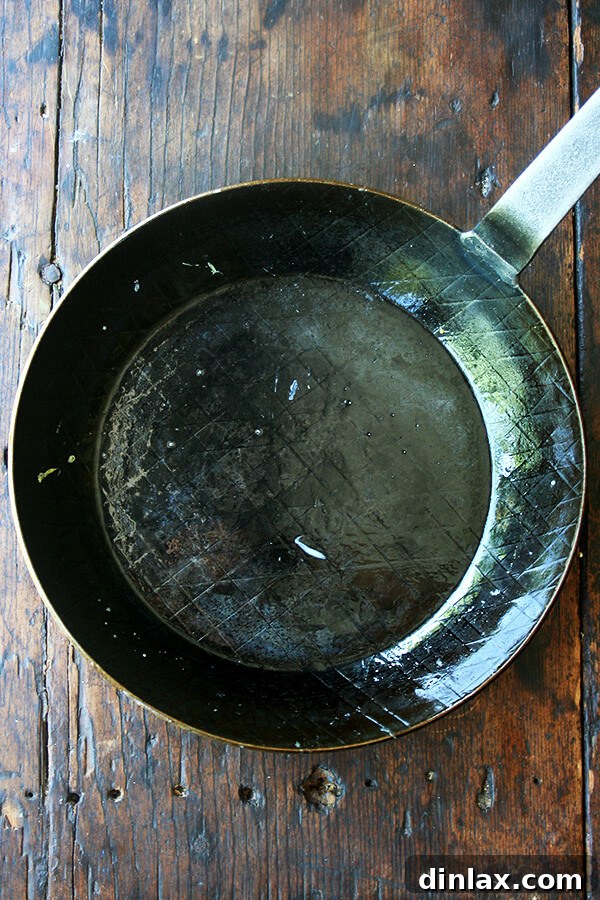
Achieving omelet perfection often comes down to two things: refined technique and the right kitchen tools. While skill is honed with practice, having the proper equipment can significantly ease the journey and elevate your results. My personal secret weapon for consistently flawless omelets is a Turk forged steel fry pan. This isn’t just any pan; it’s an investment that pays dividends in every meal. Forged steel pans, much like their cast iron cousins, develop a natural nonstick seasoning over time, making them exceptionally ideal for delicate tasks like cooking eggs without the dreaded sticking or tearing. The pan’s superior heat retention and even distribution ensure that your omelet cooks uniformly, achieving that desirable tender interior and beautifully set, golden-brown (or perfectly pale, if preferred) exterior.
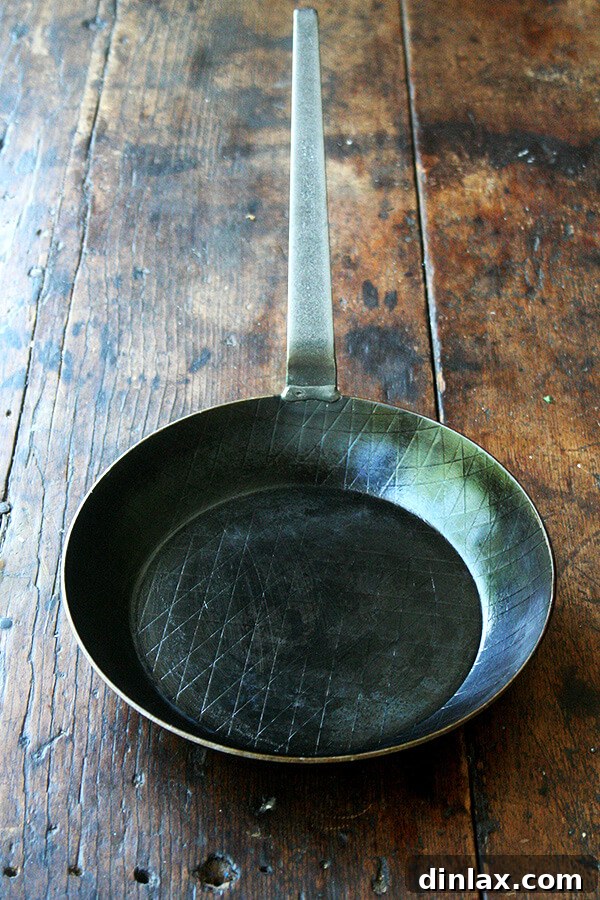
Unlike many modern nonstick pans that rely on synthetic coatings which can degrade and wear off over time, a properly seasoned forged steel pan offers a naturally nonstick surface that only improves with age and consistent use. This means a lifetime of effortless cooking without concerns about chemical leaching or frequent replacements. I specifically use the 9.5-inch Turk pan, which I’ve found to be the perfect size for a two-egg omelet, allowing enough surface area for the eggs to spread thinly and cook efficiently without being too large or too small for the portion. The inherent beauty of this particular pan is its remarkable ability to release eggs cleanly and smoothly, often without any fuss, making the final flip or slide onto the plate a moment of pure satisfaction.
Beyond its exceptional cooking performance, the Turk pan also excels in ease of maintenance. After cooking, it rarely requires anything more than a simple wipe-down with a clean towel, often eliminating the need for soap (which can strip the seasoning). This low-maintenance aspect is a huge bonus for busy cooks and a testament to its exceptional nonstick properties once seasoned correctly. Investing in such a high-quality piece of cookware transforms the daily chore of cooking into a genuine pleasure, bringing consistency and reliability to your culinary endeavors.
Flavor Combinations: Classic & Creative Omelet Fillings to Explore
While the technique for a perfect omelet remains consistent, the true joy and versatility of this dish lie in the endless possibilities of fillings. The classic combination of sweet caramelized onions and savory goat cheese is undoubtedly a crowd-pleaser for a reason. The tangy, creamy goat cheese provides a delightful, piquant contrast to the deep, mellow sweetness of the caramelized onions, creating a harmonious flavor profile that is both sophisticated and comforting. It’s a pairing that always feels special, elevating a simple egg dish into something truly memorable, perfect for a cozy brunch or an elegant light dinner.
But don’t limit your culinary imagination to just one pairing! Another fantastic and equally beloved variation features fresh basil and sharp cheddar cheese. This combination brings a vibrant, herbaceous freshness from the basil, which beautifully cuts through the richness of the eggs, while the cheddar melts into a wonderfully gooey, salty, and satisfying layer that everyone loves. It’s a more traditional, home-style flavor that evokes warmth and comfort, reminiscent of classic comfort food done right.
You can watch a video on making a basil and cheddar omelet here to see this delicious alternative in action and get inspired for your next omelet creation. This visual guide will help you achieve the perfect texture and flavor for this beloved combination.
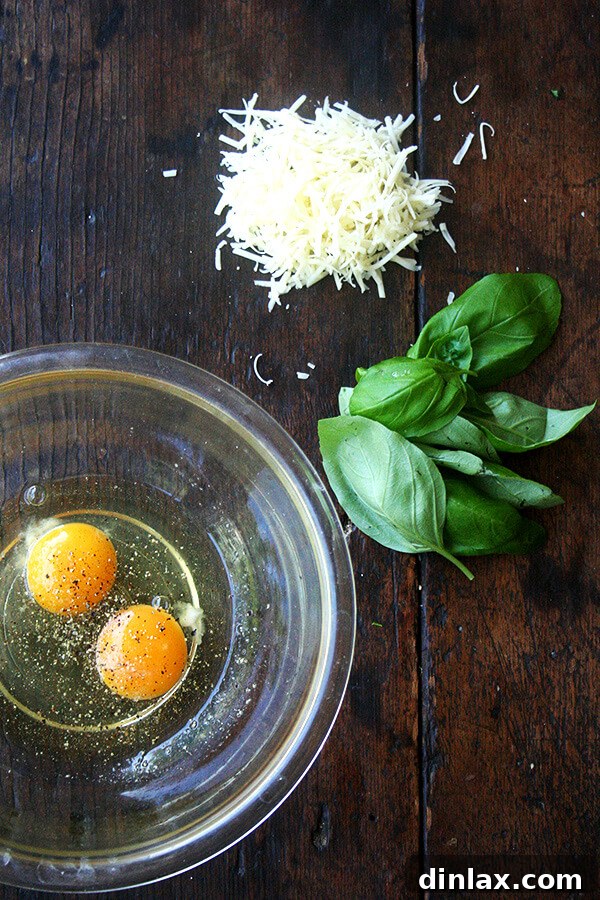
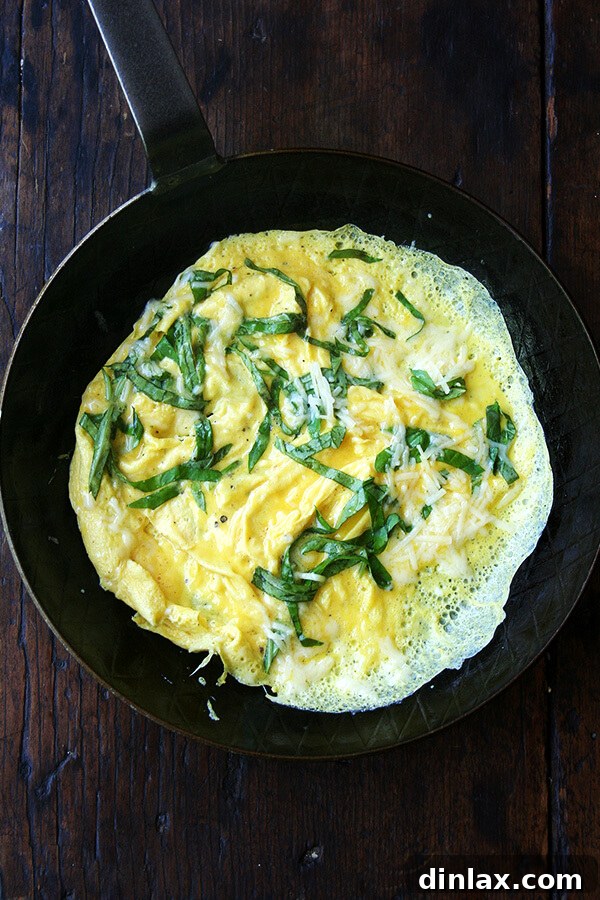
Beyond these two popular favorites, the world of omelet fillings is vast and exciting, offering endless opportunities for customization. Consider sautéed mushrooms and fresh spinach for an earthy, healthy, and nutrient-packed option, or finely diced ham and melted Swiss cheese for a heartier, more substantial meal. Fresh herbs like delicate chives, vibrant parsley, or aromatic dill can add a burst of garden-fresh flavor and a beautiful visual appeal. A colorful medley of finely diced bell peppers and fresh onions (not caramelized) can bring a lovely crunch and subtle sweetness. For a Mediterranean twist, think about crumbled feta cheese, sun-dried tomatoes, and a sprinkle of oregano. The key to successful omelet fillings is to have them prepped, chopped, and perhaps even warmed, before you begin cooking the eggs, as the omelet itself cooks very quickly. The inherent beauty of the omelet is its incredible adaptability – it truly caters to whatever fresh ingredients or leftovers you have on hand, making it a sustainable, creative, and endlessly enjoyable cooking solution for any meal.
The Turk Pan Advantage: A True Nonstick Performer and Kitchen Workhorse
Let’s reiterate the paramount importance of selecting the right cookware for your culinary adventures. The Turk pan is not just another kitchen tool; it represents a significant investment in superior cooking, designed to deliver exceptional results and built to last for generations. Its robust forged steel construction means it’s incredibly durable and resistant to warping, unlike many contemporary nonstick pans that often degrade and need replacing after just a few years of use. The truly magical aspect of this pan, especially when it comes to delicate foods like eggs, is its almost naturally nonstick surface once it has been properly seasoned. This seasoning, a layer of polymerized oil, creates an effective, food-safe barrier that prevents sticking, allowing eggs to glide effortlessly across the surface without the reliance on fragile chemical coatings.
I can personally attest to the fact that with my 9.5-inch Turk pan, I rarely, if ever, encounter any issues with sticking, even when crafting a perfectly fluffy two-egg omelet or frying a single egg. This level of consistent, reliable performance is truly remarkable and transforms the cooking of eggs from a potentially frustrating experience into an absolute joy. Maintenance of a forged steel pan is also incredibly simple and gratifying: after each use, I typically just wipe the pan clean with a paper towel, sometimes employing a little warm water and a gentle brush if necessary, then thoroughly dry it and apply a very thin layer of cooking oil to maintain and enhance its protective seasoning. This minimal cleaning routine not only saves valuable time but also meticulously preserves the pan’s exceptional nonstick qualities for many years to come, ensuring it becomes a cherished heirloom in your kitchen. Investing in quality cookware like a Turk pan genuinely elevates the entire cooking experience, turning everyday meal preparation into a more satisfying and enjoyable culinary pleasure.
Print

How to Make A Perfect Two-Egg Omelet [Video Tutorial Included]
5 Stars 4 Stars 3 Stars 2 Stars 1 Star
No reviews yet – be the first to rate!
Author: Alexandra
Total Time: 25 minutes
Yield: 1 1x serving
Description
Crafting the perfect omelet is an art form that’s surprisingly easy to master with the right approach and equipment. This recipe focuses on creating a light, fluffy, and perfectly cooked two-egg omelet, filled with the exquisite pairing of sweet caramelized onions and creamy, tangy goat cheese. This combination elevates a simple breakfast staple into a gourmet meal, perfect for any time of day, whether it’s a quick lunch or an elegant dinner. The key to preventing your omelet from browning too quickly, ensuring a delicate texture and pale golden color, is to use clarified butter, which has a higher smoke point than regular butter. It allows you to achieve that ideal gentle sizzle without burning, resulting in a beautifully tender omelet. While I wholeheartedly recommend and love my Turk forged steel pan for its exceptional nonstick qualities with eggs, if you don’t have one readily available, a high-quality 8- or 9-inch nonstick skillet will also yield excellent results. Remember, the pan size is crucial for getting the right thickness and even cook on your omelet.
For a visual step-by-step guide on creating the caramelized onion and goat cheese omelet, watch our detailed video tutorial: Caramelized Onion and Goat Cheese Omelet Video. This video provides invaluable tips for achieving a perfect, non-stick omelet every time. If you’re interested in exploring other delicious variations and expanding your omelet repertoire, we also have a video showcasing the vibrant and classic flavors of a basil and cheddar omelet: Basil and Cheddar Omelet Video. These resources provide a comprehensive guide to mastering the omelet, ensuring your dish turns out perfectly every time.
Ingredients
- 2 large eggs, preferably farm-fresh for best flavor and texture
- 1/4 teaspoon fine sea salt, plus more to taste
- 1/8 teaspoon freshly ground black pepper, plus more to taste
- 1 tablespoon unsalted butter (clarified butter is highly recommended for a golden, unbrowned omelet)
- 2 tablespoons caramelized onions, warmed gently if possible
- 1 ounce (approx. 2 tablespoons) soft goat cheese, crumbled
- Optional: Fresh chives or parsley, finely chopped, for an elegant garnish
Instructions for the Perfect Omelet
- Prepare the Eggs: In a medium-sized bowl, carefully crack two large eggs. Using a fork or a small whisk, beat the eggs thoroughly until the yolks are completely broken up and the whites and yolks are seamlessly incorporated into a homogenous, slightly frothy mixture. This thorough beating ensures a uniform texture in your finished omelet. When you lift your utensil from the bowl, the egg mixture should stream down smoothly and evenly, indicating proper mixing. Season the beaten eggs generously with a pinch of fine sea salt and freshly cracked black pepper. Seasoning the eggs directly helps to infuse flavor throughout the entire omelet.
- Gather Your Mise en Place: Before you even think about turning on the heat, ensure all your ingredients and necessary tools are within arm’s reach of your stovetop. This vital step, known as “mise en place,” includes having your seasoned pan, butter (or clarified butter), prepared caramelized onions, crumbled goat cheese, a heat-resistant spatula, and your serving plate all ready. The omelet cooks remarkably quickly, so having everything prepped and ready is absolutely essential for a smooth, stress-free, and successful cooking process.
- Heat the Pan and Butter: Place your 9-inch skillet (ideally a Turk forged steel pan or a good quality nonstick one) over high heat. Allow it to preheat for a minute or two until it’s sufficiently hot. Add a generous pad of butter (about 1 tablespoon). The butter should immediately begin to sizzle gently and smoothly skid around the surface of the pan, indicating that the pan has reached the ideal temperature for cooking eggs without browning them too much. If the butter doesn’t sizzle, the pan is not yet hot enough; wait a few more seconds. Conversely, if the butter browns or burns instantly, the pan is too hot. In this crucial case, quickly remove the pan from the heat, wipe out the burnt butter with a paper towel, allow the pan to cool slightly, and restart with fresh butter to avoid any bitter or burnt flavors in your delicate omelet.
- Cook the Omelet: As soon as the butter is perfectly sizzling and coating the pan, tilt your pan to ensure it’s evenly distributed. Immediately pour the beaten eggs into the center of the hot, buttered skillet. Let the eggs sit undisturbed for a very brief period, typically 3 to 5 seconds. As you observe the edges of the eggs, you’ll notice them beginning to set and lighten in color. This is your cue to start working the eggs. Starting at the 12 o’clock position, use your spatula to gently drag the cooked egg inwards towards the center of the pan. As you do this, the uncooked liquid egg will flow into the newly created space, touching the hot pan and beginning to set. Repeat this gentle dragging motion at the 6 o’clock position, then the 9 o’clock, and finally the 3 o’clock position. Continue this movement, always starting from a different point around the circumference of the skillet, until there is very little visible liquid egg left and you are no longer able to move the eggs. This entire process is incredibly fast, typically taking about 1 minute or slightly more, depending on your stove and pan’s heat. Turn off the heat and immediately remove the pan from the burner. Evenly sprinkle your warmed caramelized onions and crumbled goat cheese over one half of the omelet. If the top of your omelet appears too soft or wet for your preference, simply let the pan sit off the heat for another minute; the residual heat from the bottom of the pan will gently continue to cook the top without any further browning, preserving its delicate texture.
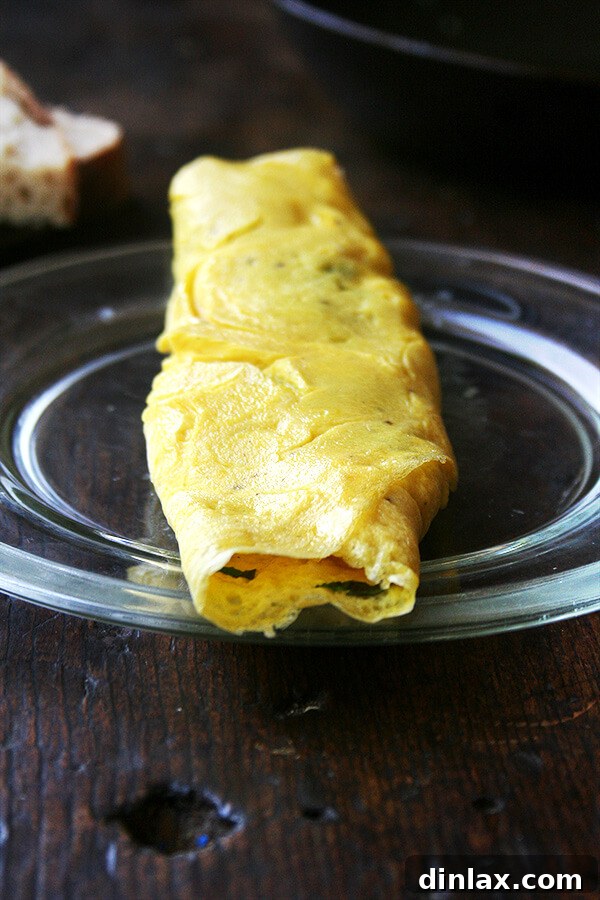
- Fold and Serve: When your omelet has reached your desired doneness and the fillings are warm and slightly softened, run your spatula gently around the edges of the omelet to ensure it’s completely free from the pan. This crucial step prevents sticking during the fold. Starting at one end (typically the side without the fillings if you’re making a classic half-moon fold), carefully fold the edge of the omelet into the center, creating a beautiful half-moon shape. Alternatively, for a more traditional French-style presentation, gently roll the omelet into a spiral towards the opposite edge. With a confident yet gentle hand, carefully ease the finished omelet out of the pan and onto your waiting plate. Allow the omelet to rest for a minute before serving. This brief rest helps the omelet set slightly, making it even more tender and preventing it from falling apart. Garnish with fresh herbs if desired, and serve immediately for the absolute best flavor and texture. Enjoy your perfectly crafted two-egg omelet, a quick and gourmet meal ready in minutes!
- Prep Time: 20 minutes (includes caramelizing onions if not pre-made)
- Cook Time: 5 minutes
Sustainable Kitchen Solutions: The Practicality of Reusable Bowl Covers
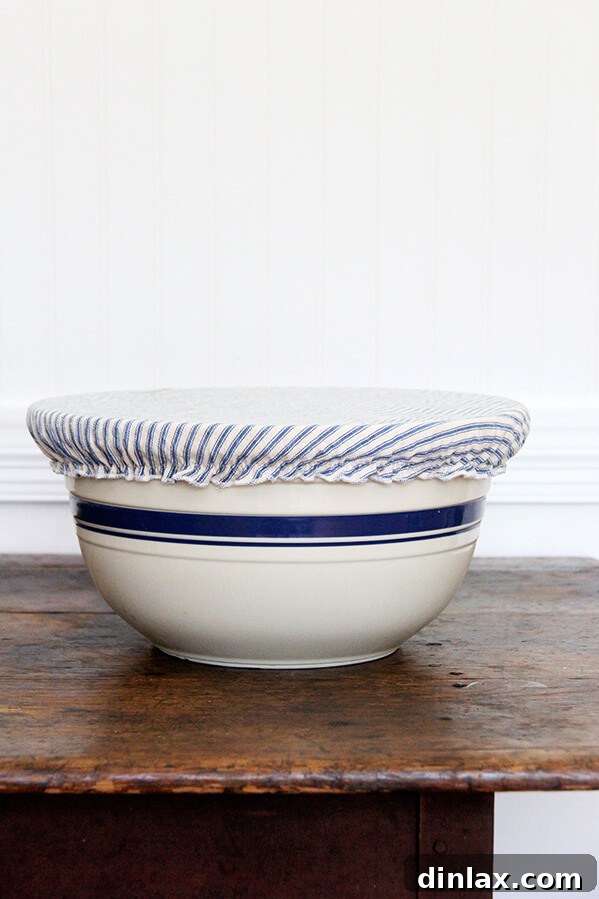
In our ongoing journey towards a more mindful, efficient, and environmentally friendly kitchen, every small change can make a significant and positive difference. On a practical note, and somewhat incidentally to our delightful omelet adventure, I recently acquired a set of reusable bowl covers that have quickly become an absolute game-changer in my daily cooking routine. While my initial intention was quite specific – to use them primarily for covering bowls of rising bread dough, ensuring a perfect fermentation environment – I’ve quickly found myself reaching for them for nearly everything, from storing leftovers to prepping ingredients.
Their versatility is truly impressive, and they’ve proven to be an indispensable addition to my kitchen arsenal. These covers are particularly handy for those all-too-common moments when you have storage containers with missing or mismatched lids – a perennial kitchen dilemma that often leads to frustration or wasted food! They provide a snug, reliable, and hygienic seal for bowls of all sizes and shapes, effectively keeping food fresh, protected from air, and free from contaminants. What I appreciate most about them, beyond their immediate utility, is their reusability. In an age where reducing single-use plastic waste is paramount, being able to simply wash them and use them again and again, rather than constantly resorting to disposable plastic wrap or aluminum foil, feels like a small but profoundly impactful win for both the environment and our household budget. They are a simple, elegant, and eco-conscious solution for modern kitchen storage needs, aligning perfectly with a sustainable and responsible culinary lifestyle.