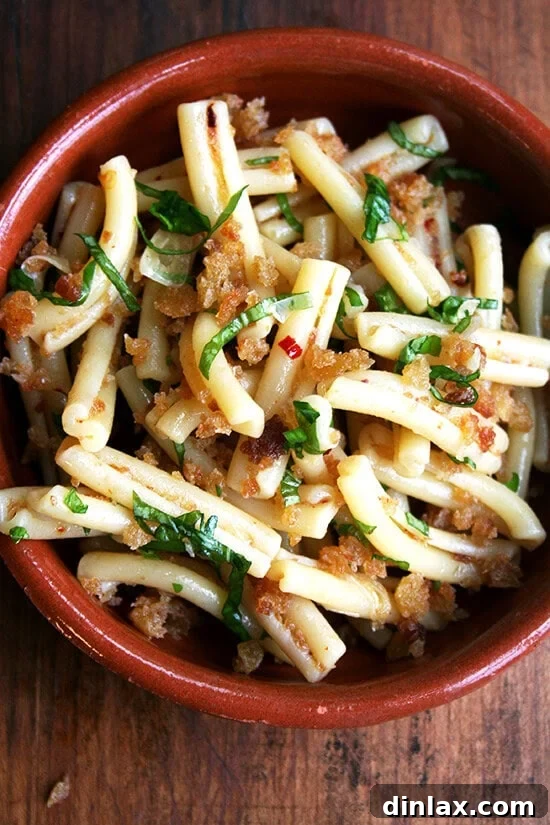
The Unsung Hero: Unleashing the Power of Homemade Breadcrumbs for Effortless, Flavorful Meals
In the culinary world, sometimes the simplest ingredients hold the most transformative power. Just when you believe your pantry offers no solutions for dinner, a handful of toasted breadcrumbs, coupled with a few humble staples like garlic, crushed red pepper flakes, and anchovies, can orchestrate an unbelievably tasty and satisfying meal. This approach to cooking, often referred to as “pantry cooking,” epitomizes efficiency, flavor, and ingenuity – quick, easy, and utterly delicious.
The journey of homemade breadcrumbs into our regular dinner rotation was a gradual but decisive one. Initially, they graced our salads, particularly the vibrant kale Caesars, subtly yet completely replacing traditional croutons. Their crisp texture and savory notes offered an elevated experience, hinting at the greater potential these humble crumbs possessed.
Encouraged by their warm reception, these golden morsels quickly expanded their dominion. Soon, they were not just a salad topping but a versatile garnish for pastas, a textural counterpoint to roasted vegetables, and a delicate, crunchy crust for fish fillets. Today, they’ve become an indispensable element, frequently appearing alongside nearly every item on the plate. This delightful culinary trend shows no signs of fizzling, and for good reason—homemade breadcrumbs are a game-changer.
The Genesis of a Staple: Why Homemade Breadcrumbs Are a Kitchen Must-Have
The inspiration to transform stale bread into a freezer-friendly stash of potent flavor came from several influential sources. An illuminating chef interview on The Kitchn ignited the initial spark, followed by an editor’s letter in Bon Appétit that shared invaluable cooking tips from renowned chefs. Among them was Mario Batali, who famously admitted, “there’s almost nothing [he] wouldn’t put homemade bread crumbs on.” This sentiment resonated deeply, and I soon found myself echoing his enthusiasm.
These crunchy, perfectly salted, and olive-oil-toasted bits are undeniably addictive. But beyond their irresistible taste, the true genius of homemade breadcrumbs lies in their ability to elevate everyday dishes while simultaneously combatting food waste. An ingredient often destined for the trash bin – stale bread – is now repurposed into a culinary treasure. At the first sign of aging, bread is swiftly whizzed in the food processor, then stored in the freezer, ready to transform any meal.
A Culinary Revolution: More Than Just a Garnish
Homemade breadcrumbs offer a remarkable combination of flavor, texture, and practicality. Unlike their often-bland store-bought counterparts, homemade versions boast superior freshness, a more nuanced flavor profile, and a delightful, irregular crunch. They are economical, transforming what would otherwise be discarded into a valuable ingredient. This practice not only saves money but also fosters a more sustainable kitchen environment, aligning with conscious cooking principles.
Moreover, having a ready supply of breadcrumbs in the freezer serves as a culinary safety net. When dinner ideas run dry, and the refrigerator appears sparse, a simple scattering of toasted breadcrumbs can provide the foundational crunch and flavor needed to bring a dish to life. This is particularly evident in dishes like the pasta recipe we’ll explore, where a few pantry items combine with the breadcrumbs to create a symphony of taste.
Mastering the Art of Homemade Breadcrumbs: A Step-by-Step Guide
Creating your own breadcrumbs is incredibly simple and rewarding. It’s a fundamental skill that unlocks a world of flavor and helps minimize food waste.
Never let stale bread go to waste again: tear it up; throw it in the food processor; pulse until fine; store the crumbs in an air tight container or ziplock bag in the freezer for months.
The process begins with the right kind of bread. While any stale bread can be used, firmer, crustier loaves like sourdough, baguettes, or Italian bread yield superior results. Their robust texture creates crumbles with more character and a better crunch. Softer sandwich bread can also work, but may result in finer, less distinct crumbs.
To prepare, simply tear or cut your stale bread into rough chunks. The level of dryness in your bread will affect the final texture; slightly dry bread processes into a coarse crumb, while very dry bread will yield a finer powder. For best results, allow bread to sit out for a day or two until firm to the touch but not rock-hard.
Place the bread chunks into a food processor and pulse until they form fine, even crumbs. Avoid over-processing, which can turn the crumbs into a paste. If you don’t have a food processor, a strong blender can work, or you can manually grate very dry bread. Once processed, these “fresh” breadcrumbs are ready for storage.
Store your homemade breadcrumbs in an airtight container or a freezer-safe bag in the freezer. They will keep for several months, making them a convenient pantry staple. This upfront preparation saves time later and ensures you always have high-quality crumbs on hand.
When you’re ready to toast your bread crumbs to add to pasta, salad, roasted vegetables, etc: heat about 1.5 tablespoons of olive oil in a skillet over medium-high heat; sprinkle in about a cup of bread crumbs; season with a pinch of salt; stir until golden; remove from heat until ready to use.
Toasting is where the magic truly happens. For maximum flavor and crispness, pan-toast your breadcrumbs in a skillet with olive oil over medium-high heat. A general guideline is to use about 2 tablespoons of good quality olive oil for every cup of breadcrumbs. Season with a pinch of kosher salt, and for an extra layer of flavor, consider adding a dash of garlic powder or dried herbs like oregano or thyme. Stir frequently until they achieve a beautiful golden-brown color and irresistible crunch, which usually takes about 5 minutes. Remove them from the heat immediately to prevent burning, and they’re ready to elevate your dish.
The Ultimate Pantry Pasta: Crispy Bread Crumbs, Anchovies, and Garlic
This pasta dish, inspired by a recipe in Mario Batali’s Molto Italiano, is a testament to the power of simple ingredients. It’s a perfect illustration of how just a few items – readily available in most pantries – can coalesce into a deeply flavorful and satisfying meal. This recipe truly is pantry cooking at its finest: quick, easy, and astonishingly delicious.
The beauty of this pasta lies in its robust flavor profile, achieved with minimal effort. The anchovies, often a source of apprehension for some, melt into the olive oil, imparting a profound umami depth rather than a “fishy” taste. This savory base is beautifully complemented by the aromatic garlic and the subtle warmth of crushed red pepper flakes. But the true star, tying all these elements together and providing a crucial textural contrast, is the crispy, golden homemade breadcrumbs.
While this dish is phenomenal in its purest form, it’s also incredibly adaptable. Feel free to spruce it up if you have extra ingredients on hand. Caramelized onions can add a layer of sweetness and complexity, or a handful of sautéed greens, such as spinach or kale, can introduce freshness and added nutrition. Don’t fret if your refrigerator is bare; I promise that with just the core four ingredients (pasta, olive oil, garlic, anchovies, and those essential breadcrumbs), you will materialize a delectable dinner. The brilliance of this dish is its ability to deliver immense satisfaction without requiring a trip to the grocery store.
Print
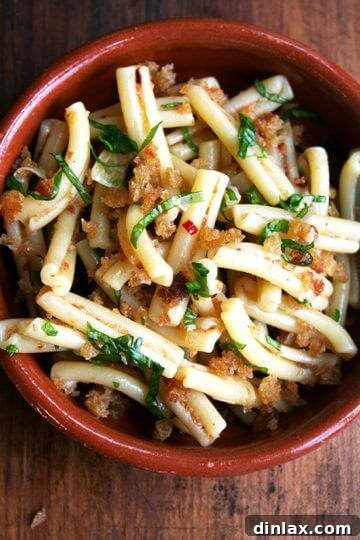
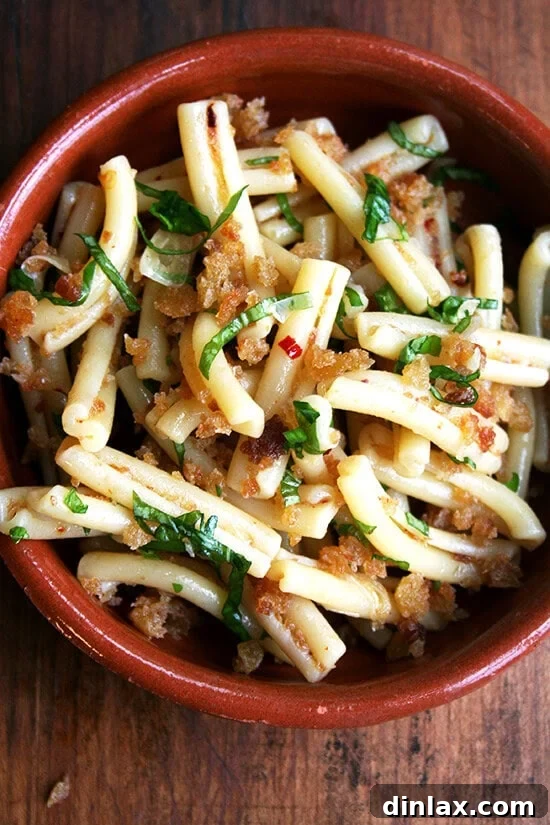
Pasta with Crispy Bread Crumbs, Anchovies, and Garlic
5 Stars 4 Stars 3 Stars 2 Stars 1 Star
5 from 2 reviews
Author: Alexandra Stafford
Total Time: 20 minutes
Yield: 2 to 3 1x
Description
This simple yet incredibly flavorful pasta dish is inspired by a recipe found in Mario Batali’s Molto Italian. It perfectly showcases how a few pantry staples, especially homemade breadcrumbs, can come together to create a deeply satisfying and quick meal.
Notes on Breadcrumbs:
As highlighted in the article, I advocate for making breadcrumbs whenever stale bread is available. Having a freezer stash of processed crumbs makes preparing delicious, toasted breadcrumbs for various dishes an effortless task. The general rule I follow for optimal crispness and flavor is to use approximately 2 tablespoons of good quality olive oil for every 1 cup of fresh, finely ground breadcrumbs when toasting them in a skillet.
Ingredients
For the Homemade Breadcrumbs (preparation & toasting):
- Stale bread (any type, but crusty loaves work best)
- Olive oil (for toasting)
- Kosher salt (to taste, for seasoning breadcrumbs)
For the Pasta:
- 1/2 lb. short pasta, such as campanelle, orecchiette, or gemelli
- Kosher salt (for pasta water)
- 1/4 cup extra-virgin olive oil
- 1/2 teaspoon crushed red pepper flakes (adjust to your spice preference)
- 4 cloves garlic, thinly sliced
- 4 to 5 anchovies, minced (they melt and provide umami, not fishiness!)
- Freshly cracked black pepper, to taste
- 1/4 to 1/2 cup finely chopped fresh basil or parsley (or a mix, optional but recommended)
- 1 cup toasted homemade breadcrumbs
Instructions
- Prepare and Toast the Breadcrumbs: Start by tearing stale bread (whether fresh or a few days old) into smaller pieces and placing them in a food processor. Pulse the processor until the bread is mostly finely ground into crumbs. To toast: In a large skillet, heat about 2 tablespoons of olive oil over medium-high heat. Add 1 cup of the prepared breadcrumbs and a pinch of salt. Stir frequently, allowing them to cook until they become crunchy and golden brown, typically around 5 minutes. Taste and add more salt if needed. Remove from heat and set aside until ready to use.
- Cook the Pasta: Bring a large pot of water to a rolling boil. Add a generous pinch of kosher salt to season the water. Add your chosen short pasta (like campanelle or orecchiette) and cook according to package directions until it reaches a perfect al dente texture. Before draining, reserve about 1/2 cup of the starchy pasta cooking liquid. Drain the pasta and set it aside.
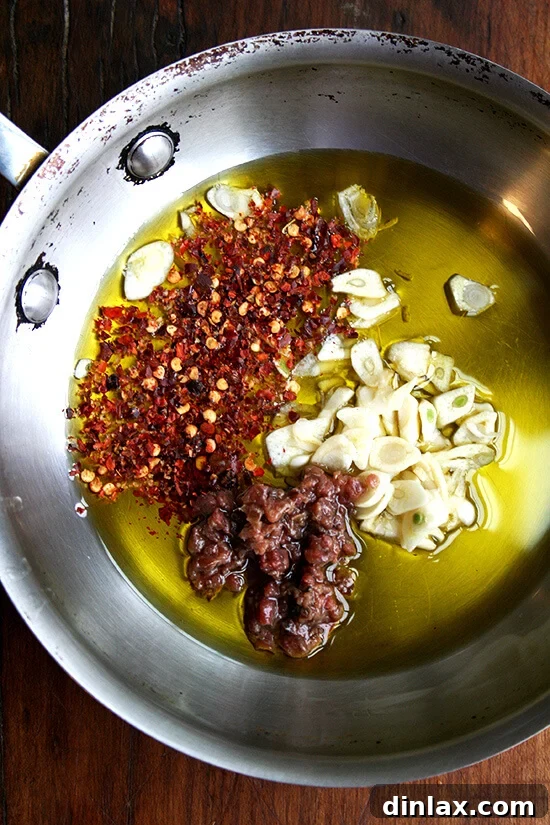
- Prepare the Anchovy-Garlic Sauce: While the pasta cooks, in a small skillet, combine the 1/4 cup extra-virgin olive oil, crushed red pepper flakes, thinly sliced garlic, and minced anchovies. Place the skillet over high heat and bring the mixture to a gentle sizzle. Swirl the pan for about 30 seconds to allow all the ingredients to mingle and the anchovies to begin melting into the oil. Remove the pan from the heat immediately to prevent the garlic from burning, and set aside.
- Combine and Serve: Transfer the cooked pasta to a large mixing bowl. Add about 2 tablespoons of the reserved pasta cooking liquid and toss gently. Pour the anchovy-infused olive oil mixture over the pasta and toss thoroughly to ensure every strand is coated. Taste the pasta; if needed, add more of the reserved pasta cooking liquid to achieve desired consistency, and season with extra salt or freshly cracked black pepper. Finally, stir in the finely chopped fresh basil or parsley (if using) and the toasted breadcrumbs. Toss well to combine and serve immediately.
- Prep Time: 10 minutes
- Cook Time: 10 minutes
- Category: Pasta
- Method: Stovetop
- Cuisine: Italian
The Perfect Companion: A Zesty Citrus Vinaigrette
To complement the richness of pasta dishes or to simply brighten any meal, a refreshing citrus vinaigrette is an invaluable addition. I have always been captivated by the Chez Panisse Vegetablestechnique for making salad dressings. This method often starts with the elegant step of macerating shallots in citrus juice or vinegar, a practice that unlocks incredible depth of flavor and softens the shallots beautifully.
This maceration process is key. It allows the sharp edges of the shallot to mellow, infusing the citrus juice with a subtle, sweet onion flavor. It creates a more harmonious and integrated dressing that coats greens and other ingredients perfectly. While this recipe uses orange juice and white balsamic, feel free to experiment with other citrus like lemon or lime, and vinegars such as red wine or apple cider, to customize the flavor profile to your liking. The quality of your extra-virgin olive oil is also paramount here, as its flavor will shine through.
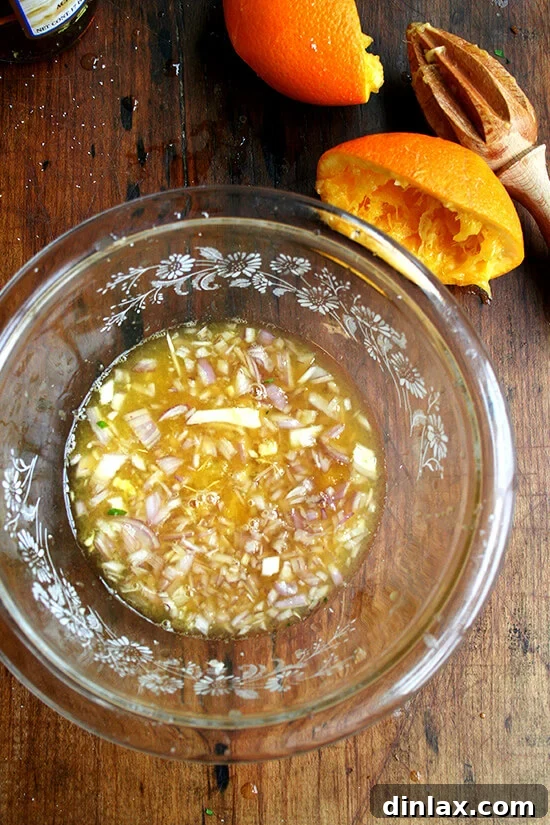
Here’s how I’ve been crafting my go-to citrus vinaigrette recently:
Begin by finely dicing one or two shallots. Place the diced shallots in a small bowl and pour the fresh juice of one orange over them, ensuring they are adequately submerged. Stir in 1 tablespoon of white balsamic vinegar. Season the mixture with a pinch of kosher salt and a delicate pinch of sugar to balance the acidity and enhance the citrus notes. Allow the shallots to macerate in this vibrant liquid for at least 15 minutes if time permits; even a shorter soak will yield beneficial results. Once macerated, vigorously whisk in approximately 1/3 cup of high-quality extra-virgin olive oil. Don’t worry if the dressing doesn’t achieve a perfect emulsion; a quick stir right before use will suffice. When you’re ready to serve, spoon the dressing over your fresh greens in a large salad bowl, making sure to scoop out those delicious, softened shallots. Toss everything together, especially if you’re pairing it with those irresistible toasted breadcrumbs, for a truly delightful salad experience.
Conclusion: Embrace the Breadcrumb Revolution
The journey from a forgotten piece of stale bread to a versatile, flavor-packed ingredient is a testament to the simple ingenuity that can transform everyday cooking. Homemade breadcrumbs are more than just a topping; they are a symbol of a resourceful, sustainable, and undeniably delicious approach to food. They add not only a crucial textural element but also a layer of subtle, savory flavor that elevates everything they touch.
Whether you’re creating a quick weeknight pasta, enhancing a vibrant salad, or adding a golden crust to roasted vegetables, the power of homemade breadcrumbs is unmatched. By embracing this simple practice, you’ll reduce food waste, save money, and, most importantly, unlock a new dimension of flavor in your kitchen. So, next time you find yourself with stale bread, resist the urge to discard it. Instead, whiz it, toast it, and let it inspire your next unbelievably tasty meal. Your pantry—and your palate—will thank you.