The Caprese salad. A culinary icon, often seen on menus worldwide, especially as summer approaches. Its ubiquity might lead some to believe its charm has faded, yet its enduring popularity is a testament to its unparalleled simplicity and sheer deliciousness. This classic Italian salad, with its vibrant colors mirroring the Italian flag, is far more than just a combination of tomatoes, mozzarella, and basil. It’s an ode to fresh, seasonal produce, a dish that relies entirely on the quality of its components to truly shine. While many versions exist, and countless plates have been served, there are subtle nuances and thoughtful choices that can elevate your Caprese experience from good to absolutely extraordinary. This guide aims to unlock the secrets to a truly sublime Caprese, ensuring every bite is a celebration of summer’s bounty and the inherent perfection of simple, high-quality ingredients.
The Art of the Perfect Caprese Salad: Unlocking Summer’s Flavors
Mastering the Caprese salad isn’t about complex techniques or exotic ingredients; it’s about reverence for freshness and understanding how each element contributes to the symphony of flavors. By paying close attention to these foundational pillars, you can transform a common appetizer into a memorable culinary event. Here are the essential components and insights to maximize your summer tomato-eating experience.
1. Tomatoes: The Soul of the Salad
It might seem obvious, but the quality of your tomatoes is paramount—they are, after all, the heart of the Caprese. While grocery store varieties are convenient, they often lack the depth of flavor and luscious texture found in farm-fresh produce. This is why a visit to your local farmers’ market becomes an essential pilgrimage during the summer months.
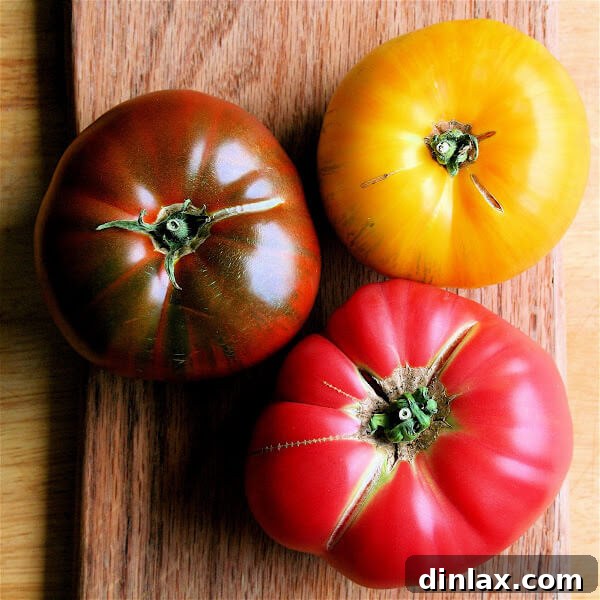
Farmers’ market tomatoes, particularly heirloom varieties, offer a spectrum of colors, shapes, and, most importantly, flavors that commercial tomatoes simply cannot match. From my own culinary explorations, a valuable tip learned from a seasoned farmer in Carlsbad revealed that darker tomatoes often possess a superior sweetness. This observation proved true; the deep-hued tomato prominently featured in many Caprese preparations, much like the ‘Black Prince’ variety I adored in Philadelphia, consistently delivers an intense, almost sugary sweetness with a rich, complex flavor profile that elevates the entire dish. These aren’t just sweet; they carry a beautiful balance of acidity and fruitiness that is crucial for a well-rounded Caprese.
When selecting tomatoes, don’t just look at them; feel them. They should be firm but yield slightly to gentle pressure. A ripe tomato will also have a distinct, earthy aroma, especially near the stem. Avoid tomatoes that are too hard, indicating under-ripeness, or overly soft, which suggests they are past their prime. Remember, tomatoes are delicate and should never be stored in the refrigerator, as the cold temperature can degrade their flavor and texture, turning them mealy and bland. Keep them at room temperature, stem-side down, away from direct sunlight, until ready to use.
2. Fresh Basil: Aromatic Essence
There’s simply no substitute for fresh basil. Its vibrant green leaves release an intoxicating aroma and a sweet, peppery flavor that is utterly essential to Caprese salad. Dried basil, while useful in other culinary applications, falls completely flat here, offering none of the bright, herbaceous notes that define this dish. The scent alone is enough to transport you to an Italian garden.
The best basil leaves are tender, unblemished, and intensely fragrant. Look for vibrant green leaves, avoiding any that show signs of wilting, black spots, or yellowing. When preparing, resist the urge to chop basil finely with a knife, as this can bruise the leaves and release bitter compounds. Instead, gently tear the leaves by hand, allowing their natural oils and aromas to release gracefully. This not only preserves their delicate flavor but also adds a rustic, appealing texture to the salad. To keep basil fresh, trim the stems and place them in a glass of water, much like a bouquet of flowers, covering loosely with a plastic bag and keeping it on the countertop, away from direct sunlight. Refrigeration can also damage basil leaves, causing them to blacken.
3. Mozzarella: Creamy Indulgence
When it comes to mozzarella for Caprese, quality is non-negotiable. While many varieties exist, authentic buffalo mozzarella (Mozzarella di Bufala) reigns supreme. Made from the milk of water buffalo, primarily in Italy, it boasts an incredibly creamy texture, a delicate tang, and an unparalleled richness that cow’s milk mozzarella often struggles to match. The difference is truly remarkable, offering a luxurious mouthfeel that complements the acidity of the tomatoes and the freshness of the basil.
However, being mindful of food miles and supporting local producers is an increasingly important consideration. The good news is that artisanal dairies worldwide are now producing exceptional fresh mozzarella. I recently discovered Bubulus Bubalis mozzarella, crafted in Gardena near Los Angeles, using milk from water buffalo grazing in Northern California. It’s an exceptional product that offers a truly gourmet experience while championing local sourcing. For those in Philadelphia, Claudio’s mozzarella is a long-standing favorite, known for its superb freshness and quality. The key is to seek out fresh, milky, unbrined mozzarella, ideally sold submerged in its own liquid. It should have a soft, pliable texture and a pure, milky flavor. Look for “fior di latte” (flower of milk) which is a high-quality cow’s milk mozzarella, if buffalo mozzarella is not available. Serve your mozzarella at room temperature to fully appreciate its creamy texture and flavor.
4. Salt: The Flavor Amplifier
Salt often goes overlooked, but in a dish as simple as Caprese, it plays a crucial role as a flavor enhancer. Investing in a small tub of high-quality finishing salt can truly transform your culinary creations. Forget the generic table salt; reach for something like flaky sea salt, fleur de sel, or Maldon salt. These salts offer a cleaner taste, a pleasant crunch, and a subtle mineral complexity that complements fresh ingredients beautifully.
A good finishing salt isn’t just about adding saltiness; it’s about drawing out and concentrating the natural flavors of the tomatoes, making them taste even sweeter and more vibrant. This might seem counterintuitive, but the salt helps to break down the tomato’s cell walls, releasing their juices and intensifying their inherent sugars. My sister brought back a beautiful tub of sea salt from France, which I now use for special occasions – effectively, almost daily, for items like tomatoes, avocados, or even just butter on bread. Don’t be shy with your sprinkling; a generous but even application of this superior salt will create a magical effect, enhancing every other component of the Caprese and ensuring a perfectly balanced flavor profile.
5. Olive Oil: The Golden Drizzle
With stellar tomatoes as your base, a generous drizzling of high-quality extra virgin olive oil (EVOO) is often the only dressing needed for a Caprese salad. Good EVOO is a cornerstone of Mediterranean cuisine, and its fruity, peppery, and sometimes grassy notes are indispensable here. It should be cold-pressed, vibrant in color, and have a rich, fresh aroma. Avoid anything labeled “light” or “pure” olive oil, as these have been refined and lack the beneficial compounds and complex flavors of true extra virgin varieties.
While a splash of good quality balsamic vinegar or a light white balsamic can add an intriguing layer of acidity and sweetness, enhancing the overall depth, it’s not strictly necessary if your tomatoes are at their peak. Many purists argue that Caprese should remain unadulterated, allowing the primary ingredients to shine. However, if you do opt for vinegar, a thick, aged balsamic glaze offers a wonderful counterpoint to the richness of the mozzarella and the sweetness of the tomatoes. The olive oil also serves another delightful purpose: it combines with the juices released by the tomatoes to create a luscious “sugo” or sauce at the bottom of the platter, perfect for soaking up with crusty bread—an absolute must for any authentic Italian meal experience. Store your olive oil in a cool, dark place to preserve its delicate flavors and health benefits.
6. Preparation: The Art of Assembly
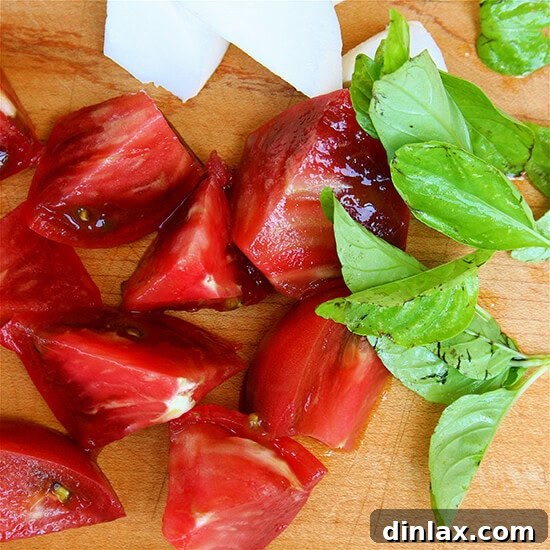
While the ingredients are key, how you prepare and assemble your Caprese can significantly impact its appeal and taste. Instead of uniform, thin slices, try cutting your tomatoes into irregular, rustic shapes. Quartering smaller tomatoes, or cutting larger heirlooms into wedges and varied chunks, adds visual interest and ensures a more satisfying bite. This method also creates more surface area for the salt and oil to cling to, enhancing the overall flavor. Cut your mozzarella in a similar fashion, perhaps tearing it by hand for a more organic look and softer texture.
When arranging the salad on a platter, resist the urge to toss everything together vigorously, which can bruise the basil and mush the delicate tomatoes. Instead, layer the ingredients gently. Start with the tomatoes and mozzarella, alternating them or arranging them artfully. Then, sprinkle generously with your chosen sea salt. Next, tear fresh basil leaves over the entire platter; don’t be afraid to be liberal, as the basil adds both flavor and visual appeal. Finally, drizzle with extra virgin olive oil, ensuring every component receives some of that golden liquid. Serve immediately, ideally at room temperature, to allow all the flavors to meld beautifully. The red, white, and green colors of the Caprese are not just visually appealing; they are a direct reflection of the fresh, vibrant flavors contained within.
Two very hot peppers, cherry tomatoes, one heirloom tomato and a few very tired sprigs of basil picked from my garden. Yay, the tomatoes are turning red!
I am particularly enjoying the dark red heirloom tomatoes. They are sweet and delicious. I found these along with Bubulus Bubalis mozzarella at the Santa Monica farmers’ market this past Wednesday.
Beyond the Basics: Variations and Enjoyment
Once you’ve mastered the classic Caprese, feel free to experiment with subtle variations. While the traditional triumvirate is perfection, additions like ripe avocado slices can add another layer of creaminess, or a sprinkle of toasted pine nuts for a delicate crunch. Some enjoy adding thinly sliced red onion for a sharper bite, or even roasted red peppers for a smoky sweetness. However, remember the golden rule: simplicity is key. Any addition should complement, not overpower, the star ingredients.
Caprese salad is wonderfully versatile, perfect as a refreshing appetizer, a light lunch, or a vibrant side dish to grilled meats or fish. Its appeal lies in its unpretentious elegance, making it suitable for both casual family meals and sophisticated dinner parties. It’s more than just a recipe; it’s an experience, a celebration of the purest flavors of summer.
Conclusion: Embrace the Simple Joys of Summer
The Caprese salad, in its essence, is a beautiful reminder that the most profound culinary joys often stem from the simplest ingredients. It challenges us to seek out the best produce, to appreciate the nuances of flavor, and to approach cooking with intention and reverence. By prioritizing exceptional tomatoes, fragrant fresh basil, creamy mozzarella, the right salt, and a drizzle of exquisite olive oil, you transcend the ordinary. This summer, make it your mission to elevate your Caprese experience. Explore your local farmers’ markets, engage with passionate producers, and embrace the art of thoughtful preparation. When done right, the Caprese salad is not just a dish; it’s a sensory journey, a vibrant masterpiece that perfectly encapsulates the bounty and beauty of the season. Go forth and create your perfect Caprese, savoring every unbelievably good bite!