Embrace Culinary Serendipity: Crafting the Perfect Two-Lentil Dal
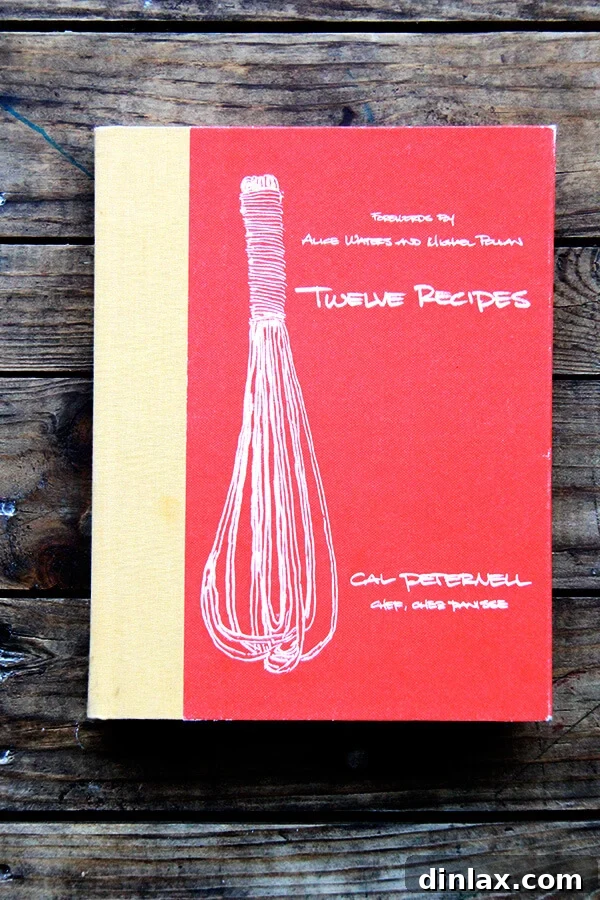
In the world of cooking, even the most seasoned chefs encounter what might initially seem like setbacks. Yet, as Cal Peternell wisely puts it in his acclaimed book, Twelve Recipes, “There’s no losing them, so we invite them to the table to teach us what they can.” This profound philosophy beautifully encapsulates the origin story of our beloved two-lentil dal – a dish born not from meticulous planning, but from a fortunate kitchen improvisation that turned a potential misstep into a culinary triumph.
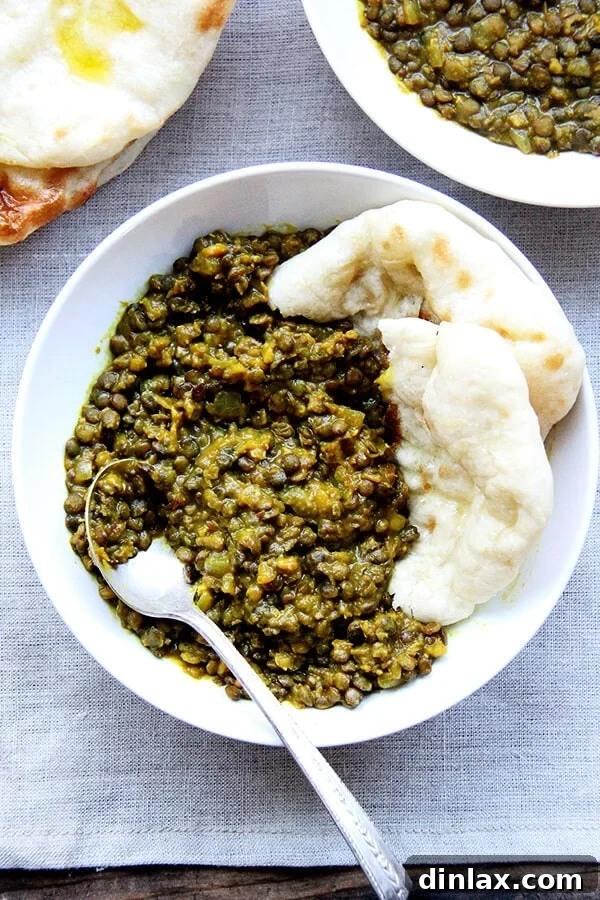
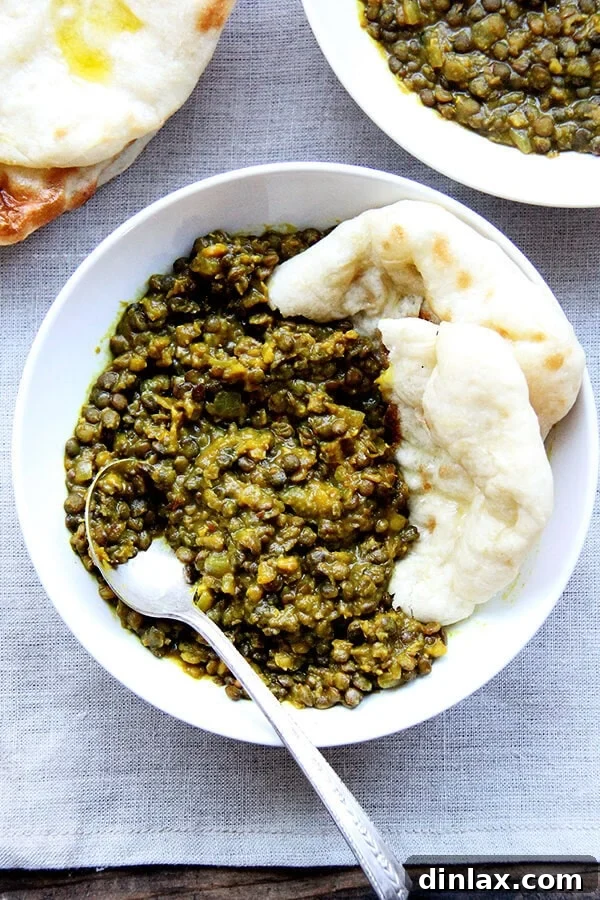
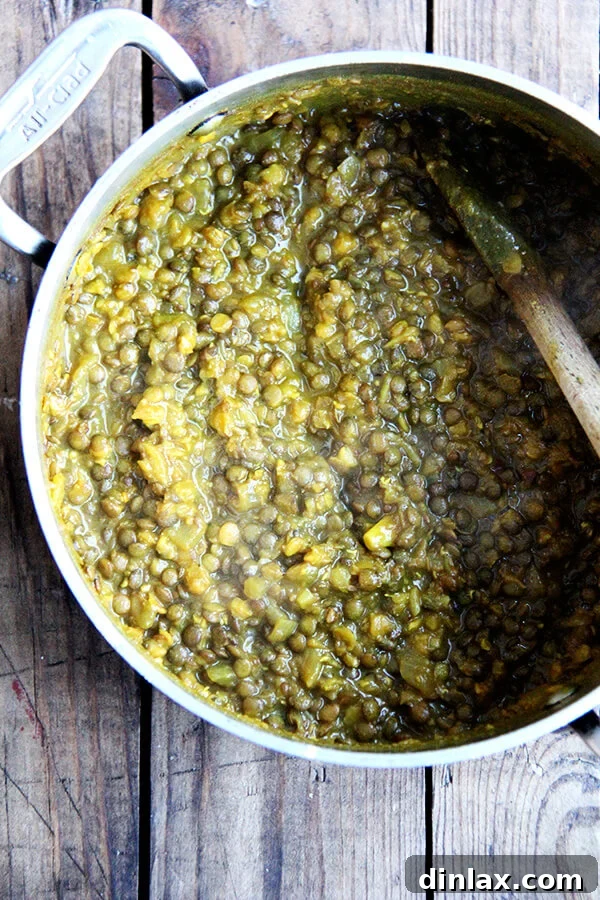
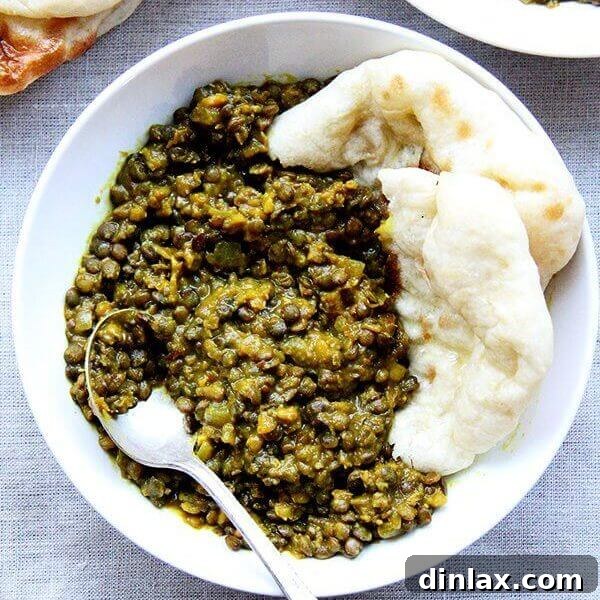
This particular dal recipe materialized in my kitchen during one of those nights when inspiration was low, and the pantry offered a collection of half-empty bags of various lentils, some lingering for many months. With a shrug and a dash of hope, I combined two cups of these assorted legumes, tossed them into a pot, and crossed my fingers. The outcome was nothing short of delightful: a rich, comforting dal boasting a perfectly balanced texture – both creamy and satisfyingly chunky, akin to a partially puréed, yet substantial, soup. This accidental creation was not only welcomed with enthusiasm at the table but has since outshone many subsequent, more “orthodox” dal attempts.
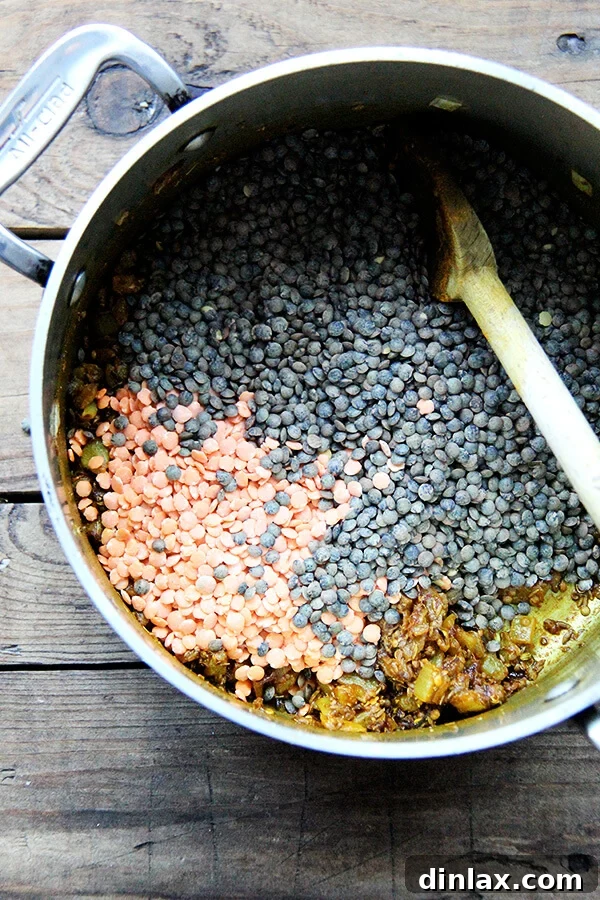
While this unique texture might prompt some purists to gently nudge it out of the strict “dal” category, its deliciousness and incredible simplicity are undeniable. Preparing this two-lentil dal requires minimal effort: gently sweat an onion until translucent, introduce a vibrant medley of spices including earthy cumin, aromatic coriander, sweet fennel, golden turmeric, and a kick of crushed red pepper flakes, add your chosen lentils, cover with water, and let it simmer until perfectly cooked. The magic truly lies in the blend of lentils. I highly recommend using a mix, such as the petite French green lentils, which famously retain their shape, alongside softer varieties like red, brown, or yellow lentils, which readily break down to create that luscious, creamy base. However, feel free to experiment with whatever lentils you have on hand and tailor the blend to your personal texture preference.
This recipe is a shining example of excellent cooking-from-the-pantry – a true savior on busy weeknights or when grocery runs are few and far between. It encourages resourcefulness and creativity. And for those who enjoy a bit more involvement in their cooking, I wholeheartedly invite you to elevate this meal by preparing your own homemade flatbreads. The soft, warm bread is the ideal companion for scooping up every last bit of this flavorful dal.
The Art of Lentil Selection: Crafting the Perfect Texture
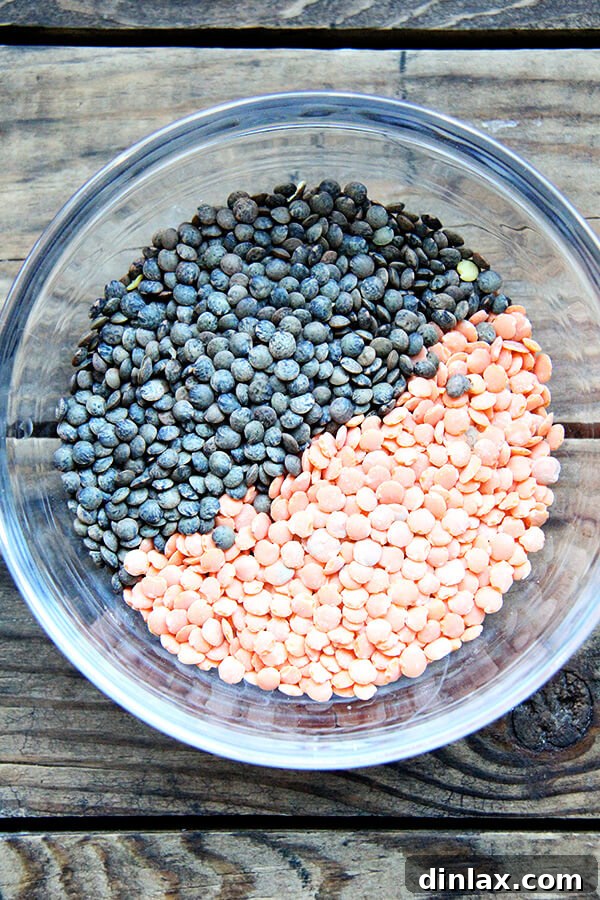
The beauty of this two-lentil dal lies in its textural contrast. The deliberate combination of two different types of lentils is key to achieving that signature creamy-chunky consistency that makes this dish so appealing. French green lentils, with their firm skin and robust nature, hold their shape remarkably well even after extended simmering. They provide a delightful bite and structural integrity to the dal, ensuring it doesn’t become a monotonous mush. In contrast, red, brown, or yellow lentils are much quicker to break down. As they cook, their starches release, dissolving into a smooth, thick consistency that forms the rich, creamy base of the dish. This interplay between the intact green lentils and the disintegrated red/brown/yellow lentils creates a dynamic mouthfeel that is both comforting and interesting.
While the recipe suggests this specific combination, the spirit of “pantry cooking” means you have the freedom to adapt. If you only have one type of lentil, you can still make a delicious dal. However, for the signature texture, trying to source at least two distinct types (one firmer, one softer) is recommended. Don’t be afraid to experiment with other varieties like black beluga lentils for their firm texture, or split yellow peas for an even creamier result. The journey of discovering your preferred lentil blend is part of the joy of cooking this versatile dish.
A Symphony of Spices: Building Depth of Flavor
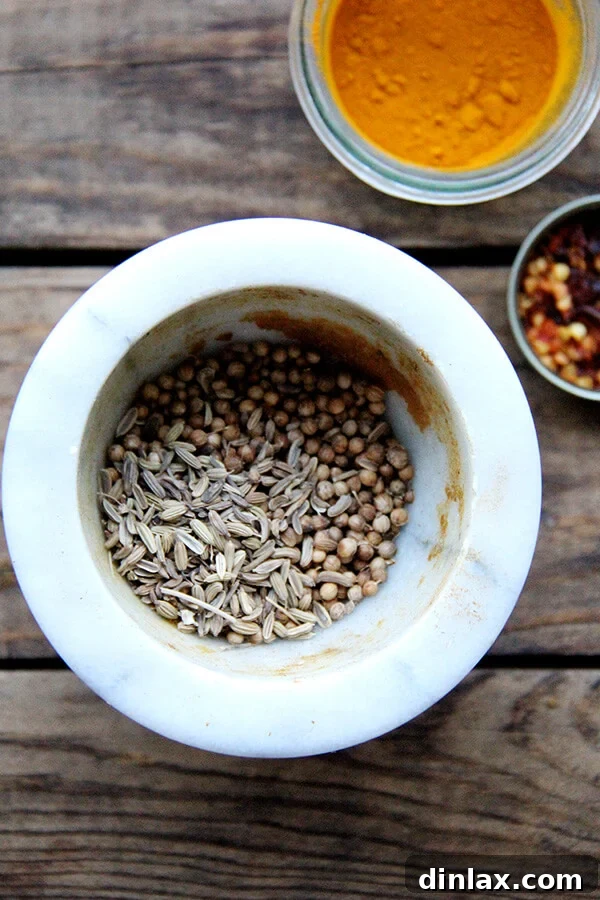
Beyond the lentils, the carefully selected spices are the heart and soul of this dal, transforming simple ingredients into an aromatic and deeply flavorful meal. Each spice plays a crucial role in building layers of complexity:
- Cumin: Adds a warm, earthy, slightly pungent flavor that is quintessential to many Indian and Middle Eastern dishes. Using whole cumin seeds, gently crushed, amplifies their aroma and intensity.
- Coriander: Contributes a citrusy, slightly sweet, and floral note that beautifully complements the earthiness of cumin. Like cumin, crushed whole coriander seeds offer a fresher, more vibrant flavor than their ground counterparts.
- Fennel: Brings a subtle licorice-like sweetness and anise notes, adding an unexpected layer of warmth and complexity. It’s often overlooked but truly elevates the spice blend.
- Turmeric: Famous for its vibrant golden hue and earthy, slightly bitter flavor. Beyond its taste, turmeric is a powerhouse of anti-inflammatory properties, making this dal not just delicious but also incredibly healthy.
- Crushed Red Pepper Flakes: Provide a gentle heat that awakens the palate without overpowering the other flavors. Adjust the amount to suit your preference for spice.
The beauty of this recipe is also its forgiving nature when it comes to spices. I’ve often found myself improvising – using ground cumin instead of whole, omitting fennel when unavailable, or even substituting curry powder for turmeric in a pinch. And each time, the dal has been undeniably delicious. This adaptability means you can confidently embark on making this dal even if your spice rack isn’t perfectly stocked. The key is to embrace the process and trust your taste buds.
The Perfect Accompaniment: Homemade Flatbreads
While the two-lentil dal is a satisfying meal in itself, pairing it with warm, fresh flatbreads elevates the dining experience. There’s something uniquely rewarding about scooping up a generous portion of dal with a piece of soft, pliable bread. We often bake our flatbreads on a Baking Steel, which helps achieve that perfect slightly charred, yet soft texture. The high heat creates a beautiful puff and a slight crispness on the outside while keeping the inside wonderfully tender.
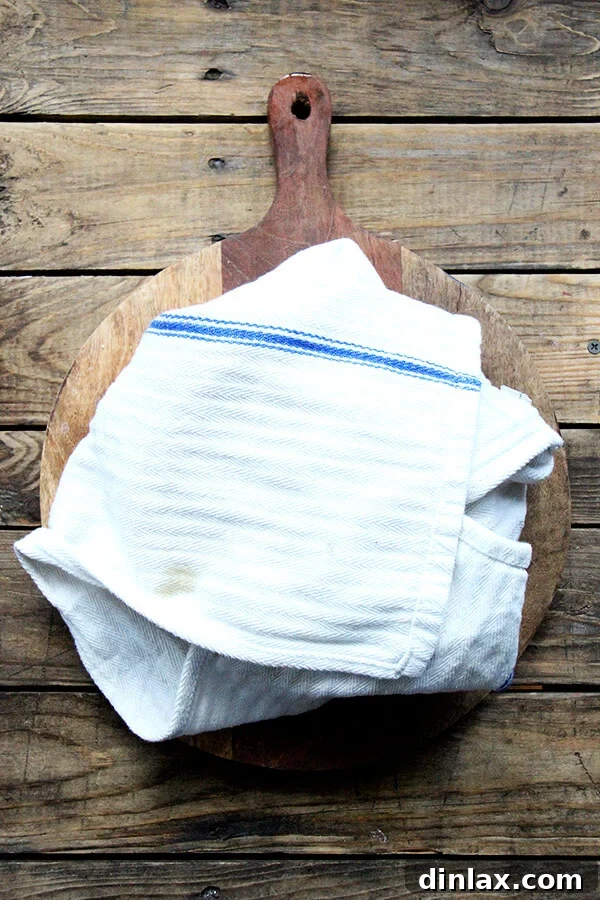
A brilliant trick for keeping flatbreads soft and pliable, taught to me by the same friends who introduced me to *Twelve Recipes*, is to swaddle them in tea towels immediately after cooking. This simple step traps the steam, allowing the bread to soften and become incredibly flexible. This makes them ideal for scooping up every last drop of your delicious dal, or even cradling other flavorful fillings like chicken souvlaki. Trust me, once you try this method, you’ll never go back to dry, rigid flatbreads. More on this technique will surely follow in a dedicated post soon!
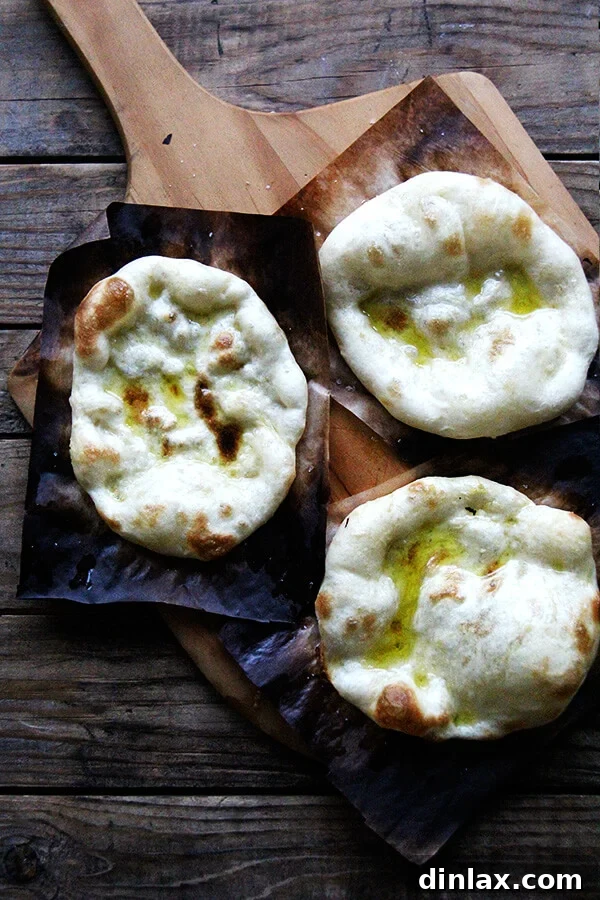
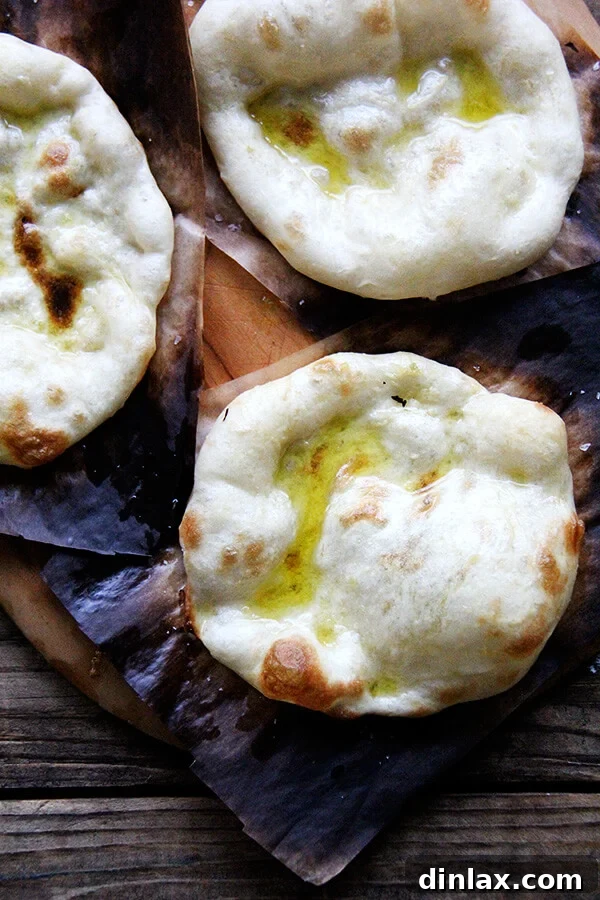
Beyond the flatbreads, additional serving suggestions can further enhance your dal experience. Consider a dollop of cooling plain yogurt, a sprinkle of fresh cilantro for a burst of freshness, or even a traditional “sizzle” (tarka or tadka). As mentioned in *Twelve Recipes*, a sizzle involves quickly melting butter or ghee, blooming a pinch of the same spices used in the dal, and perhaps some garlic, for about 30 seconds, then drizzling this aromatic oil over the finished dal just before serving. This adds an incredible layer of flavor and aroma, though the dal is perfectly delicious without it. These additions are simple ways to elevate your meal and cater to individual preferences.
The Enduring Wisdom of Twelve Recipes
Cal Peternell’s Twelve Recipes has quickly become one of my most cherished cookbooks. Its philosophy resonates deeply with home cooks, advocating for simplicity, improvisation, and learning from every experience in the kitchen. It’s not just a collection of recipes but a guide to developing an intuitive approach to cooking, encouraging us to embrace the unexpected and discover joy in the process. If you appreciate dishes that are both approachable and deeply satisfying, I highly recommend exploring this book. For another wonderful example of its creative and resourceful approach, check out the Fried Greens Meatlessballs recipe inspired by it – another testament to its brilliant, waste-not philosophy.
Why Lentils? Nutritional Benefits and Pantry Power
Beyond their versatility and delicious flavor, lentils are nutritional powerhouses. They are an excellent source of plant-based protein, making them a fantastic staple for vegetarian and vegan diets, or simply for anyone looking to reduce their meat consumption. Rich in dietary fiber, lentils aid in digestion, help regulate blood sugar levels, and contribute to a feeling of fullness, which can support weight management. They are also packed with essential vitamins and minerals, including iron, folate, magnesium, and potassium. Incorporating dishes like this two-lentil dal into your diet is a simple and delicious way to boost your nutrient intake and support overall health.
Furthermore, lentils are the epitome of pantry power. They are inexpensive, have a long shelf life, and are incredibly versatile. Keeping a few different varieties on hand ensures you’re always prepared to whip up a hearty and healthy meal, even on days when fresh groceries are scarce. This “cooking from the pantry” approach not only saves money but also fosters creativity and reduces food waste.
Print
Delicious Two-Lentil Dal Recipe
5 Stars 4 Stars 3 Stars 2 Stars 1 Star
5 from 2 reviews
Author: alexandra
Total Time: 1 hours 15 minutes
Yield: 6 to 8 1x
About This Easy Two-Lentil Dal
This recipe for Two-Lentil Dal is a delicious, slightly adapted version of a classic from Cal Peternell’s inspiring cookbook, Twelve Recipes.
The magic of this dal lies in its unique texture, achieved by combining two distinct types of lentils. The petite French green lentils are chosen for their ability to maintain their shape and provide a pleasant bite, while softer varieties such as red, brown, or yellow lentils gently break down during cooking, creating a wonderfully creamy and rich base. This harmonious blend results in a dal that is both satisfyingly chunky and luxuriously smooth.
Don’t worry if your spice cabinet isn’t perfectly stocked with whole spices! This recipe is incredibly forgiving and encourages improvisation. I’ve successfully made it using ground cumin, omitting fennel when unavailable, or even substituting curry powder for turmeric, and the results have always been delicious. Feel free to adjust the spices based on what you have and your personal taste preferences.
For an extra layer of flavor and aroma, Peternell suggests serving dal with a “sizzle” (also known as a tarka or tadka). This involves quickly heating melted butter or ghee with a pinch more of the dal’s spices and possibly some garlic for about 30 seconds, then drizzling it over the finished dish. While I often enjoy this dal as is, these aromatic additions, along with fresh cilantro or a dollop of cooling yogurt, are fantastic ways to enhance the meal.
Ingredients for Two-Lentil Dal
- 3 tablespoons olive oil
- 1 medium yellow onion, diced
- 1 teaspoon salt, plus more to taste
- 1 tablespoon crushed whole cumin seeds (or 1.5 tsp ground cumin)
- 1 tablespoon crushed whole coriander seeds (or 1.5 tsp ground coriander)
- 1 teaspoon crushed whole fennel seeds (optional, but recommended for depth)
- 1/2 teaspoon crushed red pepper flakes (adjust to your spice preference)
- 1 tablespoon ground turmeric
- 1 cup French green lentils (ensure to rinse thoroughly)
- 1/2 cup brown, yellow or red lentils (rinse thoroughly)
- 4-6 cups water, as needed
- Fresh cilantro, chopped, for serving (optional)
- Plain yogurt, for serving (optional)
Step-by-Step Instructions for Two-Lentil Dal
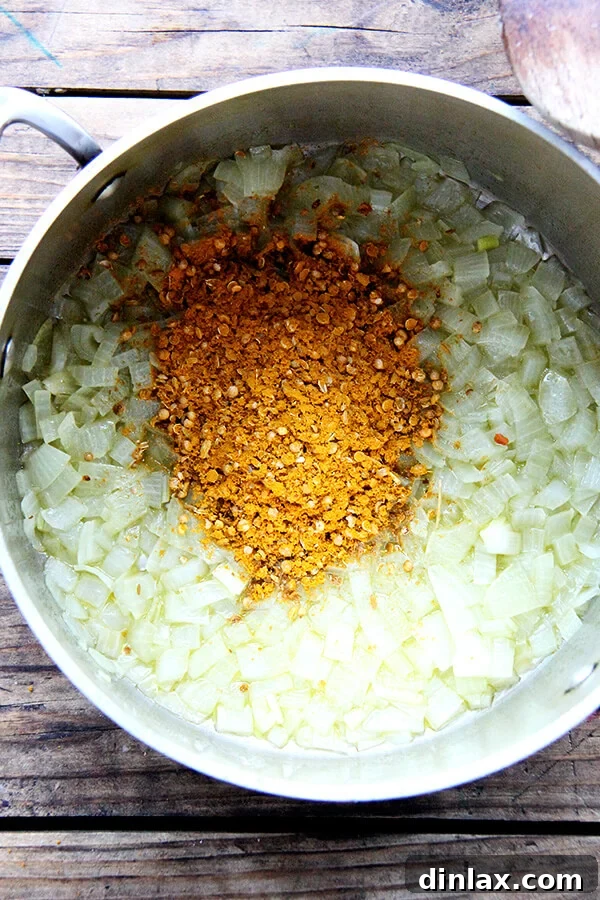
- Prepare the Aromatic Base: Heat a sturdy soup pot or Dutch oven over high heat. Add the olive oil, followed by the diced yellow onion and 1 teaspoon of salt. Stir well to coat the onions. Reduce the heat to low, cover the pot, and allow the onions to sweat gently. Check and stir every few minutes, letting the condensation on the lid drip back into the pot to create a steamy environment. If you notice any browning, lower the heat further. Continue cooking in this manner until the onions are perfectly tender and translucent, which typically takes about 15 minutes.
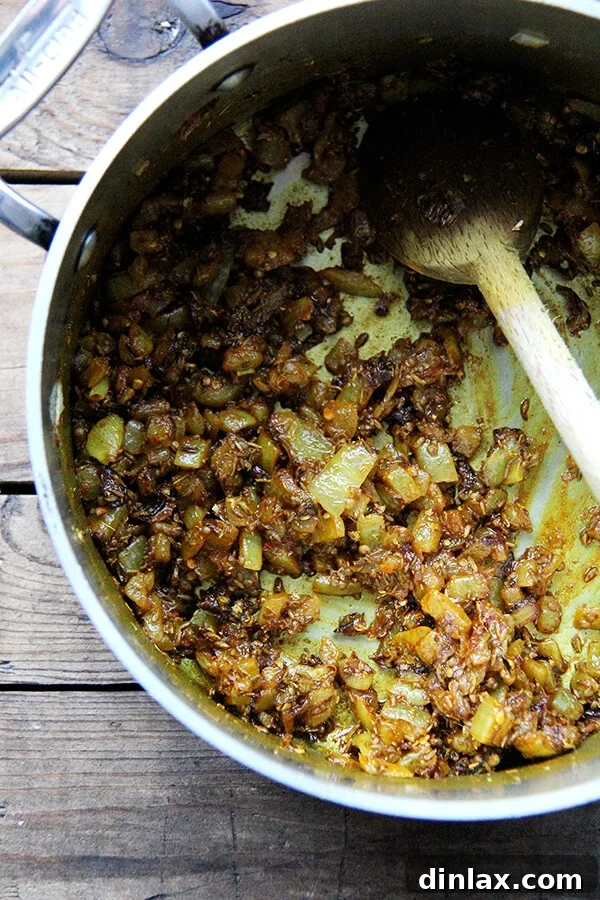
- Toast the Spices and Simmer the Dal: Once the onions are tender, add the crushed cumin seeds, coriander seeds, fennel seeds (if using), and crushed red pepper flakes to the pot. Cook, stirring constantly, for about 1 minute. This brief toasting period helps to awaken their flavors and release their wonderful aromas. Next, stir in the ground turmeric and cook for another 30 seconds. Be careful not to burn the spices. Immediately add the rinsed French green lentils and brown/yellow/red lentils, along with 4 cups of water. Bring the mixture to a rolling boil over medium-high heat.
- Cook Until Tender and Adjust Seasoning: Once boiling, reduce the heat to a gentle simmer. Cover the pot partially, allowing some steam to escape. Cook, stirring occasionally to prevent sticking, until the lentils are completely tender and have begun to break down, thickening the dal into a happy mix of creamy and chunky. This usually takes about 30 minutes, but French lentils can take up to an hour to cook through completely. During simmering, monitor the consistency and add more water (1-2 cups) as needed to achieve your desired texture – a thick, stew-like consistency is ideal. Taste the dal and adjust the seasoning generously; you’ll likely need to add at least another 1/2 teaspoon of salt, or more, to bring out the full flavor. Continue to cook until the dal reaches its perfect creamy-chunky state. Serve hot, optionally garnished with fresh cilantro and a dollop of plain yogurt.
- Prep Time: 15 minutes
- Cook Time: 1 hours