The Superior Choice: Unveiling the Holistic Benefits of Grass-Fed Beef
In an era where conscious eating and sustainable living are gaining paramount importance, the choices we make about our food sources have never been more scrutinized. Among the many discussions surrounding healthy eating, the debate between grass-fed and grain-fed beef stands out as a critical topic for consumers. This distinction represents more than just a difference in diet; it signifies a fundamental divergence in agricultural philosophy, animal welfare, nutritional value, and environmental impact. My personal journey into understanding these crucial differences deepened significantly after reading influential works that illuminate the complexities of our food system. Picking up a package of grass-fed ground beef from my local Fair Food Farmstand, alongside my Community Supported Agriculture (CSA) share, became a conscious act – a deliberate choice rooted in a growing appreciation for healthier, more sustainable dietary practices. It was a profound realization to learn that cows, by their very nature, are herbivores, biologically designed to graze on grass. This simple, yet often overlooked, truth highlights a core principle of natural and traditional animal husbandry that has been largely sidelined by modern industrial farming.
The Industrial Shift: From Pasture to Feedlot
The transformation of cattle farming practices, moving away from extensive grazing to intensive feedlot operations, is a relatively recent historical development, primarily emerging in the mid-20th century. Before the 1950s, the vast majority of cattle spent their lives grazing on open pastures, consuming a varied diet of grasses, legumes, and wild forages. This natural diet was ideal for their ruminant digestive systems and contributed to their overall health. However, agricultural innovations, particularly the widespread adoption of artificial fertilizers and more efficient farming techniques, led to an unprecedented surplus of corn. This economic abundance created a new opportunity: cheap, readily available grain. Farmers, eager to find new markets for their bountiful harvests, began supplying this surplus corn to cattle ranches.
Ranchers quickly discovered that feeding cattle a corn-based diet dramatically accelerated their growth rate, allowing them to reach market weight much faster than on an all-grass diet. This discovery sparked a significant shift. Cattle were increasingly moved from expansive pastures into confined spaces known as feedlots or Concentrated Animal Feeding Operations (CAFOs). This system proved mutually profitable for many: corn farmers benefited from a consistent demand for their crops, while ranchers could raise more cattle in less time and on smaller land footprints, maximizing output and efficiency. This industrial model prioritized speed and volume, fundamentally altering the traditional relationship between cattle, land, and feed, setting the stage for wide-ranging consequences for both animal and consumer health, as well as the environment.
The Hidden Costs: Health, Ethics, and Environment in Conventional Beef
While grain-fed beef is often celebrated for its consistent marbling and rich, fatty flavor – a highly desired characteristic among many meat connoisseurs – the practices employed to produce it carry significant health, ethical, and environmental burdens. The quest for rapid growth and standardized meat quality has, in many cases, led to less healthy meat and increasingly inhumane animal husbandry practices. The ethical concerns surrounding feedlots are particularly poignant. Cattle, inherently grazing animals, are confined to cramped, unsanitary conditions, a stark contrast to their natural environment. Their digestive systems, evolved over millennia to process fibrous grasses, struggle immensely with a high-grain diet, often leading to painful conditions like acidosis, bloat, and liver abscesses.
To mitigate these diet-induced health problems and further accelerate growth, conventional cattle are routinely administered a cocktail of hormones, growth-promoting supplements, and large doses of antibiotics. These drugs are not only used as a preventative measure against the spread of diseases common in crowded feedlot environments but also as tools to enhance weight gain. This reliance on pharmaceuticals was largely unnecessary when cattle thrived on their natural grass-based diets, living in open-air pastures. Furthermore, the environmental impact of industrial feedlots is profound. The concentrated waste from thousands of animals, instead of being naturally dispersed and integrated into the soil by grazing animals, accumulates in massive quantities. This concentrated manure leads to an overload of nitrates and other pollutants that leach into groundwater and run off into nearby waterways, contributing to water pollution, harmful algal blooms, and the degradation of aquatic ecosystems. The extensive cultivation of corn and soy for feed, often involving monoculture farming and heavy use of synthetic fertilizers and pesticides, also contributes to soil erosion, biodiversity loss, and significant greenhouse gas emissions, further exacerbating the overall ecological footprint of conventional beef production.
Grass-Fed Beef: A Nutritional Powerhouse
In stark contrast to its grain-fed counterpart, grass-fed beef offers a nutritional profile that is demonstrably superior, aligning more closely with human health requirements. The natural diet of grass, rich in diverse nutrients, allows cattle to develop a healthier physiological composition, directly translating to enhanced benefits for the consumer. Grass-fed meat is not merely lower in total fat and saturated fat; it is a remarkably nutrient-dense food, packed with essential compounds that are either less abundant or entirely absent in conventionally raised beef.
Specifically, grass-fed beef boasts an impressive array of nutritional advantages:
- 75% More Omega-3 Fatty Acids: These polyunsaturated fats are critical for cardiovascular health, brain function, and reducing systemic inflammation. The healthier balance of omega-3 to omega-6 fatty acids in grass-fed beef is crucial, as an imbalanced ratio (common in modern diets) can contribute to chronic inflammatory diseases.
- 78% More Beta-Carotene: A potent antioxidant and a precursor to Vitamin A, beta-carotene supports robust vision, strengthens the immune system, and promotes healthy skin.
- 300% More Vitamin E: Another powerful antioxidant, Vitamin E protects cells from oxidative damage and plays a vital role in immune function and overall cellular health.
- 400% More Vitamin A: Essential for maintaining good vision, supporting a strong immune system, and facilitating proper cell growth and differentiation.
- 500% More Conjugated Linoleic Acids (CLA): CLA is a unique group of fatty acids that has garnered significant scientific interest for its potential health benefits, including supporting weight management, enhancing immune function, and exhibiting anti-carcinogenic properties.
These remarkable nutritional distinctions underscore why choosing grass-fed beef is not just a preference but a strategic decision for optimizing dietary health. The cow’s natural diet and lifestyle directly influence the quality of the meat, making grass-fed beef a valuable component of a nutrient-rich and health-conscious diet.
Savoring the Difference: Taste and Texture of Grass-Fed Beef
Despite the unequivocal health and environmental advantages, grass-fed beef has occasionally faced misconceptions regarding its taste and texture. Some consumers, particularly those accustomed to the heavily marbled, often richer flavor profile of grain-fed beef, have described grass-fed options as being bland, gamey, or having an unusual texture. However, these perceptions frequently stem from a lack of familiarity with grass-fed beef’s unique characteristics or from improper cooking methods, rather than any inherent deficiency in the product itself. My personal experiences have consistently affirmed the deliciousness and satisfying quality of grass-fed beef.
For instance, the grass-fed ground beef I regularly source from the Fair Food Farmstand is consistently flavorful and provides an excellent foundation for a variety of dishes. Just last Thursday evening, my friend and I indulged in some truly delicious grilled burgers made from this very meat. We kept the seasoning simple, using only kosher salt and freshly ground black pepper to allow the beef’s natural flavors to shine, and incorporated finely chopped onion for an added layer of moisture and aromatic depth. Served on a crusty roll with crisp lettuce and ripe tomatoes, these “pasture-perfect” patties were not merely pleasing; they were genuinely exceptional, embodying the authentic taste of well-raised meat.
It is crucial to recognize that grass-fed beef, due to its naturally lower fat content, often cooks differently than grain-fed varieties. It tends to cook faster and can dry out if overcooked. To achieve optimal tenderness and juiciness, consider cooking it at slightly lower temperatures or for shorter durations. Marinades, brines, and thoughtful seasoning can also play a vital role in enhancing flavor and maintaining moisture. Embracing grass-fed beef invites you to discover a subtly different, often more complex, and truly authentic beef flavor that is a direct reflection of the animal’s natural, wholesome diet.
Beyond the Plate: The Broader Impact of Regenerative Grazing
The decision to choose grass-fed beef extends far beyond individual dietary benefits; it represents a commitment to supporting a more sustainable, ethical, and resilient food system. The farming practices associated with raising grass-fed cattle, particularly those that adhere to the principles of regenerative agriculture, offer profound environmental advantages. Regenerative grazing is a holistic land management practice that mimics the natural movement of wild herds. Cattle are rotated frequently across pastures, allowing each section of land ample time to recover and flourish before being grazed again. This rotational system is not only beneficial for the animals but is instrumental in fostering healthier soils, increasing biodiversity, and significantly enhancing the land’s capacity to sequester carbon from the atmosphere, thus playing a crucial role in mitigating climate change.
As cattle graze in a regenerative system, their hooves gently disturb the soil surface, and their manure naturally fertilizes it, stimulating the growth of diverse plant species. This rich and varied forage system, in turn, supports a greater abundance of insects, birds, and other wildlife, actively contributing to ecological restoration and balance. By choosing grass-fed and pasture-raised products, consumers actively cast their vote for farmers who prioritize animal welfare, practice responsible environmental stewardship, and commit to the long-term health of our planet. This conscious consumer choice encourages a vital shift away from the detrimental practices of industrial agriculture towards methods that truly nourish the land, the animals, and ultimately, our collective well-being.
Embracing a Conscious Plate: My Community Supported Agriculture (CSA) Experience
My dedication to understanding and actively sourcing high-quality, sustainable food is further exemplified by my consistent participation in a Community Supported Agriculture (CSA) program. A CSA is far more than just a weekly delivery of fresh vegetables; it embodies a direct, mutually beneficial partnership with local farmers. This model not only provides access to incredibly fresh, seasonal, and often organically grown produce, but it also cultivates a vital connection to the very origins of our food. This direct link allows me to actively support local economies, ensure fair practices for farmers, and enjoy a diverse array of nutritious fruits and vegetables, which perfectly complements my choice of ethically raised meats.
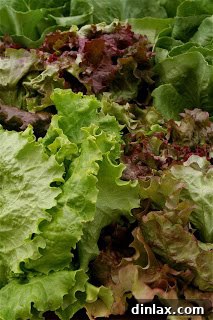
For example, a typical CSA box for a given week might present a vibrant bounty of produce, inspiring fresh, wholesome, and delicious meal creations. This abundance often includes items such as:
- 1 lb. baby lettuces
- 1 bunch French breakfast radishes
- 2 heads baby bok choy
- 1½ lbs red Russian Kale
- 1 bunch dandelion greens
- 1 head Jericho Romaine
- 1 bunch scallions
- 1 head green leaf lettuce
Integrating such a diverse selection of fresh, locally grown produce with high-quality proteins like grass-fed beef illustrates a holistic, conscious approach to eating – one that prioritizes not only personal health and well-being but also the health and sustainability of our planet and local communities.
Simple and Delicious: A Recipe for Pasture-Perfect Grass-Fed Burgers
There are few culinary delights as universally loved as a perfectly grilled burger. When crafted with high-quality grass-fed ground beef, this classic dish transcends the ordinary, becoming an truly exceptional meal. Here’s my go-to recipe for creating juicy, flavorful, and pasture-perfect grass-fed burgers that are sure to impress.
Grass-Fed Burgers
Yield: 3 hearty burgers
Ingredients:
- 1 lb. grass-fed ground beef (ideally 85/15 or 90/10 fat ratio for best flavor and moisture)
- ½ medium onion, very finely chopped (this adds moisture and subtle flavor)
- 1 teaspoon kosher salt, plus more for seasoning
- ½ teaspoon freshly ground black pepper, plus more for seasoning
- Your choice of buns, fresh lettuce, ripe tomato slices, cheese, pickles, and other favorite toppings, as needed
Instructions:
- Begin by gently spreading the grass-fed ground beef out in a large, shallow bowl.
- Evenly sprinkle 1 teaspoon of kosher salt and ½ teaspoon of freshly ground black pepper over the meat.
- Distribute the very finely chopped onion uniformly across the seasoned meat.
- With the lightest possible touch, gently mix the ingredients together. It’s crucial not to overwork or over-pack the meat, as this can compress the proteins and result in tough, dry burgers. Mix just enough to combine everything.
- Divide the mixture into three equally sized portions and form them into patties, approximately 1-inch thick. To prevent the burgers from bulging in the center during grilling, press a slight indentation (about ¼-inch deep) into the center of each patty.
- Place the formed patties on a plate, cover loosely, and chill in the refrigerator for at least 30 minutes, or up to a few hours. This helps the patties firm up, hold their shape better during cooking, and locks in juices.
- Preheat your grill to high heat (about 450-500°F or 230-260°C). Ensure the grill grates are clean and lightly brushed with high-smoke-point oil to prevent sticking.
- Just before placing the patties on the grill, season both sides with additional kosher salt and freshly ground black pepper to create a flavorful crust.
- Grill to your desired doneness. Remember that grass-fed beef generally has a lower fat content and cooks faster than conventional beef. For medium-rare, grill for about 3-4 minutes per side. For medium, aim for 4-5 minutes per side. Adjust cooking times for medium-well or well-done accordingly. Use an instant-read thermometer for precision (130-135°F for medium-rare, 135-140°F for medium).
- Once cooked, remove the burgers from the grill and let them rest on a cutting board or plate for 5-10 minutes. This allows the juices to redistribute throughout the patty, ensuring a moister and more flavorful burger.
- Serve your glorious grass-fed burgers on your favorite buns with fresh lettuce, ripe tomato slices, cheese (if desired), and any other cherished toppings. Enjoy the authentic, rich flavor of pasture-perfect beef!
Further Reading and Resources on Grass-Fed Beef
For those eager to delve even deeper into the extensive world of grass-fed beef, sustainable sourcing, and conscious eating, I’ve had the pleasure of sharing my insights and experiences on this topic multiple times before. Here are a few recommended articles and resources that offer additional perspectives and valuable information to support your journey towards more informed food choices:
- Grass-fed Beef: A Comprehensive Introduction
- Pasture-Perfect Patties: Mastering the Art of the Grass-Fed Burger
- Considering a Steer Purchase & Evaluating Trader Joe’s Grass-Fed Options
- A Culinary Experience: Hearst Ranch Grass-Fed Steaks and Pairing Suggestions
- The Farm’s Pivotal Role in Cultivating Sustainable Food Solutions
These resources provide a wealth of knowledge on sourcing, preparing, and truly appreciating grass-fed beef, further empowering you to make choices that benefit your health, local farmers, and the planet.