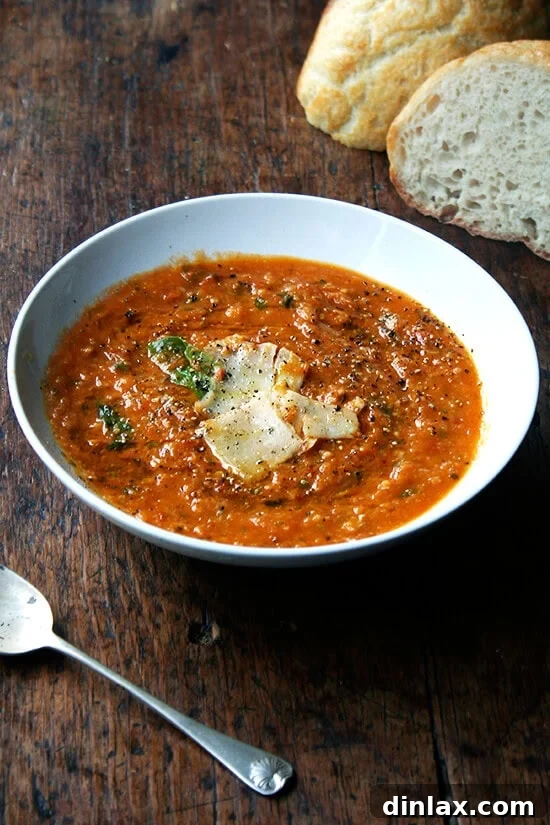
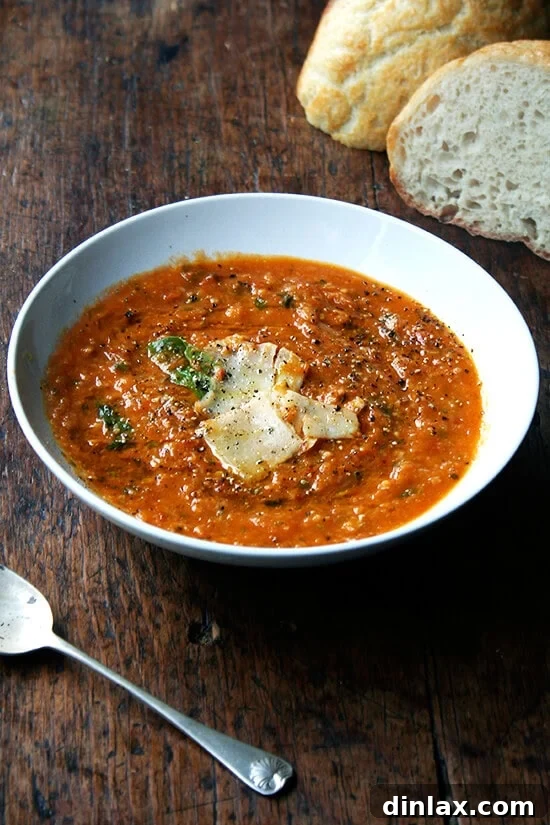
There’s a certain magic that happens when simple, seasonal ingredients are treated with respect, transforming into something truly extraordinary. This philosophy lies at the heart of Pappa al Pomodoro, the beloved Italian roasted tomato and bread soup. It’s a dish that hums with the essence of late summer, a time when tomatoes are at their peak, bursting with sun-drenched sweetness. While I first shared a version of this recipe years ago, my understanding of its true spirit has evolved, leading to a refined approach that highlights the pure, unadulterated flavor of its star ingredient.
My journey to perfecting this recipe revealed two surprising, yet crucial, details about the original inspiration:
- The chef opted for water over traditional stock.
- Canned San Marzano tomatoes were the preferred choice.
Initially, these revelations sparked a degree of skepticism. How could water possibly yield a soup as rich and flavorful as stock? And while I’ve yet to replicate the desired depth with canned tomatoes, embracing the use of water has become a cornerstone of this recipe, proving that sometimes, simplicity truly is the ultimate sophistication.
The Unconventional Wisdom: Why Water, Not Stock?
For many home cooks, the idea of making a soup without stock might seem counterintuitive. We’ve been conditioned to believe that stock is the essential backbone of any deeply flavored soup. However, Pappa al Pomodoro, much like our highly acclaimed French onion soup or that vibrant fresh tomato-red pepper pasta sauce, demonstrates a profound truth: when your primary ingredients are exceptional and handled with care, extraneous additions can actually detract from their natural brilliance. Each of these recipes, including this robust tomato soup, exclusively calls for water, allowing the core flavors to truly sing.
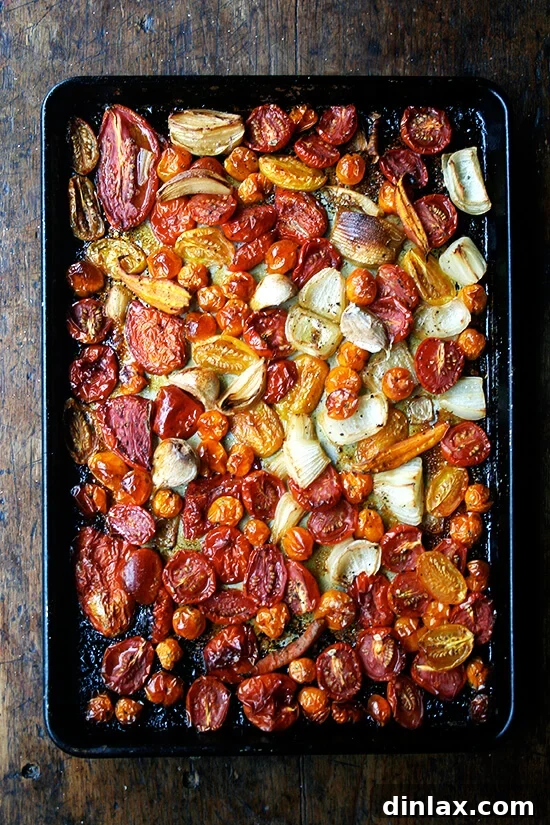
The secret lies in the slow-roasting process. By gently baking tomatoes, onions, carrots, and garlic in the oven for an extended period, their natural sugars caramelize, their flavors intensify, and a rich umami depth develops that no amount of pre-made stock can replicate. This careful concentration of flavor means that only water is needed to carry these exquisite notes, rather than compete with them. Water acts as a neutral canvas, allowing the pure, sweet-acidic essence of the roasted tomatoes to shine through, unmasked by the often overpowering characteristics of broth or stock. It’s a method that requires patience—the onions, for instance, roast for nearly three hours—but the majority of the time is hands-off, leaving you free to enjoy the incredible aromas filling your kitchen.
The Magic of Slow Roasting: A Symphony of Concentrated Flavors
This recipe hinges on the transformative power of slow roasting. Unlike quick sautéeing or boiling, low and slow oven heat coaxes out the deepest flavors from each vegetable, creating a complex foundation for the soup. Let’s break down the role of each component:
- Tomatoes: The star of the show. Slow roasting coaxes out their natural sweetness, concentrating their juicy pulp and slightly caramelizing their skins. This process deepens their inherent umami, moving them beyond fresh acidity to a more mellow, profound flavor.
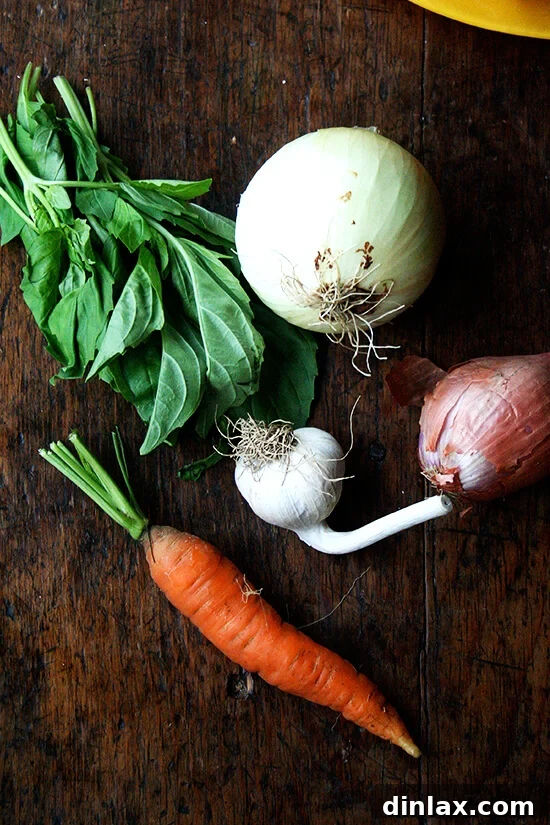
- Onions and Shallots: These aromatic powerhouses undergo a remarkable transformation. Their sharp, pungent notes mellow into a profound sweetness as they caramelize slowly, contributing a foundational layer of rich, savory depth that is absolutely essential to the soup’s character.
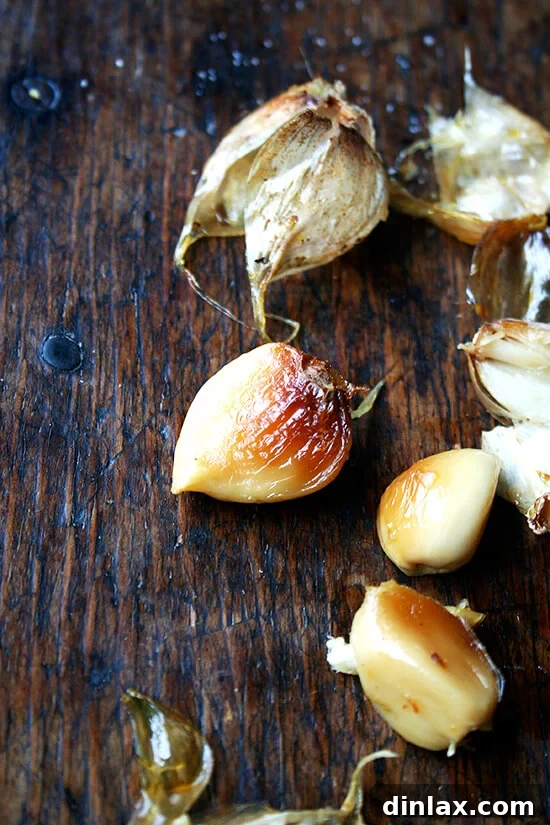
- Garlic: Roasting whole cloves of garlic turns them sweet, creamy, and nutty, removing any harshness. This soft, roasted garlic melts into the soup, imparting a gentle warmth and aromatic complexity.
- Carrots: Often overlooked, carrots add a subtle sweetness and earthy undertone that rounds out the flavor profile, balancing the acidity of the tomatoes and the richness of the onions.
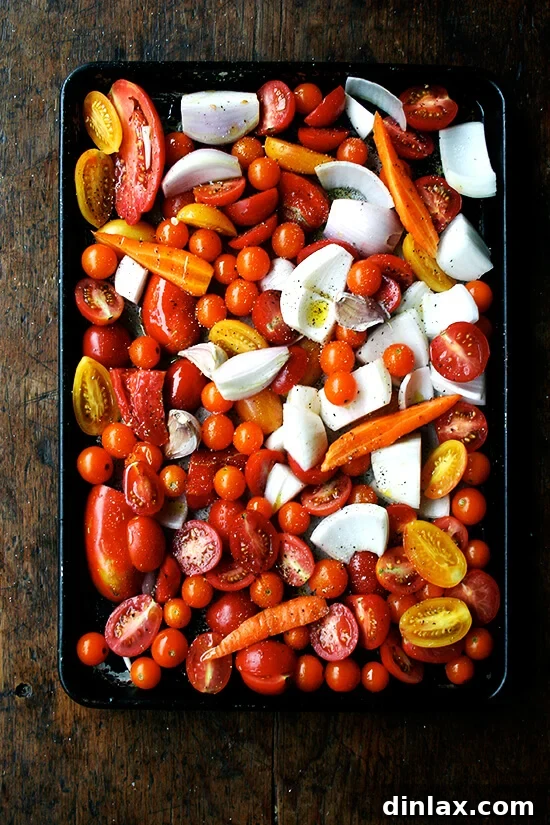
By bringing these elements together on a single sheet pan, drizzled with good olive oil and seasoned simply, the oven does most of the heavy lifting. The low temperature ensures that the vegetables don’t burn, but rather gently soften, sweeten, and develop those coveted browned, flavorful edges. This meticulous process is what allows the minimal addition of water later to unlock an astonishing depth of flavor, creating a soup that feels both incredibly comforting and deceptively simple.
Selecting Your Ingredients: The Foundation of Flavor
While the roasting method is crucial, the quality of your ingredients is paramount. For a dish like Pappa al Pomodoro, which celebrates natural flavors, the better your produce, the more sublime your soup will be.
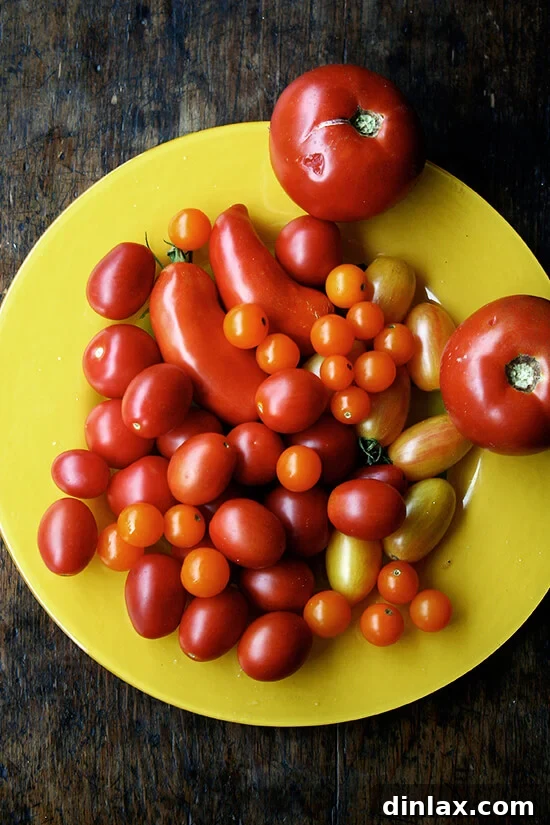
- Tomatoes: Aim for ripe, in-season tomatoes. Heirloom varieties, Roma, or even a mix of cherry and grape tomatoes will work beautifully. Their natural sweetness and acidity are essential. If peak-season fresh tomatoes are truly unavailable, a high-quality can of whole peeled San Marzano tomatoes, oven-roasted for a shorter period, could be a decent compromise, though fresh is always preferred for this specific method.
- Bread: This isn’t just a garnish; it’s a critical thickener. Stale, crusty, rustic bread is key. A good quality country loaf, sourdough, or homemade peasant bread works perfectly. Avoid soft sandwich bread, as it won’t absorb the liquid in the same way or provide the desired texture. The bread needs to be dried out, allowing it to become fully saturated and lend its body to the soup without dissolving into mush.
- Fresh Herbs and Seasonings: Fresh basil is non-negotiable for its vibrant, aromatic lift. Good quality olive oil, kosher salt, and freshly cracked black pepper are your core seasonings. A pinch of crushed red pepper flakes adds a subtle warmth and kick, enhancing the overall profile without overwhelming it.
When you have a generous bounty of late-summer tomatoes, resist the urge to eat them all raw (as tempting as it is with just a sprinkling of salt and a drizzle of olive oil). This Pappa al Pomodoro offers an equally rewarding, deeply comforting way to celebrate their seasonal splendor.
Of course, this rustic soup finds its perfect companion in a slice of homemade peasant bread on the side, ideal for soaking up every last drop of the rich, tomatoey goodness.

Print
Roasted Tomato and Bread Soup (Pappa al Pomodoro)
5 Stars 4 Stars 3 Stars 2 Stars 1 Star
5 from 5 reviews
Author: Alexandra Stafford
Total Time: 3 hours 15 minutes
Yield: 4–6 servings as a first course 1x
Description
This heartwarming Pappa al Pomodoro is inspired by a memorable soup served at Cafe Mimosa in San Clemente. It’s a celebration of pure, concentrated tomato flavor, elevated by the magic of slow roasting.
Chef’s Notes: Plan ahead for the roasting time; the vegetables take about three hours to achieve their deep caramelization. However, once roasted, the soup comes together very quickly. Feel free to customize by adding other vegetables you might have on hand—leeks, celery, or bell peppers can offer delightful variations to the roasted medley. Remember, for a vegan option, simply omit the Parmigiano Reggiano.
Ingredients
- 3 lbs (approx. 1.36 kg) ripe tomatoes, halved if large, left whole if cherry or grape, enough to fill a single layer on a sheet tray
- 1 large onion, peeled and roughly chopped into big chunks (approx. 9.5 oz | 256 g once trimmed)
- 1 large shallot, peeled and roughly chopped into big chunks (approx. 3⅛ oz | 88 g once trimmed)
- 1 head of garlic, cloves separated but left unpeeled, lightly smashed (approx. 1.5 oz | 42 g)
- one large carrot, unpeeled, roughly chopped (approx. 2 oz | 55 g)
- 3 tablespoons good quality olive oil, plus more for drizzling
- 1 teaspoon kosher salt, plus additional to taste
- Freshly cracked black pepper to taste
- 4 to 5 oz | 135 g (approx. 2-3 slices) of stale, rustic bakery-style bread or peasant bread
- 2 to 3 cups filtered water
- 1 bunch (approx. 1 oz | 28 g) fresh basil
- Crushed red pepper flakes, to taste (optional, for a hint of heat)
- Shaved Parmigiano Reggiano and more bread for serving, optional
- Extra virgin olive oil for drizzling, optional, for serving
Instructions
- Prepare and Roast the Vegetables: Preheat your oven to 300ºF (150ºC). Line a large, rimmed baking sheet with parchment paper. Arrange all the prepared vegetables (tomatoes, onion, shallot, smashed garlic cloves, and carrot) on the tray, ensuring they are spread in a single layer for even roasting. The total weight of vegetables should be approximately 4 lbs (1.8 kg). Drizzle generously with about 3 tablespoons of olive oil. Season with 1 teaspoon of kosher salt and a good grinding of fresh black pepper. Roast for approximately three hours. Begin checking for doneness after 2 hours; some ovens may finish in 2.5 hours. The vegetables should be very tender, deeply softened, and exhibit beautiful caramelization around their edges.
- Prepare the Bread: While the vegetables are roasting, prepare your bread. If your rustic bread isn’t already stale, slice it into ½-inch thick pieces. Allow the slices to air dry on your counter for a few hours, or lightly toast them in a toaster or stick them in the oven alongside the roasting vegetables for about 20 minutes. The goal is to dry out the bread, making it firm and absorbent, not necessarily to brown it deeply. This dried bread will be crucial for thickening the soup and giving it its characteristic texture.
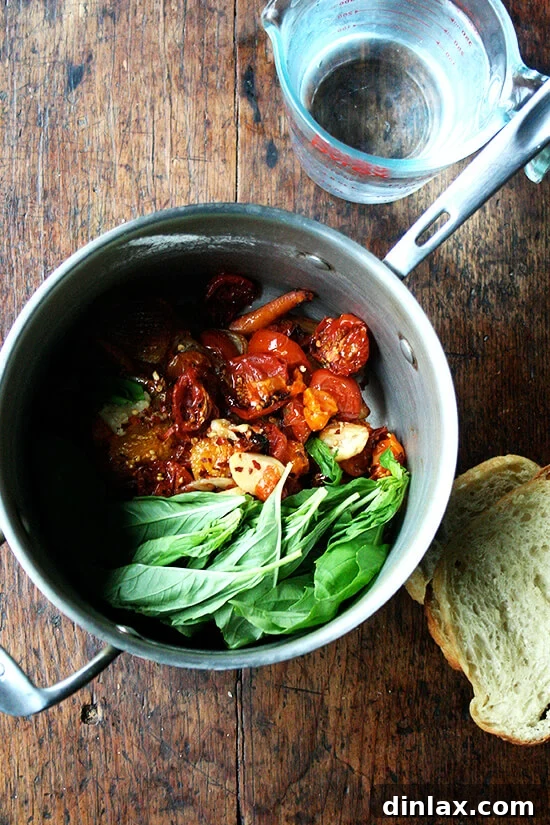
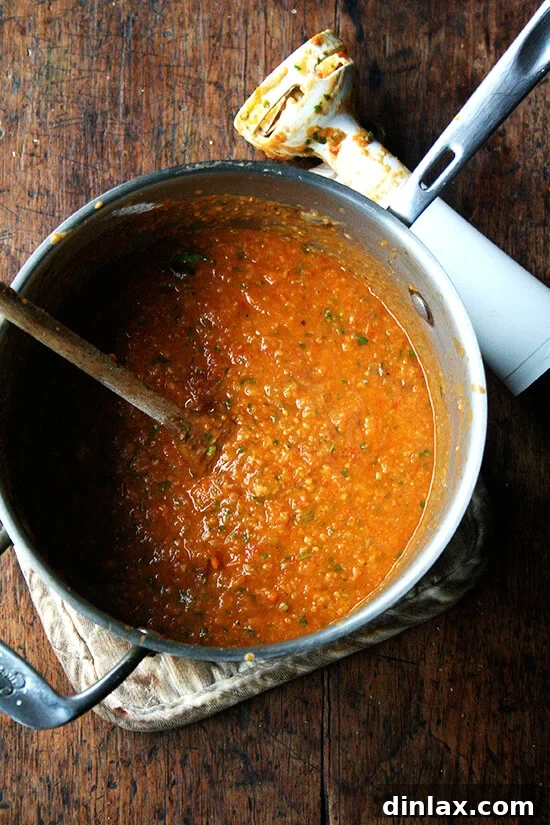
- Simmer the Soup Base: Once the roasted vegetables are perfectly tender and caramelized, carefully transfer them from the baking sheet into a large pot. Add 2½ cups of water to the pot. Gently bring the mixture to a simmer over low to medium heat. A crucial note: This soup tends to spit violently if heated too quickly, so it’s best to bring it to a simmer slowly and reheat it gently with the lid on for the same reason.
- Blend and Finish the Soup: Season the simmering soup base with an additional pinch of salt to taste and add crushed red pepper flakes if you desire a bit of heat. Add the entire bunch of fresh basil. Break one slice of your dried bread into medium-sized cubes and add it to the pot. Using an immersion blender directly in the pot, or carefully transferring batches to a food processor or traditional blender, puree the soup to your desired consistency. Aim for a rustic, slightly chunky texture rather than perfectly smooth. If needed, add the second slice of bread (or even a third, depending on the bread’s absorbency and desired thickness) and continue blending until incorporated. Taste and adjust seasoning with more salt or pepper as necessary. If the soup is too thick, thin it with a little more water until it reaches your preferred consistency.
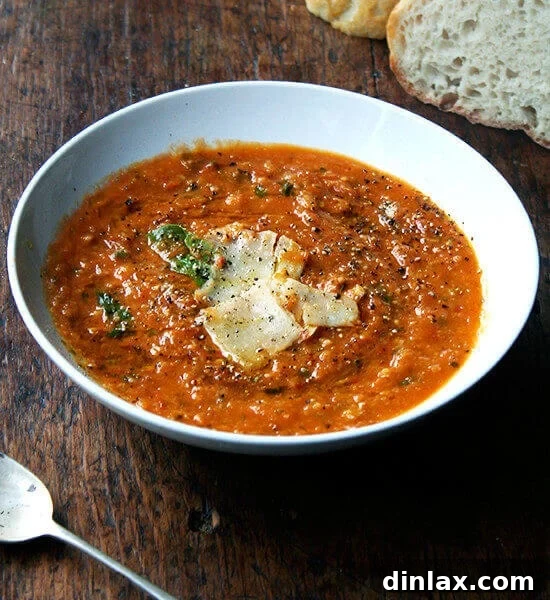
- Serve: Ladle the warm Pappa al Pomodoro into bowls. For an extra touch of flavor and richness, drizzle each serving with a stream of high-quality extra virgin olive oil. Garnish with a few shavings of fresh Parmigiano Reggiano cheese, if not making it vegan. Serve immediately, perhaps with an additional slice of crusty bread on the side for dipping.
- Prep Time: 15 minutes
- Cook Time: 3 hours
- Category: Soup
- Method: Oven, Roast
- Cuisine: American, Italian
This Roasted Tomato and Bread Soup, or Pappa al Pomodoro, is more than just a recipe; it’s an experience. It’s a testament to how simple ingredients, when treated with patience and understanding, can yield profound flavors. The slow roasting process, coupled with the intentional use of water, creates a depth and purity of taste that celebrates the very best of summer’s harvest. Each spoonful delivers a comforting embrace, thick with the essence of sweet, caramelized tomatoes and rustic bread.
Whether you’re looking for a delightful first course, a light lunch, or a comforting dinner on a cooler evening, this soup delivers. It’s naturally robust, satisfying, and remarkably versatile. Pair it with a crisp green salad, a simple grilled cheese sandwich, or just enjoy it on its own with extra crusty bread for dipping. For those following a plant-based diet, simply omit the optional Parmigiano Reggiano, and you have a truly exceptional vegan meal that doesn’t compromise on flavor.
So, the next time you find yourself with an abundance of beautiful, ripe tomatoes, I urge you to try this Pappa al Pomodoro. Allow yourself to be surprised by the intensity of flavor achieved through simplicity, and discover how a humble bowl of soup can make a truly lasting impression on your heart and mind. It’s a culinary journey worth embarking on, promising warmth, flavor, and a deep appreciation for the natural goodness of real food.