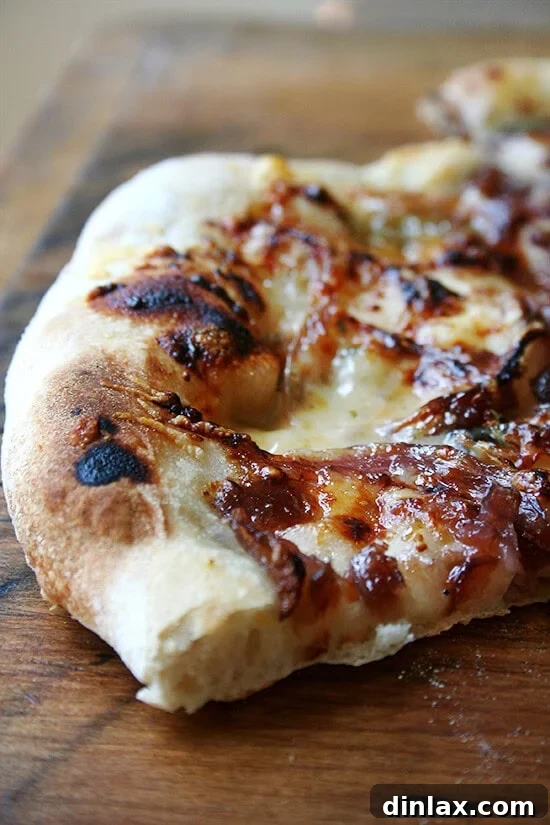
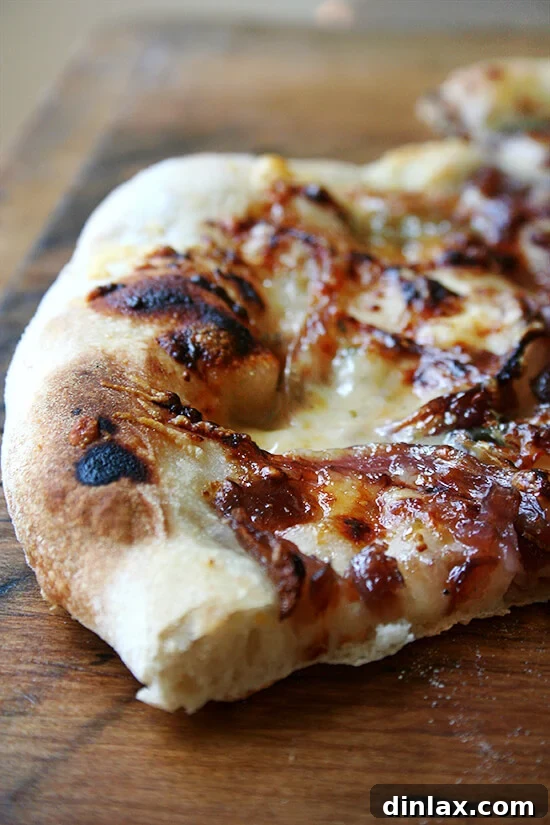
For any passionate home cook, the pursuit of culinary perfection is a continuous journey. Over the past few months, a series of fortunate discoveries have converged, transforming my approach to pizza making and elevating my homemade pies to unprecedented levels. This journey introduced me to a cornerstone ingredient – Tipo 00 flour; a pivotal technique – the art of minimal dough handling; and the ultimate reward – the finest pizza I have ever crafted in my own kitchen.
My quest for the ultimate homemade pizza began, as many good stories do, with an obsession. Frequent pilgrimages to 2Amys Pizzeria in NW Washington D.C., a journey of over an hour from my home, solidified my resolve. 2Amys is renowned for its D.O.C. Neapolitan pizza, a style that demands specific ingredients, most notably Tipo 00 flour. This finely milled soft-grain flour has been a curiosity of mine for half a decade, a secret ingredient I knew held the key to authentic crusts.
The Quest for Perfection: Unveiling Tipo 00 Flour
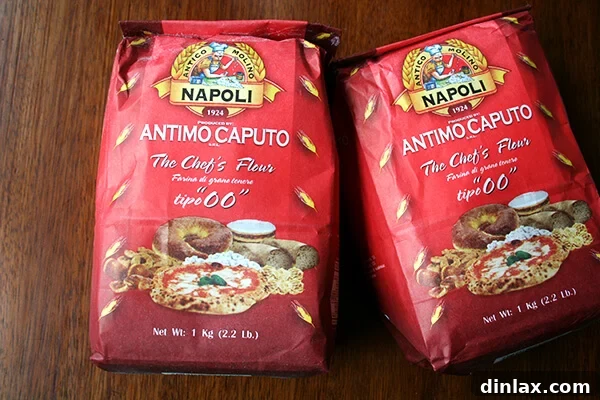
It’s almost embarrassing to admit, but a mere $7.25 shipping fee stood as the sole barrier between me and Tipo 00 flour for nearly a year. In an age of instant gratification and free shipping, this minor cost felt disproportionately large. (A touch of modern consumer entitlement, perhaps!). To justify the shipping expense, I decided to invest, ordering ten bags. This brought the effective cost per bag down to a reasonable $4.22 – a small price to pay, especially considering each bag yields enough dough for six delicious pizzas.
So, what exactly is Tipo 00 flour and why is it so crucial for Neapolitan pizza? Unlike standard all-purpose or bread flour, Tipo 00 is an Italian flour that is incredibly finely milled, almost like talcum powder. The “00” classification refers to the fineness of the grind, with “00” being the finest. While its protein content can vary, it typically falls into a range that produces a dough with just the right balance of strength and extensibility. This unique characteristic allows the dough to stretch incredibly thin without tearing, creating the signature delicate, airy, and slightly chewy crust that is the hallmark of authentic Neapolitan pizza. The fine milling and specific protein structure also contribute to the beautiful blistering and “leopard spots” that connoisseurs seek on a perfectly baked pie.
The Art of Minimal Dough Handling: Jim Lahey’s Revolutionary Method
Coincidentally, around the same time my precious Tipo 00 flour arrived, a friend sent me a desperate text: “Help!” She was struggling with the Jim Lahey pizza dough recipe. While the flavor was outstanding, her pizzas were, in her words, “less than picturesque.” Her plea prompted my search for video guidance, a search that ultimately benefited me as much as it did her. My revelation came through a video and an accompanying note published on Serious Eats, enlightening me to a fundamental flaw in my long-held pizza-making habits: I was severely overhandling my dough.
Jim Lahey, the acclaimed baker behind the no-knead bread revolution, extended his philosophy to pizza dough, emphasizing the critical importance of a gentle touch. His profound insight, which resonated deeply with my newfound understanding, states: “As soon as I began really paying attention to how I shaped my pizza rounds by taking care to use a gentle hand, I noticed a difference in the finished product. The air pockets pervading the unbaked round really affect the texture of the baked pizza.”
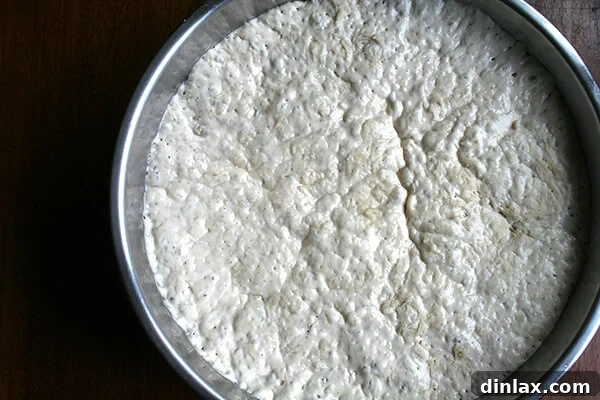
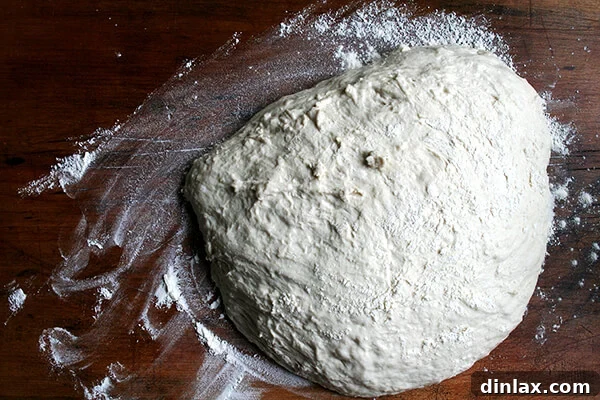
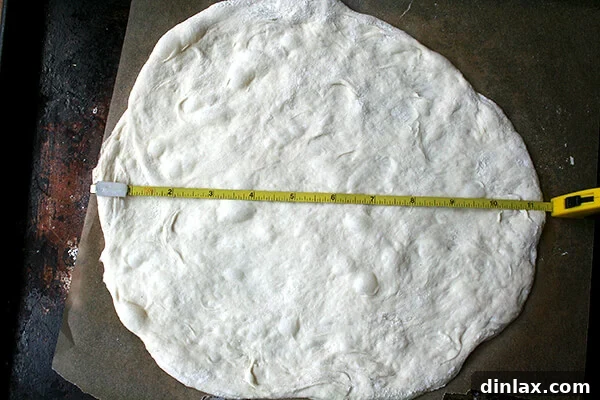
Initially, having just invested significantly in Tipo 00 flour, I wished Lahey had placed more emphasis on flour type. However, I’ve come to wholeheartedly agree: the handling of the dough is, in fact, more crucial than the specific flour used, though the two work synergistically. Once I committed to shaping my pizza rounds with minimal intervention, a remarkable transformation occurred. The visible air pockets within the unbaked dough (as seen in the accompanying photos) are not merely aesthetic; they are the architects of flavor and texture, resulting in a lighter, more tender, and incomparably airy baked crust.
I have now adopted Lahey’s no-knead method numerous times, and the results are consistently exceptional. The dough’s flavor is superb, whether I use high-quality bread flour or the superior Tipo 00. However, I maintain a strong conviction that Tipo 00 flour elevates the outcome, particularly in terms of texture. The unbaked Tipo 00 dough is notably softer, more delicate, and inherently easier to shape, offering less resistance than dough made with bread flour. This translates to a baked pizza crust that is more tender, with an outer edge possessing that coveted, satisfying chew.
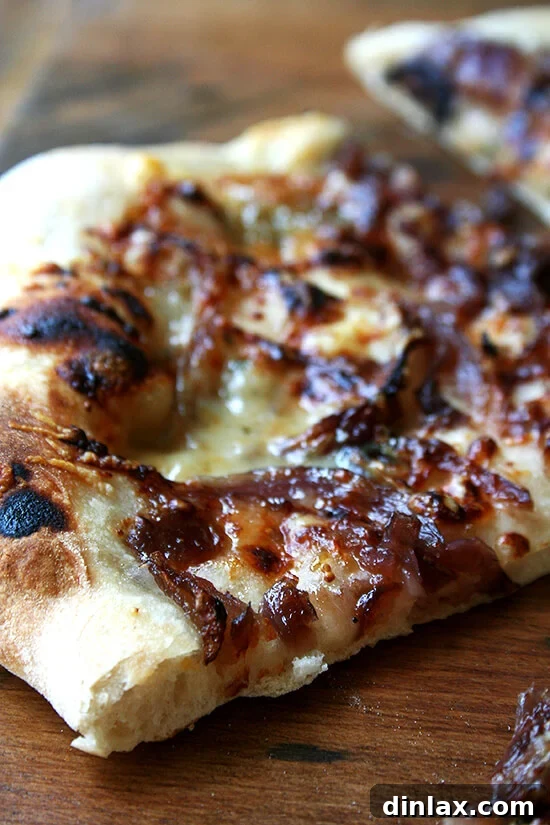
Through this combination of the Lahey method and Tipo 00 flour, I have finally achieved the quintessential Neapolitan “cornicione” – the beautifully ballooned and blistered outer edge that signifies a truly authentic pizza. It’s a game-changer for homemade pizza. Honestly, I think I’m ready for a wood-burning oven. Santa, if you’re listening, you know what’s on my wish list!
What is D.O.C. Neapolitan Pizza? Understanding the Standards
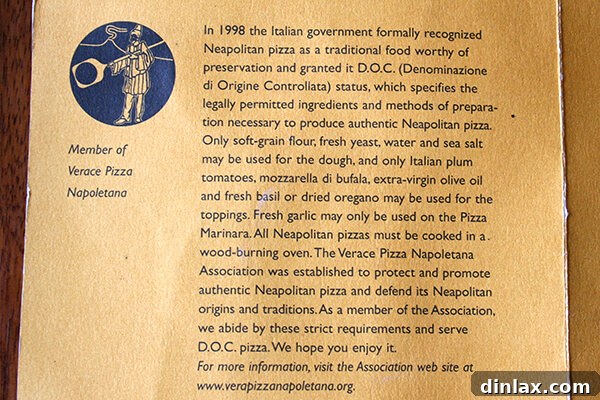
To truly appreciate the significance of Tipo 00 flour and traditional dough handling, it helps to understand the rigorous standards of D.O.C. Neapolitan pizza. D.O.C. stands for Denominazione di Origine Controllata (Controlled Designation of Origin), a quality assurance label usually reserved for Italian wines and cheeses, but also applied to protect the authenticity of certain food products like Neapolitan pizza. Establishments like 2Amys Pizzeria adhere strictly to these guidelines, ensuring an authentic experience.
These strict requirements, outlined by the Italian government, dictate everything from the type of oven to the ingredients and preparation techniques. The rules specify a wood-burning oven capable of reaching extremely high temperatures (around 900°F or 485°C), which cooks a pizza in 60-90 seconds. The dough must be shaped entirely by hand, never with a rolling pin, to preserve the precious air bubbles. The final pizza should be no larger than 11 inches in diameter. Most importantly, the ingredients are strictly defined: dough made solely with Tipo 00 flour, fresh yeast, water, and salt. Toppings are minimal and high-quality, limited to Italian San Marzano plum tomatoes, fresh mozzarella di bufala, extra-virgin olive oil, fresh basil, and dried oregano. These standards ensure that every D.O.C. Neapolitan pizza delivers a consistent, unparalleled taste and texture, characterized by its soft, light, and elastic crust with slightly charred edges.
For those eager to delve deeper into the specifics of Tipo 00 flour and its role in authentic pizza making, resources like Forno Bravo offer invaluable information.
My experiences at 2Amys are always a source of inspiration. Here are some snapshots from a recent lunch:
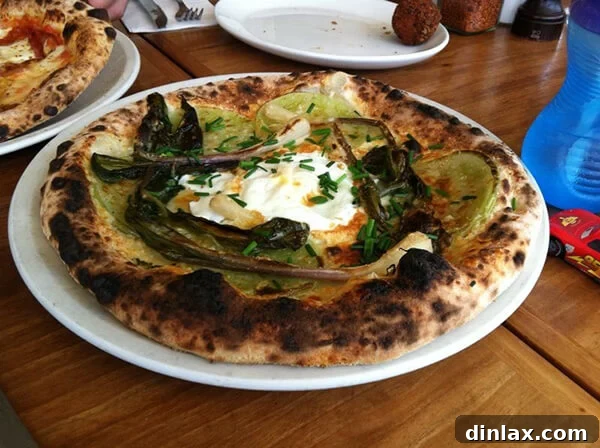
Green tomato, ramp, Grana & egg pizza:
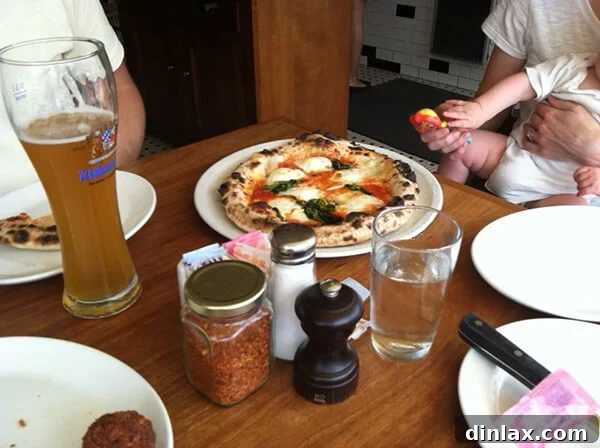
The margherita pizza at 2Amys is simply ideal – a perfect representation of pizza, food, and a meal in its entirety. It is truly unbelievably delicious.
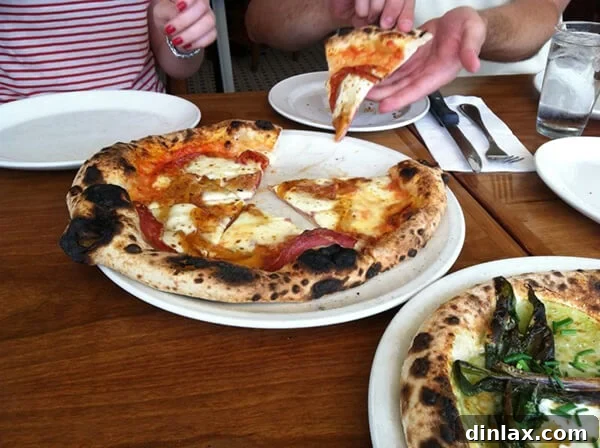
Norcia pizza:
Share the Secret: Join the Tipo 00 Flour Giveaway!
As you can probably guess, I now find myself with a few extra bags of this remarkable Tipo 00 flour on hand. Since it can be challenging to source without incurring shipping costs, I would be thrilled to share my remaining bags with a few lucky readers. If you’re eager to experience the difference this flour can make in your homemade pizza, please leave a comment below! Tell me about your favorite dish to eat, your most indispensable kitchen tool (mine, for example, is commercial-grade plastic wrap for wrapping dough and many other uses), or what culinary project is next on your to-make list. Thank you so much for following along on my pizza journey!
Print Recipe
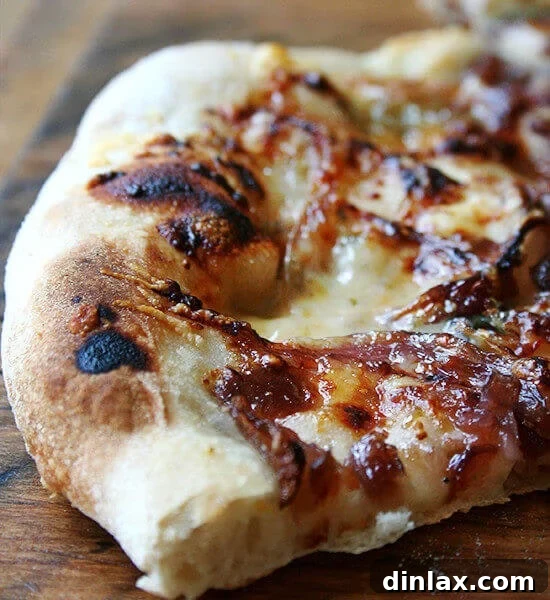
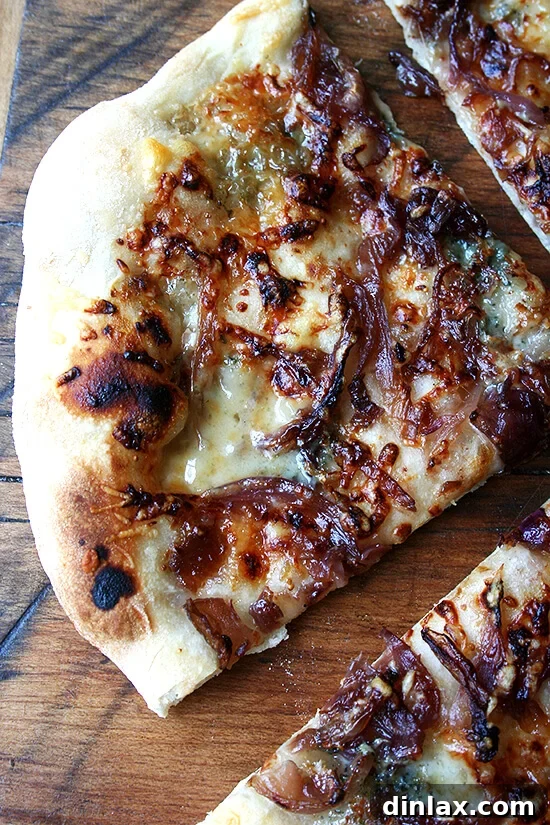
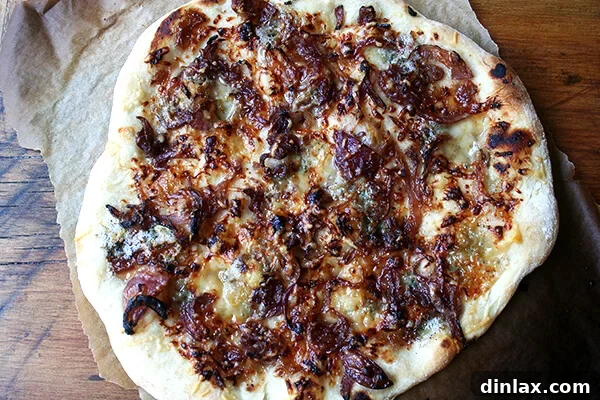
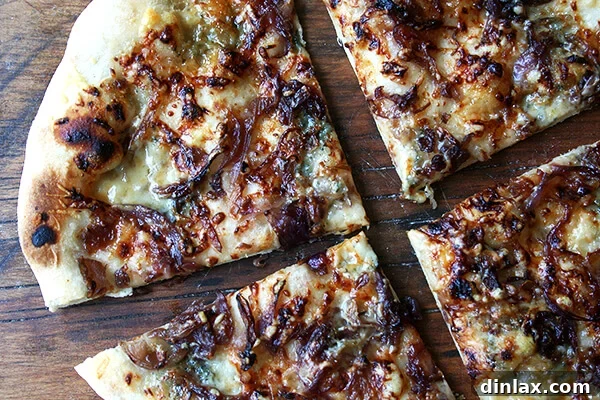
Fig Jam, Caramelized Onion & Blue Cheese Pizza
5 from 8 reviews
- Author: Alexandra Stafford
- Total Time: 18 hours 5 minutes
- Yield: Dough Yields 6 Rounds
Description
Adapted from Jim Lahey’s My Pizza
Note: If you use Tipo 00 flour, this recipe comes together in seconds — each bag conveniently weighs 1000g, which is precisely what the recipe calls for.
Ingredients
For the dough:
- 7 1/2 cups all-purpose flour (1000 grams) plus more for shaping dough
- 4 teaspoons fine sea salt
- 1/2 teaspoon active dry yeast
For this pizza you’ll need:
- Caramelized onions
- Fig jam, thinned out with a little bit of water for easy spreading
- Blue cheese, any type you like
- Parmigiano Reggiano, grated
- 1 round pizza dough
Instructions
- Whisk flour, salt, and yeast in a medium bowl. While stirring with a wooden spoon, gradually add 3 cups water; stir until well incorporated. Mix dough gently with your hands to bring it together and form into a rough ball. Transfer to a large clean bowl. Cover with plastic wrap and let dough rise at room temperature (about 72°F) in a draft-free area until its surface is covered with tiny bubbles and the dough has more than doubled in size, which typically takes about 18 hours (timing will vary depending on the ambient room temperature).
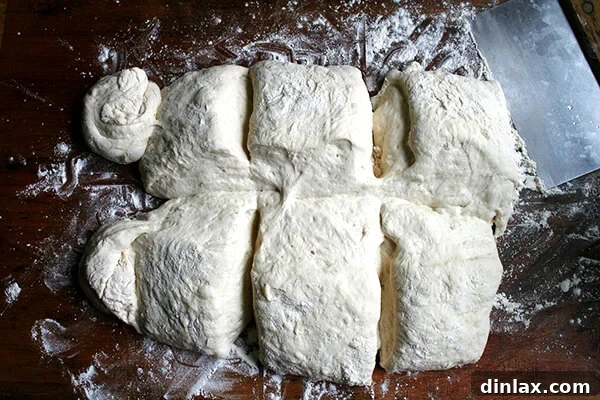
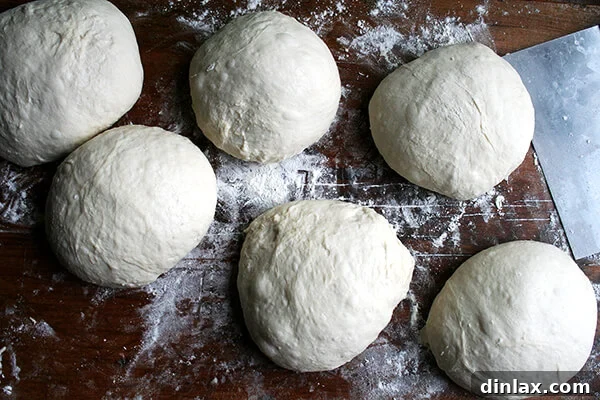
- Transfer the risen dough to a floured work surface. Gently shape it into a rough rectangle. Divide the dough into 6 equal portions. Working with one portion at a time, gather the four corners towards the center to create four folds. Turn the dough seam-side down and gently mold it into a ball. Dust the dough ball lightly with flour; set it aside on your work surface or a floured baking sheet. Repeat this process with the remaining portions.
- If you plan to bake a pizza immediately, let the dough rest on a floured work surface, covered with plastic wrap or a damp kitchen towel, until it becomes soft and pliable, approximately 1 hour. Otherwise, transfer each dough ball to an individual quart-sized (or similar) container and store them in the refrigerator for up to 3 days. Before shaping/baking, remember to let the refrigerated dough rest at room temperature on a lightly floured work surface, covered with plastic wrap, for about one to two hours to allow it to relax and become more workable.
- To Make the Pizzas: During the final hour of the dough’s resting period, preheat your oven to its hottest possible setting, typically between 500°F and 550°F (260°C–290°C). If you own a Baking Steel, place it on the top third rack of your oven to ensure it is thoroughly heated.
- Working with one dough ball at a time, dust the dough lightly with flour and place it on a floured work surface. Gently shape the dough into a 10″–12″ disk, handling it as minimally as possible to preserve its airy structure. Arrange the dough disk on a parchment-lined pizza peel (if using a Baking Steel) or directly onto a baking sheet. Top minimally with your desired toppings: for this specific pizza, first spoon a thin layer of fig jam (thinned slightly with water for easy spreading), then evenly distribute the caramelized onions, followed by crumbles of blue cheese, and finally a sprinkle of grated Parmigiano Reggiano. Bake the pizza until the bottom of the crust is crisp and the top is beautifully blistered, which usually takes 5 to 7 minutes. Transfer the baked pizza to a cutting surface to slice and serve immediately. Repeat with the remaining dough portions.
- Prep Time: 18 hours
- Cook Time: 5 minutes
- Category: Pizza
- Method: Oven
- Cuisine: American