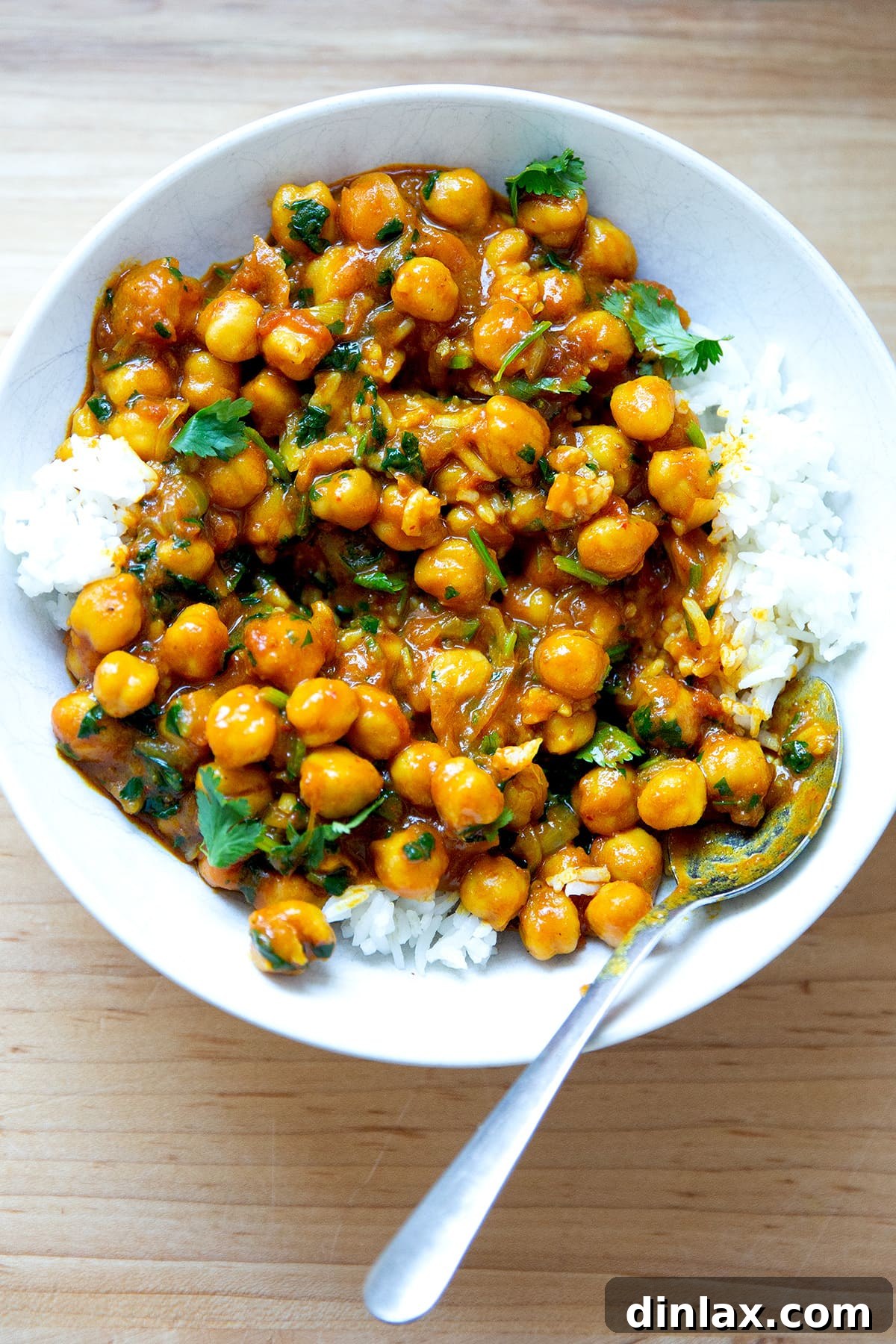
In the vibrant world of home cooking, few dishes offer the remarkable blend of convenience, rich flavor, and satisfying heartiness quite like a one-pot curry. This particular recipe for **One-Pot Curried Chickpeas** is a true gem, masterfully spiced with authentic Thai red curry paste and enriched with luxurious coconut milk. It effortlessly comes together, predominantly using common pantry items, promising a meal that is both incredibly flavorful and deeply comforting. Perfect for busy weeknights or a cozy weekend dinner, this dish is poised to become a beloved staple in your culinary repertoire.
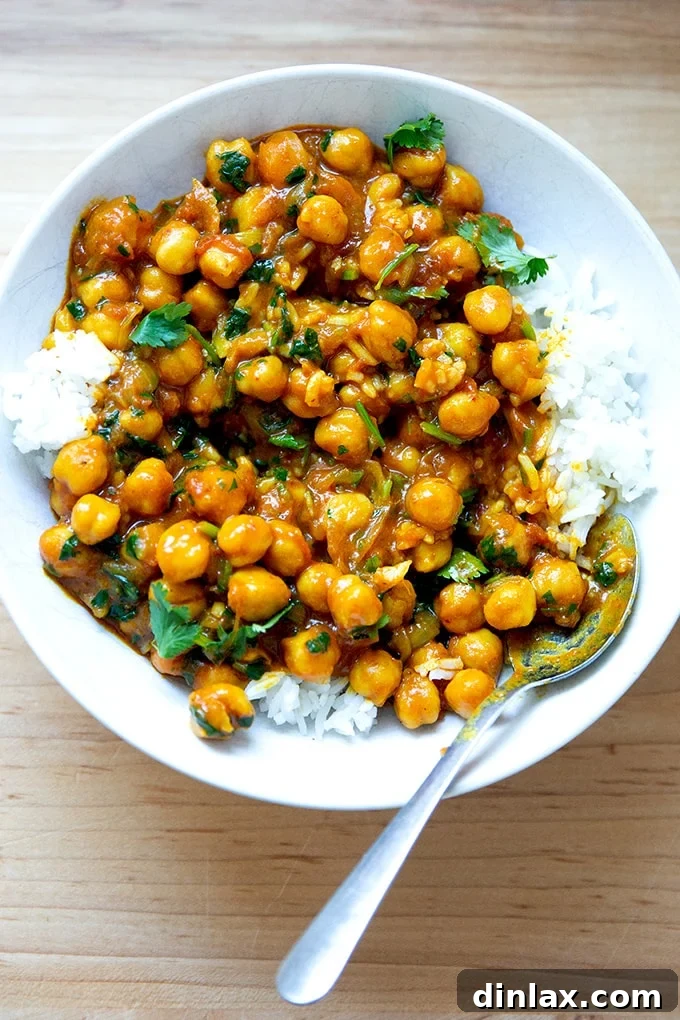
The Accidental Masterpiece: Crafting One-Pot Curried Chickpeas from a Culinary Pivot
Sometimes, the most extraordinary recipes are born out of unexpected kitchen turns, and this delightful one-pot curried chickpeas dish is a perfect example. The genesis of this recipe traces back a few weeks, when my original plan was to prepare my tried-and-true one-pot Thai chicken curry. However, a small but significant detail in my grocery delivery introduced an unforeseen challenge: I received boneless, skinless chicken thighs instead of the bone-in, skin-on variety that the original recipe specifically called for.
Faced with this minor culinary dilemma, and lacking the immediate inspiration for a complete meal overhaul, I decided to proceed with the chicken curry as planned, making a simple adjustment. I reduced the oven cooking time from a full hour to just 30 minutes, accommodating the quicker cooking nature of the boneless, skinless meat. My improvised strategy largely paid off: the chicken thighs emerged moist and tender, and the accompanying sauce, while perhaps a touch less concentrated than usual, still delivered its delicious, aromatic flavor to the generous servings of rice—a component my children would happily devour even in the absence of any chicken.
Yet, the abbreviated cooking time resulted in a surplus of the rich, fragrant sauce, leaving me with a considerable amount remaining in the skillet. As I began the routine cleanup, my mind drifted through various options for utilizing this flavorful base. Should I carefully save it for the following evening, perhaps to cook another batch of chicken? Or perhaps return it to the oven, brimming with nutrient-rich cauliflower florets, sturdy cubes of tofu, or even a delightful combination of both? The intriguing thought of using the sauce to gently poach some delicate fish later in the week also crossed my mind. Each option seemed viable, but none sparked the immediate enthusiasm of a fresh discovery.
It was then that a simpler, more spontaneous idea took hold. Instead of overthinking, I reached into my pantry, grabbed a can of chickpeas, drained and rinsed them thoroughly, and tossed them directly into the leftover sauce. Without further hesitation, the skillet was returned to the oven for an additional round of baking.
The outcome, my friends, was nothing short of a revelation! The chickpeas, having had the chance to truly simmer and absorb every nuanced layer of the aromatic sauce, emerged incredibly tender and bursting with flavor. My initial intention was to portion them out for lunch the next day, but my husband Ben and I found them so irresistibly delicious that we polished off the entire skillet without a second thought. Confident that this new creation would win over the younger members of our household, I prepared it again the very next evening. When my typically picky eater, usually quite reserved about new dishes, enthusiastically asked if there would be any leftovers for her thermos for lunch, I knew, without a doubt, that I had stumbled upon a true keeper. This happy accident proved that sometimes, the most cherished recipes arise from embracing flexibility and culinary curiosity.
Why This One-Pot Curried Chickpeas Recipe Will Become Your Favorite Weeknight Meal
This isn’t just another chickpea recipe; it’s a culinary masterpiece for anyone seeking a wholesome, flavor-packed, and wonderfully adaptable meal. Here are compelling reasons why this One-Pot Curried Chickpeas will undoubtedly earn a permanent spot in your kitchen:
- Unbeatable One-Pot Convenience: Living up to its name, this entire dish comes together in a single pot or oven-safe skillet. This means minimal cleanup and maximum enjoyment, making it the ideal solution for hectic weeknights when time is of the essence.
- Pantry Powerhouse: One of the greatest virtues of this recipe is its reliance on readily available pantry staples. Beyond a fresh onion and a handful of cilantro, most ingredients—like canned chickpeas, crushed tomatoes, creamy coconut milk, and various spices—are likely already residing in your kitchen cupboards. The only potentially “specialty” item is Thai red curry paste, which is increasingly accessible in most grocery stores and is a fantastic investment for infusing authentic Thai flavors into countless dishes.
- Explosion of Rich, Complex Flavors: Do not underestimate the depth of flavor achieved by such a straightforward recipe. The harmonious blend of gently sautéed onions, warm curry powder, earthy turmeric, pungent Thai red curry paste, a touch of sweet brown sugar, and savory fish sauce (or its vegan alternative, coconut aminos) creates a multi-layered and incredibly satisfying taste experience that tantalizes the palate.
- Naturally Healthy & Wholesome: Chickpeas are nutritional powerhouses, packed with plant-based protein and dietary fiber, making this a wonderfully satisfying and healthy meal. Coconut milk contributes beneficial healthy fats, and the array of vibrant spices offers a host of potential health benefits. It’s naturally gluten-free and can be effortlessly adapted to be completely vegan, catering to various dietary needs.
- Family-Approved Appeal: As my own skeptical little diner demonstrated, this curry has a surprisingly broad appeal. The ability to easily adjust the spice level means you can tailor it to suit every palate, making it a fantastic and fuss-free option for family dinners where everyone can find something to genuinely enjoy.
- Remarkable Versatility: While exquisitely delicious as is, this curry eagerly welcomes customization. Feel empowered to toss in additional vegetables such as fresh spinach (which wilts beautifully), tender cauliflower florets, colorful bell peppers, or even hearty cubes of sweet potato to boost its nutritional content and overall volume, creating a unique dish every time.
Unlocking the Magic: Key Ingredients for an Unforgettable Chickpea Curry
A deeper understanding of each core ingredient’s role will not only help you master this dish but also inspire confidence in adapting it to your taste:
- Chickpeas (Garbanzo Beans): The undisputed hero of our curry! Canned chickpeas are chosen here for their unparalleled convenience, allowing you to get dinner on the table faster. They possess a remarkable ability to absorb the rich, aromatic flavors of the curry sauce, contributing a delightful texture and a significant boost of plant-based protein and fiber. For those who prefer to cook from scratch, detailed methods are provided in the “Notes” section of the recipe card.
- Thai Red Curry Paste: This is the soul of the curry, infusing it with its characteristic complex blend of spicy, savory, and aromatic notes that define Thai cuisine. Investing in a good quality red curry paste, such as the Maesri brand, is crucial. Remember that the heat level can vary significantly between brands and personal tolerance, so it’s always wise to start with a smaller amount and add more to taste.
- Unsweetened Full-Fat Coconut Milk: Essential for creating the incredibly creamy, luscious sauce that gives this curry its signature richness. It perfectly balances the vibrant spices and adds a velvety texture that is simply irresistible.
- Crushed Tomatoes: These provide a lovely touch of acidity and natural sweetness, contributing depth to the sauce and beautifully complementing the other robust flavors. Canned crushed tomatoes are a fantastic choice for consistency, but fresh, ripe plum tomatoes, chopped, are an excellent seasonal alternative.
- Aromatic Foundation (Onion, Curry Powder, Turmeric): The careful sautéing of onions until they are soft and slightly caramelized lays a critical foundational layer of sweetness and depth. The subsequent addition of curry powder and turmeric, which are briefly “bloomed” in the hot oil, maximizes their aromatic potential, infusing the dish with their distinctive warmth, earthiness, and beautiful golden hue.
- Fish Sauce (Optional for Umami Depth): A small splash of fish sauce introduces a profound layer of savory umami that dramatically elevates the overall flavor profile of the curry. For a strictly vegetarian or vegan preparation, this ingredient can be completely omitted or judiciously replaced with coconut aminos, which offer a similar savory complexity.
- Brown Sugar: A touch of brown sugar is used to delicately balance the spicy and savory elements of the curry, enhancing its overall complexity and creating a more rounded, harmonious flavor.
- Fresh Cilantro: Stirred in at the very end, fresh cilantro provides a burst of bright, herbaceous freshness that acts as a perfect counterpoint to the rich and warming curry flavors, adding a final aromatic flourish.
How to Make One-Pot Curried Chickpeas: A Detailed Step-by-Step Guide
Preparing your ingredients beforehand, often called ‘mise en place,’ will streamline your cooking process and make this delicious meal even more enjoyable. Be sure to have fresh cilantro on hand, as it adds a wonderful, bright finish to the curry.
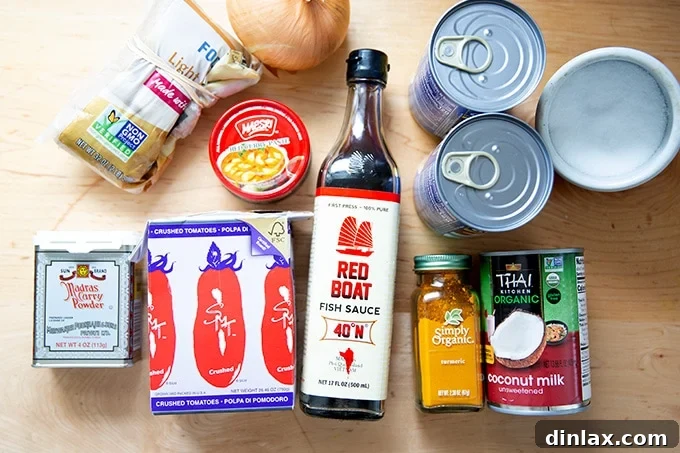
Step 1: Sauté the Aromatic Onions
Begin by preheating your oven to 400ºF (200ºC) if you intend to finish the curry in the oven. In a large, oven-safe sauté pan or deep skillet (ideal for the oven method, but any large pan will work for stovetop cooking) over medium-high heat, add 1 tablespoon of olive oil. Once shimmering, add the sliced onion along with a generous pinch of kosher salt. Immediately reduce the heat to medium-low. Cook the onions, stirring them occasionally, until they become beautifully soft, translucent, and just begin to show hints of golden-brown caramelization at the edges. This crucial step, taking about 5 minutes, builds a sweet and savory foundation for your curry’s complex flavors.
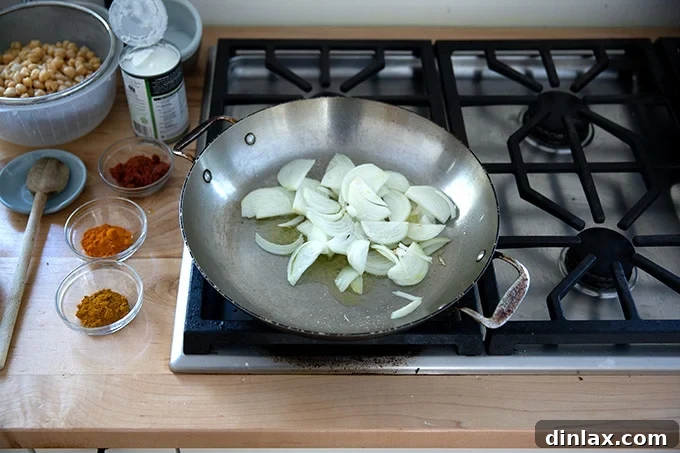
Step 2: Bloom the Spices and Add Tomatoes
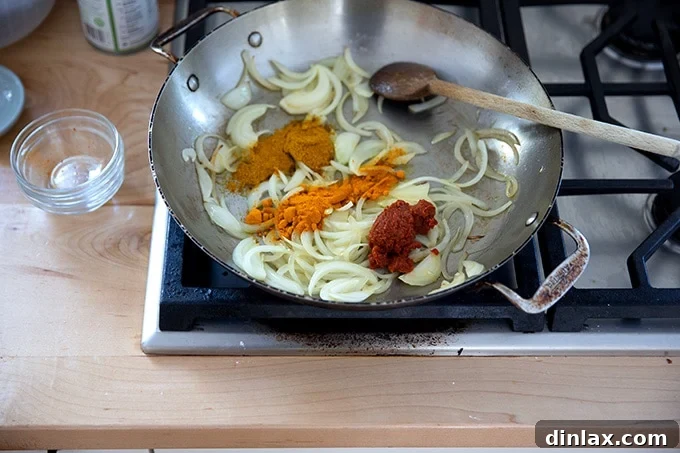
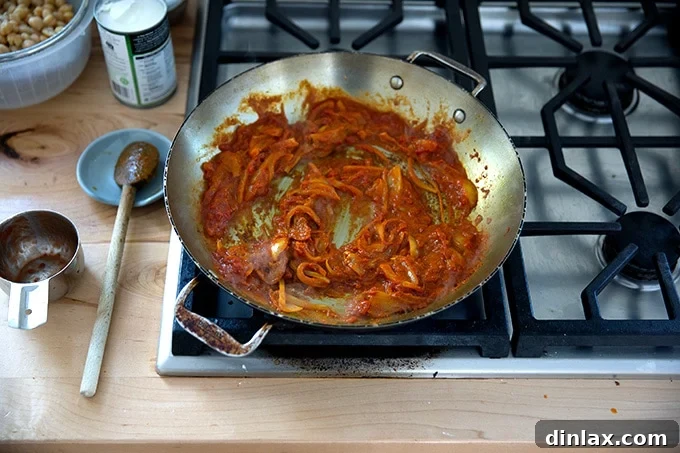
Once your onions have reached that perfect softness, it’s time to introduce the aromatic heart of the curry. Add the curry powder, vibrant turmeric, and the star ingredient, Thai red curry paste, to the pan. Stir continuously for approximately one minute, ensuring the onions are thoroughly coated and the spices have a chance to “bloom” in the hot oil, intensifying their fragrance and flavor. Next, pour in the crushed tomatoes. While canned (or boxed) tomatoes are convenient and consistent, fresh, ripe plum tomatoes, chopped, are a delightful alternative if available in season. Stir everything together until well combined.
Step 3: Introduce Coconut Milk and Seasonings
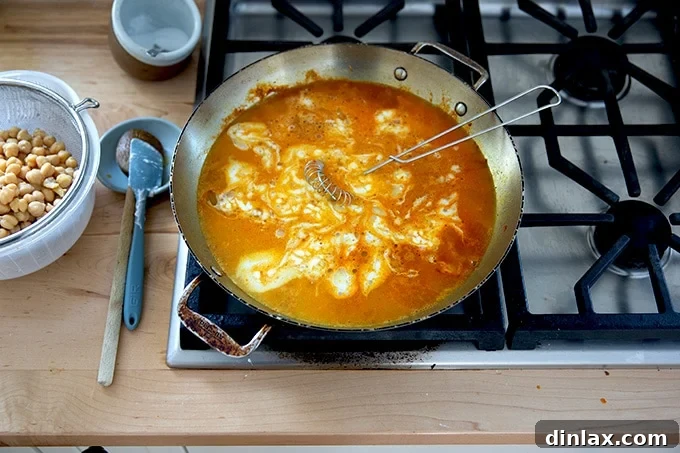
Pour in the entire can of unsweetened coconut milk. To make sure you extract every last drop of the creamy coconut goodness and to achieve the perfect sauce consistency, fill the empty coconut milk can with water and add that to the pan as well. This clever trick ensures the ideal amount of liquid while minimizing waste. Stir everything well to combine. Now, add the brown sugar, which will subtly balance the spicy and savory notes, and the fish sauce. If you’re keeping the dish vegan, opt for coconut aminos instead of fish sauce for a similar umami kick. Finish with a dash of salt. Whisk the mixture gently to ensure all ingredients are thoroughly distributed. At this point, I usually add about 1/2 teaspoon of kosher salt, but it’s crucial to bring the mixture to a simmer, taste it, and adjust the salt and spice levels to your preference, as different curry pastes and fish sauces vary in intensity. You can always fine-tune the seasoning later.

Step 4: Add Chickpeas and Cook to Perfection
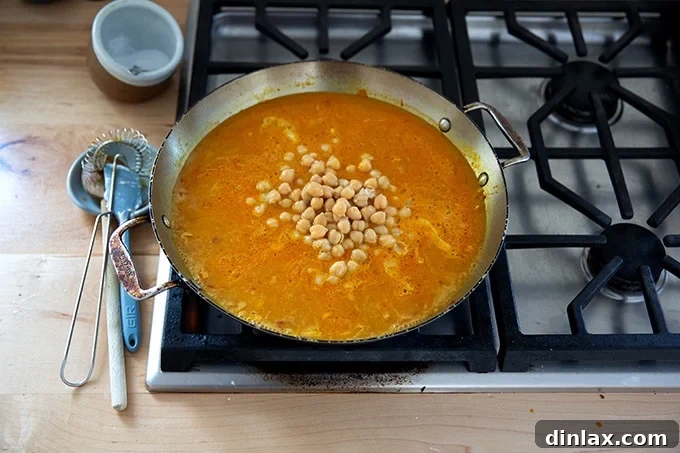
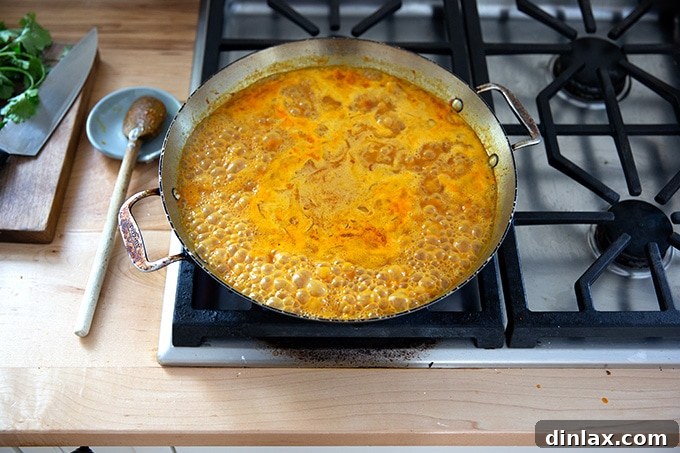
Now, it’s time for the star: add the two cans of thoroughly drained and rinsed chickpeas to the pan. Gently stir them into the rich, aromatic sauce, ensuring each chickpea is beautifully coated. Bring the mixture to a gentle simmer on the stovetop. At this point, you have two excellent cooking options:
- Oven Method: Transfer the uncovered pan to your preheated 400ºF (200ºC) oven and bake for 35 to 40 minutes. This method allows the flavors to meld beautifully and the sauce to reduce and thicken, creating a deep, concentrated taste.
- Stovetop Method: If you prefer to keep it entirely on the stovetop, simply continue to simmer the curry on low heat for approximately the same duration (35 to 40 minutes), stirring occasionally to prevent sticking and to ensure even cooking.
Step 5: Adjust Sauce Consistency and Prepare for Serving
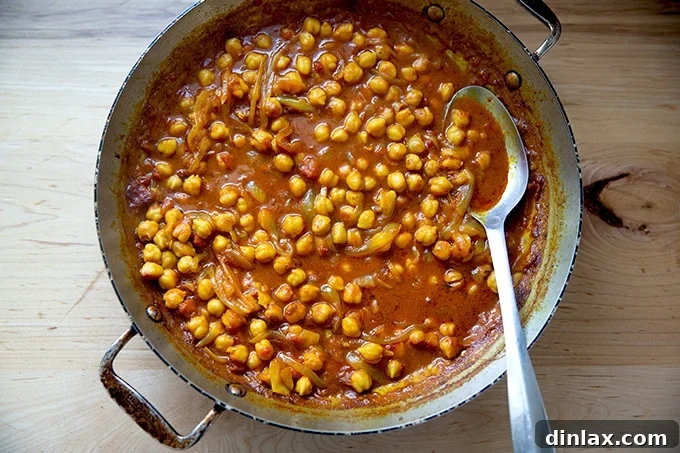
Regardless of your chosen cooking method, the final cooking time can be adjusted to achieve your preferred sauce consistency. If you like a thicker curry, cook it a little longer; for a looser sauce, shorten the cooking time slightly. Remember that chickpeas are quite “thirsty” and will continue to absorb the delicious sauce as the curry rests, and even more so if you have leftovers. A crucial tip for reheating: if you find your leftover curry has become too thick, simply add a splash of water or vegetable broth to loosen the sauce and restore its creamy texture before serving.
Step 6: The Finishing Touches and Serving
Once the curry has reached your desired consistency, remove the pan from the oven or stovetop. Now, stir in the freshly chopped cilantro. This addition provides a wonderful burst of bright, herbaceous flavor that beautifully contrasts with the rich curry. For an extra boost of greens and nutrients, just as I often do in the chicken variation of this recipe, wilting in a handful of fresh spinach at this stage would also be a delightful and visually appealing addition.
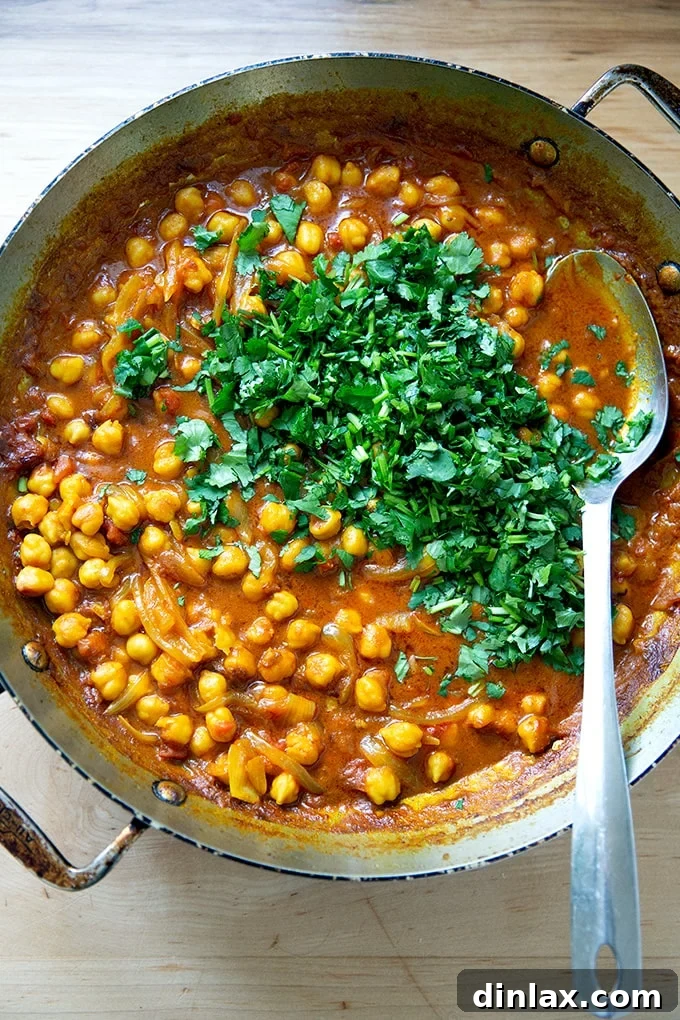
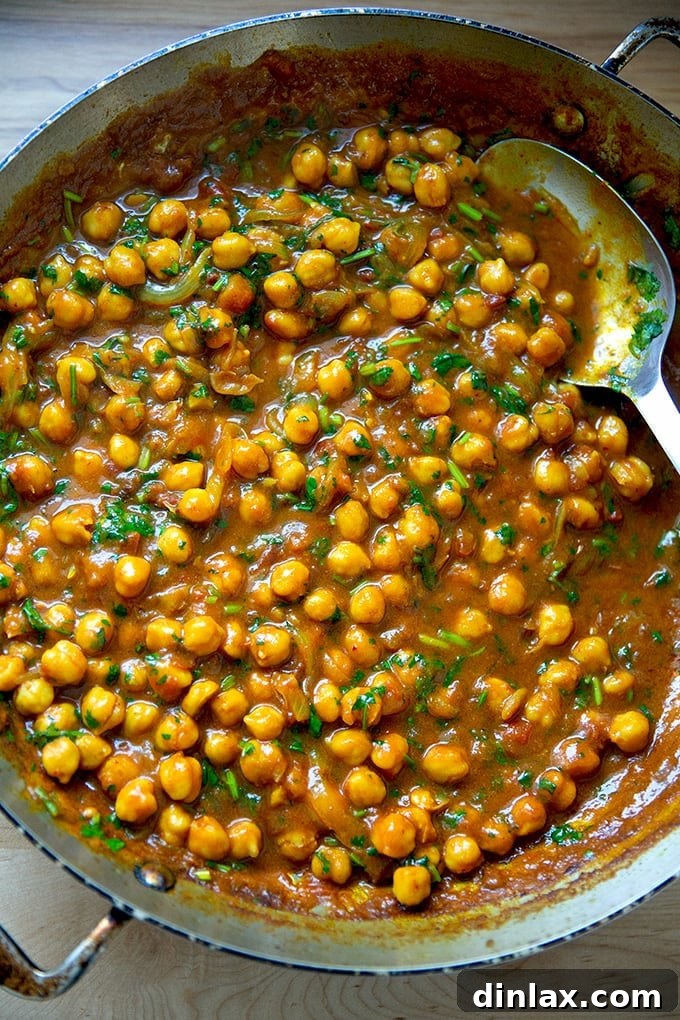
Give the curry a final gentle stir to incorporate the cilantro, then taste one last time and make any necessary adjustments to salt or spice. Spoon generous portions of the hot, fragrant curried chickpeas and their luscious sauce into individual bowls. Serve immediately with your preferred accompaniment for a comforting and incredibly flavorful meal that’s sure to impress.
Perfect Pairings: What to Serve with Your Curried Chickpeas
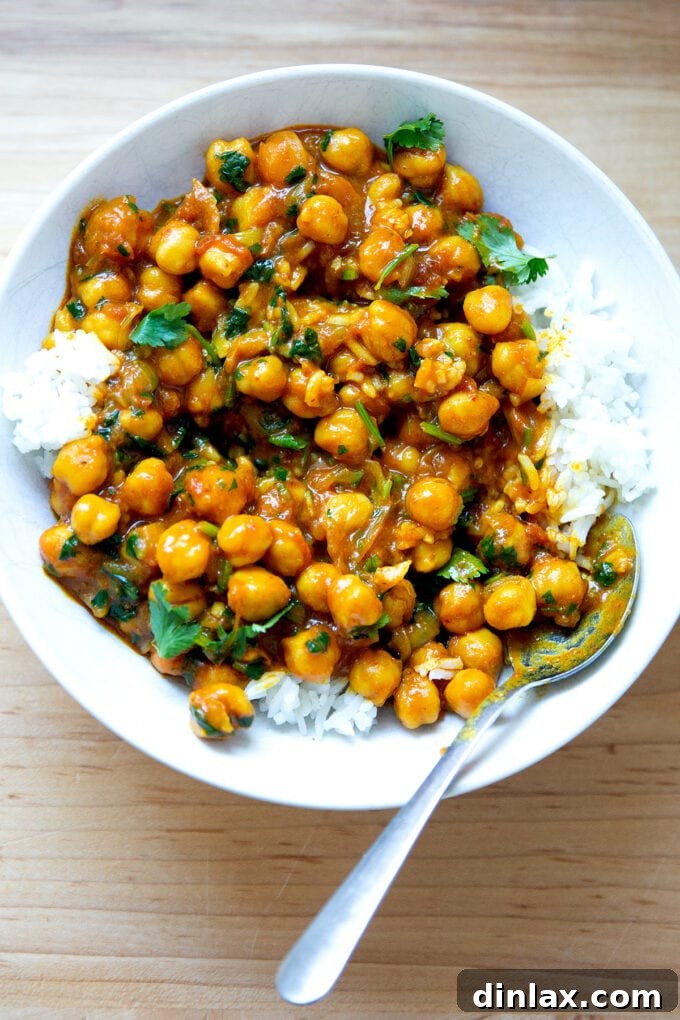
This incredibly versatile chickpea curry pairs beautifully with a wide array of sides, allowing you to easily customize your meal to suit your taste or occasion. I’ve found great success serving it alongside perfectly cooked Basmati rice, often prepared effortlessly using my trusty Instant Pot, a pairing that has been universally loved by my family. However, don’t feel limited! Here are some fantastic serving suggestions:
- Fluffy Rice: Classic choices like aromatic Basmati or fragrant Jasmine rice offer a light, absorbent base that perfectly complements the rich curry. My detailed Instant Pot rice method (see below in the notes) guarantees perfectly fluffy, separate grains every time.
- Warm Breads: For a delightful textural contrast and an excellent way to soak up every last drop of the delicious sauce, consider warm naan bread, soft roti, or even a crusty baguette.
- Quinoa or Couscous: For a lighter or higher-protein alternative to rice, fluffy quinoa or quick-cooking couscous make excellent and equally satisfying bases.
- Steamed Vegetables: A simple side of lightly steamed green beans, broccoli florets, or asparagus can add a welcome burst of freshness and an extra dose of vital nutrients, creating a well-rounded meal.
Pro Tips for Your Best One-Pot Curried Chickpeas
To ensure your One-Pot Curried Chickpeas turn out perfectly every time, keep these expert tips in mind:
- Always Rinse Canned Chickpeas: This crucial step helps remove excess sodium and the starchy liquid they are packed in, which can otherwise impart an undesirable flavor and affect the curry’s texture. A thorough rinse under cold water makes a noticeable difference.
- Master the Spice Level: Thai red curry paste varies significantly in heat. If you or your family are sensitive to spice, begin with just 1 tablespoon and taste the sauce before adding more. You can always stir in additional paste at the very end, off the heat, until it reaches your desired warmth. For those who love a bold kick, don’t hesitate to use 2 or even 3 tablespoons from the start.
- Don’t Rush the Sauté: Allowing the onions to soften, sweeten, and lightly brown, followed by blooming the spices, is absolutely fundamental for developing a deep, complex flavor base for your curry. This step, while seemingly simple, lays the groundwork for the entire dish’s deliciousness and should not be hurried.
- Taste and Adjust Seasoning Religiously: Seasoning is highly personal. Always taste your curry just before serving and adjust salt, brown sugar, or even a squeeze of fresh lime juice (if you like a touch of brightness) until the flavors sing to your palate. A little adjustment can elevate a good dish to an exceptional one.
- Hydrate Leftovers: As noted, chickpeas are very absorbent. When reheating any leftover curry, you will almost certainly need to add a splash of water or vegetable broth to loosen the sauce and restore its creamy, inviting texture.
- Embrace Customization: This recipe is a wonderful canvas for culinary creativity. Feel free to experiment with adding other quick-cooking vegetables like diced potatoes, vibrant bell peppers, or tender kale leaves during the cooking process. For non-vegan variations, adding quick-cooking proteins like shrimp or firm white fish during the last 10 minutes of cooking would also be incredibly delicious.
My Foolproof Instant Pot Rice Method for Perfect Fluffy Grains
Serving this delectable curry with perfectly fluffy, distinct-grained rice truly completes the meal. While any rice will certainly do, I often gravitate towards a blend called “Jasmati,” which is readily available at my local co-op. However, classic Basmati or fragrant Jasmine rice also perform exceptionally well with this method. It’s worth noting that cooking times might require slight adjustments depending on the specific type and brand of rice you’re using, but this method generally ensures consistent results. Here’s my reliable, foolproof approach for achieving consistently perfect rice in the Instant Pot:
- Thorough Rinsing is Key: Begin by carefully measuring two cups of your chosen rice. Place the rice in a fine mesh sieve and rinse it meticulously under cold running water until the water runs completely clear. A good quality fine mesh sieve is an invaluable tool for this step, ensuring all excess starch is effectively removed, which is crucial for preventing gummy rice.
- Optimal Draining for Texture: After rinsing, allow the rice to sit in the fine mesh sieve for several minutes. This crucial step permits it to drain exceptionally well, ensuring that no superfluous water remains, which could otherwise lead to an undesirable sticky or overly soft texture.
- Assemble in the Instant Pot: Transfer the thoroughly drained rice into the inner pot of your Instant Pot. Add precisely 2 cups of water, 1 teaspoon of kosher salt, and a generous knob of butter (approximately one tablespoon) for added richness and to promote beautifully separate grains.
- Pressure Cook and Naturally Release: Secure the lid onto your Instant Pot and ensure the steam release vent is set to the ‘Sealing’ position. Set the Instant Pot to cook on High Pressure for exactly 6 minutes. Once the cooking cycle is complete, resist the urge to immediately release the pressure. Instead, allow the pressure to release naturally for at least 20 minutes before carefully opening the lid. This natural release method is absolutely essential for allowing the rice to steam thoroughly and achieve its light, fluffy, and perfectly cooked texture with beautifully distinct grains.
Print
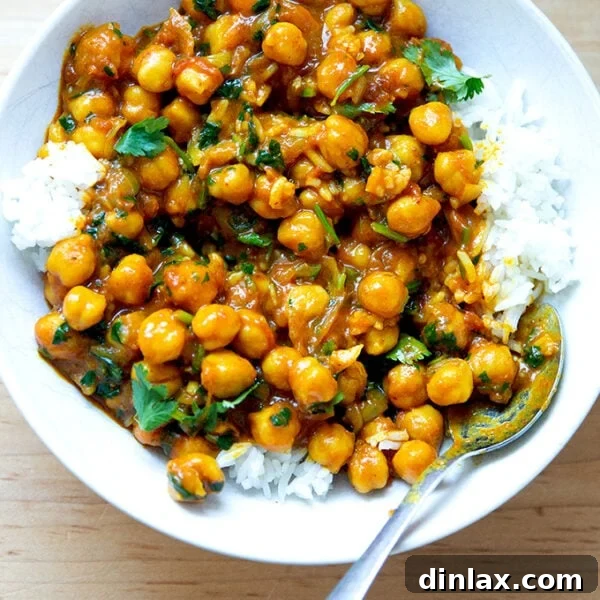
One-Pot Curried Chickpeas
5 Stars 4 Stars 3 Stars 2 Stars 1 Star
4.9 from 38 reviews
Author: Alexandra Stafford
Total Time: 50 minutes
Yield: Serves 4
Diet: Gluten Free, Vegetarian, Vegan-Friendly
Description
This chickpea curry is a delicious and highly satisfying adaptation of my original one-pot Thai chicken curry recipe, a dish I perfected during my time working at Fork in Philadelphia many years ago. By simply swapping out the 8 bone-in chicken thighs for two cans of nutrient-rich, thoroughly drained and rinsed chickpeas, we transform a classic into a vibrant, plant-based sensation that’s both hearty and flavorful.
A few essential notes to ensure your curry is perfect every time:
- Cooking Chickpeas from Scratch: While canned chickpeas offer ultimate convenience, cooking them from scratch can indeed elevate the texture and flavor of your curry. If you prefer to go this route, I highly recommend exploring two reliable methods: my Simple Slow Cooker Chickpeas, which I use frequently for its hands-off ease and consistent results, or my comprehensive guide on How to Cook Chickpeas From Scratch using a brining method, which yields exceptionally tender and creamy chickpeas.
- Thai Red Curry Paste: Choosing the Right Brand and Adjusting Heat. The quality and brand of your Thai red curry paste significantly impact the final taste and spice level of your curry. I consistently use the Maesri brand, which I typically source from my local Asian market, though it’s also conveniently available for purchase online. For this specific recipe, I find that roughly 1 tablespoon creates a pleasantly spicy, yet not overwhelmingly hot, curry that most palates can enjoy. If you or members of your family are sensitive to heat, I recommend starting with a conservative tablespoon (or even less) and remember that you can always stir in more paste at the end, off the heat, to achieve your preferred level of spiciness.
- Fish Sauce for Umami (Vegan Option Available): Fish sauce contributes a wonderful, savory depth of umami to the curry that is truly hard to replicate with other ingredients. However, if you wish to keep this recipe strictly vegetarian or vegan, simply omit the fish sauce entirely. As an excellent alternative, coconut aminos serve as a fantastic vegan substitute, providing a similar complex, savory flavor. If you choose to omit fish sauce without substituting, you might find yourself needing to add a touch more salt to taste at the very end to ensure the flavors remain well-balanced and robust.
- Instant Pot Rice: My Reliable Method for Fluffy Grains: The perfect accompaniment to this rich curry is fluffy, separate-grained rice. I frequently use a blend called “Jasmati” due to its consistent availability at my local co-op, but both Basmati and Jasmine rice work exceptionally well with this method. It’s important to be aware that cooking times might need slight adjustments depending on the specific type and brand of rice you use, as well as your Instant Pot model. Here’s my foolproof approach for achieving consistently perfect rice in the Instant Pot:
- Rinse Thoroughly: Start by measuring two cups of rice and rinsing it meticulously under cold running water until the water runs completely clear. A fine mesh sieve makes this task incredibly easy and efficient.
- Optimal Draining: After rinsing, allow the rice to drain in the fine mesh sieve for several minutes. This crucial step helps remove excess water, which is key to preventing the rice from becoming sticky or gummy.
- Prepare for Cooking: Transfer the well-drained rice into the inner pot of your Instant Pot. Add precisely 2 cups of water, 1 teaspoon of kosher salt, and a good-sized knob of butter (approximately one tablespoon) for added flavor and to promote separation of the grains.
- Pressure Cook & Natural Release: Secure the lid and ensure the vent is sealed. Cook on high pressure for 6 minutes. Once the cooking cycle is complete, allow the pressure to release naturally for at least 20 minutes before carefully opening the lid. This natural release method is essential for achieving light, fluffy, and perfectly cooked rice with distinct grains.
Ingredients
- 1 tablespoon olive oil
- 1 large onion, thinly sliced
- kosher salt, to taste
- 2 teaspoons ground turmeric
- 2 teaspoons curry powder
- 1 to 3 tablespoons Thai red curry paste (adjust to your preferred spice level, see notes above)
- 1 cup crushed tomatoes (from a can or carton, or 3 to 4 fresh ripe plum tomatoes, finely chopped)
- 1 can (13.5 oz / 400ml) unsweetened full-fat coconut milk
- 1 can (13.5 oz / 400ml) water (refill empty coconut milk can)
- 1 tablespoon fish sauce, optional (use coconut aminos for a vegan alternative, see notes above)
- 2 teaspoons packed light brown sugar
- 2 cans (15 ounces each) chickpeas, thoroughly drained and rinsed (or 3 cups cooked chickpeas from scratch, see notes above)
- 1/2 cup fresh cilantro, roughly chopped, or adjust to taste
For Serving (Highly Recommended):
- Fluffy cooked Basmati or Jasmine rice (or any rice you enjoy), refer to the Instant Pot method above for best results.
- Warm naan, roti, or crusty bread.
Instructions
- Prepare Your Oven (Optional): If you intend to finish the curry in the oven, preheat it to 400ºF (200ºC) at this stage. Note that the entire dish can also be cooked successfully on the stovetop.
- Sauté Onions: In a large, oven-safe sauté pan or deep skillet (if using the oven method) over medium-high heat, warm 1 tablespoon of olive oil. Add the thinly sliced onions along with a generous pinch of kosher salt. Immediately reduce the heat to medium-low. Cook the onions, stirring occasionally, until they become tender, translucent, and just begin to show light browning at the edges, which typically takes about 5 minutes. This gentle caramelization is essential for building a deep, sweet flavor base.
- Bloom Spices & Build Sauce: To the softened onions, add the curry powder, turmeric, and Thai red curry paste. Stir continuously for approximately one minute, ensuring the onions are fully coated and the spices release their fragrant aromas. Next, pour in the crushed tomatoes and stir well to combine. (If using fresh tomatoes, cook until they just begin to soften, about a minute). Now, pour in the entire can of unsweetened coconut milk. To make sure you capture all the remaining creamy goodness and achieve the perfect sauce consistency, fill the empty coconut milk can with water and add that to the pan as well. Stir in the brown sugar and fish sauce (or coconut aminos for a vegan alternative). Whisk the mixture gently until all ingredients are thoroughly combined. At this point, I typically add about 1/2 teaspoon of kosher salt, but it’s crucial to taste the mixture and adjust the salt level to your preference, considering the inherent saltiness of your fish sauce (or lack thereof) and the specific brand of curry paste you are using. Bring the mixture to a gentle simmer, taste, and adjust seasoning as needed – you can always add more salt or spice at the end.
- Add Chickpeas & Cook: Add the two cans of thoroughly drained and rinsed chickpeas to the simmering sauce. Stir them in gently until fully incorporated. Bring the curry back to a gentle simmer on the stovetop. Now, transfer the uncovered pan to your preheated oven and bake for 35 to 40 minutes. During this time, the liquid will reduce, and the flavors will meld and intensify beautifully. The exact cooking time can be adjusted depending on how thick and saucy you prefer your curry. Important Note for Leftovers: If you prepare this dish in advance, the chickpeas will continue to absorb liquid over time. You will likely need to add a splash of water or vegetable broth when reheating to restore the desired sauce consistency. Alternatively, for a purely stovetop preparation, simply simmer the chickpeas in the sauce on low heat for 35-40 minutes, stirring occasionally, until thickened to your liking.
- Finish & Serve: Once cooked to your liking, remove the pan from the oven (or stovetop). Stir in the freshly chopped cilantro. Give the curry a final taste test and make any last-minute adjustments to salt or spice to perfectly balance the flavors. Spoon generous portions of the hot, fragrant curried chickpeas and their luscious sauce over a bed of freshly cooked rice (or your preferred accompaniment) and serve immediately for a warm, comforting, and incredibly flavorful meal.
- Prep Time: 15 minutes
- Cook Time: 35 minutes
- Category: Dinner, Vegetarian, Vegan-friendly
- Method: One-Pot, Stovetop, Oven
- Cuisine: Thai-Inspired, Fusion
This One-Pot Curried Chickpeas recipe is truly more than just a quick meal; it’s a vibrant journey of flavors and a heartwarming testament to the magic of simple, wholesome ingredients. Whether you’re a seasoned chef or a busy home cook seeking effortless elegance, this dish offers unparalleled comfort, substantial nutrition, and incredible taste with minimal effort. It’s perfectly suited for a cozy family dinner, an excellent option for healthy meal prep throughout the week, or simply when you crave something deeply satisfying and bursting with aromatic flavors. Don’t hesitate to make it your own by experimenting with additional vegetables, different proteins, or personalized spice levels. Give this delightful recipe a try, and let its incredible flavors transform your weeknight routine into a culinary adventure!