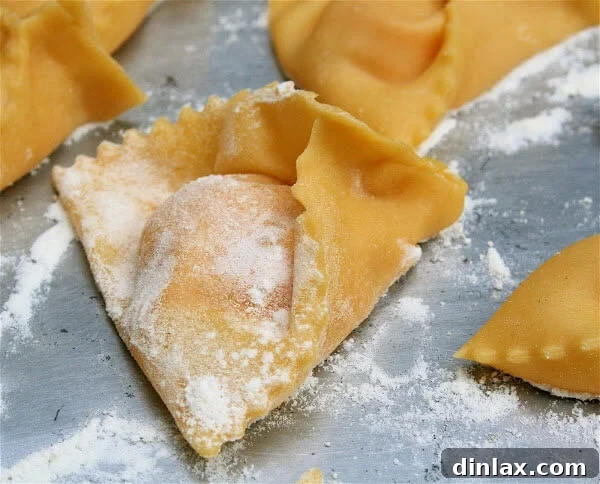
Homemade Pumpkin Ravioli with Sage Brown Butter Sauce: A Cozy Autumn Delight
Experience the ultimate taste of autumn with this exquisite homemade pumpkin ravioli recipe. Combining the natural sweetness and creamy texture of pumpkin with the savory, nutty notes of freshly grated Parmesan, this filling creates an unparalleled flavor symphony. Finished with a delicate brown butter sage sauce, it transforms into a truly unforgettable fall comfort food that will warm your soul.
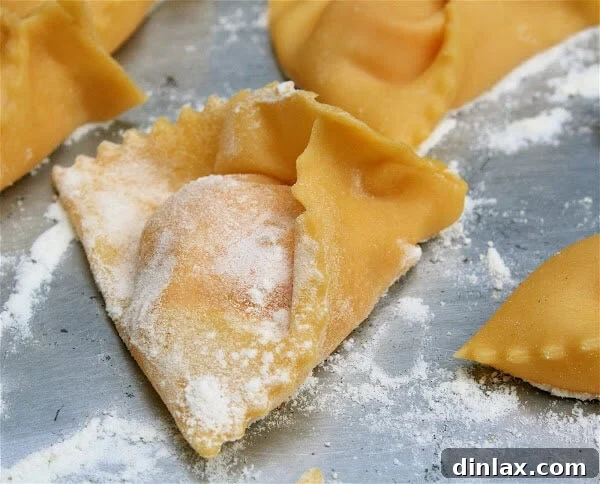
Embarking on the journey of making pasta from scratch is akin to the deep satisfaction derived from baking homemade bread. It is an act of love, a connection to culinary tradition, and a profoundly rewarding process. While it undeniably calls for a touch of effort and patience, the outcome — a generous bounty of tender, pumpkin-filled “pillows of goodness” at your fingertips, ready to be luxuriated in a rich sage brown butter sauce — is an experience that truly justifies every moment invested. We assure you, the extraordinary flavor and the immense pride in crafting such a masterpiece from scratch are absolutely worth it.
This comprehensive recipe guides you through every step, from preparing the silken homemade pasta dough and crafting the vibrant pumpkin filling to meticulously shaping each ravioli, cooking them to perfection, and finally, tossing them in a simple yet elegant brown butter sage sauce. It’s a complete culinary adventure that transforms humble ingredients into a gourmet meal.
One of the most appealing aspects of this recipe is its flexibility: you can comfortably divide the workload over several days. This methodical approach is our highly recommended strategy, allowing you to enjoy the process without feeling rushed, making it an ideal weekend project or a relaxed preparation over the course of the week.
Unveiling the Secrets of Homemade Pumpkin Ravioli: A Step-by-Step Culinary Journey
Creating exquisite homemade pumpkin ravioli doesn’t have to be a daunting task. By breaking down the process into manageable stages, you can enjoy the journey as much as the delectable end result. Here’s a simplified breakdown of how to plan your ravioli-making adventure:
- Day One (or Ahead of Time): Begin by roasting your chosen winter squash or pumpkin and then proceed to craft the creamy, flavorful filling. This step can be done a day or two in advance, allowing the flavors to meld beautifully.
- Day Two: Dedicate this day to preparing the fresh pasta dough from scratch. Once the dough is rested and ready, it’s time for the enjoyable process of shaping your individual ravioli.
- Immediate Enjoyment or Future Feast: After shaping, you have the option to cook the ravioli right away for an instant gourmet meal, or you can carefully freeze them for convenient future use, extending their shelf life for up to three months.
- Serving Day: The delightful sage brown butter sauce is remarkably quick and easy to prepare. Whip it up just moments before you plan to serve your freshly cooked or thawed ravioli to ensure peak aroma and flavor.
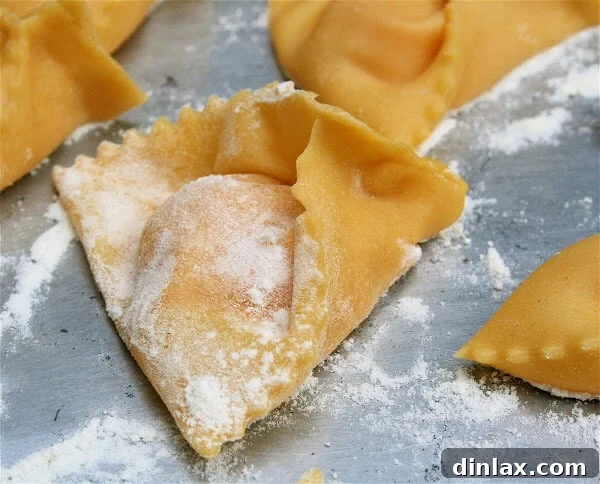
Homemade Pumpkin Ravioli with Sage Brown Butter
5 Stars
4 Stars
3 Stars
2 Stars
1 Star
No reviews yet
-
Author:
Alexandra Stafford -
Total Time:
2 hours 50 minutes -
Yield:
4 servings 1x
Ingredients for Perfection
For the Creamy Pumpkin Filling:
- 1 medium sugar pumpkin* (approx. 2-3 lbs), or a similar winter squash
- A drizzle of high-quality olive oil
- Kosher salt and freshly ground black pepper, to taste
- 2 cups Parmigiano Reggiano, freshly grated for superior flavor and texture
- 2 large eggs, lightly beaten, acting as a binder for the filling
*Choosing Your Squash: While a sugar pumpkin is traditional, a variety of winter squashes such as Hubbard, red kuri, or even a classic butternut squash make excellent substitutes. One average sugar pumpkin typically yields about two cups of cooked flesh, perfect for this recipe. Select a squash that feels heavy for its size and has firm, unblemished skin.
For the Silken Pasta Dough:
- 3½ cups all-purpose flour, plus additional for kneading and dusting surfaces
- 5 large eggs, lightly beaten, essential for creating a rich and pliable dough
For the Aromatic Sage Brown Butter Sauce & Garnish:
- 4 tablespoons (½ stick) unsalted butter, for that irresistible nutty flavor
- 8 fresh sage leaves, offering a fragrant, earthy note
- ¼ cup additional Parmigiano Reggiano, for finishing and serving
Detailed Instructions for a Flawless Ravioli Experience
Crafting the Irresistible Pumpkin Filling:
- Roast the Pumpkin to Perfection: Begin by preheating your oven to a robust 400ºF (200ºC). Carefully cut your chosen pumpkin or squash in half. Using a spoon, thoroughly scoop out and discard all the seeds and fibrous strands. Lightly drizzle about a teaspoon of olive oil onto a baking sheet, spreading it evenly. Season the exposed flesh of the pumpkin halves generously with kosher salt and freshly ground black pepper. Place them cut-side down on the prepared baking sheet. Roast for approximately 45 minutes to 1 hour, or until the pumpkin is fork-tender – a knife should insert easily through the skin into the flesh with minimal resistance. Remove from the oven and allow it to cool completely before proceeding. This cooling step is crucial for handling and ensures the filling isn’t too wet.
- Assemble the Flavorful Filling: Once the roasted pumpkin has cooled, scoop out all the tender flesh and transfer it to a large mixing bowl. Add the two cups of freshly grated Parmigiano Reggiano cheese to the pumpkin. Season the mixture with additional salt to taste. Mix everything thoroughly to combine. It’s essential to taste the mixture and adjust the salt content until it is perfectly seasoned. Remember, there is no salt in the pasta dough itself, so this is your primary opportunity to imbue the ravioli with savory depth. Finally, add the two lightly beaten eggs and mix until everything is well incorporated and forms a cohesive, creamy filling. Set this delicious mixture aside.
Mastering the Art of Pasta Dough:
- Prepare and Knead the Dough: On a clean, large work surface (preferably a wooden board) or directly in a medium-sized bowl, mound the 3½ cups of all-purpose flour. Create a deep well in the center of the flour mound. Pour the five lightly beaten eggs into this well. Using a fork, gently begin to beat the eggs, gradually incorporating the flour from the inner rim of the well outwards. Continue this motion until the eggs are almost entirely incorporated and a shaggy dough begins to form. At this point, switch to kneading the dough directly in the bowl, then transfer it to your lightly floured wooden board. Continue to knead vigorously for a full 10 minutes, dusting the board with additional flour as necessary to prevent sticking. The dough should transform into an elastic, smooth, and slightly sticky ball. This extended kneading develops the gluten, crucial for a tender yet resilient pasta. Wrap the dough tightly in plastic wrap and allow it to rest at room temperature for at least 30 minutes. This resting period allows the gluten to relax, making the dough much easier to roll out.
Assembling Your Homemade Ravioli:
- Prepare the Dough for Rolling: Divide the rested pasta dough into four equal pieces. It’s vital to keep the portions you are not actively working with covered tightly with plastic wrap to prevent them from drying out. Lightly flour one of the dough pieces and gently flatten it into a rough rectangle, about ½-inch thick.
- Initial Pasta Machine Passes: Set your pasta machine to its widest setting. Pass the flattened dough piece through the rollers. Once through, fold the dough into thirds, much like folding a letter, creating a more compact rectangle. Rotate the dough 90 degrees and pass it through the same widest setting again, feeding the short end in first. Repeat this folding and passing step two more times, dusting with a minimal amount of flour as needed to prevent sticking. This process helps to strengthen and smooth the dough, creating a consistent texture.
- Thinning the Dough: Now, without folding the dough, repeatedly pass it through the pasta machine rollers, progressively decreasing the space between the rollers with each pass. Continue this until the dough sheet is incredibly thin, typically after passing through the thinnest setting (often around setting 7 or 8 on most machines). You should be able to see your hand faintly through the dough. If the dough sheet becomes too long and unmanageable, simply cut it in half and work with each piece separately until both have reached the desired thinness.
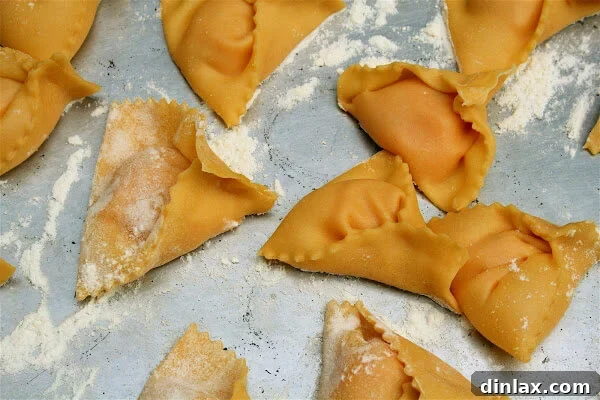
- Shaping and Filling the Ravioli: The rolled-out dough sheet should be approximately 6 inches wide. Lay one thin pasta sheet flat on your lightly floured work surface. On the bottom half of the dough sheet, place heaping teaspoons of the pumpkin filling, evenly spaced about 1½ inches apart. Ensure there’s enough space around each mound for sealing. Carefully fold the top half of the dough sheet over the bottom half, gently aligning the edges. With your fingers, carefully press down around each mound of filling to remove any air pockets and create a seal. Using a knife or a fluted pastry wheel, cut between each mound to create individual ravioli. For an extra secure seal, gently pinch the two dough layers together around the edges, using a tiny dab of water on your finger if the dough seems reluctant to stick. Transfer the freshly shaped ravioli to a baking sheet generously dusted with flour or semolina to prevent sticking. Cover them with plastic wrap while you continue to shape the remaining sections of dough.
- To Cook Immediately or Freeze for Later: At this stage, decide how many ravioli you wish to cook right away. It is crucial *not* to store raw ravioli in the refrigerator, as they tend to become a soggy, sticky mess. For any remaining ravioli, arrange them in a single layer on a flour-dusted baking sheet and place in the freezer until solid (about 1-2 hours). Once frozen solid, transfer them to a freezer-safe airtight bag or container. Frozen ravioli can be stored for up to 3 months and cooked directly from frozen.
Serving Your Culinary Creation: The Brown Butter Sage Sauce:
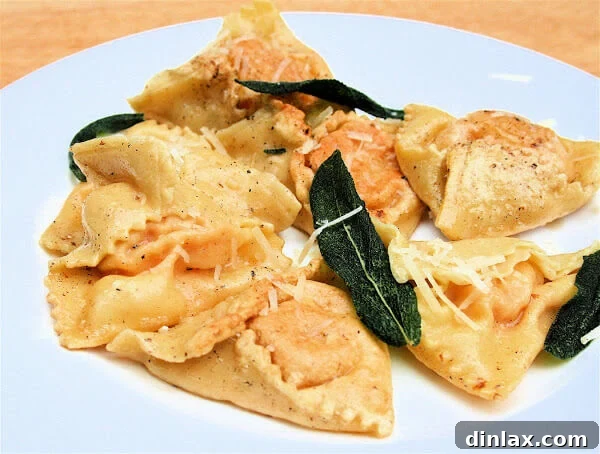
- Cook Ravioli and Prepare Sauce: Bring a large pot of salted water to a rolling boil (add 1 tablespoon of salt for every gallon of water). While the water heats, prepare your exquisite sauce. In a small sauté pan, melt the 4 tablespoons of unsalted butter over medium heat. Watch closely as the butter begins to bubble, foam, and eventually turn a beautiful golden-brown color, emitting a nutty aroma – this is brown butter, or “beurre noisette.” Add the fresh sage leaves to the pan and let them sizzle until they become crisp and fragrant, typically 1-2 minutes. Immediately turn off the heat. Using tongs, carefully remove the crisp sage leaves from the butter and drain them on a paper towel. Set them aside for garnish. When your salted water is boiling vigorously, gently add the ravioli (fresh or frozen). Cook until they are tender and float to the surface, typically 2-3 minutes for fresh ravioli and about 3-4 minutes for frozen. Do not overcook. Using a slotted spoon or spider, carefully drain the ravioli, but do not rinse them under cold water, as this will remove the precious starch that helps the sauce cling. Arrange the cooked ravioli on a warm serving platter. Reheat the browned butter in the pan until it’s hot and just starting to brown again if it has cooled. Return the crisp sage leaves to the hot butter, then immediately spoon the fragrant brown butter and sage over the ravioli. Finish with a generous sprinkle of the remaining Parmigiano Reggiano cheese. Serve immediately and savor every bite.
-
Prep Time:
50 minutes -
Cook Time:
1 hour 10 minutes -
Category:
Pasta, Dinner, Fall Recipes -
Method:
Stovetop, Roasting, Boil -
Cuisine:
American, Italian
Pro Tips for Perfect Pumpkin Ravioli Every Time
Making Ahead and Freezing
One of the greatest advantages of making homemade ravioli is the ability to prepare them in advance. As mentioned in the instructions, freezing raw ravioli is the best way to preserve them. Lay them in a single layer on a parchment-lined baking sheet, freeze until solid, then transfer to airtight containers or freezer bags. This prevents them from sticking together and makes for quick, easy weeknight dinners. You can cook frozen ravioli directly in boiling water; they just might need an extra minute or two compared to fresh.
Equipment Essentials
- Pasta Machine: A hand-cranked or electric pasta machine is invaluable for achieving consistently thin pasta sheets, which are crucial for delicate ravioli. While it’s possible to roll pasta by hand, a machine significantly simplifies the process.
- Baking Sheets: Essential for roasting the pumpkin and for resting/freezing shaped ravioli.
- Spider or Slotted Spoon: A spider is ideal for gently lifting cooked ravioli from the boiling water without damaging them.
- Fluted Pastry Wheel (optional): For that classic, decorative ravioli edge, a fluted pastry wheel works wonders, though a sharp knife will suffice.
Troubleshooting Common Issues
- Sticky Dough: If your pasta dough feels too sticky after kneading, incorporate small amounts of flour, a tablespoon at a time, until it reaches the desired elastic, slightly tacky consistency.
- Dry Dough: If the dough feels too dry and crumbly, add a tiny bit of water (half a teaspoon at a time) and knead until it comes together. Humidity can affect flour absorption, so minor adjustments are sometimes necessary.
- Ravioli Falling Apart: Ensure your seals are firm. Pressing out all air from around the filling before sealing is key. A little water on the edges can help adhere the dough layers. Avoid overfilling, which can also lead to bursting.
- Soggy Ravioli: This usually happens if they are stored raw in the refrigerator or overcooked. Always cook fresh or frozen.
Flavor Variations to Explore
While the pumpkin and sage brown butter combination is divine, feel free to experiment! You could add a pinch of nutmeg to the pumpkin filling, or try a different cheese like ricotta or goat cheese for a tangier profile. For the sauce, consider toasted walnuts or pecans for added crunch, or a sprinkle of fresh thyme instead of sage.