Imagine a week filled with the authentic, simple pleasures of life: savoring artisanal cheese, crafting golden butter from scratch, nurturing vibrant sprouts, baking fragrant loaves of bread, and enjoying the warm companionship of Golden Retrievers. Picture visits to quaint farms, picturesque drives through historic covered bridges, breathtaking views of snow-capped mountains and shimmering frozen lakes, all punctuated by the enjoyment of unique microbrews and delicious wood-fired pizzas. This idyllic scene could only be set in one place: the enchanting Green Mountain State of Vermont. My recent journey there was a delightful immersion into these quintessential New England experiences, a much-needed escape that rejuvenated both spirit and palate.
While such adventures might be found in pockets across the globe, my recent escapade was distinctly Vermont. From early morning snowshoeing with cherished friends to sampling local craft beers, every moment was imbued with the unique charm of this picturesque state. Vermont has always held a special place in my heart, a destination my siblings and I frequently visited during our childhood to see my mother’s sister, Marcy. Marcy, a true culinary artist, was renowned for her exquisite pies, comforting soups, and delectably melty appetizers. The five-hour drive to Charlotte, though seemingly endless in our youth, was always worth it, knowing what awaited us: playful cousins, an exhilarating zipline, Uncle Wade’s legendary waffles, the serene beauty of Lake Champlain, beloved family dogs, and an endless array of outdoor activities.
For my parents, those drives were a tranquil journey, the ever-changing natural landscapes providing boundless fascination. I vividly remember their enthusiasm for birds perched on highway light poles and the thrilling first glimpse of majestic Mount Mansfield. It wasn’t until my own drive north this past Sunday that I truly understood their wonder. “Children!” I found myself exclaiming at every turn, pointing out the grazing cows, the towering silos, the magnificent mountains, and the charming sugar houses. I had, quite unexpectedly, become my parents, fully captivated by Vermont’s scenic splendor.
The Art of Homemade Cultured Butter: A Taste of Vermont’s Authenticity
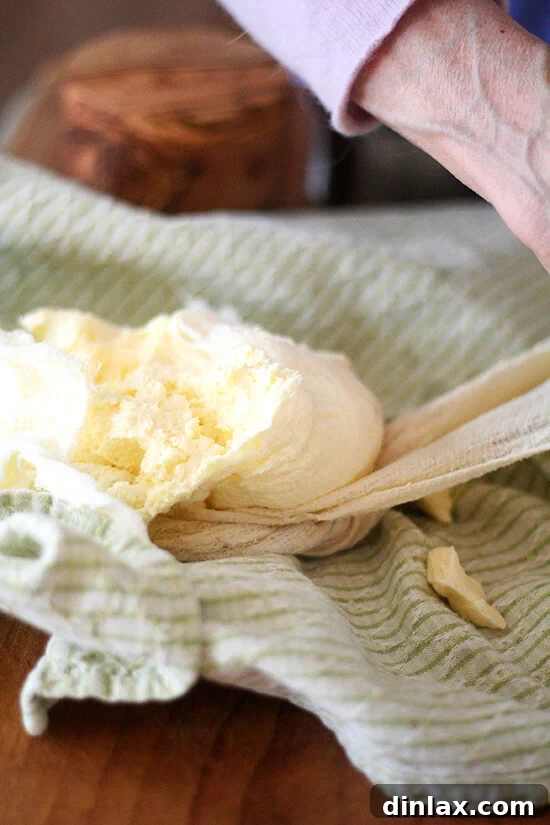
Leaving Vermont always feels like a bittersweet farewell, but this time, I carried a piece of its culinary magic home with me: a generous log of Marcy’s homemade cultured butter. This exquisite creation was more than just butter; it was a tangible reminder of the joy of crafting something truly special from scratch. As with many homemade dairy ventures, the process of making cultured butter is an experience in itself – a delightful journey of transformation. There’s immense satisfaction in watching rich cream slowly thicken on the countertop, then witnessing its dramatic separation into distinct butter curds and real buttermilk within the whirring food processor. The grand finale is unwrapping the cheesecloth to reveal a dense, golden, and wonderfully tangy mass of fresh butter.
For those who delight in hands-on kitchen projects, crafting cultured butter is an incredibly rewarding addition to your repertoire. It elevates a simple staple into an artisanal delicacy, offering a depth of flavor and a silky texture that store-bought varieties simply cannot match. This isn’t just about making butter; it’s about connecting with your food, understanding its origins, and savoring the authentic taste of tradition. Having freshly made cultured butter on hand, of course, comes with a delightful side effect: the irresistible urge to pair it with something equally delicious. This often leads to baking homemade bread, a pairing so perfect you might find yourself eating more than you intended. But consider yourself warned; once you experience the sheer delight of this combination, there’s no going back!
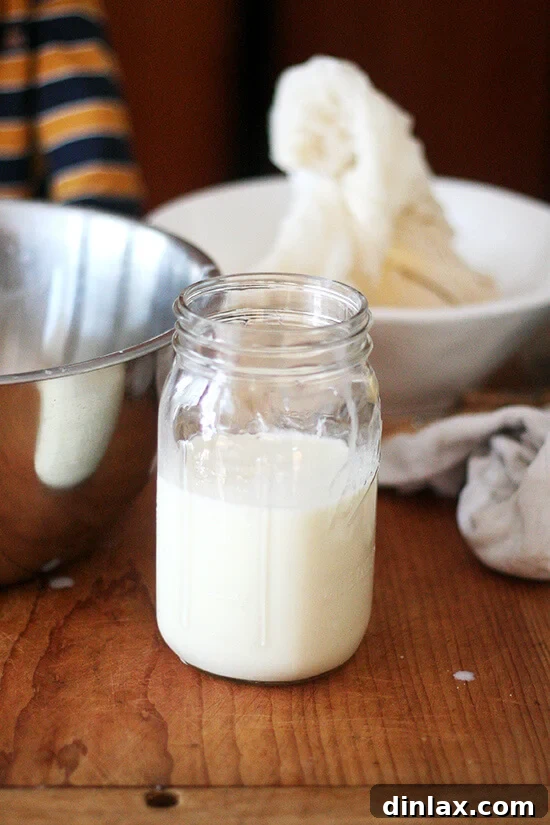
Making your own cultured butter offers numerous benefits. It allows you to control the quality of ingredients, using the freshest, highest-quality heavy cream. The culturing process, achieved by introducing a beneficial bacterial culture (like that found in good quality yogurt), not only adds a distinct tangy flavor but also slightly increases its shelf life and can make it easier to digest for some. The resulting real buttermilk, a true byproduct of butter making, is a culinary treasure in itself, far superior to the thin, imitation buttermilk often found in supermarkets.
Real buttermilk, a delicious byproduct of homemade butter:
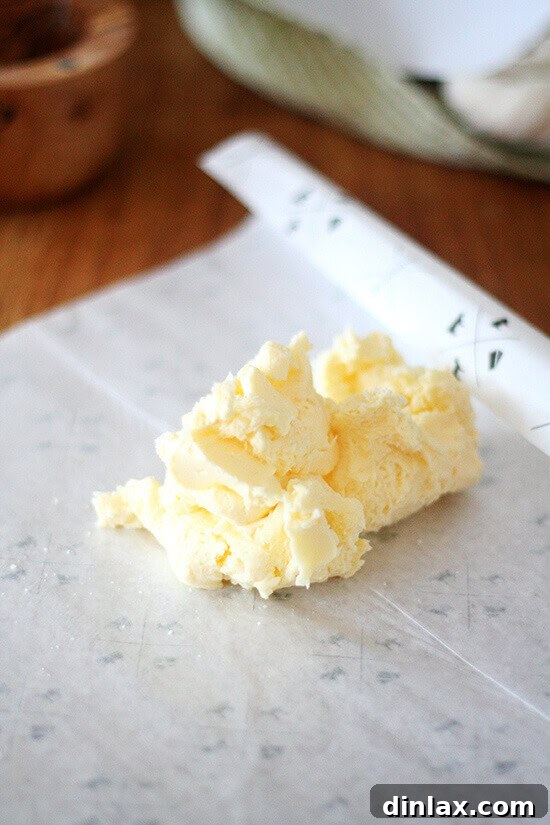
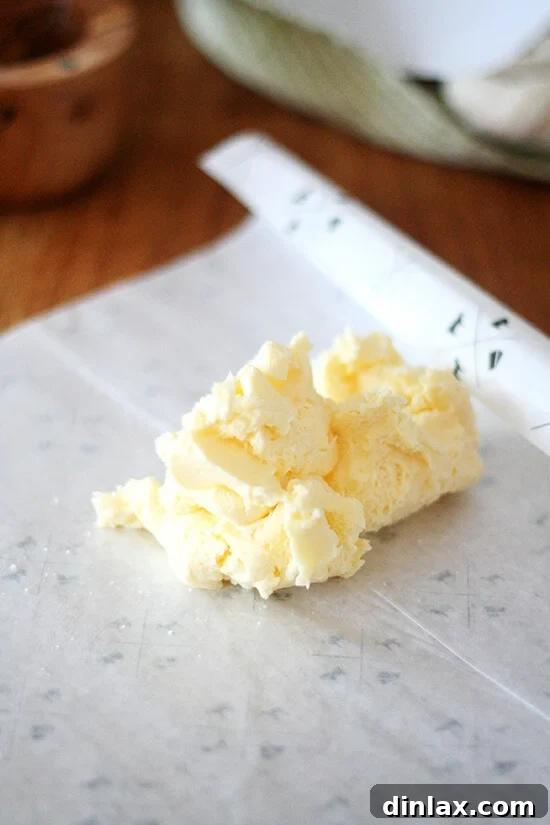
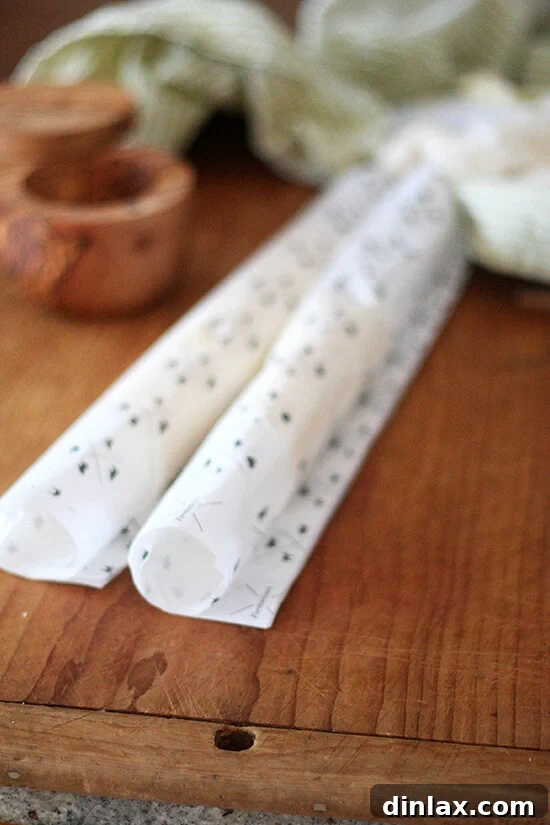
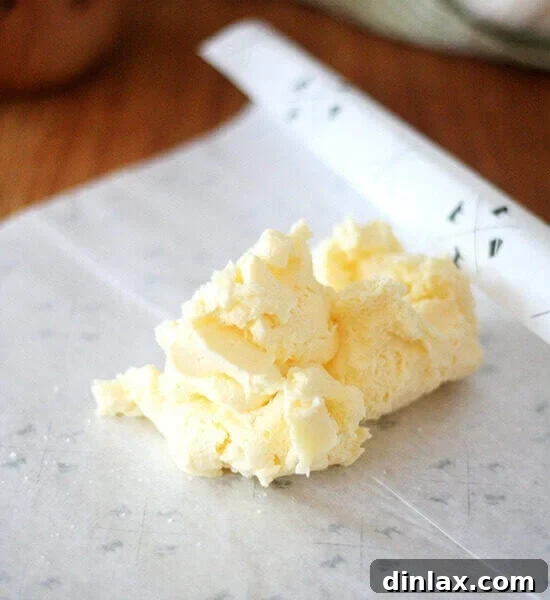
Homemade cultured butter wrapped in cheese paper, ready for enjoyment:
Print
Homemade Cultured Butter | Real Buttermilk Recipe
5 Stars 4 Stars 3 Stars 2 Stars 1 Star
No reviews
Author: alexandra
Description
Unlock the rich, tangy flavors of authentic European-style butter right in your own kitchen with this simple yet rewarding recipe for homemade cultured butter. This process not only yields incredibly flavorful butter, perfect for spreading on fresh bread or enhancing your culinary creations, but also produces real buttermilk, a versatile ingredient for baking and cooking. Experience the satisfaction of traditional dairy making and elevate your everyday meals with this artisanal staple.
Source: Melissa Clark, The New York Times
Ingredients
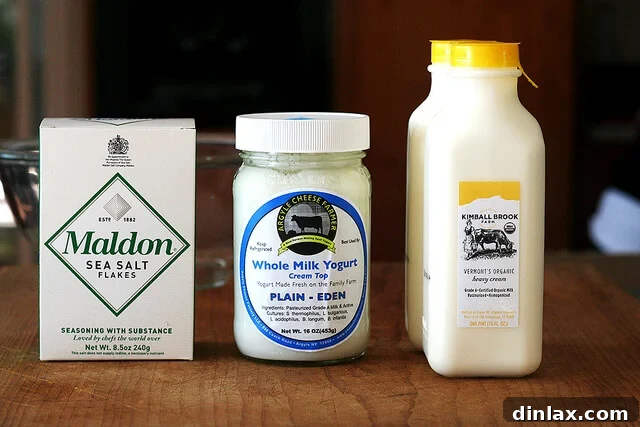
- 4 cups good quality heavy cream
- 1/2 cup plain whole milk yogurt (ensure it contains live active cultures)
- 1/4 teaspoon fine sea salt, or to taste
Instructions
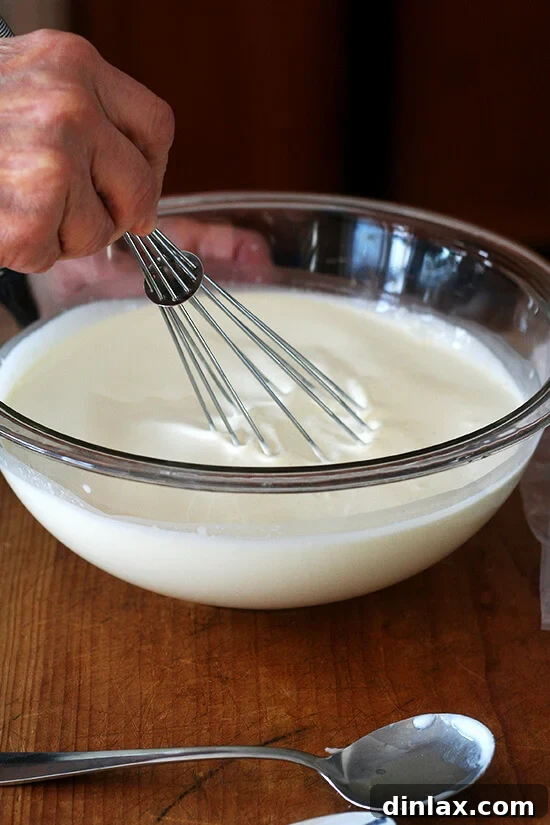
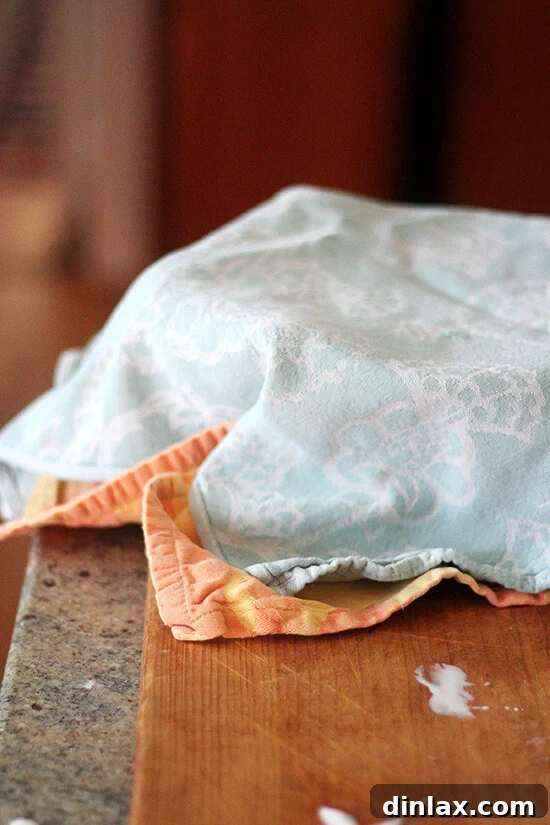
- Culture the Cream: In a large, clean jar or bowl, combine the heavy cream and plain whole milk yogurt. If using a jar, seal it well and shake vigorously until the mixture is thoroughly combined. If using a bowl, whisk it well until smooth. Cover the jar or bowl with a clean kitchen towel (allowing for air circulation) and let the mixture sit in a warm area of your kitchen (ideally between 68-75°F or 20-24°C) for 18 to 36 hours. The exact time will depend on your room temperature; aim for a consistency that is noticeably thicker and a taste that is rich and tangy, similar to créme fraîche or thick yogurt.
- Chill: Once cultured, seal the jar or cover the bowl tightly with plastic wrap and refrigerate for 1 to 2 hours, or until the mixture reaches approximately 60°F (15°C). If you refrigerate it for a longer period, allow the mixture to warm slightly at room temperature before proceeding to the next step.
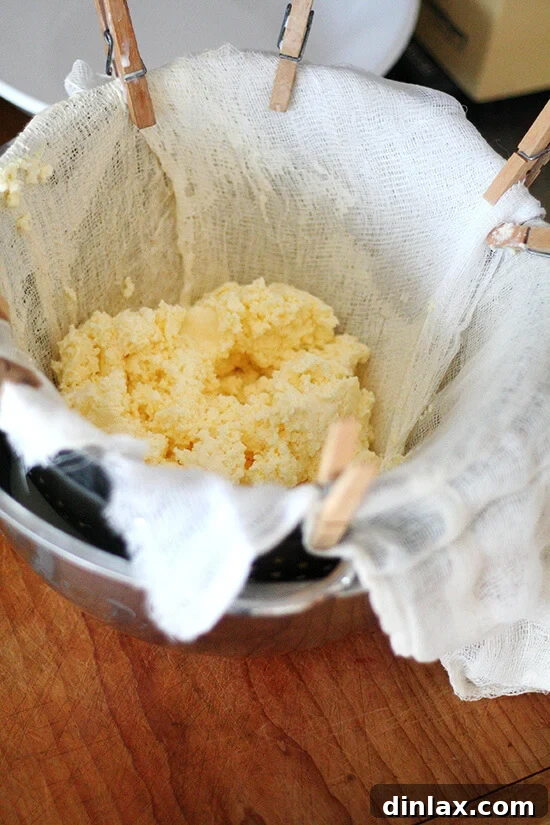
- Prepare for Churning: Line a fine-mesh sieve with a double layer of cheesecloth. Ensure there is enough cheesecloth overhang to gather and squeeze later. Place this prepared sieve over a large bowl to collect the buttermilk.
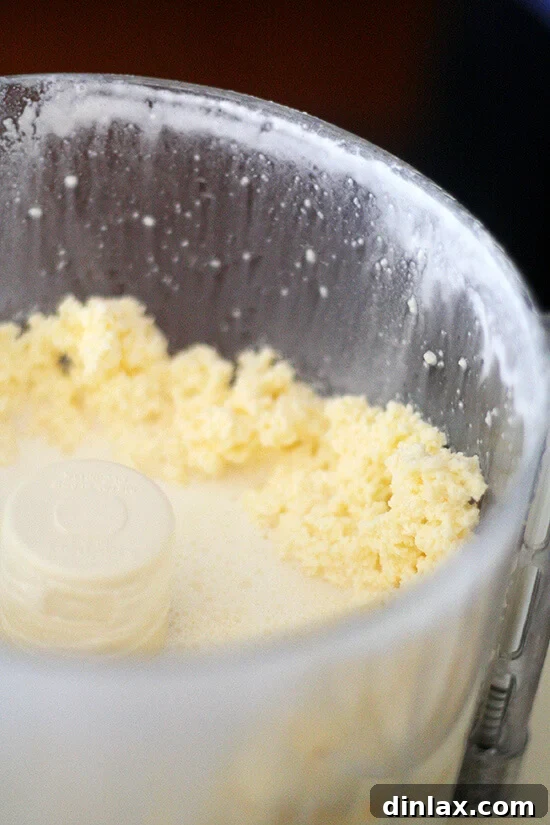
- Churn the Butter: Transfer the thickened, cultured cream mixture to the bowl of a food processor. Process on high speed. Be aware that this stage can be quite messy, even in a large 14-cup food processor, as the liquid may splash. You might consider dividing the mixture into two batches to prevent overflow. Continue processing for 2 to 3 minutes until the yellow butter curds visibly begin to separate from the thin, milky liquid (the buttermilk). The mixture will initially resemble a liquidy cottage cheese.
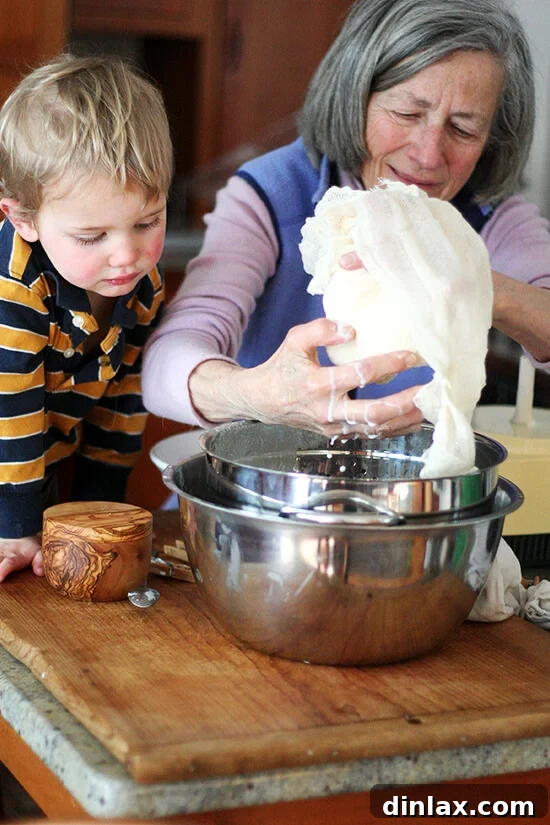
- Separate Butter and Buttermilk: Carefully pour the buttermilk from the food processor bowl through the prepared mesh sieve. Then, transfer the butter curds directly into the cheesecloth-lined sieve. Let it sit for 1 to 2 minutes, allowing any remaining buttermilk to drip through. Gather the ends of the cheesecloth, twisting them tightly around the butter curds to form a compact ball. Squeeze the ball firmly to extract as much buttermilk as possible. You should be left with a solid butterball.
- Wash the Butter: Pour the separated buttermilk into a separate container and reserve it for other culinary uses; it’s excellent for baking. Place the butterball into the now empty large bowl. It’s crucial to squeeze out any excess buttermilk from the cheesecloth. Pour about 1/3 cup of ice water over the butter. Using a spatula or your clean hands (which often work better as the butter hardens), gently “wash” the butter by folding it over itself and pressing down repeatedly to extract any remaining milky liquid. Drain off the cloudy liquid and discard it. Repeat this washing process 4 to 6 times, or until the water runs clear, indicating all the buttermilk has been removed. This step is essential for improving the butter’s flavor, texture, and shelf life.
- Season and Shape: Place the thoroughly washed butterball on a clean kitchen towel and pat it lightly to remove any residual surface moisture. Knead the butter a few times with your hands to ensure consistency, then pat it dry again. This helps in extending its storage life. Sprinkle the finished butter with the fine sea salt (or to taste) and knead a few more times to evenly distribute the salt.
- Store: Lay out a sheet of parchment paper (or two, if you plan to divide the batch). Place the seasoned butter onto the paper. Form the butter into a neat log shape, then roll it up securely in the parchment paper, twisting the ends to seal. Ensure the log has a uniform thickness for even refrigeration. Refrigerate the homemade cultured butter until it is firm and ready to use. Stored properly, this delectable butter will last for about a month in the refrigerator, ready to enhance your favorite dishes.
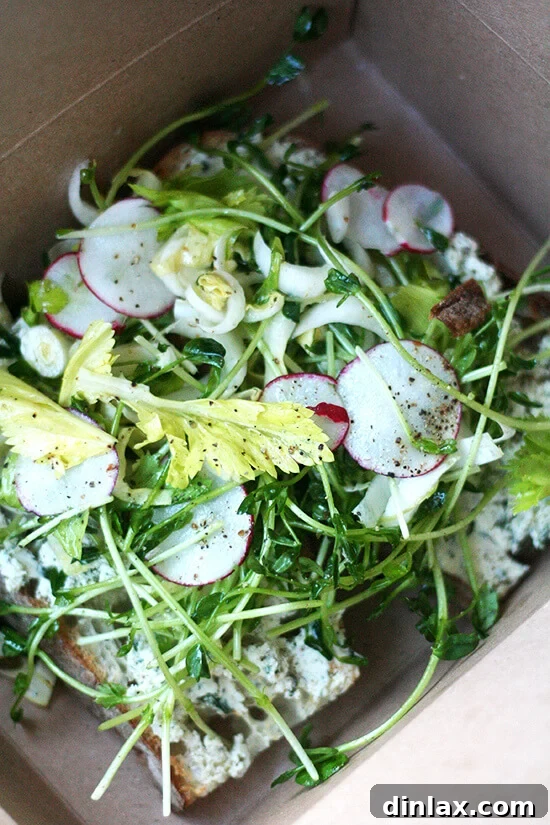
Beyond the butter, my Vermont journey continued to inspire. We indulged in delicious meals at local eateries, highlighting the state’s vibrant culinary scene. One memorable lunch at South End Kitchen featured a tantalizing tartine of homemade herbed ricotta, delicately topped with fresh pea shoots, endive, and an assortment of fragrant herbs – a truly delightful combination of textures and flavors. It was a testament to the freshness of local ingredients and the creativity of Vermont’s chefs.
Another highlight was a visit to Folino’s, where we savored piping hot wood-fired pizzas, perfectly complemented by what I can confidently say was the best IPA I have ever tasted, courtesy of Fiddlehead Brewing Company. It was wonderful to catch up with my friend Linds amidst such delicious food and drink! (The charming pie bird in the photo is from Chef Contos, a lovely kitchen souvenir.)

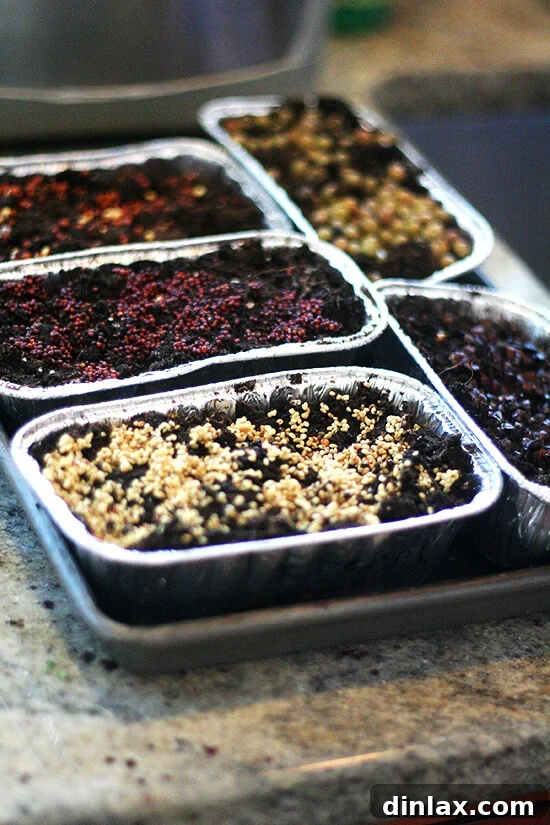
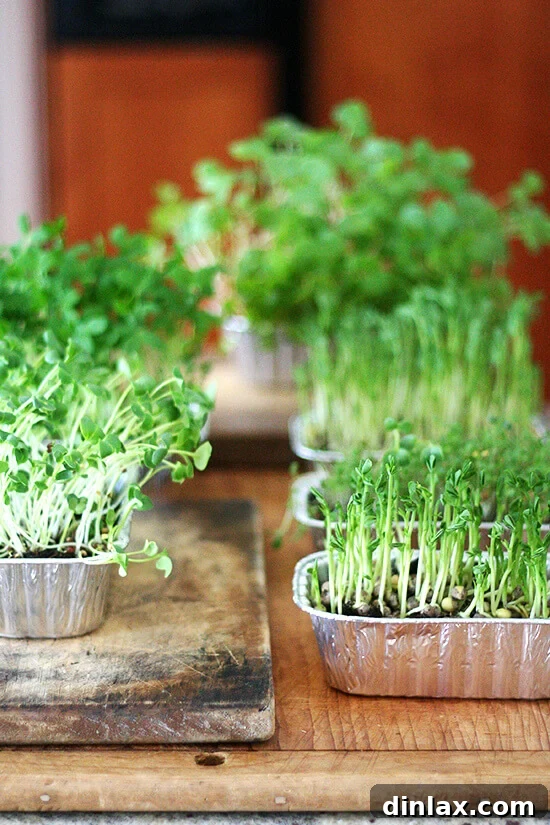
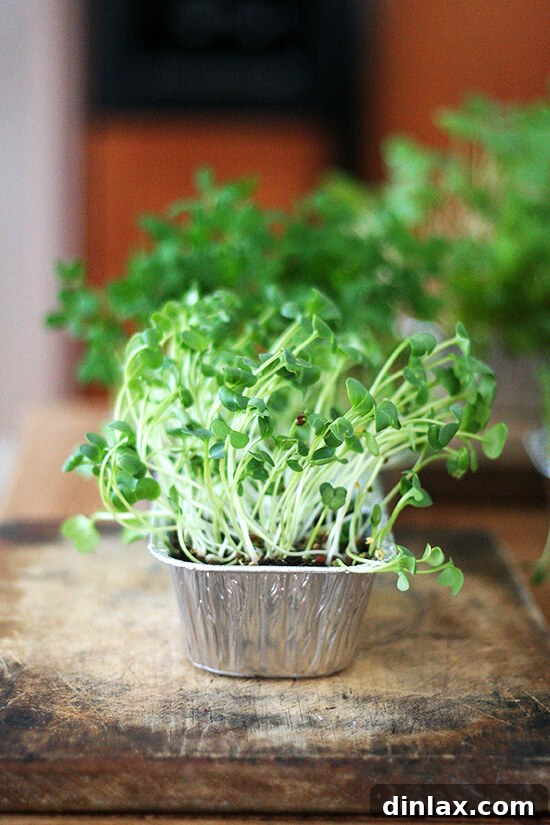
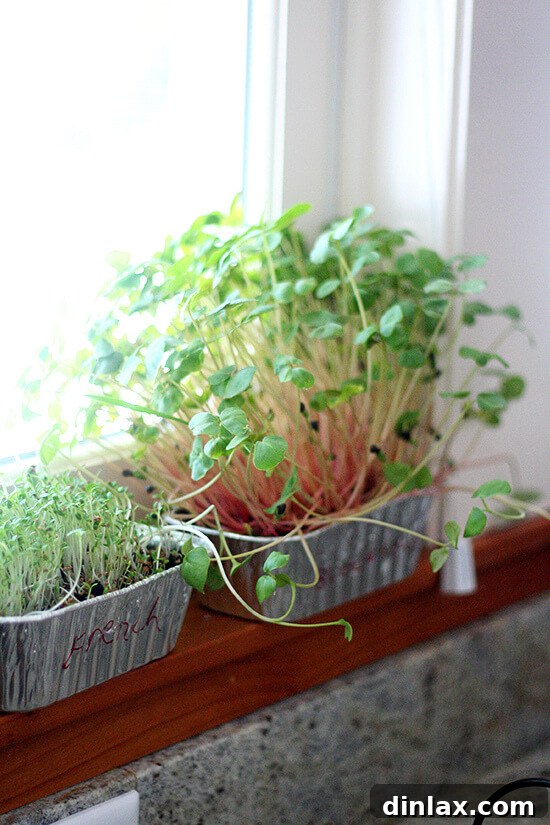
The spirit of homemade extended beyond butter and bread in Marcy’s home. She amazed me with her knack for growing sprouts everywhere – a process that is surprisingly easy and incredibly beautiful. The sight of vibrant green sprouts flourishing around the house was a constant reminder of nature’s bounty and the simple joy of growing your own food. I’m inspired to try this myself and will certainly share my progress!
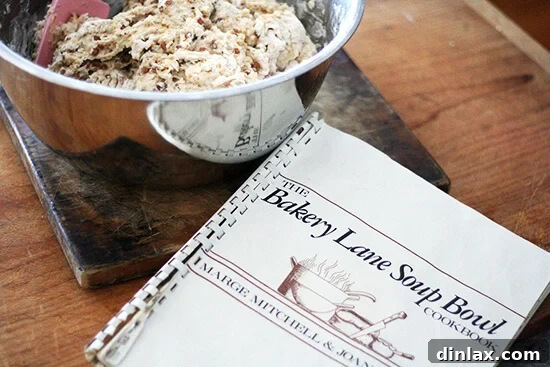
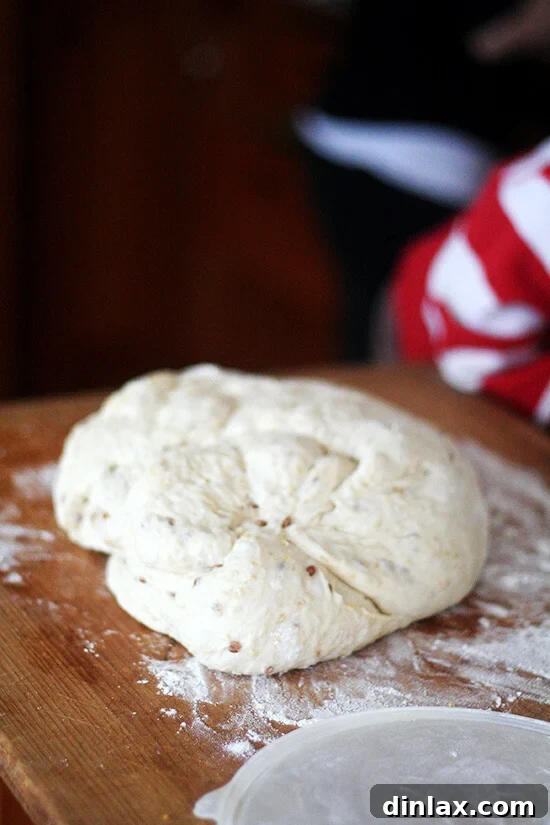
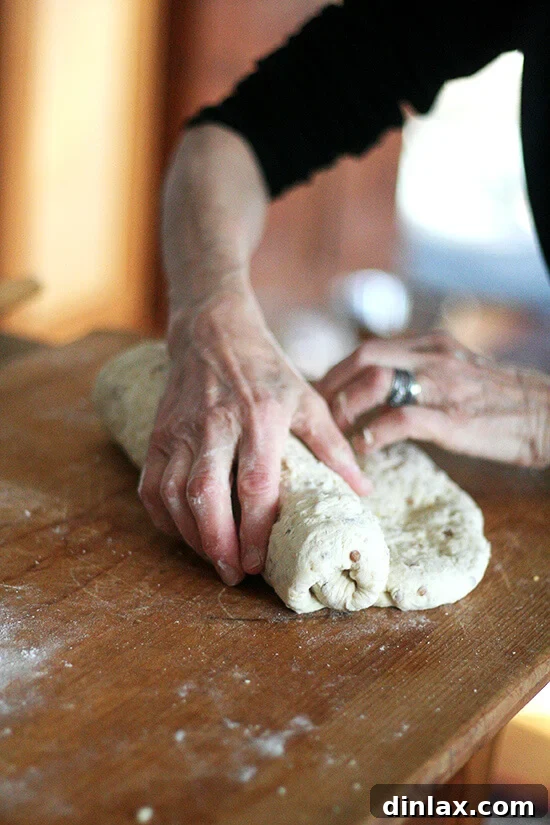
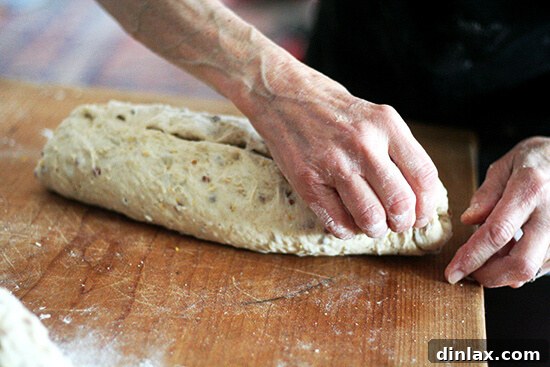
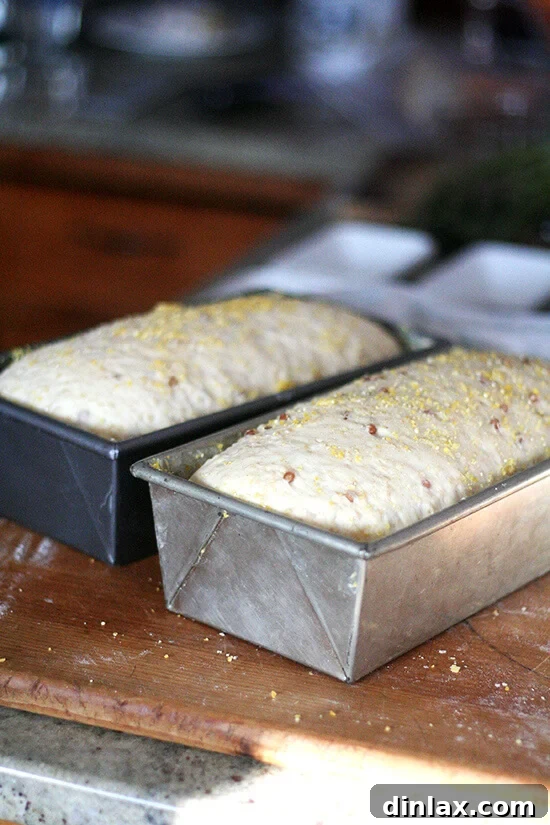
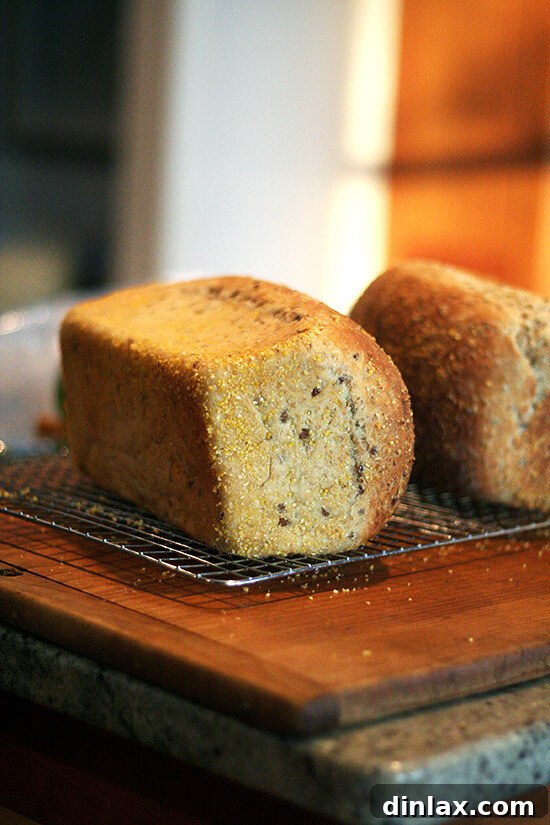
Marcy made the most delectable wheat berry toasting bread, a recipe adapted from this Bakery Lane Soup Bowl’s honey-whole wheat toasting bread:
The beloved family Golden Retriever, Argos, enjoying the Vermont scenery:

A charming rustic stool, symbolizing Vermont’s simple aesthetic:

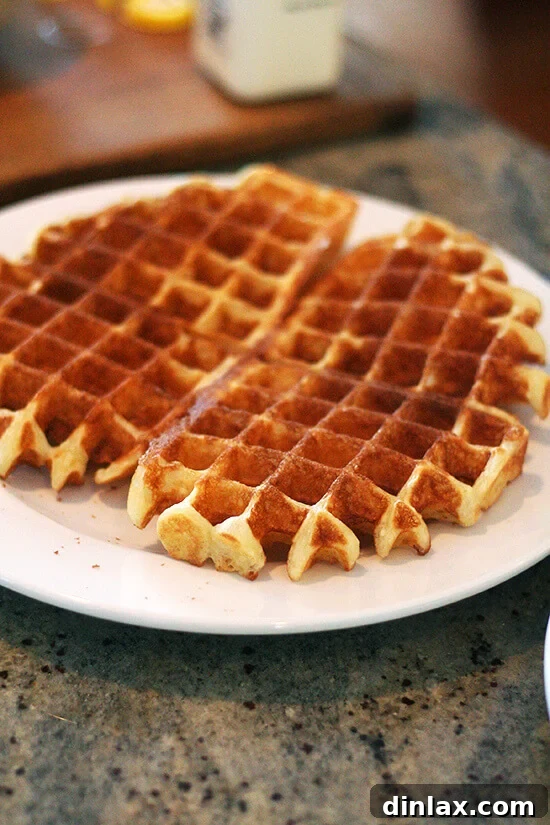
Waffle batter ready for Uncle Wade’s famous breakfast:
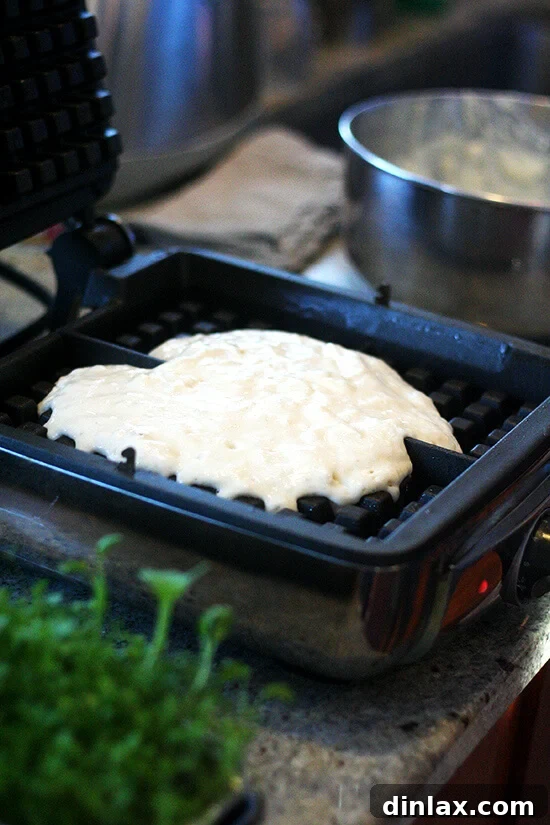
Uncle Wade’s famous waffles, a cherished family tradition:
Another delightful Golden Retriever, Wren, enjoying the cozy Vermont atmosphere:

Marcy has sprouts growing all over her house. The process is amazingly easy, and they look so pretty, too. I will report back on this when I get mine going:
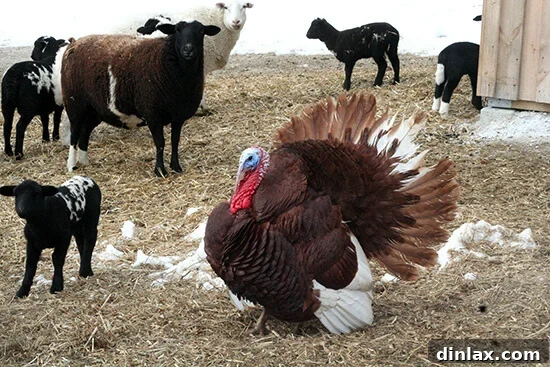
A beautiful Vermont farm, epitomizing the state’s agricultural heritage:
Cherished memories with kids and dogs amidst the Vermont backdrop:

Another endearing moment with the Golden Retriever, Wren:

This journey to Vermont wasn’t just a vacation; it was an inspiring immersion into a lifestyle that cherishes quality, tradition, and the simple joys of making things with your own hands. From the incredible flavor of homemade cultured butter to the satisfaction of baking wholesome bread and growing vibrant sprouts, these experiences offer a profound connection to our food and the people we share it with. It’s a reminder that sometimes, the greatest luxuries are the ones we create ourselves.
The cultured butter recipe shared here was originally featured in this insightful New York Times article: Spreading Culture. For further reading on the resurgence of overlooked dairy products and the benefits of butter, explore these related articles: Buttermilk, Often Maligned, Begins to Get its Due, and Butter is Back. If you’re inspired to delve deeper into homemade dairy projects, consider trying your hand at crème fraîche, yogurt, or ricotta. Each project offers a unique reward and a step towards a more self-sufficient and flavorful kitchen.