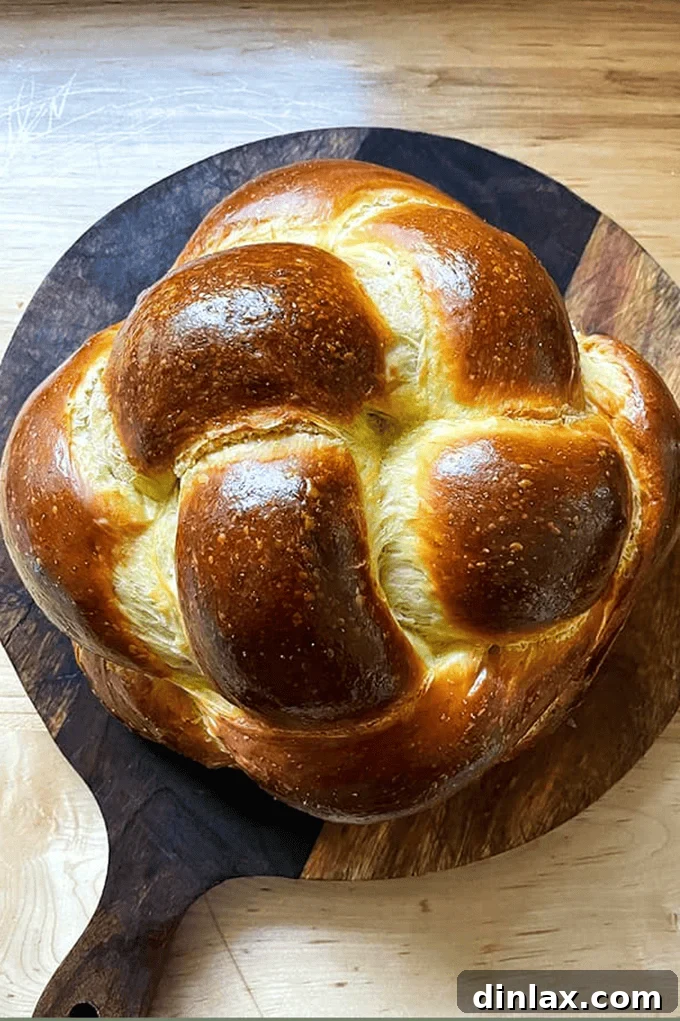
There are recipes that simply transform your kitchen into a haven of warmth and comfort, and then there’s this Challah recipe. A golden-crusted masterpiece with an interior so light and airy, it practically melts in your mouth. This isn’t just any homemade bread; it’s a culinary revelation that arrived in my life thanks to my dear friend, Holly. She, in turn, received this treasured knowledge from the wife of a revered rabbi – a lineage that speaks volumes about its authenticity and heart. The day Holly patiently guided me through the steps, a new era of baking began in my home. I am eternally grateful, not only because this Challah is incredibly delicious and surprisingly easy to master, but because every single time I pull a loaf from the oven, my children look at me like I’m a culinary superhero. And a secret bonus? This golden, slightly sweet bread makes the absolute BEST French toast you will ever taste. If you’re searching for an **easy Challah bread recipe** that delivers consistent perfection, or looking to elevate your weekend brunch game with **homemade Challah French toast**, you’ve found your ultimate guide.
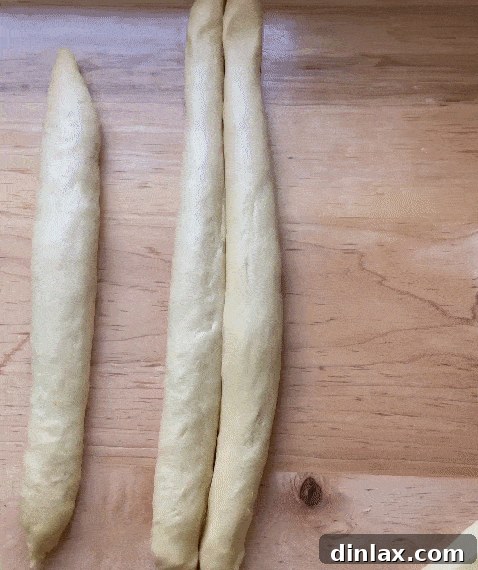
For a visual guide to this incredible journey of baking **authentic Challah bread**, take a moment to watch this video:
Unveiling the Secret to the Best Challah Bread
My culinary journey often leads me to remarkable places, and one such destination was Holly’s kitchen. Known amongst our circle as one of the most reliable and gifted home cooks, when Holly mentioned she possessed a truly phenomenal **Challah recipe** – a recipe passed down from the wife of a rabbi – and offered to teach me, my excitement was palpable. I believe I might have even done a small, celebratory leap. The prospect of mastering such a revered bread, especially one with such a beautiful origin story, was incredibly enticing. Little did I know, this simple act of sharing would revolutionize my approach to baking **traditional Challah bread** forever.
It was a crisp Friday morning, after the school drop-off hustle, when I found myself at Holly’s warm and inviting home, coffee in hand, ready for my Challah lesson. Holly, ever the organized baker, had already initiated the first crucial step: creating the “sponge.” A simple mixture of 1 cup water, 1 cup flour, and 1 packet of yeast, it sat bubbling gently in a bowl, a living testament to the magic of fermentation, already alive and eager for the next stage. This, she explained, was her cherished Friday ritual: a quick sponge preparation before the school run, allowing it to bloom while she managed her morning tasks, and then returning home to finish the dough. This efficient method immediately struck me as brilliant, perfectly blending the art of baking with the demands of a busy life. What truly captivated me about Holly’s **easy Challah recipe** and her no-fuss approach was its stark contrast to the often overly complicated methods I had previously encountered. Her method stripped away the intimidation, revealing the inherent simplicity and joy in making **homemade Challah**.
From Sponge to Silky Dough: The Uncomplicated Process
With the sponge activated and eager, we moved to the next phase. Into each bowl, we cracked two fresh eggs, vibrant against the creamy yeast mixture. Then followed the golden embrace of honey, a generous pinch of salt, and the richness of a neutral oil. Finally, the remaining flour was gradually incorporated. What astonished me was the minimal effort required. After a brief, almost therapeutic kneading by hand – just enough to bring the ingredients together into a cohesive, smooth mass – the dough was declared ready for its first rise. At this point, armed with my newfound knowledge and a bowl of promising dough, I departed Holly’s kitchen, confident in my ability to complete the process. Holly’s guidance continued via text messages, offering support and answering questions, making the entire experience feel supported and achievable, even for a relatively novice baker.
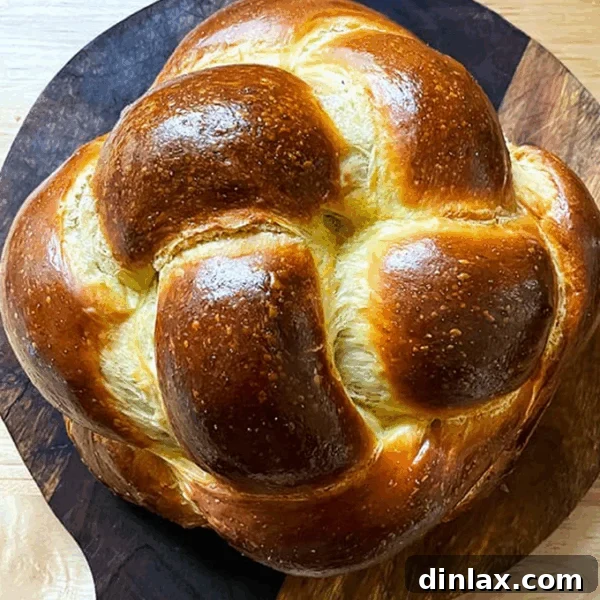
True to Holly’s promise, the dough rose magnificently. It expanded, transforming from a dense mass into a light, pillowy cloud, testament to the active yeast and careful proportions. The subsequent baking session resulted in a perfectly golden, light, and wonderfully airy loaf, its braids intertwined in an artful display. This isn’t just a recipe; it’s a revelation for anyone who loves **baking Challah bread**. Almost every week since that illuminating Friday, Holly’s **simple Challah bread recipe** has become a staple in my kitchen. It graces our table as a delightful accompaniment to hearty soups – particularly those comforting bowls of lentil and cabbage soup – and transforms into a treasured centerpiece for our lazy weekend brunches. The rich flavor and tender texture make it a versatile treat that never fails to impress.
The Genius Solution to a Common Baking Challenge: No More Burnt Bottoms!
Baking, like any craft, comes with its share of challenges. For years, my quest for the perfect **homemade Challah** was often marred by a persistent issue: a stubbornly over-browned, sometimes even burnt, underside. It was a minor flaw in an otherwise perfect loaf, but one that always nagged at me. The solution, as it often happens, came from an unexpected source and a different culinary tradition.
During a Thanksgiving visit to Vermont, my aunt shared a brilliant breakthrough she had made with her koulourakia, a twisted Greek cookie. After repeatedly burning the bottoms of her delicate cookies, she discovered that layering one cookie sheet directly on top of another provided just enough insulation to prevent direct, harsh heat from reaching the bottom. The result? Perfectly golden cookies, cooked evenly through. This seemingly simple tip resonated deeply with my own Challah-making trials, instantly illuminating the cause of my perpetually overcooked bottoms. It was a moment of pure genius, a small tweak with monumental results that promised to perfect my **golden Challah bread**.
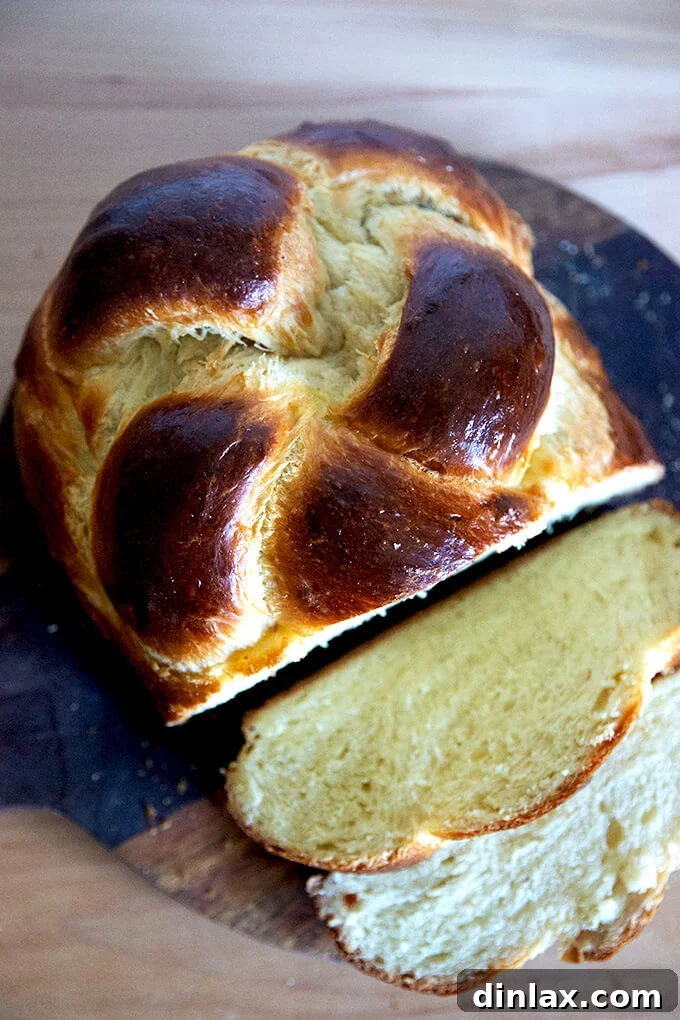
The very next day, eager to test this revelation, I prepared a fresh loaf of Holly’s Challah for my family. This time, I placed the baking sheet holding the beautifully braided dough on top of another empty baking sheet, creating that crucial insulating layer. What happened next was nothing short of miraculous: for the first time ever, the bottom of my Challah cooked perfectly, without the slightest hint of overbrowning or scorching. The bread emerged from the oven, uniformly golden and utterly flawless from top to bottom. My Greek family, who are discerning critics when it comes to baked goods, raved about it! Even the most abstemious among us couldn’t resist indulging in a second, third, or even fourth slice. The enthusiasm was infectious, and I couldn’t help but exclaim, “Holly’s Challah makes me wanna holla holla!” This simple trick, born from a Greek cookie, transformed my **Challah baking** experience and is now a non-negotiable step in my process, ensuring every loaf of this **easy Challah** is perfect from crust to crumb.
Speaking of other fantastic bread recipes, if you love the idea of simple, delicious bread, don’t miss out on these gems:
- Overnight Refrigerator Focaccia: The Best Focaccia You’ll Ever Make
- And for a wider array of options: 12 Essential Easy Bread Recipes
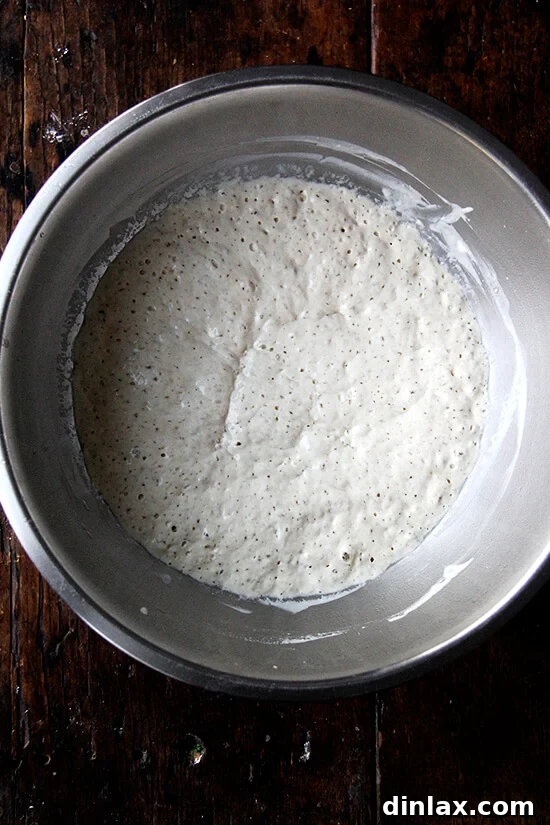
Here’s what the sponge — a crucial mixture of 1 cup water, 1 cup flour, and 1 packet of yeast — looks like after about an hour of activating and developing:
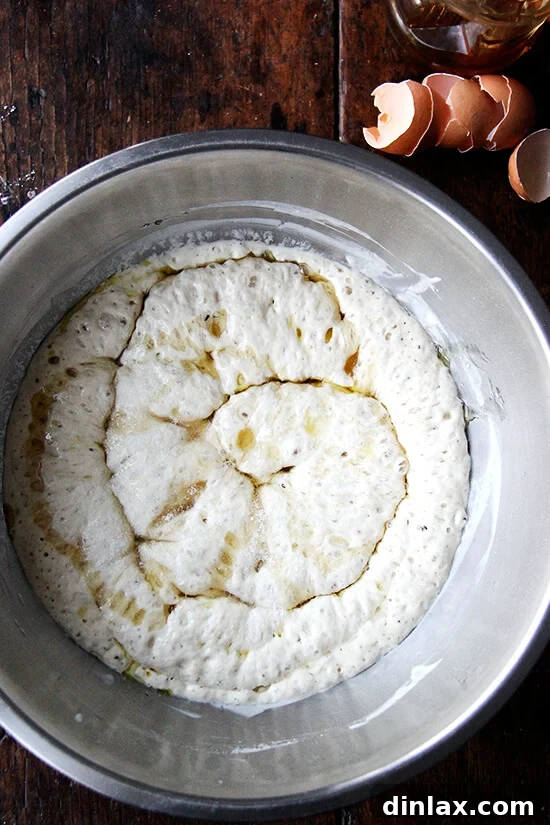
Then, you add the eggs, honey, salt, and oil directly into the bowl for mixing:
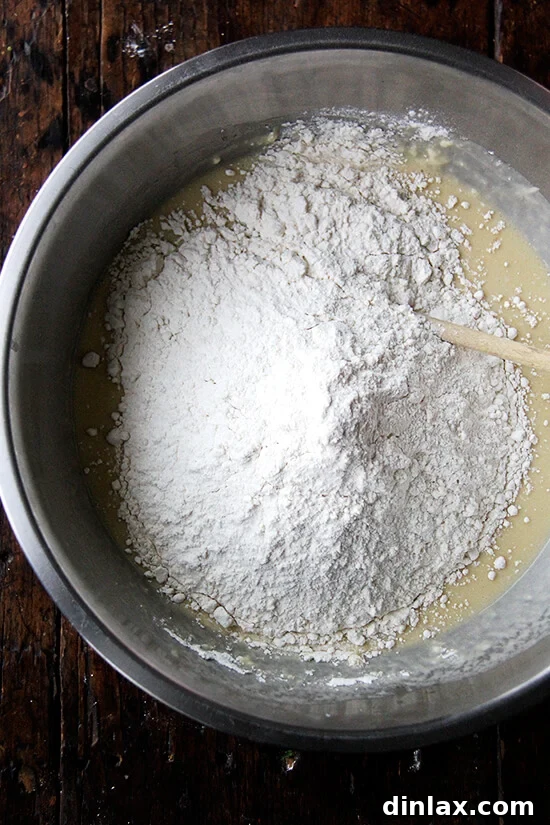
Work in the remaining flour until a sticky dough forms:
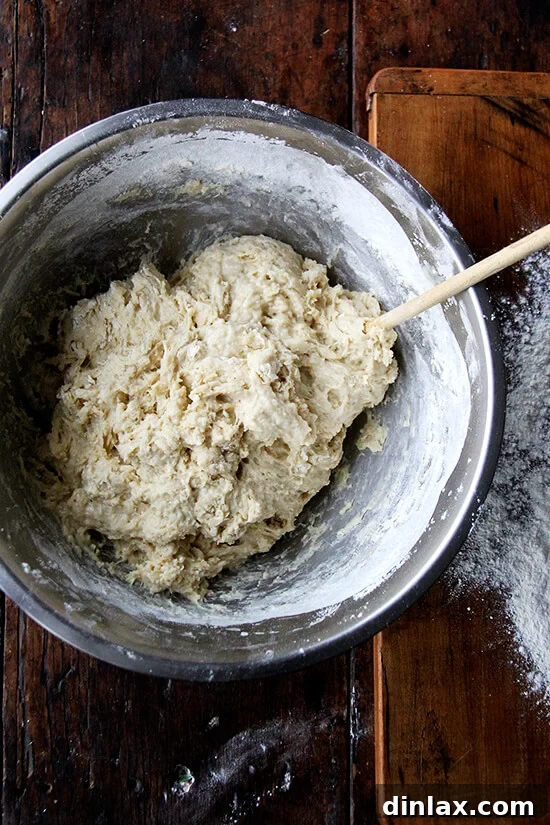
Mix until it transforms into a sticky yet cohesive mass:
Knead briefly, just until the dough becomes smooth and elastic:
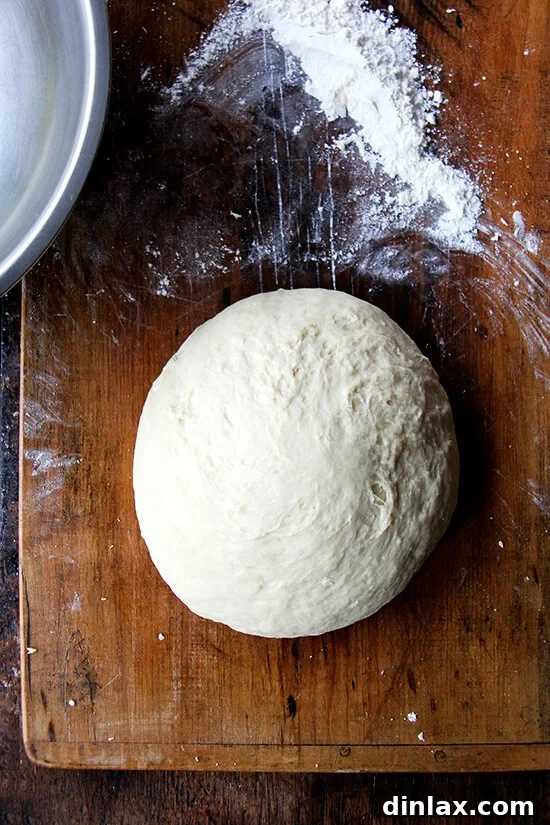
Transfer the smooth dough to a lightly oiled bowl, ready to rise:
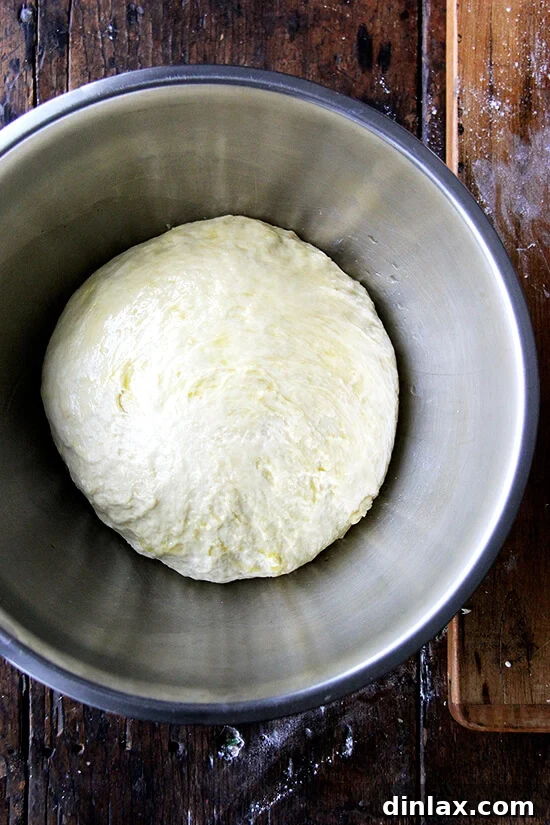
Then, allow it to rest and rise for an hour or two until doubled:
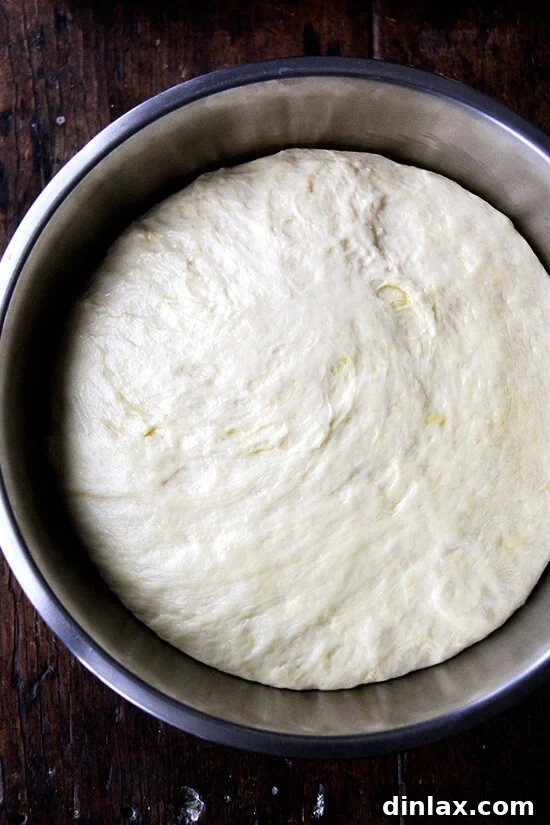
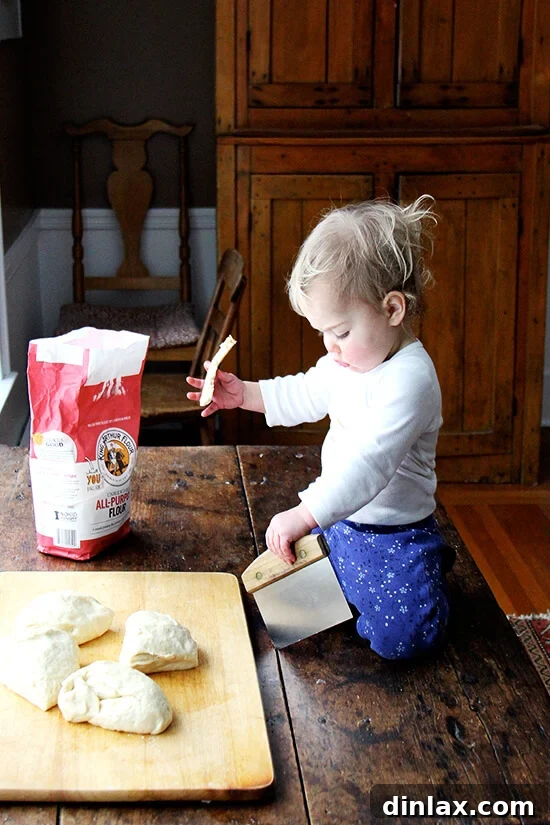
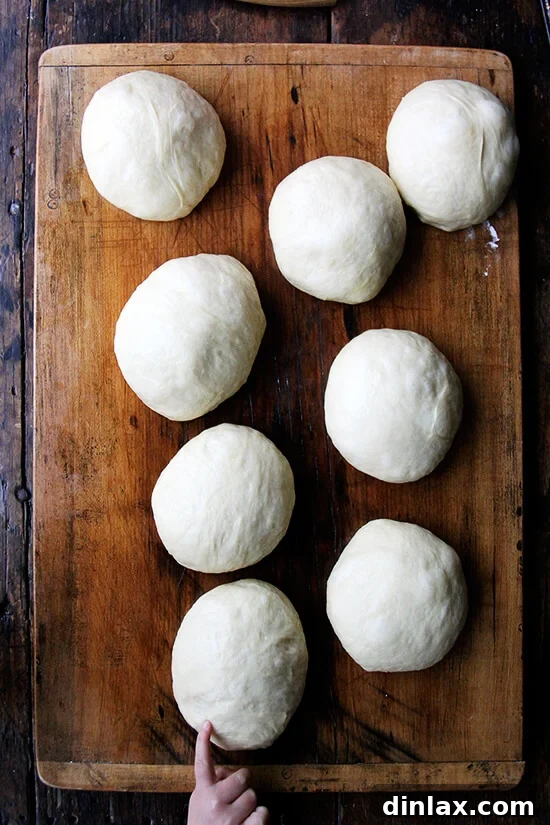
I made a double batch this time, so I divided the dough into 8 portions for convenience:
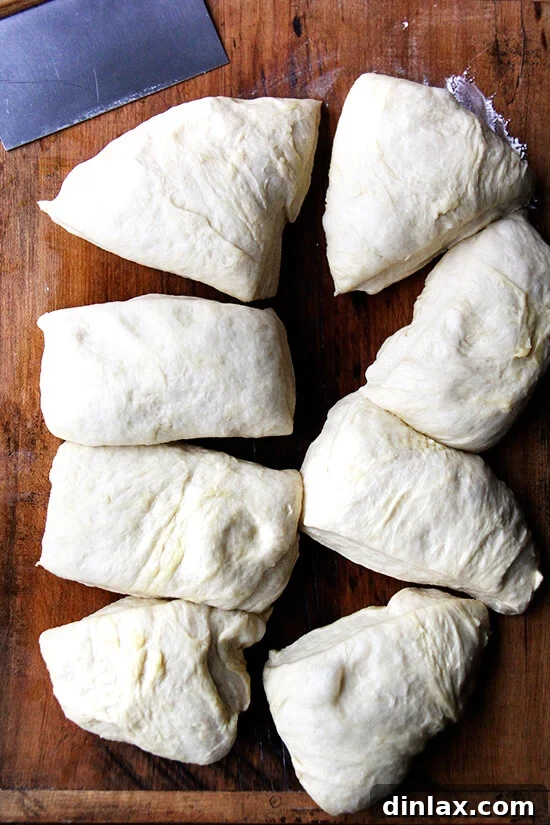
But with a single batch, divide the dough into three or four portions. Be sure to have a helper by your side – it makes the process even more enjoyable!:
Mastering the Art of Challah Shaping
Once the dough has completed its first glorious rise, the next exciting step is shaping. While the traditional long, braided loaf is iconic, Challah can also be crafted into beautiful round loaves, especially popular for certain holidays. The technique might seem daunting at first, but with a little practice, it becomes an incredibly satisfying part of the baking process. I generally divide a single batch of dough into three or four portions for a classic braid, or into multiple portions for a more intricate design or multiple smaller loaves. It’s also a wonderful activity to involve little helpers in the kitchen – they love rolling the dough into ropes and marveling at the transformation.
To help you visualize the process, here’s a quick video demonstrating how to shape a beautiful round loaf of Challah. Whether you prefer a classic braid or a more elaborate design, mastering the shaping technique is key to creating stunning **homemade Challah**.
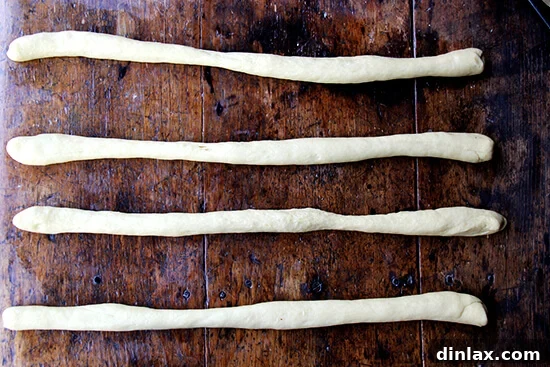
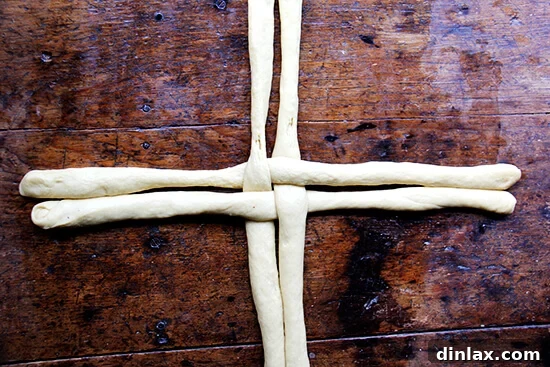
And for those who prefer step-by-step imagery, these visuals outline the basic steps for shaping your **Challah bread**:
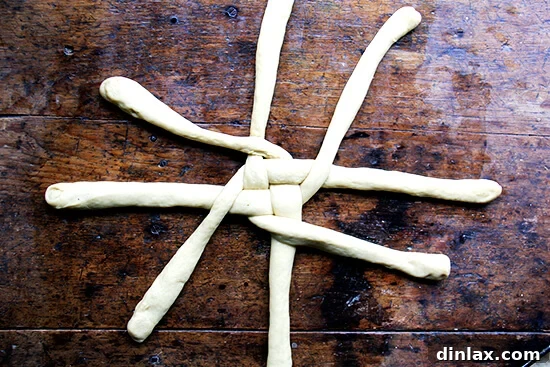
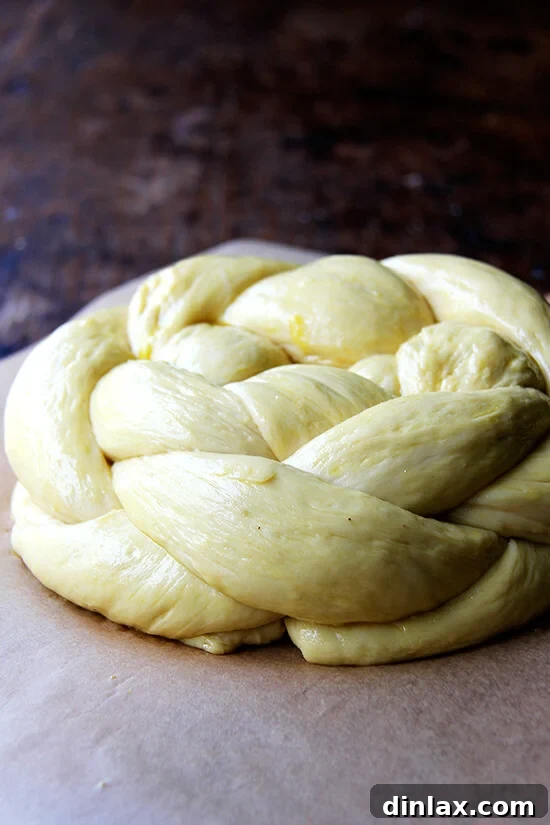
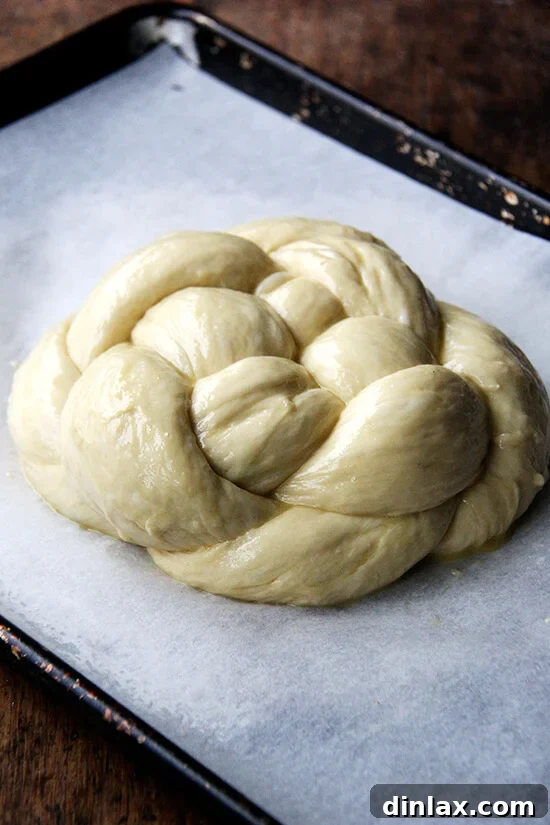
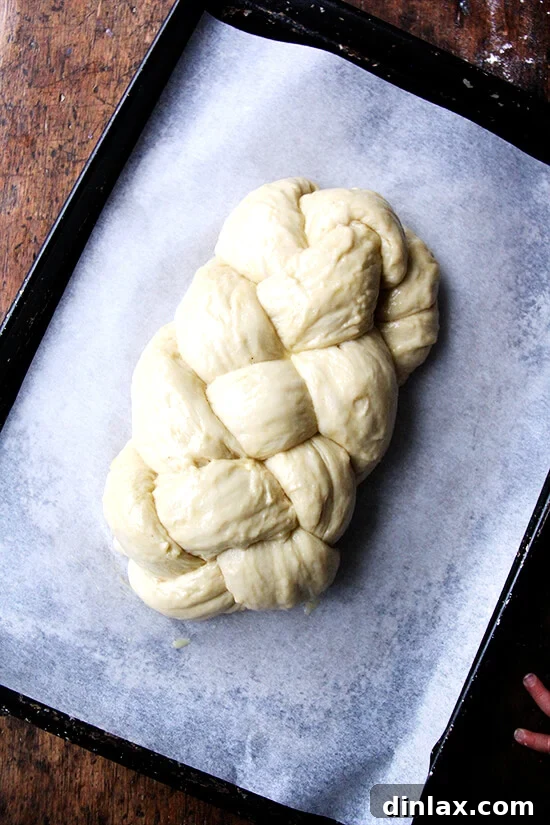
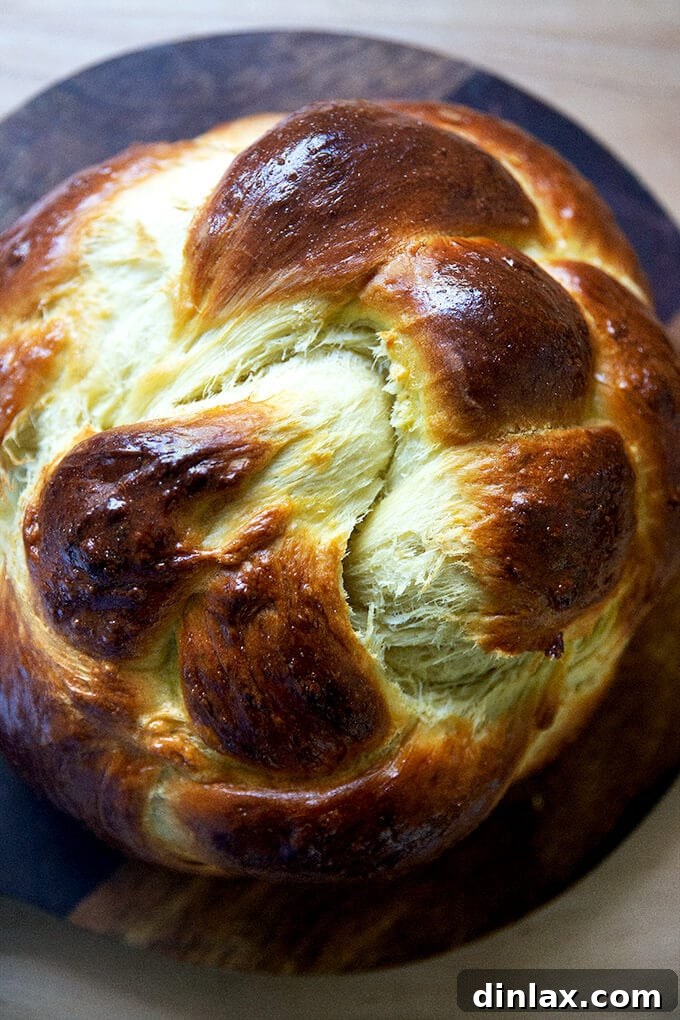
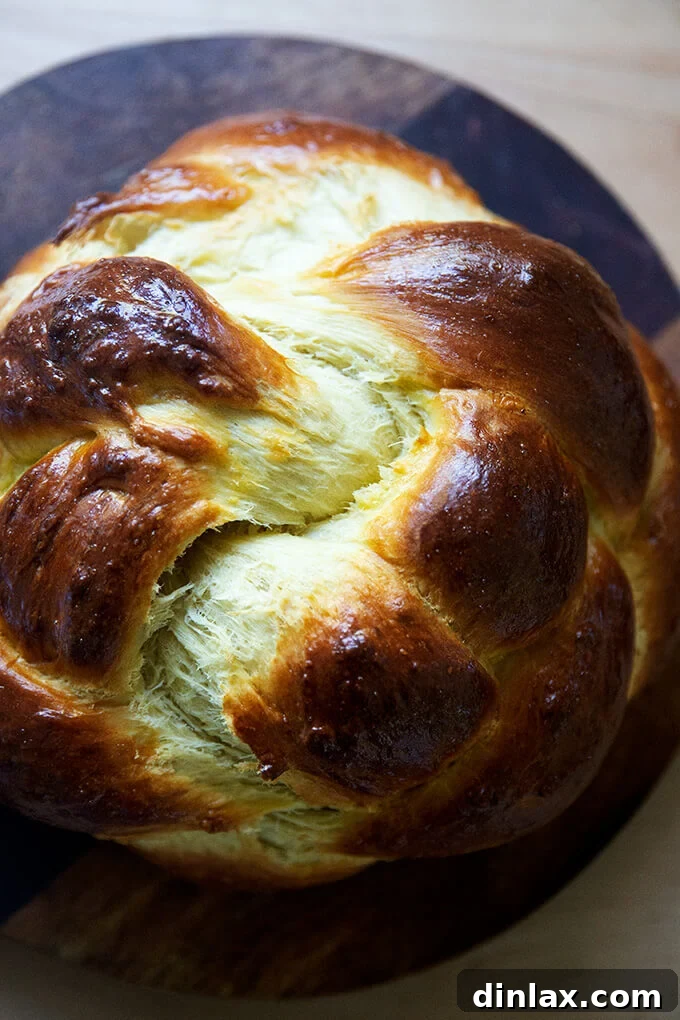
While my shaping skills have certainly improved over time, Holly’s original creations always seemed to possess an extra touch of artisanal beauty:
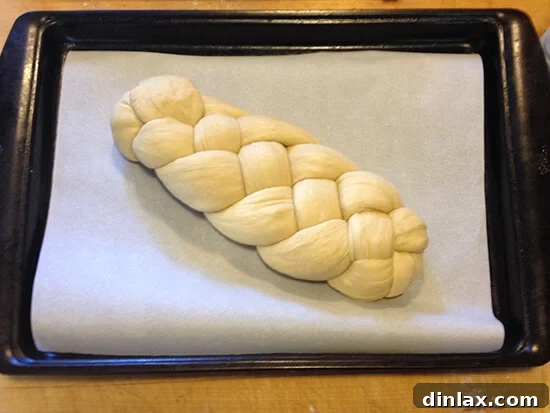
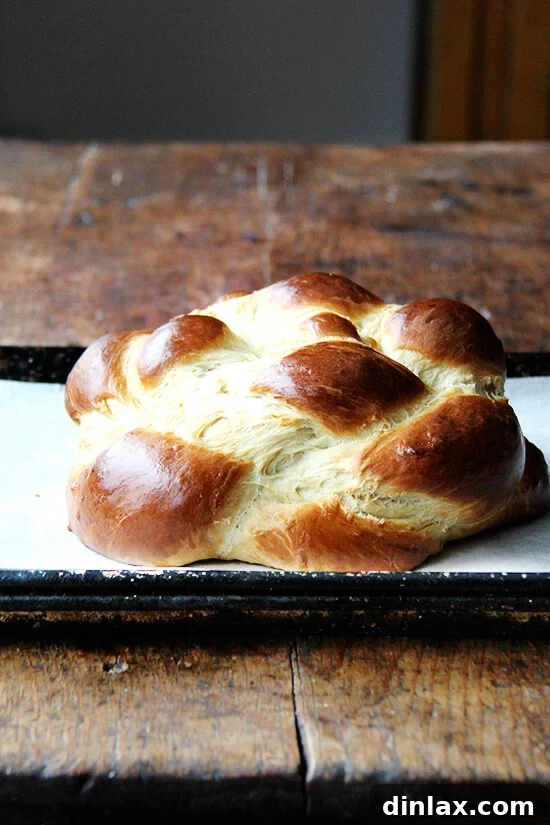
Despite the aesthetic appeal of the circular shape – which is undoubtedly beautiful for special occasions – I often find myself leaning towards the more traditional 3 or 4-strand braided Challah. Its structure lends itself perfectly to slicing, making it ideal for everyday toast and, of course, the legendary **Challah French toast**. However, the circular shape undeniably adds a touch of elegance to any table, proving the versatility of this **easy Challah recipe**.
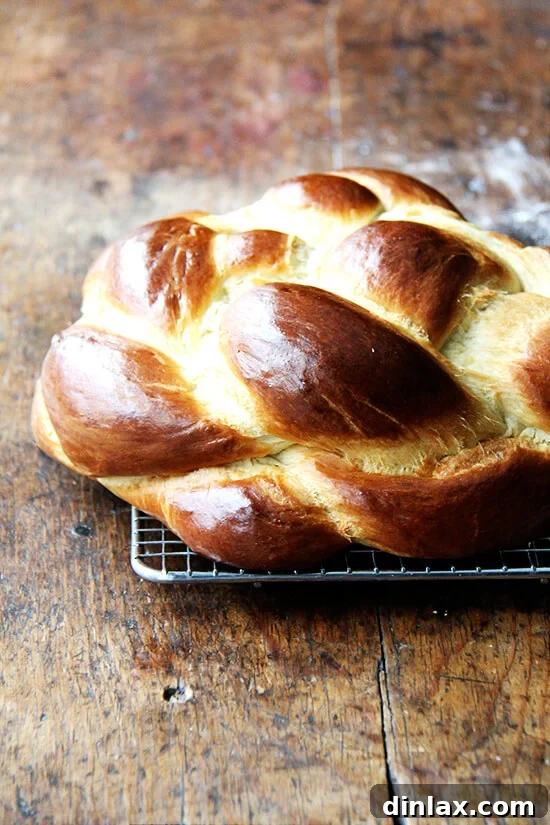
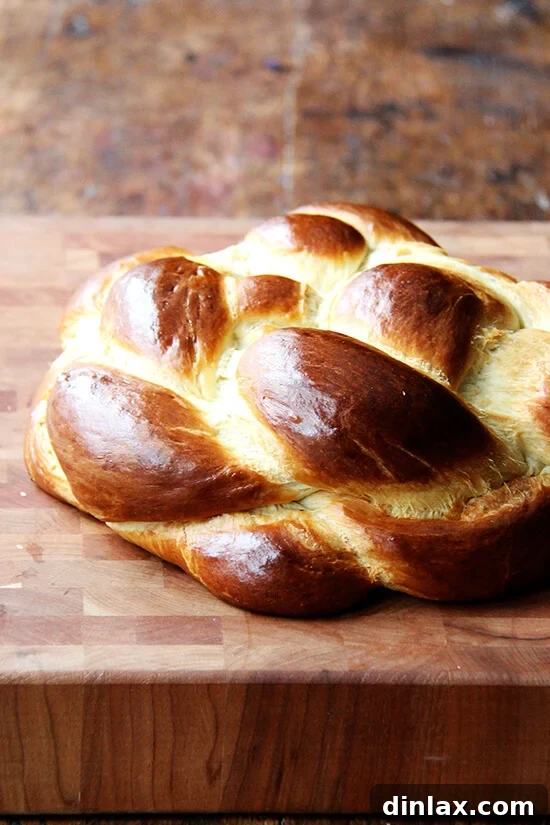
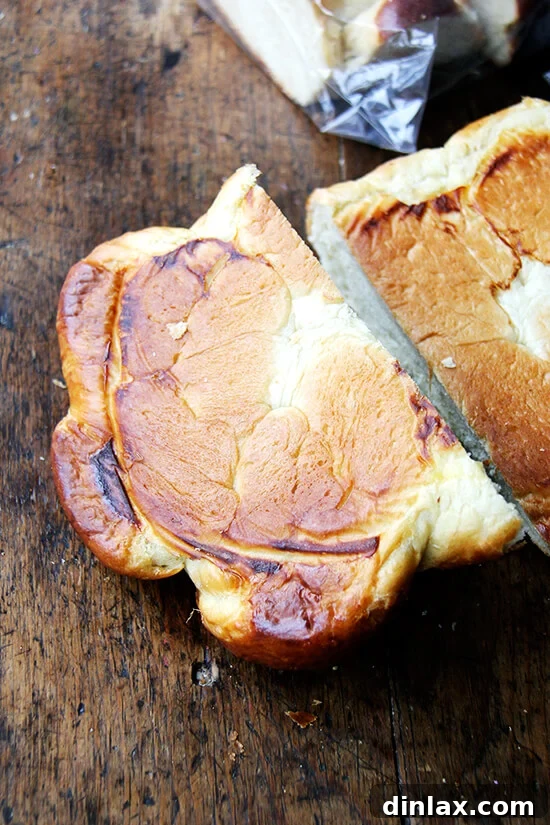
Remember that invaluable tip for preventing over-browned bottoms? Here’s the proof of its magic:
The Ultimate Day-Old Challah Transformation: French Toast Perfection
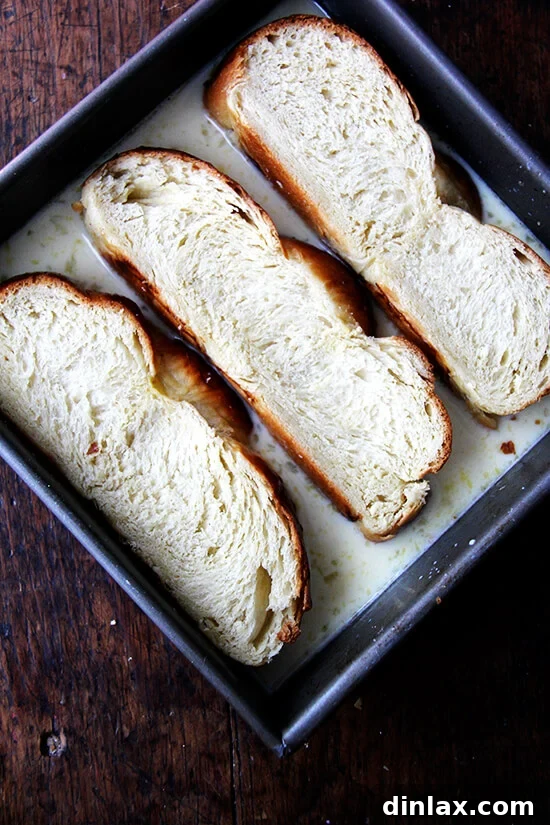
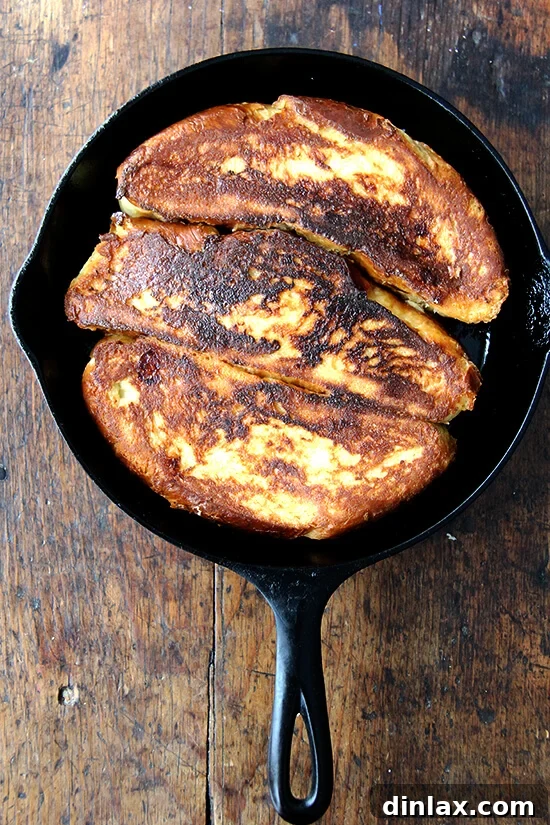
While fresh Challah, still warm from the oven, is an undeniable delight, its magic truly extends into the next day. A day-old Challah loaf takes on a new character, firming up just enough to become the perfect canvas for something truly spectacular: **Challah French toast**. The rich, slightly sweet, and incredibly tender crumb of Challah absorbs the custard base like no other bread, creating a French toast that is unparalleled in its richness and custardy texture.
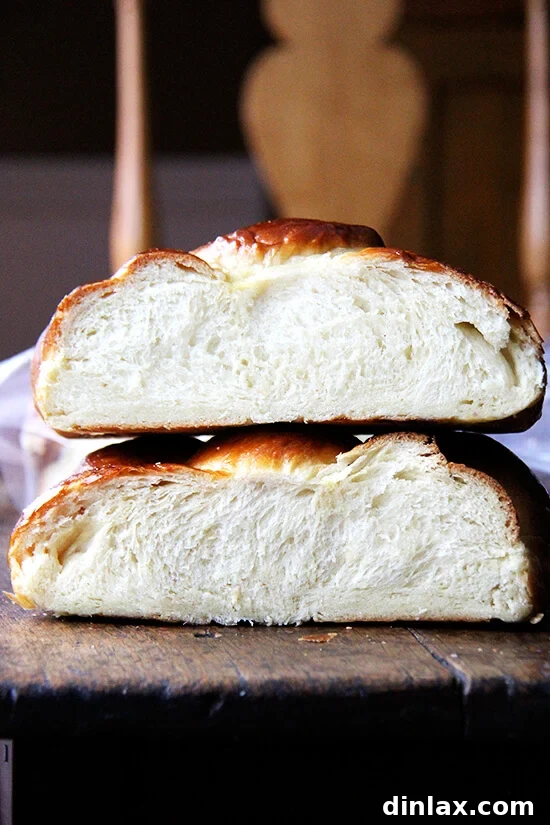
Have you ever considered the benefits of making a double batch of this **easy Challah recipe**? Beyond having more fresh bread to enjoy immediately, it guarantees you’ll have plenty of leftovers to experience this ultimate breakfast indulgence. Freezing an extra loaf is also a fantastic idea for those busy mornings when you crave a taste of homemade comfort without the effort.
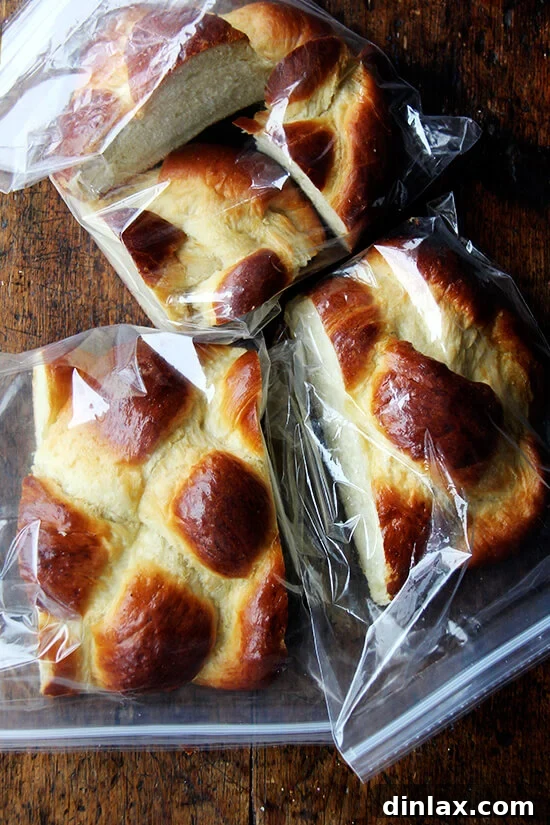
Yes, French toast is indeed the answer! The secret to truly exceptional **Challah French toast** lies not just in the bread itself, but often in a little preparation. I highly recommend slicing your day-old Challah and allowing the slices to dry out overnight. This slight dehydration prevents the bread from becoming soggy when soaked in the custard, ensuring a beautifully crisp exterior and a tender, custardy interior when cooked.
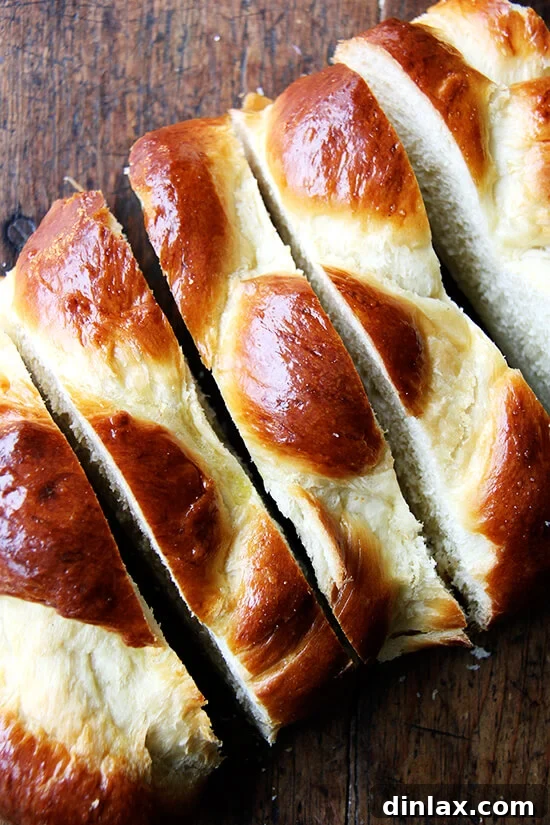
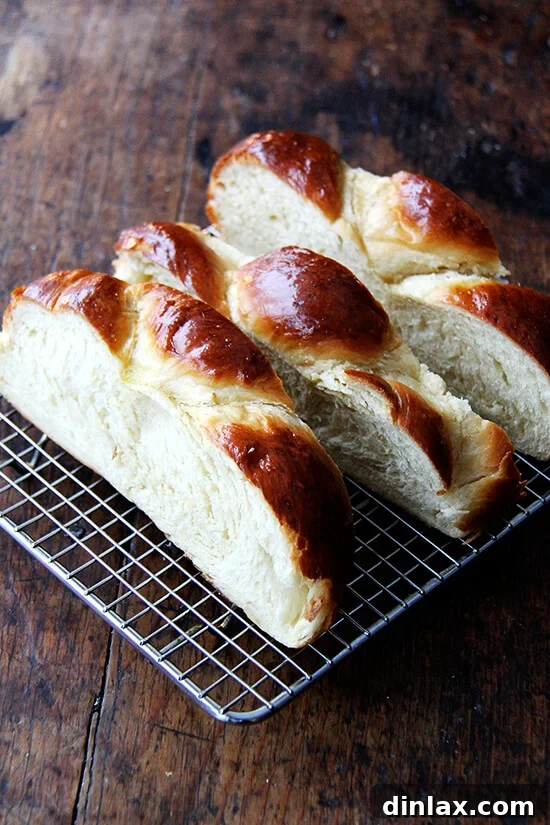
While I adore the **Tartine recipe for baked French toast**, which famously calls for a generous amount of lemon zest and eschews cinnamon, traditional pan-fried methods also yield fantastic results with Challah. The subtle sweetness and rich texture of the bread truly shine through. I can also envision the overnight French toast method being utterly delicious with this versatile bread, allowing ample time for the Challah to soak up all the flavorful custard, promising an even more indulgent breakfast experience. Whatever your preference, Holly’s Challah is your ticket to the most exquisite French toast imaginable.
Print Recipe
Holly’s Signature Challah Bread Recipe
5 Stars 4 Stars 3 Stars 2 Stars 1 Star
5 from 104 reviews
Author: Alexandra Stafford
Total Time: 3 hours 30 minutes
Yield: 1 generous loaf 1x
Description of this Easy Challah Recipe
This remarkable **Challah bread recipe**, originally shared by a rabbi’s wife and taught to me by my friend Holly, is surprisingly straightforward and consistently yields a light, airy loaf with a beautiful golden crust. It’s a true family favorite and perfect for beginners.
The recipe easily doubles if you want to make an extra loaf for freezing or for delicious **Challah French toast**. Store baked Challah in a sealed ziplock bag on the counter for several days, or freeze for longer preservation.
Key Tips for Perfect Homemade Challah:
- For added depth of flavor and nutrition, feel free to substitute at least one cup of the all-purpose flour with whole wheat or white whole wheat flour. Holly often incorporates this variation.
- Achieving the perfect lukewarm water temperature is simple: combine ¼ cup of boiling water with ¾ cup of cold water. This creates an ideal environment for yeast activation.
- To create a warm, draft-free spot for your dough to rise – crucial for optimal fermentation – **heat your oven for precisely 1 minute, then turn it off.** The exact temperature setting isn’t as important as the brief warmth it provides. This creates a cozy proofing environment.
- Applying a double egg wash (once after shaping, again just before baking) ensures a stunning, deeply golden, and shiny finish on your Challah.
- **The double sheet pan trick:** To prevent the bottom of your Challah from over-browning or burning, place your baking sheet with the Challah on top of another empty baking sheet. This acts as an insulator and promotes even cooking.
- For visual guidance on shaping, the full video at the top of this post and the separate shaping video (and accompanying images) provide clear instructions for both traditional and round Challah loaves. YouTube also offers a wealth of additional braiding tutorials.
Ingredients for Holly’s Challah
- 4 to 5 cups (510 g to 620 g) all-purpose or bread flour (can use up to 1 cup whole wheat flour)
- 1 package or 2¼ teaspoons (8 g) instant yeast
- 1 cup (236 g) lukewarm water (achieved by mixing 1/4 cup boiling water and ¾ cup cold water)
- 1 tablespoon (10 g) kosher salt
- ¼ cup (84 g) honey
- ½ cup (112 g) safflower oil or other neutral oil (like canola, grapeseed, or vegetable oil)
- 2 large eggs
For the Egg wash:
- 1 large egg, lightly beaten with 1 teaspoon water
- Poppy seeds, sesame seeds, or other decorative sprinkles (optional, for topping)
Step-by-Step Instructions for Homemade Challah
- Prepare the Sponge: In a large mixing bowl, whisk together one cup (128 g) of the measured flour with the instant yeast. Stir in the 1 cup of lukewarm water until the mixture is completely smooth and free of lumps. Cover the bowl with plastic wrap or a clean dish towel and let it rise in a warm spot for about 45 minutes, or until the sponge is noticeably puffy, bubbly, and alive. This step is crucial for activating the yeast and developing flavor.
- Mix and Knead the Dough: Directly into the bowl containing the activated sponge, add the kosher salt, honey, oil, and the two eggs. Stir everything thoroughly with a spatula or wooden spoon until all ingredients are well combined. Gradually add the remaining three cups (384 g) of flour, stirring until a sticky, shaggy dough forms. If the dough seems too sticky to handle, add a bit more flour, one tablespoon at a time, until it’s manageable. Turn the dough out onto a lightly floured work surface. Knead the dough by hand for just one to two minutes until it becomes smooth, elastic, and no longer excessively sticky. Transfer the kneaded dough to a lightly oiled clean bowl, turning it once to coat, then cover it tightly with plastic wrap or a dish towel. Let it rise in a warm, draft-free spot (like a turned-off oven heated for one minute) until it has doubled in bulk, which typically takes one to two hours or longer, depending on your kitchen’s temperature. (Pro Tip: You can prepare the dough up to this point, punch it down gently, and then refrigerate it overnight for a slower, richer rise and convenient morning baking.)
- Shape the Loaf: Once the dough has doubled, gently punch it down to release the air. Divide the dough into three or four equal portions, depending on your desired braid or shape. Roll each portion into a smooth ball and let them rest for 10-15 minutes – this relaxes the gluten and makes shaping easier. Roll each ball into a long, even rope (aim for at least 12 inches in length for a 4-braided Challah). Braid the ropes into your desired shape (refer to the video and images above for guidance on round and traditional braids). Carefully transfer the shaped loaf onto a baking sheet lined with parchment paper or lightly greased.
- Second Rise & Preheat Oven: Once shaped, brush the entire surface of the loaf generously with the first layer of egg wash. Let the braided loaf rise for another 30 minutes on the prepared baking sheet. Meanwhile, preheat your oven to 350ºF (175ºC). Remember the “double sheet pan” trick: just before baking, place another empty baking sheet directly underneath the one holding your Challah. This will provide crucial insulation, preventing the bottom of your beautiful Challah from burning and ensuring even browning.
- Bake to Golden Perfection: Just before placing it in the oven, brush the loaf one more time with the remaining egg wash. If desired, sprinkle generously with poppy seeds, sesame seeds, or other toppings for an extra touch of flavor and visual appeal. Bake for 45 to 50 minutes. Start checking for doneness after 40 minutes – the Challah should be deeply golden brown on top and sound hollow when tapped on the bottom. If it’s browning too quickly, you can loosely tent it with foil. Once baked, remove from the oven and transfer to a wire rack to cool completely before slicing. Slicing too early can compromise the texture of the crumb. Enjoy your magnificent **homemade Challah bread**!
- Prep Time: 20 minutes
- Cook Time: 45-50 minutes
- Category: Bread, Baking
- Method: Yeast-Risen, Hand-Kneaded
- Cuisine: Jewish, Global