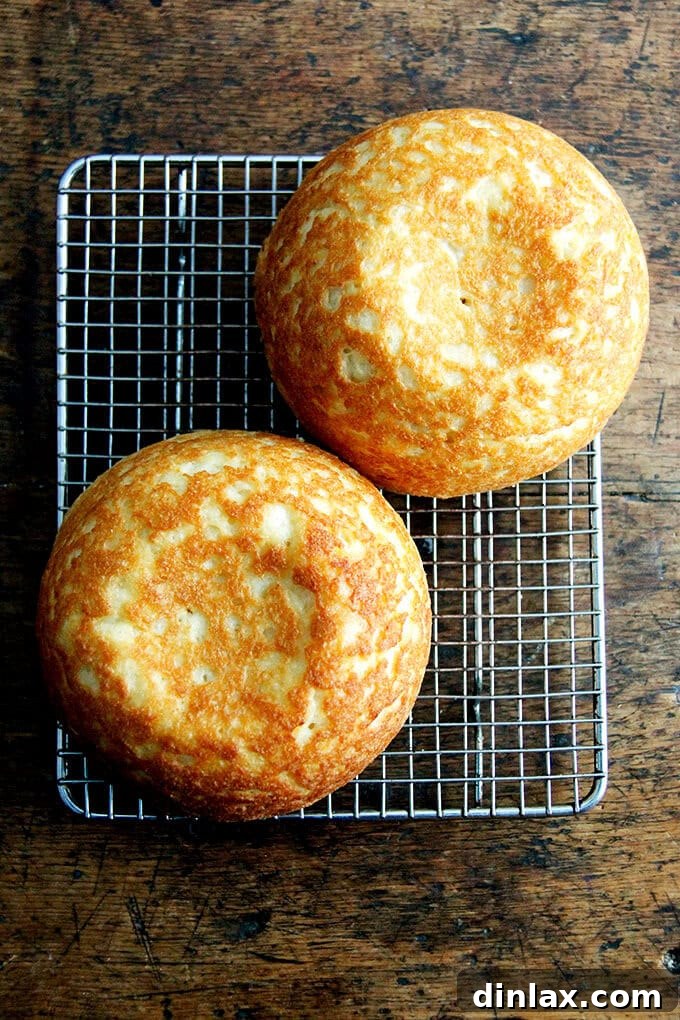
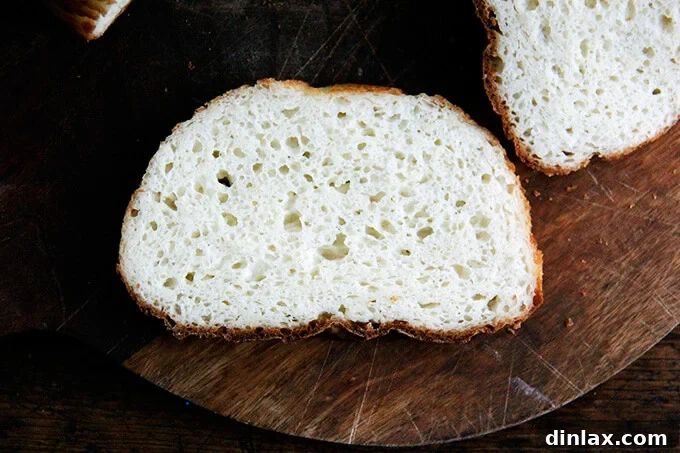
Discover the ultimate gluten-free peasant bread recipe that redefines expectations. Say goodbye to crumbly, dry gluten-free loaves and hello to a soft, spongy, and incredibly moist bread that holds its shape beautifully. This recipe isn’t just for those following a gluten-free diet; its exceptional texture and flavor have garnered rave reviews from all bread enthusiasts. Straight from my highly acclaimed cookbook, Bread Toast Crumbs, this recipe brings the joy of homemade bread back to every table.
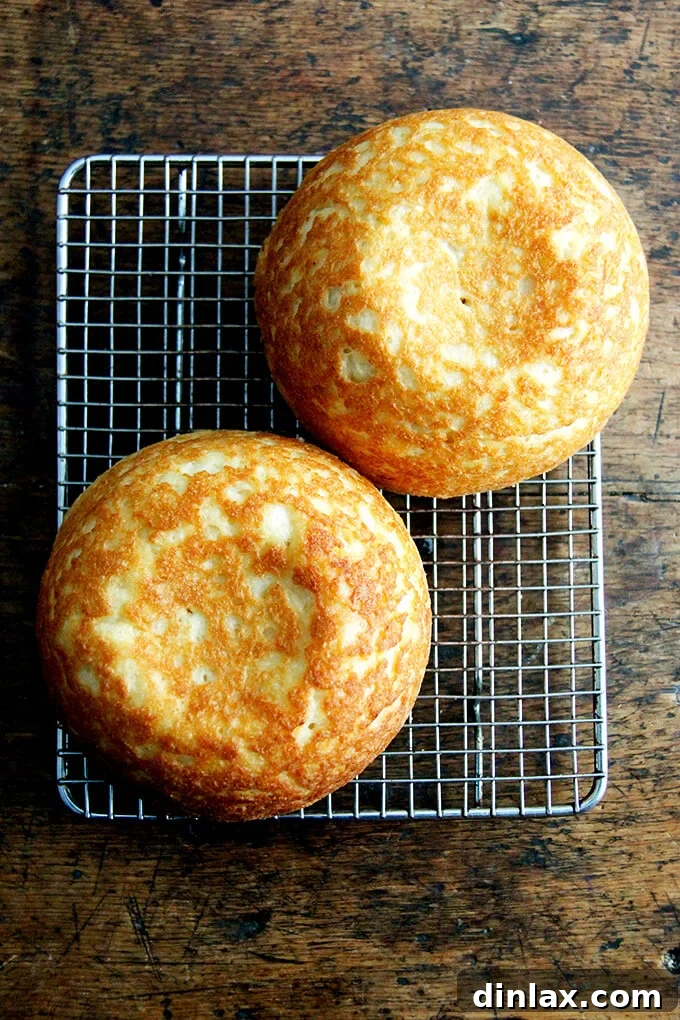
For years, the most frequent inquiry echoing through my blog has been a poignant one: “Can your beloved peasant bread be made gluten-free?” This question resonates deeply with many, as countless individuals, be they friends, family, or colleagues, have faced the life-altering diagnosis of Celiac disease or gluten sensitivity. For these individuals, the simple pleasure of biting into a warm, crusty slice of bread became a distant memory, replaced by a constant search for palatable alternatives that often fell short. The desire to offer a truly satisfying, homemade gluten-free bread to loved ones is a common thread that connects us, a yearning to restore a sense of normalcy and comfort to their dining experiences.
This very challenge presented itself to my own mother just a few months ago. As she meticulously planned for the arrival of her brother-in-law, who had recently embarked on a strict gluten-free diet, a wave of panic washed over her. The thought of a dinner table devoid of warm, freshly baked bread was unimaginable. She reached out, hopeful, asking if I had ever successfully adapted the classic peasant bread recipe to be gluten-free. My answer, much like it had been to countless others, was a regretful “no, not yet.” This moment, however, served as a powerful catalyst. It was clear it was time to dedicate earnest effort to crafting a gluten-free version that would truly impress. While a respectable loaf didn’t materialize before my uncle’s visit, the determination paid off, and a truly remarkable gluten-free peasant bread was born.
Gluten-Free Bread Baking Tips for Success
Baking gluten-free bread can often feel like navigating a culinary minefield. Gluten, the protein network found in wheat, is what gives traditional bread its elasticity, chew, and ability to hold gases from yeast, resulting in that delightful airy texture. Without it, doughs can be dense, crumbly, and unwilling to rise. However, with the right techniques and ingredients, achieving a glorious gluten-free loaf is not only possible but entirely enjoyable. Here are key principles that guided the development of this recipe and will ensure your success:
- Utilize Xanthan Gum for Structure: When working with gluten-free flours, a binder is crucial to mimic gluten’s structure. Xanthan gum is your secret weapon. For every cup of gluten-free flour (approximately 128 grams), incorporate about a teaspoon of xanthan gum. This powerful additive creates a network similar to gluten, providing elasticity and preventing the bread from becoming too crumbly. If your chosen gluten-free flour blend already contains xanthan gum, you can omit adding extra, or reduce the amount to avoid a gummy texture.
- Incorporate Eggs for Moisture and Bind: Eggs play a multifaceted role in gluten-free baking. For every two cups of gluten-free flour, one egg is typically recommended. They contribute to the bread’s structure, help bind the ingredients, and add essential moisture and richness, yielding a softer, more palatable crumb. The protein in eggs helps to create a stable batter, allowing it to trap the gases produced by the yeast more effectively.
- Increase Yeast Proportionally: Since gluten-free flours lack the natural elastic network of wheat flour, they require a bit more help to achieve a light and airy texture. Proportionally increasing the amount of yeast slightly encourages a more vigorous rise. This extra lift helps to create those desirable air pockets, preventing the bread from becoming overly dense. Ensure your yeast is fresh and active for the best results.
- Choose High-Quality Gluten-Free Flour Mixes: Not all gluten-free flour mixes are created equal. The quality and composition of your chosen blend significantly impact the final outcome. Opt for high-quality, reliable brands such as Cup4Cup or King Arthur Flour. These blends are expertly formulated with a combination of different gluten-free flours (like rice flour, tapioca starch, potato starch) that work in harmony to replicate the properties of wheat flour. Remember, different gluten-free flours absorb liquids at varying rates. It’s crucial to pay close attention to the dough’s consistency, as detailed in the recipe notes, and adjust the liquid content as needed. This flexibility is key to mastering gluten-free bread baking.
Print Recipe
Gluten-Free Peasant Bread Recipe
4.9 from 130 reviews
- Author: Alexandra Stafford
- Total Time: 2 hours
- Yield: 2 loaves
Description
This recipe comes from my cookbook, Bread Toast Crumbs.
Precision with a Digital Scale: For best results, utilize a digital scale. Precision is paramount in gluten-free baking, and measuring ingredients by weight (grams) rather than by volume (cups) ensures accuracy, especially with gluten-free flours which can vary greatly in density.
Adjusting Liquid for Gluten-Free Flours: It is important to note that if you are using a different brand of gluten-free flour, you may not need all of the liquid specified. Because all gluten-free flours and mixes absorb water at different rates, you may find your dough to be much more liquidy or stiffer than mine – this variability is typically due to the specific flour blend. This is what I suggest: add the liquid a little bit at a time, mixing with a spatula to combine. Reference the video to see what the dough should look like as far as texture goes to achieve the ideal consistency.
Loaf Pan Option: While this recipe traditionally uses two 1-quart Pyrex bowls for baking, don’t fret if you don’t have them. A reader recently shared that she successfully bakes the entire batter in a single 9×5-inch loaf pan. This confirms that a standard loaf pan is a perfectly viable option if you prefer or if 1-quart bowls are unavailable.
Ingredients
- 4 cups (500 g) gluten-free flour—my favorite is Cup4Cup, see notes above if using a different type of gluten-free flour
- 2 teaspoons (10 g) kosher salt
- 2 1/4 teaspoons (8 g) instant yeast
- 2 cups (455 g) lukewarm water
- 2 tablespoons (42 g) honey
- 2 eggs lightly beaten
- 2 tablespoons (28 g) olive oil or grapeseed or other neutral oil
- 1 teaspoon (4 g) white wine or cider vinegar
- softened unsalted butter for greasing
Instructions
- In a large bowl, whisk together the precisely measured gluten-free flour, kosher salt, and instant yeast. In a separate, medium-sized bowl, gently warm the water to a lukewarm temperature – not too hot to kill the yeast, nor too cold to inhibit its activation. Dissolve the honey into the warm water, stirring until fully incorporated. Next, add the lightly beaten eggs, olive oil (or your chosen neutral oil like grapeseed), and the touch of white wine or cider vinegar to the wet mixture. The vinegar adds a subtle acidity that aids in yeast activity and contributes to a finer crumb. Pour the combined wet ingredients into the dry mixture. Using a sturdy spatula, mix thoroughly until a smooth, cohesive batter forms. As noted previously, be mindful of your specific gluten-free flour blend and adjust liquid if necessary to achieve the desired consistency.
- Prepare your baking vessels by generously greasing two 1-quart oven-safe bowls with softened unsalted butter. Alternatively, if using the loaf pan option, ensure your 9×5-inch pan is equally well-greased. Divide the prepared dough evenly between the two bowls. To achieve a smooth, professional-looking surface, gently wet your hands and smooth the tops of the dough in each bowl. Now comes the crucial rising stage. Place the bowls in a warm, draft-free environment. This is where patience is key. Allow the dough to rise for approximately 30 to 45 minutes, or until the top of the dough just crowns the rims of the bowls. Depending on the ambient temperature of your kitchen, this process could take up to 2 hours. Do not rush it; a proper rise is essential for a light texture. Midway through the rising period, position an oven rack in the center and preheat your oven to a robust 425 degrees Fahrenheit (220 degrees Celsius).
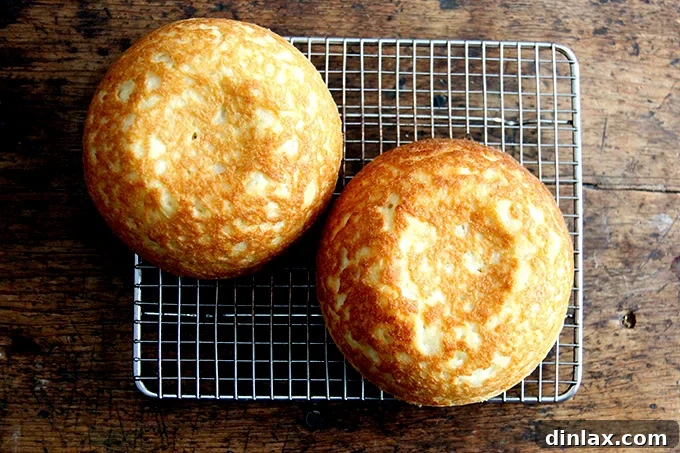
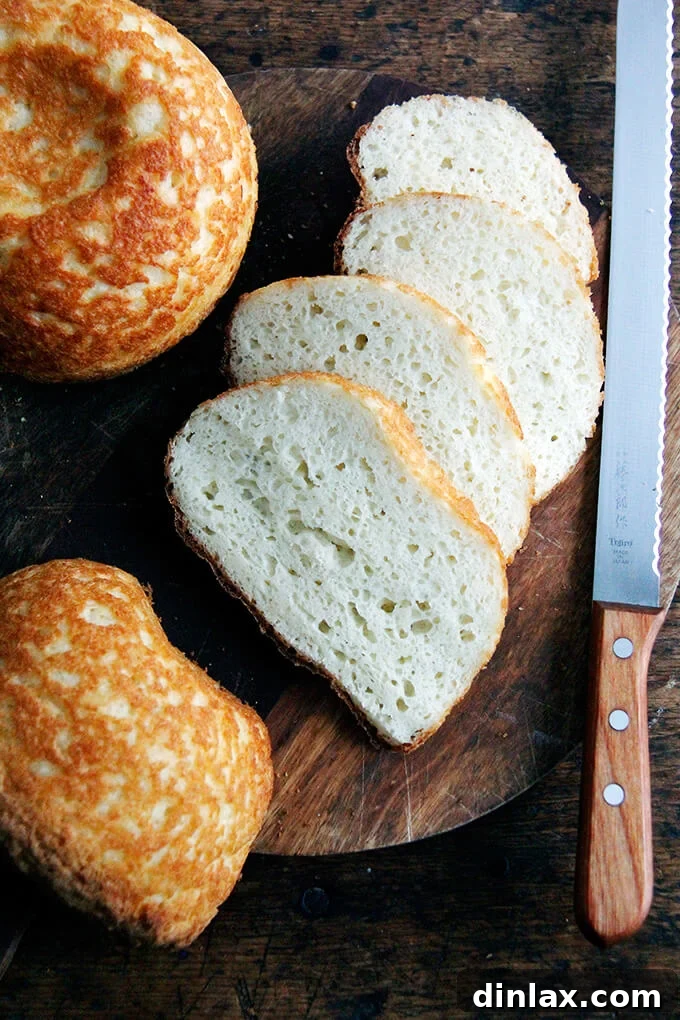
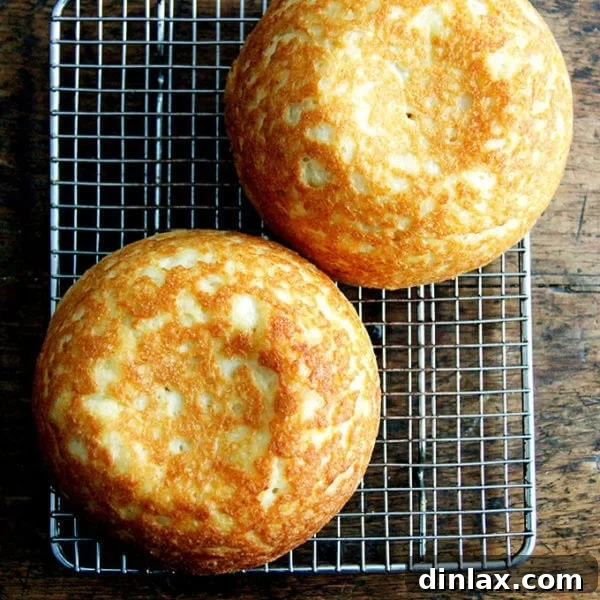
- Once the dough has achieved its optimal rise, carefully transfer the bowls into the preheated oven. Bake at 425 degrees F for an initial 15 minutes. This high initial heat provides a burst of energy for the final rise and helps create a lovely crust. After 15 minutes, reduce the oven temperature to 375 degrees F (190 degrees Celsius) and continue baking for another 17 to 20 minutes, or until the loaves are beautifully golden brown all around and sound hollow when tapped on the bottom. Promptly remove the bowls from the oven and invert the warm loaves onto cooling racks. Resist the urge to slice immediately! Allowing the loaves to cool for at least 20 minutes (preferably longer) is vital. This cooling period allows the internal structure of the bread to set and prevents a gummy texture, ensuring perfect slices that hold their shape.
- Prep Time: 15 minutes
- Cook Time: 40 minutes
- Category: Bread
- Method: Bake
- Cuisine: Gluten-Free
This exquisite gluten-free peasant bread is wonderfully versatile. Serve warm with a slather of butter, alongside a hearty soup or stew, or as the foundation for gourmet sandwiches. It toasts beautifully, making it perfect for breakfast with jam or avocado. To maintain its freshness, store the cooled loaves in an airtight container at room temperature for up to 3-4 days, or slice and freeze for longer preservation. Simply thaw and toast individual slices as desired for a quick and delicious treat.
Baking homemade gluten-free bread can transform dining experiences for those with dietary restrictions, and this peasant bread recipe truly stands out. With its outstanding texture, rich flavor, and straightforward process, it’s destined to become a staple in your kitchen. No longer do you have to compromise on taste or quality when it comes to gluten-free baking. Dive in, follow these tips, and prepare to enjoy the best gluten-free bread you’ve ever tasted!