Discovering Fall 2019’s Most Flavorful Cookbooks: A Culinary Journey Through Spice
As the leaves began to change and the crisp autumn air settled in earlier this fall, I embarked on an exciting culinary exploration alongside the esteemed Margaret Roach. Our annual tradition of poring over new cookbook releases led us to the inviting tables of HGS Home Chef. Amidst the promising stacks of new titles, a distinct and exhilarating theme emerged: the vibrant world of spice. It became clear that the season’s most compelling cookbooks were united by their dedication to elevating dishes through aromatic seasonings, offering a fresh perspective on global flavors and cooking techniques.
This year, our deep dive into the culinary landscape is specifically focused on these spice-centric treasures. Each book promises to transform your kitchen experience, infusing everyday meals with exciting new dimensions of taste and aroma. From the sun-drenched kitchens of Tel Aviv to the bustling streets of Seoul, the comforting homes of Japan, and the vibrant Tex-Mex tables, these five cookbooks are not just collections of recipes; they are invitations to embark on a flavorful adventure. We explored four of these fascinating titles in our detailed cookbook chat, with the fifth, *Amá*, being a delightful discovery that perfectly complements our theme.
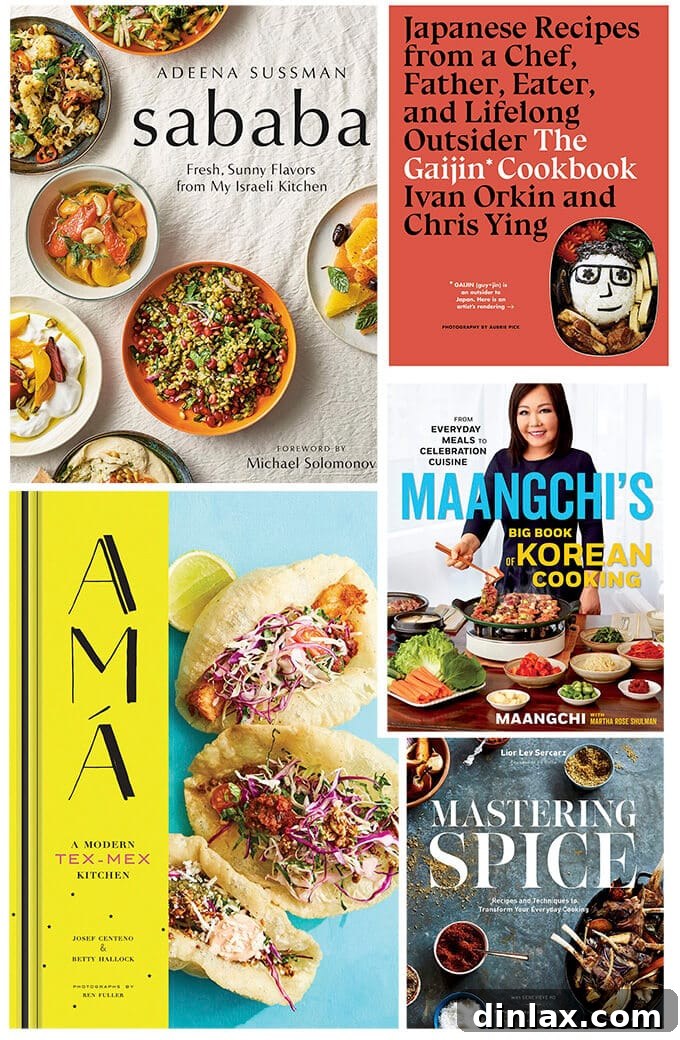
Here are the five extraordinary cookbooks that have captivated our attention and promise to bring an explosion of flavor to your table:
- Sababa by Adeena Sussman
- The Gaijin Cookbook by Ivan Orkin and Chris Yin
- Mastering Spice by Lior Lev Sercarz
- Maangchi’s Big Book of Korean Cooking by Maangchi
- Amá by Josef Centeno and Betty Hallock
Thanks to the inspiring recipes and insightful narratives within these new publications, my kitchen has been buzzing with new aromas and exciting flavors. I’ve savored everything from a vibrant, herby tahini sauce paired with perfectly roasted harissa Brussels sprouts to comforting stir-fried udon with tender cabbage. The delights continued with savory japchae featuring earthy mushrooms and fresh scallions, and roasted vegetables elevated by the warm notes of fennel and sumac. For a sweet treat, I’ve indulged in tahini blondies, their rich flavor deepened by toasted sesame seeds and fragrant cardamom. These dishes are just a glimpse of the culinary wonders these books have unlocked.
Beyond the sheer enjoyment of cooking from each of these magnificent cookbooks, I have found immense pleasure in simply reading them. The personal stories, cultural insights, and culinary philosophies shared by the authors are truly captivating, transforming each book into a journey that extends far beyond the plate. Each author offers a unique window into their world, making these volumes not just recipe guides but treasured narratives. Below, I offer a brief review of each, inviting you to discover the rich tapestry of flavors and stories they hold.
For an even deeper dive and to hear our lively discussion, you can listen to my complete chat with A Way to Garden’s Margaret Roach here.
Maangchi’s Big Book of Korean Cooking: An Encyclopedic Journey into Authentic Korean Flavors
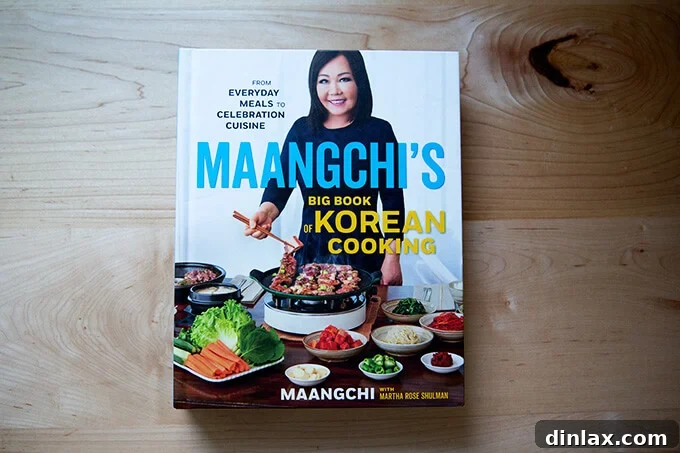
For many, the name Maangchi instantly conjures images of her incredibly popular and accessible YouTube videos, which have demystified Korean cooking for millions worldwide. However, in the insightful introduction to Maangchi’s Big Book of Korean Cooking, Maangchi herself acknowledges that while videos are superb for demonstrating intricate techniques, they often fall short in illustrating the broader context of how individual recipes coalesce to form a comprehensive cuisine. This is precisely where *MBBKC* shines, presenting itself as an indispensable, encyclopedic guide to Korean culinary traditions.
This book is a treasure trove, offering a comprehensive pathway into Korean cooking. It meticulously covers everything from essential shopping tips and stocking a proper Korean pantry to an extensive collection of recipes that span the entire spectrum of the cuisine. Readers will discover delightful banchan (the small, often vegetable-based side dishes that accompany nearly every Korean meal), vibrant street food favorites, and convenient one-bowl meals perfect for busy weeknights. A particularly fascinating chapter is dedicated to the array of vegan recipes Maangchi learned during a visit with a group of nuns at a Buddhist temple nestled in the mountains, highlighting the diverse influences within Korean food culture.
Maangchi’s engaging personality and warmth translate beautifully onto the page. I particularly adore her philosophy on plating: she eschews the minimalist approach of tiny portions on small plates, instead advocating for the “mountain” style. This method involves artfully heaping ingredients into a large, gently sloping mound, a presentation she explains reflects one of her culture’s most cherished values: generosity. This approach not only makes the food look inviting but also encourages communal sharing and abundance, central to Korean dining.
Inspired by her book, I recently prepared her recipe for japchae, a quintessential Korean dish made with translucent sweet potato starch noodles, an abundance of fresh vegetables, and the option to add meat. It was a revelation in textures and flavors, a testament to Maangchi’s clear instructions and authentic recipes. You can find my adaptation of the recipe, Vegetarian Japchae, on my blog, offering a delicious introduction to this beloved dish.
The Gaijin Cookbook: Unpacking the Everyday Charm of Japanese Home Cooking
The term “gaijin,” meaning foreigner or outsider, often carries an implication of “intruder” in Japanese culture. In the compelling introduction to The Gaijin Cookbook, co-authored by Ivan Orkin and Chris Ying, Ivan candidly shares his unique perspective. Despite living in Japan for nearly three decades, fluent in the language, having successfully launched two ramen shops in Tokyo, and raising three half-Japanese children, he recognizes he remains a gaijin. Yet, this outsider status has not diminished his profound love for Japan, its culture, and especially its food.
Ivan Orkin’s primary goal with The Gaijin Cookbook is to dismantle the pervasive misconception that all Japanese cuisine is inherently “precious and high-flying stuff.” He argues that Japanese food often receives an exaggerated reverence, overlooking its everyday versatility. As he insightfully points out, “a Japanese life encompasses the same range of situations as an American one.” Just like in any culture, there are busy weeknights demanding quick meals, ambitious weekends for culinary projects, picky eaters to satisfy, special occasions to celebrate, and the need for comforting food across all seasons and circumstances. For every moment, there’s a fitting Japanese dish.
This cookbook is not intended as a definitive manual for crafting flawless sushi or an exhaustive treatise on Japanese gastronomy. Instead, it offers a refreshing collection of recipes ranging from delightfully simple to more elaborate creations, such as homemade dumplings, dan dan noodles, or temaki (hand rolls). My personal favorite section is the chapter dedicated to Teishokuya, which Ivan thoughtfully likens to an American diner: a place offering honest, affordable, and unpretentious everyday Japanese food in its purest form. This focus on accessibility and comfort food is truly inspiring.
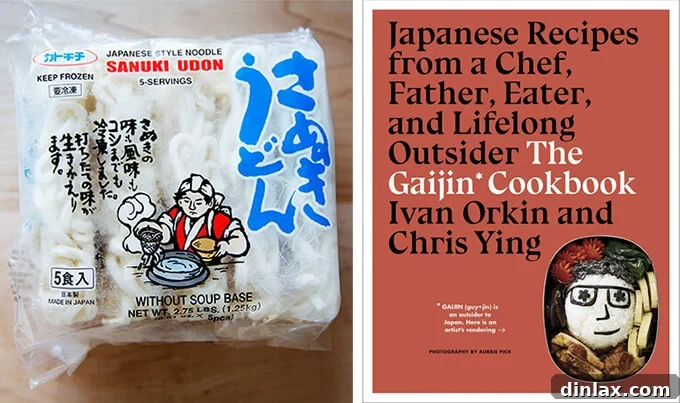
Thanks to this book, I’ve discovered the incredible convenience of stocking up on frozen udon noodles, visible in the image above. They are an absolute game-changer, especially since fresh udon can be challenging to source. I recently prepared the stir-fried udon with cabbage recipe, and it was a simple, incredibly satisfying meal. What I particularly appreciate about *The Gaijin Cookbook* is its smart reliance on a few core pantry staples. If you keep soy sauce, mirin, miso, and sake on hand, you’ll find yourself equipped to create a vast array of its delicious recipes, making authentic Japanese flavors remarkably attainable.
Final thought: Throughout the book, Ivan interweaves beautiful reflections on the profound lessons he has absorbed from Japanese culture, emphasizing values such as care for others, the importance of not impeding others, and the subtle art of “reading the air.” These intimate stories and observations enrich the cooking experience, making *The Gaijin Cookbook* not just a guide to Japanese food but a captivating cultural read.
Amá: A Modern Tex-Mex Kitchen – Reclaiming the Rich Heritage of a Regional Cuisine
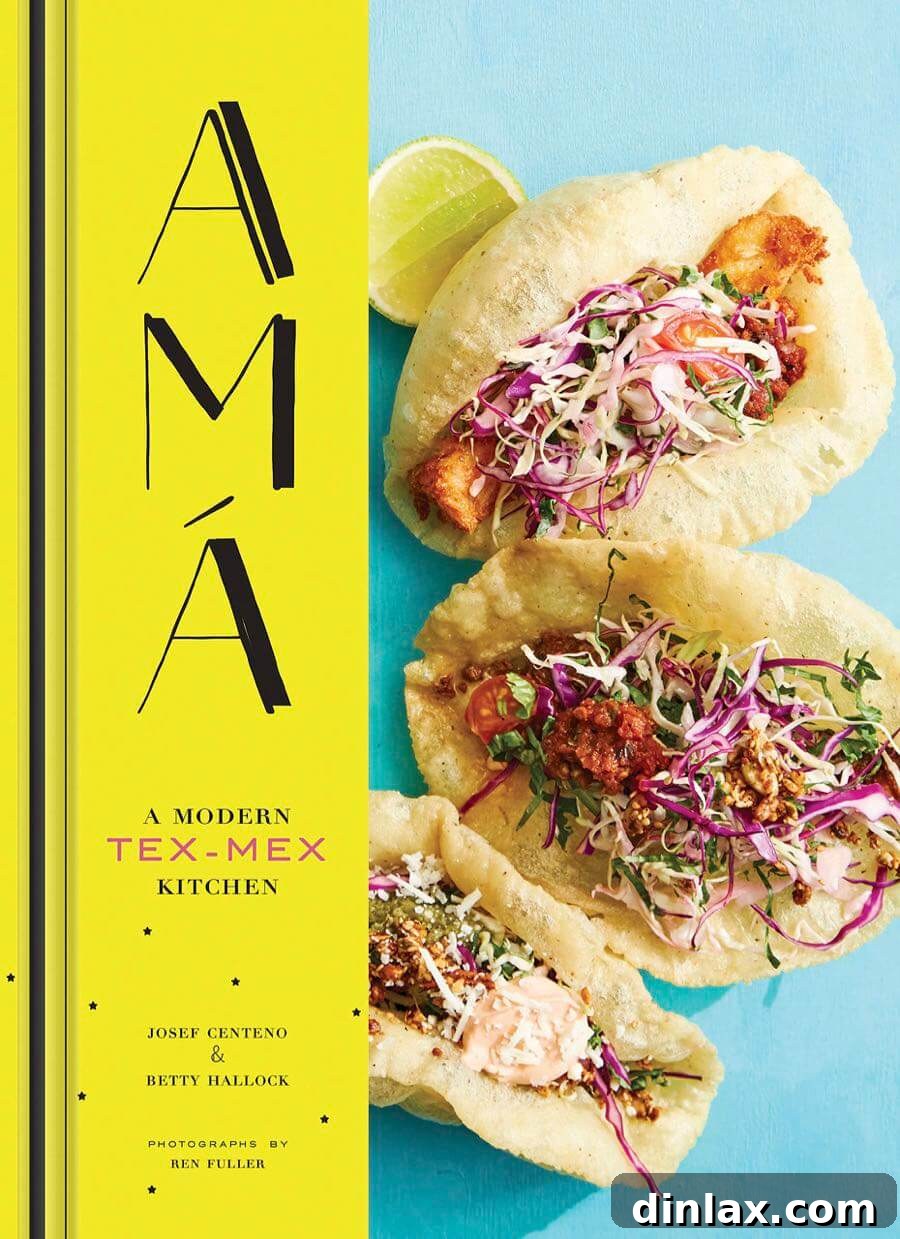
Amá: A Modern Tex-Mex Kitchen is more than a cookbook; it’s a deeply personal narrative that chronicles the culinary journey of Los Angeles chef Josef Centeno. Growing up in San Antonio, Texas, Josef initially sought to distance himself from the Tex-Mex cuisine of his childhood. In the book’s introduction, he recounts a period when he consciously “turned his back” on it, driven by aspirations to excel as a chef in different culinary landscapes.
His ambition led him far from home, first to New York City and then to various cities across the country, where he honed his skills in acclaimed Michelin 3-star kitchens, mastering French, Japanese, and Spanish cuisines. Yet, despite his successes in haute cuisine, the flavors and memories of Tex-Mex eventually called to him. Returning to San Antonio, he immersed himself in the local food scene, indulging in countless tacos and bowls of queso. However, he soon realized that even the popular, commercialized versions of Tex-Mex weren’t quite what he was truly seeking.
What Josef yearned for was the authentic food of his family, the dishes prepared by his Amá (his grandmother) – a Tex-Mex cuisine that predated and defied the “bastardized” modern interpretations. He describes the food he grew up with as “simple cooking that [isn’t] authentically Mexican but not the melted-cheese-topped stuff people usually talk about when describing Tex-Mex.” This distinction is crucial, revealing a more nuanced and sophisticated regional cuisine.
Contrary to popular belief, Tex-Mex can be remarkably vegetable-forward, with dishes extending far beyond the ubiquitous salsa and guacamole, embracing a diverse array of fresh produce. Moreover, genuine Tex-Mex doesn’t have to be overly fatty; it masterfully relies on a rich pantry of spices to impart deep flavor, rather than defaulting to the deep fryer or heavy dollops of queso and sour cream. Like any dynamic cuisine, Tex-Mex is constantly evolving and adapting, and Centeno champions this modern evolution while staying true to its roots.
While I haven’t yet cooked any recipes from *Amá*, I am immensely inspired by the promise of its fresh, bright, and deeply flavorful approach. High on my to-do list is a trip to stock up on a variety of dried chilies and authentic Mexican oregano to create the essential Amá spice mix – a foundational blend that weaves its way through many of the book’s tantalizing recipes. This book has opened my eyes to the true potential and diverse expressions of Tex-Mex, encouraging a thoughtful re-appraisal of this beloved regional cuisine.
Sababa: A Taste of Tel Aviv’s Vibrant, Accessible Kitchen
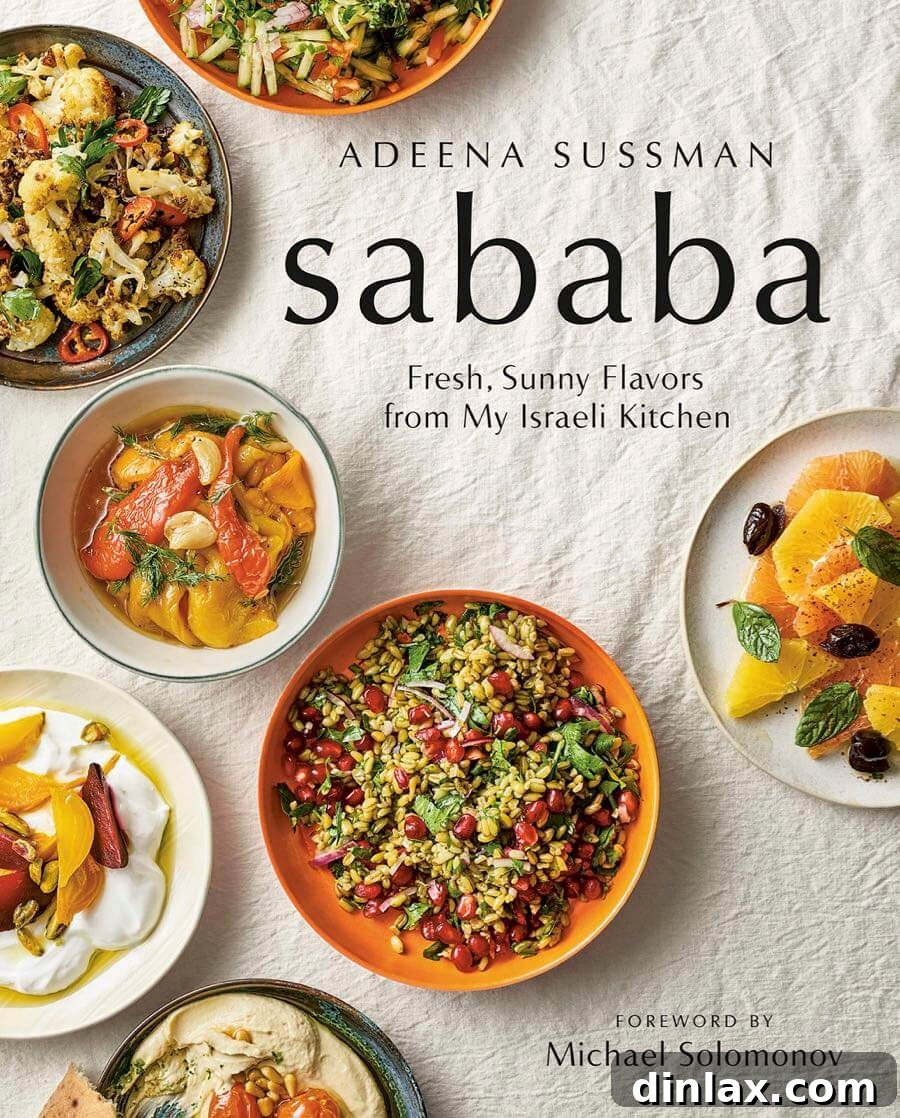
The Hebrew word “Sababa” translates to “everything is cool” or “it’s all good,” and this effortlessly relaxed and joyful sentiment permeates every page of Adeena Sussman’s exquisite cookbook, Sababa. From her cherished morning ritual of visiting the bustling Shuk HaCarmel, which she describes as her “constant companion” and an endless source of inspiration, to her culinary adventures at world-renowned restaurants famed for their hummus and falafel, Adeena offers a captivating and authentic glimpse into her dreamy Tel Aviv kitchen and lifestyle.
With *Sababa*, Adeena masterfully makes the vibrant, sun-kissed flavors of Israeli cuisine remarkably accessible to the home cook. She goes beyond mere recipes, providing invaluable resources for sourcing essential pantry staples. Even more thoughtfully, she includes recipes for homemade versions of ingredients or clever alternatives for those that might be difficult to find or create from scratch. For example, if pomegranate molasses isn’t readily available, she provides a simple 45-minute recipe using just pomegranate juice and honey. Similarly, if dried Persian limes are elusive, she suggests using a combination of lime zest and fresh lime juice – brilliant solutions that empower cooks to embrace these unique flavors without frustration.
I recently tried her foundational tahini sauce recipe, which proved to be incredibly delicious and versatile. I took it a step further by creating one of her suggested variations, puréeing the tahini with a generous amount of fresh parsley and cilantro, resulting in a bright, herbaceous concoction. Topped with her recommended harissa Brussels sprouts, which were perfectly spiced and tender, the combination was nothing short of divine. This layered approach to flavor, offering core recipes with adaptable variations, is something I anticipate revisiting frequently, as it allows for endless culinary creativity and personalized meals.
Sababa isn’t meant to be a comprehensive encyclopedia of Israeli food, but rather an intimate window into Adeena’s contemporary cooking style. Her approach is characterized by an abundant use of fresh, seasonal produce, a penchant for bright acidity, and a generous hand with herbs, spices, and toasted nuts. This light, vibrant, and flavor-packed style of cooking resonates deeply with my own culinary preferences, making *Sababa* a continuous source of inspiration for infusing everyday meals with the lively spirit of the Mediterranean.
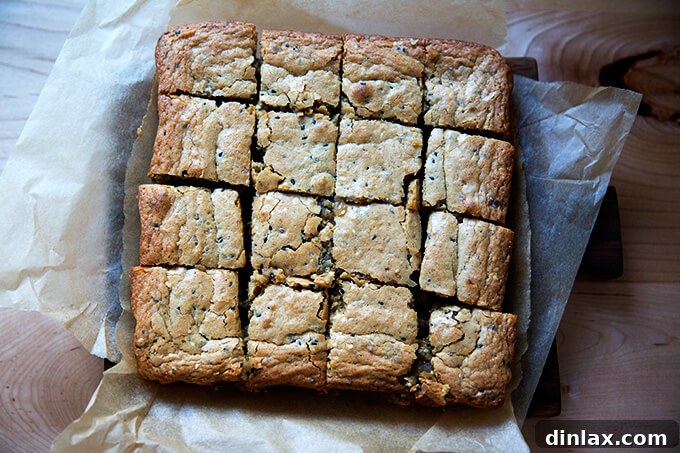
These delightful Tahini blondies, straight from the pages of Sababa, are a perfect example of its accessible and flavorful recipes.
Mastering Spice: Unlocking Flavor Through Techniques and Creative Blends
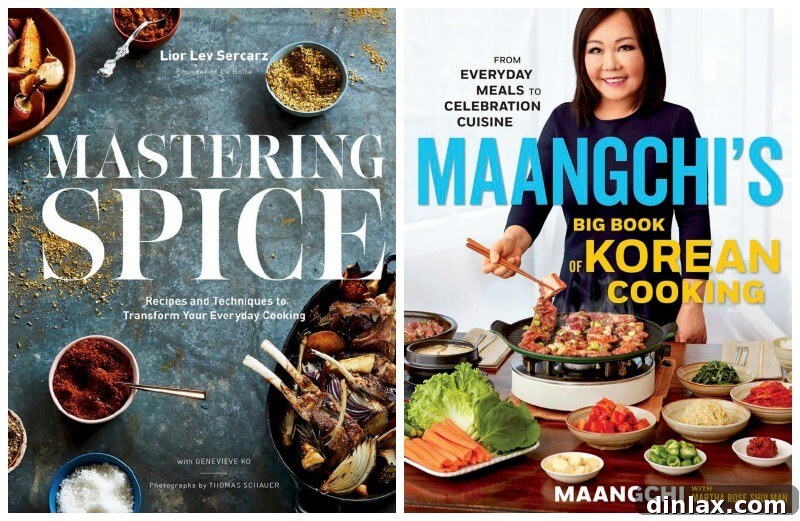
Mastering Spice by Lior Lev Sercarz transcends the conventional notion of a cookbook focused solely on blending spices or pairing them with specific foods. Instead, it positions itself as a profound guide to culinary artistry, emphasizing cooking techniques that ingeniously incorporate spice and, more importantly, demonstrating how to build upon these fundamental techniques to truly transform everyday cooking into something extraordinary. Lior’s philosophy centers on versatility and creativity, encouraging cooks to think beyond traditional applications.
As Lior eloquently writes, his approach simplifies the culinary process: “Rather than swap methods for roasting vegetables or simmering beans, I simply switch the seasonings. This is a great way to learn how to cook: mastering basic techniques makes it easier to master new seasonings.” This insight is incredibly empowering, suggesting that a solid foundation in cooking methods, combined with an adventurous spirit for spice, can unlock an infinite array of flavor profiles. It encourages experimentation and reduces the intimidation often associated with venturing into new culinary territories.
Consider, for instance, a simple creamy carrot soup. Lior demonstrates its remarkable adaptability: it can be infused with the smoky warmth of paprika and cumin, brightened with the fresh notes of basil and oregano, or given an earthy depth with turmeric and lime. The same versatile creamy carrot soup, incidentally, can be cleverly repurposed as a sauce for pasta, a dish Lior suggests garnishing with poppy seeds – a combination that sounds utterly divine and unexpectedly harmonious. This kind of innovative thinking is abundant throughout the book, pushing the boundaries of traditional flavor pairings.
While Mastering Spice is not exclusively a vegetarian cookbook, it features a significant focus on non-meat dishes, reflecting Lior’s personal cooking style these days. I am particularly captivated by his inventive and often unexpected uses of spice. For example, he boldly incorporates curry spices into desserts, adding an intriguing depth, and uses cinnamon to enhance meat dishes, challenging conventional wisdom. He confidently asserts, “No one spice or blend belongs to one culture or place: ras-el-hanout tastes amazing in a strawberry salad.” This statement beautifully encapsulates the liberating and innovative spirit of *Mastering Spice*, inviting readers to break free from culinary conventions and explore the boundless possibilities of flavor.
Exploring these fall 2019 cookbooks has been a truly invigorating experience, affirming the incredible power of spice to transform and elevate any meal. From the comforting homestyle dishes of Japan and Korea to the vibrant, fresh flavors of Tel Aviv and the re-imagined Tex-Mex classics, each book offers a unique window into a culinary world brimming with aromatic possibilities. Whether you’re seeking to broaden your pantry, master new techniques, or simply infuse your daily cooking with more excitement, these titles provide an indispensable resource. I encourage you to pick up one (or all!) of these inspiring cookbooks and embark on your own flavorful journey, discovering how a dash of spice can ignite your kitchen and your palate. Happy cooking!