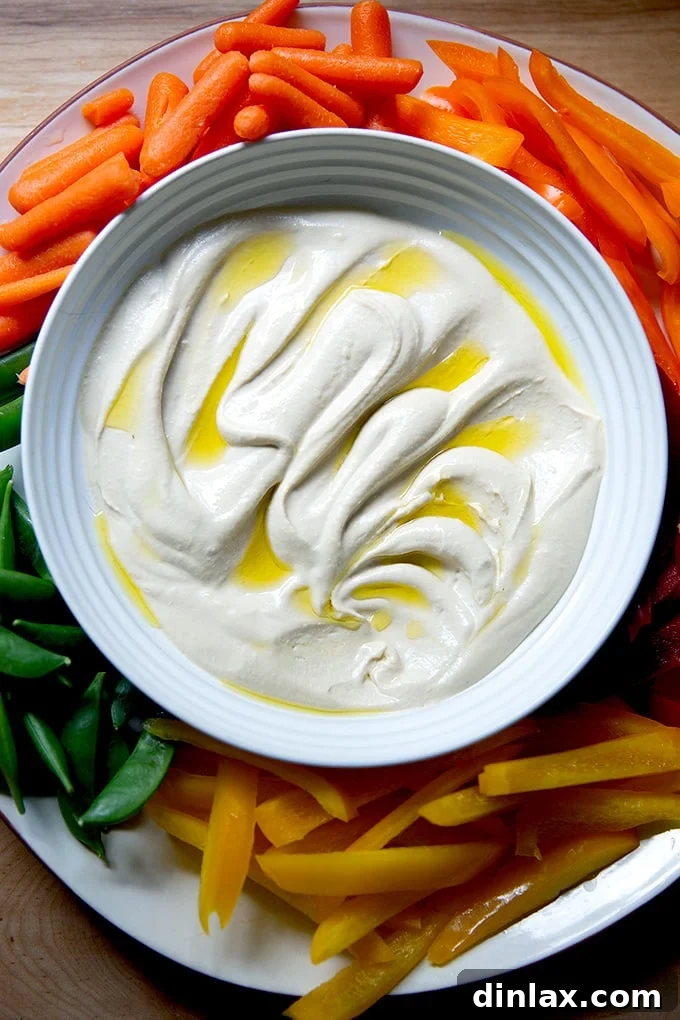
Transform your kitchen into a hummus haven with this incredibly simple, yet profoundly delicious 5-ingredient recipe. Forget grainy, store-bought versions; in just five minutes, you can whip up a batch of velvety smooth, lusciously creamy homemade hummus that will forever change your perception of this classic dip. Using common pantry staples – fresh lemon juice, rich tahini, a touch of salt, wholesome chickpeas, and ice water – this recipe streamlines the process. There’s no need for tedious chickpea peeling; simply grab a can, drain, rinse, and blend your way to perfection.
Unlock the Secret to Stress-Free Family Snacking: The Power of Hummus and Veggies
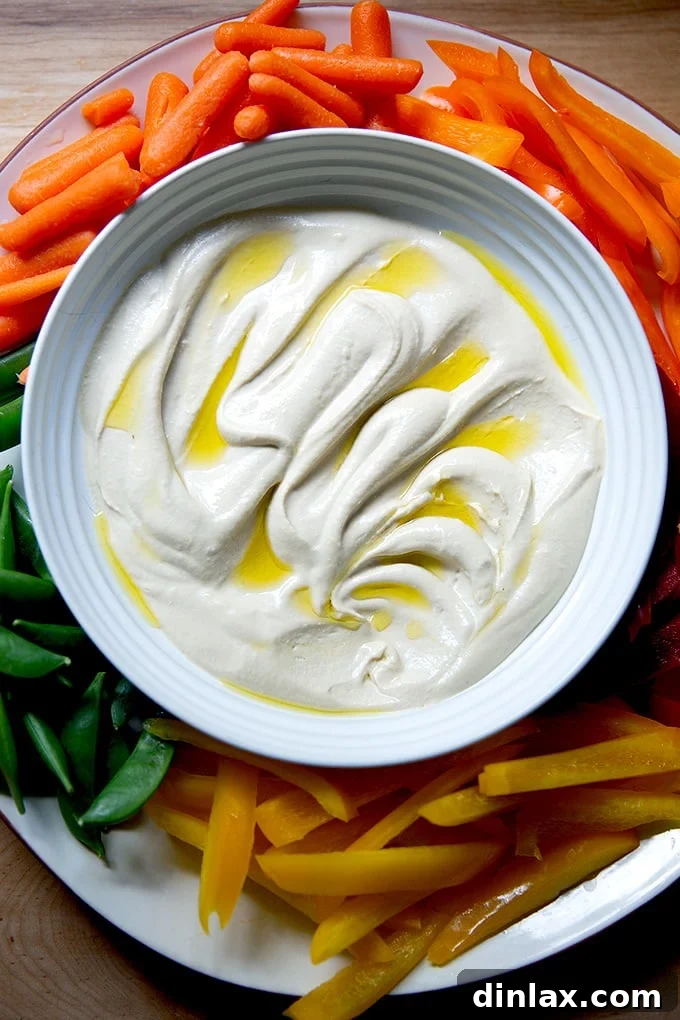
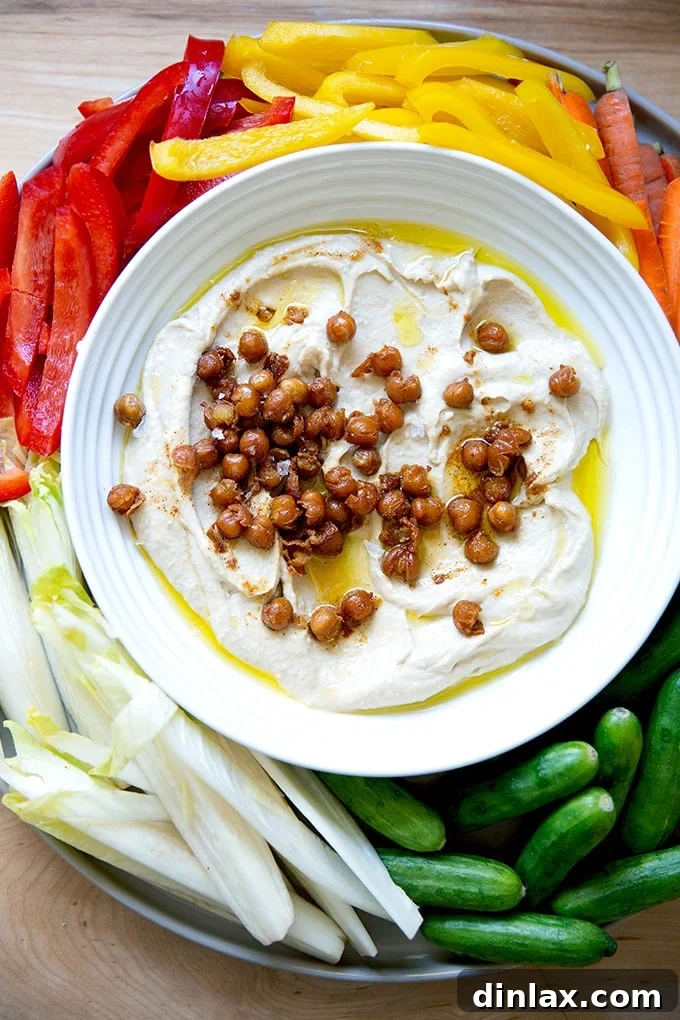
As parents, we constantly seek effective strategies to encourage healthy eating habits in our children. One method that has consistently proven successful in my household revolves around the simple act of presentation and accessibility. Every afternoon, typically around 4 PM, I arrange a vibrant platter of raw, fresh vegetables. This ever-changing assortment usually features a delightful combination of crisp, sliced bell peppers (red, yellow, and orange for visual appeal), convenient baby carrots, sweet snap peas, juicy cherry tomatoes, and refreshing spears of lightly salted cucumbers. While the selection naturally adapts with the seasons, these staples form the backbone of our daily veggie ritual.
The beauty of this approach lies in its subtle execution. There’s no grand announcement or pressure; I merely place the inviting vegetable platter alongside a bowl of our freshly made hummus on the kitchen table. Without fail, within a short period, my children are drawn to the colorful spread, gravitating towards it naturally and beginning to munch away. This method not only ensures they consume a substantial portion of their daily vegetable intake but also transforms snack time into an enjoyable, independent activity.
I credit this ingenious “trick” to my dear friend, Vicki, who enlightened me on its dual benefits. Firstly, for children who exhibit picky eating tendencies or thrive on a sense of control, this setup empowers them to choose exactly what they like from the available options. This autonomy significantly reduces mealtime battles and fosters a more positive relationship with food. Secondly, and equally important for busy households, any vegetables remaining on the platter effortlessly transition to the dinner table. This ingenious tactic alleviates a considerable amount of the evening meal prep stress, providing peace of mind knowing that essential nutrients are already accounted for, regardless of what dinner might entail.
From Store-Bought Convenience to Homemade Hummus Nirvana
For many years, like countless other families, my household relied on popular store-bought hummus brands such as Sabra, which was a family favorite. Our palates evolved when we discovered Hope hummus, a brand that everyone enjoyed even more for its creamier texture and nuanced flavors. However, the unexpected arrival of the pandemic brought with it unforeseen challenges, including the frustrating chore of tracking down tubs of our preferred hummus varieties on increasingly empty grocery store shelves.
The turning point arrived several months ago when, faced with a scarcity of options, I could only find roasted red pepper hummus – a flavor my children unequivocally rejected. It was at this moment of culinary frustration that I decided to take matters into my own hands and embark on the journey of making my own hummus. While I can’t definitively declare that I’ll “never buy hummus again,” the experience of crafting homemade hummus has undeniably elevated my standards, rendering most store-bought alternatives somewhat underwhelming by comparison. The difference in freshness, texture, and customizable flavor is simply incomparable.
My quest for the perfect homemade hummus led me to the renowned recipe from Michael Solomonov’s acclaimed cookbook, Israeli Soul. Solomonov’s recipe stands out due to its notably higher ratio of tahini to chickpeas compared to many other recipes I’ve encountered, which is a key contributor to its exceptional creaminess. Furthermore, his unique method begins by crafting a smooth tahini sauce – a luxurious purée of tahini, vibrant fresh lemon juice, a hint of garlic, a touch of cumin, salt, and essential ice water. Only after this base is perfectly emulsified are the chickpeas introduced, blended until the entire mixture achieves a uniform, incredibly smooth consistency. It’s a method that truly prioritizes texture and flavor from the very first step.
Through personal experimentation, I’ve discovered a preference for a slightly more pronounced lemony flavor than originally suggested in Solomonov’s recipe, and I often choose to omit the cumin to let the other ingredients shine. However, the beauty of homemade cooking lies in its adaptability. I wholeheartedly encourage you to adjust this recipe to perfectly suit your own taste preferences, experimenting with more or less lemon, garlic, or a variety of spices to create your signature hummus blend.
The Ultimate Guide to Exceptionally Creamy Hummus: Beyond the Basics
The pursuit of ultra-creamy hummus is a culinary journey many home cooks embark on, and Michael Solomonov, a master of Israeli cuisine, offers invaluable insights. In the notes preceding his hummus recipe, he reveals a pivotal secret for those who cook chickpeas from scratch: “When we cook chickpeas for hummus from scratch, we deliberately overcook them until they turn to mush. This is the secret to ultra-creamy hummus (that, and a $15,000 food processor).” This emphasizes the importance of perfectly tender chickpeas as the foundation for a silky texture.
However, Solomonov also thoughtfully addresses the practicality of home cooking, acknowledging that not everyone has access to professional-grade equipment or the time to cook chickpeas from dried. In his recipe, he permits the use of canned chickpeas, reassuring home cooks that “canned chickpeas in a home food processor will never make hummus quite as smooth as what we make at Dizengoff, but it will taste every bit as delicious.” This offers a comforting balance between aspiration and accessibility, ensuring a delightful result even with simpler ingredients and tools.
Indeed, whether I opt for convenient canned chickpeas or dedicate the time to prepare slow-cooked chickpeas from scratch, the outcome from my home food processor consistently aligns with Michael’s description: the hummus is undeniably creamy and incredibly delicious, though perhaps not achieving the absolute silky smoothness found in a professional kitchen. It’s a testament to the robustness of his recipe and method, yielding superior results regardless of the chickpea starting point.
But what if you truly crave that exceptionally smooth, almost ethereal hummus texture, rivalling the best Middle Eastern delis? Can I share a game-changer with you? The answer lies in a powerful high-speed blender, specifically a Vitamix. While I admittedly “hate” that such a significant investment is often the key to unlocking this supreme creaminess, the results are undeniable and speak for themselves (as evident in the photo comparisons below). The sheer power and blade design of a Vitamix pulverize chickpeas to an almost imperceptible smoothness, creating a truly luxurious dip.
Despite the superior texture a Vitamix delivers, I confess a personal preference for the overall experience of making hummus in a food processor. It often feels more intuitive and manageable for several reasons. Streaming ice water through the narrow chute of a food processor is considerably easier than navigating the wider opening of a Vitamix lid, which can sometimes lead to splashing or uneven incorporation. Furthermore, cleanup tends to be less cumbersome with a food processor; I often find removing thick, puréed mixtures from the bottom of a tall Vitamix carafe to be a bit of a challenge. However, for that truly creamy, dreamy hummus experience, the extra effort of using a Vitamix is undeniably worth it. I sincerely hope you’ll agree once you taste the difference.
Your Step-by-Step Guide to Crafting Perfect Homemade Hummus
Achieving hummus perfection begins with the right ingredients and a clear process. Here’s how to create your own smooth and creamy batch:
1. Prepare Your Chickpeas
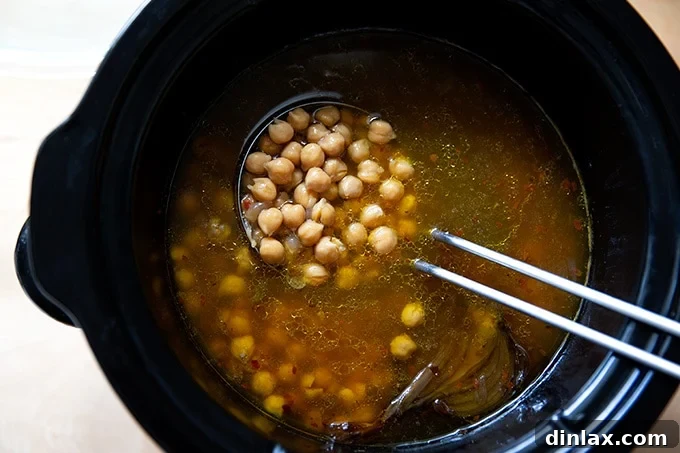
You will need approximately 1.5 cups of cooked chickpeas. For those who enjoy cooking from scratch, my preferred method for perfectly tender chickpeas is the simple slow cooker chickpeas recipe, which yields consistent results with minimal effort. If a crockpot isn’t available, you can easily cook chickpeas from dried on the stovetop or using an Instant Pot. However, for ultimate convenience without compromising much on quality, simply drain and rinse one 15-ounce can of chickpeas. Rest assured, canned chickpeas truly work wonderfully for this recipe, making it accessible to even the busiest home cooks.
2. Gather Your Core Ingredients
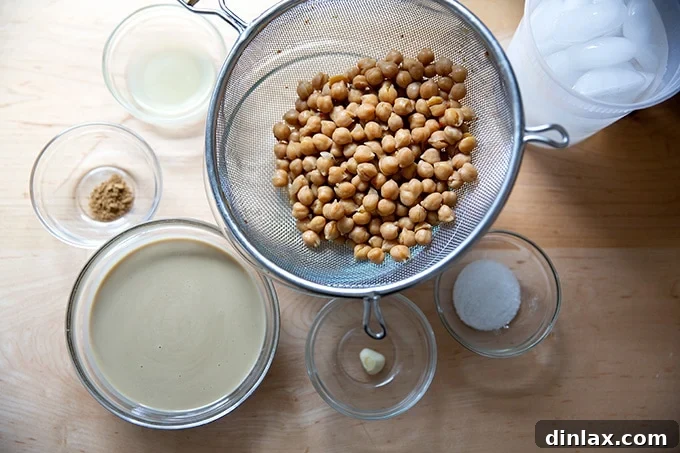
Assemble all your essential ingredients on your countertop: high-quality tahini, your prepared cooked chickpeas, freshly squeezed lemon juice (key for brightness), and fine kosher salt, along with a container of ice water. The original Michael Solomonov recipe includes garlic and cumin, but I personally find myself omitting them now to highlight the core flavors. However, feel free to consult the recipe notes if you wish to incorporate these traditional additions to suit your taste.
3. Prepare Your Equipment and Start Blending the Tahini Base
For this recipe, you’ll need a reliable food processor or a sturdy blender. Ideally, if you possess a Vitamix, this is its moment to shine, as it excels at producing an exceptionally smooth and creamy hummus. Begin by combining the tahini, salt, and fresh lemon juice (and cumin, if you’re using it) in your chosen appliance. Blend these ingredients until they transform into a thick, uniform paste. This initial blending stage is crucial for emulsifying the tahini properly.
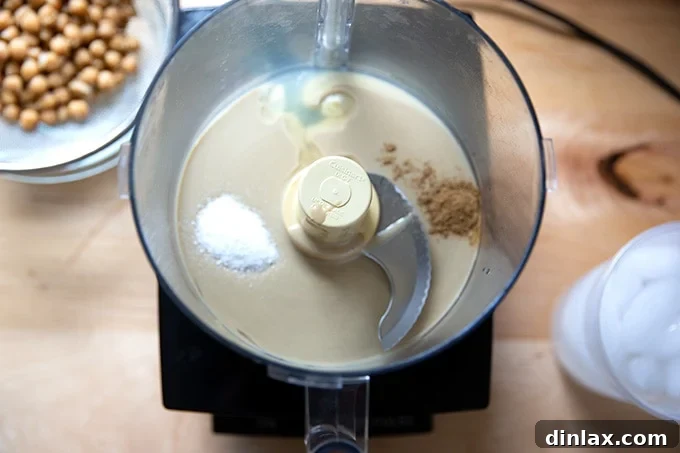
4. Achieve a Peanut Butter-Like Consistency
Continue blending the tahini mixture until it achieves a consistency strikingly similar to smooth peanut butter. At this stage, the ingredients will be well combined, and the tahini’s natural oils will start to release, contributing to the rich mouthfeel of the final hummus. This smooth base is fundamental to building a luxurious texture.
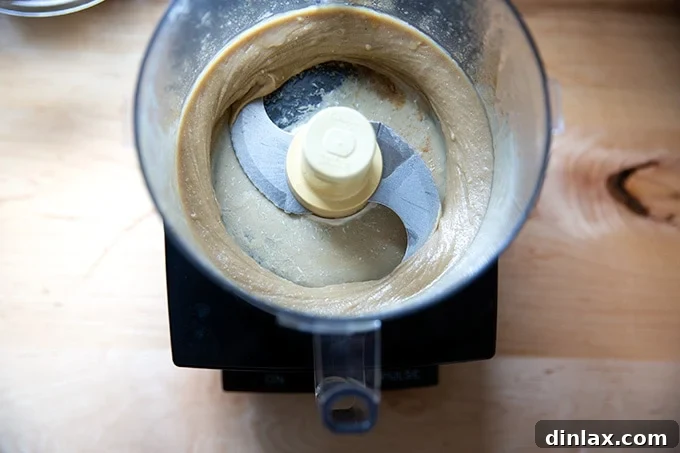
5. Stream in Ice Water for Emulsification
With the motor of your food processor or blender still running, slowly stream in the ice water. The cold temperature of the water plays a critical role in emulsifying the tahini, creating a chemical reaction that thickens and lightens the sauce, turning it into a rich, creamy, and airy consistency. Continue blending until the mixture is beautifully emulsified, thick, and resembles a very light, whipped cream.
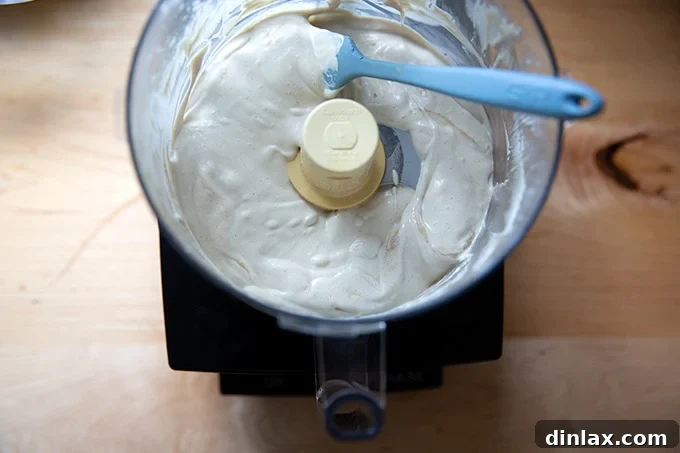
6. Add Chickpeas and Blend to Smoothness
Now, add your cooked chickpeas to the tahini base. Continue to purée the mixture, stopping one or two times to scrape down the sides of the container with a spatula. This ensures all ingredients are thoroughly incorporated and prevents any unblended lumps. Blend until the chickpeas are completely broken down, and the entire hummus mixture achieves a remarkably smooth and uniform texture.
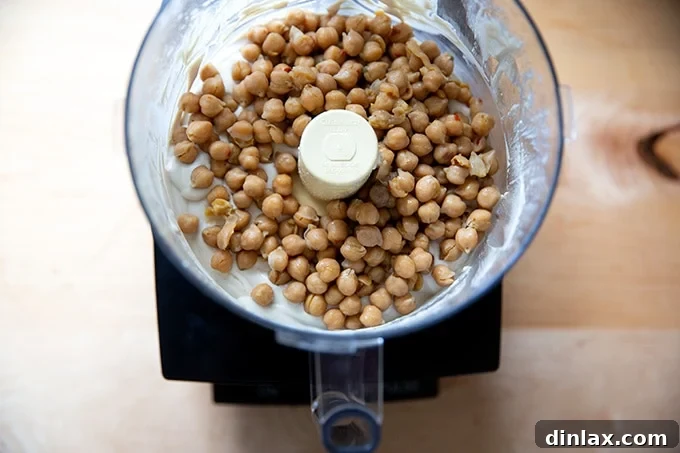
7. Taste and Adjust
Once the desired smooth and creamy texture is achieved, it’s time for the crucial tasting step. Sample your freshly made hummus and adjust the seasoning as needed. Add more salt if you prefer a bolder flavor, or a splash more lemon juice to brighten the taste profile. Remember, homemade hummus allows for complete customization to your palate.
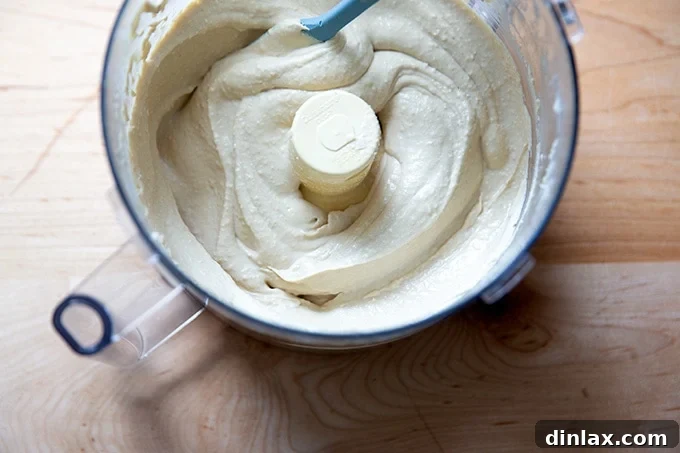
This recipe consistently yields approximately 3 cups of delectable hummus. Stored in an airtight container, it will maintain its freshness and delightful flavor in the refrigerator for up to two weeks, making it an excellent staple for healthy snacking throughout the week.
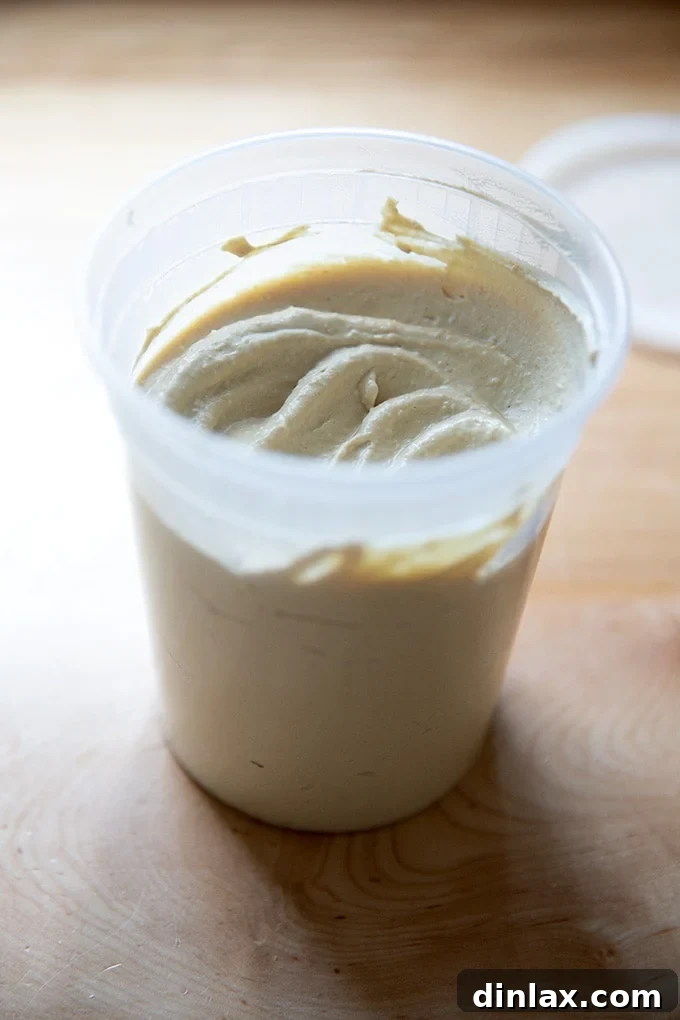
Comparing Textures: Vitamix vs. Food Processor
The choice of equipment significantly impacts the final texture of your hummus. Below, we showcase the discernible differences between a batch made in a high-speed Vitamix versus a standard food processor, illustrating why many consider the former a game-changer for ultra-smooth results.
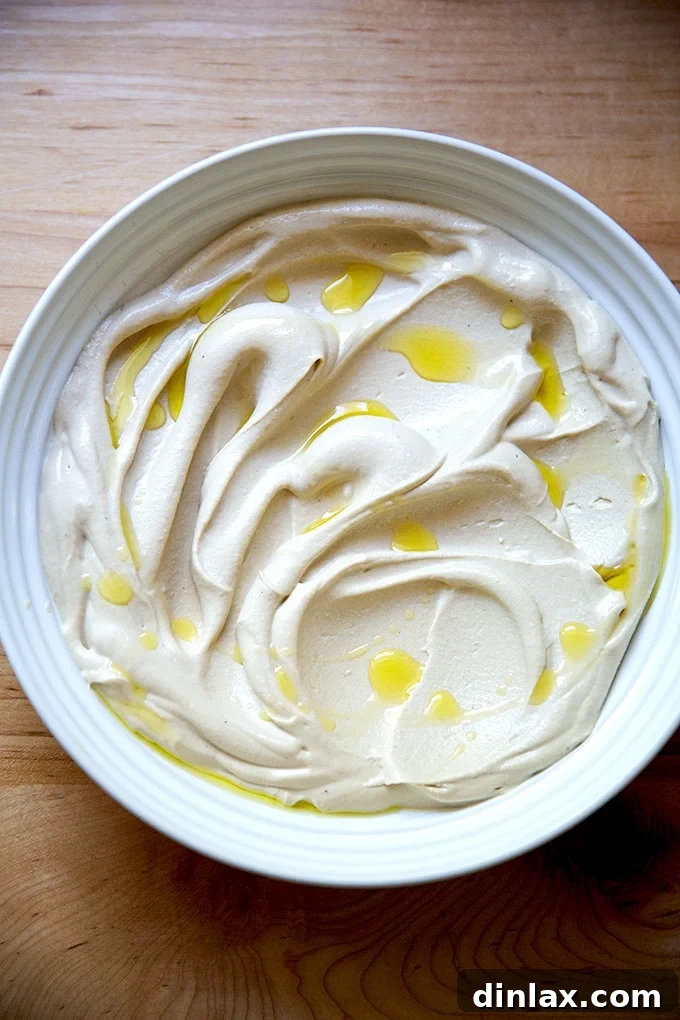
This is the luxurious batch made in the Vitamix: Notice the impeccable, almost silken creaminess and uniformity. The powerful motor and precision blades of a Vitamix pulverize the chickpeas and tahini into an incredibly fine emulsion, eliminating virtually all traces of granular texture. The result is a light, airy, and truly restaurant-quality hummus that melts in your mouth.
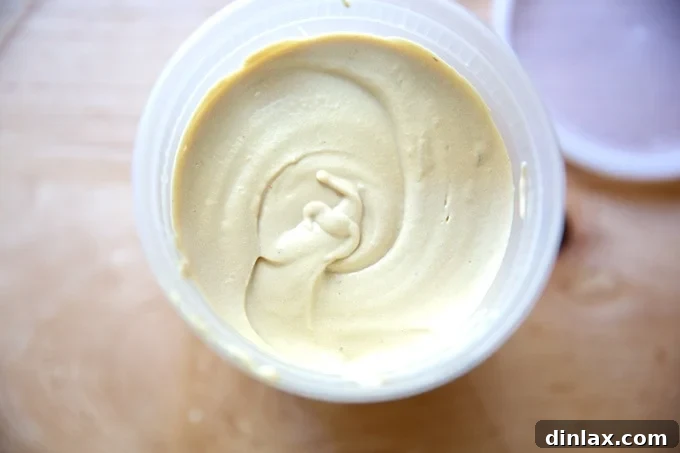
Here is the Food Processor batch: While still wonderfully creamy and delicious, a food processor typically leaves a slightly coarser texture compared to a Vitamix. You might observe tiny, almost imperceptible flecks of chickpea skin, contributing to a more rustic, yet equally satisfying mouthfeel. This version is fantastic for everyday enjoyment and delivers far superior results to most store-bought options.
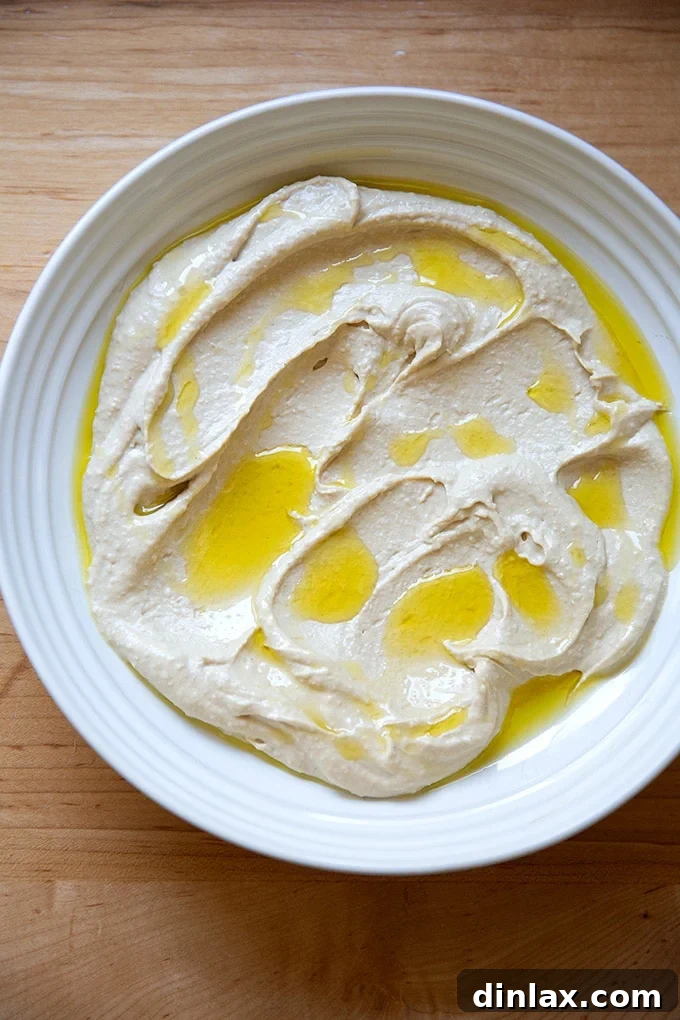
Another look at the Vitamix batch: This closer view further emphasizes the flawless, almost liquid-like smoothness, which makes it ideal for garnishes and presentations where a pristine appearance is desired.
Elevate Your Hummus: Creative Garnish Ideas
While homemade hummus is undeniably delicious on its own, thoughtful garnishes can elevate its flavor, texture, and visual appeal, turning a simple dip into a gourmet experience. Here are a couple of enticing options:
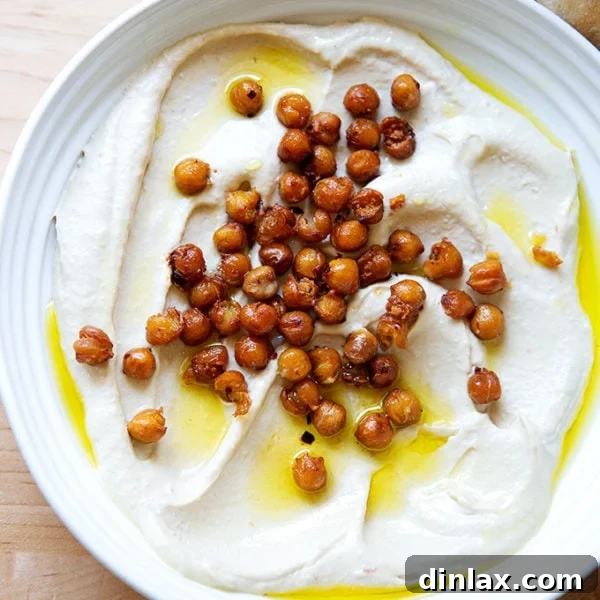
Optional Garnish 1: Crispy Chickpeas
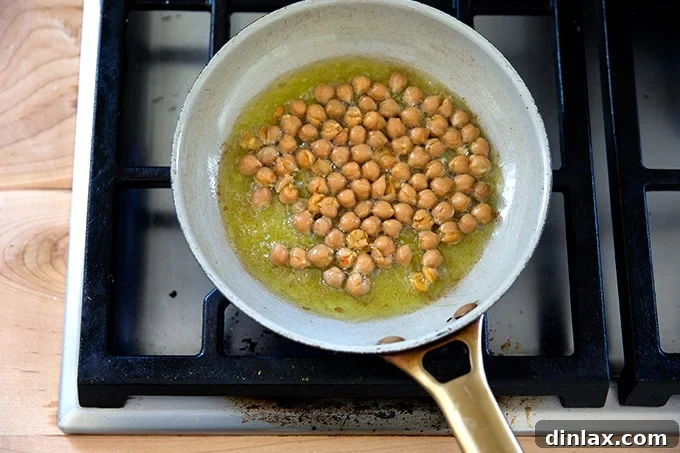
For an added layer of texture and a burst of savory flavor, consider preparing crispy chickpeas. Heat about 3 tablespoons of olive oil in a small skillet over medium heat. Add ½ cup of well-dried cooked chickpeas and fry them until they turn beautifully golden brown and become delightfully crisp. Once achieved, carefully remove the chickpeas from the skillet using a slotted spoon and transfer them to a small bowl. Toss them immediately with your favorite blend of spices – think a smoky paprika, a hint of spicy cayenne, or a touch of earthy cumin – along with a pinch of sea salt to taste. The contrasting crunch of these spiced chickpeas against the smooth hummus is simply irresistible.
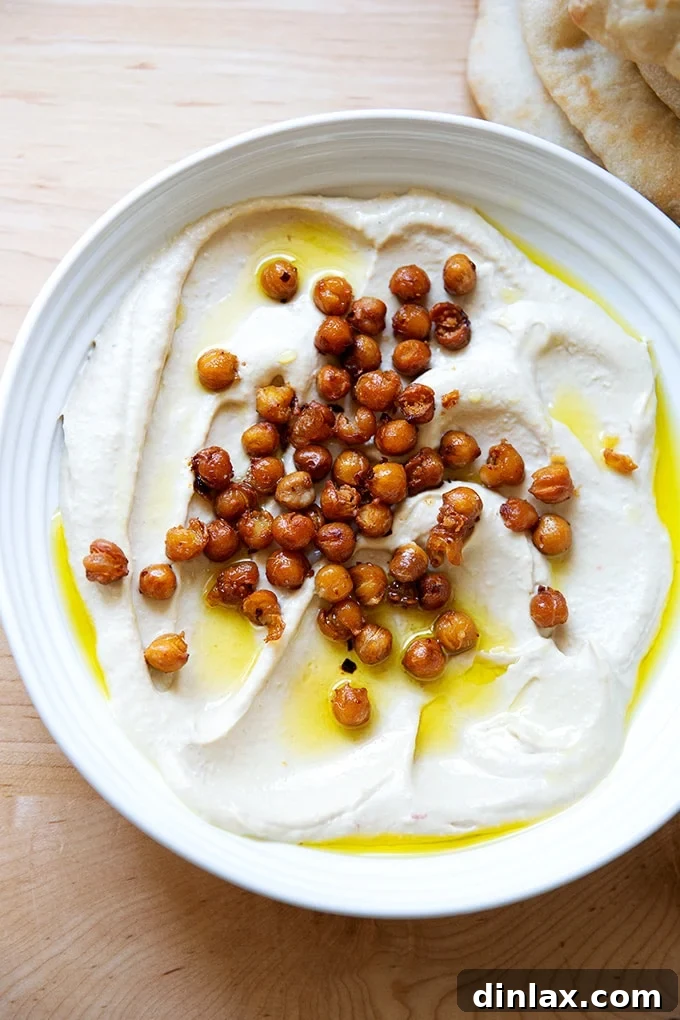
While my children might not fully appreciate the sophisticated crunch of crispy chickpeas, dismissing them in favor of the plain dip, this garnish is a definite crowd-pleaser for adults. It adds an elegant touch and a delightful textural contrast that truly elevates the hummus experience, making it perfect for entertaining or a more refined snack.
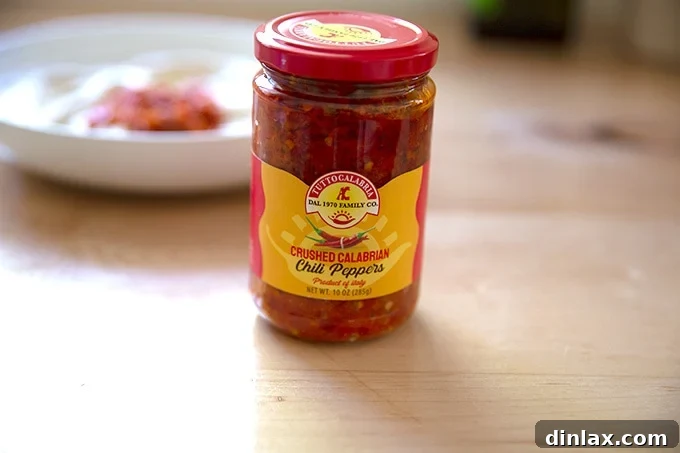
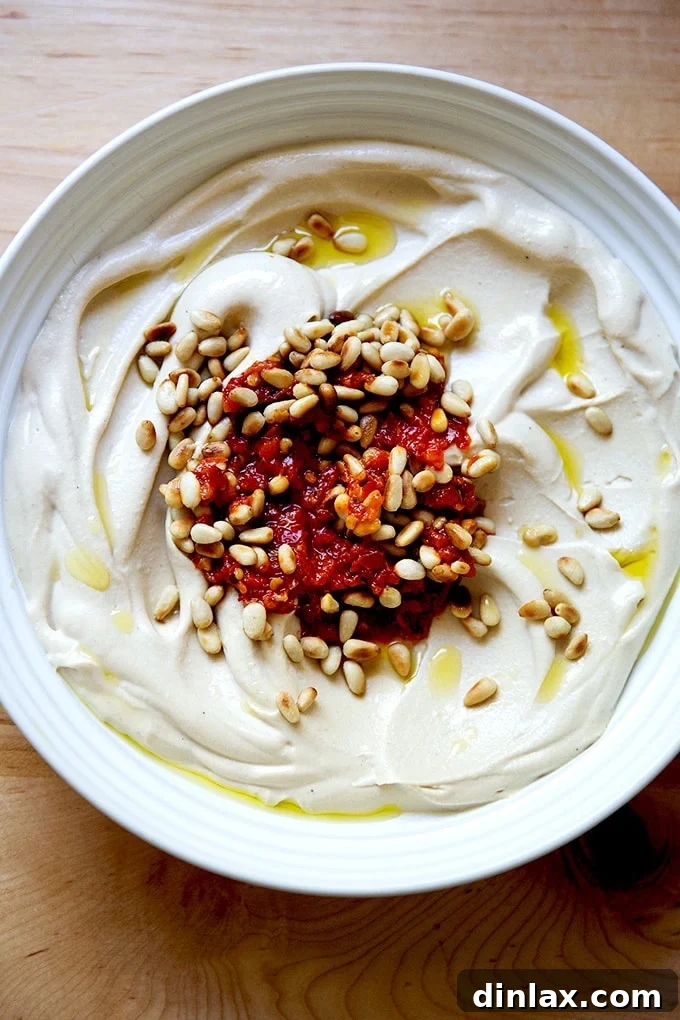
Optional Garnish 2: Calabrian Chili Paste & Toasted Pine Nuts
For those who appreciate a fiery kick and a nutty richness, a sprinkle of toasted pine nuts paired with a dollop of vibrant Calabrian chili paste creates a truly dynamic garnish. The robust, fruity heat of the chili paste perfectly complements the creamy coolness of the hummus, while the toasted pine nuts add a delicate crunch and buttery flavor. This combination offers a sophisticated twist, ideal for those seeking an extra layer of gourmet indulgence.
Print
Smooth and Creamy 5-Ingredient Homemade Hummus
5 Stars 4 Stars 3 Stars 2 Stars 1 Star
4.9 from 37 reviews
Author: Alexandra Stafford
Total Time: 15 minutes
Yield: 3 cups 1x
Diet: Vegan
Description
This recipe for smooth and creamy homemade hummus is adapted from Michael Solomonov’s acclaimed cookbook, Israeli Soul. It represents a half-sized version of the original, with a few small, personalized changes to enhance its flavor and texture for the home cook. This recipe focuses on delivering a luxuriously smooth consistency with minimal effort.
Notes for Achieving Hummus Perfection:
- Equipment Matters: For the absolute smoothest and most velvety hummus, a high-speed blender like a Vitamix is highly recommended. Its powerful motor and specialized blades excel at creating an unparalleled silky texture. However, a good quality food processor will also produce excellent, creamy results that are far superior to store-bought varieties.
- Customizing Flavor with Aromatics: The original recipe includes a small amount of garlic and cumin. If you enjoy these traditional flavors, feel free to add them. Start with 1/4 clove of garlic (or more to taste, depending on your preference for pungency) and 1/2 teaspoon of ground cumin, adjusting quantities as desired.
- Tahini Quality: The quality of your tahini plays a significant role in the final flavor and texture. However, through various trials, I’ve found this recipe to be quite forgiving; it consistently yields delicious results with a wide range of tahini brands, as long as they are well-stirred.
- Chickpea Choice: This recipe works beautifully with both chickpeas cooked from scratch (I often use this slow cooker method or this brining method) and canned chickpeas. Don’t hesitate to use a can for convenience; it performs exceptionally well and makes the recipe incredibly quick to prepare.
Ingredients
- 2 tablespoons fresh lemon juice, plus additional to taste (I personally prefer to start with at least 3 tablespoons for a brighter flavor)
- 1 cup (227 g) well-stirred, high-quality tahini
- 1 – 1.5 teaspoons (4 to 6 g) kosher salt, or to your personal preference
- 3/4 cup (178 g) ice water, essential for proper emulsification
- 1.5 cups (295 g) cooked chickpeas (approximately one 15-oz can, thoroughly drained and rinsed)
- Flaky sea salt, for seasoning and finishing to taste
Optional Garnishes to Elevate Your Hummus:
- 3 tablespoons extra virgin olive oil
- 1/2 cup cooked chickpeas, ensuring they are very well dried for crisping
- 3/4 teaspoon mixed spices, such as a pinch of cayenne pepper for heat, smoked paprika for depth, or ground cumin for earthiness. Adjust to your liking.
- A spoonful of Calabrian chili paste and toasted pine nuts for a gourmet touch.
- Fresh parsley or cilantro, finely chopped, for a burst of color and herbaceous flavor.
Instructions
- Begin by creating the rich hummus base: In the bowl of your food processor or blender, combine the fresh lemon juice, well-stirred tahini, and kosher salt. If you are sensitive to salt, start with 1 teaspoon and adjust later. Process these ingredients until the mixture completely transforms into a thick, uniform paste that visually resembles smooth peanut butter. This initial emulsification is key for a truly creamy texture. (Chef’s Tip for Vitamix users: To prevent overheating and achieve the best consistency, start blending at the lowest speed setting and maintain it until the mixture thoroughly comes together. Increasing speed too quickly can cause the blades to spin without properly engaging the dense mixture.)
- Introduce the ice water for lightness and creaminess: With your food processor or blender motor continuously running, slowly and steadily stream in the ice water. As the cold water incorporates, it will emulsify the tahini, causing the mixture to thicken, lighten in color, and become incredibly smooth and creamy, much like dry sand. Continue processing until the sauce is fully emulsified and airy, stopping once to scrape down the sides of the container with a spatula to ensure everything is well blended.
- Integrate the chickpeas for final blending: Add your prepared cooked chickpeas to the now-creamy tahini base. Continue to process the mixture vigorously, pausing as needed to scrape down the sides of the container. Blend until the chickpeas are entirely puréed, and the hummus achieves a perfectly smooth, uniform consistency and color throughout. There should be no visible lumps or grainy texture.
- Taste, adjust, and prepare for serving: Once your hummus reaches its desired texture, taste it carefully. Adjust the seasoning by adding more flaky sea salt if necessary, or a squeeze more fresh lemon juice to brighten the flavors further. Note that the hummus may appear slightly loose immediately after blending, but this is perfectly normal. It will naturally thicken and set further as it cools in the refrigerator. Transfer the finished hummus to an airtight container. It will remain fresh and delicious in the fridge for at least one week, making it perfect for meal prep!
- To prepare the optional crispy chickpeas garnish: Heat the 3 tablespoons of olive oil in a small skillet over medium heat. Add the ½ cup of very well-dried cooked chickpeas to the hot oil. Allow them to sizzle and fry, stirring occasionally, until they turn golden brown and develop a delightful crisp texture. Once crispy, use a slotted spoon to remove the chickpeas from the skillet and transfer them to a small bowl. Immediately toss them with your chosen spices (such as cayenne, smoked paprika, or cumin) and a pinch of sea salt to taste. Serve these crunchy, flavorful chickpeas scattered over your creamy hummus for an added textural dimension and gourmet presentation.
- Prep Time: 15 minutes
- Category: Appetizer, Dip, Snack
- Method: Blender, Food Processor, No Cook
- Cuisine: Mediterranean, Middle Eastern, Vegan