The Art of Homemade Membrillo: Crafting Exquisite Quince Paste
There are certain culinary discoveries that leave an indelible mark on your palate, transforming the way you perceive a particular ingredient. For me, that revelation came about a year ago, courtesy of my mother’s thoughtful visit to Philadelphia. She arrived, as she always does, bearing a delightful basket of gourmet treasures. Among these culinary spoils was a modest plastic container of quince membrillo – a vibrant paste I’d often seen in artisanal shops but never had the pleasure of tasting.
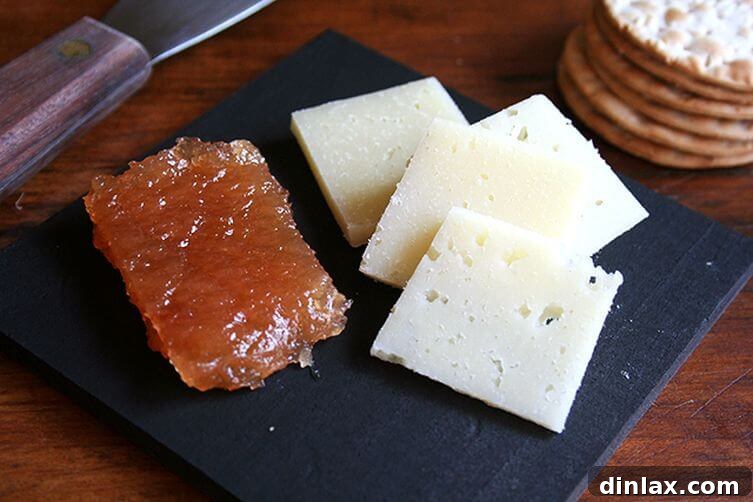
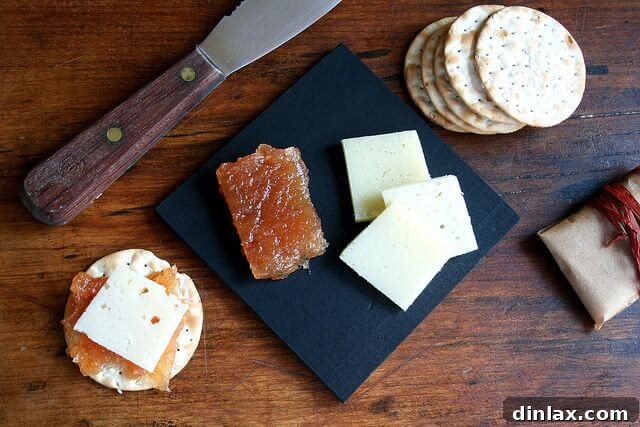
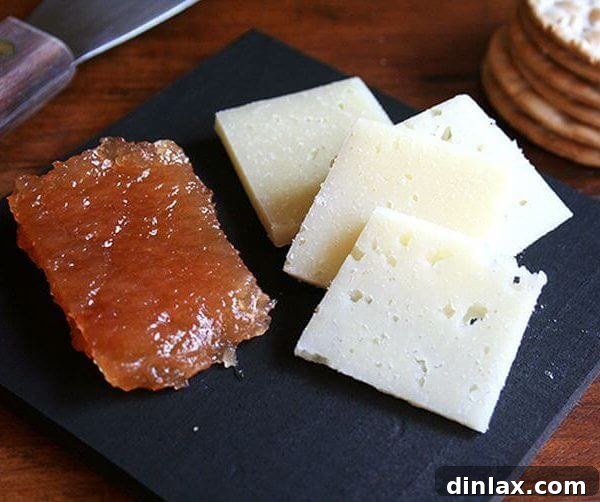
My mother, ever the connoisseur, had a specific recommendation: pair a delicate sliver of this amber-hued quince paste with a slice of Zamorano cheese, a rich, raw sheep’s milk cheese hailing from the picturesque northwestern regions of Spain, which she had also graciously included. The combination was nothing short of divine – a perfect symphony of sweet and savory, a revelation of textures that danced on the tongue. The quince offered a floral sweetness and subtle tartness that beautifully complemented the nutty, slightly piquant notes of the Zamorano. It was an experience that ignited a newfound fascination.
Since that memorable introduction, quince paste, or membrillo as it’s traditionally known, has seemed to appear everywhere. From upscale specialty markets to sophisticated restaurant menus, where it often graces meticulously curated cheese boards, and even within the pages of esteemed cookbooks, celebrated as a sophisticated confection. Its pervasive presence only deepened my desire to recreate that exquisite taste at home. Last week, inspired by the seasonal abundance, I embarked on a culinary adventure to master the art of homemade membrillo.
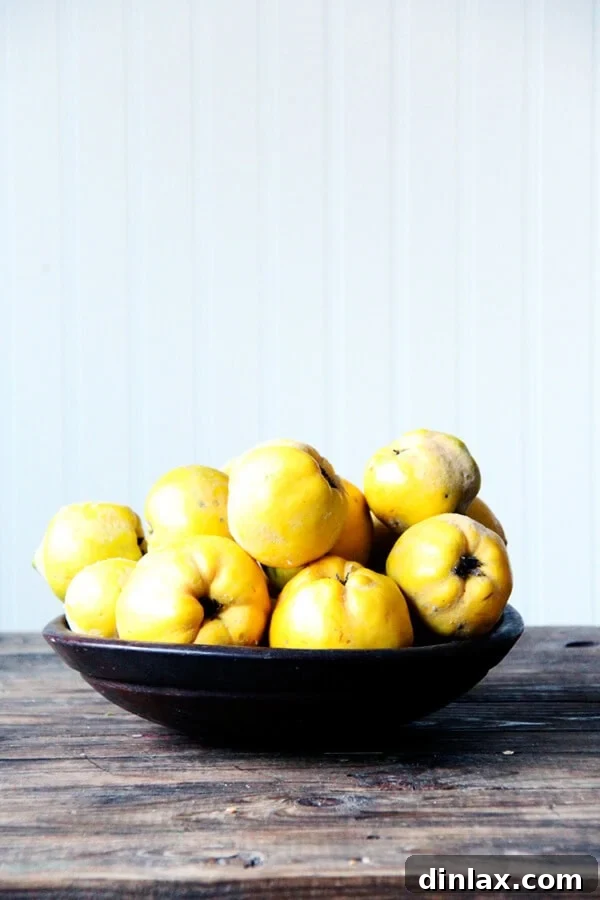
My journey began with a trip to the bustling Italian Market, a Philadelphia institution, and a visit to my favorite local produce vendor, Anastasio’s. Quinces were proudly in season, their distinct, pear-like forms and fuzzy skins promising a bounty of flavor. I placed an order for a case – approximately 36 quinces – eager to experiment beyond just the paste, envisioning homemade quince jam as well. While a case might seem excessive for a single batch of paste, the sheer versatility and unique flavor of quince made it a worthwhile investment.
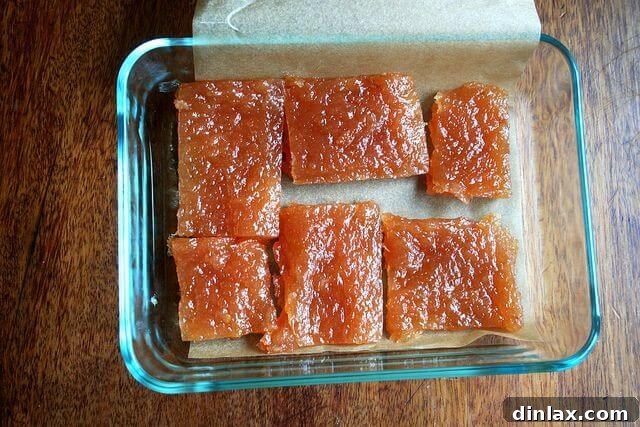
The results of my endeavor far exceeded my expectations, delivering satisfaction on multiple levels. The most striking difference was the flavor intensity. My homemade paste boasted a much more potent, authentic quince flavor, a vibrant essence that was noticeably more pronounced than any pre-packaged version I had previously encountered. Store-bought membrillo often presents a deeper, almost dark maroon hue, but my homemade creation emerged with a brilliant, captivating red, far more visually appealing and indicative of its natural fruit sugars caramelizing to perfection.
Beyond the enhanced flavor and stunning color, the generous yield proved to be another delightful bonus. I had crafted enough quince paste to artfully package as thoughtful gifts for three dear friends, with ample left over for my husband and me to savor at home. Imagine the charm of a beautifully wrapped piece of homemade quince paste, thoughtfully paired with a wedge of fine Spanish cheese such as the aforementioned Zamorano, or perhaps a classic Manchego or a robust Roncal. Such a gift transcends the ordinary, offering a unique and cherished house-warming present that speaks volumes of care and culinary craftsmanship.
Understanding the Quince: The Star of Membrillo
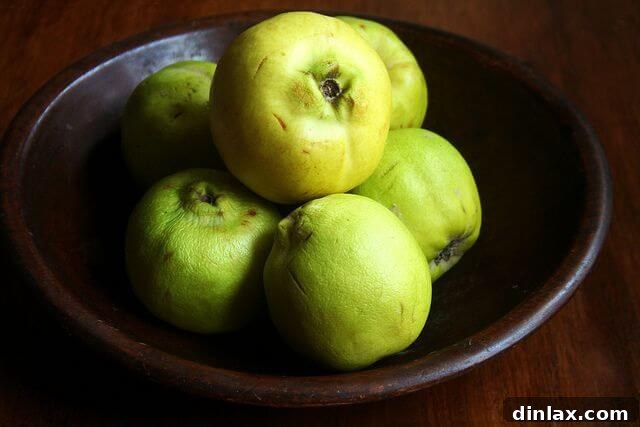
Before diving into the recipe, it’s essential to appreciate the quince itself. This ancient fruit, native to the Caucasus region, has been cultivated for thousands of years. Often mistaken for a pear or apple due to its shape, the quince (Cydonia oblonga) possesses a unique character. When raw, most varieties are intensely tart, fibrous, and unpleasantly astringent, making them unsuitable for eating fresh. However, cooking transforms the quince dramatically. Its flesh softens, its flavor mellows and intensifies, and its pale yellow interior miraculously turns a beautiful rosy pink or deep red, a characteristic that makes membrillo so visually appealing.
The quince is also celebrated for its incredible fragrance, often described as a blend of apple, pear, and citrus with floral undertones. This aromatic quality infuses the paste, creating a sweet and tangy profile that is both complex and comforting. Rich in pectin, quince is a natural choice for preserves, jellies, and, of course, the firm, sliceable paste known as membrillo. Historically, it was revered for its medicinal properties and its ability to keep well, making it a valuable food source throughout the colder months.
The Allure of Membrillo: A Culinary Tradition
Membrillo is more than just a fruit preserve; it’s a cultural cornerstone, particularly in Spain and Portugal, where it’s known as marmelada. The word “marmalade” itself derives from the Portuguese word for quince, marmelo, highlighting the fruit’s historical importance in fruit preservation. This firm, sweet-tart paste is deeply ingrained in Iberian culinary traditions, served commonly as an accompaniment to cheeses, especially hard, salty varieties, creating a harmonious balance that awakens the palate.
The beauty of membrillo lies in its simplicity and its ability to elevate other flavors. Its dense, gelatinous texture offers a satisfying chew, while its concentrated sweetness and subtle acidity provide a counterpoint to rich, savory foods. It’s not just a condiment; it’s an experience that speaks to generations of culinary heritage, a testament to transforming an unassuming fruit into a treasured delicacy.
Print
Homemade Quince Membrillo: The Authentic Recipe
5 Stars 4 Stars 3 Stars 2 Stars 1 Star
5 from 1 review
Author: Alexandra Stafford at alexandracooks.com
Total Time: 3 hours 20 minutes
Description
Craft a truly authentic Homemade Quince Membrillo with this detailed recipe, adapted from David Lebovitz’s acclaimed cookbook, Room for Dessert. This traditional Spanish quince paste is perfect for pairing with a variety of cheeses or enjoying as a delightful sweet treat.
Ingredients
- 6 medium quinces (approximately 2 lbs or 900g), preferably ripe and firm
- 6 cups water, for simmering
- 2 T. freshly squeezed lemon juice, to prevent oxidation and enhance flavor
- 3 cups granulated sugar, or to taste depending on quince sweetness
Instructions
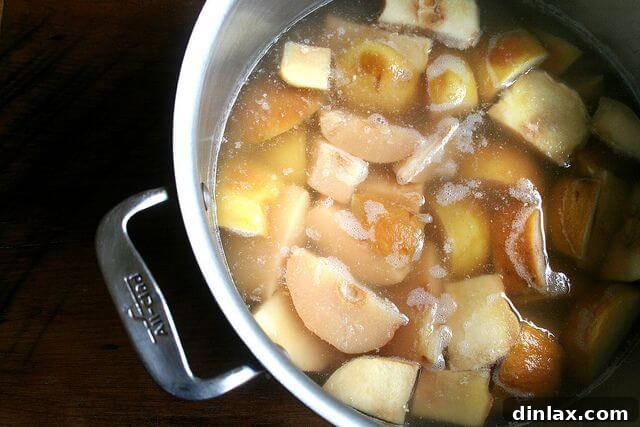
 Begin by thoroughly washing your quinces, removing any stubborn stickers, faint fuzz, or clinging leaves from their skin. Using a sharp knife, carefully cut straight down around the core of each quince to remove the firm flesh, then chop the fruit into large, manageable chunks. Discard the hard core, as it is not suitable for the paste. Place all the prepared quince pieces into a medium-large, heavy-bottomed saucepan. Pour in the 6 cups of water and add the 2 tablespoons of freshly squeezed lemon juice. The lemon juice is crucial for preventing the quinces from browning and will also brighten their natural flavor. Bring the mixture to a gentle simmer over medium heat, then reduce the heat to low, cover, and allow the quinces to cook until they are incredibly tender, easily pierced with a fork. This process usually takes about 1½ hours. The long, slow simmer is key to breaking down the fruit and developing its unique aroma and flavor.
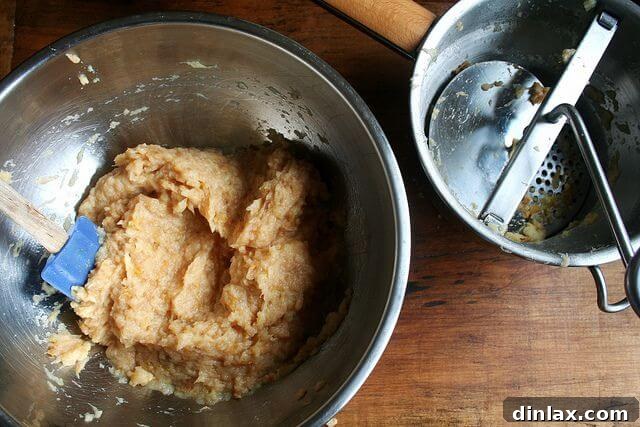
- Once the quince pieces are very tender, carefully drain them, reserving the cooking liquid if you plan to make quince jelly later. Transfer the softened quince pieces to a food mill. Process the quince through the food mill into a smooth purée. If you don’t have a food mill, you can use a fine-mesh sieve, pressing the quince through with the back of a spoon, or a food processor, blending until perfectly smooth (though a food mill yields the best texture, free of any fibrous bits). Once puréed, transfer the silky quince mixture to a large, wide non-stick sauté pan or a heavy-bottomed pot. Add the 3 cups of granulated sugar to the purée. Cook this mixture over very low heat, stirring frequently and consistently to prevent sticking and ensure even cooking. Continue to cook for approximately one hour. During this time, the mixture will gradually reduce in volume, thicken considerably, and develop a beautiful, shiny texture. You will also notice the color transforming from a pale pink to a rich, rosy red or deep amber, indicative of the sugars caramelizing and the quince’s natural pigments emerging. This slow cooking is crucial for achieving the characteristic firm consistency of membrillo.
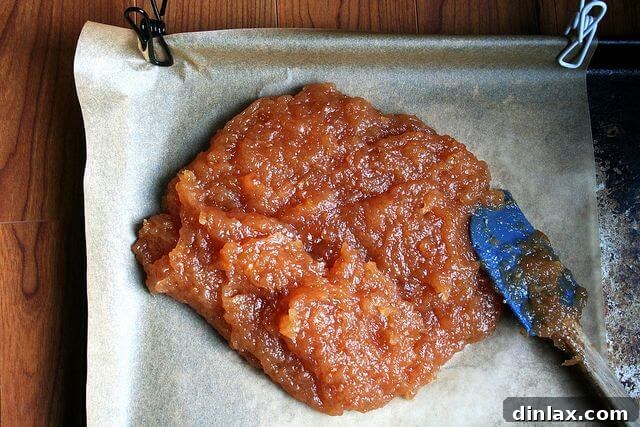
- Prepare a standard sheet pan (approximately 13×18 inches) by lining it completely with parchment paper. This will prevent sticking and make for easy removal. Once the quince paste has reached its desired thickness and color, carefully spread the hot paste onto the prepared sheet pan. Aim for an even thickness of approximately ½ inch across the surface. Use a spatula to smooth the top and try to form it into a neat rectangle, although it’s perfectly fine if it doesn’t completely cover the entire surface area of the pan. Allow the quince paste to cool completely and set at room temperature. This setting process can take several hours, or even overnight, as the pectin in the quince will firm up as it cools.
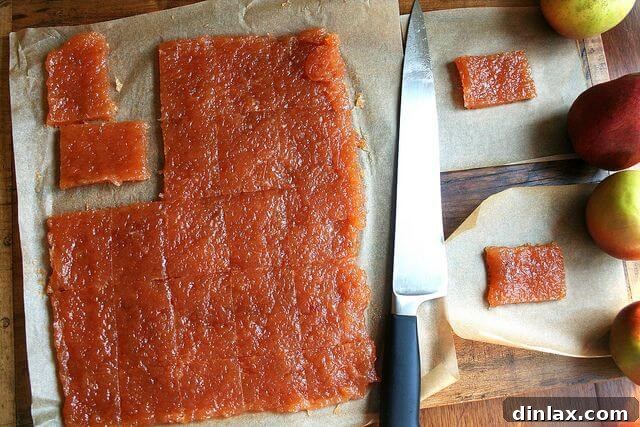
- When the quince paste is thoroughly cooled and firm, gently turn it out onto a large, clean cutting board. For easier cutting, have a tall vase or cup filled with hot water and a clean towel ready. Dip your knife into the hot water before each cut, wiping it clean with the towel to ensure smooth, precise slices. You can cut the parchment paper into squares, roughly 2″ x 6″, to use as separators. Then, slice the quince paste into similar-sized pieces or smaller squares. Layer the cut quince paste in between these parchment paper squares and store them in an airtight container, such as a Tupperware, in the refrigerator. The parchment prevents the pieces from sticking together.
- When you are ready to serve this delicious homemade membrillo, simply slice it into elegant triangles, small squares, or thin strips. It pairs wonderfully with a variety of cheeses, especially hard Spanish cheeses like Manchego, or can be enjoyed on its own. This homemade quince paste will keep indefinitely in the refrigerator when stored properly, making it a convenient and delightful treat to have on hand for any occasion.
 Begin by thoroughly washing your quinces, removing any stubborn stickers, faint fuzz, or clinging leaves from their skin. Using a sharp knife, carefully cut straight down around the core of each quince to remove the firm flesh, then chop the fruit into large, manageable chunks. Discard the hard core, as it is not suitable for the paste. Place all the prepared quince pieces into a medium-large, heavy-bottomed saucepan. Pour in the 6 cups of water and add the 2 tablespoons of freshly squeezed lemon juice. The lemon juice is crucial for preventing the quinces from browning and will also brighten their natural flavor. Bring the mixture to a gentle simmer over medium heat, then reduce the heat to low, cover, and allow the quinces to cook until they are incredibly tender, easily pierced with a fork. This process usually takes about 1½ hours. The long, slow simmer is key to breaking down the fruit and developing its unique aroma and flavor.
- Prep Time: 20 minutes
- Cook Time: 2 hours 30 minutes
Serving Suggestions and Creative Pairings
While membrillo’s classic partner is cheese, its versatility extends far beyond the cheese board. Of course, a platter featuring an assortment of Spanish cheeses—from the firm, nutty Manchego to the smoked Idiazabal, or even a creamy Mahón—alongside thin slices of quince paste and some crusty bread is always a showstopper. But don’t limit yourself!
- Savory Accompaniments: Try pairing membrillo with charcuterie, particularly salty cured meats like prosciutto or serrano ham. The sweet-tart balance is truly exceptional.
- Breakfast & Brunch: Spread a thin layer of quince paste on toast, bagels, or English muffins for an elevated breakfast experience. It can also be dolloped onto plain yogurt or oatmeal.
- Desserts: Use it as a filling for tarts, pastries, or even thumbprint cookies. A small cube of membrillo alongside a scoop of vanilla ice cream offers a sophisticated end to a meal.
- Gifting: As discovered, homemade membrillo makes an exquisite gift. Package it beautifully, perhaps with a small label detailing its origins and ideal pairings.
- Cooking & Glazes: Incorporate small amounts into savory sauces for roasted meats, particularly pork or duck, for a subtle fruity sweetness and a glossy finish.
Variations and Customization
This traditional recipe is a fantastic starting point, but don’t hesitate to experiment with subtle additions to personalize your homemade quince paste. During the simmering stage with the sugar, consider infusing your membrillo with aromatic spices. A cinnamon stick, a few star anise pods, or a vanilla bean can add delightful depth and warmth. You could also grate in some orange or lemon zest for an extra burst of citrusy brightness. For those who prefer a less sweet profile, the amount of sugar can be slightly adjusted downwards, although quince paste does rely on sugar for its preservation and firm texture.
Remember, the beauty of homemade culinary creations lies in the freedom to adapt and refine to your exact taste. Each batch of quince paste will carry a subtle uniqueness, influenced by the specific ripeness of the quinces and your personal touch.
Conclusion: Embrace the Homemade Delight
Crafting homemade quince membrillo is a labor of love, an engaging culinary project that rewards your patience with an intensely flavorful, beautifully colored paste. It’s an edible masterpiece that not only satisfies your palate but also connects you to a rich, ancient culinary tradition. The process, from peeling the humble, hard quince to watching it transform into a vibrant, fragrant jewel, is deeply satisfying. Whether you’re creating thoughtful gifts for friends and family or simply stocking your own pantry with this exquisite preserve, the experience of making your own membrillo is truly unparalleled. So, gather your quinces this season, embrace the culinary journey, and discover the profound joy of homemade quince paste. You won’t regret it.