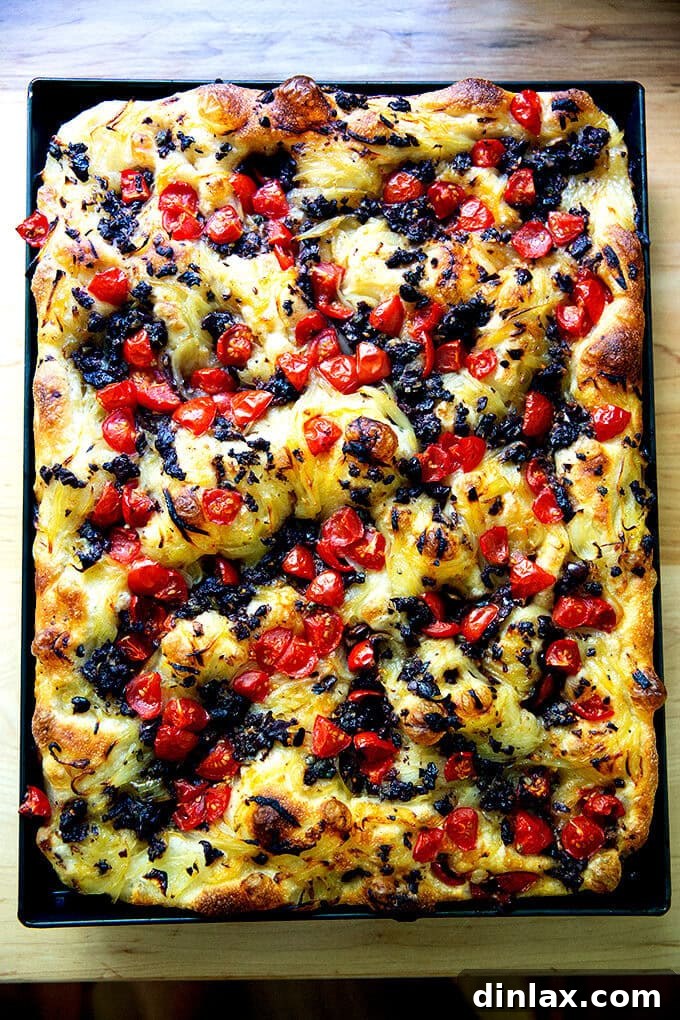
Prepare to be captivated by Pissaladière, the iconic savory tart from the sun-drenched region of Provence, France. This exquisite dish, often described as a sophisticated cousin to pizza or focaccia, combines a tender, airy dough with an extraordinary symphony of toppings. Imagine a rich bed of deeply caramelized onions, artfully layered with the assertive flavors of anchovies, the bright tang of olives, and a hint of fresh garlic. It’s a culinary masterpiece that delivers a perfect balance of sweet, salty, oily, and briny notes, making every bite an aromatic delight reminiscent of a rustic pasta Puttanesca in bread form. Truly, it’s a taste of heaven on a plate, guaranteed to transport your senses straight to the French Riviera.
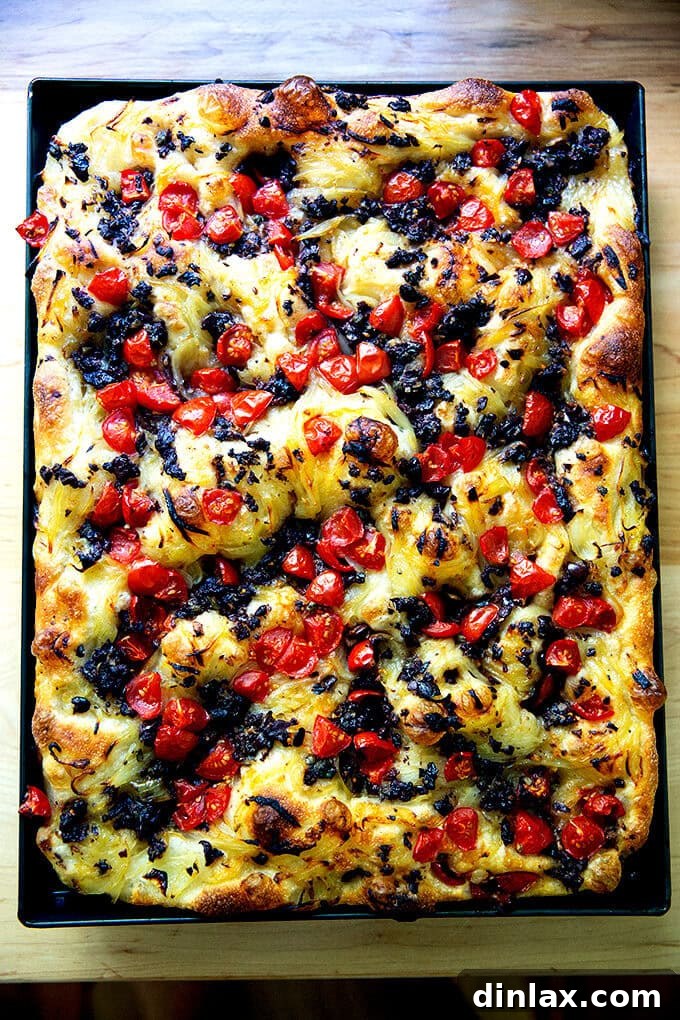
Pissaladière: A Culinary Journey to Provence
Pissaladière stands as a testament to the simple yet profound flavors of Provençal cuisine. This savory tart, distinct from a typical pizza, is characterized by its generous blanket of slow-cooked, golden-brown caramelized onions, adorned with a scattering of briny anchovies and flavorful olives. More than just a dish, it’s an experience, deeply rooted in the history and culinary traditions of southeastern France. Its robust flavors and comforting texture make it an enduring classic, beloved by many across the globe.
The Rich History Behind Pissaladière
The intriguing name “Pissaladière” itself offers a glimpse into its ancient origins. It is derived from pissalat, a pungent anchovy paste that was historically a staple in the region. According to insightful culinary historians and articles like one featured in Saveur, pissalat was meticulously crafted by layering tiny anchovies and sardines with salt, an array of aromatic spices and herbs, then allowing the mixture to ferment for an extensive period, often up to 45 days. This patient fermentation process created an incredibly intense, umami-rich paste that became the foundational flavor for early versions of the tart.
Initially, Pissaladière was a humble dish, designed to make the most of local ingredients readily available to fishermen and peasants. Early chefs and home cooks would spread this potent fish paste directly over a simple dough base before piling on the sweet, cooked onions. Over centuries, as culinary tastes evolved and ingredients became more accessible, the recipe adapted. While some traditionalists still adhere to variations of the fish paste, the modern Pissaladière is more commonly recognized by its iconic, often geometric, arrangement of whole anchovy fillets laid in a crisscross or diamond pattern over the onions, with olives strategically placed at the intersections or in the centers of these diamonds.
However, many contemporary cooks, including myself, find joy in a slightly different, perhaps more approachable, method. I prefer to create a coarse purée of anchovies, olives, garlic, and capers. This technique not only ensures a more even distribution of that intense, savory (umami!) flavor throughout every single slice of the tart, but it also, in a subtle way, “disguises” the anchovies. This can be a delightful surprise for those who might typically shy away from anchovies, allowing them to appreciate the depth of flavor they contribute without the visual commitment. In the warmer summer months, I often introduce thinly sliced fresh tomatoes to the topping, adding a burst of juicy sweetness and acidity that beautifully complements the rich, savory base. This combination, to me, is almost unparalleled – a truly perfect harmony of sweet, salty, oily, and aromatic flavors.
Mastering the Art of Pissaladière: A Step-by-Step Guide
Crafting Pissaladière is a rewarding culinary endeavor that brings together the comforting art of bread baking with the vibrant flavors of the Mediterranean. The process, while requiring a bit of patience, is surprisingly straightforward and culminates in an extraordinarily delicious result that will impress any palate.
1. Preparing the Perfect Focaccia Base
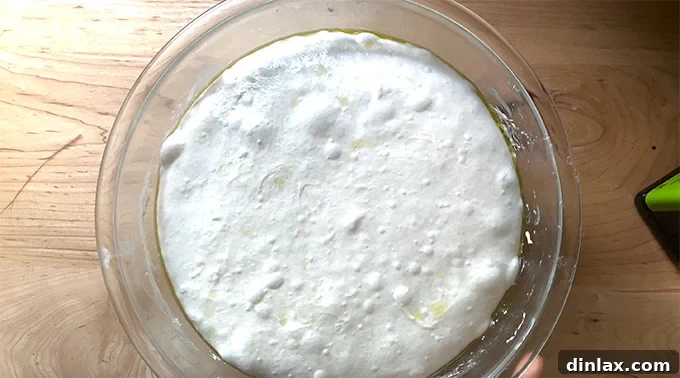
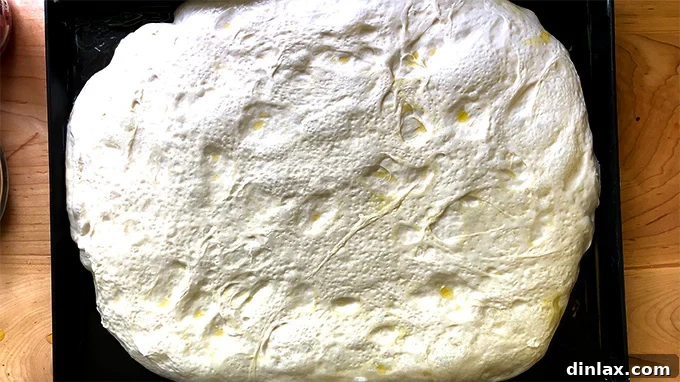
The foundation of an outstanding Pissaladière is its dough – a soft, airy, and deeply flavorful focaccia. The beauty of this recipe lies in its adaptability; you can choose your preferred method for the dough. Whether you opt for a speedy yeast-leavened focaccia or a more complex, nuanced sourdough version, the key is to allow the dough to complete its initial bulk fermentation, developing its characteristic texture and flavor. Many find success with a simple, no-knead recipe that requires minimal effort but maximum flavor development, often benefiting from an overnight rise in the refrigerator for enhanced depth. The images below illustrate a sourdough focaccia, which imparts a wonderful tang and complexity, but a good quality yeast-leavened dough works just as beautifully to provide a tender, golden base.
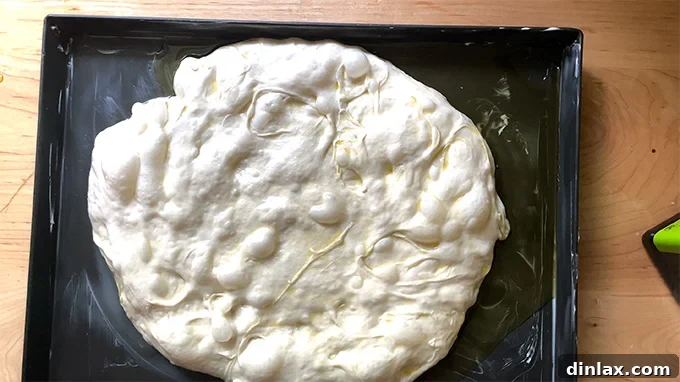
Once your dough has completed its first rise, it’s time to prepare it for the pan. Select a sturdy rimmed sheet pan. For foolproof release and a beautifully crisp crust, I highly recommend buttering the pan first, then generously coating it with olive oil. This dual approach ensures that the dough will not stick, while the butter adds an extra layer of richness and flavor to the crust. If you are absolutely confident in your pan’s non-stick properties, olive oil alone may suffice, but a touch of butter is always a wise safeguard. Gently transfer the dough to the prepared pan. This initial resting period, typically 3 to 5 hours, or until the dough has significantly puffed up and begun to fill the pan, is crucial for developing its airy texture and allowing it to relax for easier stretching. The dough should look visibly aerated and alive, indicating it’s ready for the flavorful toppings.
2. Assembling the Irresistible Toppings
While your dough is undergoing its final rise, turn your attention to preparing the vibrant toppings that define Pissaladière. Gather all your ingredients: fresh garlic cloves, high-quality anchovies (packed in oil for the best flavor, as they are plump and less salty than salt-packed ones), briny capers, a selection of pitted olives (Kalamata or Niçoise are excellent choices, each offering a unique profile), a good quality extra-virgin olive oil, ripe tomatoes (especially when in season, diced or thinly sliced), and, of course, a generous amount of onions. Precision in your mise en place will make the assembly process smooth, efficient, and enjoyable, allowing you to focus on layering flavors.
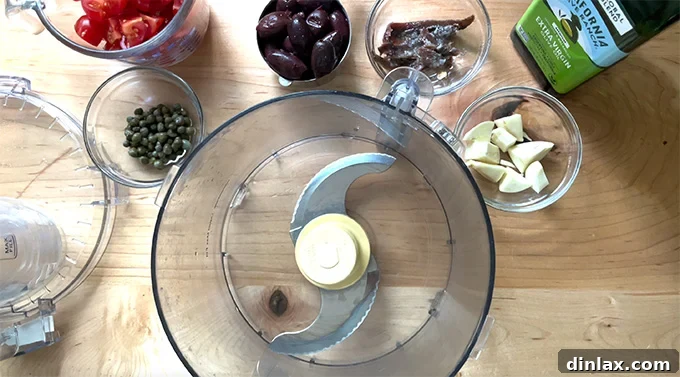
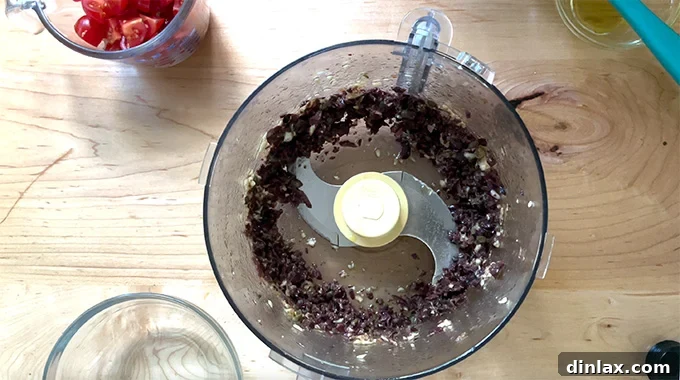
The secret to spreading that intense, delicious umami flavor uniformly across the tart lies in creating a coarse purée. In a food processor, combine the peeled garlic, anchovy fillets, drained capers, and pitted olives with a couple of tablespoons of olive oil. Pulse the mixture until it forms a textured paste – it shouldn’t be entirely smooth, but rather well-combined with discernible bits of each ingredient. This purée will be a concentrated flavor bomb, contributing significantly to the savory depth that elevates the entire dish.
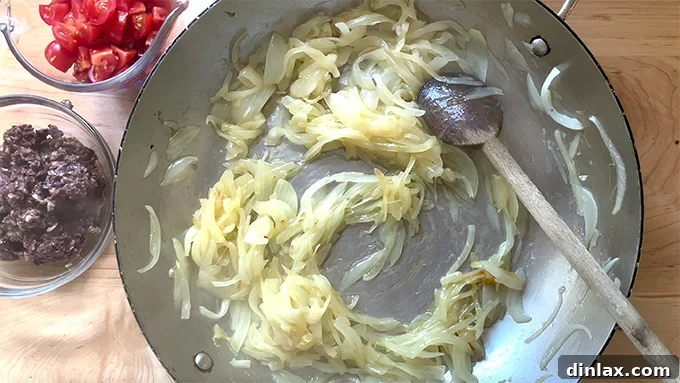
Next, tackle the onions, which are the sweet heart of Pissaladière. In a large sauté pan, heat a tablespoon or two of olive oil over medium-low heat. Add the thinly sliced onions and a pinch of kosher salt. The key here is patience: cook the onions slowly and gently, stirring every few minutes, until they transform into a soft, translucent, and deeply golden-brown mass. This caramelization process, which takes approximately 15 to 20 minutes (or even longer for a darker, sweeter result), is critical. It meticulously extracts their natural sugars, creating an incredible sweetness that beautifully contrasts with the salty, briny toppings. Avoid rushing this step, as undercooked onions will lack the desired depth of flavor and tender, melt-in-your-mouth texture.
3. Assembling and Baking Your Pissaladière
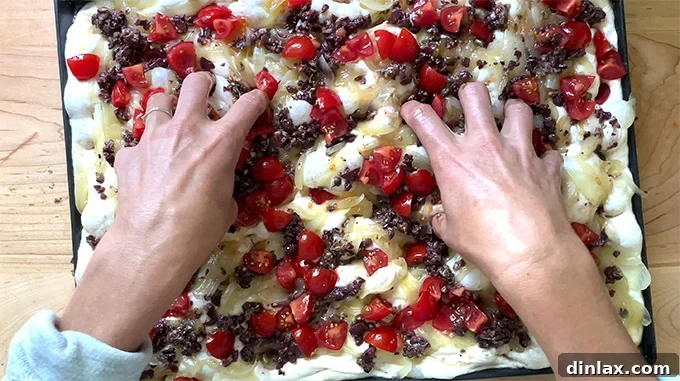
With both your wonderfully risen dough and meticulously prepared toppings ready, it’s time for the grand finale: the assembly. Preheat your oven to 425°F (220°C) with an oven rack positioned in the middle. With lightly greased hands, gently dimple and stretch the dough across the entire sheet pan. This initial stretching helps evenly distribute the dough and release any large air pockets. If the dough resists stretching back or seems too elastic, let it rest for a few minutes before continuing; this allows the gluten to relax, making it easier to work with. Continue to stretch it towards the corners until it forms an even layer across the pan, creating that characteristic focaccia texture.
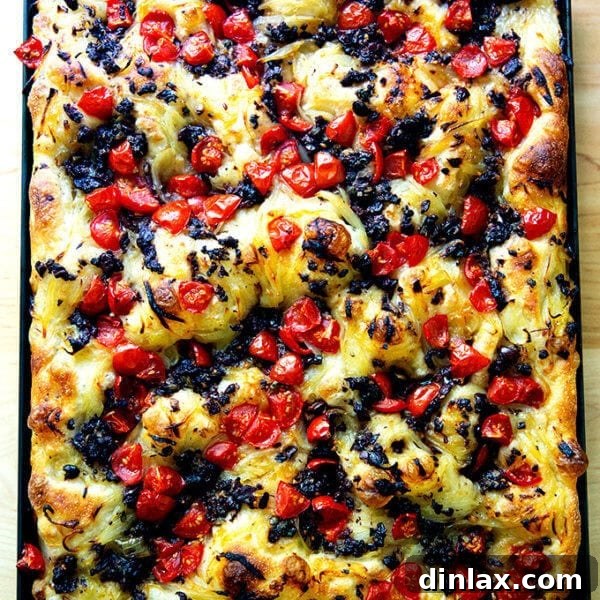
Now, layer the ingredients generously and thoughtfully: first, spread the sweet, deeply caramelized onions evenly over the dimpled dough, ensuring every inch is covered with their golden goodness. Next, carefully dollop and spread the savory olive-anchovy purée over the onions, distributing its intense flavor throughout. Finally, if using, scatter the vibrant diced tomatoes across the surface, adding a burst of color and freshness. Once all the toppings are in place, give the dough one last gentle dimple with your fingertips. This helps to settle the toppings into the dough and creates those signature focaccia-like pockets that crisp up beautifully during baking, holding little pools of delicious olive oil.
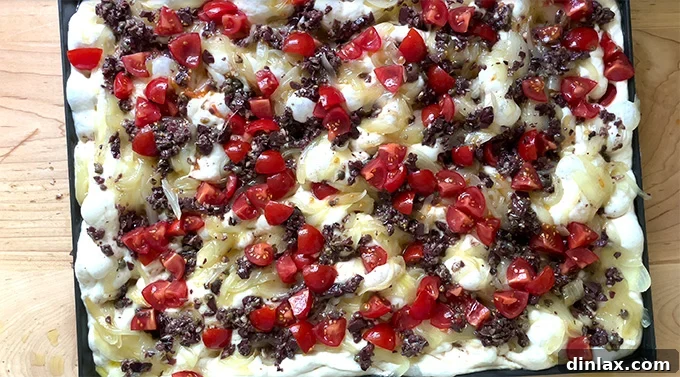
Immediately transfer the sheet pan to the preheated oven. Bake for approximately 25 to 30 minutes, or until the edges are beautifully golden brown, the crust is crisp to the touch, and the toppings are bubbling invitingly. Keep a close eye on it during the last few minutes to prevent over-browning, especially of the onions. The enticing aroma filling your kitchen will be your delicious reward and a sign that it’s nearly ready!
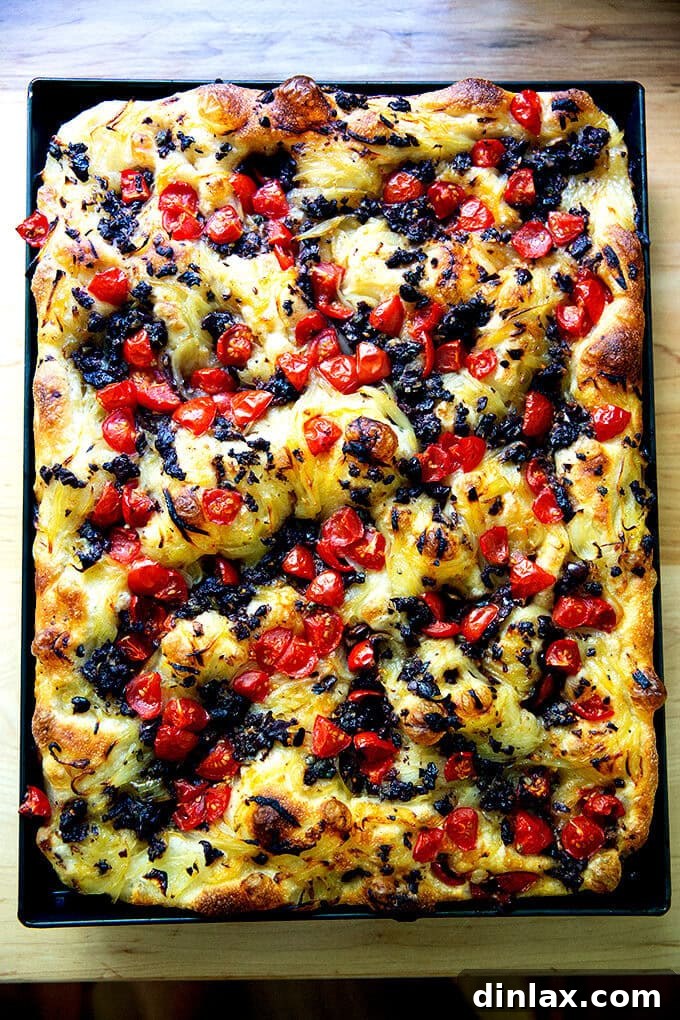
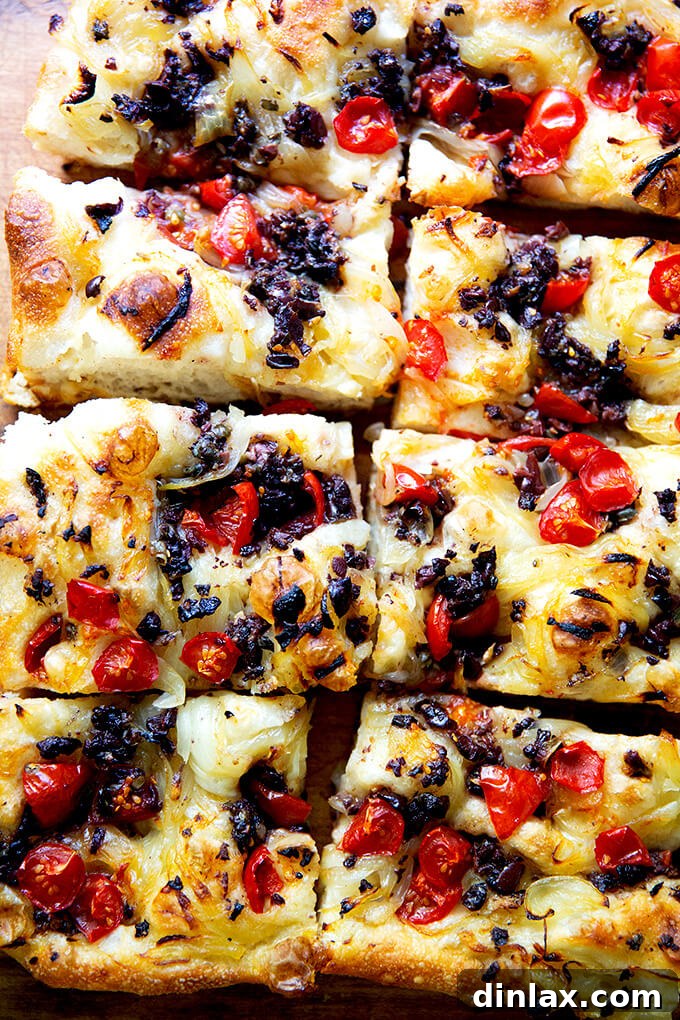
Once baked, carefully remove the Pissaladière from the oven and transfer it to a cutting board. Allow it to cool for about 10 minutes before slicing. This crucial resting period allows the intense flavors to meld and harmonize, while also allowing the crust to set and crisp up, preventing a soggy interior. Cut into generous squares or elegant rectangles, depending on your preference for serving. The wait will be worth it!
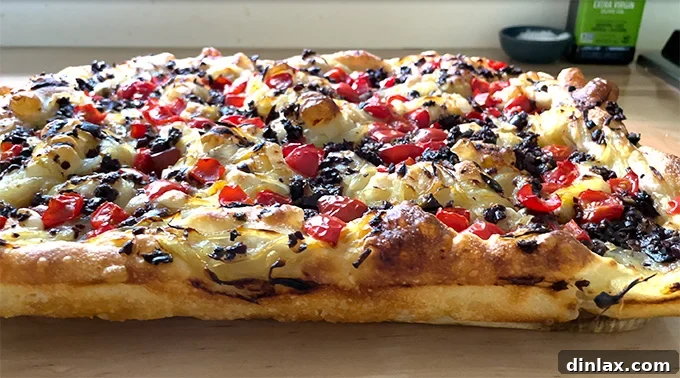
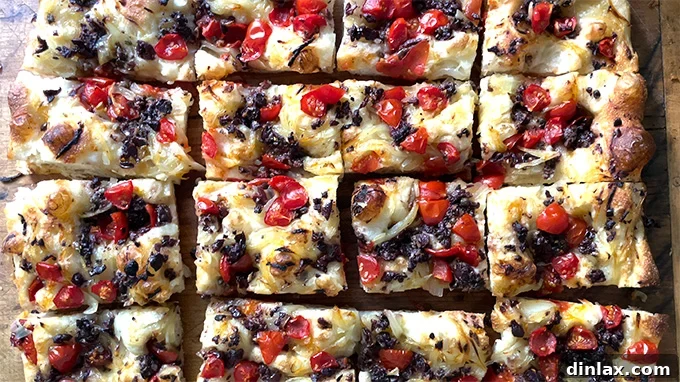
Pissaladière is incredibly versatile and delicious served either warm, straight from the oven, or at room temperature. This makes it an ideal dish for entertaining, picnics, or a casual weeknight meal, as it holds its flavor and texture wonderfully. Enjoy the fruits of your labor and savor every delightful bite!
Expert Tips for Pissaladière Perfection
To ensure your Pissaladière turns out absolutely perfect, keep these expert tips in mind:
- Onion Quality Matters Immensely: Always start with good quality yellow or Spanish onions. The inherent sweetness they possess is critical and will be concentrated during the caramelization process, forming the backbone of the dish’s flavor.
- Patience with Onions is Key: Do not, under any circumstances, rush the caramelization process for the onions. Low and slow heat is your absolute best friend here. If you notice them browning too quickly, reduce the heat further and add a splash of water or vegetable broth to deglaze the pan and prevent any burning. This step can take 20-30 minutes, but it’s worth every second.
- Anchovy Paste Customization: While the recipe calls for a purée to evenly distribute the flavor, feel free to adjust the amount of anchovies to perfectly suit your taste. For a milder flavor, use fewer fillets. For a bolder, more traditional (and visually striking) taste, you can even lay whole anchovy fillets in a beautiful lattice or diamond pattern over the onions as a visual and flavor statement.
- Thoughtful Olive Choice: Both Kalamata and Niçoise olives offer distinct flavors. Kalamata olives are generally fruitier, meatier, and more intensely flavored, while Niçoise olives are milder and possess a subtle brininess. Choose the type that you love the most, or even a mix of both for added complexity.
- Dough Hydration for Optimal Texture: If you are making your own focaccia dough from scratch, ensure it is quite hydrated. A wetter dough, though potentially stickier to handle, consistently leads to a lighter, airier, and more open crumb structure, which is highly desirable for Pissaladière. Don’t be afraid if it feels a bit sticky; a little olive oil on your hands will help manage it.
- Optimal Proofing Environment: A warm, draft-free environment is absolutely ideal for dough proofing. If your kitchen is on the cooler side, you can create a makeshift proofing box by placing the dough in a slightly warmed oven (ensure it’s turned OFF!) or by placing the bowl in a larger bowl of warm water.
- Non-Negotiable Pan Preparation: The combination of butter and olive oil for greasing the pan is a non-negotiable step for achieving a truly crispy bottom crust and ensuring effortless release of the finished tart. This creates a flavor barrier and a perfect cooking surface.
- Avoid Overbaking: Keep a watchful eye on the tart during the last few minutes of baking. It should be beautifully golden brown, with crisp edges, but not burnt. The caramelized onions can darken quickly if left in the oven for too long.
- Serve at the Right Temperature: While undeniably delicious when served warm, Pissaladière truly shines and displays its full spectrum of complex flavors when allowed to cool slightly and served at room temperature. This allows the caramelized onions, umami-rich anchovy, and briny olives to fully develop and meld into a harmonious symphony.
Serving Suggestions and Pairings
Pissaladière is an incredibly versatile dish that can elevate any meal. It can serve as a sophisticated appetizer for an elegant dinner party, a delightful main course for a light and flavorful lunch, or a fantastic addition to a Mediterranean-themed buffet or brunch spread. For a perfect balance, pair it with a simple green salad dressed with a light, zesty vinaigrette to cut through the richness of the tart. For a true Provençal experience, serve it alongside a chilled glass of crisp rosé wine from the region, or a light-bodied white wine such as a Vermentino, Sauvignon Blanc, or a dry Provençal white. For those who prefer non-alcoholic options, a sparkling lemonada or a refreshing iced tea would complement the savory flavors beautifully, making for a truly enjoyable dining experience.
Variations and Creative Twists
While the classic Pissaladière is utterly perfect as is, its robust foundation also lends itself wonderfully to subtle variations and creative twists, allowing you to personalize it to your taste:
- Herbaceous Touch: For an extra layer of aromatic complexity, sprinkle fresh thyme, rosemary, or oregano over the caramelized onions before baking. The heat of the oven will release their fragrant oils.
- A Hint of Cheese (Use Sparingly): If you desire a touch of dairy, a very light dusting of finely grated Parmesan, Gruyère, or even a mild goat cheese can be added. However, be careful not to overpower the delicate balance of the traditional flavors, as the focus should remain on the onions and anchovy.
- Seasonal Vegetable Additions: In addition to tomatoes, consider adding very thin slices of roasted bell peppers (red or yellow for sweetness) or zucchini for seasonal variations. While this moves it slightly away from the strictest traditional Pissaladière, it can add lovely texture and fresh flavors.
- A Spicy Kick: For those who appreciate a bit of heat, a tiny pinch of red pepper flakes incorporated into the anchovy-olive purée can add a subtle, warming kick without dominating the other flavors.
- Different Olive Varieties: Experiment with other olive types beyond Kalamata and Niçoise. Sicilian green olives or even a blend of different pitted olives can introduce new nuances to the purée.
Pissaladière Recipe Card
How to Make Pissaladière
5 from 17 reviews
-
Author:
Alexandra Stafford -
Total Time:
24 hours 25 minutes -
Yield:
Serves 8 to 10
Description
Smothered with sweet caramelized onions and layered with flavorful tomatoes, briny anchovies, olives, and garlic, Pissaladière is an utterly irresistible Provençal delight! The tender, no-knead focaccia dough combined with these bold toppings creates a truly unique delicacy, echoing the sweet, salty, oily, and aromatic notes of a classic pasta Puttanesca in bread form. It’s a taste sensation you won’t soon forget.
Notes:
This updated recipe is adapted from Alexandra Stafford’s cookbook, Bread Toast Crumbs. While the original cookbook version can be made in about 3 hours, this recipe utilizes either an overnight refrigerated yeast-leavened focaccia or a sourdough focaccia, both adapted from the original BTC focaccia recipe for deeper flavor development.
Recommended Pan: Any standard half-sheet pan will work well. For exceptional results, the Lloyd “Gramma” style pan is highly recommended for Pissaladière due to its excellent heat distribution and non-stick properties, contributing to a perfect crust.
Ingredients
For the Dough:
- Yeasted Focaccia Dough, prepared through step 1 (bulk fermentation)
- OR Sourdough Focaccia Dough, prepared through step 3 (bulk fermentation)
For Assembly and Toppings:
- 6 tablespoons extra-virgin olive oil, plus extra for greasing the pan
- 3 cups sliced onions (approximately 3 medium onions, halved and thinly sliced)
- Pinch of kosher salt
- 2 cloves garlic, peeled
- 4 anchovy fillets (oil-packed), drained
- 1 tablespoon capers, drained
- ½ cup coarsely chopped pitted Kalamata or Niçoise olives
- 1 cup diced tomatoes (fresh or canned, well-drained for canned)
Instructions
- Prepare the Focaccia Dough: Ensure your chosen focaccia dough (either the overnight refrigerator focaccia through step 1, or the sourdough focaccia through step 3) has completed its bulk fermentation and is properly proofed and ready to be handled.
- Caramelize the Onions: In a large sauté pan, heat 2 tablespoons of olive oil over high heat until it begins to shimmer. Add the thinly sliced onions and a pinch of salt. Immediately cover the pan, then reduce the heat to low. Cook slowly, stirring gently every few minutes, until the onions are deeply softened, translucent, and have achieved a beautiful light golden-brown caramelization. This process should take approximately 15 to 20 minutes. Patience here is rewarded with incredible sweetness.
- Prepare the Anchovy & Olive Purée: While the onions are gently cooking, combine the peeled garlic cloves and drained anchovy fillets in a food processor. Add 2 tablespoons of olive oil and blend until a smooth paste begins to form. Next, incorporate the drained capers and pulse briefly to coarsely chop them. Finally, add the coarsely chopped pitted olives and pulse again until a textured, yet cohesive paste forms. Set this flavorful purée aside.
- Prepare and Proof the Dough in the Pan: Lightly grease a rimmed half-sheet pan with butter or a nonstick cooking spray, then pour the remaining 2 tablespoons of olive oil onto the pan, ensuring it coats the bottom. Using lightly oiled hands, gently deflate the risen dough by releasing it from the sides of its bowl. Shape it into a rough ball or rectangle; then carefully transfer it to the prepared sheet pan. Roll the dough ball in the oil to coat it thoroughly. Let the dough rest undisturbed on the pan for 3 to 5 hours at room temperature, or until it has significantly puffed up, expanded considerably, and nearly fills the pan. This secondary proofing is vital for an airy and tender crumb.
- Preheat Oven: Set an oven rack in the middle position of your oven and preheat it to 425°F (220°C).
- Dimple and Stretch the Dough: With lightly greased hands, gently press down on the fully proofed dough, using all ten fingertips to dimple and stretch it outwards towards the edges and corners of the pan. If the dough resists stretching, allow it to rest for 5 minutes before continuing to stretch. Repeat this process until the dough comfortably fits most of the sheet pan, forming a relatively even layer.
- Layer the Toppings: Evenly spread the cooled, sautéed caramelized onions over the dimpled dough, ensuring full coverage. Next, carefully dollop and spread the savory anchovy and olive purée over the onions, distributing its intense flavor across the surface. Finally, scatter the diced tomatoes across the entire surface. Give the dough one last gentle dimple with your fingertips; this helps to slightly embed the toppings and creates those signature focaccia dimples that will crisp up beautifully.
- Bake and Serve: Transfer the sheet pan immediately to the preheated oven. Bake for approximately 25 to 30 minutes, or until the Pissaladière is beautifully golden brown on the top, the edges are crisp, and the toppings are bubbling invitingly. Carefully remove the tart from the oven and transfer it to a cutting board. Allow it to cool for at least 10 minutes before slicing it into squares or rectangles. Serve warm or, for optimal flavor development, at room temperature.
-
Prep Time:
24 hours -
Cook Time:
25 minutes -
Category:
Bread -
Method:
Oven -
Cuisine:
American, French, Provençal, Mediterranean