A St. Patrick’s Day Culinary Journey: Celebrating Ireland’s Finest Flavors
This St. Patrick’s Day, elevate your celebrations beyond green beer and simple fare. We invite you on an exquisite culinary journey through the heart of Ireland, showcasing three of its most cherished and iconic products: the legendary Guinness stout, the luxurious Cashel Blue cheese, and the nourishing McCann’s steel-cut oats. These pillars of Irish gastronomy are not merely ingredients; they are emblems of a rich heritage, each offering a unique story and an unparalleled taste experience.
For years, I’ve cherished the deep, roasted notes of Guinness and the comforting warmth of steel-cut oats, which form the basis of my almost daily breakfast. However, it was only recently, during a delightful exploration of Irish cheeses, that I truly discovered the magic of Cashel Blue. My local cheese shop, DiBruno Brothers, recently captivated patrons with a splendid display of Irish artisanal cheeses – Gubbeen, Durrus, Coolea, Adrahan, and the magnificent Cashel Blue. While I admit a fondness for all cheeses, Cashel Blue quickly became my absolute favorite. Its creamy texture and distinctive tang melt beautifully, making it perfect for crisp toasts or simply enjoyed on its own with soft bread or crackers. This collection of recipes is crafted to honor these exceptional ingredients, allowing you to celebrate St. Patrick’s Day with an authentic and unforgettable feast.
Happy St. Patrick’s Day!
Celebrating Cashel Blue Cheese: Ireland’s Original Farmhouse Blue
The story of Cashel Blue cheese is a captivating blend of family heritage, agricultural tradition, and a passion for artisanal quality. Its roots trace back to the late 18th century when the Grubb family, an Anabaptist sect, sought refuge from persecution in England, settling in the verdant lands of Tipperary, a picturesque town in south-central Ireland. Here, they established themselves as successful millers and buttermakers, laying the groundwork for a legacy of dairy excellence.
Fast forward to 1984, a descendant, Louis Grubb, and his wife Jane, rekindled this dairy tradition by creating Cashel Blue cheese. Their vision was to produce an Irish blue cheese that truly captured the essence of their land. Crafted primarily from the rich, high-quality milk of their own Friesian dairy herd, grazing on the lush pastures of their farm, Cashel Blue quickly garnered national and international acclaim. It has received countless honors and awards, solidifying its status as Ireland’s original farmhouse blue cheese.
Cashel Blue is renowned for its unique and complex flavor profile. It boasts a delightful creaminess that melts in the mouth, accompanied by a harmonious balance of tangy, salty, and subtly sweet notes. Some even detect delicate mushroom undertones, adding to its sophistication. Whether enjoyed on its own at room temperature, crumbled over salads, or incorporated into savory dishes, Cashel Blue is an undeniable treat that embodies the spirit of Irish dairy craftsmanship. Its versatility makes it a chef’s delight and a cheese lover’s dream, providing a taste of true Irish luxury.
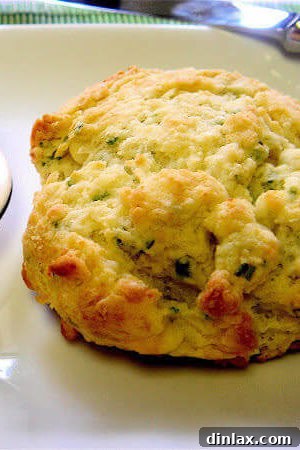
Buttermilk Biscuits with Cashel Blue Cheese and Chives
These delightful biscuits offer a savory twist, perfect for a festive occasion or simply as a comforting snack. They are remarkably quick to prepare and freeze beautifully, making them ideal for meal prepping. For freezing, simply place the unbaked biscuits on a cookie sheet, freeze for 30 minutes until firm, then transfer them to a freezer-safe Ziplock bag. When baking from frozen, you may need to increase the baking time by 2-3 minutes to achieve that perfect golden hue. For those who prefer a simpler, classic buttermilk biscuit, omit the cheese and herbs, increase the kosher salt to ½ teaspoon, and the sugar to 2 tablespoons. However, for a truly festive and flavorful treat, the combination of creamy Cashel Blue and fresh chives is an absolute marvel.
Yield: 10 biscuits
Ingredients:
- 2 cups all-purpose flour
- 2¼ teaspoons baking powder
- ¼ teaspoon baking soda
- ¼ teaspoon kosher salt
- 1 tablespoon sugar
- 8 tablespoons cold unsalted butter, cut into small pieces
- 3¼ oz (a scant cup) Cashel Blue cheese, crumbled
- ¾ cup + 1 tablespoon buttermilk (divided)
- 3 tablespoons finely chopped chives
- 2 tablespoons melted butter, for brushing
Instructions:
- Preheat your oven to 400ºF (200ºC).
- In a large mixing bowl, whisk together the flour, baking powder, baking soda, salt, and sugar until well combined.
- Add the cold, cubed butter to the dry ingredients. Using a pastry cutter or two forks, cut the butter into the flour mixture until it resembles coarse crumbs with some pea-sized pieces of butter remaining.
- Gently crumble the Cashel Blue cheese into the mixture and toss to coat, distributing the cheese evenly.
- In a separate small bowl, whisk ¾ cup of buttermilk with the finely chopped chives.
- Pour the buttermilk-chive mixture into the flour and cheese mixture. Stir gently with a spoon or spatula just until the dough comes together and forms a cohesive mass. Be careful not to over-mix, as this can lead to tough biscuits.
- Lightly flour your hands and gently knead the dough a few times directly in the bowl to fully bring it together. If the dough seems too dry or crumbly, add the extra tablespoon of buttermilk, a little at a time, until it reaches a workable consistency.
- Turn the dough out onto a lightly floured work surface. Gently pat the dough into a ¾-inch thick rectangle.
- Using a 2½-inch round cutter, cut out the biscuits. Place them on an ungreased baking sheet, spacing them about 2 inches apart.
- Brush the tops of each biscuit with the 2 tablespoons of melted butter.
- Immediately transfer the baking sheet to the preheated oven. Increase the oven temperature to 425ºF (220ºC) immediately upon placing the biscuits inside.
- Bake for 15 minutes, or until the biscuits are beautifully golden brown on top and cooked through.
- Remove from the oven and transfer the biscuits to a wire rack. Let them cool for 2 minutes before serving warm.
Blue Cheese Toasts Drizzled with Lavender Honey
This simple yet elegant snack is a testament to how easily Cashel Blue cheese can transform ordinary ingredients into something extraordinary. The crisp baguette provides a delightful textural contrast to the meltingly soft blue cheese, while a drizzle of fragrant lavender honey adds an unexpected layer of floral sweetness that beautifully complements the cheese’s piquant notes. It’s a sophisticated bite that’s perfect for appetizers or an afternoon treat.
Ingredients:
- 1 baguette
- Olive oil, for drizzling
- Generous portion of Cashel Blue cheese, crumbled
- 1 tablespoon lavender honey (or other floral honey)
Instructions:
- Preheat your oven to 400ºF (200ºC).
- Slice the baguette into ¼-inch thick rounds. Arrange the slices in a single layer on a cookie sheet.
- Lightly drizzle the baguette slices with olive oil.
- Bake for 8-10 minutes, or until the toasts are golden brown and crisp. Remove from the oven.
- Top each warm baguette slice with a generous amount of crumbled Cashel Blue cheese.
- Return the toasts to the oven for an additional 3-5 minutes, or until the cheese is beautifully melted and bubbly.
- While the cheese toasts are baking, prepare the honey. Place 1 tablespoon of lavender honey in a shallow, heatproof bowl. Submerge this bowl into a larger bowl filled with hot water. This gentle heat will help loosen the honey, making it easier to drizzle.
- Once the cheese has melted, remove the toasts from the oven.
- Immediately drizzle the warmed lavender honey over the melted blue cheese toasts and serve without delay for the best experience.
Sautéed Cabbage and Radicchio with Bacon and Cashel Blue Cheese
This vibrant and flavorful side dish offers a delightful medley of textures and tastes, combining the hearty earthiness of cabbage, the subtle bitterness of radicchio, the savory crunch of bacon, and the creamy, tangy notes of Cashel Blue cheese. It’s a perfect accompaniment to a robust main course, adding both color and complexity to your St. Patrick’s Day spread.
Serves 4 as a side dish
Ingredients:
- 1½ oz bacon, cut into ½-inch pieces
- 1 small head cabbage, halved, cored, and thinly sliced
- Kosher salt and freshly ground black pepper, to taste
- 1 small head radicchio, halved, cored, and thinly sliced
- 3 tablespoons balsamic vinegar
- 1 teaspoon sugar
- 2 oz Cashel Blue cheese, crumbled
Instructions:
- Place the diced bacon in a large nonstick skillet. Cover the skillet and cook over low heat for approximately five minutes, allowing the bacon to render its fat slowly.
- Remove the cover, stir the bacon, and increase the heat to medium-high. Continue to cook for another five minutes, stirring occasionally, until the bacon bits become crisp and beautifully browned.
- Using a slotted spoon, remove the cooked bacon bits from the skillet and transfer them to a plate lined with paper towels to drain excess fat. Set aside.
- Add the thinly sliced cabbage to the skillet with the rendered bacon fat (if too much fat, drain some off, leaving about a tablespoon). Season the cabbage with salt and pepper to taste.
- Cook the cabbage for about five minutes, stirring occasionally, until it begins to soften and become slightly tender. Taste to check the texture; if you prefer it softer, cook for a few more minutes.
- Add the thinly sliced radicchio to the skillet. Using tongs, gently mix the radicchio with the cabbage.
- Pour in the balsamic vinegar and sprinkle with the sugar. Continue to cook, stirring frequently, until the vinegar has reduced and the radicchio has wilted, which should take approximately 2 minutes.
- Remove the skillet from the heat. Stir in the reserved crispy bacon bits, ensuring they are evenly distributed throughout the vegetables.
- Serve the sautéed cabbage and radicchio immediately. Before serving individual portions, generously sprinkle the crumbled Cashel Blue cheese evenly over each serving.
The Legacy of Guinness: Ireland’s Iconic Stout
No exploration of Irish culture and cuisine would be complete without paying homage to Guinness, perhaps the most famous and beloved Irish product worldwide. The story begins in 1759, when Arthur Guinness signed an extraordinary 9,000-year lease for a brewery at St. James’s Gate in Dublin, Ireland, for the annual sum of just £35. From this humble beginning, Guinness began brewing its distinctive ales, transforming St. James’s Gate into what is now Dublin’s most popular tourist attraction and a pilgrimage site for beer enthusiasts.
Today, Guinness is more than just Ireland’s best-selling alcoholic drink; it’s a global phenomenon, recognized as one of the most successful beer brands on the planet. This dry stout, evolved from the porter style popular in London in the early 1700s, is instantly identifiable by its signature thick, creamy, tan-colored head and its complex, distinct roasted-barley flavor. This unique taste profile, characterized by notes of coffee and chocolate, makes Guinness incredibly versatile, capable of complementing an array of dishes, from rich savory stews to surprisingly decadent desserts. To illustrate its culinary breadth, we present two remarkable recipes: a hearty Guinness-braised short ribs dish and a truly indulgent Chocolate Guinness cake.
Guinness-Braised Short Ribs
These Guinness-braised short ribs are the epitome of comfort food, offering a melt-in-your-mouth tenderness and a depth of flavor that is simply unforgettable. The robust character of Guinness stout infuses the meat with rich, complex notes, while aromatic vegetables, fresh herbs, and citrus zests create a luxurious braising liquid. This dish is perfect for a celebratory meal, especially during colder months, and its flavors only improve when made in advance, making it an excellent option for entertaining.
Serves 4
Ingredients:
- 3 lb beef short ribs (long cut), cut into 2-inch pieces
- Kosher salt and freshly ground black pepper, to taste
- 2 tablespoons olive oil, divided
- 1 large leek, stem removed, roughly chopped
- 1 medium onion, peeled and roughly chopped
- 2 medium carrots, peeled and roughly chopped
- 1 cinnamon stick
- 1 tablespoon tomato paste
- 2 (11-oz) bottles of Guinness stout
- 2 cups chicken stock (preferably homemade)
- Zest of one orange
- Zest of one lemon
- 4-5 sprigs of fresh thyme
- 1 bay leaf
Instructions:
- Preheat your oven to 300ºF (150ºC).
- Place a large oven-safe soup pot or Dutch oven over high heat.
- Generously season the short ribs on all sides with kosher salt and freshly ground black pepper.
- Add 1 tablespoon of the olive oil to the hot pot. Allow it to heat for a few seconds until it’s almost smoking.
- Carefully add the short ribs to the pot, skin side down if applicable, ensuring not to overcrowd the pan (work in batches if necessary). Brown the ribs for about five minutes until a deep crust forms. Flip them and brown the other side for another five minutes.
- While the ribs are browning, prepare the vegetables. Cut the leek into large chunks and place them in a bowl of cold water, separating the layers to thoroughly clean any trapped dirt. Roughly chop the onion and carrots into medium-large pieces. This should yield approximately 3 cups of leeks and 2 cups each of carrots and onions.
- Once the ribs are browned, remove them from the pot and transfer to a plate. Drain off any excess fat from the pot and discard.
- Heat the remaining 1 tablespoon of olive oil in the same pot over high heat. Add the chopped leeks, onions, carrots, and the cinnamon stick. Season with salt and pepper to taste.
- Let the vegetables cook undisturbed for 2 minutes to get some caramelization, then stir. Continue to sauté the vegetables for 8-10 minutes, stirring occasionally, until they begin to soften and lightly brown.
- Stir in the tomato paste, coating the vegetables thoroughly, and cook for another minute.
- Deglaze the pan by pouring in the Guinness and chicken stock. Use a wooden spoon to scrape up any browned bits from the bottom of the pot, incorporating them into the liquid for added flavor.
- Add the orange zest, lemon zest, thyme sprigs, and bay leaf to the pot, then return the browned short ribs.
- Bring the liquid to a boil, then immediately reduce the heat to a gentle simmer. Cover the pot tightly and transfer it to the preheated oven.
- Braise the short ribs for 2 hours. After 2 hours, carefully remove the pan from the oven and test one of the short ribs. The meat should be very tender and nearly falling off the bone. If it’s not quite done, return the pot to the oven, checking every 15 minutes until the desired tenderness is achieved.
- Once done, remove the short ribs from the braising liquid and place them in a separate bowl or plate.
- Strain the braising liquid through a fine-mesh sieve into another tall, narrow vessel, discarding all the solids (vegetables, herbs, cinnamon stick).
- Place the strained liquid in the refrigerator for at least 10 minutes (or longer if possible) to allow the fat to separate and rise to the surface.
- Once chilled, skim off the layer of fat from the surface of the liquid and discard it.
- Return the ribs to the cleaned pot, pour the defatted braising liquid over them, and bring the mixture back to a gentle simmer on the stovetop.
- Serve immediately with your favorite accompaniments, such as mashed potatoes or creamy polenta.
- Note: These short ribs can be prepared up to three days in advance. Store them covered in the refrigerator with the defatted braising liquid. Reheat gently on the stovetop before serving.
Chocolate Guinness Cake
This Chocolate Guinness Cake, adapted from Nigella Lawson’s renowned cookbook “Feast,” is a true masterpiece of dessert. It’s a moist, dark, and wonderfully rich chocolate cake that uses Guinness stout not just for flavor, but also to enhance its deep color and incredibly tender crumb. Topped with a luscious, tangy cream cheese frosting that resembles the iconic head of a pint of Guinness, this cake is both visually stunning and utterly delicious. It’s the perfect celebratory dessert for St. Patrick’s Day or any occasion that calls for a truly decadent treat.
Ingredients for the Cake:
- 1 cup Guinness stout
- 1 stick (8 tablespoons) + 2 tablespoons unsalted butter
- ¾ cup unsweetened cocoa powder
- 2 cups granulated sugar
- ¾ cup sour cream
- 2 large eggs
- 1 tablespoon vanilla extract
- 2 cups all-purpose flour
- 2½ teaspoons baking soda
- 1 teaspoon kosher salt
Ingredients for the Cream Cheese Frosting:
- 8 oz cream cheese, softened
- 1¼ cups confectioners’ sugar (powdered sugar)
- ½ cup heavy cream
Instructions:
- Preheat your oven to 350ºF (175ºC). Lightly butter a 9-inch springform pan and set aside.
- In a medium saucepan, combine the Guinness stout and the butter. Heat over medium-low heat until the butter is completely melted. Remove the saucepan from the heat.
- Whisk in the unsweetened cocoa powder and granulated sugar until smooth and well incorporated.
- In a separate bowl, whisk together the sour cream, eggs, and vanilla extract until thoroughly combined.
- Pour the sour cream mixture into the Guinness mixture and stir until everything is smooth and fully blended.
- In another bowl, whisk together the all-purpose flour, baking soda, and kosher salt.
- Gradually add the dry ingredients to the wet ingredients, stirring gently just until combined. Be careful not to over-mix the batter; a few lumps are fine.
- Pour the cake batter into the prepared springform pan.
- Bake for 45 minutes, or until a toothpick or small paring knife inserted into the center of the cake comes out clean.
- Remove the cake from the oven and let it cool completely in the pan on a wire rack before attempting to frost it.
- While the cake cools, prepare the cream cheese frosting. In a medium bowl, beat the softened cream cheese with an electric mixer until it is light and fluffy.
- Gradually add the confectioners’ sugar, beating until smooth and well blended.
- Pour in the heavy cream and continue to beat until the frosting is thick, creamy, and holds its shape. If the frosting seems too soft to spread easily, you can place it in the refrigerator for about 10 minutes to firm up slightly.
- Once the cake is completely cool, carefully release it from the springform pan. Spread the luscious cream cheese frosting evenly over the top of the cake, creating a beautiful contrast reminiscent of a frothy pint of Guinness.
Nourishing Traditions: John McCann’s Steel Cut Oats
Ireland’s unique geography and climate – characterized by fertile plains, a humid atmosphere, and pristine rivers – have fostered the cultivation of high-quality oats since as early as the fifth century. This long-standing tradition of oat farming eventually led to the establishment of John McCann’s mill. In 1800, McCann built his mill on the picturesque east coast of Ireland, in the town of Beamond, embarking on the production of superior steel-cut oats.
McCann’s dedication to quality quickly gained recognition. Just a few decades later, in 1851, his product was honored with two prestigious “quality of excellence” awards at exhibitions in London and Dublin. This was followed by a coveted first prize at the Philadelphia Exhibition in 1876, an achievement still proudly emblazoned on the distinctive, old-fashioned tin cans that hold his oats today. This history speaks to the enduring legacy of a product crafted with care and a commitment to excellence.
So, what exactly are steel-cut oats? Unlike rolled oats, which are steamed and flattened, steel-cut oats are whole grain groats that have simply been cut into two or three small pieces. This minimal processing preserves more of their natural integrity, resulting in a product that is not only nutritionally superior but also boasts a distinct texture and flavor. Steel-cut oats are an excellent source of complex carbohydrates, providing sustained energy, and are rich in protein – containing twice as much protein as brown rice and 50 percent more than bulgur. Furthermore, they offer a wonderfully nutty and chewy texture, creating a creamier and more flavorful oatmeal compared to their rolled counterparts. Low in fat and an exceptional source of cholesterol-lowering soluble fiber, John McCann’s steel-cut oats make for a deliciously wholesome and incredibly nutritious breakfast, a truly perfect start to any day, especially one celebrating Irish heritage.
Steel Cut Oatmeal with Medjool Date and Cinnamon
This recipe transforms simple steel-cut oats into a luxurious and healthful breakfast experience. The natural sweetness of Medjool dates combined with the warming spice of cinnamon creates a deeply satisfying and nourishing bowl of oatmeal. It’s a perfect way to harness the incredible health benefits and superior texture of McCann’s steel-cut oats for a truly delightful morning meal. This recipe, a personal favorite, ensures a creamy, flavorful start to your day.
Serves 1
Ingredients:
- ¼ cup skim milk (or preferred milk/milk alternative)
- ¾ cup water
- Pinch of kosher salt
- ¼ teaspoon ground cinnamon
- ¼ cup steel cut oats (John McCann’s recommended)
- 1 large Medjool date, pitted
- 1 small banana
- Granola for crunch (optional)
Instructions:
- In a medium saucepan, combine the milk, water, kosher salt, and ground cinnamon. Bring the mixture to a rolling boil over medium-high heat.
- Once boiling, reduce the heat to low. Add the steel-cut oats and stir well to combine.
- Gently simmer the oatmeal, stirring every five minutes, for approximately 21-23 minutes. Keep a close watch towards the end of the cooking time; if the oatmeal starts to stick to the bottom of the pan, add a small splash more of water or milk to loosen it. The goal is a creamy, tender consistency.
- While the oatmeal is cooking, finely dice the Medjool date and slice the banana.
- Once the oatmeal is cooked to your desired tenderness, remove it from the heat.
- Place the diced date and sliced banana in a serving bowl. Top with the freshly cooked steel-cut oatmeal and stir gently to combine the fruit throughout.
- The natural sugars from the Medjool date and banana should sweeten the oatmeal sufficiently. However, if you prefer it sweeter, feel free to add a touch more sugar, brown sugar, or honey to taste.
- For an added layer of texture and crunch, sprinkle with granola if desired before serving. Enjoy this warm, nourishing breakfast immediately.