In an era of increasing consumer awareness and a globalized food supply, the origin and production methods of our food have never been more scrutinized. From concerns over food safety to environmental impact, discerning consumers are actively seeking healthier and more sustainable choices. One area that has garnered significant attention is the shrimp industry, particularly the stark contrast between imported farm-raised shrimp and domestic wild-caught American shrimp. The discourse around shrimp consumption has shifted dramatically, moving beyond mere price points to encompass a broader understanding of ecological responsibility, economic impact, and public health.
The Hidden Costs of Imported Farm-Raised Shrimp: A Global Concern
For years, a significant portion of the shrimp consumed in the United States has been sourced from aquaculture operations in Asia, particularly from countries like China and Vietnam. While these farm-raised varieties often come with a lower price tag, the true cost extends far beyond what appears on the label. Mounting evidence points to environmentally irresponsible practices and potential health risks associated with a considerable segment of this foreign industry. Consumers are increasingly urged to exercise caution when considering imported farm-raised fish, with particular emphasis on shrimp.
Environmental Devastation: Mangroves, Pollution, and Habitat Loss
The environmental footprint of many Asian shrimp farms is widely documented and deeply concerning. Vast expanses of vital tropical mangrove forests, which serve as crucial habitats and natural buffers against coastal erosion, have been systematically cleared to make way for multi-acre shrimp ponds. An estimated 3.7 million acres of these ecologically rich ecosystems have been destroyed, eradicating breeding grounds for numerous fish species, nesting sites for birds, and essential resources for human communities. This destruction not only leads to significant biodiversity loss but also leaves coastal regions more vulnerable to natural disasters.
Furthermore, the intensive nature of these farming operations often results in severe water pollution. Untreated wastewaters, laden with excess feed, shrimp feces, and a cocktail of chemicals, are frequently discharged directly into surrounding oceans and waterways. This unchecked effluent contaminates marine environments, harms aquatic life, and disrupts delicate ecosystems. The cycle of exploitation is often unsustainable, leading to the rapid degradation of land and water resources, with many farms eventually abandoned after just a few years of operation, leaving behind barren landscapes along the coastlines of major shrimp-exporting nations.
Health Implications: Antibiotics and Drug-Resistant Bacteria
Beyond the environmental damage, the health implications of consuming imported farm-raised shrimp are a growing concern. To combat the rampant diseases that thrive in overcrowded and often unsanitary farming conditions, many foreign shrimp farms liberally employ antibiotics. This widespread and often unregulated use of antibiotics contributes to the development of drug-resistant bacteria, a global public health crisis. When consumers ingest shrimp treated with these antibiotics, they may inadvertently expose themselves to these resistant strains, potentially compromising the effectiveness of antibiotics in treating human infections. Additionally, the presence of other chemicals, pesticides, and unknown feed additives in some foreign farm-raised shrimp raises further questions about their long-term health effects.
The Case for Wild American Shrimp: A Sustainable and Flavorful Choice
Given the significant issues associated with imported farm-raised shrimp, many consumers are turning their attention to domestic wild-caught American shrimp as a superior and more responsible alternative. Organizations dedicated to ocean conservation, such as Seafood Watch, consistently rank wild-caught shrimp from the Atlantic and the Gulf of Mexico as the “best choice” among warm-water or tropical shrimp, and a “good alternative” to their top pick: wild-caught shrimp from Oregon. These recommendations highlight the commitment of American shrimpers to more sustainable practices and the inherent benefits of seafood caught in its natural environment.
Prioritizing Ecological Responsibility and Bycatch Reduction
While catching shrimp in their natural habitat isn’t without its challenges, the American shrimp industry has made significant strides in adopting environmentally responsible fishing methods. Seafood Watch acknowledges that traditional shrimp trawling, which involves dragging a net along the seafloor, can accidentally catch and kill non-target marine life, known as bycatch. Historically, this accounted for a substantial portion of wasted catch globally, including turtles and sharks. However, American shrimpers have been at the forefront of implementing innovative solutions.
Through the development and mandatory use of devices like Turtle Excluder Devices (TEDs) and various Bycatch Reduction Devices (BRDs), fishermen have dramatically reduced the accidental capture of vulnerable species. For instance, TEDs have been shown to reduce turtle entrapment by as much as 97 percent, while BRDs can cut bycatch of some fish species by up to 50 percent. These advancements demonstrate a strong commitment within the domestic industry to minimize ecological impact and ensure the long-term health of marine ecosystems, setting a global standard for sustainable fishing.
Supporting Local Economies and a Cherished Tradition
Beyond environmental stewardship, choosing wild American shrimp directly supports the livelihoods of countless domestic shrimpers and their communities. The Southern shrimping industry, a vital part of America’s coastal heritage and economy, has faced immense challenges in recent years. Devastating natural disasters, such as Hurricanes Katrina and Rita, inflicted severe damage, while the relentless influx of cheaper, often less sustainably produced, imported shrimp has further eroded their market share. This has led to economic hardship for many families whose traditions span generations.
A recent advertising campaign, famously beginning with the catchy phrase, “You’ve been bamboozled. Snooped. Hoodwinked,” passionately promotes domestic wild-caught prawns. These campaigns are more than just marketing; they are a rallying cry for an industry striving to rebuild and reclaim its rightful place in the market. By choosing wild American shrimp, consumers play a direct role in preserving a unique cultural legacy, fostering economic resilience, and ensuring that American shrimping communities can continue their proud tradition of providing high-quality seafood.
Making Informed Choices: Empowering Consumers
For consumers eager to make a difference with their purchasing power, identifying and choosing wild American shrimp is a straightforward process. Websites like wildamericanshrimp.com offer valuable resources for locating suppliers. Many reputable retailers, such as Whole Foods Market, actively stock 16-20 count wild shrimp, often sourced from the pristine waters of the Gulf of Mexico. While it might require a little extra effort to seek out, wild shrimp is indeed available and represents a choice that aligns with health, environmental, and economic values.
Making the switch to wild American shrimp is not just about a culinary preference; it’s a conscious decision to support a sustainable food system. It’s a vote for cleaner oceans, healthier ecosystems, and the hard-working men and women who continue to fish responsibly. This summer, as you plan your meals, consider going wild for American shrimp – a delicious, environmentally responsible, and truly superior product that benefits us all.
Print
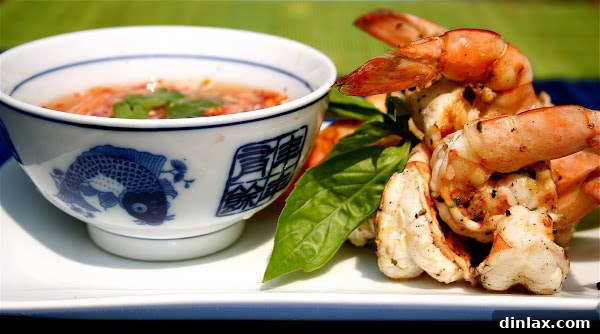
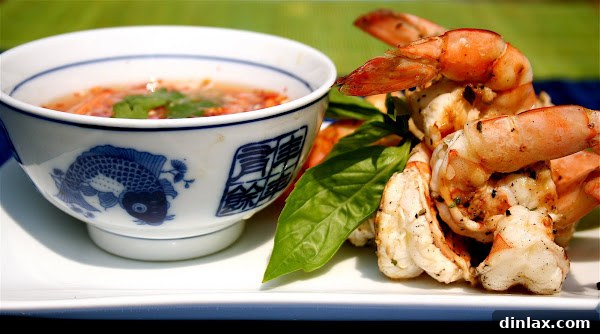
Grilled Basil-Garlic Shrimp with Chili-Lime Dipping Sauce
5 Stars 4 Stars 3 Stars 2 Stars 1 Star
No reviews
Author: Alexandra
Total Time: 30 minutes
Yield: 6 to 8 1x
Ingredients
- 2 lbs. large, 16-20 count shrimp
- ½ cup olive oil
- ¼ cup freshly squeezed lime juice
- ½ cup finely chopped basil
- 4 cloves garlic, minced
- kosher salt
- pepper
- For the Chili-Lime Dipping Sauce:
- ½ cup freshly squeezed lime juice
- ¼ cup fish sauce
- ¼ cup rice vinegar
- ½ cup thinly sliced shallots
- 3 tablespoons sugar
- 1 teaspoon crushed red pepper flakes
- 2 cloves garlic, thinly sliced
- 1 carrot, peeled
- 1 chili, such as Thai bird, Serrano or jalapeno
Instructions
- Peel shrimp, leaving the tails on. Run a paring knife down the backside of each shrimp, removing the vein, while butterflying the shrimp. Place in a bowl with the oil, lime juice, basil, and garlic. Let marinate in the refrigerator for 20 minutes.
- Preheat the grill to high. Remove shrimp from bowl, discarding excess marinade, and place on a large plate. Season evenly with kosher salt and pepper. When the grill is hot, place shrimp onto grates and let cook for 2 minutes, leaving the cover open. Flip shrimp and cook for another 2 minutes. Remove from grill, pile on a platter, and serve immediately with dipping sauce.
- To make the sauce: Combine lime juice, fish sauce, vinegar, shallots, sugar, pepper flakes, and garlic in a small bowl. Using a mandoline, vegetable peeler, or a knife, cut the carrot into 8 to 10 thin slices. Then with a knife, cut into very fine strips. Add to the bowl. Cut the chili into thin cross sections, leaving the seeds intact, and add to the bowl. If time permits, refrigerate for at least 1 hour before serving.
- Prep Time: 25 minutes
- Cook Time: 5 minutes