The Art of Affordable Baking: Unveiling the True Cost and Value of Homemade Peasant Bread
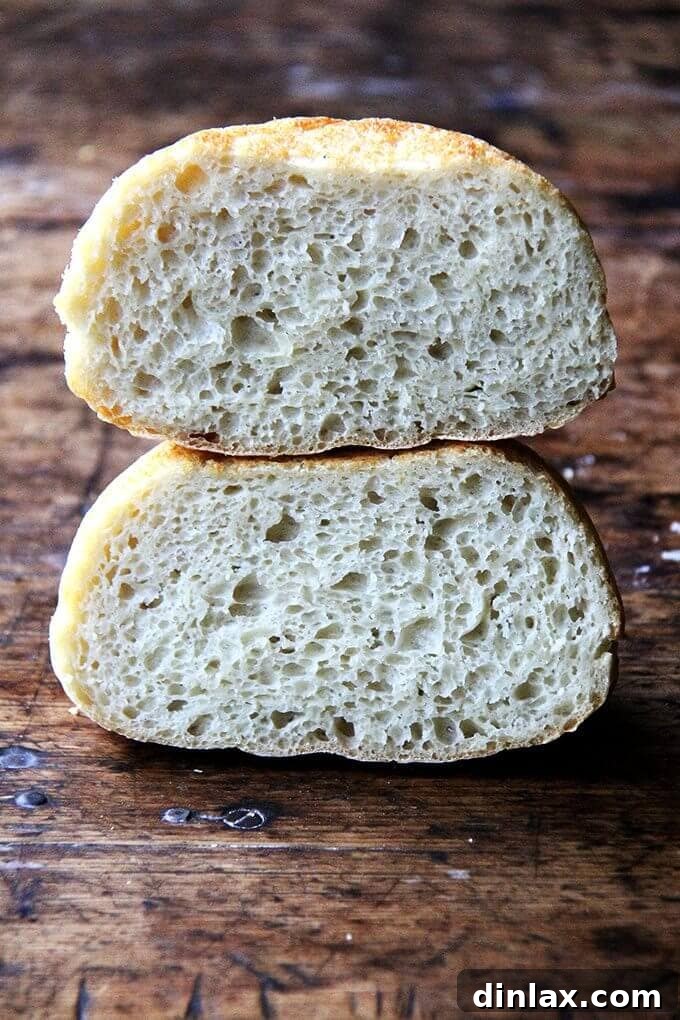
There’s an extraordinary sense of accomplishment and warmth that comes from baking bread at home. The rich aroma that permeates your kitchen, the rustic appearance of a hand-crafted loaf, and the unparalleled taste of fresh, wholesome ingredients – these elements combine to create a truly rewarding experience. Many perceive homemade bread as a luxury, a time-consuming endeavor best left to professional bakers. However, I’m here to demystify this notion and demonstrate that baking your own bread, particularly a simple yet profoundly satisfying recipe like my Peasant Bread, is not only incredibly accessible but also surprisingly economical. Join me as we delve into the numbers, revealing how minimal ingredient costs can yield maximum culinary delight and make for an invaluable, heartfelt gift.
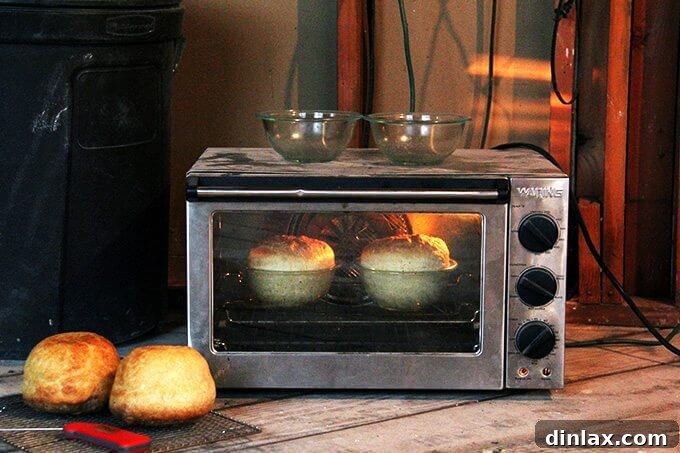
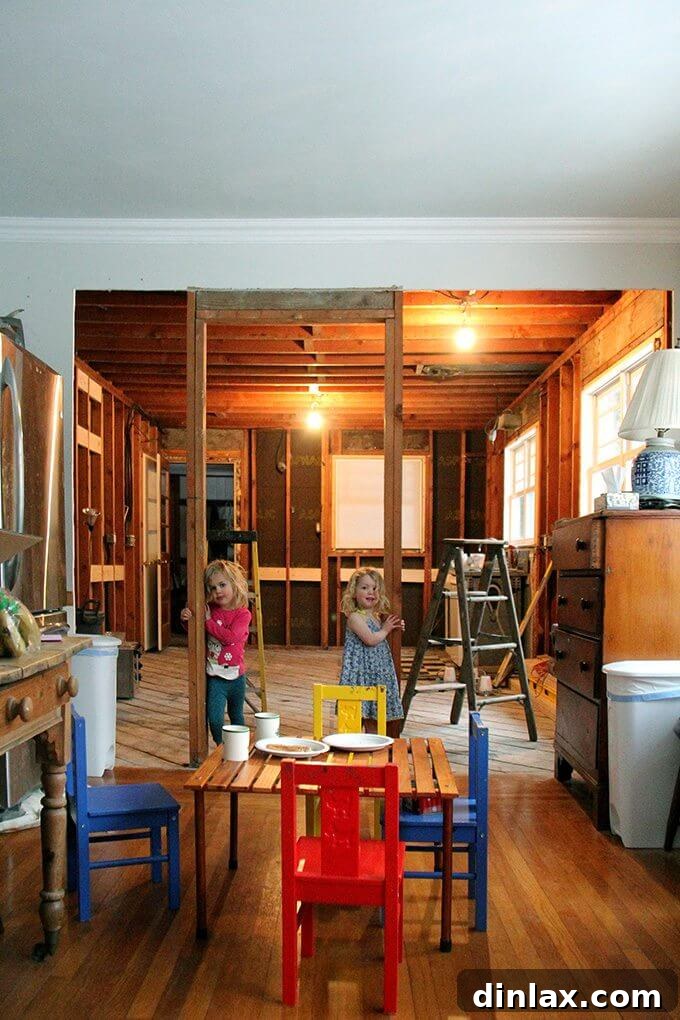
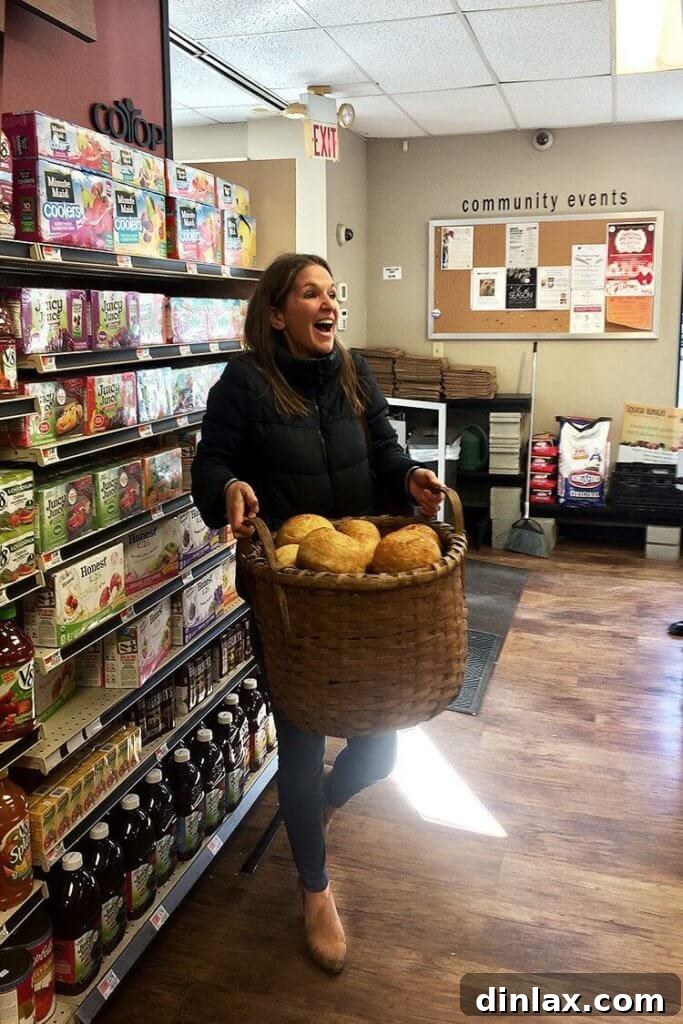
My passion for bread baking intensified through a wonderful collaboration with a local community staple, The Vischer Ferry General Store. Supplying fresh, artisanal loaves to this charming establishment has been a deeply rewarding part of my culinary journey. It’s an experience that grounds me, fostering a connection to local commerce and the simple pleasure of offering quality, homemade goods to my neighbors. This involvement has also sharpened my awareness of ingredient pricing, especially flour, which is the very soul of bread. Consequently, I’ve become adept at spotting and seizing opportune deals, ensuring I can continue producing delicious bread without excessive expenditure. While my primary kitchen is currently undergoing renovations, temporarily limiting my output for the General Store, my dedication to baking endures. I often adapt by preparing smaller batches in my trusty compact oven, ensuring the joy of fresh bread remains a constant in my home.
Deconstructing the Expenses: A Detailed Look at Peasant Bread Ingredients
Let’s get down to the brass tacks and dissect the actual cost of producing a single loaf of my beloved Peasant Bread. This meticulous breakdown will illustrate just how surprisingly inexpensive it is to create a bakery-quality loaf in your own home, far cheaper than any store-bought equivalent.
Flour: The Cornerstone of Your Loaf
As the primary ingredient, flour naturally represents the most significant portion of the cost. I consistently choose King Arthur Flour due to its unwavering quality and reliable performance, which are essential for predictable and delicious baking results. However, the price of flour can vary, and being a savvy shopper makes a considerable difference. Let’s examine two distinct purchasing scenarios to understand the impact:
-
Calculating Cost with Regular-Priced Flour:
Typically, a 25-lb bag of King Arthur Flour costs me around $14.49 at my local Hannaford supermarket. To ascertain the cost per gram, we first convert the weight: 25 lbs multiplied by 453.592 grams per pound equals approximately 11,339.8 grams. Dividing the total cost by the total grams ($14.49 / 11,339.8 g) yields a cost of roughly $0.001278 per gram. My master Peasant Bread recipe requires 512 grams of flour. Therefore, the total flour cost for one batch of dough is $0.001278 multiplied by 512 g, which is approximately $0.654. Given that each recipe generously yields two loaves, the cost of flour for each individual loaf is a modest $0.33.
-
Calculating Cost with Sale-Priced Flour:
On occasion, I’m fortunate enough to stumble upon an exceptional deal, such as a 5-lb bag of King Arthur Flour at the Niskayuna Co-op for an amazing $1.99. Converting 5 lbs to grams (5 lbs * 453.592 g/lb = 2,267.96 g), the cost per gram plummets to $1.99 / 2,267.96 g, approximately $0.000878 per gram. At this fantastic price point, the flour required for the 512-gram recipe costs $0.000878 multiplied by 512 g, totaling about $0.449. This incredible saving brings the flour cost per loaf down to an astonishingly low $0.23.
These comparisons vividly demonstrate the significant savings achieved by purchasing flour when it’s on sale, making your bread-baking even more budget-friendly and reinforcing the simple economics of smart shopping.
The Supporting Ensemble: Minor but Mighty Ingredients
Beyond flour, a few other key ingredients contribute to the bread’s character and texture, yet their individual costs are remarkably small:
-
Kosher Salt: Enhancing Every Bite
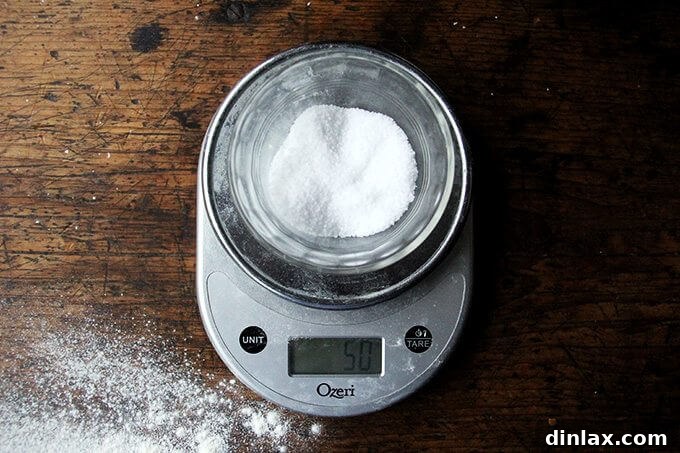
For balance and flavor, the recipe calls for 2 teaspoons (approximately 7 grams) of kosher salt. I prefer Diamond Crystal kosher salt for its delicate flake and clean taste. A 3-lb (1.36 kg) box of this salt typically costs around $2.29. A quick calculation reveals that 7 grams of salt contribute a minuscule $0.01 to the overall cost of the recipe.
-
Sugar: A Touch of Sweetness and Activation
A small amount, 2 teaspoons (roughly 10 grams), of sugar is included in the dough. This isn’t just for sweetness; it also aids in activating the yeast. A 4-lb (1.81 kg) bag of Domino Sugar usually sells for about $2.39. For the 10 grams used, the cost is also an insignificant $0.01.
-
Instant Yeast: The Breath of Life
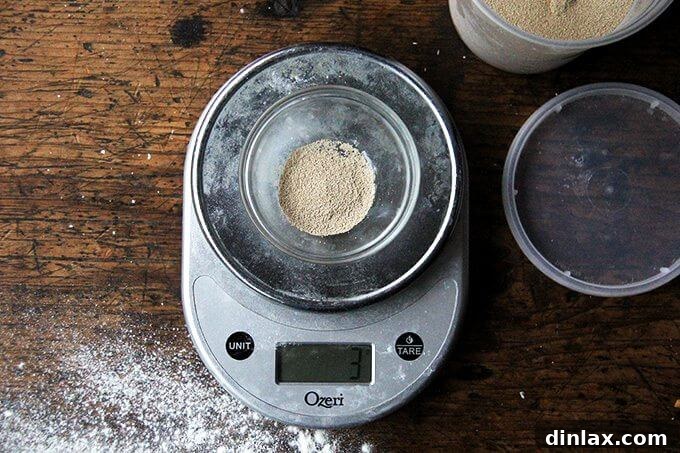
The magic behind the bread’s airy structure comes from 2 teaspoons (approximately 7 grams) of instant yeast. SAF instant yeast is my go-to choice for its consistent performance and reliability, a favorite among many home and professional bakers. A 1-lb (0.45 kg) package typically costs around $5.65. This translates to about $0.09 for the amount incorporated into one recipe, proving that even the most vital ingredient can be surprisingly cheap.
-
Butter: For a Flawless Finish
To ensure our beautiful loaves release perfectly from their baking bowls, 2 tablespoons of softened unsalted butter are used for greasing. A standard 1-lb stick of Cabot unsalted butter contains 32 tablespoons and costs roughly $4.79. Each tablespoon thus costs about $0.15, bringing the total butter expenditure for two loaves to a reasonable $0.30. This small investment ensures a smooth, non-stick baking process and a visually appealing crust.
When we total these non-flour ingredients, the entire cost for a batch producing two loaves comes to approximately $0.41. This astonishingly translates to just $0.21 per loaf for everything except the flour. Combining this with our earlier flour calculations, the overall material cost for a single loaf of Peasant Bread stands at either $0.54 (using regular-priced flour) or an incredible $0.44 (when taking advantage of sale prices). These figures underscore the incredible affordability of making artisanal bread from scratch!
Beyond the Monetary: The Immeasurable Value of Homemade Bread
While the cold, hard numbers undeniably highlight the financial advantages of home baking, the true essence and value of homemade bread, particularly a rustic and heartwarming loaf like Peasant Bread, extend far beyond its monetary cost. It’s important to acknowledge the “hidden costs” often associated with baking: the time dedicated to mixing, rising, and baking, the energy consumed by your oven, and the inevitable task of washing dishes. However, these are not merely expenses but rather investments – investments in a deeply enriching process, a meditative pause in a fast-paced world, and a labor of love that yields extraordinary returns.
Consider the full sensory experience: the comforting warmth radiating from the rising dough, the earthy, yeasty fragrance gradually filling every corner of your home, and the satisfying golden-brown crust that emerges from the oven. This journey from simple ingredients to a glorious loaf is a reward in itself, fostering a profound sense of pride and accomplishment. The knowledge that you’ve created something wholesome, nutritious, and delicious from scratch provides immense personal satisfaction.
The Ultimate Heartfelt Gift
And what greater expression of care than gifting a freshly baked loaf? If you’ve ever baked my Peasant Bread, you’ll know its remarkable simplicity makes it accessible to everyone, from novice bakers to seasoned culinary enthusiasts. When you present one (or both!) of these warm, fragrant loaves to someone, their reaction is often one of genuine awe and gratitude. It’s perceived not just as bread, but as a “total miracle,” transforming you, the giver, into an “angel.” This isn’t just an exaggeration; it reflects the profound appreciation for a gift that speaks volumes of thoughtfulness, personal effort, and generosity. In an era dominated by mass-produced goods, a homemade loaf stands out as a unique, personal, and deeply comforting present. The universal appeal of homemade bread means that bakers and non-bakers alike cherish receiving it, making it an ideal, cherished choice for any occasion, especially during the festive holiday season when heartfelt gestures are most treasured.
Elevate Your Baking and Gifting: My Cookbook and Thoughtful Accessories
For those who are new to my culinary world, I’m delighted to introduce my cookbook, Bread Toast Crumbs, which was released last April. It’s designed to be a comprehensive and approachable guide to the wonderful world of bread, making baking an enjoyable and successful endeavor for cooks of all skill levels. To add an extra layer of charm and personalization to your homemade bread gifts, the talented illustrator Steph Becker created delightful toast bookplates and toaster notecards earlier this year. Imagine presenting a beautiful, warm loaf of bread accompanied by a whimsical notecard and a personalized bookplate – it’s the perfect, thoughtful enhancement to your culinary creation.
If you’re still seeking that ideal, unique, and heartfelt gift as the holiday season approaches, it’s certainly not too late! Consider ordering a copy of Bread Toast Crumbs and pairing it with a charming toaster notecard, complete with an inscribed toast bookplate. This thoughtful combination offers a truly personal and memorable present that will be cherished and enjoyed, long after the last delicious crumb of bread has been savored. Don’t hesitate to reach out to arrange your order and bring this special gift to life.
Mastering Peasant Bread: Your Guide to a Simple & Rewarding Recipe
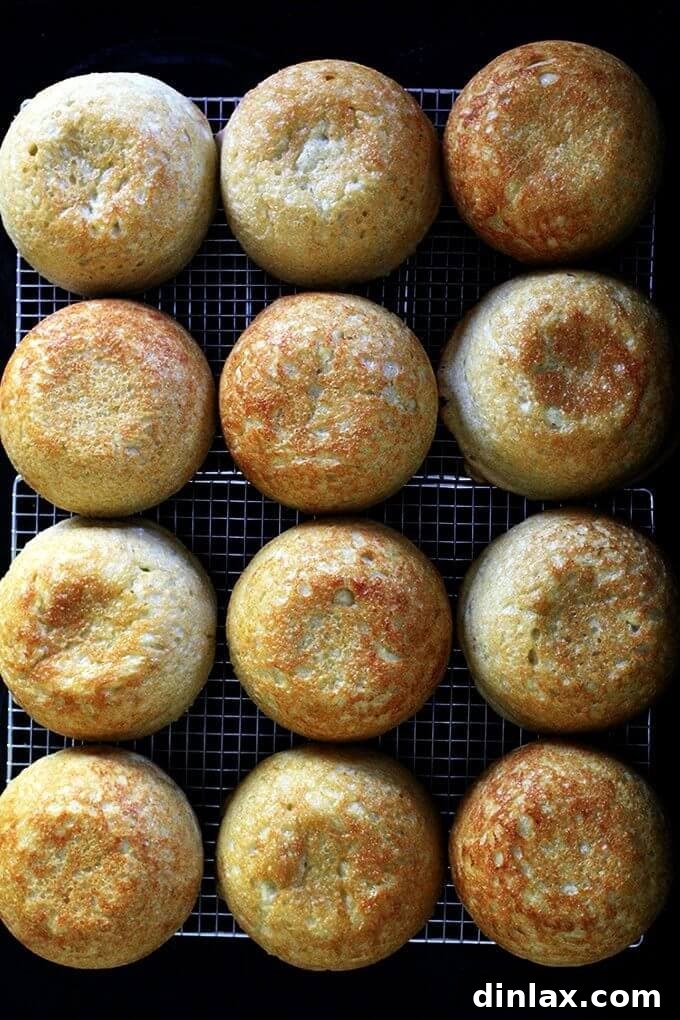
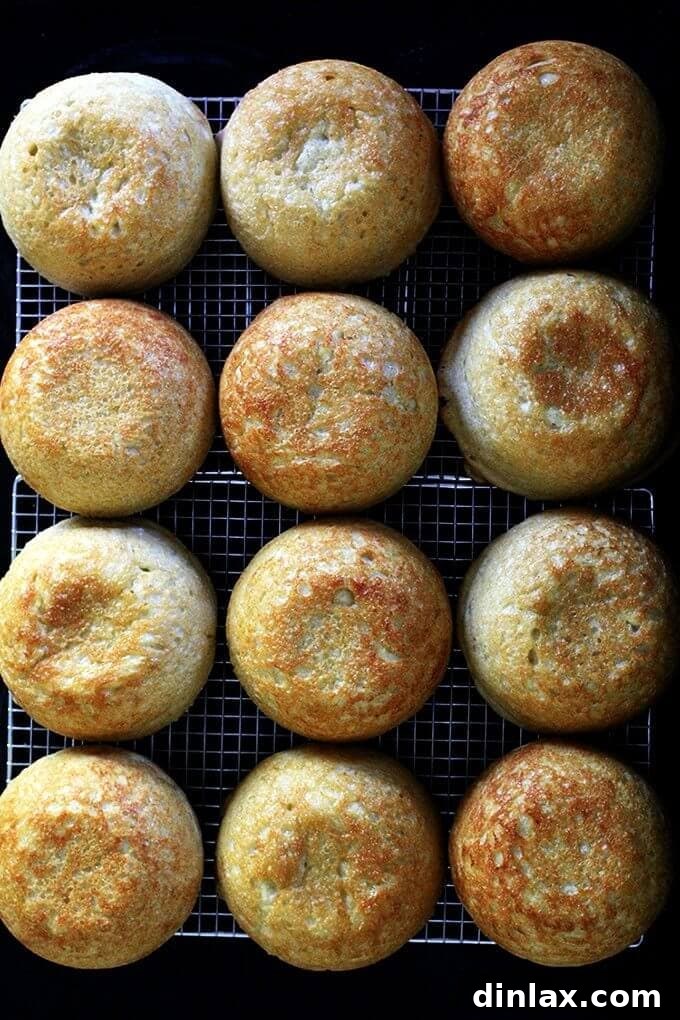
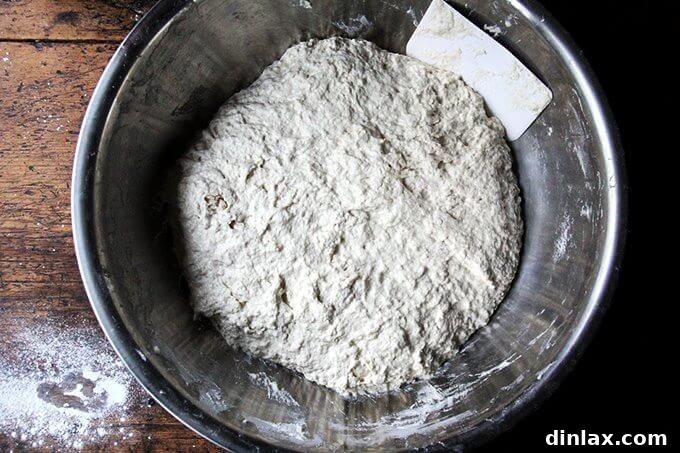
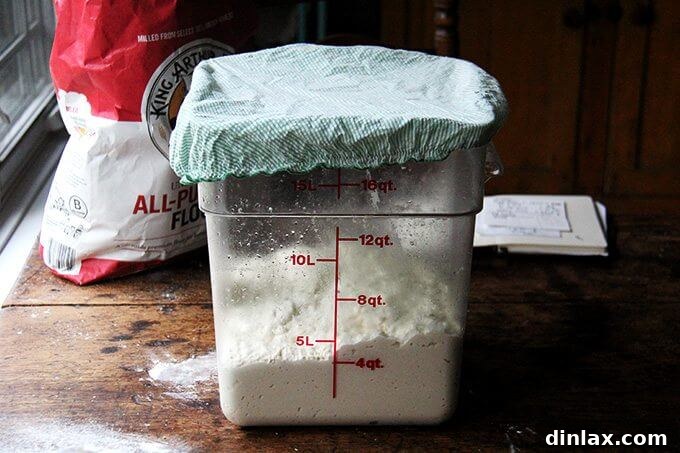
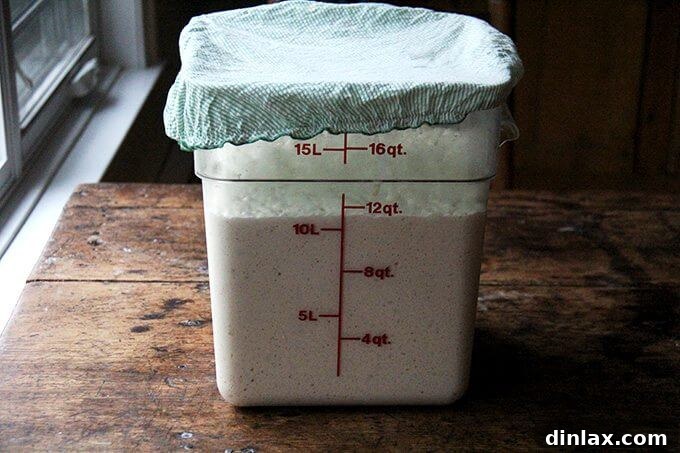
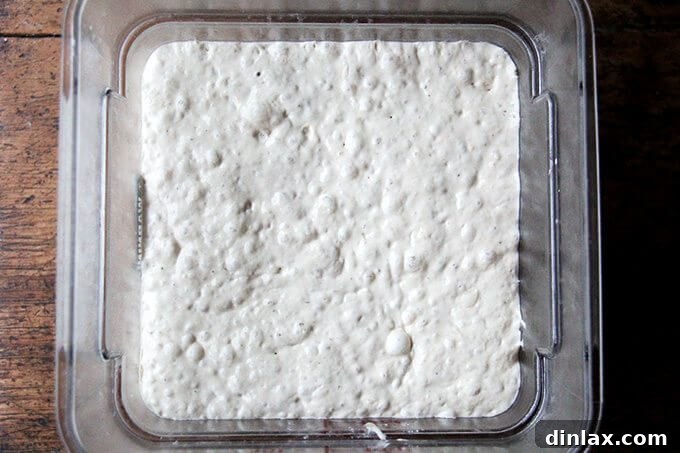
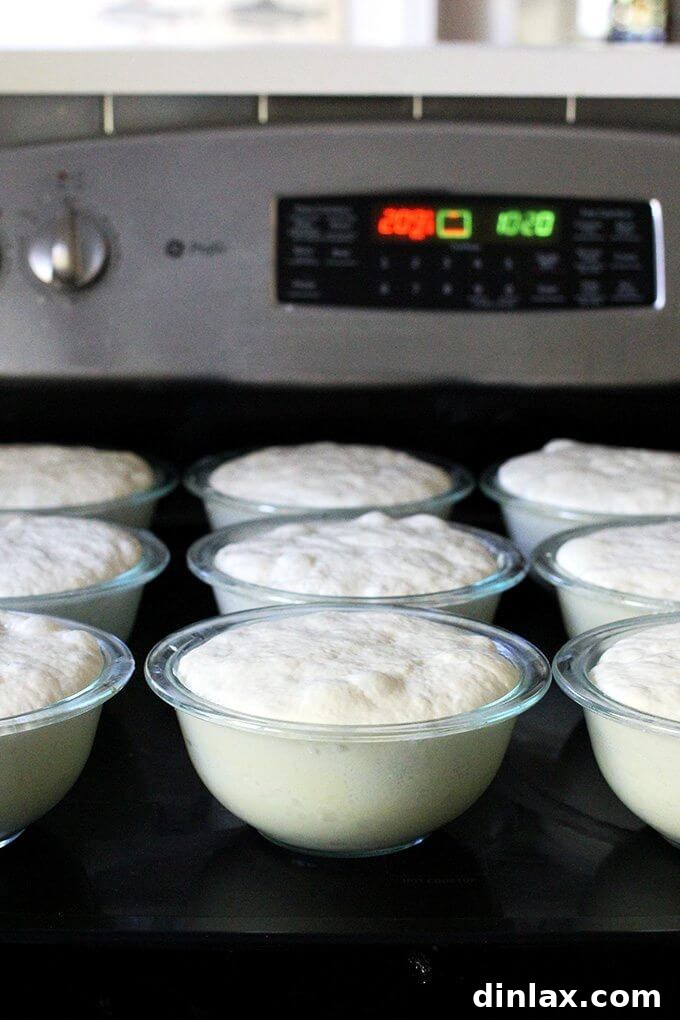
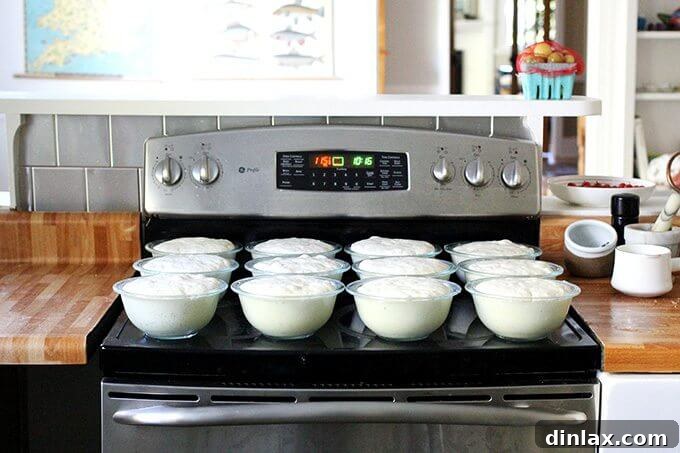
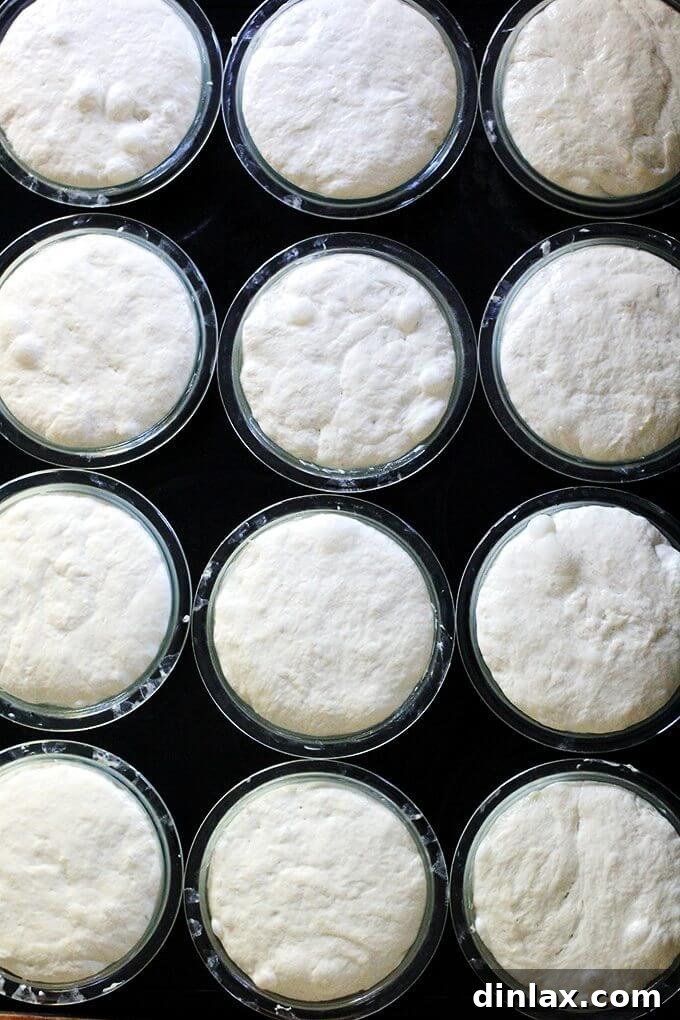
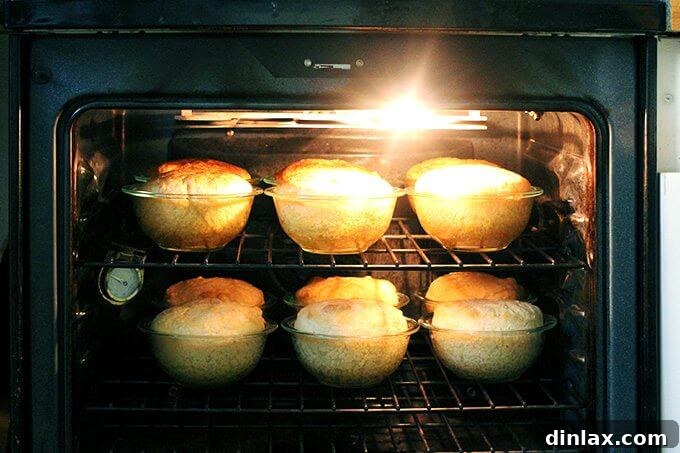
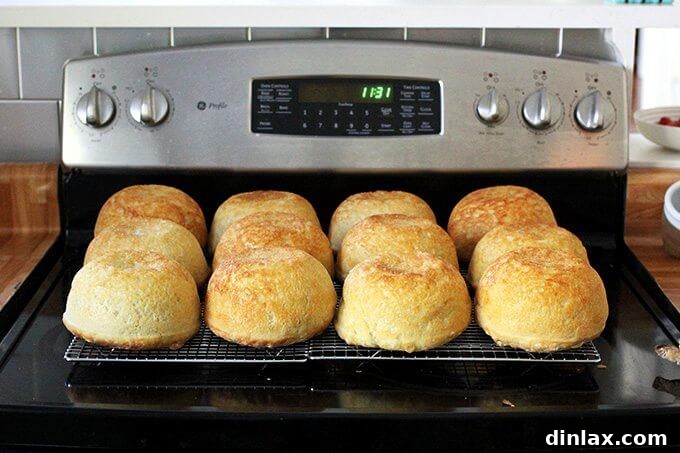
Feeling inspired to fill your home with the irresistible aroma of freshly baked bread? The Peasant Bread recipe is incredibly forgiving and guarantees consistently delicious results, making it a fantastic choice for any baker. Below, you’ll find the complete, easy-to-follow recipe, accompanied by a series of step-by-step photographs to visually guide you through each stage of the process, whether you’re baking a standard batch or embarking on a larger project of 12 loaves at once!
Print Recipe
Peasant Bread: The Easiest & Most Delicious Homemade Loaf
Rated 4.8 out of 5 stars based on 6 reviews
- Yield: 2 loaves
Description
This incredibly simple and rewarding Peasant Bread recipe comes straight from my cookbook, Bread Toast Crumbs. It’s renowned for its minimal effort and maximum flavor, making it perfect for beginners and seasoned bakers alike. This recipe is designed to be foolproof, yielding a beautifully rustic loaf with a wonderful crust and tender interior every time.
For more detailed insights, helpful tips, and frequently asked questions, you can explore the original peasant bread post. If you’re contemplating baking larger quantities, such as a dozen loaves at once for gifting or events, or if you’re keen to experiment with a long, slow rise for enhanced flavor development, be sure to refer to the special notes provided at the end of this recipe for specific instructions.
Ingredients
- 4 cups (512 g) unbleached all-purpose flour
- 2 teaspoons kosher salt
- 2 teaspoons sugar
- 2¼ teaspoons instant yeast
- 2 cups lukewarm water (achieved by precisely mixing 1.5 cups cold water and 0.5 cups boiling water)
- Softened unsalted butter, for generously greasing your baking bowls
Instructions
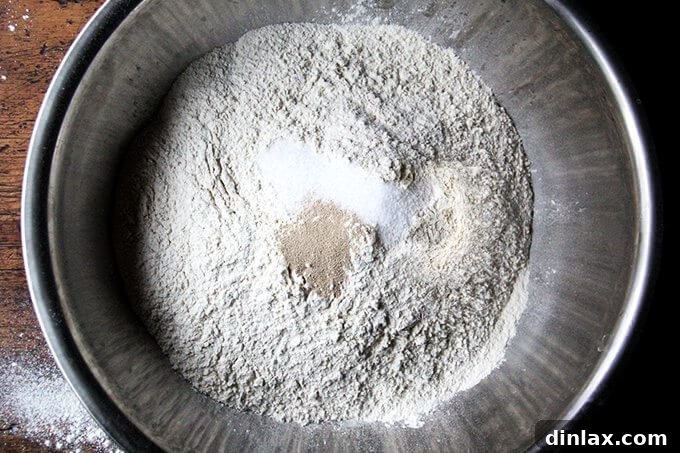
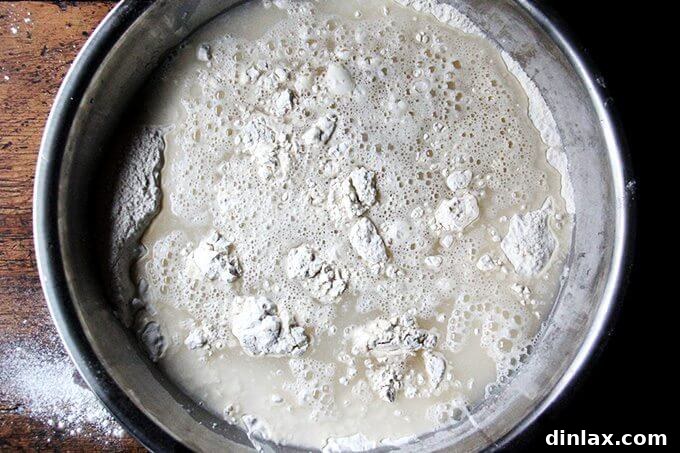
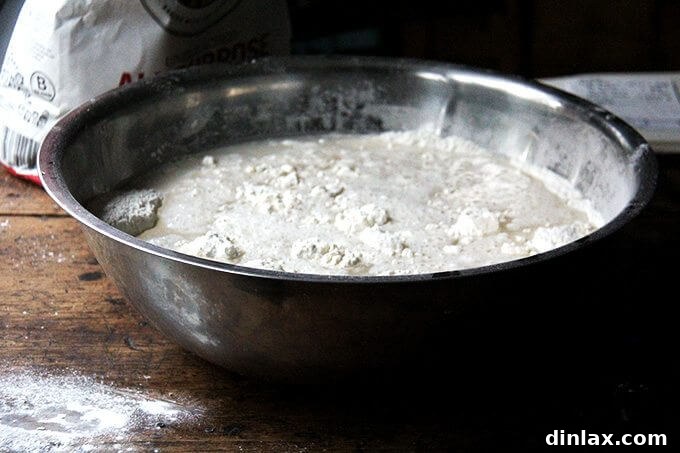
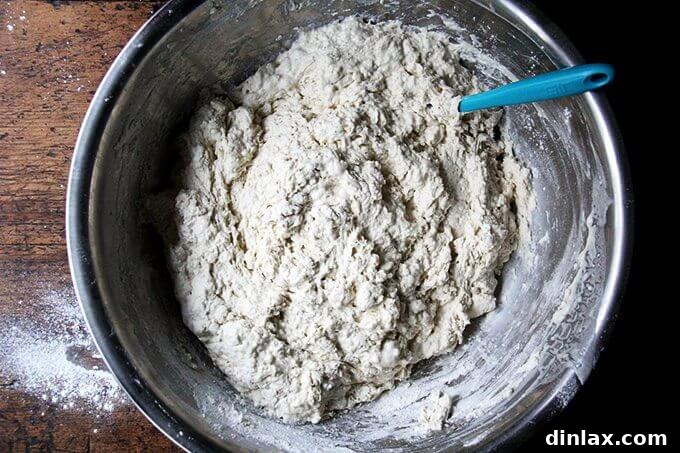
- In a spacious mixing bowl, thoroughly whisk together the dry ingredients: the unbleached all-purpose flour, kosher salt, sugar, and instant yeast, ensuring they are well combined. Add the lukewarm water to the dry mixture. Using a sturdy rubber spatula, mix until all the water is absorbed into the flour, and the ingredients coalesce into a sticky, cohesive dough ball. There’s no need for extensive kneading with this recipe.
- Cover the bowl snugly with either a damp tea towel or plastic wrap to prevent the dough from drying out. Place it in a warm, draft-free spot (such as a turned-off oven that was briefly heated) to rise for 1 to 1½ hours, or until the dough has visibly doubled in size and appears bubbly. To create a perfectly warm rising environment: simply turn your oven on for precisely one minute, then switch it off, and place your covered dough bowl inside.
- While the dough is rising, position an oven rack in the middle of your oven and preheat it to 425°F (220°C). Generously grease two 1-quart oven-safe bowls with the softened unsalted butter – don’t be shy, as this ensures easy release. Once the dough has risen, using two forks, gently deflate it by releasing it from the sides of the bowl and pulling it toward the center. Rotate the bowl in quarter turns as you work, gently shaping the mass into a rough, compact ball.
- With your two forks, and working from the center outwards, carefully divide the dough into two equal portions. Use the forks to gently lift each half of the dough and transfer it into one of the prepared buttered bowls. If the dough feels overly wet or sticky to handle with forks, lightly grease your hands with additional butter or oil before transferring each half. It’s important not to cover the bowls at this stage. Allow the dough to undergo a second rise on the countertop near the warm oven (or any other warm, draft-free location) for an additional 10 to 20 minutes, or until the top of the dough just crowns above the rims of the bowls.
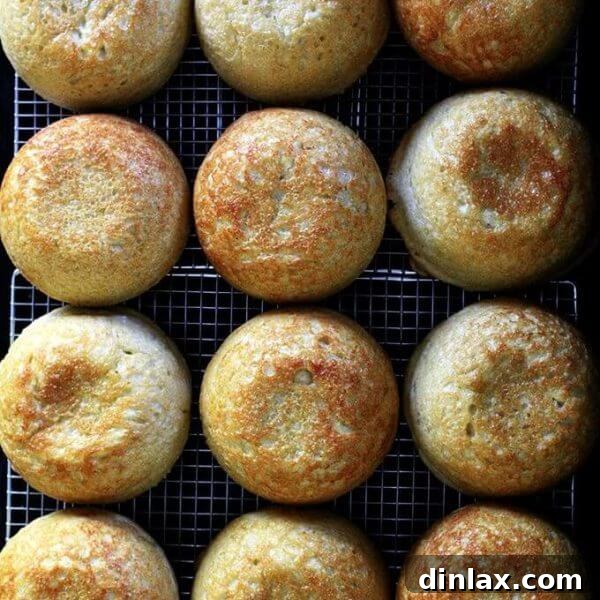
- Carefully transfer the bowls containing the dough to the preheated oven. Bake for an initial 15 minutes. After this period, reduce the oven temperature to 375°F (190°C) and continue baking for another 17 to 20 minutes, or until the loaves achieve a beautiful, even, golden-brown color all around. Promptly remove the bowls from the oven and carefully turn the hot loaves out onto wire cooling racks to prevent the bottoms from becoming soggy. If, upon inspection, the loaves appear a bit pale, you can return them to their bowls and bake for an additional 5 minutes. Allow the loaves to cool for at least 15 minutes before slicing and indulging in their deliciousness.
Notes
For Baking 12 Loaves at Once (Large Batch Method): If you’re preparing for a larger gathering or simply love having a freezer full of homemade bread, here’s my preferred method for mixing a substantial batch of Peasant Bread:
- 3075 g unbleached all-purpose flour
- 70 g kosher salt
- 4 teaspoons instant yeast
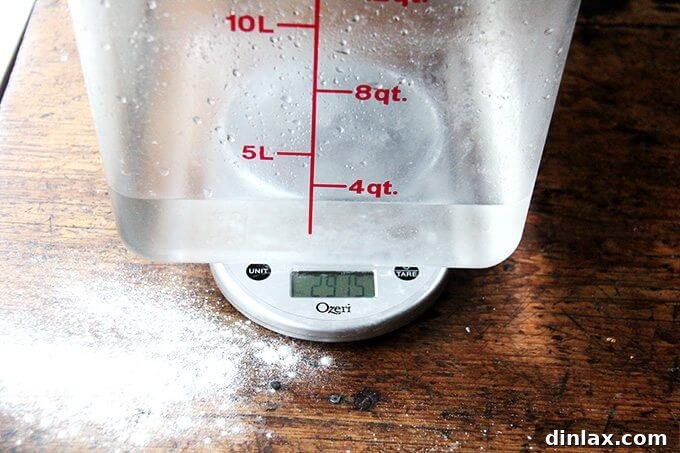
- 2915 g water
Combine these ingredients thoroughly in a very large bowl or container. Allow the dough to undergo a long, slow rise for 12 to 18 hours at room temperature, which will develop a richer flavor. After this extended first rise, gently portion the dough into generously buttered bowls (as described in step 3 of the main recipe). Let it undergo a second rise for approximately 2 hours, or until the dough gently creeps above the rim of the bowl, then bake according to the directions provided above.
Achieving a Long, Slow Rise with a Smaller Batch: You can also apply the long, slow rise technique to the standard two-loaf recipe to develop deeper, more complex flavors. To do this, simply follow the main recipe as written, but make two key adjustments: omit the sugar entirely, and significantly reduce the instant yeast to just 1/2 teaspoon. With less yeast, the dough will take longer to ferment. Keep in mind that the second rise, in particular, will require a minimum of two hours, so plan your baking schedule accordingly to allow for this extended proofing time and enjoy the enhanced depth of flavor.
Happy Holidays, dear Friends! May your kitchens be continually filled with the comforting warmth, the inviting aroma of freshly baked bread, and the immense joy that comes from sharing homemade goodness with those you cherish.