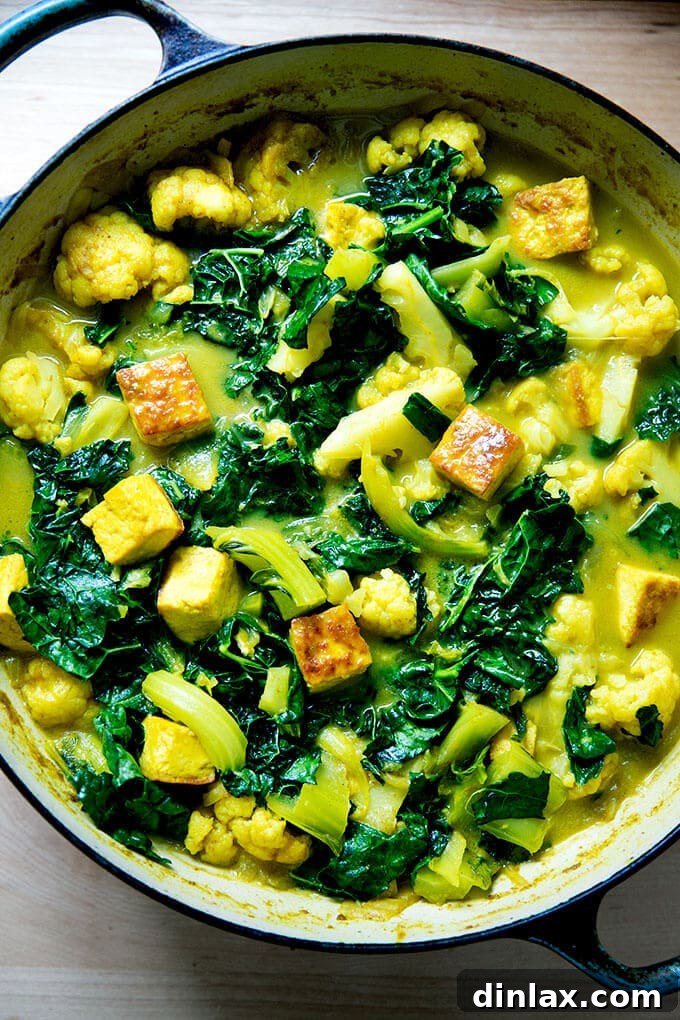
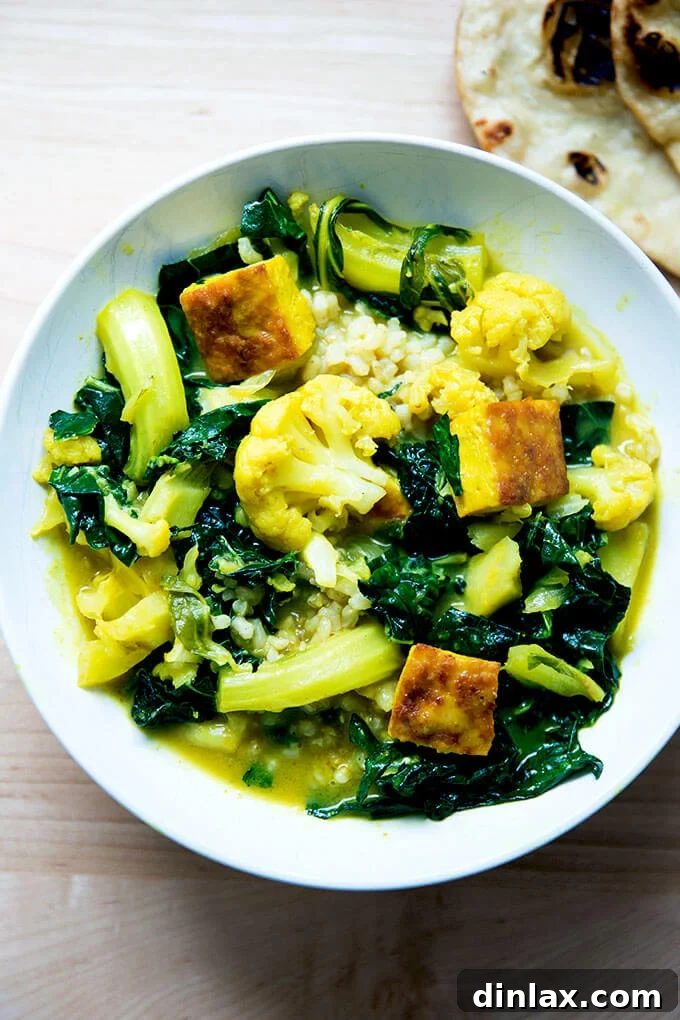
Quick Vegetable & Tofu Curry: A Flavor-Packed Vegan Delight
There’s an undeniable magic in a well-made curry – the rich aromas filling your kitchen, the harmonious blend of spices, and the comforting warmth it brings. My recent culinary explorations into perfecting homemade naan inevitably led me down a delightful path of curry creation. What began as a dive into a beloved lentil and kale dal, followed by a hearty chickpea and cauliflower concoction, has now culminated in this exceptional Quick Vegetable and Tofu Curry. It’s a vibrant, satisfying dish that combines the best elements of its predecessors, offering a truly unforgettable plant-based meal.
This recipe brings to life a luscious, Thai-inspired “curry” that is incredibly flavorful and packed with vegetables. It’s a comforting, stew-like wonder that comes together with surprising ease. We achieve its exquisite texture and depth of flavor by preparing the curry base on the stovetop, while simultaneously baking tofu cubes to a light crispness in the oven. This crucial step ensures the tofu holds its shape and retains a delightful bite, absorbing the rich sauce without dissolving, yet remaining tender enough to be utterly delicious. This approach was inspired by an excellent one-pot chicken curry recipe I learned from Chef Thien Ngo at Fork, which emphasized bold Thai flavors and efficient cooking.
Infused with the aromatic complexity of Thai curry paste, the earthy notes of curry powder and turmeric, and the creamy richness of coconut milk, this curry is a feast for the senses. It’s a versatile dish that beautifully complements various sides. I particularly love serving it with perfectly cooked rice – my go-to is this no-rinse Instant Pot brown rice – and, of course, a warm, chewy piece of homemade naan. Whether you’re a seasoned curry enthusiast or new to plant-based cooking, this recipe offers a delicious journey into the world of Thai-inspired flavors.
The Art of a Perfect Plant-Based Curry: Unveiling the Foundation
If you’ve ventured into making other curries, the underlying principles of this dish will feel wonderfully familiar. It follows a classic, reliable formula that ensures a deeply flavorful outcome every time. Understanding each step helps appreciate the depth of flavor we build:
- Sauté Aromatics: Begin by gently sweating onions, and optionally garlic and ginger. This foundational step extracts their sweet, pungent flavors, creating a rich base for the curry.
- Bloom the Spices: Stir in your chosen spices and Thai curry paste. Lightly toasting them in oil for a minute or two dramatically enhances their aroma and flavor, making them more potent and integrated into the sauce.
- Build the Liquid Base: Pour in creamy coconut milk and water. This creates the luxurious, simmering broth that will envelop all the other ingredients.
- Add the Core Ingredients: Introduce your main components – in this case, cauliflower and perfectly baked tofu. Allow them to simmer, absorbing the complex flavors of the broth.
- Simmer to Perfection: Continue simmering until the vegetables are tender and the sauce has reached your desired consistency and flavor concentration. This allows all the ingredients to meld beautifully.
- Finish with Fresh Greens: Just before serving, fold in vibrant greens like kale, spinach, or Swiss chard. This adds a burst of freshness, essential nutrients, and a pop of color without overcooking them.
This methodical approach, from sweating aromatics to finishing with fresh greens, is what transforms simple ingredients into a complex and satisfying curry. Each step plays a crucial role in developing the layers of flavor that make this dish so irresistible.
Essential Ingredients for an Unforgettable Curry
Crafting a truly exceptional curry begins with understanding and selecting your ingredients. Here’s a deeper dive into the stars of this Quick Vegetable & Tofu Curry:
Mastering Tofu Preparation for Optimal Texture
- Firm Tofu is Key: Always opt for firm or extra-firm tofu for this recipe. Softer varieties tend to crumble easily during simmering, which we want to avoid.
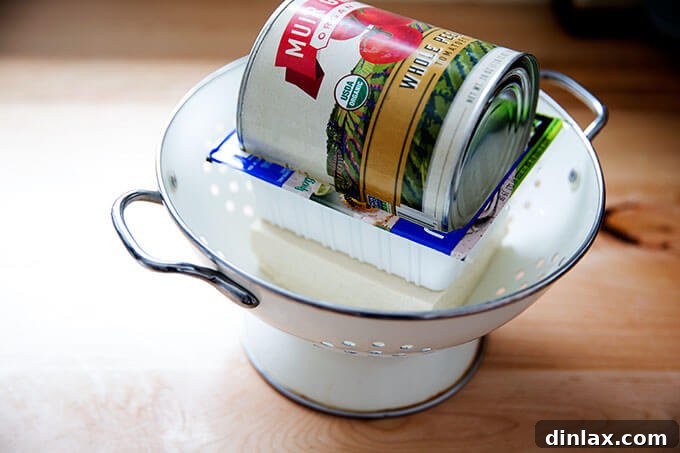
- The Importance of Pressing: While not strictly mandatory for this quick recipe, pressing tofu, even for a short period, significantly improves its texture. It removes excess water, allowing the tofu to become firmer and better absorb the rich curry sauce. A simple method involves wrapping it in a tea towel, placing it in a colander, and weighing it down with a heavy can or plate for 10-15 minutes.
- Baking for Perfect Bite: A quick bake in the oven is a game-changer. It gives the tofu cubes a lightly crisped exterior, preventing them from turning mushy in the curry broth. This pre-baking step ensures they maintain a satisfying chew, contributing to the overall texture of the dish without becoming overly tough.
The Versatile Cauliflower: From Humble Florets to Tender Curry Stars
- Selecting Your Cauliflower: Look for a fresh head of cauliflower with firm, tightly packed florets and vibrant green leaves. The leaves themselves are edible and add a wonderful texture and slight bitterness to the curry – simply discard the tough stem and any overly fibrous outer leaves.
- Nutritional Powerhouse: Cauliflower is an excellent source of vitamins C and K, fiber, and various antioxidants, making this curry not just delicious but also incredibly healthy.
- Ideal Tenderness: The goal is knife-tender cauliflower that easily yields but doesn’t turn to mush. Keep an eye on it during simmering, as it can go from firm to soft quite quickly.
Power-Packed Greens: Kale, Spinach, and Swiss Chard
- A Boost of Nutrition and Color: Folding in leafy greens like kale, spinach, or Swiss chard at the very end of the cooking process is fantastic for several reasons. It adds a vibrant splash of color, infuses the curry with fresh, slightly earthy flavors, and provides a significant nutritional boost, particularly in vitamins and minerals.
- Timing is Everything: Add greens right at the end to ensure they wilt perfectly without losing their bright color or delicate nutrients. Overcooked greens can become mushy and lose their appeal.
- Other Options: Don’t limit yourself to kale! Any robust leafy green will work wonderfully here.
The Heart of the Flavor: Thai Curry Paste and Spices
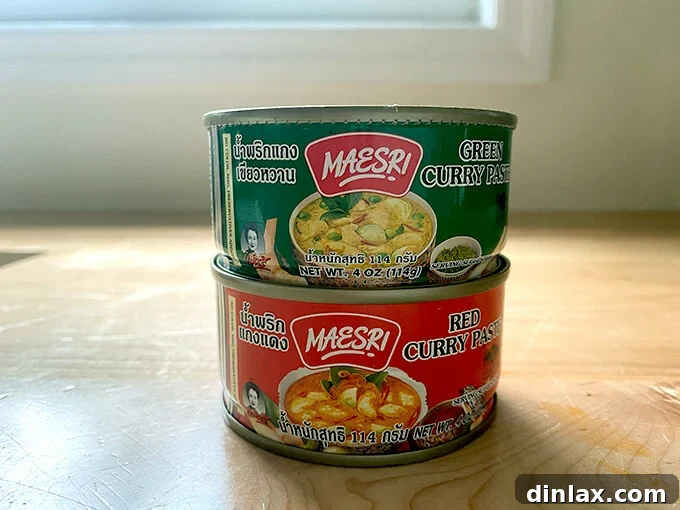
- Thai Curry Paste – A Time Saver: Utilizing a high-quality, ready-made Thai curry paste is one of the secrets to the “quick” in this quick curry. These pastes are concentrated blends of aromatics like shallots, garlic, ginger, lemongrass, and a variety of spices such as coriander, cumin, and cardamom. They deliver a complex flavor profile that would otherwise take much longer to build from scratch.
- Brand Recommendation: Maesri is a fantastic and authentic brand, often found in Asian markets or available online. I’ve successfully used both their red and green varieties in this recipe; both yield delicious results with slightly different heat and flavor nuances.
- Adjusting Heat Levels: Thai curry pastes are inherently spicy. If you’re sensitive to heat, start with a single tablespoon and gradually add more to taste. It’s always easier to add more spice than to take it away.
- Complementary Spices: While the paste does much of the heavy lifting, the addition of Madras curry powder and turmeric adds layers of earthy warmth and vibrant color, creating a more robust flavor profile.
Creamy Coconut Milk: The Foundation of Richness
- Full-Fat for Flavor: For the creamiest, most luxurious curry, opt for full-fat unsweetened coconut milk. The fat content contributes significantly to the richness and mouthfeel of the sauce. Light coconut milk can be used for a lower-calorie option, but the texture will be less robust.
- Sourcing: I often order my favorite brand of coconut milk online for convenience and often better pricing.
Step-by-Step Guide: Crafting Your Quick Vegetable & Tofu Curry
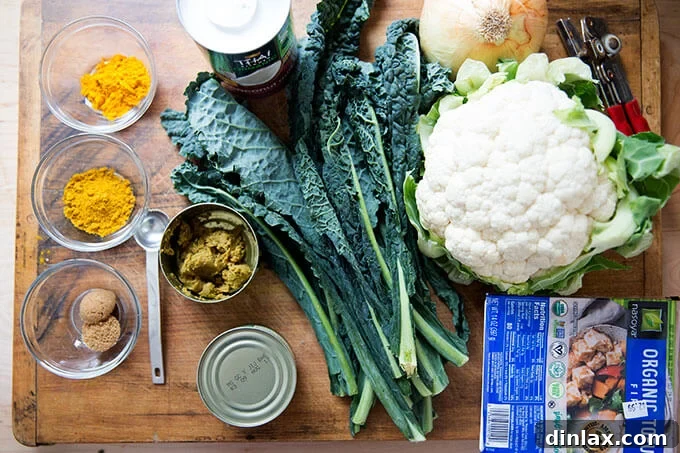
Here’s a visual and detailed walkthrough to create this delightful curry. Gather all your ingredients and let’s begin!
Recipe Overview
- Author: Alexandra Stafford
- Total Time: 50 minutes
- Yield: Serves 4
- Prep Time: 20 minutes
- Cook Time: 30 minutes
- Category: Dinner
- Method: Stovetop
- Cuisine: Thai
Ingredients List
- 14-oz block of firm tofu
- 1 tablespoon olive oil, plus extra for drizzling
- 1 large onion, thinly sliced
- Kosher salt, to taste
- 1 to 3 tablespoons red or green Thai curry paste (adjust to heat preference, see notes above)
- 2 teaspoons curry powder, such as Madras
- 2 teaspoons turmeric
- 13.5 oz can unsweetened full-fat coconut milk
- 2 teaspoons brown sugar
- 1 large head cauliflower
- 2 to 4 ounces fresh kale (or spinach, Swiss chard)
- Lime wedges for serving, optional
- Rice (without the seasonings) or naan, for serving (optional)
Detailed Cooking Instructions
- Prepare Your Tofu:
If time allows, begin by draining the tofu. Remove the tofu block from its packaging. Place it in a colander, then place the original container (or a folded tea towel) on top. Weigh it down with something heavy, such as a 28-oz can of tomatoes. Let it drain in the sink for 10-15 minutes to remove excess moisture. This pressing step ensures a firmer, more desirable texture. Preheat your oven to 425ºF (220ºC).

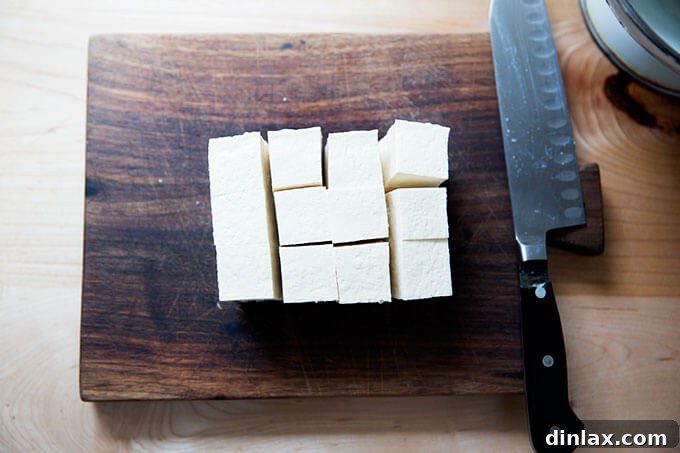
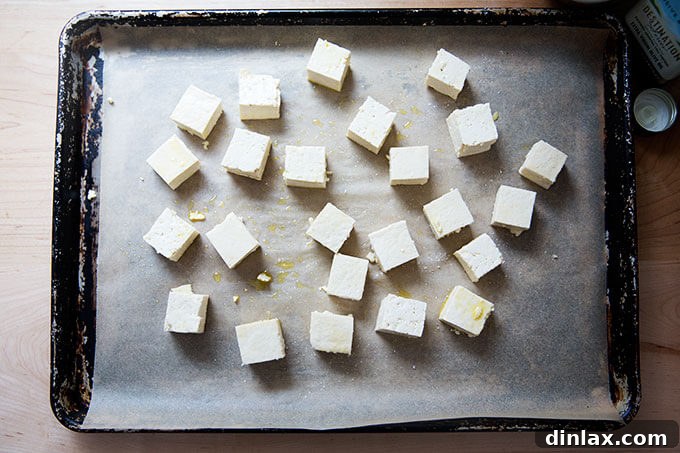
Once drained, cut the tofu into roughly 1-inch cubes. Spread these cubes evenly onto a parchment-lined baking sheet. Drizzle lightly with olive oil and season with a pinch of salt. Gently toss to coat. Transfer the baking sheet to the preheated oven and bake for about 10-15 minutes, or until the tofu is lightly golden at the edges. The goal isn’t super crispy tofu, but rather a firm exterior that will hold up beautifully in the curry without disintegrating.
- Build the Aromatic Base:
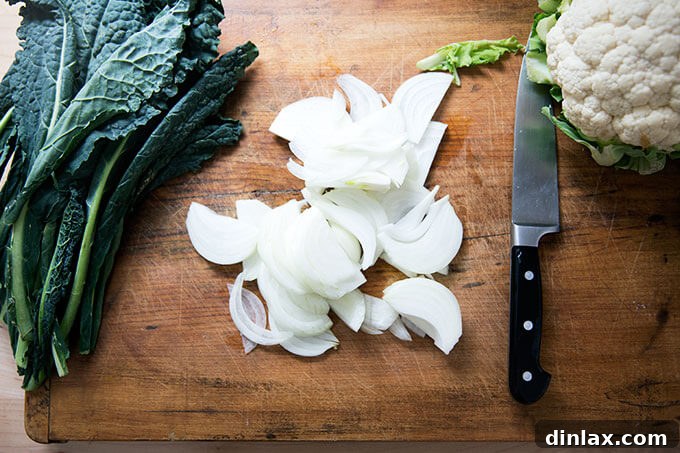
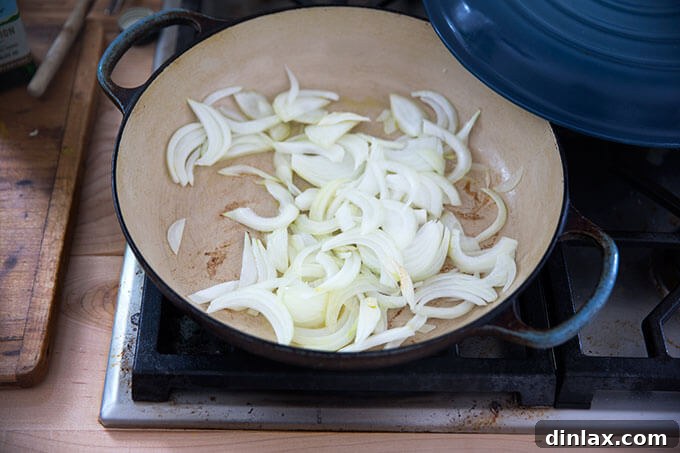
While the tofu bakes, begin preparing the curry base on the stovetop. In a large skillet or Dutch oven over medium-high heat, add 1 tablespoon of olive oil. Add the thinly sliced onion and a generous pinch of kosher salt. Stir well to coat. Immediately reduce the heat to low, cover the pan, and cook for 10 to 15 minutes. This gentle ‘sweating’ process allows the onions to soften and sweeten without browning, building a foundational layer of flavor for your curry.
- Create the Flavorful Broth:
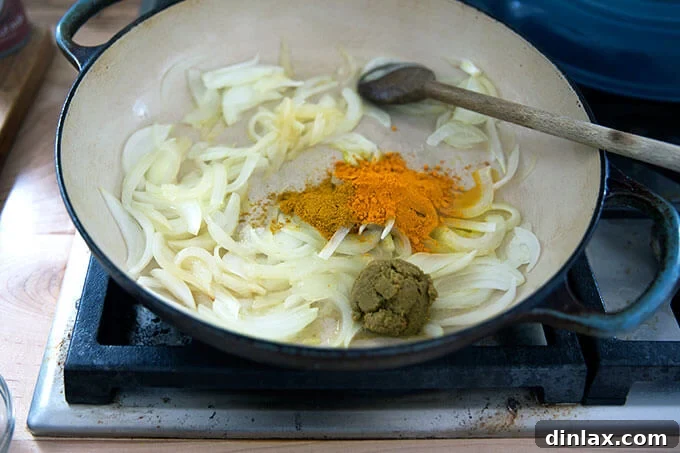
Once the onions are soft and translucent, remove the lid, allowing any condensed water to drip back into the pan. Add the Thai curry paste, curry powder, and turmeric to the skillet. Stir vigorously to ensure the onions are thoroughly coated in the fragrant spice mixture. Cook for another 1-2 minutes, stirring constantly. This brief toasting step, known as blooming the spices, deepens their flavor and releases their incredible aromas.
Pour in the can of unsweetened coconut milk. Fill the empty coconut milk can with water and add it to the pan. For a slightly thicker curry, fill the can halfway again (approximately 2.75 cups total water). For a brothier consistency, use two full cans of water (about 3 cups). Stir everything together and bring the mixture to a gentle simmer. Add the brown sugar and 1 teaspoon of kosher salt, stirring until dissolved.
- Introduce the Vegetables and Simmer:
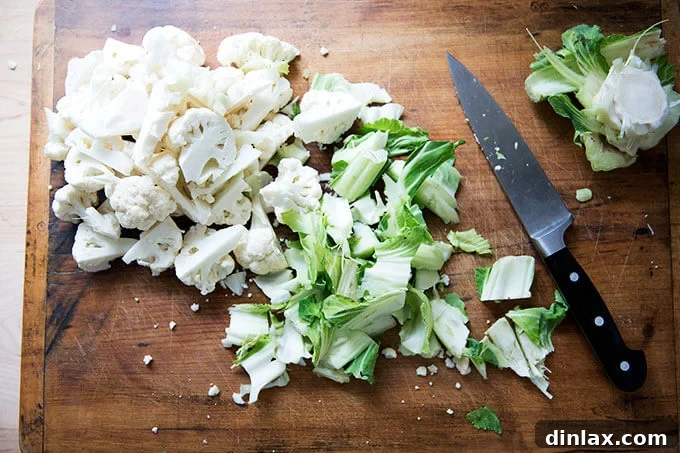
While the broth is coming to a simmer, prepare your cauliflower. Cut off the tough bottom stem. Remove only the very tough outer leaves, but keep the tender inner leaves, chopping them roughly. Cut the cauliflower head into bite-sized florets. Add the cauliflower florets and the pre-baked tofu cubes to the simmering curry. Increase the heat slightly if needed to maintain a good simmer. Cook for about 10 minutes, or until the cauliflower is easily pierced with a paring knife. Remember, cauliflower transitions quickly from firm to tender. This curry embraces a soft, comforting texture, especially as leftovers where flavors deepen and vegetables become even more tender.
- Incorporate the Fresh Greens and Final Adjustments:
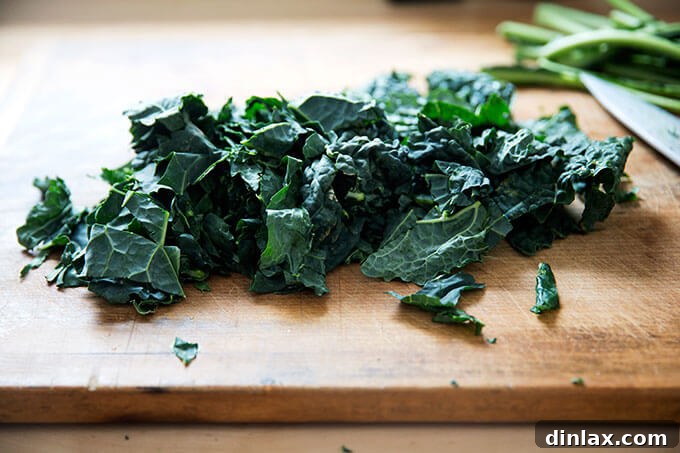
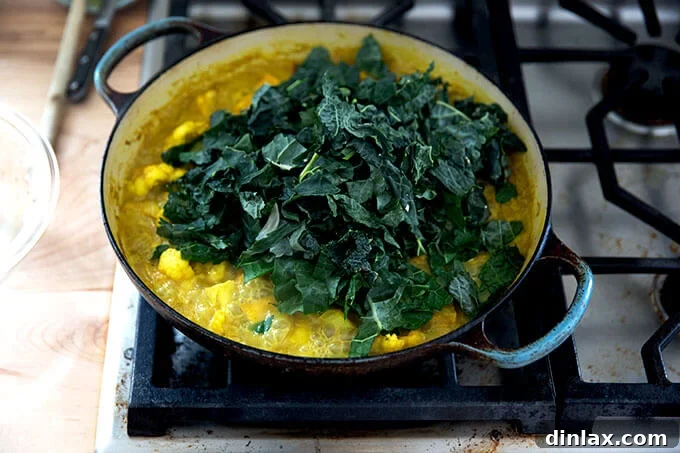
Meanwhile, prepare your kale (or spinach/Swiss chard). Remove the tough stems from the kale leaves and chop the leaves roughly. Add the chopped greens to the simmering curry and stir gently to incorporate. Cook for another 5 minutes, allowing the greens to wilt and integrate into the sauce without overcooking. Taste the broth and adjust seasonings as needed. Add more salt if necessary, or a squeeze of fresh lime juice to brighten the flavors. The consistency of the curry can vary depending on your pan size and heat; if it’s too thick, add water a quarter cup at a time; if too thin, simmer uncovered for a few more minutes to allow it to reduce and thicken slightly.
- Serve and Enjoy:
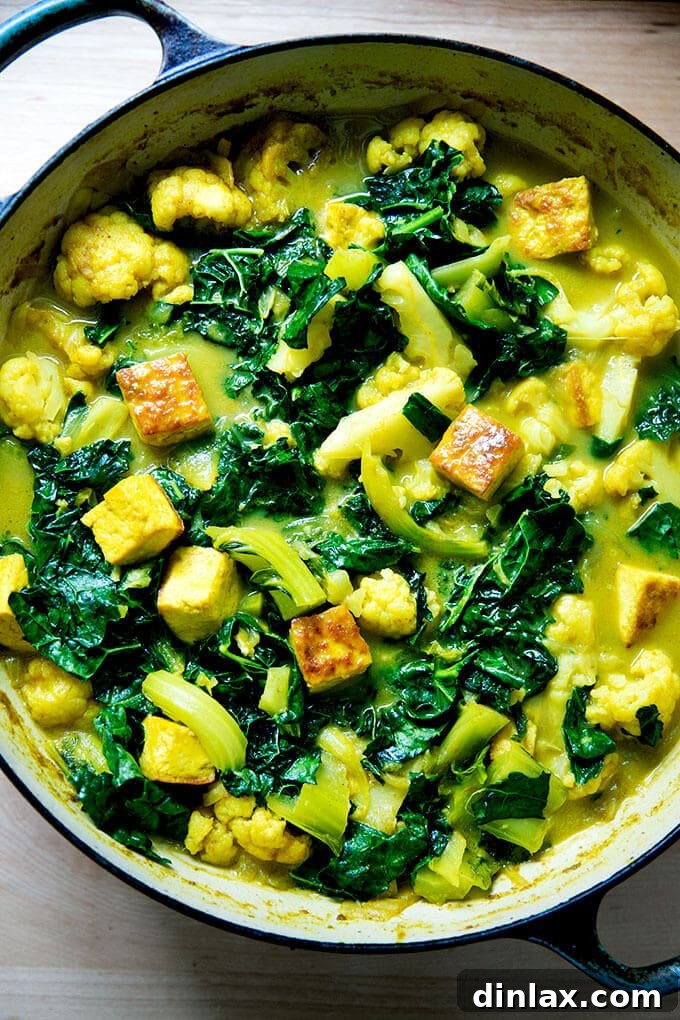
Your flavorful Quick Vegetable & Tofu Curry is now ready! Serve it hot, alongside fluffy rice (my preference is Instant Pot brown rice, without the sesame-soy seasonings for this dish) or warm, soft naan bread. A wedge of fresh lime for squeezing over the top adds a wonderful zest that truly enhances the dish.



Serving Suggestions & Customization Ideas
This Quick Vegetable & Tofu Curry is incredibly versatile and can be adapted to suit your preferences and what you have on hand. Beyond rice and naan, consider these delicious pairings and variations:
- Other Vegetables: Feel free to experiment with seasonal vegetables. Roasted delicata, Kabocha, or butternut squash would add a lovely sweetness and creamy texture, especially if you’re still enjoying winter squash season. Sweet potatoes are another excellent choice, bringing a similar natural sweetness. Bell peppers, green beans, or mushrooms can also be incorporated for added variety.
- Add Legumes: If you prefer more protein or want to make it even heartier, you can easily add cooked chickpeas or lentils during the simmering stage. This transforms it into a more substantial dal-like dish, much like my earlier curried lentils with kale or chickpea and cauliflower curry.
- Different Proteins: While this recipe focuses on tofu, cooked chicken or shrimp could also be added for non-vegan options. Add cooked chicken at the end to warm through, or shrimp during the last few minutes of simmering.
- Garnishes: A sprinkle of fresh cilantro, a few chili flakes for extra heat, or a dollop of vegan yogurt can elevate the presentation and flavor profile.
- Meal Prep: This curry makes excellent leftovers. The flavors tend to deepen overnight, making it perfect for meal prepping throughout the week. Store in an airtight container in the refrigerator for up to 3-4 days.
Why Choose This Recipe? Your New Go-To Vegan Curry
This Quick Vegetable & Tofu Curry stands out as a reliable, delicious, and healthy option for any night of the week. Its ease of preparation, combined with the rich, complex flavors of Thai cuisine, makes it a true winner. It’s:
- Flavor-Packed: Thanks to the blend of Thai curry paste, turmeric, and curry powder, every spoonful is bursting with aromatic depth.
- Vegetable-Loaded: With cauliflower and kale (or your choice of greens), it’s an excellent way to boost your daily vegetable intake.
- Vegan & Healthy: A completely plant-based dish that doesn’t compromise on satisfaction or nutrition.
- Quick & Easy: Designed for efficiency, making it perfect for busy weeknights without sacrificing homemade quality.
- Highly Customizable: Easily adapted with various vegetables and proteins to suit dietary needs or seasonal availability.
Whether you’re exploring plant-based meals, looking for a quick yet exotic dinner, or simply craving a comforting bowl of curry, this recipe delivers on all fronts. Give it a try and discover your new favorite way to enjoy a vibrant, healthful, and utterly delicious Quick Vegetable & Tofu Curry. Don’t forget to share your creations!