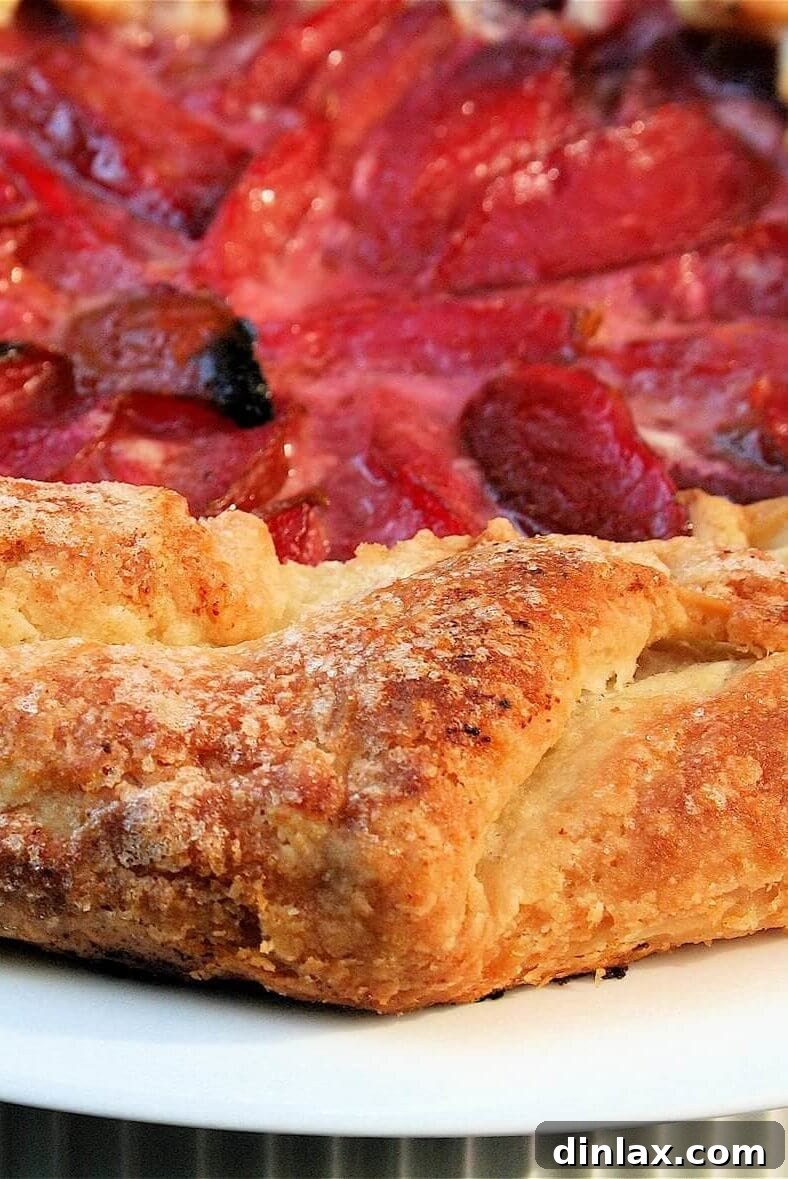
The Timeless Allure of Frangipane: Crafting a Rustic Pluot Galette
Few culinary traditions boast a history as fragrant and intriguing as frangipane. Imagine the opulence of 16th-century Italy, where the Marquis Muzio Frangipani, an Italian nobleman, concocted a groundbreaking perfume. His invention, an aromatic blend primarily from bitter almonds, was destined to scent the exquisite gloves of none other than King Louis XIII of France. Little could he have anticipated that this very fragrance, a symbol of aristocratic refinement, would transcend its original purpose, inspiring pastry chefs for centuries to come and giving birth to one of the most beloved components in the world of baking: frangipane.
Upon its public release in France, Frangipani’s perfume quickly captivated the senses. Not long after, local Parisian patisseries, perhaps inspired by the distinctive almond aroma, began experimenting. They created a rich, creamy concoction using milk, sugar, flour, eggs, butter, and, crucially, ground almonds. This delightful new cream, a testament to culinary ingenuity, was aptly named “frangipane” in homage to its fragrant muse. Today, this versatile almond cream remains a cornerstone of classic French baking, known for its moist texture and profound nutty flavor.
What is Frangipane and Why is it So Irresistible?
Frangipane, at its heart, is an almond-based pastry cream. It’s a delightful blend of ground almonds (often almond paste for convenience and consistency), butter, sugar, eggs, and occasionally a touch of flour or rum for added depth and texture. When baked, frangipane transforms into a tender, aromatic layer with a slight chewiness, releasing a comforting fragrance of toasted almonds. It strikes a perfect balance between richness and delicate sweetness, making it an ideal companion for a myriad of desserts.
While frangipane’s applications are virtually endless—from tarts and cakes to croissants and pithiviers—it finds its most sublime expression when paired with fruit. Its creamy texture and nutty notes provide a beautiful counterpoint to the vibrant sweetness and slight tang of fresh produce. This harmonious combination is particularly evident with summer stone fruit. Imagine a tender layer of warm frangipane nestled beneath juicy peaches, plums, apricots, or nectarines, all encased in a free-form pastry shell. This simple yet elegant transformation elevates a humble tart into a truly unforgettable culinary experience, a grand finale to any meal.
Embracing the Rustic Charm: The Art of the Galette
The beauty of a galette lies in its rustic simplicity. Unlike more formal, fluted tarts, a galette embraces an unpretentious, free-form design. It’s essentially a flat, round pastry base topped with fruit or other fillings, with the edges casually folded over to partially enclose the filling. This relaxed approach to pastry-making makes galettes incredibly inviting for home bakers, as it requires no special equipment or perfect technique. The charm is in its imperfections, the crinkled edges, and the golden-brown crust that hints at the deliciousness within.
Baking a galette is an exercise in celebrating seasonal ingredients. It encourages you to embrace the freshest produce available, allowing the natural flavors of the fruit to shine. The combination of a flaky, buttery crust, a fragrant frangipane layer, and perfectly ripe fruit creates a textural and flavor symphony that is both comforting and sophisticated. It’s a dessert that speaks of warm summer days, bountiful harvests, and the simple joy of sharing homemade treats.
Introducing the Pluot: A Modern Marvel in Stone Fruit
For those seeking a delightful twist on tradition, consider making your next frangipane galette with pluots. These fascinating fruits are not merely a variety but a true culinary innovation—a hybrid marvel that is approximately three-quarters plum and one-quarter apricot. Developed by the visionary fruit breeder Floyd Zaiger and first introduced to markets in 1989, pluots have since flourished, with over 20 distinct varieties now gracing produce aisles.
What makes pluots so special? They combine the best attributes of their parent fruits. Pluots boast an intense plum perfume and a deep, complex flavor profile that is often richer and sweeter than either apricots or plums alone. Their higher sugar content contributes to a more luscious, syrupy texture when baked, making them an exceptional choice for desserts. Visually, pluots can vary widely in skin color, ranging from mottled green and red to deep purple, often with a smooth, glossy surface. Their firm yet juicy flesh holds up beautifully to heat, making them an ideal candidate for baking into tarts and galettes. Beyond their stellar performance in desserts, pluots also make a wonderful addition to morning cereals, afternoon salads, or simply enjoyed as a refreshing snack.
Pluot-Frangipane Galette: A Recipe for Summer Perfection
This recipe combines the rustic elegance of a galette with the sophisticated flavor of frangipane and the unique sweetness of pluots. It’s a dessert that’s sure to impress with minimal fuss.
Yield: One 9-inch tart
Note: The galette dough recipe yields enough for two tarts. You can halve the dough recipe if you only need one, or freeze the remaining dough round for a later baking adventure. Having extra dough on hand makes future galettes or pies a breeze!
Galette Dough Ingredients
yield = Two 9-inch tarts
2½ cups all-purpose flour
2 T. granulated sugar
½ tsp. table salt
16 T. (2 sticks) unsalted butter, very cold and cut into ½-inch cubes
½ C. + 2 T. ice water (you might need a little more or less)
Galette Dough Instructions
1. In a large bowl, thoroughly whisk together the all-purpose flour, granulated sugar, and table salt. Ensure these dry ingredients are evenly combined.
2. Add the very cold, cubed unsalted butter to the flour mixture. Using a pastry cutter, two forks, or even your fingertips, work the butter into the flour. The goal is to incorporate the butter until it resembles coarse crumbs with some pea-sized pieces remaining. Avoid overworking the dough, as warmth from your hands can melt the butter and toughen the crust.
3. Gradually add the ice water, starting with ½ cup, stirring gently with a fork. Continue to stir until the mixture just begins to come together and form a cohesive mass. If the dough still appears too dry and crumbly, add the remaining 2 tablespoons of ice water, one tablespoon at a time, mixing just until the dough forms a ball. The dough should be moist enough to hold together but not sticky.
4. Gently form the mass into a ball. Divide the dough into two equal pieces. Shape each piece into a flat disk, wrap tightly in plastic wrap, and chill in the refrigerator for at least 30 minutes, or until you are ready to use it. Chilling is crucial for a tender, flaky crust.
Frangipane Ingredients
½ C. almond paste
¼ C. granulated sugar
4 T. (½ stick) unsalted butter, at room temperature
1 T. dark rum (optional, but adds wonderful flavor)
1 large egg
Frangipane Instructions
1. In the bowl of a stand mixer fitted with the paddle attachment, or a food processor, combine the almond paste, granulated sugar, and room temperature butter. Ensure the butter is softened to blend smoothly.
2. Beat the mixture on medium speed until well combined and creamy, scraping down the sides of the bowl as needed. The goal is a smooth consistency.
3. Add the rum (if using) and the egg. Continue to beat until the mixture is smooth and light, or until only very small, uniform lumps of almond paste remain. Do not overmix once the egg is added. Set the frangipane aside; it can be made ahead of time and refrigerated, then brought back to room temperature before use.
Finishing the Tart: Assembly and Baking
Ingredients for Assembly
1½ lbs. fresh stone fruit (such as pluots, peaches, nectarines, apricots, or plums), ripe but firm
1 T. unsalted butter, melted
1 T. granulated sugar
Parchment paper
Prepared Frangipane (from recipe above)
One 9-inch disk of chilled Galette dough (from recipe above)
Vanilla ice cream, for serving (optional)
Assembly and Baking Steps
1. Prepare your workspace: Lightly flour a clean surface. Take one disk of chilled galette dough and roll it out into an approximately 11-inch circle. Use additional flour as needed to prevent sticking, but avoid using too much. The dough should be about ⅛-inch thick. Line a rimless cookie sheet (or an upside-down jelly roll pan) with parchment paper. Carefully transfer the rolled-out dough to the parchment paper. Chill the dough on the baking sheet in the refrigerator for 10 minutes; this helps prevent shrinkage during baking.
2. Slice the fruit: While the dough chills, wash and dry your stone fruit. Cut the fruit into ½-inch thick slices, removing pits. You can leave the skin on for most stone fruits, as it adds color and texture.
3. Assemble the galette: Remove the chilled dough from the refrigerator. Spoon the prepared frangipane onto the center of the dough, spreading it evenly towards the edges. Leave a generous 2-inch border all the way around the perimeter of the dough untouched by frangipane. Arrange the sliced fruit in concentric circles over the frangipane, overlapping slightly as you go, creating a beautiful pattern.
4. Preheat your oven to 400ºF (200ºC).
5. Fold the border: Gently fold the exposed 2-inch border of dough over the fruit and frangipane filling, pleating and crimping the dough to create a rustic, folded-over edge. Don’t worry about perfection; the charm of a galette is its free-form nature. Once folded, chill the assembled tart in the refrigerator again for another 10 minutes. This final chill helps the crust maintain its shape and flakiness during baking.
6. Bake the galette: Remove the chilled galette from the refrigerator. Brush the folded dough border with the melted butter. Sprinkle the remaining 1 tablespoon of granulated sugar evenly over the entire tart, including the fruit and the crust. This will create a beautiful golden-brown finish and a hint of sweetness on the crust. Carefully place the baking sheet with the galette into the preheated oven.
7. Bake for 35-45 minutes, or until the crust is deeply golden brown and the fruit is tender and bubbling. The frangipane should be set, and the kitchen filled with an irresistible aroma. Keep an eye on it to prevent over-browning; if the crust is browning too quickly, you can loosely tent it with foil.
8. Cool and serve: Once baked, remove the galette from the oven. Let it cool on the tray for about five minutes. Then, carefully slide the parchment paper and the hot tart onto a cooling rack. Allow it to cool for an additional 20 minutes before slicing and serving. This allows the fruit juices and frangipane to set properly.
Serve warm with a scoop of creamy vanilla ice cream for an ultimate summer treat. The melting ice cream cascading over the warm, almond-scented fruit and flaky crust is pure bliss.
Beyond Pluots: Variations and Expert Tips
While pluots offer a unique and delicious experience, this frangipane galette recipe is incredibly adaptable. Feel free to experiment with other stone fruits like classic peaches, tangy apricots, or sweet nectarines. In autumn, apples or pears can be wonderful substitutes. You can also enhance the frangipane with a pinch of cinnamon, cardamom, or a splash of almond extract for an intensified flavor profile.
For an extra touch of gourmet flair, consider a simple apricot glaze. Warm a tablespoon or two of apricot jam with a tiny splash of water, then brush it over the warm fruit of the galette immediately after it comes out of the oven. This adds a beautiful sheen and a subtle layer of fruitiness.
Remember, the key to a perfect galette lies in working with cold dough and not overworking it. This ensures a tender, flaky crust that perfectly complements the rich frangipane and juicy fruit. Whether you’re a seasoned baker or just starting, this Pluot-Frangipane Galette offers a delightful journey through history, flavor, and the simple pleasures of homemade dessert.
Embrace the legacy of the Marquis Frangipani, and let your kitchen be filled with the sweet, almond-scented aroma of this truly irresistible summer tart. Happy baking!