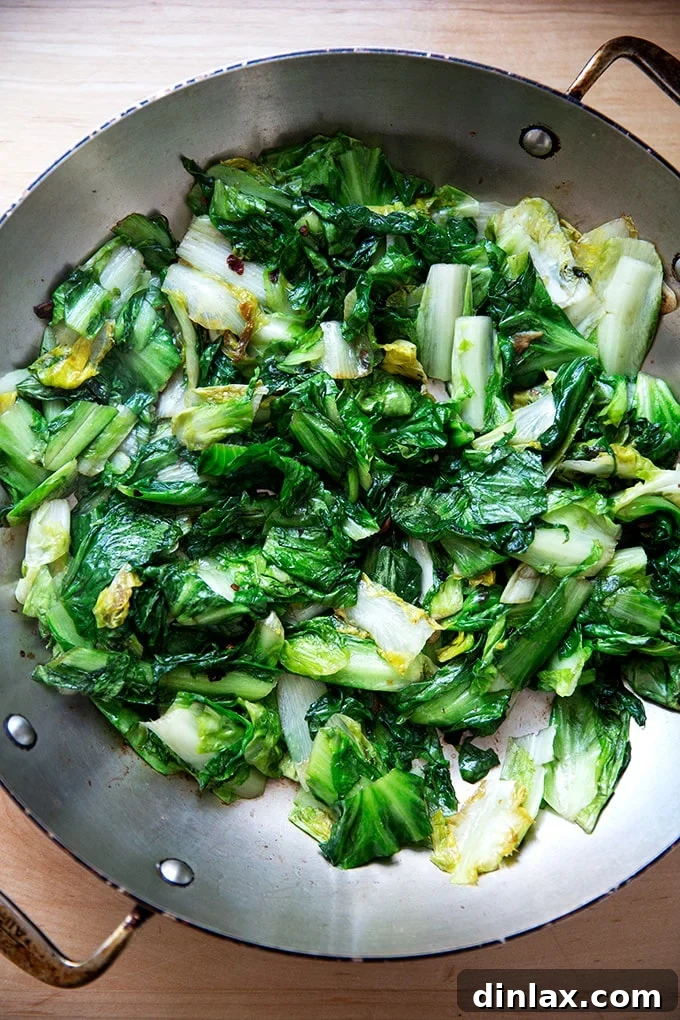
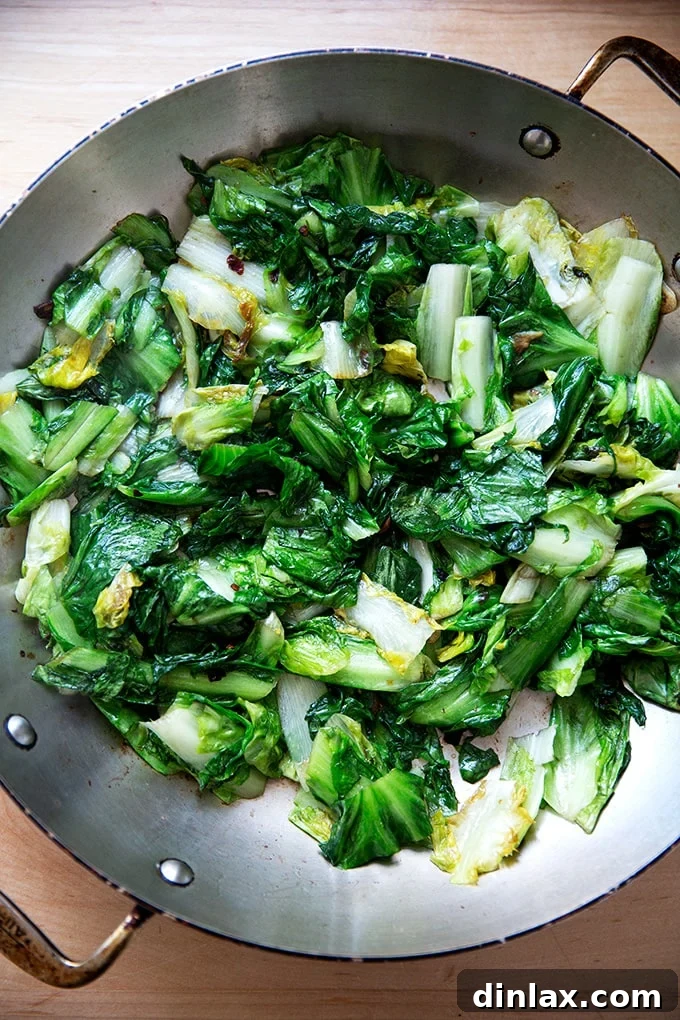
As the chill of the season lingers and the novelty of roasted root vegetables begins to wane, many of us find ourselves yearning for fresh, vibrant flavors that are both comforting and incredibly easy to prepare. This time of year often brings a specific culinary craving: a dish that is light yet satisfying, packed with nutrients, and quick enough for any weeknight. For these very reasons, I consistently turn to an enduring kitchen classic: simple sautéed greens.
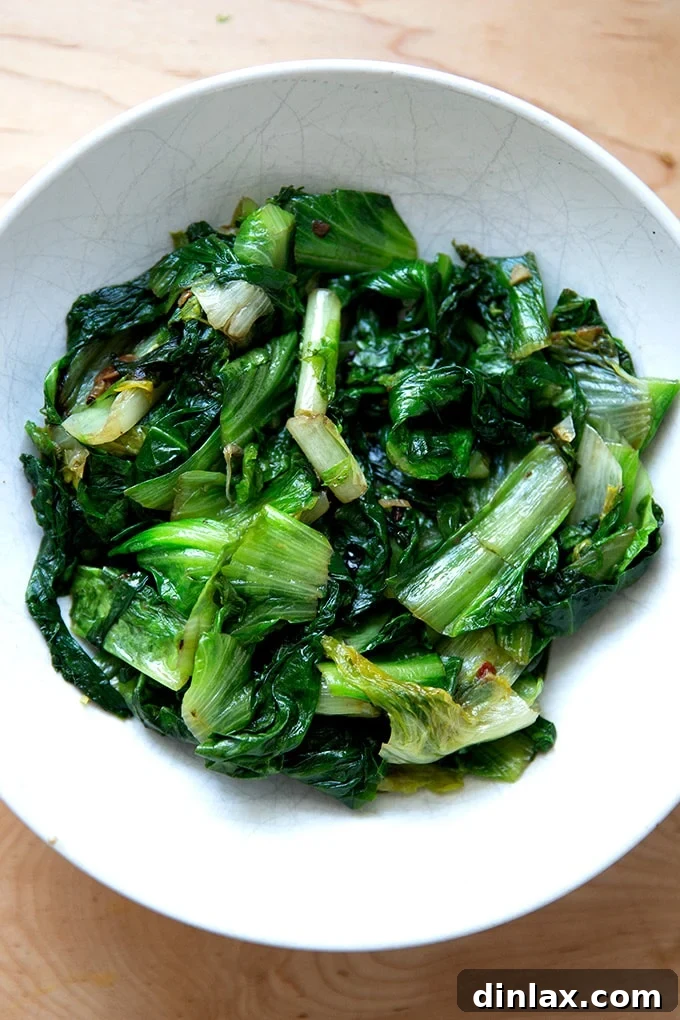
This method, though seemingly basic, holds a profound place in my cooking repertoire. It’s a testament to how effortlessly delicious and wholesome food can be, transforming humble leafy greens into a vibrant, flavorful side dish or a versatile meal component. Every time I savor a forkful of garlicky, tender escarole, I’m reminded of its understated elegance and efficiency. It’s a dish I rely on when inspiration feels scarce, yet it consistently delivers a satisfying culinary experience. Why overcomplicate things when, in mere minutes, a head of escarole can become meltingly tender, its natural bitterness gracefully softened, and its warmth spreading to the very core?
Beyond its remarkable ease and speed—often ready in under five minutes of active cooking—sautéed greens are a powerhouse of nutrition. Leafy greens are celebrated for their rich content of vitamins K, A, and C, as well as essential minerals like iron and calcium, and a generous dose of dietary fiber. Incorporating them into your diet is a simple yet effective way to boost overall health and add essential micronutrients. This preparation method preserves much of their goodness while making them incredibly palatable, even for those who might typically shy away from vegetables. The quick sauté ensures the greens retain a vibrant color and a pleasant bite, preventing them from becoming mushy or overcooked.
Escarole: The Unsung Hero of Sautéed Greens
While a wide array of leafy greens can be prepared using this method, escarole stands out as a personal favorite, a true unsung hero in the world of simple cooking. Its broad, slightly crinkled leaves offer a satisfying crunch when raw, yet transform into an incredibly silky, tender texture when sautéed. Escarole possesses a distinctive, mildly bitter flavor that, when tempered by garlic, olive oil, and a pinch of salt, becomes wonderfully complex and appealing. This subtle bitterness is what truly elevates the dish, providing a sophisticated counterpoint to richer main courses or cutting through the richness of other ingredients in a pasta dish.
One of escarole’s most appealing qualities, particularly for busy cooks, is the minimal preparation it requires. Unlike tougher greens like kale or Swiss chard, which necessitate meticulous de-stemming, escarole needs nothing more than a rough chop. This significantly reduces prep time, making it an ideal choice for quick weeknight meals when every minute counts. The ease with which it can be prepared makes it a go-to option when you’re seeking a nutritious and flavorful side without the fuss.
However, it’s crucial to remember that escarole, like many leafy greens, can sometimes harbor dirt and grit between its dense leaves. To ensure a clean and enjoyable eating experience, always give the leaves a thorough wash. A simple yet effective method is to roughly chop the escarole and then submerge it in a large bowl of cold water for about 10 minutes. This allows any hidden dirt to settle at the bottom of the bowl. Afterward, gently scoop the cleaned greens out of the water, rather than pouring them out, and transfer them to a colander or clean kitchen towel to drain. A perfectly dry state isn’t essential for sautéing, as a little residual water can even help create a steamy environment that aids in wilting the greens.
Beyond a Side Dish: Versatile Uses for Sautéed Greens
While simple sautéed greens excel as a standalone side dish, their true magic lies in their incredible versatility as a meal-building block. They can effortlessly elevate a variety of dishes, adding a burst of flavor, texture, and nutritional value. Don’t relegate them to just one role; let your creativity flow!
- Toss with Pasta: This is arguably one of the most delightful ways to enjoy sautéed greens. Imagine a simple pasta dish, perhaps orecchiette or spaghetti, coated in a light sauce of olive oil, garlic, and a touch of lemon, then generously tossed with wilted escarole. The greens absorb the flavors beautifully, adding a fresh, slightly bitter edge that cuts through the richness of the pasta. You can enhance this further with grated Parmesan cheese, toasted breadcrumbs, or even a sprinkle of red pepper flakes for an extra kick. For a heartier meal, consider adding cannellini beans or some crumbled Italian sausage.
- Stir into Brothy Soups and Stews: Sautéed greens are an excellent addition to brothy dishes. Stir them into a hearty chickpea and escarole soup for added texture and nutrients, or plunge them into a warming white bean and sausage stew just before serving. They soften beautifully in the hot broth, contributing a lovely verdant hue and a subtle depth of flavor that complements the other ingredients. They are particularly wonderful in Italian wedding soup or minestrone.
- Elevate Egg Dishes: For a nutritious breakfast or a light lunch, incorporate sautéed greens into your egg preparations. Fold them into fluffy omelets, creamy scrambled eggs, or a savory frittata. Their earthy flavor pairs wonderfully with the richness of eggs, making for a balanced and satisfying meal. A sprinkle of feta or goat cheese can further enhance the flavor.
- Enhance Grain Bowls and Salads: Add a warm, tender element to your favorite grain bowls or substantial salads. Pile sautéed greens alongside quinoa, farro, roasted vegetables, and a protein of choice for a wholesome and satisfying meal. The contrast between the warm greens and other components creates an exciting textural and temperature dynamic.
- Stuff into Sandwiches and Wraps: Looking for a healthy and flavorful boost for your sandwiches or wraps? Sautéed greens can be a fantastic addition, especially when paired with roasted meats, hummus, or fresh cheese. They add moisture and a peppery bite that elevates a simple sandwich to something more gourmet.
- Top Pizzas and Flatbreads: For a delicious and slightly healthier twist on pizza, use sautéed greens as a topping. Spread them over a ricotta or white sauce base, or add them to a classic tomato sauce pizza for an extra layer of flavor and nutrition. They wilt beautifully and add a vibrant color to your homemade pies.
Exploring a Spectrum of Greens: Substitutions and Adjustments
While escarole is a fantastic choice, the beauty of this sautéing method is its adaptability to almost any leafy green you have on hand. Don’t hesitate to experiment with other varieties to discover new flavors and textures. Each type of green offers its own unique characteristics and may require slight adjustments to cooking time or preparation:
- Kale: Both curly kale and Lacinato (dinosaur) kale work wonderfully. Remember to remove the tough central stems before chopping, as they remain fibrous even after cooking. Kale requires a slightly longer cooking time than escarole to become tender, typically 5-7 minutes. Massaging the raw kale with a little olive oil before sautéing can also help tenderize it.
- Swiss Chard: Available in beautiful varieties like rainbow chard and green chard, Swiss chard is another excellent option. Its stems are edible and can be finely sliced and sautéed with the garlic and chili flakes for a minute or two before adding the leaves. The leaves themselves cook down similarly to escarole, usually in 3-5 minutes, offering a milder flavor than kale.
- Spinach: For the quickest option, fresh spinach is unparalleled. It wilts almost instantly, often in just 1-2 minutes, making it ideal for when you’re truly short on time. Be sure to use a large quantity, as it reduces dramatically in volume.
- Collard Greens and Mustard Greens: These greens are heartier and possess a more robust, sometimes pungent, flavor. They will require a longer cooking time, often 8-12 minutes, and may benefit from a splash of vegetable broth or water during sautéing to help them steam and tenderize. Their strong flavor pairs well with smoked meats or a splash of apple cider vinegar at the end.
When substituting, always consider the texture and density of the greens. Tougher greens will benefit from more time in the pan or a little liquid to help them steam, while delicate greens like spinach need only a brief exposure to heat.
The Art of Simple Sautéed Greens: Step by Step
Mastering simple sautéed greens is less about strict measurements and more about understanding the technique. Here’s a detailed guide to achieving perfectly tender, flavorful greens every time.
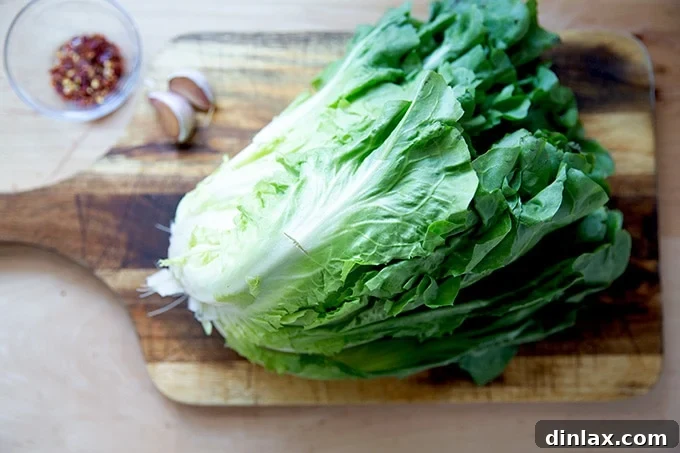
1. Prepare Your Greens: Begin with about 1.25 to 1.5 pounds of your chosen greens. For escarole, trim off the very end of the head and discard it. Roughly chop the remaining leaves into manageable pieces, about 1-2 inches wide. If your greens appear sandy or dirty, as escarole often can be, give them a good soak in a large bowl of cold water for about 10 minutes. This allows any grit to sink to the bottom. Carefully lift the greens from the water and transfer them to a colander or a clean kitchen towel to drain. It’s perfectly fine if they retain some moisture; a little water can aid in the wilting process.
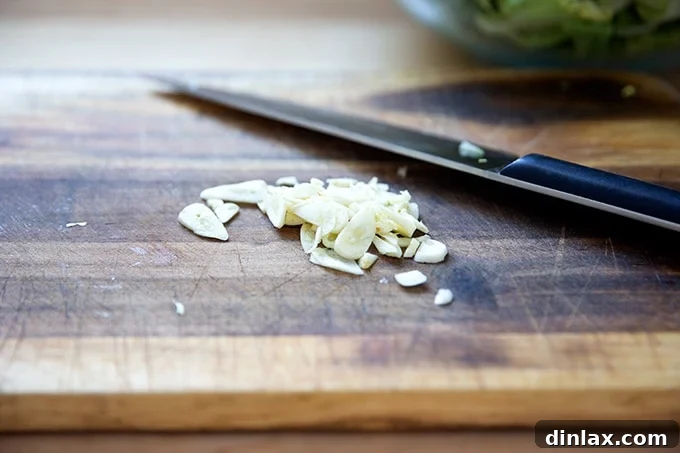
2. Prepare Your Aromatics: Gather two cloves of fresh garlic. Peel them and thinly slice them. The thin slices allow the garlic to infuse the oil with its flavor without burning too quickly. You’ll also need a generous pinch of crushed red pepper flakes – adjust this amount to your preference for heat. A subtle hint of warmth enhances the greens without overpowering them.
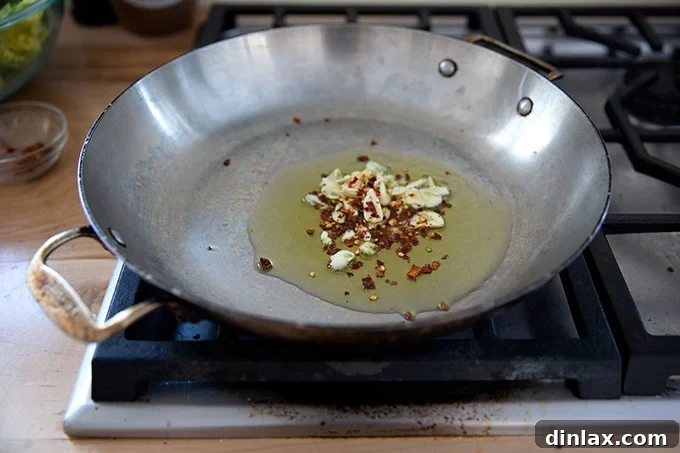
3. Infuse the Oil: In a large skillet or Dutch oven set over medium heat, add about two tablespoons of good quality olive oil. Once the oil is shimmering, add the thinly sliced garlic and crushed red pepper flakes. The key here is gentle cooking. Allow the garlic to sizzle gently and infuse the oil with its aromatic essence for about one minute. Do not rush this step, and be vigilant to prevent the garlic from browning too quickly, as burnt garlic can impart a bitter flavor to your dish.
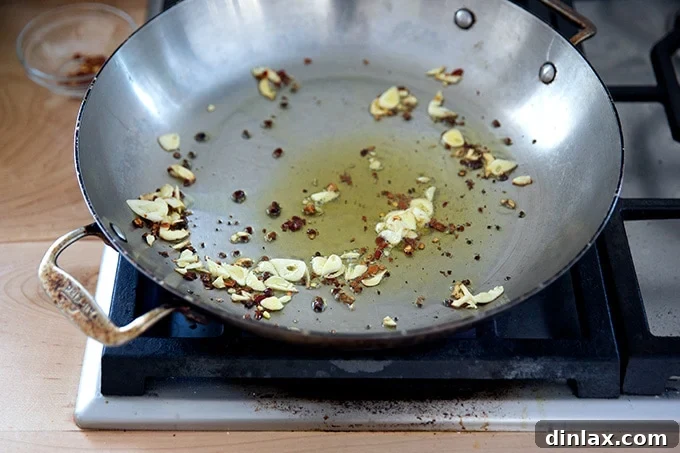
4. Add the Greens and Season: At the very first sign of the garlic beginning to take on a pale golden color—not fully browned—it’s time to add your prepared greens. Pile them into the skillet, even if it looks impossibly full; they will cook down considerably. Immediately season the greens with a generous pinch of kosher salt. The salt not only flavors the greens but also helps to draw out moisture, aiding in the wilting process.
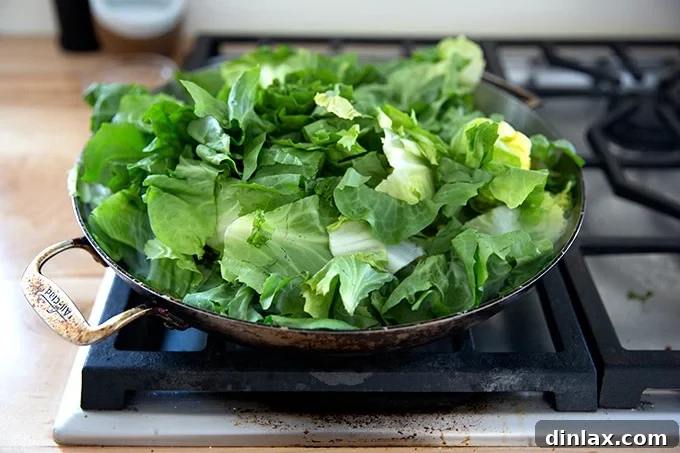
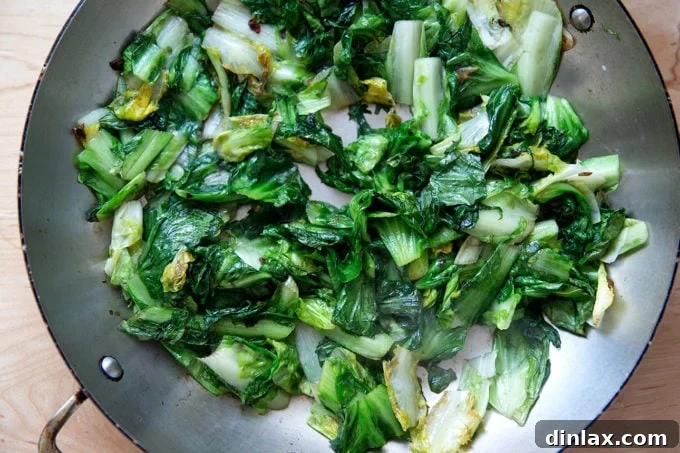
5. Wilt and Sauté: Turn the heat up to medium-high. Using a pair of tongs, begin to quickly rearrange the greens in the skillet. Toss them gently to expose different parts to the heat and the flavored oil. This active tossing helps them wilt down evenly and efficiently. Continue cooking and turning for 1-2 minutes for delicate greens like escarole or spinach, or 3-7 minutes for heartier greens like kale or chard, until they are tender-crisp and beautifully wilted, yet still vibrant green.
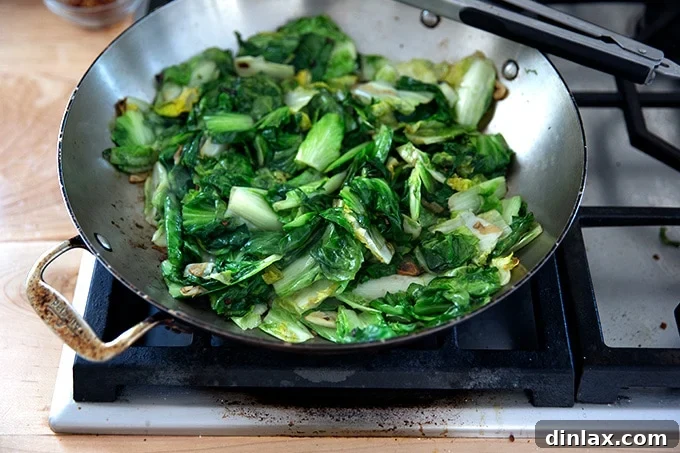
6. Finish and Serve: Once the greens have reached your desired tenderness, remove the skillet from the heat. Allow them to cool briefly—just a moment or two. Taste for salt and adjust as needed, adding more if necessary. For an extra layer of brightness, a squeeze of fresh lemon juice or a splash of good quality vinegar (like red wine or sherry vinegar) can be added at this stage. This touch of acidity wonderfully complements the bitterness of the greens and rounds out the flavors.
Print Recipe
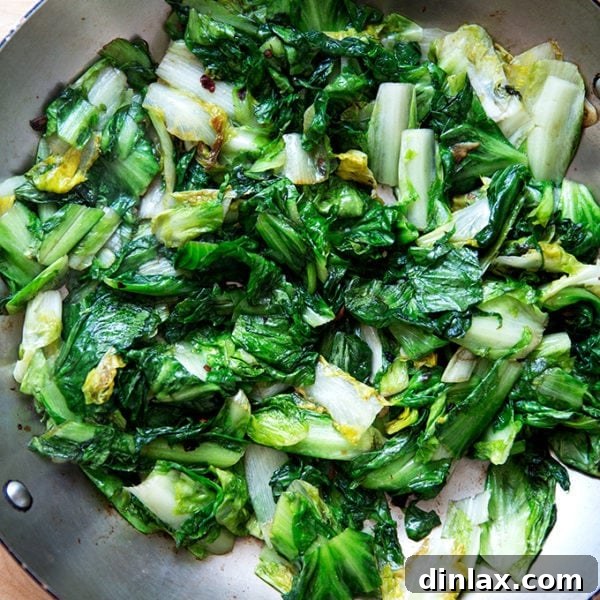
Simple Sautéed Greens
5 from 8 reviews
- Author: Alexandra Stafford
- Total Time: 15 minutes
- Yield: Serves 2-4
- Diet: Vegan
Description
Use this recipe as a guide. Other greens such as kale, Swiss chard, and spinach can be substituted for the escarole. With kale and Swiss chard, remove the stems. Swiss chard stems can be finely sliced and sautéed with the garlic.
Ingredients
- 1 head escarole, 1.25-1.5 lbs
- 2 tablespoons olive oil
- 2 cloves garlic, thinly sliced
- pinch crushed red pepper flakes
- kosher salt to taste
Instructions
- Cut off the end of the escarole and discard or compost. Roughly chop the escarole. If it’s dirty, place it in a large bowl, cover with cold water, and let it sit for 10 minutes to allow the dirt to settle. Scoop out the escarole and transfer to a large towel or a colander to drain. The escarole does not have to be completely dry.
- In a large skillet over medium heat, place the oil, garlic, and crushed red pepper flakes. Cook for about a minute or until the garlic is sizzling. At the first sign of the garlic starting to color, add the greens, turn the heat to medium-high, and season with a pinch of salt. Use tongs to rearrange the greens in the skillet and to help them wilt down. In 1-2 minutes, the escarole will be done.
- Remove the skillet from the heat. Let the greens cool briefly. Taste for salt and adjust as needed.
- Prep Time: 10 minutes
- Cook Time: 5 minutes
- Category: Side Dish
- Method: Stovetop
- Cuisine: American, Italian
In conclusion, the simple sautéed green, particularly when featuring the delightful escarole, is far more than just a quick side dish. It’s a culinary gateway to effortless nutrition, versatile meal construction, and a celebration of fresh, vibrant flavors. Its ability to transform from a raw, robust leaf into a tender, garlicky delight in mere moments makes it an invaluable asset in any kitchen, especially when time is of the essence or when you’re seeking a burst of freshness amidst heavier seasonal fare. Whether tossed with pasta, folded into eggs, or served alongside your favorite protein, these greens promise a delicious and satisfying experience.
I encourage you to embrace this simple method and discover the joy of cooking with leafy greens. Experiment with different varieties, play with the level of spice, or add a squeeze of citrus to brighten the flavors. What are your go-to quick and exciting dishes these days? I’d love to hear your ideas and inspirations in the comments below – let’s share the culinary joy!