The Rustic Charm of Flowerpot Bread: An Unforgettable Baking Experience
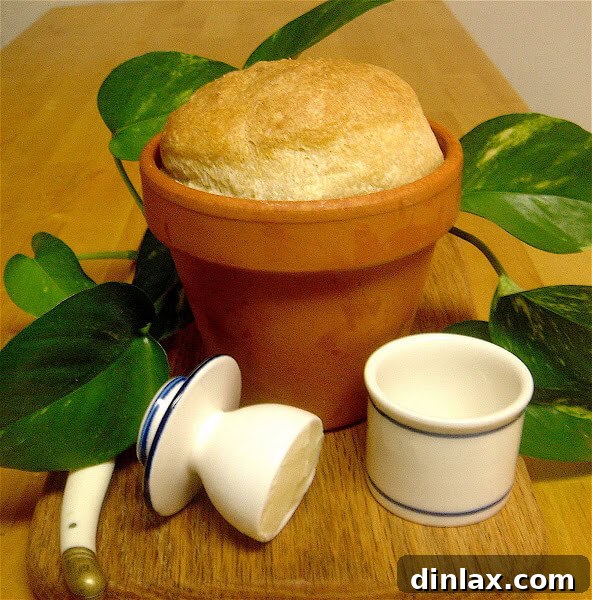
Imagine sitting down to a meal, and instead of a traditional bread basket, a warm, fragrant terra cotta flowerpot arrives at your table. Nestled within is a freshly baked loaf of bread, emanating an irresistible aroma, accompanied by softened butter in a charming, old-fashioned crock. This unique and delightful culinary presentation is precisely what captivated me years ago at Django, a beloved BYOB establishment on 4th Street, just north of South, where the chef masterfully bakes his bread directly in a flowerpot. That first bite was an revelation, igniting a long-standing desire to recreate this simple yet spectacular method at home. The good news? It’s far easier than it looks, and the results are consistently impressive.
Baking bread in a flowerpot isn’t just a whimsical novelty; it’s a method that yields exceptional results. Whether you’re working with a hearty yeast bread or a quick, fuss-free variety, the terra cotta vessel provides even heat distribution and a wonderfully rustic crust. To simplify your journey into this enchanting world of baking, I’m thrilled to share a recipe for a no-knead beer bread. This particular recipe requires no more than five minutes of active mixing time and transforms into a truly memorable presentation. It’s the perfect way to bring a touch of garden-inspired charm to your table, perhaps even as a delightful nod to events like the Philadelphia Flower Show. Prepare to delight your senses and impress your guests with this delicious flowerpot bread!
Why Bake Bread in a Flowerpot? Unveiling the Benefits
While the visual appeal of serving bread directly in a flowerpot is undeniable, the advantages extend beyond mere aesthetics. There are compelling practical reasons why this unconventional method works so well:
- Even Heat Distribution: Terra cotta, a natural clay, is an excellent conductor and retainer of heat. This means your bread bakes evenly from all sides, resulting in a consistent crumb and a beautifully golden crust.
- Rustic Presentation: There’s an inherent charm in rustic cooking, and flowerpot bread embodies this perfectly. It evokes a sense of artisanal craftsmanship and farm-to-table simplicity, making any meal feel special.
- Moisture Retention: The thick walls of the pot help trap steam during baking, creating a moist interior that is often challenging to achieve in conventional loaf pans.
- Unique “Wow” Factor: Serving bread warm, directly from its baking vessel, creates an interactive and engaging experience for diners. It’s a conversation starter and leaves a lasting impression.
- Simplicity: Despite its unique presentation, the actual baking process can be incredibly straightforward, especially with no-knead recipes like the one provided here.
Choosing and Preparing Your Food-Safe Flowerpot
Before you embark on your flowerpot bread adventure, selecting the right vessel is paramount for both safety and success. Not all flowerpots are created equal, especially when it comes to food preparation.
Key Considerations for Your Flowerpot:
- Unglazed Terra Cotta: Always opt for unglazed terra cotta pots. Glazed pots may contain lead or other harmful chemicals that can leach into your food when heated. Unglazed pots are porous, allowing for better steam circulation and heat transfer.
- Lead-Free Certification: If possible, look for pots explicitly labeled as “food-safe” or “lead-free.” While many unglazed terra cotta pots are naturally lead-free, verification offers peace of mind.
- Size: A standard 4-inch diameter flowerpot is ideal for individual servings or a small loaf, as specified in this recipe. Larger pots will require more dough and longer baking times.
- New and Clean: Use brand new pots that have not been previously used for plants or other non-food purposes. Even if cleaned, residual chemicals or organic matter could pose a risk.
- Drainage Hole: Most flowerpots have a drainage hole at the bottom. This needs to be completely sealed before baking. A small crumpled piece of aluminum foil works perfectly for this.
Once you have your chosen flowerpot, preparing it is simple: ensure it’s clean and thoroughly dry. For this quick bread recipe, there’s no need for elaborate seasoning methods often associated with clay baking vessels; a good nonstick spray will do the trick.
Irresistible Flowerpot Beer Bread: A No-Knead Delight
This no-knead beer bread recipe is specifically designed for ease and maximum flavor, making it the perfect introduction to flowerpot baking. The beer not only contributes a subtle, complex flavor but also acts as a leavening agent, creating a light and airy texture without the need for extensive kneading.
Recipe: Flowerpot Beer Bread
Yield: 1 standard 4” pot
Ingredients:
- 1½ cups all-purpose flour
- ½ teaspoon baking soda
- ¼ teaspoon baking powder
- ½ teaspoon kosher salt
- 1½ teaspoons sugar
- ½ cup beer (or ¾ cup beer for a softer dough) – I particularly enjoy Magic Hat #9 for its unique fruity notes, but any lager, pale ale, or even a non-alcoholic beer can be used. Experiment with different types to discover your preferred flavor profile!
- 1 standard 4” diameter flowerpot (lead-free, unglazed)
- 2 tablespoons unsalted butter, melted, plus extra softened butter for serving
- Nonstick cooking spray
- Small piece of aluminum foil
Instructions:
- Preheat Your Oven: Begin by preheating your oven to a steady 425ºF (220ºC). A hot oven helps to create an initial burst of steam and a beautiful crust.
- Prepare the Flowerpot: Take your clean, dry flowerpot. Crumple a small piece of aluminum foil and firmly stuff it into the tiny drainage hole at the bottom of the pot. This is crucial to prevent the batter from leaking out. Now, generously coat the entire inside surface of the flowerpot with nonstick cooking spray. Don’t be shy – a good coating ensures the bread will release easily after baking.
- Combine Dry Ingredients: In a medium-sized mixing bowl, whisk together the all-purpose flour, baking soda, baking powder, kosher salt, and sugar. Ensure these dry ingredients are thoroughly combined to distribute the leavening agents evenly.
- Add the Beer: Pour in the beer. Using a spoon or spatula, stir the mixture until just combined. The dough will be somewhat shaggy and sticky; avoid overmixing, as this can develop the gluten too much and result in a tougher bread. A few lumps are perfectly fine for this no-knead recipe.
- Fill the Pot: Carefully spoon the dough into your prepared flowerpot. Gently smooth the top if desired, but there’s no need for perfection.
- Initial Bake: Place the filled flowerpot directly onto the oven rack. Bake at 425ºF (220ºC) for 10 minutes. This initial high heat helps the bread rise quickly and sets the crust.
- Reduce Heat and Continue Baking: After 10 minutes, reduce the oven temperature to 375ºF (190ºC). Continue to bake for an additional 30-35 minutes, or until the top of the bread is golden brown and a wooden skewer or toothpick inserted into the center comes out clean.
- Cooling and Release: Once baked, carefully remove the flowerpot from the oven. Let it sit for a full five minutes before attempting to remove the bread. This brief resting period allows the bread to firm up slightly and contract from the pot’s sides, making release much easier.
- Melt the Butter: While the bread rests, melt the 2 tablespoons of butter in a small saucepan or microwave-safe dish.
- Remove Bread from Pot: After the five minutes, the bread should slide out easily from the pot. If it’s a little stubborn, a gentle tap on a cutting board, or running a thin knife around the edge (if needed), can help. Turn the loaf out onto a wire cooling rack and let it rest for another five minutes to allow any residual steam to escape.
- Slice for Presentation: This is where the presentation magic happens. Place the loaf on a clean cutting board. Turn it upside down (bottom facing up), and slice the loaf in half vertically through the center. Now, holding the two halves together, make another vertical slice through the center, perpendicular to the previous slice, creating four perfect quarters.
- Serve with Style: Return the sliced bread quarters to the flowerpot, arranging them attractively. Pour the hot melted butter evenly over the bread (be careful, as this can be a bit messy, but it adds incredible flavor and moisture). Serve immediately with extra softened butter on the side. Enjoy the delightful experience!
Tips for Flowerpot Baking Success and Creative Variations
To ensure your flowerpot bread endeavors are always a triumph, consider these additional tips and ideas for customization:
Ensuring a Perfect Bake:
- Don’t Rush the Cooling: Patience during the cooling phases is key. Trying to remove the bread too soon can cause it to stick or even tear.
- Monitor Your Oven: Oven temperatures can vary. If your bread is browning too quickly, you can loosely tent it with aluminum foil during the last few minutes of baking.
- Grease Generously: The nonstick spray is your best friend. A thorough coating ensures a clean release every time. You can also lightly flour the greased pot for extra insurance.
- Experiment with Beer: The type of beer will subtly influence the bread’s flavor. A light lager will give a milder taste, while an amber ale or stout will impart richer, maltier notes. For a truly unique twist, try a craft beer with fruit or spice undertones.
Creative Variations and Flavor Enhancements:
- Herbaceous Delight: Stir in 1-2 tablespoons of finely chopped fresh rosemary, thyme, or chives into the dry ingredients for an aromatic boost. Garlic powder (½ teaspoon) can also be added for a savory kick.
- Cheesy Goodness: Incorporate ½ cup of shredded cheese, such as sharp cheddar, Parmesan, or a robust Gruyere, into the dough for a richer flavor profile.
- Spicy Kick: A pinch of red pepper flakes or a dash of cayenne pepper can add a subtle warmth, especially if serving with chili or hearty stews.
- Sweet & Savory: While this is a savory bread, a hint of honey or maple syrup (1-2 tablespoons, reducing the sugar slightly) can complement the beer notes beautifully.
- Beyond Beer Bread: The flowerpot method isn’t limited to this recipe. You can adapt many quick bread recipes (like cornbread or even sweet quick breads) or smaller yeast bread recipes for flowerpot baking. Just adjust baking times and dough quantities as needed.
Serving Your Flowerpot Bread: Beyond the Plate
The beauty of flowerpot bread lies not only in its taste but also in its presentation. It transforms a simple side dish into a centerpiece and an experience. Here are some ideas for serving:
- Accompaniment to Soups and Stews: The sturdy crust and soft interior are perfect for dipping into hearty soups, chili, or goulash.
- Part of a Charcuterie Board: Slice the bread even thinner and arrange it around a selection of cheeses, cured meats, and olives.
- Brunch Star: Serve with scrambled eggs, bacon, and fresh fruit for an elevated brunch experience.
- Dinner Party Showstopper: Present individual flowerpot breads at each place setting for a truly memorable and personal touch.
- Thoughtful Gift: A freshly baked flowerpot bread makes a charming and unique gift for hosts, neighbors, or anyone who appreciates homemade delights.
The experience of pulling apart warm, buttery bread directly from its rustic vessel is incredibly satisfying. It encourages communal sharing and adds a touch of homespun elegance to any gathering.
Embrace the Art of Flowerpot Baking!
From the first inspiring bite at Django to the joyous process of baking it at home, flowerpot bread has proven to be a delightful culinary discovery. It’s a testament to how simple innovations can elevate everyday pleasures. This no-knead beer bread recipe is your invitation to explore this charming and rewarding baking method. It’s forgiving, flavorful, and incredibly fun to make and serve. So, gather your ingredients, choose a beautiful, food-safe pot, and prepare to bake a loaf that will not only tantalize taste buds but also spark conversation and create lasting memories. Happy baking!