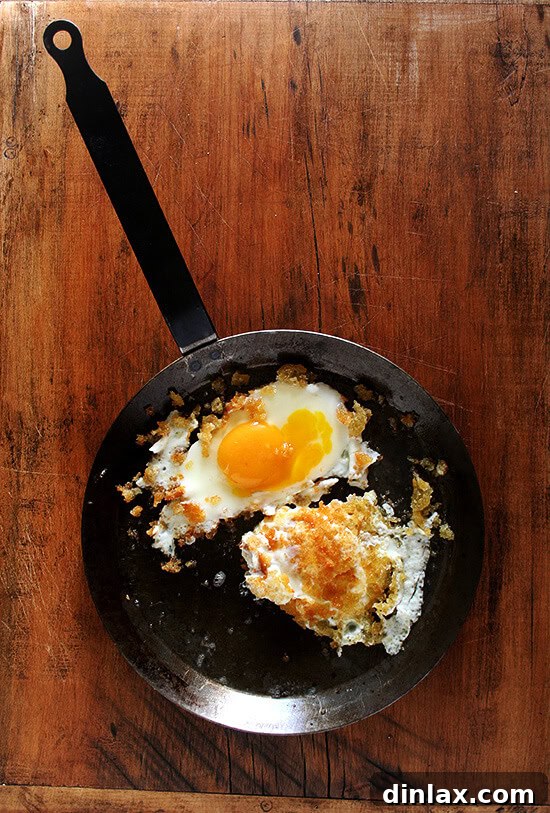
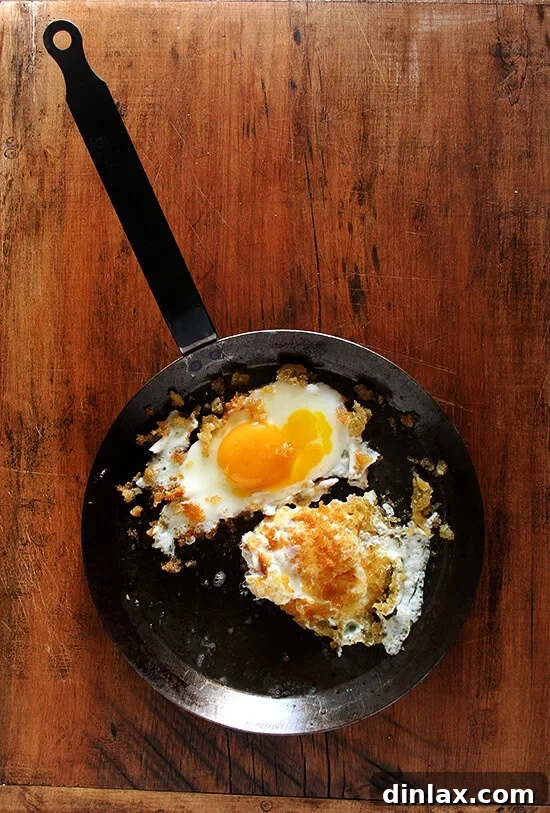
Zuni Cafe’s Signature Fried Eggs in Breadcrumbs: A Culinary Delight
“I wish I were a hen;
I wouldn’t have much to do.
I’d lay an egg most every day,
And Sundays sometimes two.”
— German nursery rhyme
That delightful German nursery rhyme, which I recently stumbled upon in William Grimes’ *My Fine Feathered Friend*, perfectly captures the simple joy and incredible versatility of eggs. While the rhyme hints at a hen’s easy life, for us home cooks, eggs offer an effortless path to deliciousness. Today, we’re diving into a revelation that has transformed my egg experience: the extraordinary method of frying eggs in breadcrumbs, a technique championed by the legendary Judy Rodgers from *The Zuni Cafe Cookbook*.
Discovering the Magic of Zuni Cafe’s Fried Eggs
Zuni Cafe, a San Francisco institution, is renowned for its iconic roast chicken and rustic, seasonal Californian cuisine. At its heart was chef-owner Judy Rodgers, a culinary visionary who believed in elevating simple ingredients to sublime heights. Her *Zuni Cafe Cookbook* is a treasure trove of recipes, and the chapter dedicated to eggs, though concise, offers profound insights, particularly with her innovative approach to fried eggs.
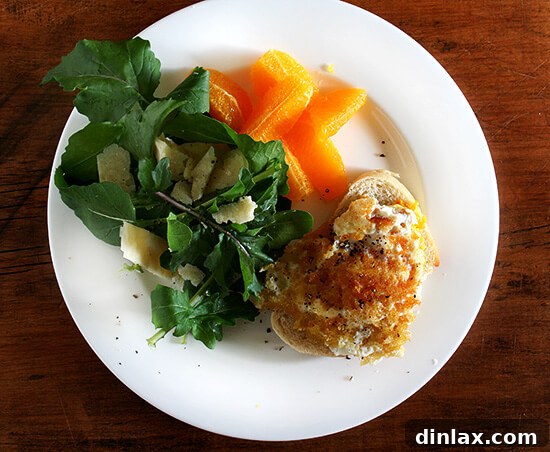
Traditionally, these crunchy fried eggs graced Zuni’s Sunday lunch menu, served alongside their exquisite house-made sausage or bacon – a truly mouth-watering prospect. However, Chef Rodgers herself favored these eggs for a lighter, yet equally satisfying, dinner, accompanied by a vibrant salad of bitter greens. I wholeheartedly agree with her preference. Imagine: a beautifully crisp, golden-brown egg perched atop a fresh, zesty salad. A simple combination of arugula, bright oranges, shavings of Parmigiano Reggiano, perhaps a creamy avocado, and a slice or two of toasted artisan bread forms an unbeatable dinner that feels both gourmet and comforting.
What truly elevates these eggs beyond a mere breakfast staple is the finishing touch: a delicate sprinkling of vinegar immediately after cooking. This seemingly small step is absolutely crucial and should not be omitted. The vinegar introduces a perfect, bright “bite” that cuts through the richness of the egg and breadcrumbs, creating a harmonious flavor profile that is utterly addictive. It’s so perfectly balanced, in fact, that even I, a notorious Tabasco enthusiast, would never dream of dousing these exquisite eggs in hot sauce. It would genuinely spoil their delicate perfection.
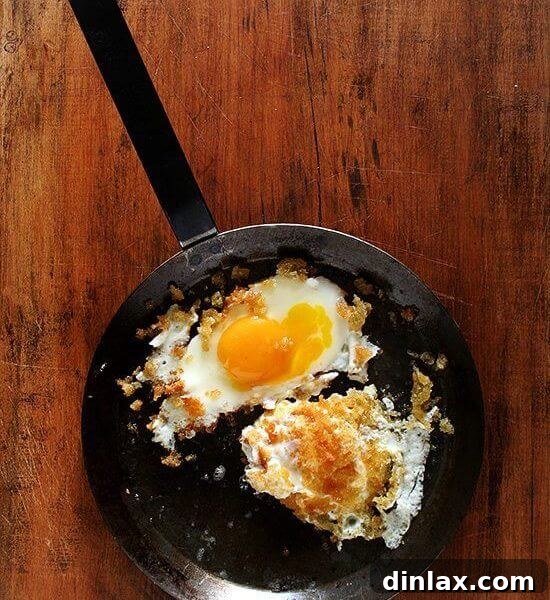
For those fortunate enough to reside in the San Clemente area, the ingredients for the delightful dish pictured below—Don’s eggs, Blue Heron Farm’s arugula, and Eli’s Ranch oranges—can all be sourced from your local Sunday farmers’ market, ensuring the freshest possible flavors for your culinary creations.
The Art of Crafting Crunchy Breadcrumb Eggs
Creating these crispy breadcrumb eggs is an exercise in culinary mindfulness, where simple ingredients are transformed through careful technique. The magic lies in the texture and flavor imparted by the breadcrumbs and the precise method of cooking. It’s a dish that celebrates simplicity and exquisite execution.
Why Fresh Breadcrumbs Make All the Difference
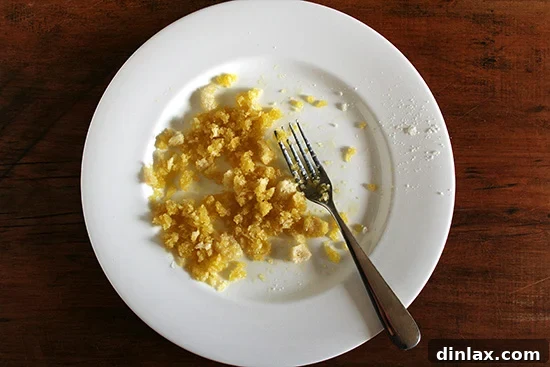
The foundation of these exceptional fried eggs lies in using fresh, soft breadcrumbs. Unlike their dried, pre-packaged counterparts, fresh breadcrumbs offer a tender crumb that, when properly oiled and toasted, achieves an unparalleled crispness and a rich, buttery flavor. Using a high-quality, bakery-style white bread—such as a peasant loaf, ciabatta, or a rustic boule—is key. The tender interior of such loaves provides the ideal texture for grinding into crumbs that are neither too fine nor too coarse, creating a perfect coating for the eggs.
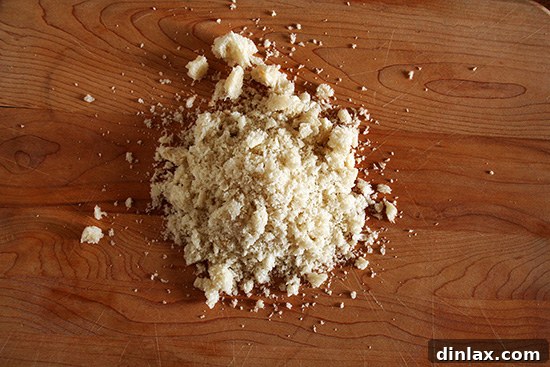
The “oversaturation” of these fresh crumbs with good quality extra-virgin olive oil is another pivotal step, as instructed by *The Zuni Cafe Cookbook*. This generous application of oil ensures that each crumb becomes a tiny, flavorful vessel, ready to crisp up beautifully in the pan, creating that irresistible golden crust around the egg. This technique not only adds flavor but also prevents the crumbs from burning too quickly, allowing for even cooking and a uniformly crunchy exterior.
Choosing the Right Pan for Perfection
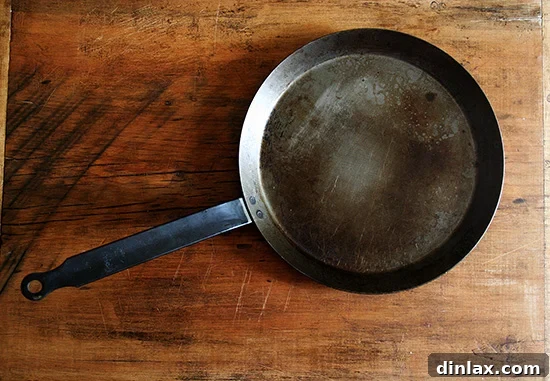
Selecting the appropriate pan is crucial for achieving the perfect Zuni Cafe fried eggs. *The Zuni Cafe Cookbook* specifically recommends using a 6- to 8-inch French steel omelet pan. These pans are renowned for their excellent heat conductivity and nonstick properties once properly seasoned. They allow for precise temperature control, which is essential when toasting breadcrumbs to a perfect golden hue without burning. Personally, I’ve had great success with my 9.5-inch carbon steel crepe pan, a cherished acquisition from Fante’s in Philadelphia. Carbon steel offers similar benefits to French steel, developing a superb natural nonstick surface over time.
However, if these specialized pans are not readily available in your kitchen, a standard nonstick skillet will work just as well. The key is to ensure even heat distribution and careful monitoring to prevent the breadcrumbs from scorching. Regardless of the pan type, consistent heat and attention to detail are your best allies in replicating Zuni Cafe’s legendary fried eggs.
The Essential Accompaniment: Champagne-Shallot Vinaigrette
While the breadcrumb eggs are undoubtedly the star, a thoughtfully prepared vinaigrette serves as their ideal counterpart, adding a bright, acidic counterpoint that elevates the entire meal. I learned the foundational principles for making exceptional salad dressings from *Chez Panisse Vegetables*, a book that champions seasonal ingredients and simple, elegant preparations.
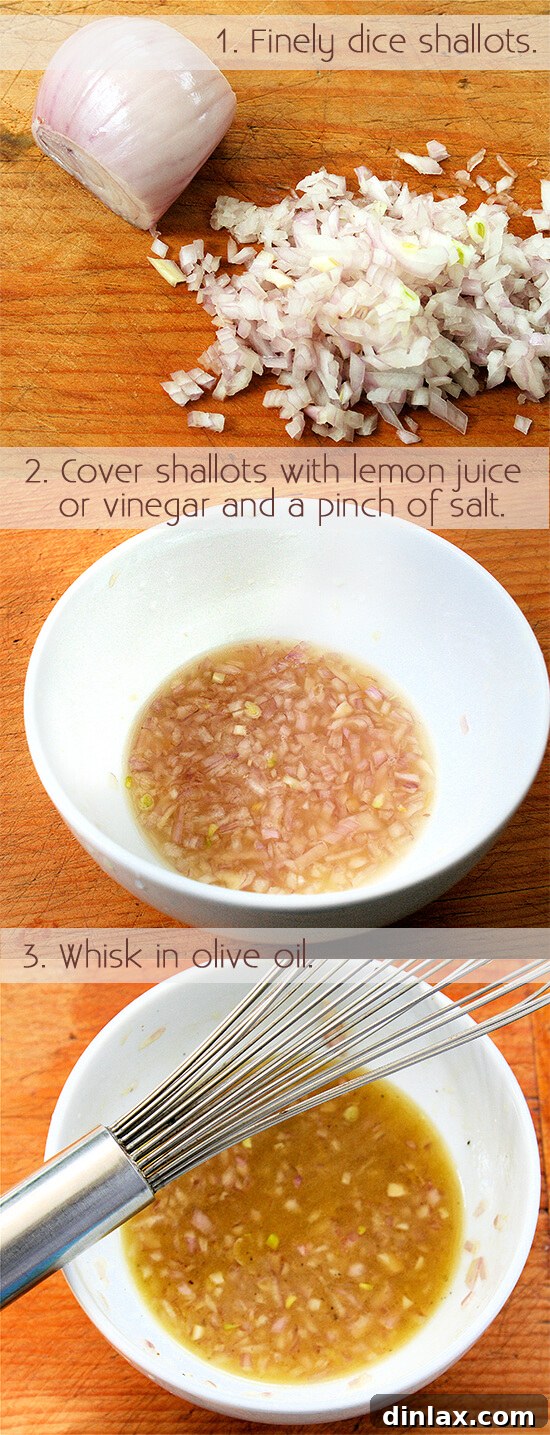
The beauty of this simple vinaigrette recipe lies in its method: macerating finely diced shallots in lemon juice and vinegar for about 20 minutes. This process softens the shallots’ sharpness and allows their delicate flavor to meld beautifully with the acidic base. Once you master this fundamental technique, you unlock a world of customization. Feel free to experiment with different citrus juices—orange or lime for a sweeter tang—or various vinegars, such as red wine vinegar or apple cider vinegar, in place of the lemon juice and champagne vinegar. I often find that a tiny pinch of sugar, while not in the original recipe, can round out the flavors and add a subtle sweetness that balances the acidity perfectly.
Champagne-Shallot Vinaigrette
No reviews
- Author: Alexandra Stafford at alexandracooks.com
- Total Time: 25 minutes
Description
Source: *Chez Panisse Vegetables*
Ingredients
- 2 small shallots, peeled and diced
- 2 tablespoons champagne vinegar or white balsamic vinegar*
- 2 tablespoons lemon juice*
- ¼ teaspoon sugar (optional — this is not in the original recipe, but I always like a pinch of sugar)
- ½ teaspoon kosher salt
- 1/3 cup extra-virgin olive oil
- freshly ground pepper
*As I noted above, you can substitute what you wish for the vinegar or citrus. You also could use only vinegar or only citrus juice. Use whatever you have on hand or whatever you like best.
Instructions
- To make the dressing, place the shallots in a bowl with the vinegar, lemon juice, sugar and salt. Stir and let the mixture sit for 20 to 30 minutes. Slowly drizzle in the olive oil, whisking constantly to make an emulsified dressing. Set aside.
- Prep Time: 5 minutes
Step-by-Step: Zuni Cafe’s Fried Eggs in Bread Crumbs
This recipe, adapted from *The Zuni Cafe Cookbook*, is surprisingly straightforward but yields incredibly flavorful results. The combination of crispy breadcrumbs, perfectly cooked eggs, and a hint of vinegar creates a sensory experience that elevates a simple egg dish into something truly special. Whether you’re making it for a solo meal or a small gathering, the technique remains consistent: focus on quality ingredients and careful timing.
Zuni Cafe’s Fried Eggs In Bread Crumbs
No reviews
- Author: Alexandra
- Total Time: 15 minutes
- Yield: 1 1x
Description
From *The Zuni Café Cookbook*
Notes from the cookbook:
This recipe has been written for one because these eggs are easy to make and fun to eat when you are alone. If you are making them for more than one person, use a larger pan and cook the eggs in batches of four to six. Also, If you are preparing the eggs for more than a few people, it is a little easier to toast the seasoned bread crumbs in advance in a 425ºF oven instead of in the skillet. In that case, toast them to the color of weak tea. Then scatter them in the skillet, add the remaining olive oil and proceed with the recipe.
Serve these eggs with a simple salad tossed in a citrus vinaigrette (recipe above):
Ingredients
- 1 hunk of white, bakery-style bread such as a peasant loaf or ciabatta or a boule (This is to make the fresh, soft bread crumbs. You only need 3 tablespoons of crumbs, so you’ll need just a portion of this loaf.)
- kosher salt
- about 2 tablespoons extra-virgin olive oil
- a few fresh thyme or marjoram leaves, optional
- 2 eggs
- 1 teaspoon red wine, white balsamic, balsamic or sherry vinegar
Instructions
- To make the bread crumbs: Carve the crusts off a loaf of white bakery-style bread such as a peasant loaf or ciabatta or boule. (Discard the crusts or add to your compost pile.) Break the tender insides of the loaf into large chunks, then grind in the food processor. Don’t grind too finely or evenly; a slightly irregular texture adds to the charm.
- Sprinkle the crumbs with a pinch of kosher salt, then drizzle generously with enough of the olive oil to oversaturate them. The crumbs should look moist, but not swimming in oil.
- Place the oiled crumbs in a 6- to 8-inch French steel omelet pan or nonstick skillet and set over medium heat. If you prefer your fried eggs over easy, set aside about a tablespoon of the oiled raw crumbs to sprinkle on top of the eggs just before flipping. Let the crumbs warm through, then swirl the pan as they begin to dry out – you’ll hear a quiet, crackling sound. Stir them once or twice to ensure even toasting.
- The moment you notice the crumbs just beginning to turn a light golden color, quickly add the remaining olive oil (or a small dab of butter for extra richness) and the fresh herbs, if using. Immediately crack the eggs directly onto the breadcrumbs in the pan.
- Cook the eggs to your desired doneness. I’ve found two methods work beautifully:
- Method 1 (No Flip): Cook without flipping, but briefly transfer the pan to a preheated oven (around 350°F/175°C) for a minute or two to ensure the tops of the eggs are just set, while the yolks remain wonderfully runny.
- Method 2 (Quick Flip): Flip the eggs once, but cook them only briefly on the second side, ensuring the yolks are still deliciously runny.
- Carefully slide the cooked eggs onto a warm plate. Immediately add the teaspoon of your chosen vinegar (red wine, white balsamic, balsamic, or sherry) to the hot pan. Swirl the pan once to deglaze and heat the vinegar, then pour the few drops of sizzling, aromatic vinegar directly over the eggs. Serve immediately with your favorite accompaniments.
- Prep Time: 10 minutes
- Cook Time: 5 minutes
Beyond the Recipe: Tips for Success and Variations
Mastering the Breadcrumb Texture
The secret to the irresistible crunch of Zuni Cafe’s fried eggs lies squarely in the breadcrumbs. It’s not just about using fresh bread; it’s also about how you prepare and cook them. When grinding the bread in a food processor, aim for an irregular, slightly coarse texture rather than a fine powder. This varied size contributes to a more interesting and substantial crust around the egg. The “oversaturation” with olive oil, as described, is crucial. It ensures even browning and a rich flavor, preventing the crumbs from becoming dry and dusty. When toasting the crumbs, keep a watchful eye; they can go from perfectly golden to burnt in a matter of seconds. The slight “staticky sound” is your cue that they are drying out and ready for the eggs. Don’t be afraid to experiment with adding a pinch of dried herbs like thyme or marjoram directly into the crumbs for an extra layer of aroma.
Perfecting Your Fried Eggs
The beauty of this recipe is its adaptability to your preferred egg doneness. For those who love a perfectly runny yolk encased in a crisp exterior, the “no-flip” method, finished briefly in a hot oven, works wonders. This ensures the whites are set and the crumbs are crunchy, without disturbing that luscious yolk. If you prefer a slightly firmer yolk, a quick flip to cook the second side for just a few seconds will achieve that. The key is swiftness to avoid overcooking. Regardless of your preference, serving these eggs immediately after cooking, with the sizzling vinegar drizzled over, is non-negotiable. The burst of acidity truly brightens the dish.
Pairing Suggestions and Local Flavors
While Chef Rodgers’ suggestion of bitter greens is excellent, consider expanding your salad components. Beyond arugula, radicchio or endive can add delightful bitterness. Complement this with sweet elements like orange segments, grapefruit, or even thinly sliced apple. Creamy textures from avocado or goat cheese provide a wonderful contrast to the crunchy egg. And don’t forget the toast – a simple slice of sourdough or a rustic baguette is perfect for soaking up any runny yolk and vinaigrette. If you’re in the San Clemente area, embracing local produce like Don’s eggs, Blue Heron Farm’s arugula, and Eli’s Ranch oranges from the Sunday farmers’ market will truly elevate this dish, highlighting the freshness and quality that makes Zuni Cafe’s approach so special.
Maintaining Your Cookware: A Quick Guide to Skillet Care
Proper pan care is essential for any cook, especially when working with carbon steel or cast iron. Maintaining your skillet not only prolongs its life but also ensures optimal cooking performance and a naturally nonstick surface. Here’s a simple, effective method for cleaning and seasoning your pan, perfect for everyday use:
The Salt Cleaning Method
This technique is particularly useful for cast iron and carbon steel pans, which benefit from avoiding harsh soaps that can strip away their seasoning. Instead of scrubbing with soap and water, which can damage the delicate seasoned surface, we use a dry cleaning method that gently removes food bits while maintaining the pan’s integrity.
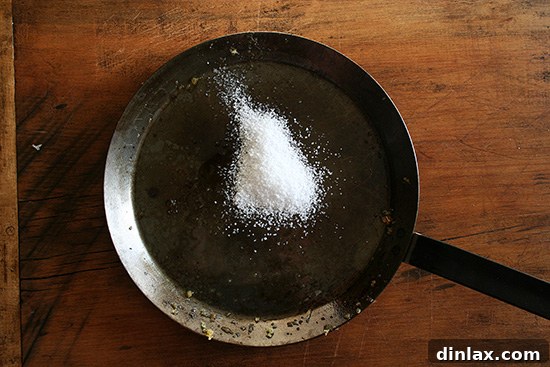
- Prepare the Pan: After cooking, if there are stubborn bits of food stuck to the pan, dump a generous amount of kosher salt into it – enough to cover the bottom thinly.
- Heat Gently: Place the skillet over medium heat. Allow the salt to heat up and begin to change color, turning slightly brownish. This heat helps to loosen any stuck-on food particles.
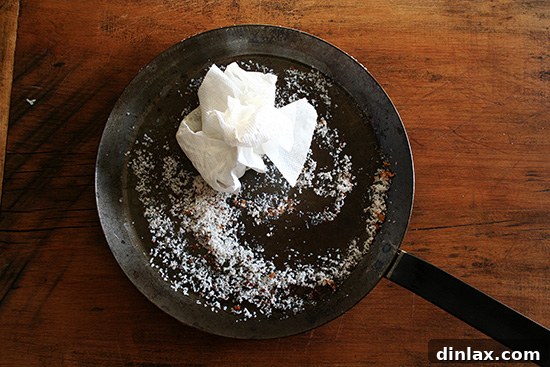
- Scrub and Scrape: Once the salt is hot, turn off the heat. Using a paper towel or a clean cloth, rub the salt in a circular motion, applying gentle pressure. The coarse salt acts as an abrasive, effectively scraping off all the bits of food from the bottom and sides of the pan without scratching the surface.
- Clean and Season: Wipe out all of the salt and food debris from the pan and discard. The pan should now be clean and smooth. To re-season and protect the surface, drizzle a tiny bit of extra-virgin olive oil into the pan. Use a fresh paper towel to rub the oil all over the cooking surface, creating a thin, even coat. This prevents rust and reinforces the nonstick layer.
- Store Properly: Store your clean and lightly oiled pan in a dry place to prevent moisture from causing rust.
This method ensures your pan remains perfectly seasoned and ready for your next culinary adventure, contributing to perfectly cooked dishes every time.
Explore More Delicious Dressing Recipes
A great salad dressing can transform even the simplest greens into a memorable dish. If you enjoyed the versatility of the Champagne-Shallot Vinaigrette, you’ll love exploring these other fantastic homemade dressing options:
- Tarragon-Shallot Vinaigrette: A sophisticated dressing with herbaceous notes, perfect for delicate salads or roasted vegetables.
- Orange & White Balsamic Vinaigrette: Bright and slightly sweet, this dressing adds a lovely citrusy kick to any salad.
- Orange Dressing, Especially nice with Roasted Beets: A vibrant, earthy pairing that enhances the natural sweetness of beets and pairs wonderfully with goat cheese.
- Sally Schneider’s Blue Cheese Dressing: A creamy, tangy classic that’s robust enough for a wedge salad or as a dip for wings.
- Tartine’s Caesar Dressing: A rich, umami-packed dressing that takes your Caesar salad to the next level, especially with homemade brioche croutons.
Frequently Asked Questions (FAQ) About Fried Eggs in Breadcrumbs
- Q: Can I use store-bought breadcrumbs for Zuni Cafe fried eggs?
- A: While you technically can, fresh breadcrumbs are highly recommended for this recipe. They provide a superior texture and flavor that dried, store-bought crumbs simply can’t match, resulting in that unique, crisp exterior.
- Q: What kind of bread is best for making fresh breadcrumbs?
- A: A good quality, day-old white bakery-style bread is ideal. Options like a peasant loaf, ciabatta, or a rustic boule work perfectly. The tender interior grinds into soft, irregularly sized crumbs that crisp up beautifully.
- Q: Is the vinegar drizzle really necessary?
- A: Absolutely! The small amount of vinegar drizzled over the hot eggs at the end is a game-changer. It provides a crucial acidic “bite” that cuts through the richness of the egg and breadcrumbs, balancing the flavors and elevating the dish from good to extraordinary. Don’t skip this step!
- Q: Can I make these eggs for a crowd?
- A: Yes, but it’s best to cook them in batches of 2-4 eggs at a time, depending on your pan size, to ensure even cooking and crispness. For larger gatherings, you can toast the breadcrumbs in advance in a 425°F (220°C) oven until light brown, then proceed with the recipe in the skillet, adding the eggs and remaining oil.
- Q: What are good side dishes to serve with Zuni Cafe fried eggs?
- A: A simple salad with bitter greens (like arugula or radicchio) and a bright vinaigrette is the classic accompaniment. Other great options include fresh fruit, avocado slices, roasted vegetables, or a slice of artisan toast for dipping into the runny yolk.
- Q: How do I store leftover vinaigrette?
- A: Store homemade vinaigrette in an airtight container or jar in the refrigerator for up to a week. Give it a good shake or whisk before each use, as the oil and vinegar may separate.
Conclusion: Embrace the Simple Elegance
The Zuni Cafe’s fried eggs in breadcrumbs are more than just a recipe; they are a testament to the power of thoughtful cooking and quality ingredients. Judy Rodgers’ genius lay in taking something as humble as an egg and transforming it into a dish of profound flavor and texture. From the satisfying crunch of the olive oil-saturated breadcrumbs to the rich, perfectly cooked yolk and the bright, unexpected tang of the vinegar finish, every element contributes to a truly memorable culinary experience.
Whether you’re seeking an elevated brunch, a quick yet gourmet dinner, or simply a new way to enjoy eggs, this recipe offers a delightful journey into the art of simple elegance. Pair it with the vibrant Champagne-Shallot Vinaigrette and a fresh salad, and you’ll understand why this dish has captivated palates for decades. So, gather your ingredients, fire up your skillet, and prepare to be enchanted by these extraordinary crunchy eggs.