Mastering Your Kitchen Renovation: A Comprehensive Guide to Planning and Execution
Embarking on a kitchen renovation is an exciting yet often daunting journey. It’s a significant investment, both financially and emotionally, promising to transform the heart of your home. Like many homeowners, I discovered a wealth of insights and lessons throughout my own kitchen remodel. What began as an idea quickly evolved into a detailed process, teaching me the importance of meticulous planning, strategic decision-making, and partnering with the right professionals. This guide compiles the most valuable lessons I learned, offering practical advice to help you navigate your own renovation with confidence and achieve the kitchen of your dreams.
For those interested in seeing the journey unfold, here are a few other posts relevant to the renovation:
- Kitchen Before
- Kitchen Demo
- Kitchen Reveal
Preparing for a Kitchen Renovation: Laying the Groundwork for Success
The foundation of any successful kitchen renovation lies in thorough preparation. Skipping steps here can lead to costly delays, budget overruns, and ultimately, dissatisfaction. Investing time upfront in planning will pay dividends throughout the entire process.
Find a Kitchen Designer: Your Renovation Architect
One of the first and most crucial steps is to find a reputable kitchen designer. This was a revelation for me. Initially, I envisioned a DIY approach—sketching plans on paper, hiring a contractor based solely on the lowest bid, and figuring things out as we went along. I quickly learned that this approach is rarely successful for a project of this scale. Most contractors, especially the good ones, prefer to work with a fully realized design plan. This makes perfect sense; a well-defined design minimizes guesswork, streamlines the construction process, and ensures everyone is aligned on the vision.
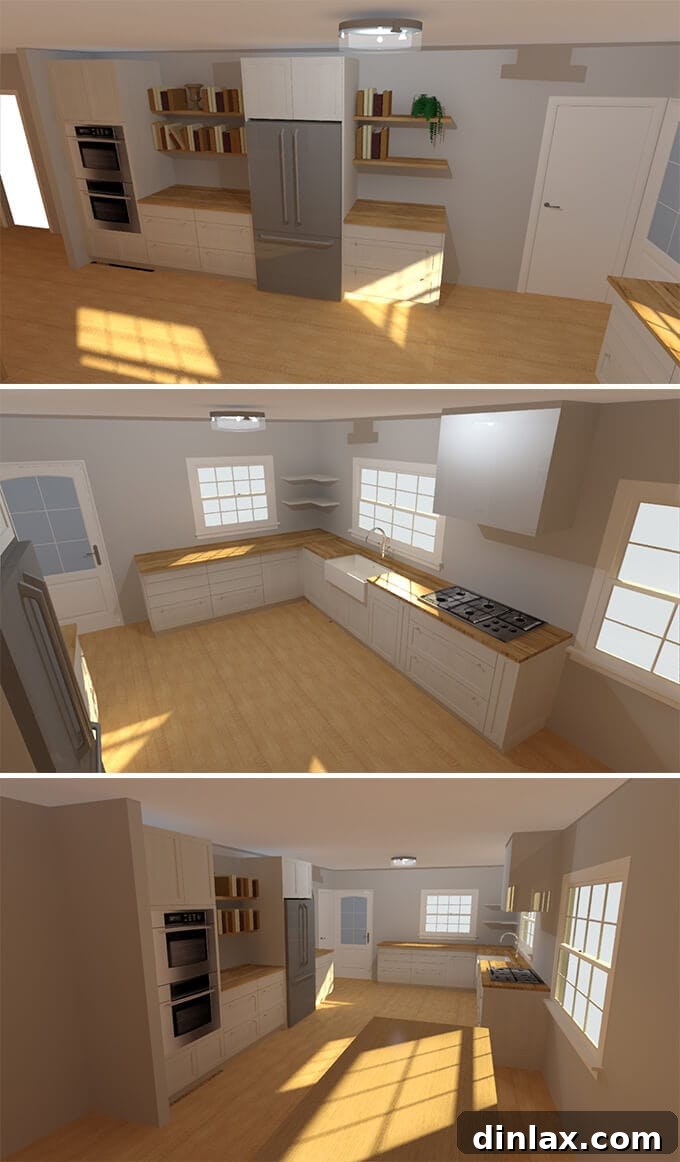
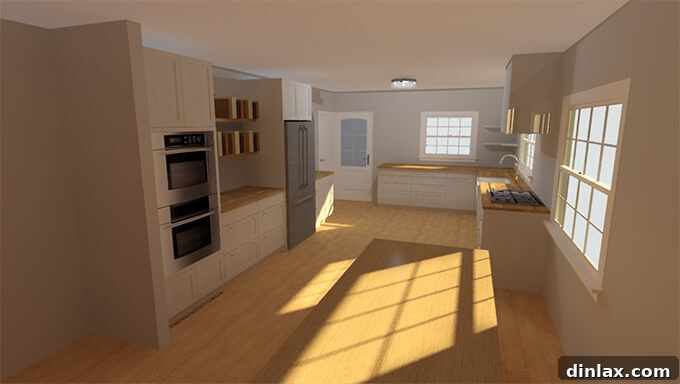
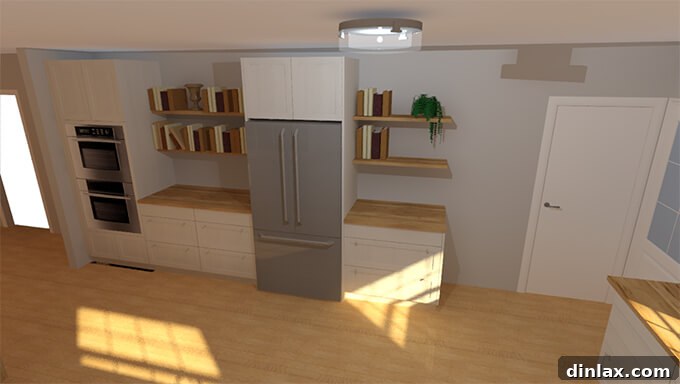
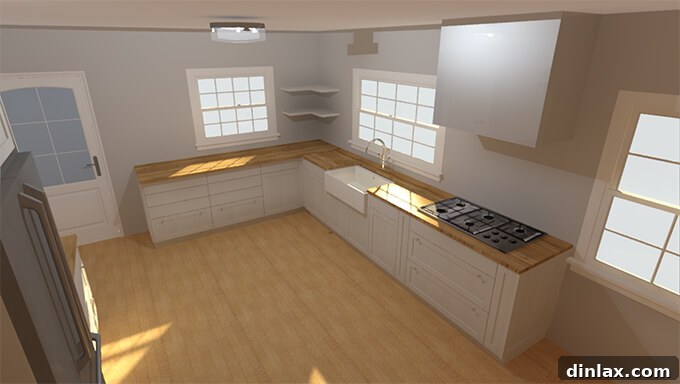
A skilled kitchen designer brings invaluable expertise to the table. They are masters of space planning, understanding how to optimize layouts for functionality and flow, even in challenging spaces. They can guide you through material selections, offer insights into current trends, and help you visualize the final outcome with detailed renderings. Their role extends beyond aesthetics; they consider ergonomics, storage solutions, and how to integrate your specific needs into a cohesive design. I highly recommend seeking out a designer whose aesthetic resonates with yours, and who comes with strong recommendations. I had an exceptional experience with Hudson Kitchen and Bath. Their storefront in Hudson caught my eye years ago, and their website immediately drew me in with its sophisticated style. Les Craig and Nicholas Pappas demonstrated unparalleled professionalism, visiting multiple times for precise measurements and layout discussions, and providing critical guidance during cabinet installation. The detailed design renderings they provided were instrumental in visualizing our new kitchen, assuring us of every decision before construction began.
Create a Pinterest Board or Mood Board: Visualizing Your Dream Kitchen
Before your initial meeting with a kitchen designer, dedicate time to create a Pinterest Board or a physical mood board. This visual tool is incredibly powerful for communicating your desired aesthetic, functional requirements, and overall vibe. My board, titled “Kitchen Inspiration and Home Decorating,” was a curated collection of images that spoke to me. It’s more than just pretty pictures; it’s a way to convey your style, preferred color palettes, material choices, and even specific organizational features you admire. This visual narrative helps designers quickly grasp your vision, saving time and ensuring they propose solutions that align with your taste.
Beyond aesthetics, it’s crucial to articulate your functional priorities. I summarized mine as:
- Ensuring drawers with plates, silverware, and glasses were easily accessible for my children.
- Having my extensive collection of cookbooks readily available for my own use.
- Integrating pull-out trash and recycling bins for convenience and cleanliness.
Clearly defining these goals upfront allows your designer to incorporate them seamlessly into the layout, ensuring your new kitchen isn’t just beautiful but also perfectly suited to your family’s lifestyle and daily routines.
Hire a Contractor: The Execution Experts
Once you have your design plan, the next vital step is to hire a reliable contractor. This is where your vision truly begins to take shape. Recommendations from friends and family are often the best starting point, as personal experience can reveal much about a contractor’s work ethic, communication, and reliability. We were incredibly fortunate to find Larry and Bill Cunningham, who came highly recommended. Their professionalism was outstanding: they consistently arrived on time each morning, meticulously cleaned the workspace before leaving for the day, adhered strictly to the project schedule, and demonstrated exceptional thoughtfulness and precision in every task. These qualities are paramount in a contractor – punctuality minimizes disruption, cleanliness ensures a safer environment, and staying on schedule keeps the project on track and within budget. If you reside in the local area and are considering any home improvement projects, I wholeheartedly endorse reaching out to them.
Declutter and Prepare Your Space: A Fresh Start
In the months leading up to the renovation, I strongly advise you to get rid of stuff or strategically move it. This is an opportune moment for a deep declutter. I channeled my inner Maria Kondo, systematically going through my cabinets and drawers. Donating unused cooking gear, old plates, platters, and miscellaneous items that had sat idle for years felt incredibly liberating. This pre-renovation purge not only simplifies the packing process but also ensures you’re only bringing back items you truly use and love into your brand-new kitchen.
Beyond decluttering, consider temporary storage solutions. I invested in three sturdy metal shelving units from Lowe’s and set them up in our basement. While having a basement for storage is a luxury, even a garage or a dedicated closet can serve a similar purpose. These shelves proved invaluable, storing less frequently used cooking equipment (like specialty bakeware or large serving dishes) as well as pantry staples that would otherwise clutter our temporary kitchen setup. Think dried beans, bulk flours, canned tomatoes, an array of spices, granola ingredients, and muesli ingredients. Organizing these items beforehand saves a lot of headaches during the renovation chaos.
Pick Out Your Appliances: Functionality Meets Style
An often-overlooked but critical step is to pick out your appliances early in the process. While the contractors won’t need the actual appliances immediately, they absolutely require their precise dimensions and specifications. This information is essential for preparing the necessary rough-ins—electrical outlets, plumbing lines, ventilation ducts, and cabinet cut-outs—correctly. Any miscalculation can lead to costly rework and delays. When selecting appliances, consider a balance of functionality, energy efficiency, and how they integrate with your overall design aesthetic. Research different brands, read reviews, and think about your cooking habits. I sourced my key appliances—an oven, cooktop, and hood—from Marcella’s, a local company known for its service and selection. A smart tip: don’t shy away from floor models or clearance items. I managed to secure both my double oven and range hood as floor models, which provided a welcome break on the price without compromising on quality or functionality. We opted not to replace our existing fridge and dishwasher, as they were still in excellent condition and met our needs, which is a sensible approach if your budget or existing appliances allow.
Pick Out Countertops (and Shelves, if applicable): The Workhorse Surfaces
The choice of countertops significantly impacts both the aesthetics and functionality of your kitchen, so take your time to pick out countertops (and shelves, if applicable) carefully. Options range from granite and quartz to marble, laminate, and butcher block, each with its own set of pros and cons regarding durability, maintenance, and appearance. For our kitchen, I was drawn to the warmth and natural beauty of maple butcher block. I found a fantastic local company, Alexander Butcher Block (ABB), to craft our countertops and open shelves.
I had heard mixed reviews about butcher block countertops—concerns about heat tolerance, suitability for cutting, and susceptibility to mold, especially around the sink. The thought of mold did make me pause. However, after speaking with ABB, my worries were alleviated. They assured me they install sink cut-outs daily and, in all their years of business, had never encountered mold issues. Their expertise and confidence sold me. I am incredibly happy with my decision. Firstly, I’ve never had countertops I could place hot pans directly on anyway, so there was no change in habit for me. Secondly, I prefer to use a cutting board, so cutting directly on the counter was never a desire. Most importantly, I absolutely LOVE the natural look, feel, and warmth they bring to the kitchen. For the open shelves, the maple butcher block extends the cohesive, natural aesthetic throughout the space, offering both visual appeal and practical storage.
Pick Out Sinks and Faucets: Essential Functionality
Often considered minor details, sinks and faucets play a pivotal role in the daily functionality of your kitchen. The variety is vast, from single-basin to double-basin sinks, and a myriad of faucet styles. I chose this beautiful farmhouse sink paired with a complementary faucet, and I adore them both. The farmhouse style offers a charming aesthetic and a deep, spacious basin that is incredibly practical for washing large pots and pans. A specific recommendation I have is to invest in a grate insert for your sink. This simple accessory protects the sink’s surface from scratches and dents, and also allows water to drain effectively even when the sink is full of dishes. It’s a small detail that makes a big difference in maintaining the longevity and appearance of your sink.
Lighting: Setting the Mood and Task Efficiency
Lighting is a critical, yet often underestimated, element of kitchen design. Good lighting should be multi-layered, providing ambient, task, and accent illumination to create a functional and inviting space. I installed six of these 4-inch canned lighting fixtures from Home Depot. A game-changer, encouraged by my mother, was to put everything on a dimmer. Dimmers provide incredible flexibility, allowing you to adjust the brightness to suit different moods or tasks—bright for cooking, softer for entertaining, or dimmed for a cozy evening. I was very tempted to find a unique pendant lamp to hang above the sink, but I ultimately decided against it, worrying that I might grow tired of it within a year. This highlights a common dilemma in renovation planning: balancing trendy elements with timeless appeal. Lighting can be tricky, so consider consulting with your designer or an electrician to develop a comprehensive lighting plan that meets all your needs.
Flooring: The Foundation of Your Kitchen’s Style
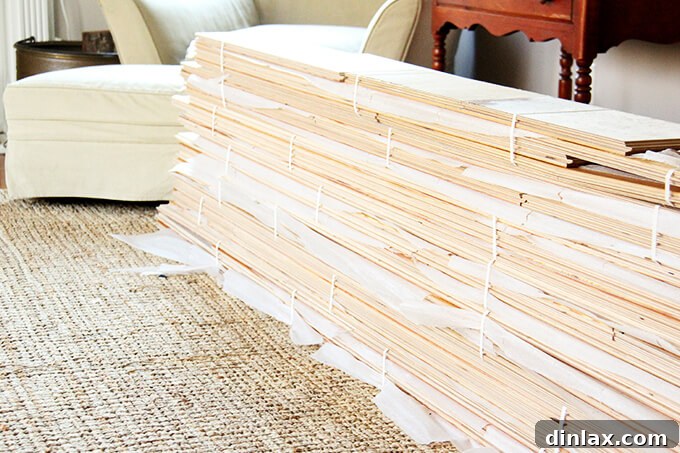
Your kitchen flooring choice is paramount, as it needs to withstand heavy foot traffic, spills, and the general wear and tear of a busy household, all while complementing your aesthetic. My kitchen designer from Hudson Kitchen and Bath recommended Adirondack Wood Floor Co, which proved to be an excellent referral. I was inspired by the wide planks in my aunt and uncle’s home in Vermont and opted for reclaimed heart pine. This choice offered not only a beautiful, rustic aesthetic but also a sustainable element, giving new life to old wood. When selecting natural wood flooring, be mindful of lead times; reclaimed (or any specialty) flooring can take 6 to 8 weeks or even longer to procure. Additionally, the floorboards require an acclimation period of approximately a week in your home before installation. This allows the wood to adjust to your home’s humidity levels, preventing potential warping or gapping after installation, ensuring a beautiful and lasting finish.
Hardware: Knobs and Brackets – The Finishing Touches
The small details, like knobs and shelf brackets, can significantly impact the overall feel of your kitchen. Don’t underestimate their power to elevate or detract from your design. For our cabinets, I chose these simple yet elegant knobs, which were incredibly budget-friendly at $0.93 each at the time. Their understated design allowed the beauty of the cabinetry and countertops to shine through. For the open shelves, I wanted something with a bit more character. I discovered these unique brackets from Smokestack Studios on Etsy. Sourcing from independent artisans can add a personal, bespoke touch to your kitchen, making it feel truly unique. I absolutely love how these brackets complement the reclaimed wood shelves and tie the whole look together.
Final Details: Smart Storage Solutions
When planning your kitchen, remember that you can always enhance your storage with various drawer inserts after the main renovation is complete. Items like cutlery dividers, plate dividers, and pan dividers can be added later. This flexibility is a huge advantage, as it allows you to live with your new kitchen for a while and truly understand your needs before committing to specific internal organizational systems. It took me some time to figure out precisely which inserts would maximize efficiency for my cooking style, and having that post-completion period was invaluable for making informed decisions. However, some key storage solutions were planned from the outset: I knew I wanted a dedicated spice drawer, a convenient pull-out lazy Susan for corner cabinet access, integrated pull-out trash and recycling bins, and vertical dividers above my ovens for organized storage of pans, cooling racks, and cutting boards. These pre-planned solutions addressed specific pain points and significantly improved the functionality of the new kitchen.
A Few Other Thoughts: Navigating the Renovation Process
Living through a kitchen renovation can be messy and disruptive, but with a few strategies and a positive mindset, it’s entirely manageable. Here are some additional tips to help you cope:
-
Children and Renovation: Embrace the Adventure
If you have children and are concerned about how they will fare during the renovation, don’t worry—they often think it’s the best thing ever! For kids, a construction zone can be a fascinating, real-life playground (with proper safety precautions, of course). They might enjoy watching the progress, seeing tools in action, and understanding how a house is built. Involve them where appropriate, like letting them help choose a color swatch or suggesting where the snack drawer should be. While it’s crucial to establish clear safety boundaries and supervise them closely, their natural curiosity can turn a potentially stressful period into an exciting adventure for the whole family.
-
Temporary Living Arrangements: Adapting to Change
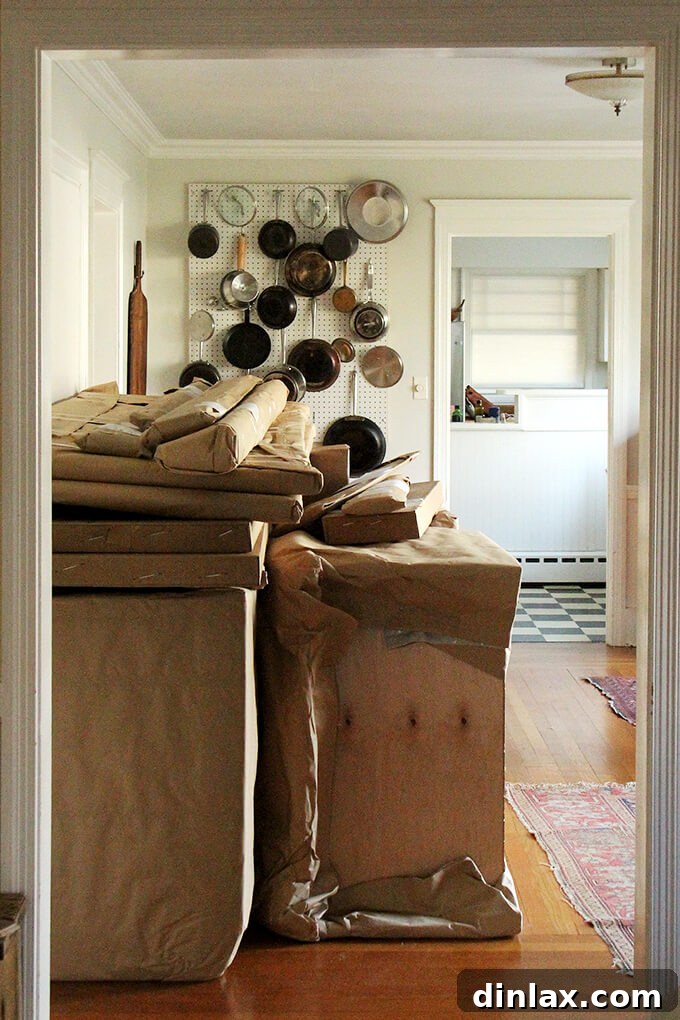
Be prepared for many areas of your house to be turned upside down. A kitchen renovation isn’t confined to just one room; it impacts the entire household. You’ll likely need temporary storage for cabinets, appliances, and materials. For us, our dining room became a makeshift storage unit for cabinets for at least a month, and the flooring acclimated in our living room for about the same duration. This temporary disruption is inevitable, so embrace it as part of the process. Clear out spaces in advance, cover furniture, and understand that certain rooms will be off-limits or cluttered for a while.
-
Set Up a Temporary Kitchen: Your Culinary Command Center
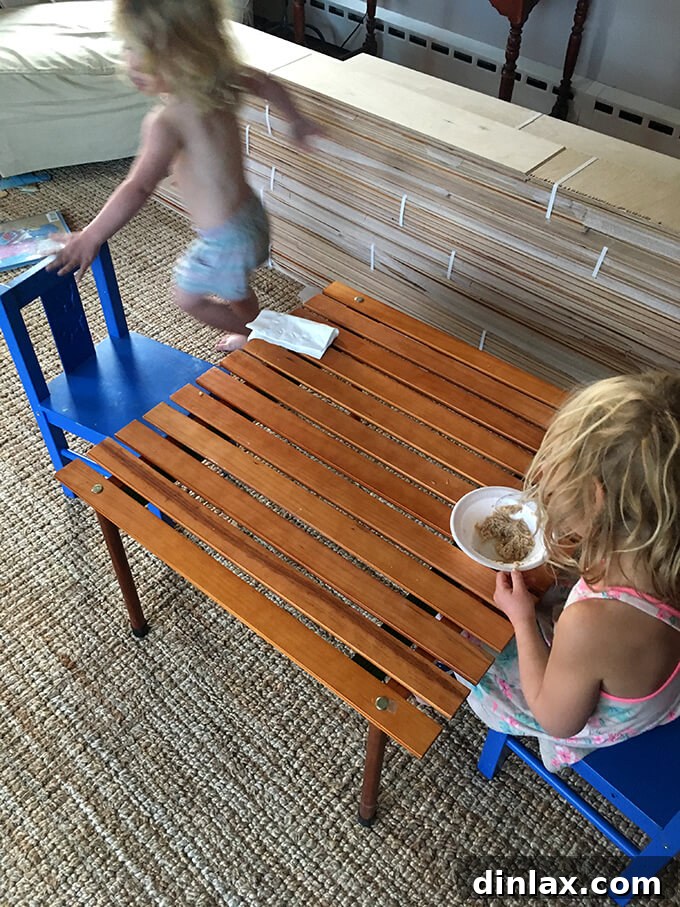
Perhaps the most critical coping strategy is to set up a functional temporary kitchen somewhere else in your house. We transformed a large table in our dining room into our culinary command center. We equipped it with essentials like our coffee pot, Nespresso machine, a pair of mini gas burners, and a small oven. While we certainly ate more instant oatmeal, cereal, and Ramen noodles than usual, we also managed to cook surprisingly diverse meals. The gas burners were perfect for boiling water for pasta and whipping up delicious kimchi fried rice. The small oven, despite its size, allowed me to prepare comforting dishes like chicken with shallots and mustard, crispy tofu and broccoli, and Joanne Chang’s famous egg sandwiches. Yes, doing dishes in the bathtub gets old really fast, but remind yourself that this phase is temporary. Before you know it, the entire process will be over, and you’ll be so incredibly happy with your beautiful, functional new kitchen. You can absolutely do it!
Cabinets temporarily stored in the dining room, a common sight during kitchen remodels:
Flooring acclimating in the living room before installation:
A glimpse of the temporary dining room setup during the renovation chaos:
A kitchen renovation is a journey of careful planning, strategic decisions, and a little bit of adaptability. While it can seem overwhelming, breaking it down into manageable steps, partnering with experienced professionals, and maintaining a clear vision will guide you to a successful outcome. The investment of time and effort will culminate in a beautiful, functional, and personalized kitchen that truly serves as the heart of your home for years to come. Embrace the process, learn from every stage, and soon you’ll be enjoying your dream kitchen.