Elevate Your Entertaining: The Art of Simple Pickled Crudités
Crudités have long been a go-to appetizer, a refreshing spread of fresh vegetables that offer a light, healthy start to any meal or gathering. While a classic crudité platter is always welcome, there’s a simple, elegant twist that can transform this familiar offering into something truly unforgettable: **pickling some of the vegetables.** With minimal effort, you can infuse common garden staples with a bright, tangy zest that will surprise and delight your guests. This isn’t just about preserving; it’s about elevating the inherent flavors and textures of fresh produce, making your veggie platter the star of the show.
The act of pickling doesn’t just add a burst of flavor; it subtly alters the vegetables’ texture. They become less aggressively crisp, yet retain a satisfying bite, often described as “tender-crisp.” This gentle softening, combined with the zing of vinegar, creates a complex profile that plain raw vegetables simply can’t match. Imagine the familiar crunch of a carrot or the firm texture of cauliflower, now softened just enough to absorb a vibrant, acidic punch, making each piece a miniature explosion of flavor.
The Allure of Pickled Vegetables: Beyond the Ordinary
Why Pickling is a Game-Changer for Your Veggie Platter
Incorporating pickled elements into your crudité spread offers a multitude of benefits, extending far beyond just a novel taste. Firstly, the **enhanced flavor** profile is undeniable. Pickling brine, typically a balanced mix of vinegar, water, salt, and a touch of sugar, penetrates the vegetables, imbuing them with a delightful tanginess and often a hint of sweetness. This acidity also brightens their natural flavors, making them more pronounced and exciting than their raw counterparts.
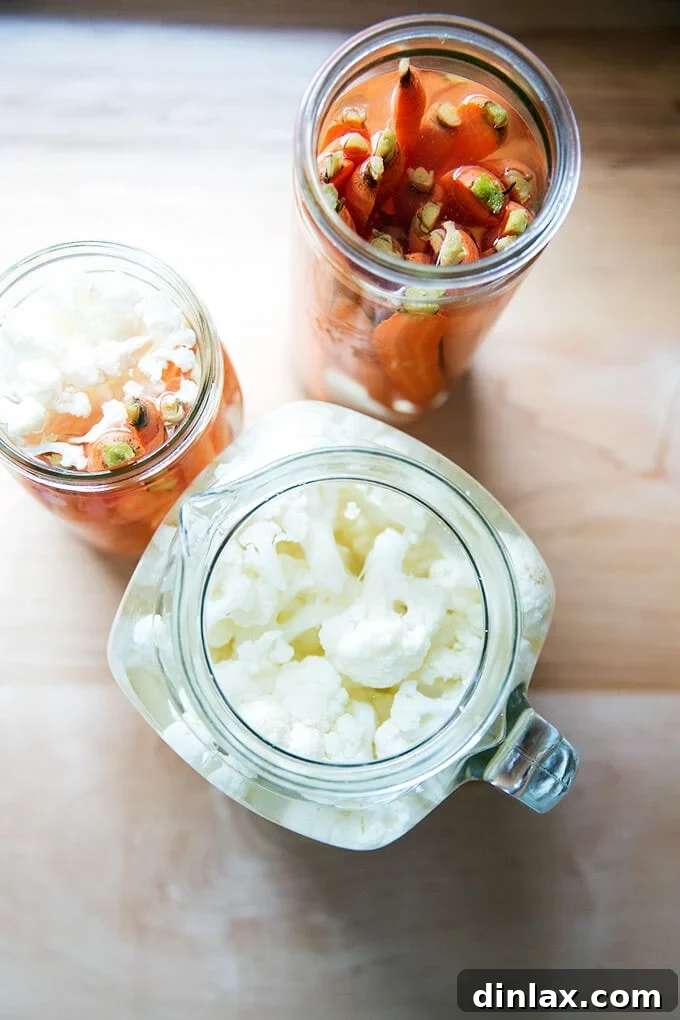
Secondly, the **vibrant colors** of pickled vegetables are incredibly appealing. The pickling process often intensifies hues, making your platter visually stunning. Bright orange carrots, creamy white cauliflower, and ruby red radishes, all glistening with brine, create an inviting tableau that screams freshness and culinary thoughtfulness. This visual appeal is crucial for any appetizer, drawing guests in before they even take their first bite.
Texture is another key differentiator. As mentioned, while raw vegetables offer a straightforward snap, pickled vegetables boast a unique **tender-crisp texture**. They lose some of their rigidness but remain firm, providing a pleasant chew that contrasts beautifully with their lively flavor. This textural contrast makes for a more interesting eating experience, especially when paired with other raw elements on the platter.
Finally, and perhaps most practically, pickled vegetables offer **extended shelf life**. Refrigerator pickles, while not shelf-stable like traditional canning, will last for several weeks in the fridge. This means you can prepare them well in advance of your event, reducing last-minute stress and ensuring you always have a delicious, ready-to-serve snack on hand. They only get better with time as the flavors meld and deepen, making them an ideal make-ahead component for any host.
Selecting Your Stars: Best Vegetables for Pickling
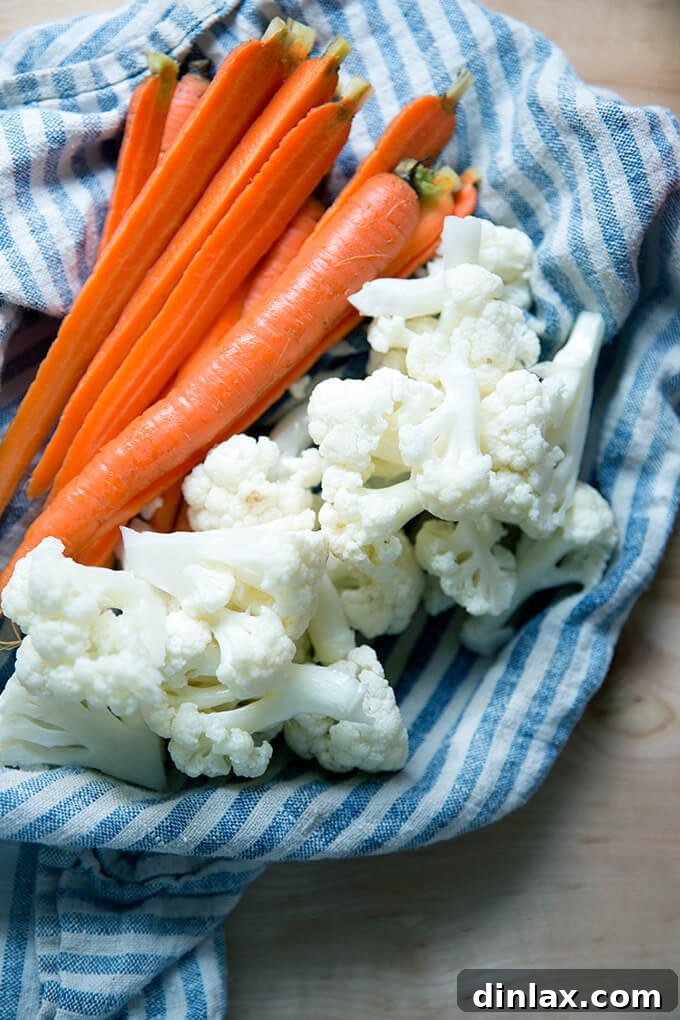
While almost any firm vegetable can be pickled, some stand out for their ability to truly shine in a tangy brine. Classic choices like **carrots** and **cauliflower** are always winners. Carrots, with their natural sweetness, beautifully balance the vinegar’s acidity, resulting in a delightfully tangy-sweet bite. Cauliflower florets become tender yet crisp, absorbing the brine wonderfully and offering a pleasant change from their raw, slightly bitter taste.
But don’t stop there! Expand your pickled crudité repertoire with other fantastic options:
- Radishes: Their peppery bite mellows slightly while their vibrant color pops.
- Turnips: Offer a subtle sweetness and crisp texture similar to radishes.
- Fennel: Becomes wonderfully tender with a milder anise flavor.
- Green Beans and Asparagus: A quick blanch before pickling can yield an exceptional tender-crisp texture.
- Bell Peppers: Sliced into strips, they offer sweetness and color.
- Cucumbers: While often associated with dill pickles, thin spears or rounds make a refreshing addition.
- Shallots or Onions: Thinly sliced, they add a sharp, piquant flavor.
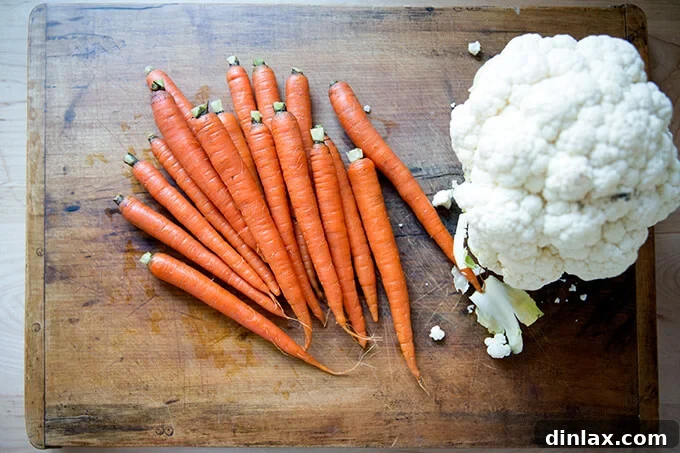
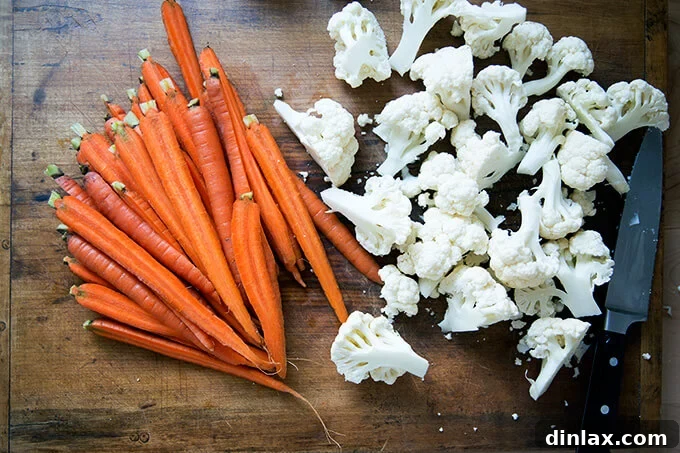
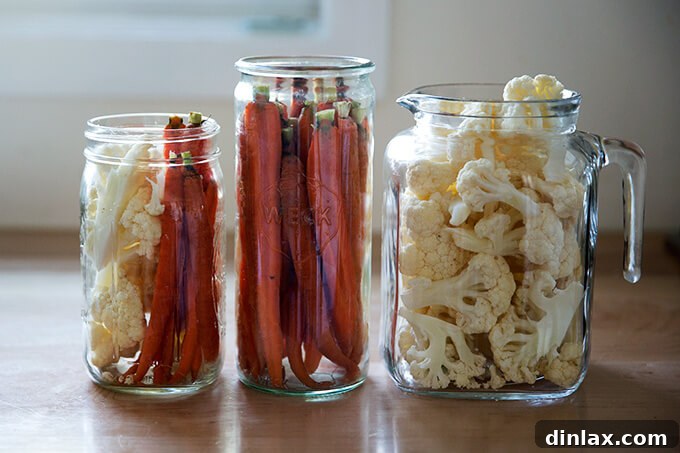
When selecting your vegetables, always opt for the freshest, firmest produce available. Slender carrots work best for presentation when halved lengthwise, and cauliflower should be cut into large-ish florets to maintain a good bite after pickling.
Mastering the Art of Simple Refrigerator Pickles
Making refrigerator pickles is surprisingly straightforward, requiring minimal equipment and basic ingredients. The beauty of this method lies in its simplicity and flexibility—you can easily scale the recipe up or down depending on your needs.
The Simple Brine Formula: A Foundation for Flavor
The foundation of any good pickle is its brine. For a basic, incredibly versatile refrigerator pickle brine, you’ll need:
- 1 cup water
- 1 cup vinegar (white vinegar, apple cider vinegar, white balsamic, or champagne vinegar all work beautifully. Choose a good quality vinegar for the best flavor.)
- 2 teaspoons kosher salt (kosher salt is preferred as it contains no anti-caking agents that can cloud your brine)
- 2 teaspoons sugar (this balances the acidity and brings out the vegetables’ natural sweetness)
This ratio is easily scalable. For instance, if you’re pickling a larger batch of vegetables, like 1.5 lbs of carrots and a large head of cauliflower, you might want to multiply this formula by six, using 6 cups each of water and vinegar, and ¼ cup each of salt and sugar.
Step-by-Step Pickling Process:
Here’s how to create your own irresistible pickled crudités:
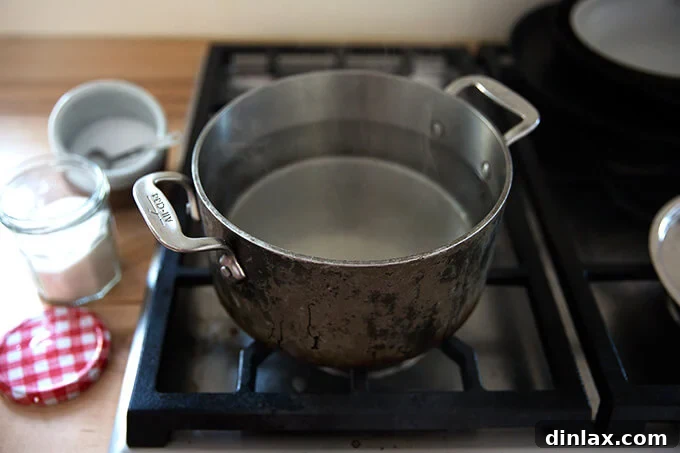
- Prepare the Brine: In a medium non-reactive saucepan (stainless steel or enameled cast iron), combine the water, vinegar, kosher salt, and sugar. Bring the mixture to a simmer over medium heat, stirring occasionally, until both the salt and sugar are completely dissolved. This usually takes just a few minutes. Once dissolved, remove the brine from the heat.
- Prepare the Vegetables: Thoroughly wash and trim your chosen vegetables. Slice or chop them into manageable, uniform pieces. For carrots, halving them lengthwise or slicing them into coins works well. Break cauliflower into similarly sized florets. Uniformity ensures even pickling and an attractive presentation.
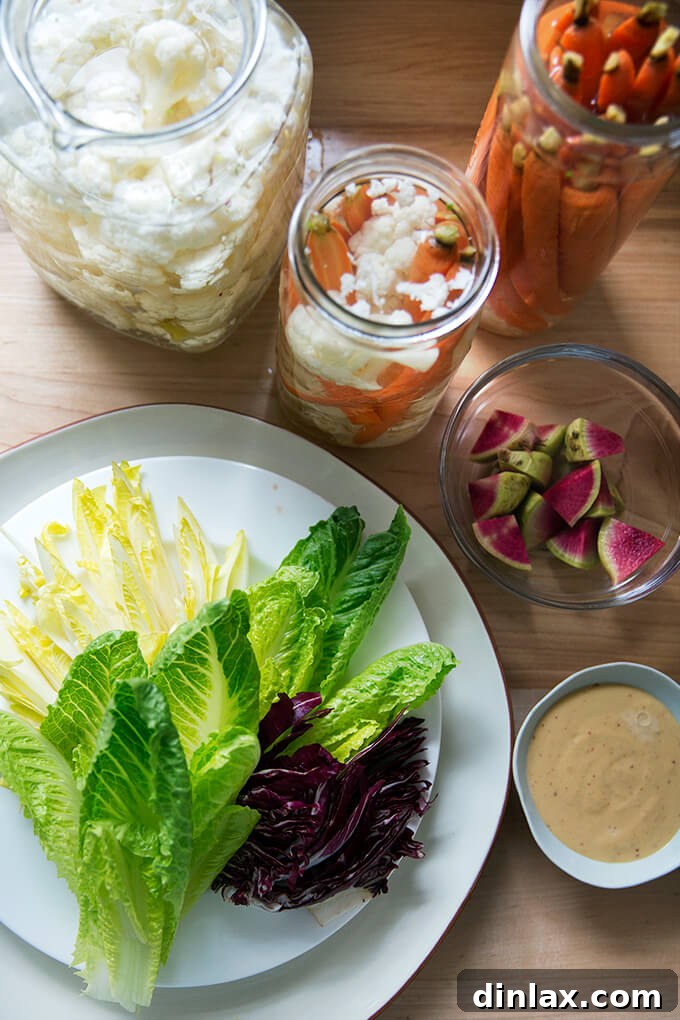
- Pack the Jars: While the brine is heating, tightly pack your prepared vegetables into clean, heat-proof glass jars. You don’t necessarily need to sterilize jars for quick refrigerator pickles, but ensuring they are spotlessly clean is crucial. Pack them as snugly as possible without bruising them, leaving about ½ inch of headspace from the rim.
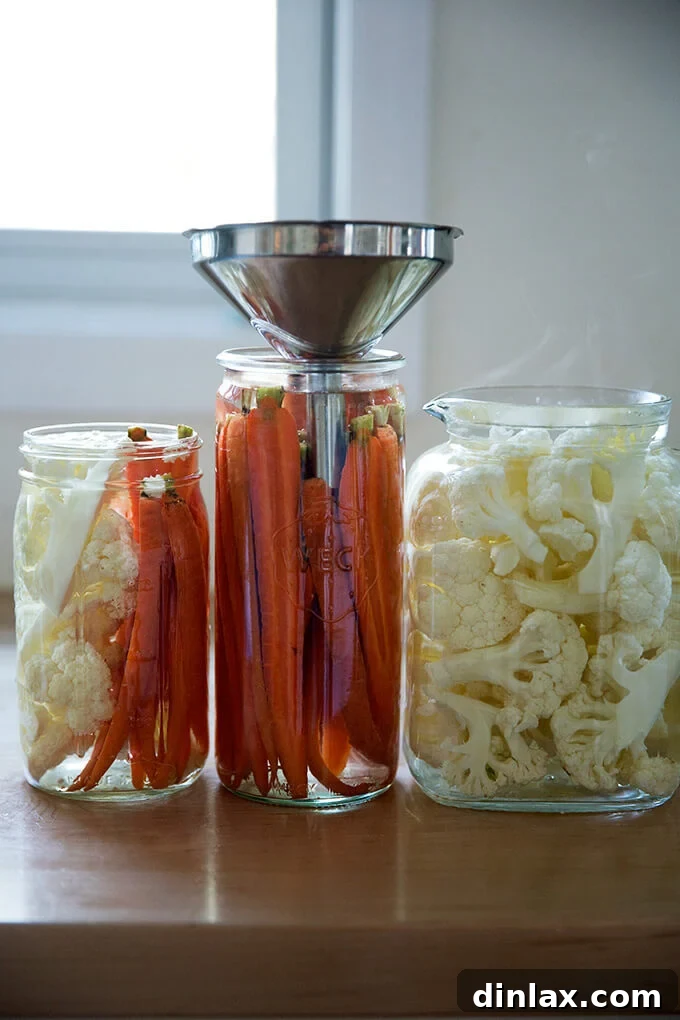
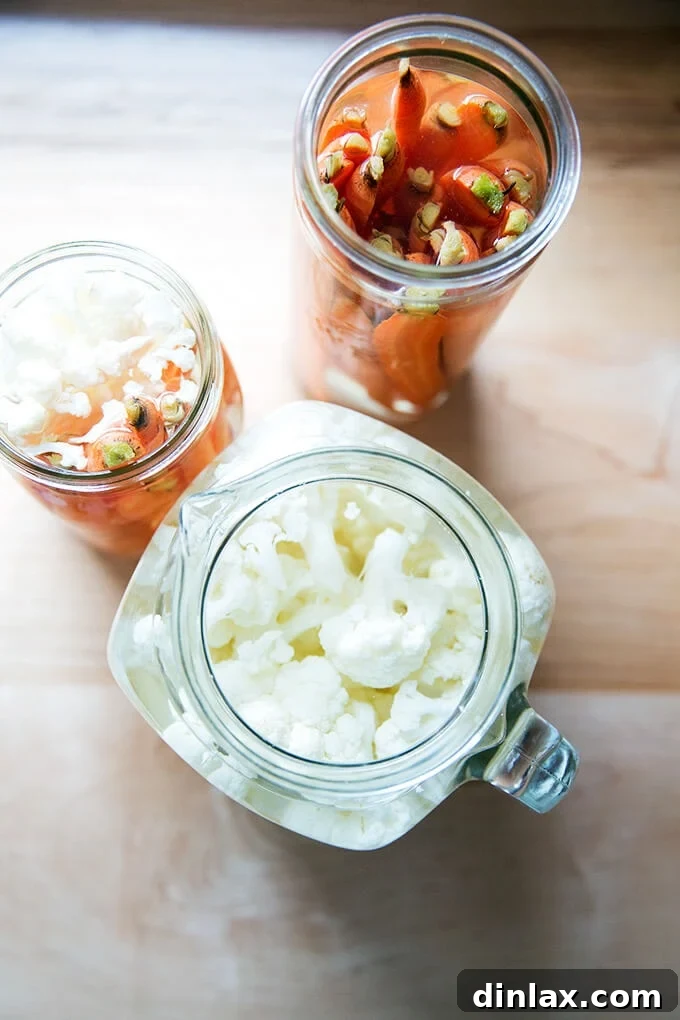
- Pour and Cool: Carefully pour the hot pickling liquid over the packed vegetables, ensuring they are fully submerged. A kitchen funnel can be incredibly helpful here to prevent spills. Gently tap the jars on the counter a few times to release any trapped air bubbles. Let the jars cool uncovered at room temperature until they are no longer warm to the touch.
- Refrigerate: Once completely cooled, secure the lids tightly on the jars and transfer them to the refrigerator. For the best flavor, allow the vegetables to pickle for at least 12-24 hours before serving, though longer is often better. The flavors will continue to develop and deepen over several days.
These refrigerator pickles will keep beautifully in the fridge for several weeks, or even longer, offering a convenient and delicious snack or appetizer whenever the craving strikes.
Customizing Your Pickles: Flavor Enhancements
While the basic brine is fantastic on its own, don’t hesitate to experiment with additional seasonings to personalize your pickles. A few extra ingredients can introduce incredible layers of flavor:
- Garlic: A few peeled garlic cloves added to each jar impart a wonderful savory depth.
- Herbs: Fresh dill sprigs, thyme, or even a bay leaf can elevate the aromatics.
- Spices: Whole black peppercorns, mustard seeds, coriander seeds, or a pinch of red pepper flakes (for a subtle kick) are excellent additions to the brine.
Feel free to mix and match these additions based on your preferences. Even a simple pinch of chili flakes can add an exciting dimension!
The Perfect Pairing: Serving Your Pickled Crudités
The Crudité Platter Reimagined
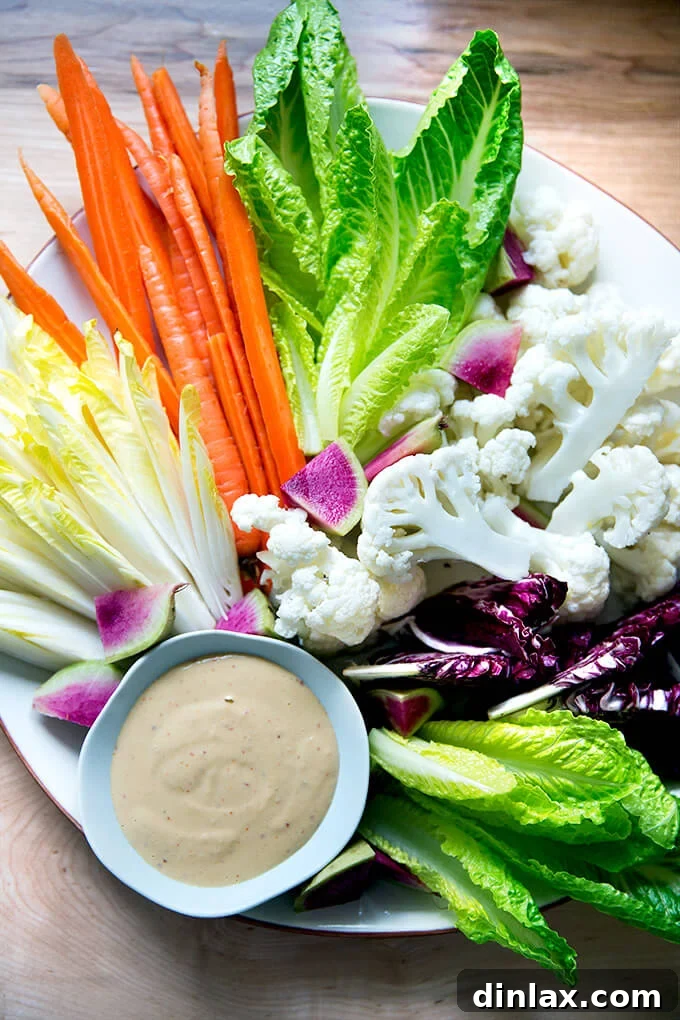
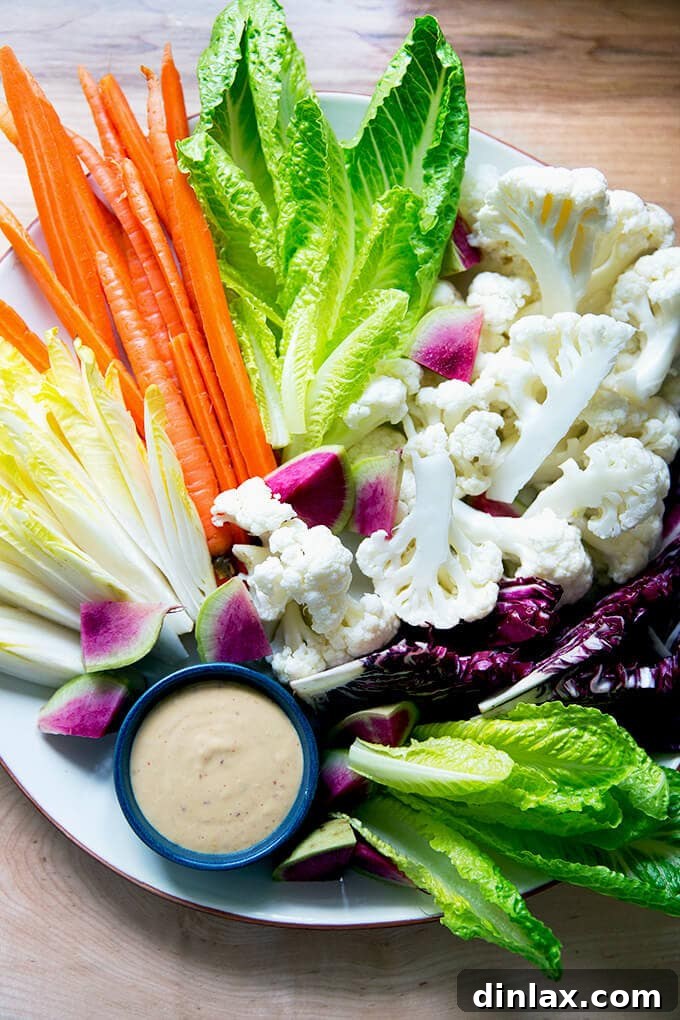
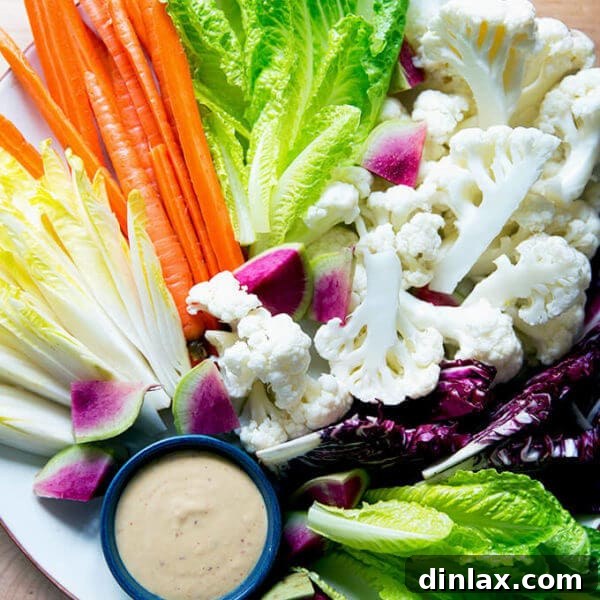
Once your pickled vegetables have had time to chill and absorb the vibrant flavors, it’s time to create a show-stopping platter. The key is to combine your tangy pickled components with fresh, un-pickled vegetables to offer a range of textures and tastes. Consider adding crisp spears of endive, sturdy Romaine lettuce leaves, or beautiful wedges of radicchio (or the slightly milder Treviso, if you can find it) to your platter. These fresh greens provide a lovely, slightly bitter counterpoint to the bright, acidic pickles.
Arrange everything artfully on a large board or platter, creating a visually rich and appealing display. Mix colors and textures, ensuring easy access for dipping. This combination of pickled and fresh, crisp and tender, tangy and subtle, ensures that your crudité platter will be both delicious and incredibly inviting.
Dips and Sauces: The Essential Accompaniment
Pickled vegetables are certainly delicious on their own – they make for an excellent guilt-free snack straight from the jar. However, they truly sing when paired with a creamy, flavorful dip. A rich and zesty dip provides a wonderful textural and flavor contrast to the bright pickles. My personal favorite is an ***almost* ranch dip made with Greek yogurt**, offering a tangy, herbaceous creaminess. Keep an eye out for a future post where I’ll share a fantastic cashew-based dip recipe that pairs exceptionally well with these vibrant pickles!
Beyond the Platter: Versatile Uses for Refrigerator Pickles
While a crudité platter is an excellent showcase, your homemade refrigerator pickles are incredibly versatile. Don’t limit them to just appetizers!
- Sandwiches and Wraps: Add a tangy crunch to your favorite deli sandwich or wrap.
- Salads: Chop and toss them into green salads, grain bowls, or potato salads for a burst of flavor.
- Charcuterie Boards: They make a perfect tangy accompaniment to cheeses, cured meats, and crackers.
- Garnish: Use them as a vibrant garnish for grilled meats, roasted vegetables, or even tacos.
Having a jar of these flavorful vegetables in your fridge means you always have an exciting ingredient ready to brighten up any meal.
Tips for Success and Storage
For the best results, always use fresh, high-quality vegetables. Ensure your jars are clean, and pack the vegetables tightly to minimize air pockets. While immediate consumption is fine, allowing them to sit for at least 12-24 hours truly develops their flavor. These refrigerator pickles will stay fresh and delicious for several weeks in an airtight container in the refrigerator. The longer they sit, the more intensely flavored they become, making them an ideal meal-prep staple.
Conclusion: A Simple Step to Extraordinary Flavor
Transforming ordinary raw vegetables into extraordinary pickled crudités is a simple yet impactful culinary trick. With just a few basic ingredients and a little patience, you can create a vibrant, flavorful, and incredibly versatile appetizer that will impress your guests and elevate your everyday snacking. So, the next time you’re planning a gathering or simply looking for a healthy, zesty snack, remember the magic of the humble pickle. Your taste buds—and your guests—will thank you!
Print
Simple Pickled Crudité Recipe Card
No reviews yet
- Author: Alexandra Stafford
Total Time: 15 minutes
Yield: Varies (approx. 4 cups vegetables per single recipe batch)
Recipe Description
This simple and adaptable formula, inspired by David Lebovitz’s pickled radish recipe, is perfect for transforming a variety of vegetables into vibrant, tangy refrigerator pickles. It’s an effortless way to enhance your crudité platters or to have a delicious, healthy snack on hand.
Notes for Best Results:
- For a typical batch of 1.5 lbs carrots and 1 large head of cauliflower, consider multiplying the base recipe by 6. This means using 6 cups each of water and vinegar, and ¼ cup each of kosher salt and sugar.
- Opt for slender carrots if possible; halving them lengthwise creates an elegant presentation.
- Cut cauliflower into large-ish florets. This ensures they maintain a pleasing texture after pickling and look appealing on a platter.
- Feel free to add aromatics like garlic cloves, dill sprigs, or peppercorns to your jars for extra flavor complexity.
Ingredients
- 1 cup water
- 1 cup vinegar (white, apple cider, white balsamic, or champagne vinegar)
- 2 teaspoons kosher salt
- 2 teaspoons sugar
- Approximately 4 cups thinly sliced or roughly chopped, firm vegetables (e.g., carrots, cauliflower, radishes, turnips, fennel, bell peppers, green beans, shallots, onions, kohlrabi)
- Optional additions: garlic cloves, dill sprigs, whole peppercorns, mustard seeds, red pepper flakes
Instructions
- In a large non-reactive saucepan, combine the water, vinegar, salt, and sugar. Bring this mixture to a boil over medium heat, stirring until the sugar and salt are completely dissolved. (Refer to notes above for guidance on scaling this recipe for larger quantities of vegetables.)
- Meanwhile, thoroughly wash and prepare your chosen vegetables, slicing or chopping them to your desired size. Tightly pack these prepared vegetables into clean, heat-proof glass jars, leaving about ½ inch of headspace. Add any optional aromatics like garlic or dill to the jars.
- Carefully pour the hot pickling brine over the vegetables in the jars, ensuring all vegetables are fully submerged. Allow the jars to cool completely to room temperature before securing the lids. Once cooled, transfer to the refrigerator. For optimal flavor development, refrigerate for at least 12-24 hours before serving. These delightful refrigerator pickles can be stored for several weeks in the fridge.
- Prep Time: 10 minutes
- Cook Time: 5 minutes
- Category: Appetizer, Side Dish
- Method: Refrigerator Pickling
- Cuisine: American