Homemade English Muffins & Simple Strawberry Jam: A Mother’s Love in Every Bite
Skip to Recipes
The Comforting Presence of Family and the Magic of Homemade
There’s a special kind of magic that fills a home when my mother comes to visit. It’s more than just her physical presence; it’s an undeniable energy that transforms our bustling household into a haven of warmth, efficiency, and delicious aromas. Her visits are a cherished reminder of the simple, profound comforts that only family can provide, especially during significant life changes like welcoming a new baby.
Her mornings begin in the quiet, pre-dawn hours, long before the pitter-patter of hungry, sometimes cranky, little (and big) feet starts. The gentle hum of the coffee maker, the comforting scent of brewing Earl Grey, and the soft clatter of spoons preparing oatmeal signal the start of another day, made effortlessly brighter by her hands. Throughout the day, she’s a whirlwind of activity, seemingly forgetting the concept of sitting down. From fetching clothes and tackling laundry to conjuring up dinner, she ensures that every need is met, every chore is done, and every moment is infused with care.
Amidst this constant movement, she still carves out time for those personal touches that make all the difference. Every morning, a perfectly brewed Earl Grey tea latte appears as if by magic – a simple luxury that never fails to delight. Evenings are graced with her home-cooked dinners, offering a much-needed respite. And in between, she somehow finds the energy to embark on baking adventures with Ella, our eldest. This particular visit saw them attempting a whimsical “happy winter chocolate cake.” While our culinary adventures don’t always hit the mark – this cake, for instance, turned out notably dry – her enthusiasm never wavers. It’s a testament to her unending positive reinforcement, a trait that makes even my most questionable culinary experiments, like a batch of overly cloying lemon ice cream, met with encouraging “oohs and ahhs” before we both, with a shared laugh, agree they’re best destined for the compost bin.
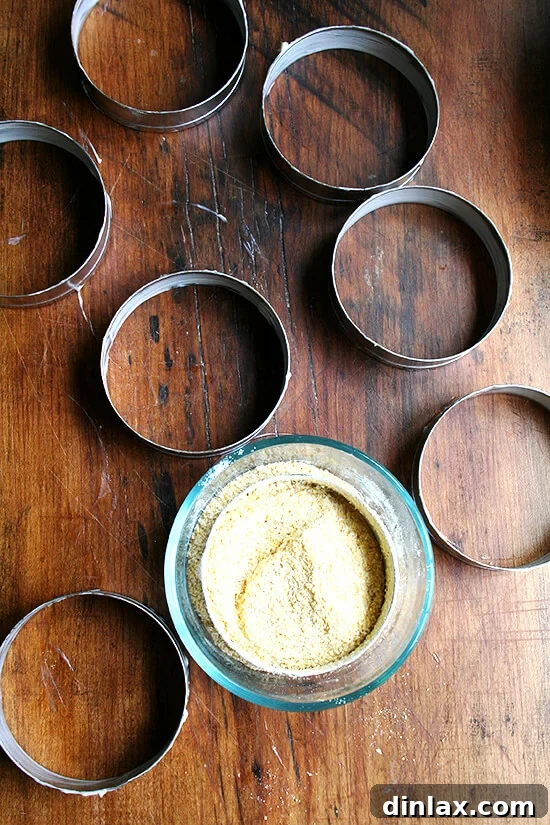
My mother’s visits are also an opportunity for culinary inspiration. She often arrives bearing thoughtful gifts, like English muffin rings, knowing my recent fascination with mastering homemade English muffins. Beyond gadgets, she brings an impressive collection of recipes, each one carefully curated and almost always a winner. Her knack for finding culinary gems is truly astonishing.

The Genesis of the Perfect Pair: English Muffins and Strawberry Jam
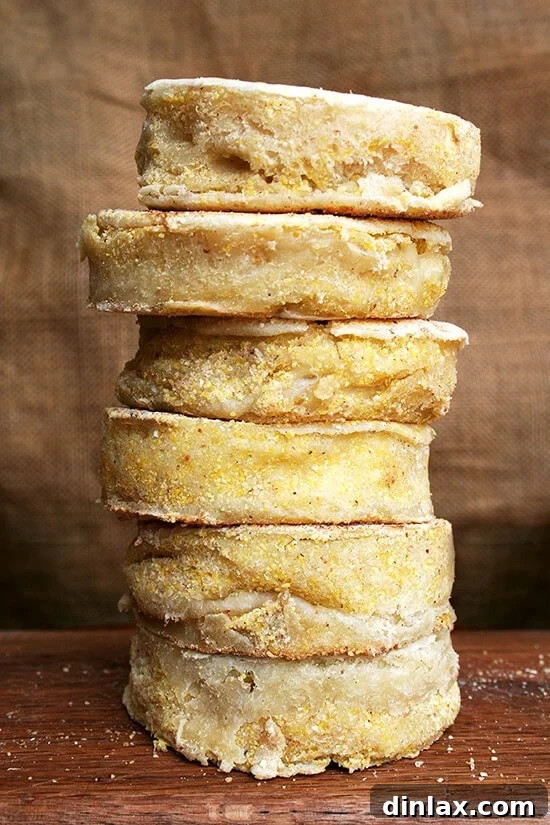
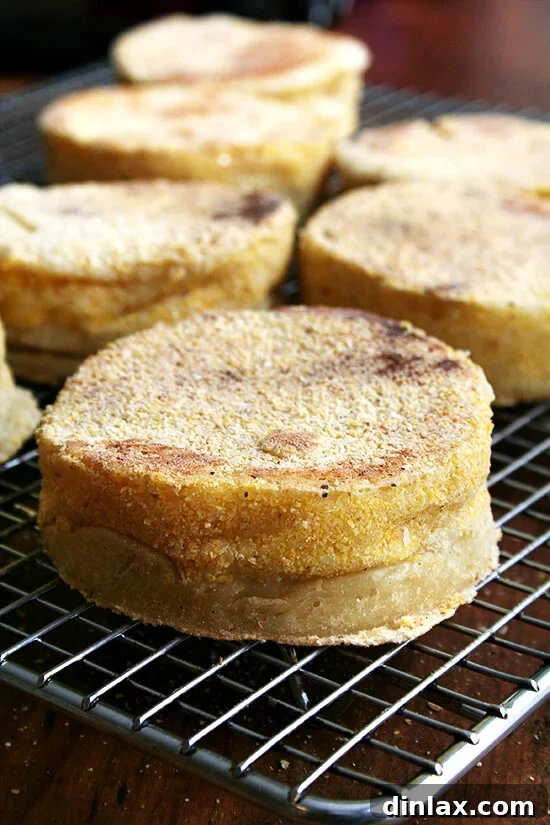
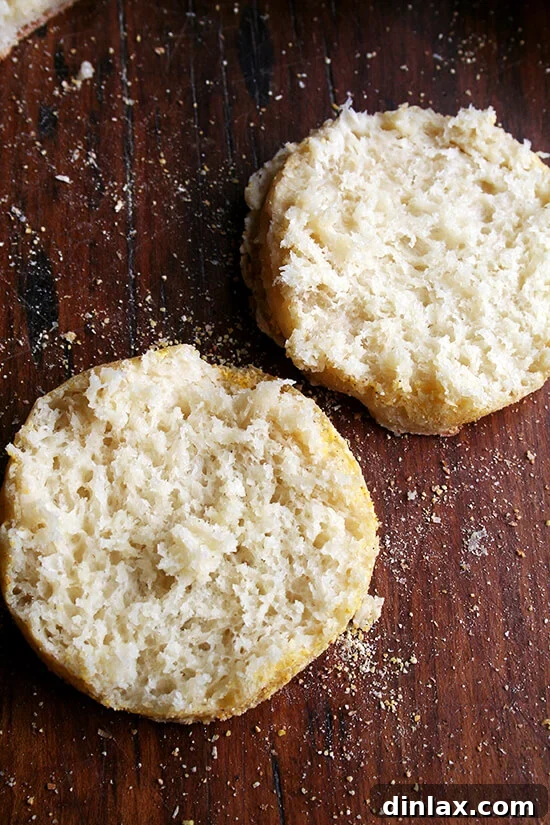
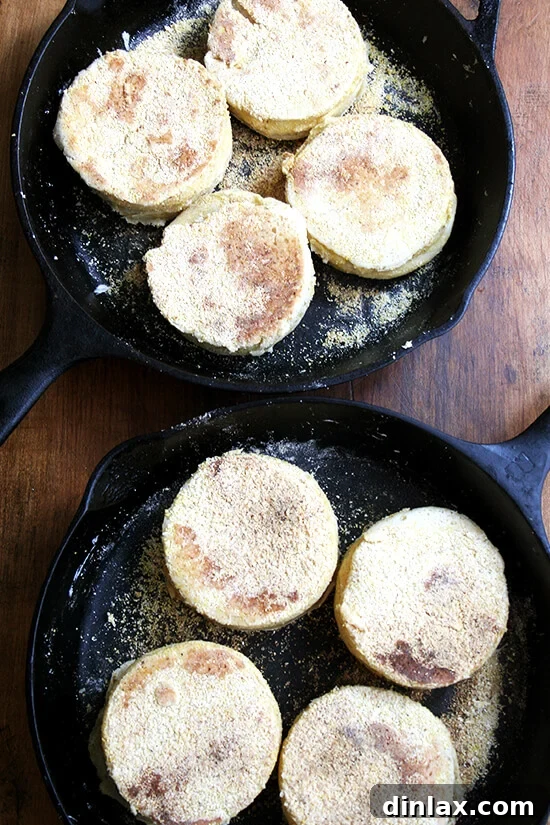
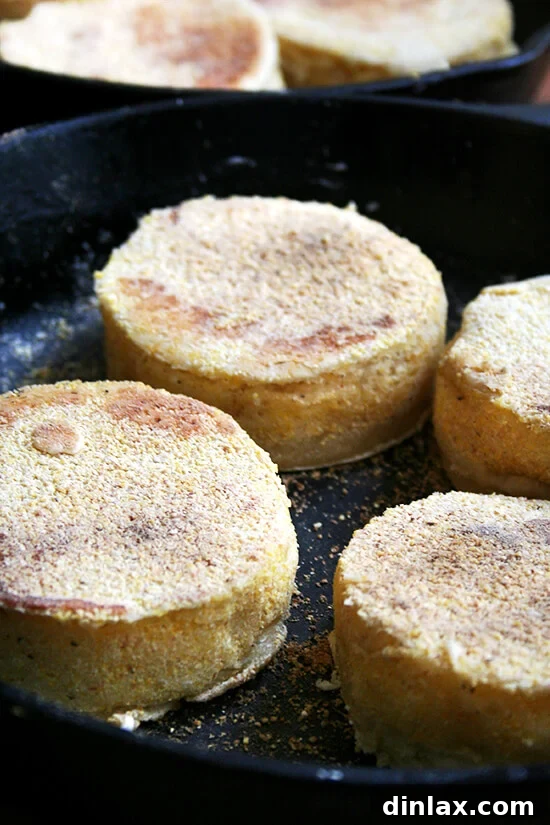
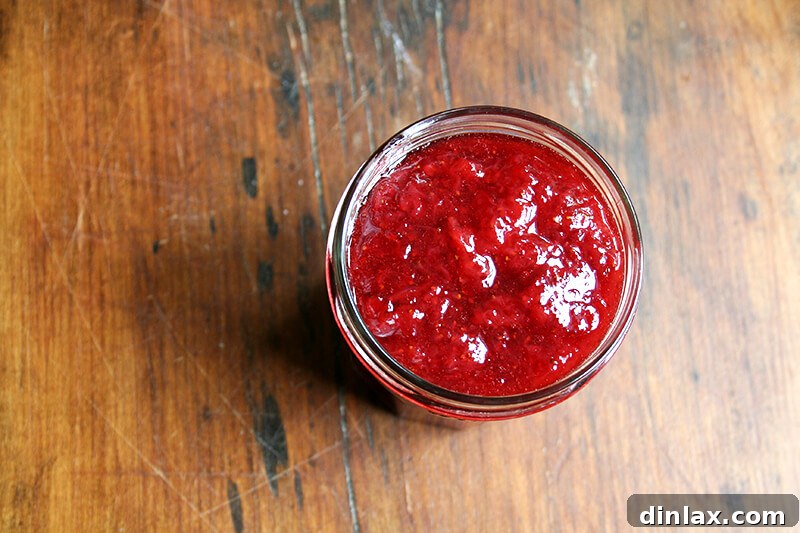
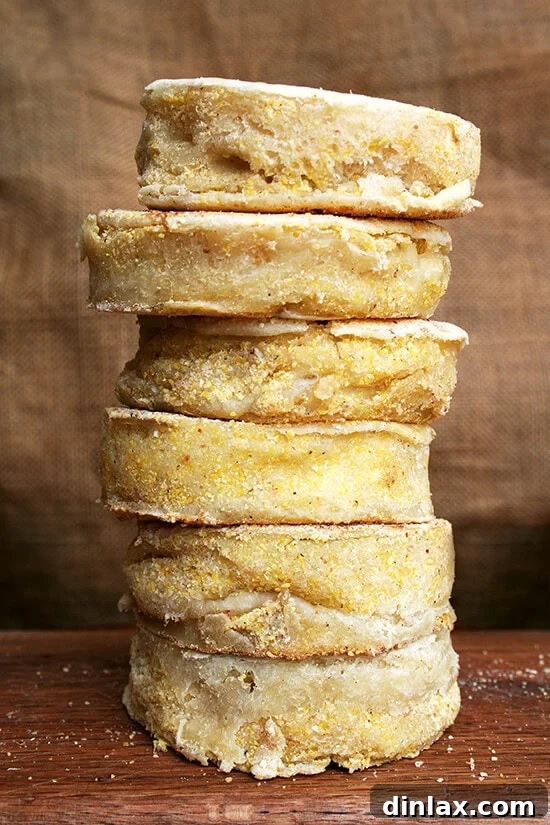
One morning, as eight beautifully golden English muffins, puffed to perfection in their cornmeal-crusted rings, emerged from the skillet, a look of pure contentment settled on my face. My mother, ever observant, immediately started brainstorming what could elevate that happiness even further. Her thoughts turned to something sweet, a perfect complement to those glorious “nooks and crannies.” Without hesitation – because, as established, sitting down is not in her vocabulary – she surveyed the contents of the fridge. Forty-five minutes later, the kitchen was filled with the intoxicating aroma of freshly made strawberry jam. So fresh, so bright, perfectly sweet with a hint of lemon, and gelled to an ideal consistency, it was lovingly poured into an old Bonne Maman jar.
And because some things are simply too good to resist, that homemade jam became the irresistible invitation that finally brought my mother to the table to join us. It was a moment of shared joy, a silent acknowledgment of the love poured into every element of that breakfast.
This past week has been particularly momentous for our family. On Friday, we joyfully welcomed Wren Cobbett Stafford into the world. Her older siblings, Ella and Graham, are still navigating the novelty of a little sister, but they are adapting beautifully. With all the excitement and new responsibilities, I’ve been incredibly slow to respond to comments, but I promise to catch up soon. I hope you are all doing wonderfully and enjoying your days. Have a fantastic Memorial Day weekend!
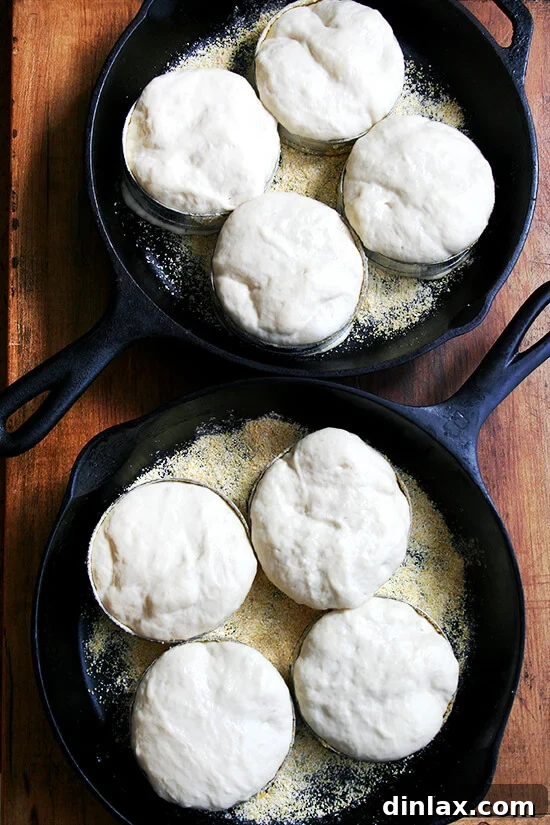
Don’t let the dough rise quite this high…flipping the muffins will be a little tricky if you do.
Print Recipe
English Muffins
No reviews
- Author: Alexandra Stafford at alexandracooks.com
Total Time: 2 hours 15 minutes
Description
This recipe for homemade English muffins is adapted from the renowned Williams Sonoma Bread cookbook, a treasured resource known for its reliable and delicious bread recipes. While a direct link to the book is proving elusive, rest assured, my mother’s endorsement speaks volumes – “it’s a good one!”
One of the beauties of this recipe is its flexibility: you can prepare the dough the night before for an early morning bake or mix and bake on the same day. For those who prefer a more relaxed approach, the overnight method is a game-changer. When I used this method, I skipped warming the water and milk or blooming the yeast. Instead, I simply whisked all the dry ingredients – flour, instant yeast, salt, and sugar – in a large bowl. Then, I incorporated cold water, cold milk, and oil. After a quick whisk to combine, the dough went straight into the fridge to rest overnight. The following morning, all it needed was about an hour at room temperature to rise, and then it was ready for the griddle. This overnight cold fermentation can even enhance flavor development, making your muffins even more delightful.
While having muffin rings is undeniably fun for the dedicated gadget collector and ensures perfectly round, uniform muffins, they are by no means essential. I’ve successfully made English muffins without rings, and they puffed up beautifully on the griddle, just as observed in a wonderful recipe from the WSJ. That recipe yielded delectable muffins with a slightly less fussy process. However, this particular Williams Sonoma adaptation edges it out slightly, in my opinion, offering an even more pronounced abundance of those coveted “nooks and crannies” that make English muffins so irresistible.
If you don’t have rings but still desire that classic shape, Williams Sonoma thoughtfully provides instructions for crafting your own from aluminum foil: “Fold a 7×12-inch sheet of aluminum foil in half lengthwise and then into thirds, forming six layers in all. Bend the strips into circles 3.5 inches in diameter and secure with tape at the top.” This simple trick allows you to achieve impressive results without any special equipment.
Ingredients
- 1 1/2 teaspoons active dry or instant yeast (see note above if using instant yeast)
- 3/4 cup + 2 tablespoons (6 oz. | 180 ml) lukewarm water (110ºF | 43ºC)
- 3 cups (15 oz. | 470 g) unbleached bread flour
- 2 teaspoons kosher salt
- 1 teaspoon sugar
- 3/4 cup + 2 tablespoons (6 oz. | 180 ml) lukewarm milk (110ºF | 43ºC)
- 2 tablespoons corn oil (I used canola)
- cornmeal for coating muffin rings and skillets
Instructions
-
Method 1: Baking the Same Day
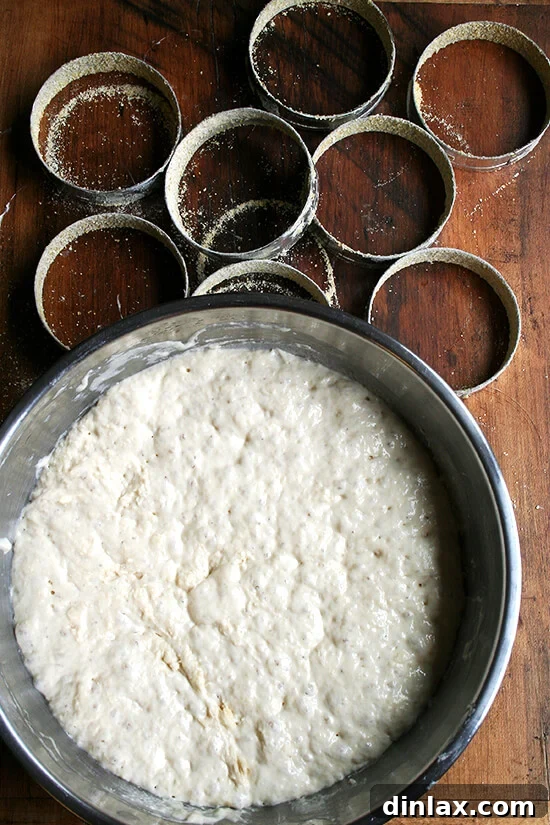
If you plan to bake your muffins on the same day you mix the batter, begin by dissolving the active dry yeast in the lukewarm water. Allow it to stand for about five minutes until you see small bubbles rising to the surface, indicating the yeast is active and blooming. In a separate large bowl, whisk together the flour, salt, and sugar. This ensures an even distribution of dry ingredients. Next, stir in the lukewarm milk, corn oil (or canola oil), and the activated water-yeast mixture. Beat these ingredients until you achieve a smooth, almost pourable batter. Don’t worry if it’s not perfectly liquid; a slightly thick, pourable consistency is ideal. Cover the bowl tightly with plastic wrap and let the dough rise in a warm spot for 60 to 70 minutes, or until it has visibly doubled in size.
-
Method 2: Overnight Preparation (Recommended for Instant Yeast)
For those opting for the convenient overnight method, especially when using instant yeast, whisk together all the dry ingredients – flour, instant yeast, salt, and sugar – in a large bowl. Then, add cold water, cold milk, and the oil. Whisk until all ingredients are well combined and form a consistent dough. Cover the bowl and store it in the refrigerator overnight. The following morning, remove the dough from the fridge and let it come to room temperature for approximately an hour, or until it has doubled in volume. This slow, cold rise can contribute to deeper flavors. Note: If you are using active dry yeast for the overnight method, it is still best to let it bloom in warm water as described in step 1 before incorporating it into the cold ingredients to ensure its activation.
-
Preparing the Skillet and Rings
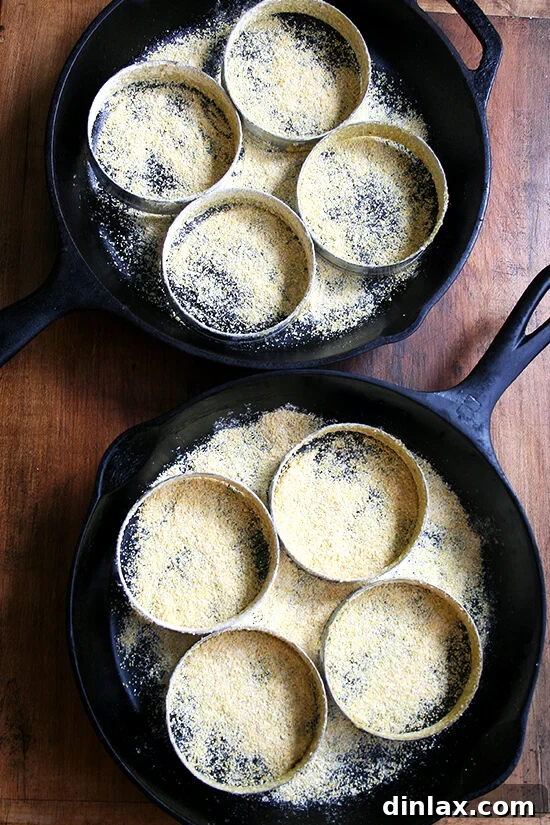
To prepare for cooking, place a griddle or two heavy frying pans (cast iron skillets work exceptionally well) in your oven. Turn the oven to its lowest possible setting and let it heat for just five minutes. This creates a gentle warmth without making the pans too hot. Turn the oven off. Carefully remove the griddle or pans from the oven and liberally sprinkle them with cornmeal. Next, lightly butter the inside of eight 3.5-inch muffin rings. Dip these buttered rings into cornmeal to thoroughly coat them, which prevents sticking and adds to the classic texture of English muffins. Arrange the prepared rings evenly on the cornmeal-dusted griddle or pans.
-
Second Rise and Readiness Check
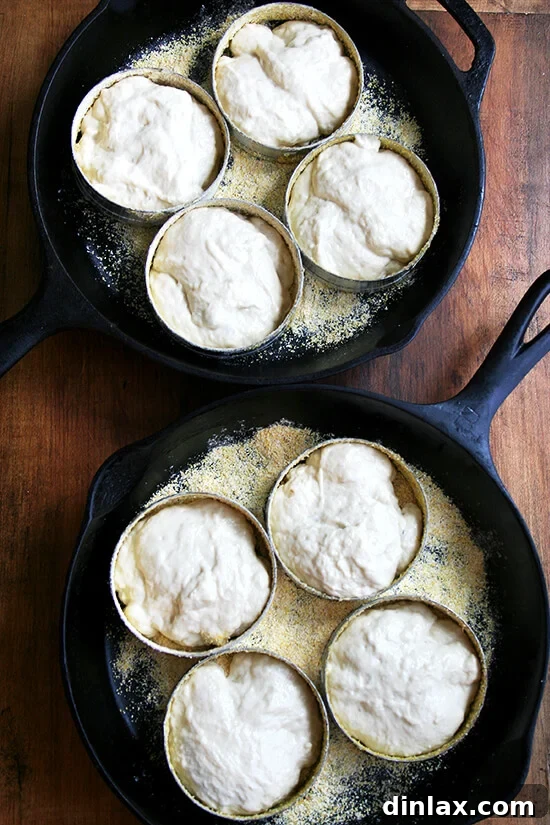
Once your dough has completed its first rise, gently stir it to deflate it slightly. Scoop approximately 1/4 cup of the dough into each buttered and cornmeal-coated ring. If you find yourself with a little extra dough, divide it evenly among the rings to ensure uniform muffins. Place the griddle or pans, now holding the dough-filled rings, back into the barely warm oven. Let the dough rise again for about 30 minutes, or less. The key here is to remove the griddle/pans from the oven when the dough has risen just to the rim of the rings. It is crucial to avoid over-rising, as letting the dough spill over the rim (as seen in some images) will make the flipping process much trickier and can impact the muffin’s shape.
-
Griddle Cooking to Golden Perfection
Once the dough has risen perfectly within the rings, transfer the griddle or pans to your stovetop and set the heat to medium-low. Cook the muffins slowly and patiently. After about five minutes, use a spatula to gently loosen the muffins from the pan and rings to prevent them from sticking. Continue cooking until the bottoms of the muffins achieve a very pale golden-brown color, which usually takes 8 to 10 minutes. At this point, carefully flip each muffin (keeping the ring intact around it) and lightly brown the second side for another 8 minutes. The slow cooking ensures the interior cooks through without burning the exterior, developing those delightful nooks and crannies.
-
Cooling, Splitting, and Enjoying
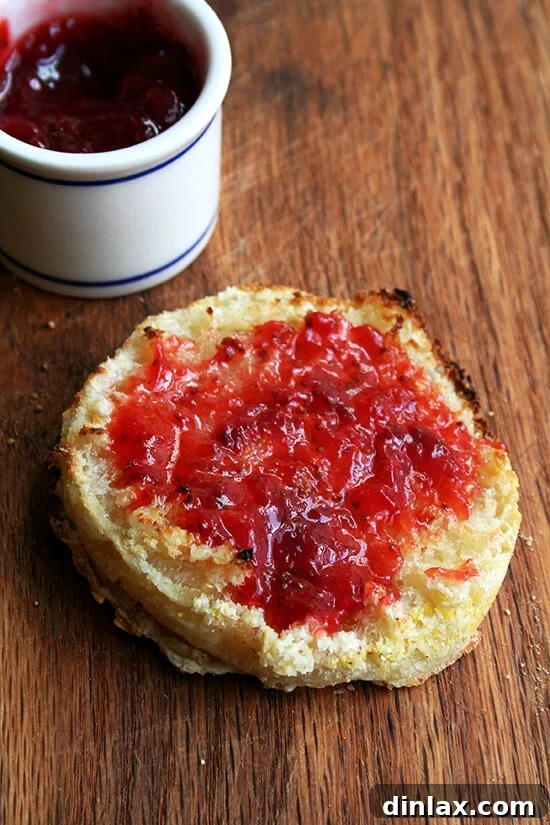
Once both sides are lightly browned and cooked through, transfer the English muffins to a wire rack to cool completely. Allowing them to cool properly helps set their structure. When you’re ready to indulge, resist the urge to cut them with a knife; instead, use a fork to split the muffins in half. This traditional method helps to preserve and even enhance their characteristic craggy texture. Finally, toast your homemade English muffins to your desired crispness, spread generously with butter or the accompanying homemade strawberry jam, and savor the superior taste and texture that only homemade can offer.
- Prep Time: 15 minutes
- Cook Time: 20 minutes
Print Recipe
Simple Strawberry Jam
No reviews
- Author: Alexandra Stafford at alexandracooks.com
Total Time: 1 hour 35 minutes
Description
This simple strawberry jam recipe draws inspiration from Mark Bittman’s approach to “low-sugar” jams, as found in his culinary bible, How to Cook Everything. The beauty of this method lies in its adaptability and reliance on the natural sweetness and pectin levels of the fruit itself, ensuring a jam that truly highlights the vibrant flavor of fresh strawberries.
It’s important to remember that this recipe serves as a guide rather than a rigid set of rules. Strawberries, by nature, vary dramatically in sweetness depending on the variety, ripeness, and even the growing conditions. Consequently, the amount of sugar needed will fluctuate. Similarly, the natural pectin content – which helps the jam set – can also vary. My mother expertly adjusted the lemon juice to taste, not only for flavor balance but also to assist with gelling, as lemon juice adds acidity and natural pectin. She also employed Bittman’s clever “plate-in-the-freezer” trick, a wonderfully reliable method for determining when the jam has reached its perfect set point.
Speaking of the “plate-in-the-freezer” trick, here’s how it works: place a small plate in the freezer for about 10 minutes to chill thoroughly. As your jam cooks down to a thick, jam-like consistency, take a teaspoonful and place it on the cold plate. Return the plate to the fridge for two minutes. After this brief chilling period, gently push the jam with your finger. If the surface wrinkles and holds its shape, your jam is perfectly gelled and ready. If it still seems too runny, continue cooking the jam for another 5 to 10 minutes, using this technique to check for doneness until you achieve the desired consistency. This method takes the guesswork out of jam-making and ensures a beautiful, spreadable result every time.
Ingredients
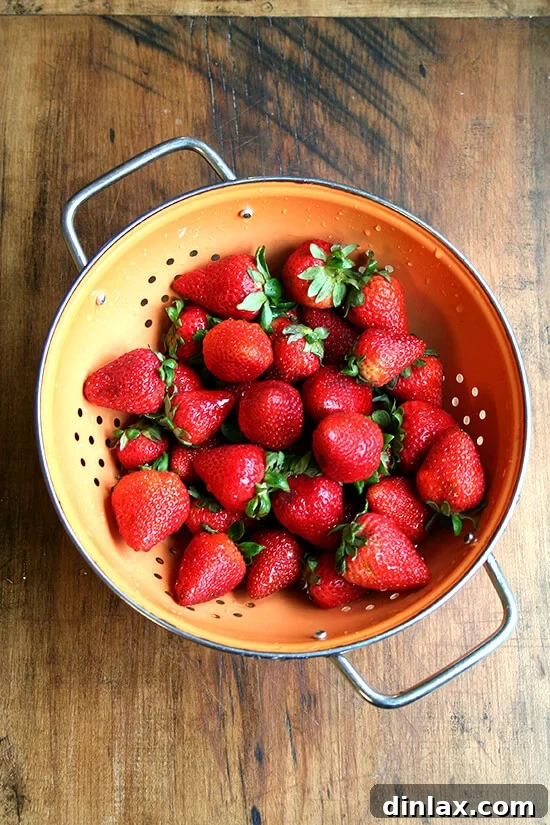
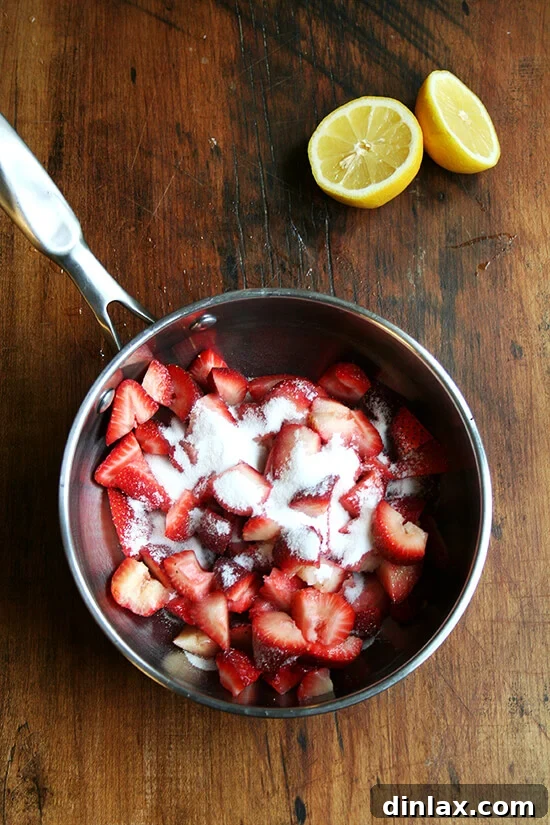
- 12 oz. strawberries (to yield about 3 cups once hulled and quartered), hulled and quartered
- 3/4 cup to 1 cup sugar (or more or less depending on sweetness of berries)
- freshly squeezed lemon juice (mom ended up using about 2 tablespoons for perfect balance)
Instructions
-
Initial Cook and Flavor Base
Combine the hulled and quartered strawberries with 3/4 cup of sugar in a small saucepan. Add about a tablespoon of freshly squeezed lemon juice to start, which helps brighten the flavor and aids in gelling. Set the heat to medium-high. If you plan to use the “plate-in-the-freezer” trick to test for doneness, place a small plate in your freezer now so it’s ready when needed.
-
Sweetness Adjustment and Liquefaction
Cook the mixture, stirring frequently. As the strawberries heat, they will release their juices, and the sugar will dissolve, causing the mixture to liquefy. Use the back of a fork to gently break up the fruit as it softens, helping to create a uniform consistency. Once the sugar has dissolved, taste the mixture. This is your opportunity to add more sugar if your strawberries are particularly tart or if you prefer a sweeter jam. Adjust to your personal preference.
-
Simmer to Desired Thickness and Set
Reduce the heat to medium-low and continue to cook the jam. Stir occasionally to prevent sticking and ensure even cooking. The mixture will gradually thicken as it simmers, typically taking about 30 minutes, though it could be more or less depending on your stove and the moisture content of the strawberries (my mom, for instance, cooked hers for approximately 45 minutes). Throughout this stage, you can use the chilled plate from the freezer trick to test for doneness: place a teaspoon of jam on the cold plate, chill for two minutes, then gently push with your finger to see if it wrinkles. Once the jam has reached your desired thickness and set, taste it one last time. Add more lemon juice for brightness or a touch more sugar if needed. Allow the jam to cool completely before transferring it to a clean jar and refrigerating. This simple, homemade strawberry jam is a delicious way to capture the essence of fresh berries, perfect for pairing with your freshly baked English muffins.
- Prep Time: 5 minutes
- Cook Time: 1 hour
Embracing the Sweetness of Family and Homemade Delights
As the weekend approaches and my mother prepares to head home, there’s a slight apprehension in the air. My husband, Ben, and I joke that the house might just fall to pieces without her constant, tireless support. Her presence has been an anchor during these exhilarating and somewhat chaotic first days with our newborn, Wren Cobbett Stafford. The transition from a family of four to five is an adventure, and while Ella and Graham are still figuring out what to make of their tiny sister, we’re all, thanks to Grandma’s help, not just surviving but truly thriving.
These recipes for homemade English Muffins and simple Strawberry Jam aren’t just about food; they’re about capturing moments, creating traditions, and savoring the simple pleasures of life. They embody the love, care, and thoughtfulness that my mother brings into our home with every visit. Each bite of a warm English muffin, with its perfect pockets holding glistening homemade jam, is a taste of comfort and family. It’s a reminder that some of the greatest joys are found in the kitchen, shared around the table, and made with love.
We encourage you to try these recipes, whether you’re a seasoned baker or just beginning your culinary journey. Experience the satisfaction of creating something truly special from scratch and the delight it brings to your loved ones. May your kitchens be filled with warmth, your tables with good food, and your hearts with the joy of family. Thank you for being a part of our journey, and we look forward to sharing more culinary adventures with you soon.