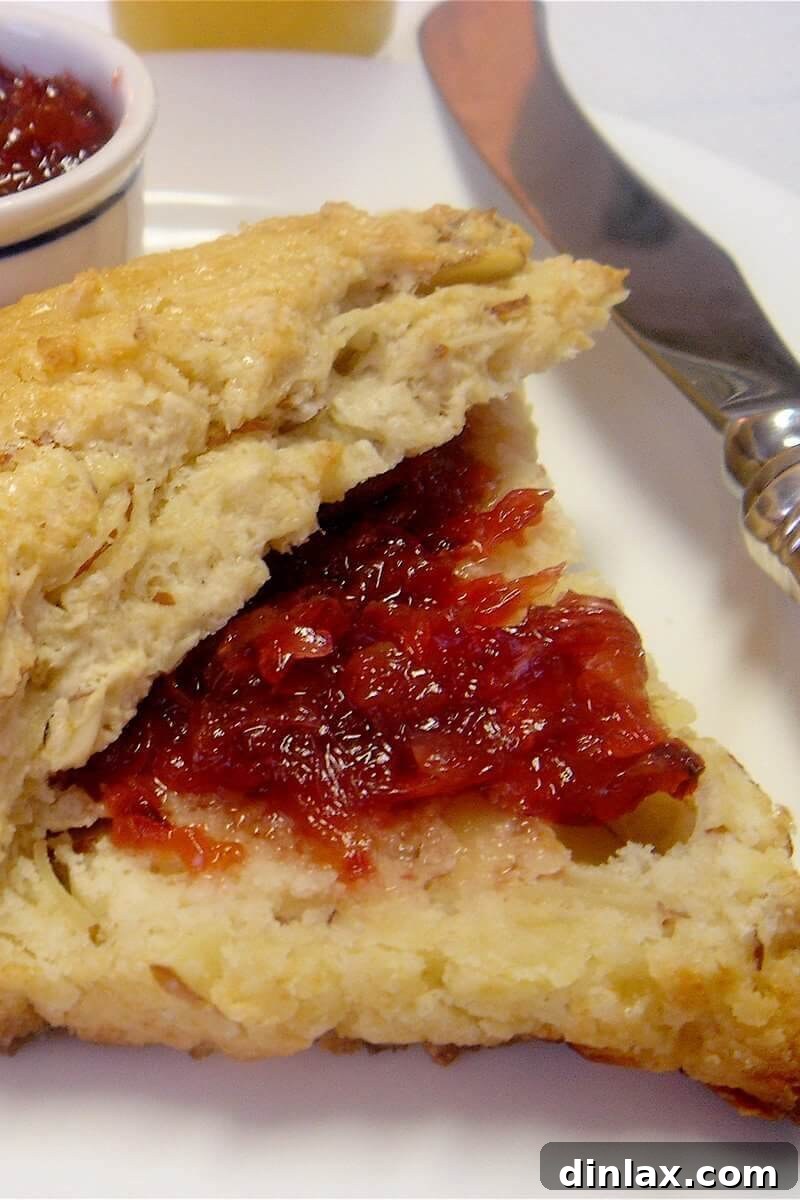
Embrace the Season: Homemade Strawberry Jam and Fluffy Almond-Buttermilk Scones
There’s a special kind of joy that accompanies the arrival of a CSA (Community Supported Agriculture) basket. Each week brings a delightful surprise, a tangible connection to the earth and the dedicated farmers who nurture it. Today, my basket was particularly abundant, brimming with fresh, seasonal produce. But among these verdant treasures, one item truly stood out: a glistening jar of homemade strawberry jam, lovingly prepared by Countryside Produce in Paradise, PA. This sweet surprise follows last week’s bounty of fresh strawberries, making this week’s jam feel like pure heaven.
The arrival of homemade strawberry jam also brings a touch of bittersweet nostalgia, signaling that we may have reached the zenith of the fresh strawberry season. Just this past Tuesday, during a visit to the bustling South and Passyunk Farmers’ Market, Gloria from the esteemed Rineer Family Farmstand expressed her doubts about bringing any more fresh strawberries to market this summer. While the thought of bidding farewell to those juicy, ruby-red berries is a little sad, the prospect of savoring this exquisite homemade jam throughout the coming months fills me with immense delight.
To truly celebrate this artisanal preserve, there’s no better pairing than a batch of warm, fluffy, homemade scones. Specifically, I recommend serving this glorious strawberry jam with my perfected recipe for Almond-Buttermilk Scones. These tender, rich scones offer the perfect canvas for the jam’s sweet and tangy notes, transforming a simple breakfast into an unforgettable culinary experience. Imagine a lazy Sunday morning, a cup of freshly brewed coffee, and a scone split open, generously slathered with bright red strawberry jam – pure bliss, straight from the farm to your table.
Unpacking the Bounty: What’s Inside a CSA Basket (Week 5)
For those unfamiliar, Community Supported Agriculture (CSA) is a fantastic model that connects consumers directly with local farms. By purchasing a “share” at the beginning of the growing season, members receive a weekly or bi-weekly box of fresh, seasonal produce harvested straight from the farm. It’s a wonderful way to support local agriculture, reduce your carbon footprint, and enjoy incredibly fresh, nutrient-dense food that often tastes vastly superior to supermarket alternatives. This week’s CSA basket, marking our fifth week, was a vibrant testament to the season’s rich offerings:
- 1¼ lbs Sugar Peas: Crisp, sweet, and perfect for snacking raw, adding to stir-fries, or lightly steaming. These tender pods are a sure sign of early summer’s delights, bursting with natural sweetness.
- 1 Head Cabbage: A remarkably versatile vegetable that can be shredded for coleslaw, roasted to bring out its sweetness, sautéed with garlic, or even used in fermentation to make homemade sauerkraut. Its robust leaves offer a hearty foundation for many nutritious dishes.
- 1 Crown Broccoli: A powerhouse of nutrition, broccoli is excellent steamed until tender-crisp, roasted with olive oil and garlic, or added to pasta dishes and quiches. Its vibrant green florets are a delicious and healthy addition to any meal.
- 3 Zucchini: The quintessential summer squash! Zucchini can be grilled for a smoky flavor, spiralized into “zoodles” for a low-carb pasta alternative, baked into moist bread and muffins, or simply sautéed with fresh herbs from the garden. With three in the basket, there’s plenty to experiment with.
- 1 Bunch Scallions: Also known as green onions, these mild alliums add a delicate, fresh onion flavor without the pungency of larger onions. They are perfect for garnishing salads, stir-fries, tacos, and just about any savory dish that needs a touch of bright flavor.
- 1 Head Green Leaf Lettuce & 1 Head Red Leaf Lettuce: Fresh, tender lettuces are the foundation of vibrant summer salads. Their crisp texture and slightly bitter notes pair wonderfully with light vinaigrettes and other seasonal vegetables, making for refreshing side dishes or main courses.
- 1 Kohlrabi Root: Often overlooked, kohlrabi is a fascinating cruciferous vegetable with a mild, slightly sweet, and peppery flavor reminiscent of a radish or broccoli stem. It’s delicious peeled and eaten raw, sliced thin into salads, or roasted until caramelized. Don’t forget the leafy greens, which can be cooked like kale or collards!
- 1 Bunch Cilantro: This aromatic herb is a staple in many cuisines, offering a fresh, bright, and slightly citrusy flavor. It’s perfect for salsas, guacamole, curries, and as a finishing garnish for tacos, grilled meats, and soups.
- 1 Bunch Garlic Scapes: The tender, curled flower stalks of hardneck garlic plants, garlic scapes have a milder, sweeter garlic flavor than the cloves themselves, with a hint of green onion. They are fantastic grilled, sautéed, made into pesto, or finely chopped and added to stir-fries and omelets.
- 1½ lbs Kale: A leafy green superfood, kale is incredibly versatile and packed with nutrients. It can be massaged into salads for a softer texture, sautéed with garlic, baked into crispy chips, or blended into smoothies for a healthy boost. This generous quantity ensures plenty of healthy meals throughout the week.
Each week, this diverse selection inspires creativity in the kitchen and encourages a deeper connection to the food we consume. It’s a journey of discovery, bringing new flavors and culinary challenges, all while supporting sustainable agriculture and the incredible dedication of local farmers, fostering a true farm-to-table lifestyle.
The Ultimate Almond-Buttermilk Scones Recipe: A Perfect Companion for Homemade Jam
Scones are a delightful baked good, renowned for their flaky texture, rich flavor, and incredible versatility. While often associated with afternoon tea, a warm, homemade scone is equally welcome at breakfast, brunch, or as a comforting snack. This particular recipe for Almond-Buttermilk Scones is a personal favorite, perfectly balancing the subtle sweetness of almonds with the tangy richness of buttermilk, resulting in a scone that is tender on the inside and beautifully golden on the outside. They are the ideal vehicle for that precious jar of homemade strawberry jam, especially when made with farm-fresh ingredients.
Why Buttermilk? The Secret to Tender Scones
Buttermilk plays a crucial role in achieving the tender crumb that defines a great scone. Its acidity reacts with the baking soda and baking powder, creating a lighter, fluffier texture. The tang of the buttermilk also adds a wonderful depth of flavor, complementing the nutty almonds beautifully. Don’t skip it! If you don’t have true buttermilk, you can make a passable substitute by adding one tablespoon of white vinegar or lemon juice to a measuring cup and filling the rest with regular milk until it reaches 2/3 cup. Let it sit for 5-10 minutes until it slightly curdles and thickens. This simple trick will mimic the acidity needed for perfect scones.
The Magic of Almonds
Sliced almonds contribute not just a delightful crunch and texture, but also a delicate, nutty flavor that elevates these scones beyond the ordinary. They toast slightly during baking, releasing their aromatic oils and adding another layer of complexity to each bite. This recipe yields 6 generously sized scones, perfect for sharing or enjoying over a couple of days. The combination of the rich buttermilk and the subtle almond flavor creates a scone that is both comforting and sophisticated, making it a truly exceptional breakfast or tea-time treat.
Ingredients for Fluffy Almond-Buttermilk Scones
Precision in baking is key, and using quality ingredients makes all the difference, especially when you’re aiming for that irresistible bakery-style scone. Ensure your butter is very cold for the best results.
- For the Scones:
- All-Purpose Flour: A scant 2¼ cups (approximately 10 oz or 280-290g). Measure your flour by spooning it into a measuring cup and then leveling it off with a straight edge for accuracy. Too much flour can lead to dry, dense scones, so precise measurement is important for the perfect texture.
- Granulated Sugar: ¼ cup plus 1 tablespoon (approximately 2.33 oz or 66g). This provides just enough sweetness to complement the almonds and jam without being overly sugary, allowing the natural flavors to shine.
- Baking Powder: 1½ teaspoons. This primary leavening agent is crucial for giving the scones their characteristic rise and light, airy texture.
- Baking Soda: ¼ teaspoon. Working in conjunction with the acidic buttermilk, baking soda aids in leavening and tenderness, creating a beautifully soft crumb.
- Kosher Salt: ½ teaspoon. Salt is essential for balancing flavors, enhancing the sweetness, and bringing out the depth of the other ingredients. Do not omit it.
- Sliced Almonds: 1 cup. Choose high-quality, fresh sliced almonds for the best flavor and texture. You can lightly toast them before adding to enhance their nutty aroma, though it’s not strictly necessary for this recipe, the baking process will lightly toast them.
- Buttermilk: 2/3 cup. As discussed, this is key for tenderness and flavor. Ensure it’s cold, as cold liquids contribute to flakiness.
- Vanilla Extract: 1 teaspoon. A good quality pure vanilla extract adds a lovely aromatic depth and warmth to the scones, elevating their overall flavor profile.
- Cold Unsalted Butter: 1 stick (8 tablespoons or 113g), cut into small cubes. Keeping the butter very cold is paramount for creating those desirable flaky layers, as it creates pockets of steam during baking.
- For the Topping:
- Milk: 2 tablespoons (any kind, whole milk works best for richness). This creates a lovely golden crust and helps the sugar adhere.
- Turbinado or Demerara Sugar: For sprinkling. These coarse sugars provide a beautiful sparkle and a delightful textural crunch to the scone tops, adding a professional finish. If you don’t have them, regular granulated sugar is a perfectly fine substitute, though it won’t offer the same coarse texture.
Step-by-Step Baking Instructions for Perfect Almond-Buttermilk Scones
- Preheat Oven: Begin by preheating your oven to 375°F (190°C). Prepare a baking sheet by lining it with parchment paper or a Silpat mat. This crucial step prevents sticking and ensures even baking, making cleanup a breeze.
- Combine Dry Ingredients: In a medium to large-sized mixing bowl, thoroughly whisk together the all-purpose flour, granulated sugar, baking powder, baking soda, and kosher salt. Whisking ensures that the leavening agents and salt are evenly distributed throughout the flour, which is vital for a consistent rise and flavor in every scone.
- Add Almonds: Stir in the 1 cup of sliced almonds, ensuring they are well-incorporated into the dry mixture. This helps distribute the nutty flavor and texture evenly throughout the dough.
- Prepare Wet Ingredients: In a separate, small bowl, whisk together the cold buttermilk and vanilla extract until well combined. Keeping the buttermilk cold is important for the texture of the scones.
- Incorporate Cold Butter: Add the cubed cold unsalted butter to the flour mixture. Using your fingertips, a pastry blender, or two knives, quickly cut the butter into the flour until the mixture resembles coarse crumbs with some pea-sized pieces of butter still visible. The key here is to work quickly to prevent the butter from warming up too much. Cold butter creates pockets of steam during baking, which results in wonderfully flaky and tender scones.
- Combine Wet and Dry: Pour the buttermilk and vanilla mixture into the flour and butter mixture. Use a wooden spoon or your hands to gently stir and combine until the dough just comes together. Be careful not to overmix! Overworking the dough will develop the gluten, leading to tough scones rather than tender ones. A few dry streaks are perfectly fine at this stage. If the dough seems too dry to come together, you may add one tablespoon more of buttermilk, but only if absolutely necessary; avoid adding too much liquid.
- Form the Dough: Turn the dough out onto a lightly floured work surface. Gently gather and press the dough into a cohesive ball. Then, with light hands, pat and shape the dough into a rectangle approximately ¾ to 1 inch (2-2.5 cm) thick. Avoid rolling or pressing too hard, which can toughen the dough.
- Cut the Scones: Using a sharp knife or a bench scraper, cut the dough into six equal triangles. You can also use a round biscuit cutter for traditional round scones, but triangles are quicker and yield less scrap, making this method highly efficient.
- Prepare for Baking (or Freezing): At this stage, you have two convenient options:
- To Bake Immediately: Place the cut scone triangles onto your prepared baking sheet, spacing them slightly apart.
- To Freeze for Later: Arrange the scones on the prepared baking sheet and freeze until solid (about 1-2 hours). Once frozen, transfer them to a freezer-safe zip-top bag. Frozen scones can be baked directly from the freezer; simply extend the baking time as noted below. This is an excellent make-ahead option for fresh scones anytime!
- Apply Topping: Just before baking, brush the tops of the scones with the 2 tablespoons of milk. This creates a lovely golden-brown crust and helps the coarse sugar adhere. Then, generously sprinkle them with turbinado or demerara sugar for a beautiful crunch and sparkling finish.
(Note on Washes: While milk is recommended for a classic look, you can also brush the scones with an egg wash (one beaten egg with a splash of water), egg whites for a lighter shine, heavy cream for extra richness, or even just water. Each will give a slightly different finish. For the sugar, if turbinado or demerara are unavailable, regular granulated sugar works fine, though it won’t provide the same appealing coarse texture.)
- Bake:
- For Fresh Scones: Bake for approximately 15-18 minutes, or until the scones are golden brown on top and a wooden skewer inserted into the center comes out clean. The internal temperature should be around 200-205°F (93-96°C).
- For Frozen Scones: Remove the frozen scones from the freezer while your oven preheats. Brush with your chosen wash and sprinkle with sugar just before placing them in the oven. Bake for 18-23 minutes, or until golden brown and cooked through. Freezing doesn’t compromise flavor or texture!
- Serve Warm: Allow the scones to cool on a wire rack for a few minutes before serving. The best way to enjoy these homemade almond-buttermilk scones is fresh from the oven, split open, and generously slathered with that exquisite homemade strawberry jam.
Tips for Perfect Scones Every Time
Achieving bakery-quality scones at home is entirely possible with a few key techniques:
- Keep Everything Cold: This is arguably the most crucial tip. Cold butter, cold buttermilk, and a cool working environment prevent the butter from melting before it hits the oven, which is essential for creating those delightful flaky layers. If your kitchen is warm, you can even chill your flour for 15 minutes before starting.
- Don’t Overmix: Work the dough as little as possible. Overmixing develops gluten, which can lead to tough, chewy scones instead of light, tender ones. A light hand is key; slight imperfections in the dough mean you’re on the right track.
- Measure Accurately: Especially for flour and leavening agents. Baking is a science, and precise measurements ensure consistent results. Use a kitchen scale for the most accurate measurements if possible, as volume measurements can vary.
- High Heat, Short Bake: Scones bake best at a relatively high temperature for a shorter period. This helps them rise quickly and develop a crisp, golden exterior while keeping the interior wonderfully tender and moist.
- Even Thickness: When shaping the dough, try to maintain a uniform thickness to ensure all scones bake evenly. Inconsistent thickness can result in some scones being undercooked while others are overdone.
- Experiment with Toppings: While the turbinado sugar adds a nice crunch and sparkle, a simple egg wash (beaten egg) gives a beautiful, glossy sheen, and a brush of heavy cream adds extra richness to the crust. Don’t be afraid to try different finishes!
Scone Variations to Explore
Once you master the basic almond-buttermilk scone, the possibilities for variations are endless, allowing you to customize your scones to any craving or season:
- Berry Scones: Fold in ½ to ¾ cup of fresh or frozen blueberries, raspberries, or chopped strawberries (about ½ cup) at the same time you add the almonds. If using frozen berries, do not thaw them first.
- Lemon Poppy Seed Scones: Add 1 tablespoon of fresh lemon zest and 1 tablespoon of poppy seeds to the dry ingredients for a bright, citrusy, and subtly crunchy scone.
- Chocolate Chip Scones: Incorporate ½ cup of mini chocolate chips or chopped dark chocolate for a sweet, indulgent treat that pairs wonderfully with coffee.
- Cinnamon Raisin Scones: Add 1 teaspoon of ground cinnamon and ½ cup of plump raisins to the dry ingredients for a comforting, classic flavor profile.
- Savory Scones: For a delicious departure, omit the sugar, reduce the vanilla (or omit entirely), and add ½ cup of shredded cheese (cheddar, Parmesan, or Gruyère work well), 2 tablespoons of finely chopped fresh herbs (chives, rosemary, thyme), and a pinch of black pepper. Serve these with soup, chili, or a savory spread.
Storing Your Homemade Scones
Scones are always best enjoyed fresh and warm on the day they are baked, ideally within a few hours. However, if you happen to have leftovers, here’s how to keep them as delicious as possible:
- Room Temperature: Store cooled scones in an airtight container at room temperature for up to 2 days. The airtight container prevents them from drying out too quickly.
- Reheating: To refresh day-old scones and restore some of their warmth and crispness, warm them in a preheated oven (300°F/150°C) for 5-7 minutes, or briefly in a toaster oven. Avoid microwaving, as this can make them chewy.
- Freezing Baked Scones: Baked and cooled scones can also be frozen for longer storage, up to 1 month. Wrap them individually in plastic wrap, then place them in a freezer-safe bag or container. Thaw at room temperature for a few hours, or reheat directly from frozen in a low oven (300°F/150°C) for about 15-20 minutes, until warmed through.
A Call to Savor: The Joy of Seasonal Baking and Homemade Preserves
While the focus today has been on crafting the perfect almond-buttermilk scone, the star accompaniment – that incredible homemade strawberry jam – deserves its own moment in the spotlight. Unfortunately, I don’t have my own tried-and-true recipe for strawberry jam to share at this very moment, but rest assured, I am actively seeking out and perfecting one to bring to you soon. There’s nothing quite like the vibrant flavor of jam made from scratch, capturing the essence of peak-season fruit in a jar to enjoy long after the harvest has passed, providing a burst of summer sunshine even in colder months.
The strawberries that inspired this whole delightful breakfast spread, both the ones used in the homemade jam from Countryside Produce and the fresh berries mentioned earlier, hail from the diligent hands at the Rineer Family Farmstand. Their unwavering commitment to growing high-quality, flavorful produce is evident in every bite, reminding us of the immense value in supporting local farmers and embracing the seasonal rhythms of nature. This connection to the source of our food not only enriches our plates but also strengthens our communities.
Baking these Almond-Buttermilk Scones and pairing them with exquisite homemade jam isn’t just about preparing a meal; it’s about celebrating fresh, local ingredients, enjoying the satisfying process of creating something delicious from scratch, and fostering a deeper, more mindful connection to the food we eat. It’s a small act that brings immense satisfaction, a taste of home, and a moment of genuine culinary pleasure. Whether you’re a seasoned baker or just starting your culinary journey, I wholeheartedly encourage you to try this recipe and experience the simple pleasure of homemade goodness. Stay tuned for that strawberry jam recipe – it’s going to be worth the wait, and it will perfectly complete your farm-to-table breakfast experience!