Transforming Tired Dough: A Culinary Journey from Leftover Pizza to Gourmet Focaccia and Pissaladière
Every home chef knows the delight of a perfectly crafted dish, but sometimes, the true magic happens when plans go awry. This is the story of a culinary triumph born from a simple kitchen dilemma: what to do with a batch of Jim Lahey’s famous no-knead pizza dough that had passed its prime for traditional pizza-making. Far from ending in waste, this tale blossoms into a delightful exploration of flavor, creativity, and the joy of repurposing ingredients.
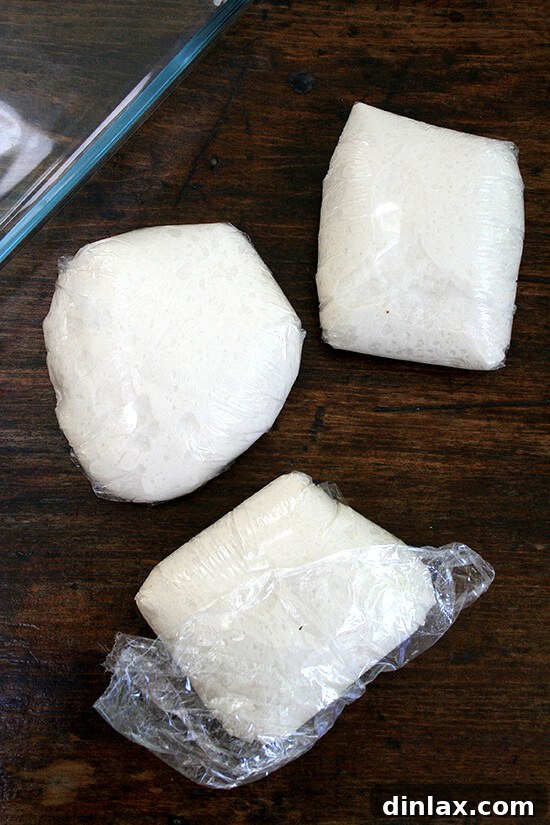
The journey began one ordinary afternoon when I, a fervent admirer of the renowned Lahey pizza recipe, opened my refrigerator. There lay two rounds of several-day-old dough, their plastic wraps struggling to contain the burgeoning, slightly dry edges. The thought of letting this precious dough go to waste was unbearable. Instead, a spark of inspiration ignited, leading to an impromptu experiment: focaccia.
The Unexpected Brilliance of Focaccia from Leftover Pizza Dough
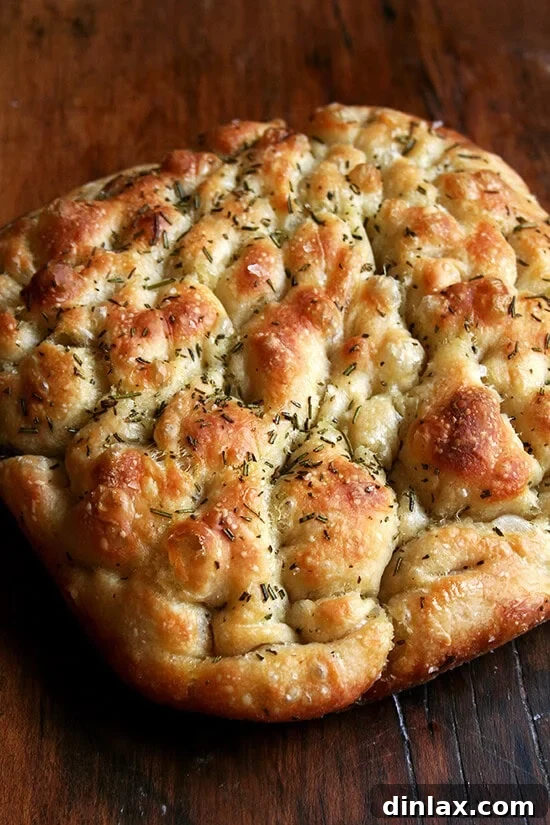
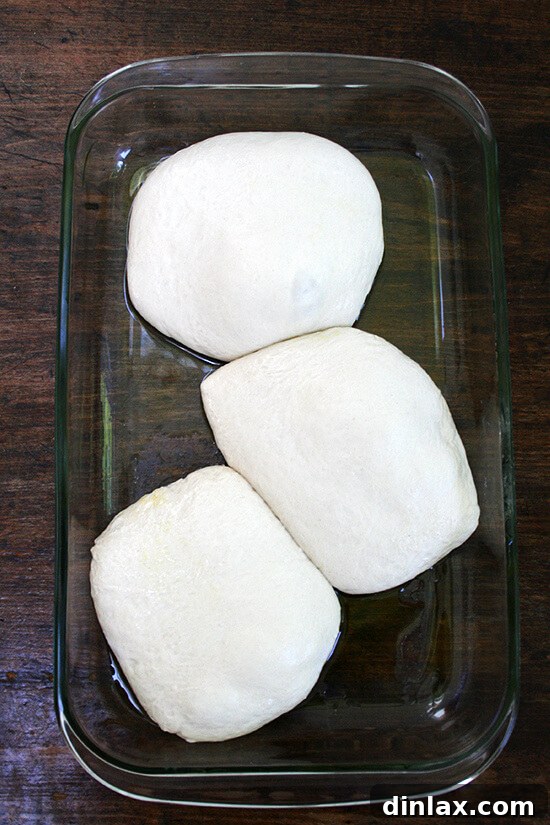
With a desire to rescue the dough from oblivion, I gently placed the two rounds into a well-oiled 8×8-inch baking pan, allowing them a brief rest to come to room temperature and relax. The dough, though slightly past its peak for a crisp pizza crust, still held incredible promise. With soft, olive oil-coated fingertips, I began to stretch it delicately, pressing down to create those signature dimples that define focaccia. The dough responded beautifully, yielding to the pressure and slowly filling the pan. A generous sprinkle of flaky sea salt and freshly chopped rosemary transformed its appearance, making it look like a respectable focaccia even before baking. As the oil pooled in its many craters, reflecting the kitchen light, I knew this improvisation was destined for success.
Baked to a golden perfection, the focaccia emerged from the oven, fragrant and inviting. Its crust was perfectly crisp, while the interior remained wonderfully soft and airy. Later that evening, the focaccia was sliced lengthwise and served as the base for exquisite roasted red pepper and herbed goat cheese sandwiches to a gathering of friends. Not a single guest suspected that their delectable dinner owed its existence to what was once deemed “tired” pizza dough. It was a testament to the versatility of quality ingredients and the power of culinary imagination, proving that some of the best meals are born from unexpected twists.
From Accidental Focaccia to an Impromptu Pissaladière Feast
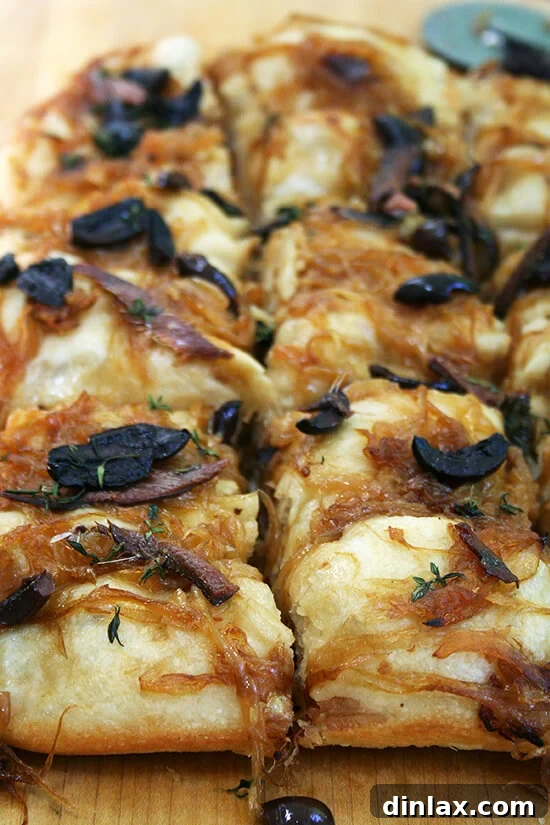
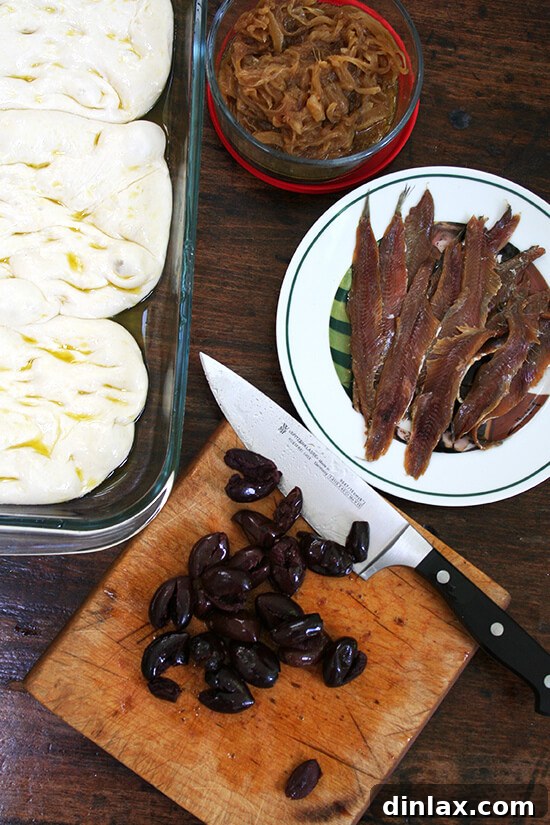
But the story of happy endings didn’t conclude there. Approximately a week later, during a visit to my family in Connecticut, I encountered a familiar sight: more day-old pizza dough in my mother’s basement fridge. It seems my mother’s meal planning, like my own, sometimes leaves room for serendipitous discoveries. This prompted another creative scavenging mission for other forgotten treasures. Tucked away, I unearthed a container of rich, sweet caramelized onions, a tub of salt-packed anchovies, and a jar of briny olives. The components for an impromptu pissaladière, the savory French tart from Nice, began to align.
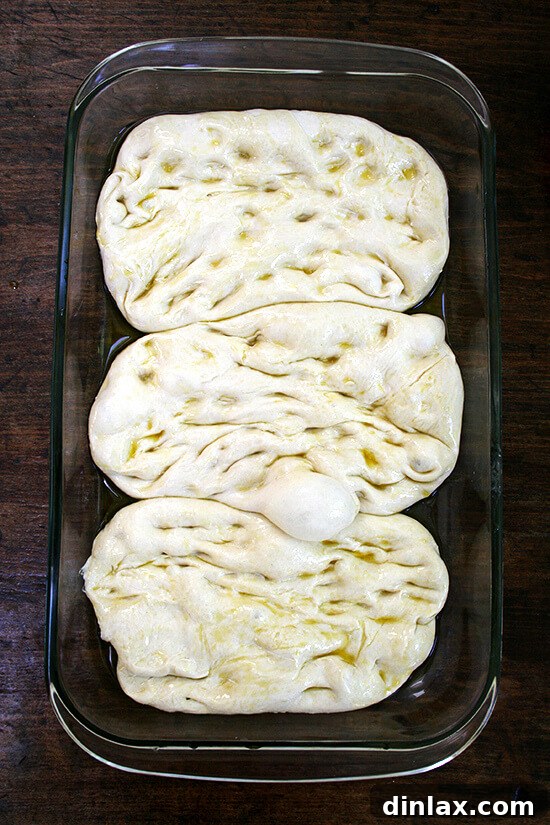
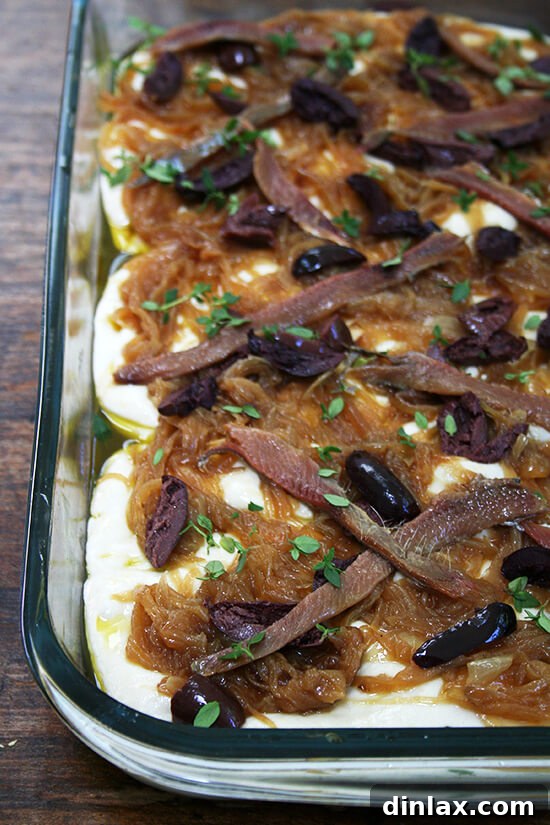
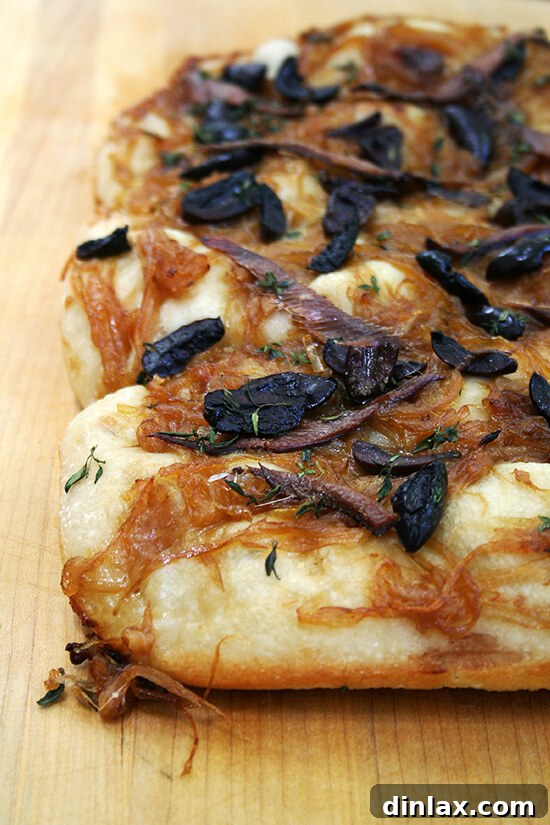
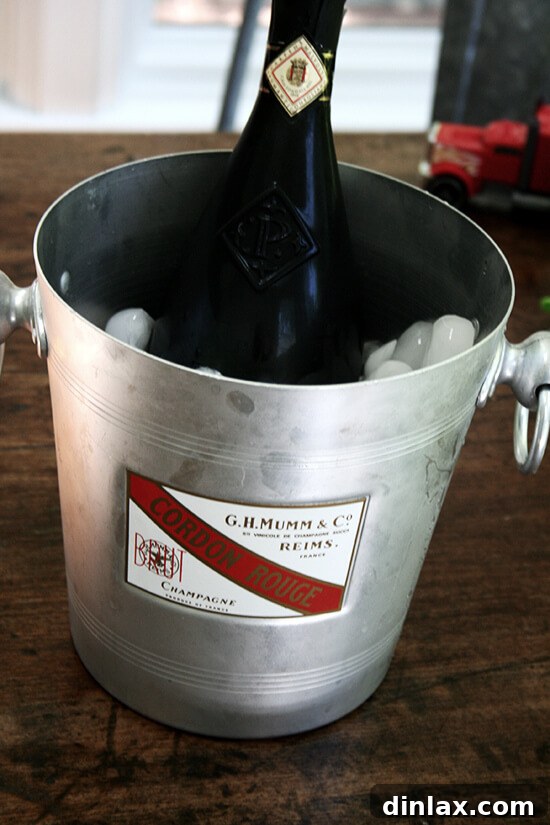
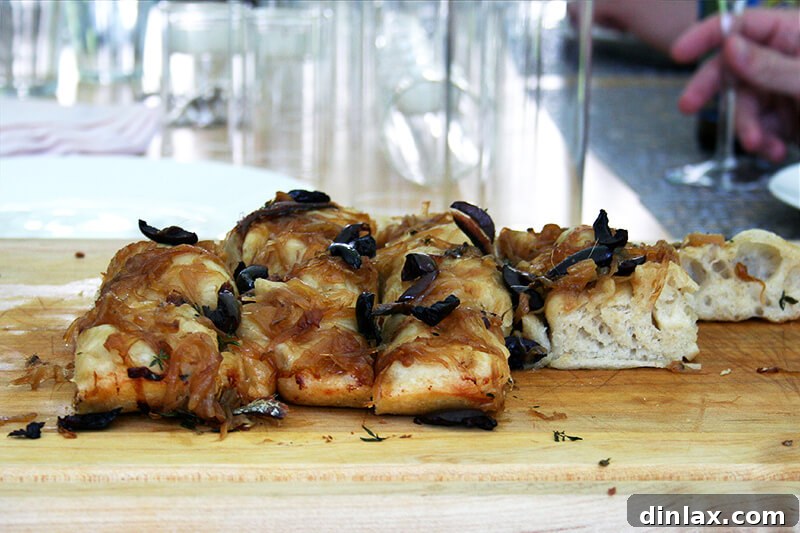
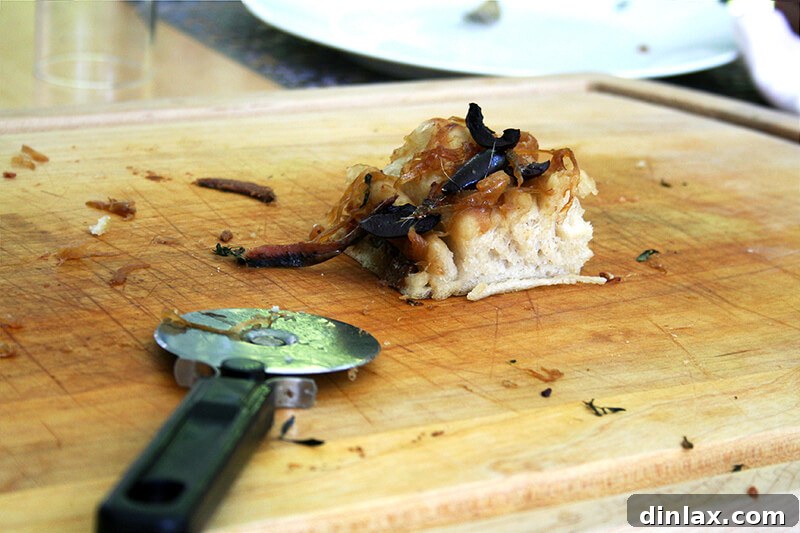
Soon, the golden-hued, two-inch-tall tart, generously adorned with glistening caramelized onions, crisscrossed anchovies, and plump olives, was ready for the oven. Its aroma filled the kitchen, promising a taste of Provence. On a glorious spring day, my family and I gathered to enjoy a Provençal-style lunch. The sight and taste of the homemade pissaladière inspired an extraordinary ripple of joy. My mother, usually one to abstain from daytime drinks, gleefully opened a bottle of champagne. My abstemious stepfather not only indulged in a refreshing beer but also savored a glass of the bubbly. And my brother-in-law, in a moment of pure gastronomic bliss, declared it the best “pizza derrière” he had ever tasted (a delightful and humorous misunderstanding!). With full bellies and not a single complaint from the little ones, we all drifted into a blissful afternoon snooze. This, my friends, is truly where this happy culinary tale found its most contented ending.


Understanding Jim Lahey’s No-Knead Pizza Dough and Its Versatility
For those familiar with the Jim Lahey pizza recipe, you understand its genius and its inherent “problem.” The full recipe yields six individual pizza portions, and while truly phenomenal for pizza, it is recommended to be used within three days for optimal performance. Beyond this window, the dough’s elasticity and structure for a crisp pizza crust begin to wane. This often presents a challenge: impromptu plans with friends or simply poor personal planning can easily interfere with the commitment to making six pizzas over three consecutive nights. However, this isn’t a setback but an opportunity!
While past-prime dough can still be fashioned into a decent pizza, it truly shines when given a new identity. The prolonged fermentation that occurs with longer refrigeration develops complex flavors and a more relaxed gluten structure, making it ideal for dishes where a softer, chewier texture is desired, rather than the tautness required for a Neapolitan-style pizza. This makes it a perfect candidate for creations like focaccia, pissaladière, or indeed, whatever your imaginative heart desires – from calzones to savory flatbreads. It’s an ode to resourcefulness and a testament to the power of adaptation in the kitchen.
Mastering the Lahey Dough: Tips for Success and Repurposing
For those yet to experience the magic of Jim Lahey’s no-knead pizza dough, I cannot recommend it highly enough. It has become one of my absolute favorite recipes. Despite requiring about 18 hours for its slow rise, the active preparation time is incredibly minimal – just about five minutes. This means you can mix the dough before bed one night, and it will be perfectly ready for dinner the following evening. The simplicity combined with the extraordinary results makes it a staple in my kitchen. Additionally, I am particularly fond of using Tipo 00 flour if you can source it; its fine texture contributes to an incredibly tender crumb. However, regular all-purpose flour works perfectly well too.
To maximize the life and utility of your Lahey pizza dough, consider these tips:
- Optimal Storage: Store dough in individual, lightly oiled rounds in airtight containers or tightly wrapped plastic. This minimizes air exposure and dehydration.
- Monitor Condition: Observe your dough. While “past prime” for pizza, it’s still good for other uses as long as it smells fresh (yeasty, not sour) and shows no signs of mold.
- Beyond Pizza: Always remember its versatility. Don’t limit it to pizza. Think focaccia, pissaladière, calzones, flatbreads for dips, or even savory strombolis.
- Flavor Development: Longer fermentation actually enhances the flavor of the dough, giving it a more complex, slightly tangy profile that works wonderfully in rustic breads and tarts.
The beauty of this dough lies not just in its ease of preparation but in its incredible adaptability. It encourages experimentation and reduces food waste, turning what might have been discarded into something truly special. These recipes for “faux” pissaladière and focaccia are prime examples of how a little creativity can transform simple ingredients into memorable meals.
Print
Faux Pissaladière Recipe
5 Stars 4 Stars 3 Stars 2 Stars 1 Star
5 from 1 review
Author: Alexandra Stafford at alexandracooks.com
Total Time: 1 hours 15 minutes
Ingredients
- 2 to 3 portions of the Lahey pizza dough
- olive oil
- olives, such as nicoise, kalamata, picholine
- anchovies, oil- or salt-packed
- caramelized onions
- fresh thyme
Instructions
- Preheat oven to 425ºF (218°C). Drizzle about 2 to 3 tablespoons of olive oil in a 9×13-inch (for three rounds of dough) or 8×8-inch (for two rounds of dough) baking dish. Gently place the dough rounds in the pan and let them rest for 20 minutes to relax and come to temperature.
- While the dough rests, prepare your delicious toppings: carefully pit and slice the olives; filet the anchovies if you are using salt-packed ones (oil-packed are ready to go); ensure your caramelized onions are ready (or prepare them if you haven’t already); and remove the tiny leaves from the fresh thyme stems.
- Gently stretch the dough with your fingertips until it evenly fills the bottom of the prepared pan. Spread a generous, thick layer of caramelized onions over the dough. Arrange the anchovies in a crisscross pattern over the onions, then scatter the sliced olives evenly. Finally, sprinkle the fresh thyme leaves over the top. Bake in the preheated oven for 15 minutes. Rotate the pan for even cooking and bake for an additional 5 to 10 minutes, or until the edges are golden brown and the underside is cooked through. Transfer the baked pissaladière to a cutting board. Let it cool briefly for a few minutes before slicing and serving.
- Prep Time: 15 minutes
- Cook Time: 40 minutes
Print
Faux Focaccia Recipe
5 Stars 4 Stars 3 Stars 2 Stars 1 Star
5 from 1 review
Author: Alexandra Stafford at alexandracooks.com
Total Time: 50 minutes
Ingredients
- 2 to 3 portions of the Lahey pizza dough
- olive oil
- fresh rosemary
- sea salt, something like Maldon or Fleur de Sel
- 8×8-inch or 9×9-inch pan
Instructions
- Preheat oven to 450ºF (232°C). Drizzle approximately 2 to 3 tablespoons of good quality olive oil into either a 9×13-inch baking dish (for three rounds of dough) or an 8×8-inch baking dish (for two rounds of dough). Carefully place your dough portions in the oiled pan and let them rest for 20 minutes. This resting period allows the gluten to relax, making the dough easier to stretch.
- While the dough is resting, take this time to prepare your aromatic toppings. Mince a few tablespoons of fresh rosemary, ensuring it’s finely chopped to release its full fragrance and flavor.
- With ten olive oil-coated fingers, gently begin to stretch the dough across the pan, using a pressing and pulling motion to create those characteristic dimples on the surface. Continue until the dough evenly fills the baking dish. Drizzle another tablespoon or two of olive oil over the stretched dough, allowing it to pool enticingly in the dimples. Generously sprinkle the minced rosemary over the entire surface, followed by a shower of sea salt, such as Maldon or Fleur de Sel, for that perfect textural crunch and burst of flavor. Bake in the preheated oven for 15 minutes. Then, rotate the pan 180 degrees to ensure even browning and bake for an additional 5 to 10 minutes, or until the focaccia is golden brown and cooked through. Once baked, carefully transfer the focaccia to a cutting board. Allow it to cool briefly before slicing into squares or strips and serving warm.
- Prep Time: 10 minutes
- Cook Time: 20 minutes