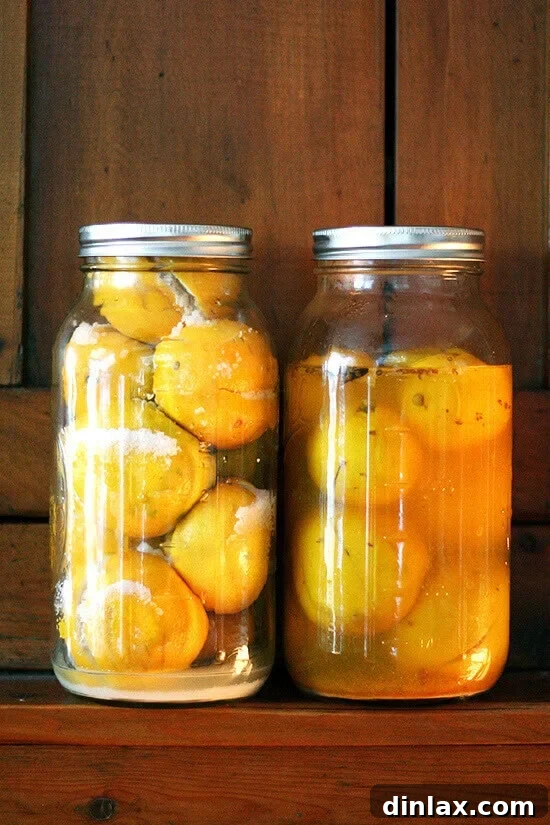
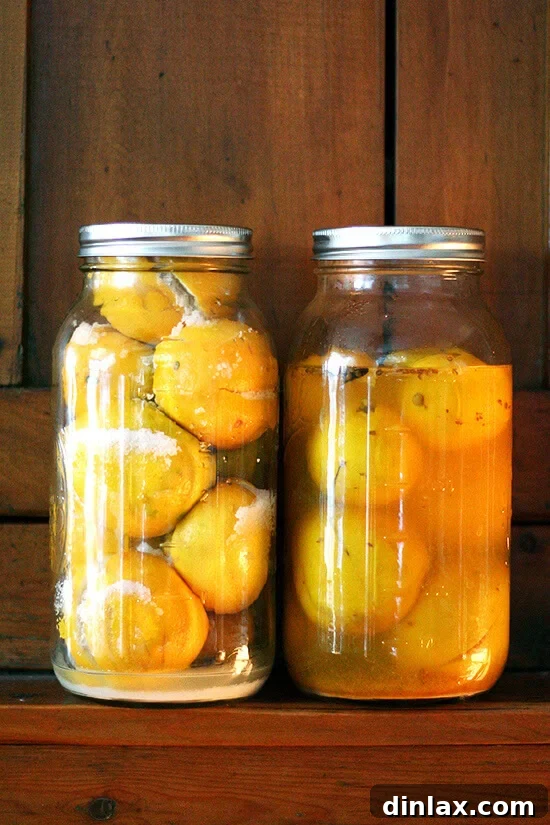
Mastering Homemade Preserved Lemons: Two Essential Recipes for Your Pantry
There’s an unwritten rule among home cooks and food bloggers: don’t share a recipe you haven’t thoroughly tested, especially one with a lengthy waiting period. Yet, today, I’m making a delightful exception, and for good reason. Preserving, by its very nature, demands patience. While I would ideally wait a month to savor and report on the final outcome of these exquisite preserved lemons, I believe it’s far more valuable for you to embark on this culinary journey now.
Imagine this scenario: a month from today, I might rave about a spectacular dish – perhaps a chicken tagine with preserved lemons and green olives, a dish I recently enjoyed at Tara Kitchen and am eager to recreate. If you had begun preserving your lemons today, you’d be ready to join in the culinary adventure, transforming an ordinary meal into something extraordinary. This proactive approach ensures you’re never caught off guard when an inspiring recipe calls for this incredible ingredient.
Why Preserved Lemons Are a Must-Have in Your Kitchen
Preserved lemons are more than just a condiment; they are a cornerstone of North African, Middle Eastern, and Indian cuisines, offering a unique depth of flavor that fresh lemons simply cannot replicate. The preserving process mellows the tartness, softens the rind, and intensifies the lemon’s aromatic qualities, resulting in a complex salty, tangy, and subtly sweet ingredient that adds a burst of umami and brightness to countless dishes.
Here’s why they deserve a spot in your pantry:
- Unmatched Flavor Profile: They bring a concentrated, almost floral lemon essence without the harsh acidity of fresh lemons. The salt transforms the rind into a tender, edible, and incredibly flavorful component.
- Versatility in Cooking: From classic Moroccan tagines to vibrant couscous salads, roasted chicken, grilled fish, pasta dishes, and even dressings, preserved lemons elevate a wide array of recipes. They can be chopped finely and added to marinades, salsas, dips, or used to garnish plates.
- Extends Citrus Season: Preserving lemons allows you to enjoy the peak flavors of citrus season long after the fresh fruit has disappeared from grocery shelves, ensuring a continuous supply of this gourmet ingredient.
- Economical and Sustainable: Making them at home is far more cost-effective than buying specialty jars. It also reduces food waste by utilizing abundant seasonal produce.
- A Gateway to New Cuisines: Having preserved lemons on hand encourages experimentation with global flavors, particularly those from the Mediterranean and North Africa.
Embracing the Season: Start Your Preserved Lemons Journey Now
The beauty of preserved lemons lies not just in their taste but also in the simple act of making them. It’s a rewarding kitchen project that connects you to ancient culinary traditions. And the best part? While they require time to cure, the active preparation is minimal. This means you can easily fit this project into a weekend afternoon, setting yourself up for weeks, even months, of delicious cooking.
To help you get started, I’m sharing two distinct methods for creating these golden gems. Both promise fantastic results, but they offer slightly different flavor profiles and curing times, allowing you to choose the approach that best suits your palate and schedule. Whether you prefer a faster two-week turnaround or a more traditional four-week wait, your future self will thank you for taking the plunge today.
Two Distinct Approaches to Preserving Lemons
There are many ways to preserve lemons, but these two methods stand out for their accessibility and proven deliciousness. One follows a traditional, long-fermentation technique, while the other offers a quicker brining process. Let’s delve into each one.
Method 1: The Traditional Preserved Lemons (Inspired by Jerusalem)
This method, adapted from the renowned cookbook Jerusalem by Yotam Ottolenghi and Sami Tamimi, follows a classic two-phase preservation process. It emphasizes simplicity and the slow development of complex flavors, yielding deeply aromatic and tender preserved lemons over four weeks. The process begins with scoring and salt-stuffing the lemons, allowing the salt to draw out moisture and begin the fermentation, and concludes with the addition of aromatics and lemon juice for an enriched brine.
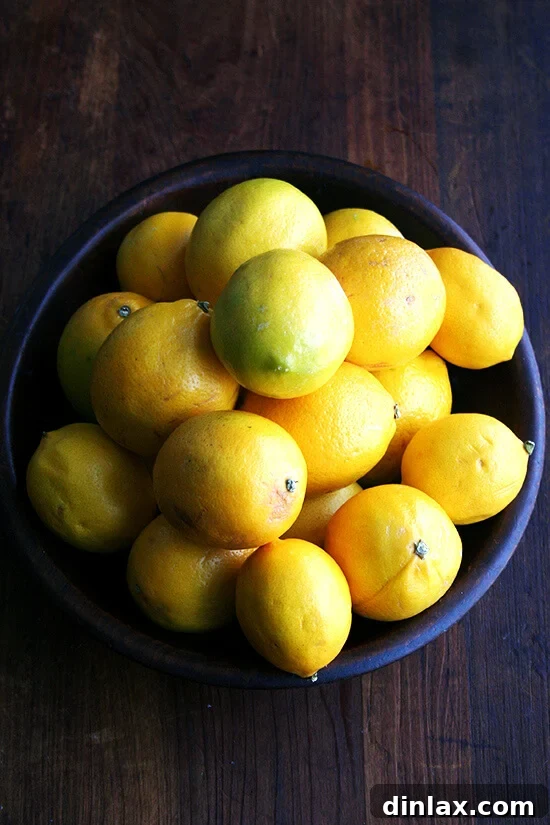
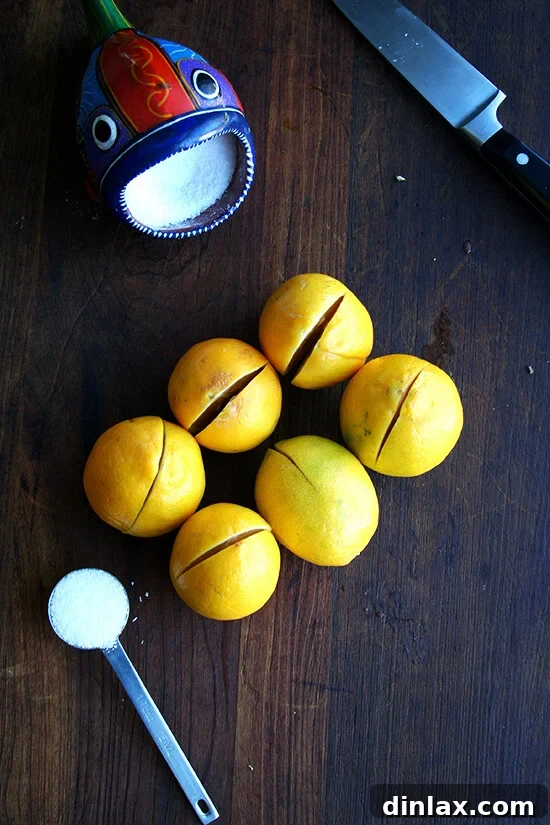
During the first week, scored lemons, generously stuffed with coarse salt, rest in a tightly sealed jar. This initial period is crucial as the salt works its magic, breaking down the cell walls of the lemons and creating their own natural brine. Following this, additional lemon juice, along with optional rosemary and dried chili, are introduced to further enhance the flavor and ensure the lemons are fully submerged. A thin layer of olive oil, though optional, can provide an extra barrier against air, contributing to an extended shelf life.
Key Insights from Tara Kitchen: Enhancing Your Preserved Lemons
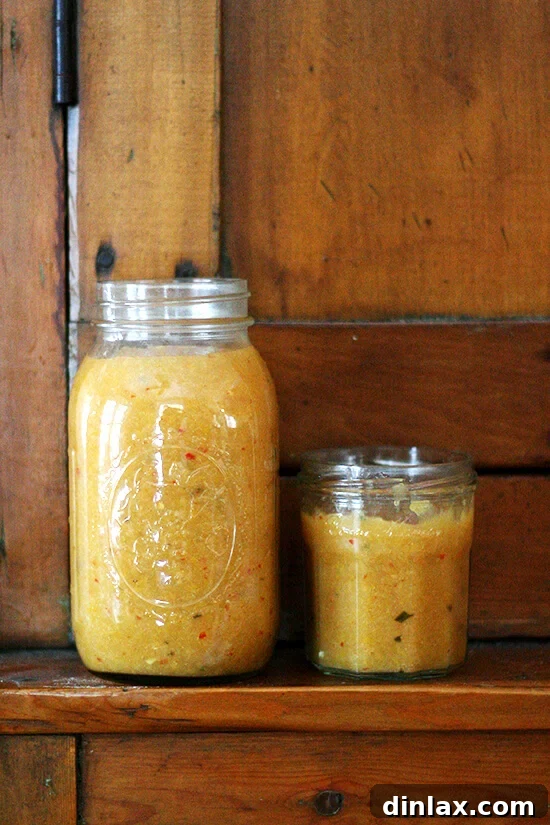
I recently had the pleasure of attending a cooking class at Tara Kitchen, where the owner, Aneesa, shared invaluable tips for making and utilizing preserved lemons. Her approach has significantly influenced my own technique, particularly regarding the finished product. Aneesa purées her entire batch of preserved lemons – rind, flesh, salt, and juice – into a vibrant, concentrated paste. This purée, she explains, is incredibly user-friendly and can be used by the spoonful to infuse dishes with intense lemon flavor.

Here are some of Aneesa’s key takeaways:
- Lemon Choice: While she doesn’t use Meyer lemons at her restaurant due to cost, Aneesa highly recommends them for home preservation. Their thinner skin makes them ideal for absorbing the preserving brine and achieving a more tender texture. However, any robust, organic lemon variety will work beautifully.
- Traditional Method: She favors the more traditional, salt-based preserving method (similar to the Jerusalem recipe) over quicker brining techniques.
- No Rinsing: Aneesa never rinses her preserved lemons before use. The salt is integral to the flavor profile, and the puréeing step distributes it evenly, negating the need for rinsing.
- The Purée Advantage: Puréeing the entire batch into a smooth paste creates a convenient, long-lasting ingredient. A jar of this purée can last for a very long time in the refrigerator, ready to add a burst of flavor whenever needed. This method simplifies usage and ensures every part of the lemon is enjoyed.
Recipe: Traditional Preserved Lemons
This recipe yields preserved lemons with a deep, complex flavor perfect for Moroccan, Mediterranean, and Middle Eastern dishes. The optional aromatics can be omitted for a purer lemon flavor, which I now prefer thanks to Aneesa’s advice.
Yield & Prep Time
- Yields: 1-2 quarts, depending on lemon size
- Prep time: 20 minutes
- Curing time: 4 weeks
Ingredients
- 6-8 organic lemons (or as many as you wish to preserve), preferably Meyer lemons for their thin skin
- 6 tablespoons coarse sea salt or kosher salt (about 1 tablespoon per lemon)
- Juice of 6 additional lemons (enough to cover the lemons in the jar)
- 1-2 rosemary sprigs, optional
- 1 large dried red chili or ½ teaspoon crushed red pepper flakes, optional
- A thin layer of olive oil, optional (for sealing the top)
Instructions
- Sterilize Your Jar: Select a glass jar (2-quart for 6-8 lemons) that will snugly hold your lemons. To sterilize, fill the jar with boiling water and let it stand for at least one minute. Carefully pour out the water and allow the jar to air-dry completely without wiping, to maintain sterility.
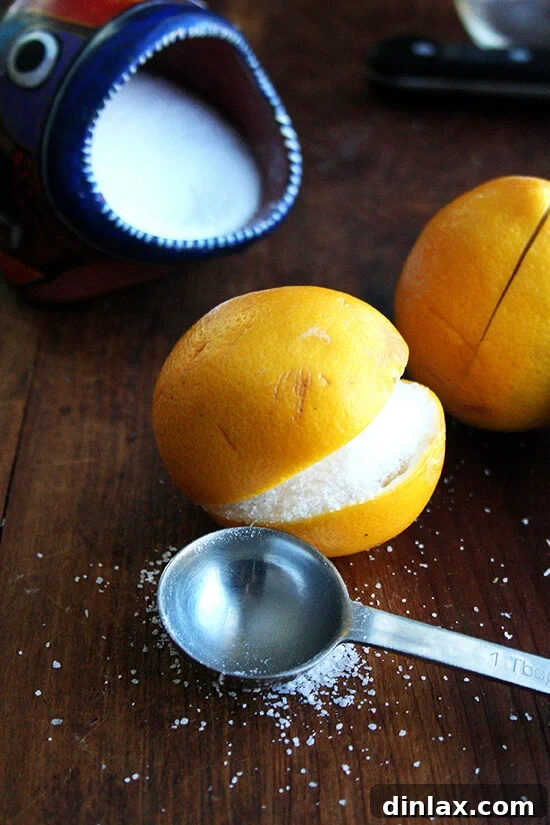
- Prepare the Lemons: Wash the lemons thoroughly. Cut each lemon deeply in a cross pattern from the top, stopping approximately ¾ inch from the base, so the lemon remains intact but can be opened like a flower.
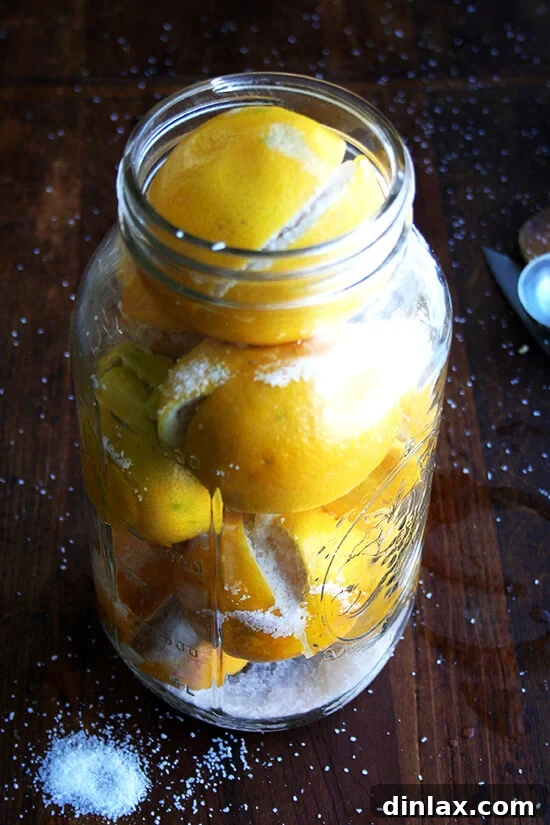
- Salt and Pack: Generously stuff each prepared lemon with about 1 tablespoon of coarse salt (use 2 teaspoons for smaller lemons). Pack the stuffed lemons tightly into the sterilized jar, pressing them down firmly to release their juices and ensure they are snugly packed.
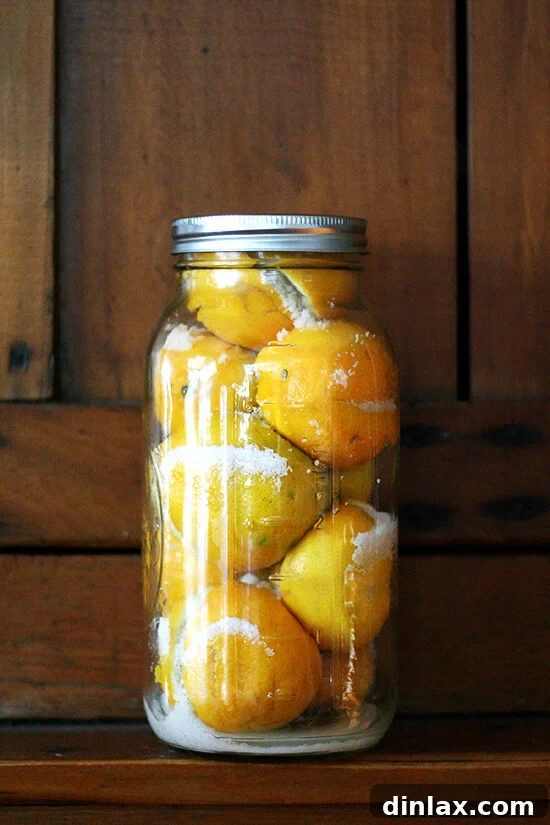
- First Curing Phase: Seal the jar and place it in a cool, dark spot at room temperature for at least one week. During this time, the salt will draw out more lemon juice, creating a natural brine. Occasionally, gently shake the jar or invert it to redistribute the salt and juices.
- Second Curing Phase (Week 2-4): After one week, open the jar. Press the lemons down as hard as you can to extract as much liquid as possible. If using, add the rosemary sprigs and dried chili. Pour in the fresh lemon juice, ensuring all lemons are fully submerged in liquid. If desired, pour a thin layer of olive oil on top to create an additional seal.
- Final Curing and Storage: Seal the jar again and transfer it to the refrigerator. Allow the lemons to cure for at least four more weeks. The longer they sit, the more complex and mellow their flavor will become.
- Optional Puréeing: Once fully cured, for ultimate convenience and versatility, purée the entire contents of the jar (lemons, salt, and juice) in a food processor until smooth. This purée can be stored in the refrigerator for an extended period and used by the spoonful.
Method 2: Bon Appétit‘s Brined Preserved Lemons
For those seeking a quicker gratification or a slightly different flavor profile, this method from Bon Appétit (via Chef Philip Krajeck of Rolf & Daughters in Nashville) offers a unique approach. Unlike the traditional salt-only method, this recipe involves an initial boiling of the lemons and incorporates a significant amount of sugar into its brine. While this might seem unconventional to traditionalists, Bon Appétit heralded these as “the best [they’ve] ever tasted,” suggesting a delightful outcome.
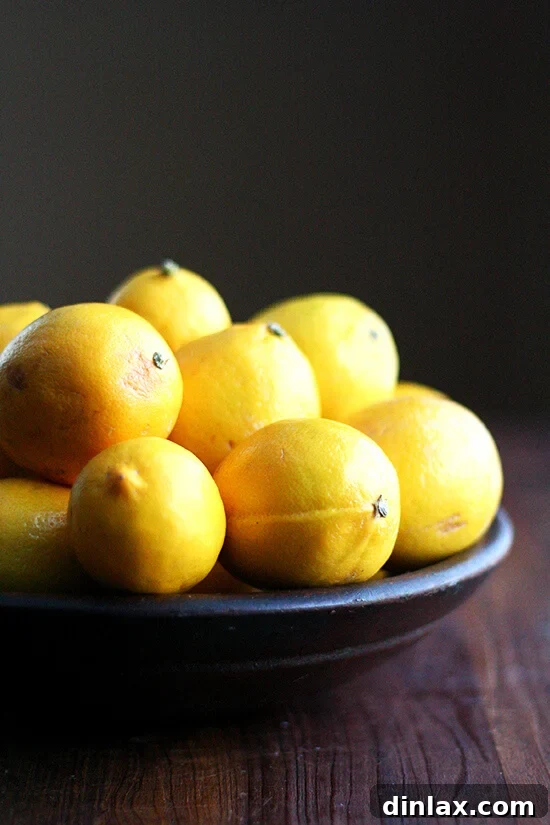
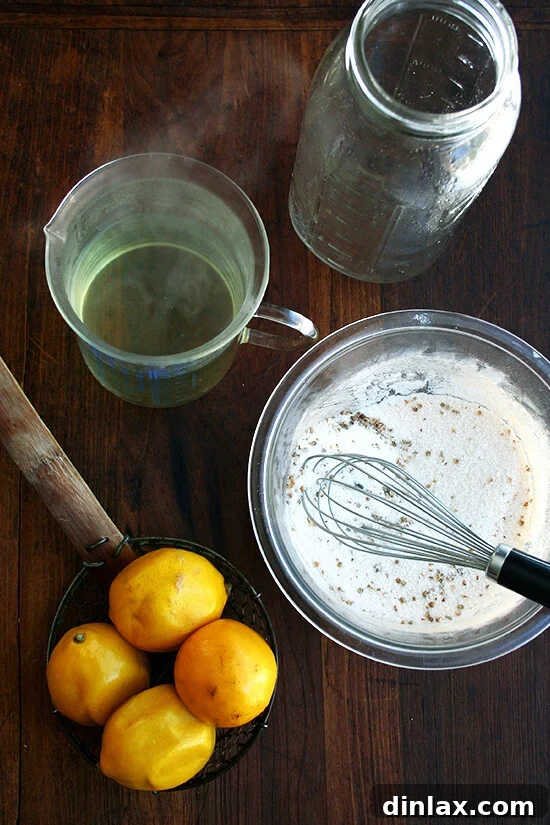
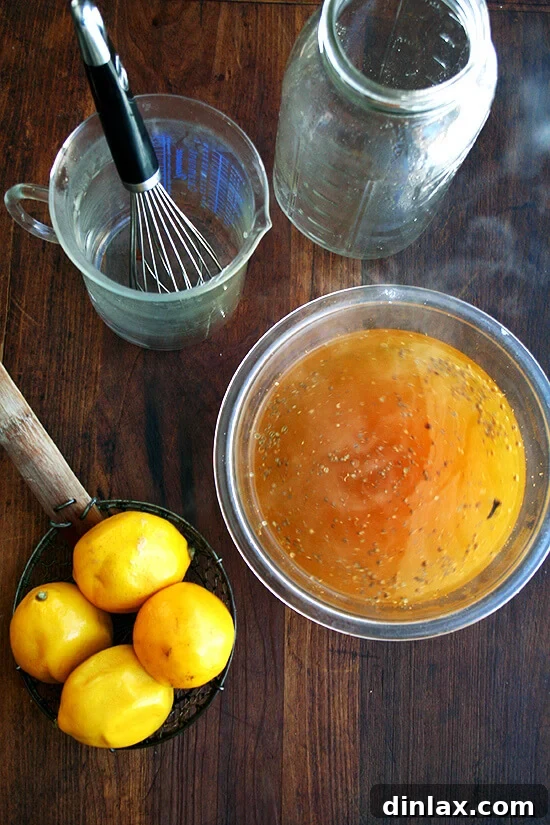
The initial boiling step helps to soften the lemon rinds quickly and extracts some of their bitterness, preparing them to readily absorb the flavorful brine. The brine itself is a fragrant concoction of sugar, salt, crushed coriander seeds, turmeric, and a clove, cooked with the reserved lemon boiling liquid. This combination creates a complex, sweet-and-savory liquid that infuses the lemons with a distinct aroma and taste profile, ready for use in just two weeks.
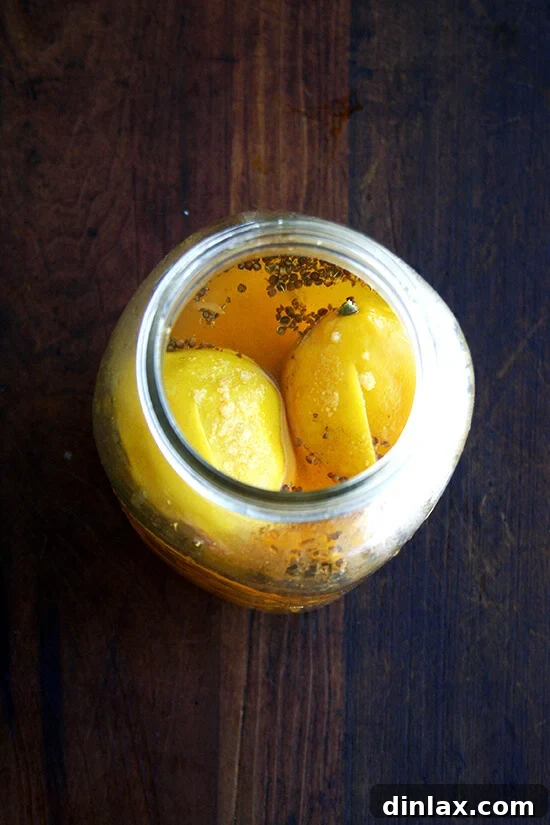
Recipe: Preserved Lemons in Brine
This recipe provides a faster path to delicious preserved lemons with a unique, aromatic, and slightly sweeter profile.
Yield & Prep Time
- Yields: 1-2 quarts, depending on lemon size
- Prep time: 20 minutes
- Curing time: 2 weeks
Ingredients
- 4 to 8 organic lemons (Meyer lemons are excellent, but any robust variety will work)
- ⅔ cup granulated sugar
- 7 tablespoons kosher salt
- 1 teaspoon crushed coriander seeds
- ¼ teaspoon ground turmeric
- 1 whole clove
Instructions
- Boil Lemons: Thoroughly scrub the lemons. Place them in a pot and cover with water. Bring to a boil and cook until the lemons are softened, approximately 10-12 minutes.
- Cool and Reserve: Carefully transfer the boiled lemons to a bowl of ice water to stop the cooking process (though skipping this step, as I have, doesn’t seem to negatively impact the outcome). Reserve 3 cups of the hot cooking liquid.
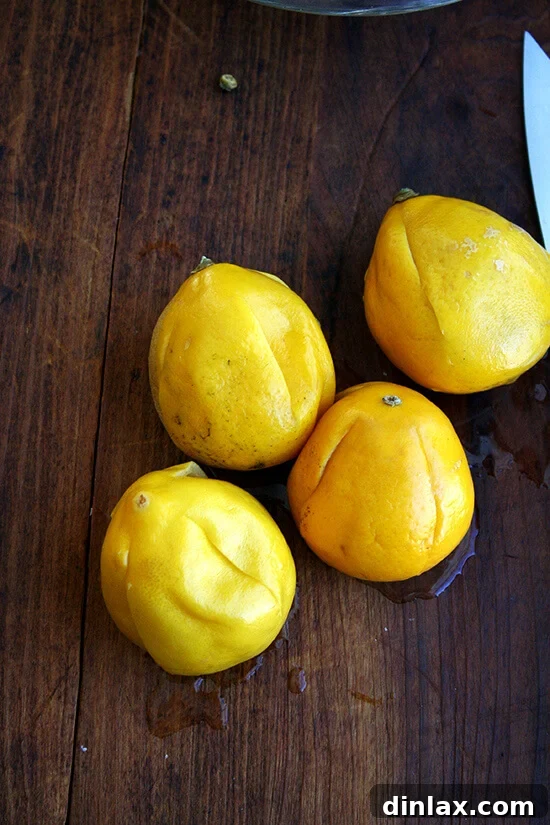
- Score Lemons: Using a small paring knife, deeply score each lemon lengthwise four times, ensuring the cuts go deep but the lemon remains intact at the stem and blossom ends. This allows the brine to penetrate deeply.
- Prepare the Brine: In a bowl, whisk together the sugar, kosher salt, crushed coriander seeds, ground turmeric, and the whole clove. Pour in the 3 cups of reserved hot cooking liquid and stir until the sugar and salt are fully dissolved.
- Jar and Chill: Transfer the scored lemons to a clean, heatproof 1- or 2-quart jar. Pour the warm brine over the lemons, ensuring they are fully submerged. Cover the jar tightly and place it in the refrigerator.
- Cure: Allow the lemons to chill and cure for at least two weeks before using. Due to the sugar content, it is crucial to store these preserved lemons in the refrigerator to maintain their quality and safety.
Culinary Applications for Your Preserved Lemons
Once your preserved lemons are ready, a world of flavor awaits. Whether whole, finely diced, or puréed, they can transform everyday meals into gourmet experiences. Here are just a few ideas to get you started:
- Tagines and Stews: The most classic use! Add chopped preserved lemon (or a spoonful of purée) to chicken, lamb, or vegetable tagines and stews for an authentic North African flavor. Try this Moroccan Chicken with Green Olives and Preserved Lemons recipe.
- Roasted Meats and Vegetables: Tuck slices of preserved lemon under the skin of a chicken before roasting, or toss finely diced preserved lemon with roasted root vegetables or asparagus.
- Salads and Dressings: Mince the rind and add to couscous salads, quinoa salads, or green salads. Whisk into vinaigrettes for an extra tangy kick.
- Fish and Seafood: The bright, briny flavor pairs exceptionally well with baked, grilled, or pan-seared fish. Use it in a marinade or as a garnish.
- Pasta and Grains: Stir chopped preserved lemon into pasta dishes, risotto, or grain bowls for an unexpected burst of flavor. Consider the Canal House Chicken Thighs with Preserved Lemons for inspiration.
- Dips and Spreads: Blend into hummus, baba ghanoush, or other Mediterranean dips.
- Marinades and Rubs: Incorporate into marinades for poultry, fish, or even tofu. The enzymes in the lemon will also help tenderize.
Tips for Success in Preserving Lemons
Achieving perfect preserved lemons is straightforward, but a few key practices can ensure optimal results:
- Choose Quality Lemons: Use fresh, organic, unwaxed lemons. Meyer lemons are excellent for their thin skins and sweeter flavor, but any firm, ripe lemon will do.
- Sterilization is Key: Always sterilize your jars and lids thoroughly to prevent spoilage. This is non-negotiable for safe preservation.
- Pack Tightly: Pressing the lemons firmly into the jar helps release their natural juices and ensures a good, tight pack, which is vital for proper fermentation and preventing air pockets.
- Ensure Submersion: It’s crucial that the lemons are completely submerged in their liquid (juice or brine). Any exposed lemon can mold. If necessary, top up with extra fresh lemon juice.
- Patience is a Virtue: Resist the urge to open the jar too early. The flavors need time to develop and meld.
- Storage: Store traditional preserved lemons (without sugar) in a cool, dark pantry for the initial curing, then transfer to the refrigerator for long-term storage. Brined lemons with sugar should always be refrigerated.
Conclusion
Preserved lemons are a transformative ingredient that elevates simple cooking into something truly special. By taking a little time now, you’ll stock your pantry with a versatile condiment that will inspire countless delicious meals. Whether you opt for the slow, traditional method from Jerusalem or the quicker, aromatic brine from Bon Appétit, you’re embarking on a rewarding culinary journey.
So, choose your method, gather your lemons, and start preserving today! Don’t hesitate to experiment with the flavors, and most importantly, enjoy the incredible depth that these homemade preserved lemons will bring to your kitchen.
Further Inspiration and Related Recipes
Once you have your preserved lemons ready, explore these delightful recipes that highlight their unique flavor:
- Moroccan Chicken with Green Olives and Preserved Lemons
- Canal House Chicken Thighs with Preserved Lemons
We’d love to see your creations! Tag @alexandracooks on Instagram and use the hashtag #alexandracooks to share your preserved lemon adventures.