The journey towards **conscious eating** and adopting a more **sustainable diet** often begins with a single, profound moment of realization. For many, that moment comes after encountering eye-opening information about our intricate food system. The documentary Cowspiracy, a powerful film exposing the devastating **environmental impact of animal agriculture**, certainly served as one such catalyst for me. It prompted a deep internal debate, leaving me to wonder: in today’s complex world, can anything truly be consumed with a clear conscience?
If you haven’t yet experienced Cowspiracy, you might assume you’ve heard this message countless times before. Indeed, films like Food, Inc., released back in 2008, effectively highlighted the ethical vulnerabilities and systemic perils within our global food supply chains. However, Cowspiracy offers a uniquely compelling and often humorously delivered perspective, making it stand out significantly from its predecessors. Beyond merely revealing the harsh realities of **factory farming** — such as its shocking responsibility for more **greenhouse gas emissions** than the entire transportation industry, and its role as a leading cause of **deforestation, excessive water consumption, and widespread pollution** — the film bravely asks a critical, unsettling question: Why do many prominent **environmental conservation groups** largely ignore or downplay the truly devastating effects of animal agriculture?
Without giving away too many crucial plot points – though if you dislike spoilers, proceed with caution – Cowspiracy makes several truly **eye-opening declarations** concerning specific foods that I, and undoubtedly many others, once considered acceptable, even admirable, choices: “sustainable” fish and “grass-fed” beef. The documentary asserts with conviction that all fish, even those proudly marketed with “sustainable” labels, are, in fact, inherently unsustainable. This conclusion stems from the vast ecological damage caused by commercial fishing practices, including overfishing, bycatch, and habitat destruction, which profoundly impact ocean ecosystems. Furthermore, the film challenges the widespread notion of **grass-fed beef** as a truly eco-friendly alternative, arguing convincingly that there simply isn’t enough arable land globally to support this type of farming on a scale that could adequately feed the current human population without vast ecological consequences. The filmmaker, Kip Andersen, concludes his powerful narrative with a stark but ultimately liberating message: **veganism** is presented as the **only truly sustainable diet on a global scale** capable of addressing the planet’s pressing ecological crises and offering a viable path forward for human civilization.
These revelations were unsettling, to say the least. As these profound, paradigm-shifting ideas unfolded on screen, my mind kept drifting to my own deeply cherished **daily culinary rituals**. Specifically, I couldn’t stop thinking about my beloved morning muesli. While I acknowledged that I might eventually adjust to missing an occasional summer burger, the thought of foregoing my daily bowl of oats, soaked and softened in milk – a comforting routine I undertake every morning even before contemplating my first cup of coffee – felt almost unimaginable. And beyond that, what about the satisfying block of cheese I enjoy at lunch, or the rich, savory **bacon and crème fraîche on my pizza**, or that occasional, indulgent scoop of ice cream after dinner? Could my everyday existence truly thrive, or even survive, with such cherished **dietary habits** so dramatically disrupted? The idea of a wholesale shift seemed incredibly daunting, sparking a complex mix of apprehension and genuine curiosity about the potential **plant-based transition challenges** that lay ahead.
Remarkably, the universe seemed to have its own perfect timing. I watched Cowspiracy one evening, absorbing its impactful message, and the very next morning, the highly anticipated Food52 Vegan cookbook arrived at my doorstep. Opening this beautifully presented book, I was met with a comforting and serendipitous surprise: the very first recipe featured was for muesli, prepared not with traditional dairy milk, but with nourishing **nut milk**. It felt as if the stars had perfectly aligned, presenting an undeniable and gentle invitation to explore the promising world of **homemade nut milk** and truly **accessible plant-based recipes**. This timely arrival felt less like a coincidence and more like a sign, pushing me to embrace a culinary adventure I might otherwise have hesitated to embark on.
Embracing this newfound inspiration, I measured out a cup of raw cashews and placed them in a bowl, generously submerging them in water for their recommended overnight soak. The following morning, the transformation was evident: the cashews were plump and beautifully swollen, signaling they were perfectly ready for their next step. After carefully draining them, I combined these softened nuts with fresh water, a touch of pure maple syrup for a hint of natural sweetness, and a comforting dash of vanilla extract in my high-speed blender. The puréeing process was surprisingly straightforward and incredibly quick, yielding a wonderfully smooth, impeccably creamy liquid. What truly impressed me was the sheer ease of making **homemade cashew milk**; unlike other **nut milks** such as almond milk, it inherently requires no laborious straining through cheesecloth. This absence of a straining step makes the process significantly simpler, less messy, and ensures that all the creamy goodness and beneficial nutrients of the cashews are retained. The resulting milk tasted astonishingly good – rich, subtly sweet, and incredibly refreshing. This delightful experience immediately assuaged my earlier anxieties, assuring me that, at the very least, a **vegan muesli** could be not just tolerable, but genuinely enjoyable and even crave-worthy.
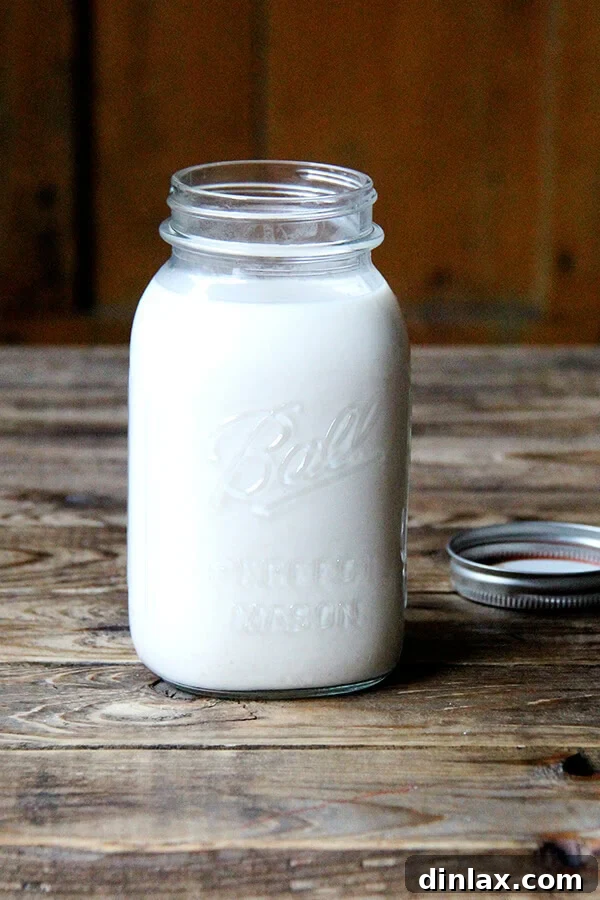
I carefully poured the freshly made **creamy plant milk** into clean Mason jars, neatly tucking them into the refrigerator. As the day unfolded, an unexpected new habit quickly emerged: every time I passed the fridge, I found myself sneaking – or rather, enthusiastically chugging – a small glass of that exquisite cashew milk. Its luxurious texture and perfectly balanced flavor were utterly captivating and addictive. Within a single day, the entire quart was completely gone. Without hesitation, I immediately soaked another cup of cashews, eager to repeat the process and ensure a continuous supply. This routine has continued steadfastly ever since; making a fresh batch of homemade nut milk has quickly become a cherished daily ritual, a cornerstone of my new approach to eating. It turns out that far from being an austere necessity, **nut milk**, particularly the cashew variety, is a genuine indulgence. My morning muesli has never tasted so vibrant and satisfying, and I’ve never felt quite so consistently hydrated throughout the day. This simple yet profound change has brought unexpected pleasure and unequivocally confirmed the ease and numerous **benefits of incorporating vegan dairy alternatives** into my daily diet, proving that delicious and conscious eating can go hand-in-hand.
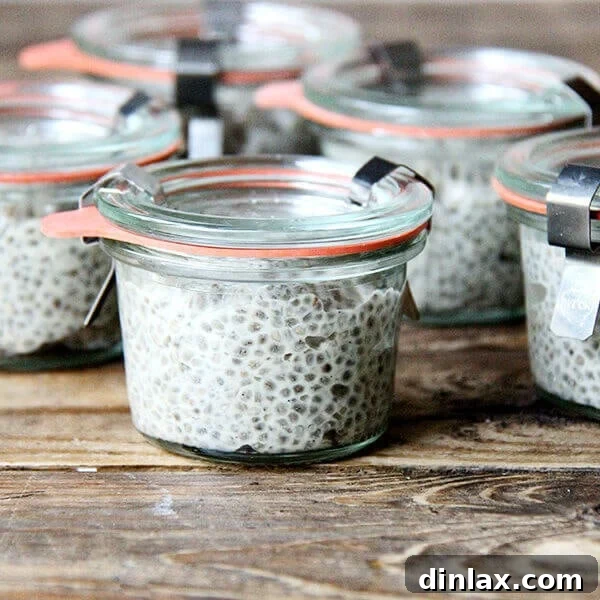
Friends, let me be clear: I am not declaring myself fully vegan right now. However, I feel profoundly inspired to delve much deeper into a way of eating that I had previously considered a step too far, perhaps even unattainable. For too long, I harbored ingrained misconceptions about a **plant-based diet**, viewing it as an austere, restrictive lifestyle filled with bland nuts, dry berries, and obscure ingredients found only at specialty health food markets – a regimen that would inevitably leave me feeling constantly hungry, deprived, and utterly unsatisfied throughout the day. My recent experiences have powerfully and definitively **debunked these myths**. Thus far, this new culinary journey has been far from my preconceived notions. I’ve discovered the immense joy and satisfaction of making **vegan chia pudding** that is every bit as delicious, creamy, and satisfying as versions traditionally made with whole milk. I even prepared a hearty and flavorful **freekeh salad** two nights in a row, a testament to its incredible taste and versatility, and I can’t wait to share that wonderful recipe with you all soon. Without a doubt, the numerous **cashew milk benefits** have secured its permanent place as a cherished staple in my fridge.
My **sustainable eating journey** is still very much in its early stages, and there’s a vast, exciting culinary landscape yet to explore. I have yet to truly experiment with fascinating and versatile ingredients like tempeh (a fermented soybean cake known for its nutty flavor and firm, meat-like texture), nutritional yeast (a deactivated yeast with a distinctive cheesy, savory flavor, perfect for enriching vegan dishes and sauces), and various forms of tofu feta. While I’m not yet ready to completely relinquish something as miraculous and incredibly versatile as the egg from my diet, nor am I prepared to entirely stop eating meat, I am acutely aware that my current reliance on animal products, particularly dairy, deserves serious scrutiny and thoughtful consideration. This ongoing exploration isn’t about adhering to rigid rules or instant, drastic changes, but rather about making more **mindful eating** choices and discovering delicious, wholesome, and sustainable alternatives that enrich my life and respect the planet. This personal commitment to evolving my dietary habits, focusing on **reducing dairy intake** and exploring diverse **plant-based meal ideas**, is a continuous process. I promise to keep you updated on my progress and share any new insights, culinary triumphs, and delightful recipes I uncover along the way.
Have you embarked on a similar journey of **plant-based lifestyle community** exploration? What were your initial thoughts and feelings after watching Cowspiracy, and what dietary changes, if any, have you considered, adopted, or struggled with? Share your insights, experiences, and favorite **vegan recipes** or discoveries below – I’m eager to hear them and engage in a meaningful discussion!
Now, let’s get to the delicious details of making your own perfectly creamy cashew milk and delightful chia puddings, perfectly illustrating how easy, rewarding, and incredibly tasty **vegan meal ideas** can truly be.
Muesli with cashew milk: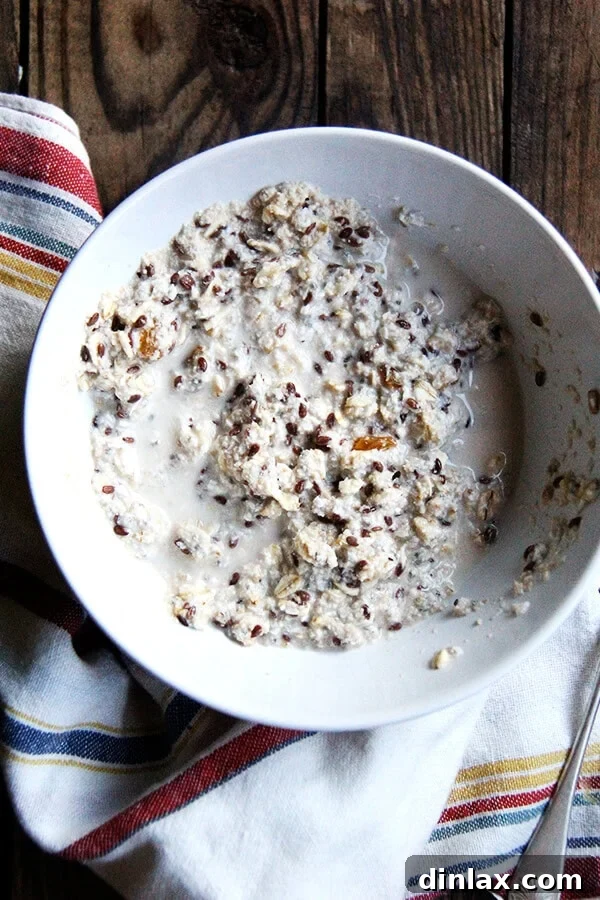
Cashews after 12 hours of soaking: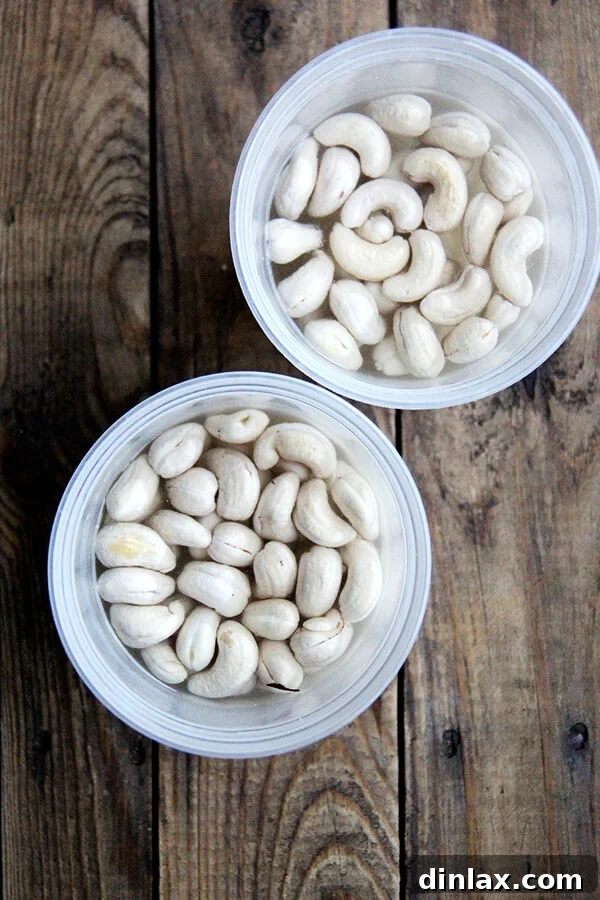
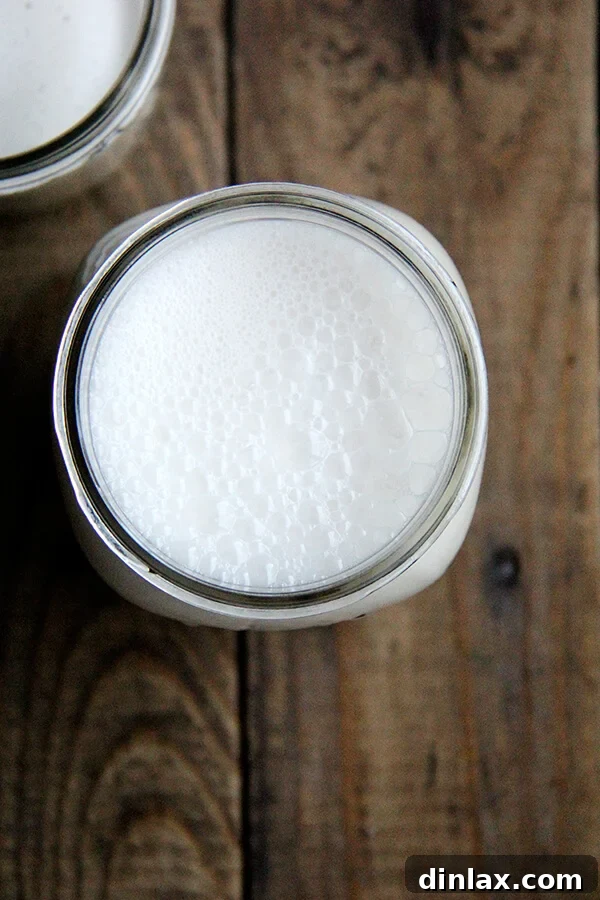
One cup of cashews yields about 5 cups of milk, perfect for various **plant-based recipes**: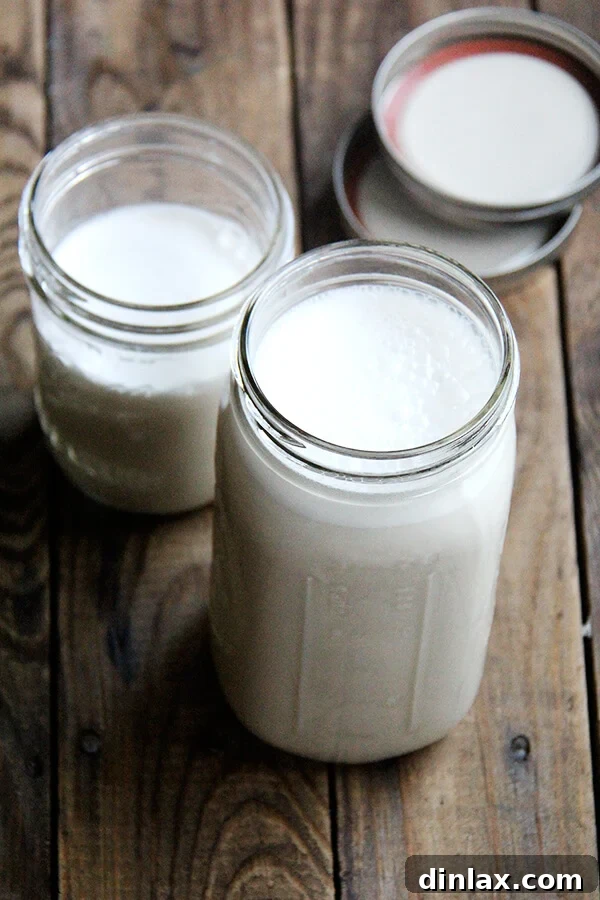
Print
Homemade Cashew Milk | Easy Cashew Milk Chia Puddings
5 Stars 4 Stars 3 Stars 2 Stars 1 Star
5 from 1 review
Author: Alexandra Stafford at alexandracooks.com
Total Time: 8 hours 45 minutes
Yield: 6 servings 1x
Description
Source: Food52 Vegan by Gena Hamshaw — This inspiring cookbook, the first vegan cookbook I’ve ever owned, remarkably makes plant-based cooking feel both familiar and incredibly accessible. It’s filled with bright, simple, and truly healthy recipes that I’m absolutely loving. I’ve successfully used this method for making delicious **homemade nut milk** with both almonds and cashews. However, I consistently prefer using cashews because, with cashews, you get a wonderfully creamy result and crucially, you don’t have to strain the mixture through cheesecloth, making the process much simpler. One cup of raw cashews typically produces about 6 cups of rich, smooth milk, whereas 1 cup of almonds usually yields around 3 cups of milk. **Cashew milk** is wonderfully creamy and utterly delicious, and I simply can’t get enough of it. For an alternative, you can also use steel cut oats for soaking, which only require about an hour. The original chia pudding recipe in the book suggests adding bananas and cinnamon, so feel free to incorporate those to taste – purée the bananas directly with the cashew milk if you choose to add them for extra creaminess and flavor. The recipe detailed below is a convenient half-batch.
Ingredients
for the cashew milk:
- 1 cup (5 oz |120 g) raw cashews, soaked in water for 8 to 12 hours until plump, then thoroughly drained
- ¼ cup (60 ml) pure maple syrup or 4 pitted medjool dates for natural sweetness
- 1 teaspoon pure vanilla extract
- small pinch fine sea salt, to enhance flavors
- 4 cups (950 ml) filtered water
for the chia puddings (a delicious vegan breakfast or snack):
- 1½ cups freshly made homemade cashew milk
- 1½ tablespoons pure maple syrup, plus more to taste for desired sweetness
- 1 teaspoon pure vanilla extract
- pinch fine sea salt
- 6 tablespoons chia seeds
Instructions
- **Prepare the Cashew Milk:** Place the soaked and drained cashews into a high-speed blender or food processor. Purée them until they form a very fine, smooth paste, stopping to scrape down the sides of the blender jar as needed to ensure everything is incorporated. Then, add the maple syrup (or pitted dates), vanilla extract, a small pinch of salt, and 4 cups of filtered water. Continue to purée on high speed until the mixture is completely smooth and creamy, without any grit. Scrape down the sides again if necessary to ensure a perfectly consistent texture.
- **Store the Cashew Milk:** Carefully transfer the freshly made cashew milk to airtight storage jars or bottles. Chill thoroughly in the refrigerator for at least 30 minutes before using. This allows the flavors to meld and the milk to become perfectly cold and refreshing. For optimal freshness, use the homemade cashew milk within 2 or 3 days. Always remember to shake well before each use, as some natural separation may occur.
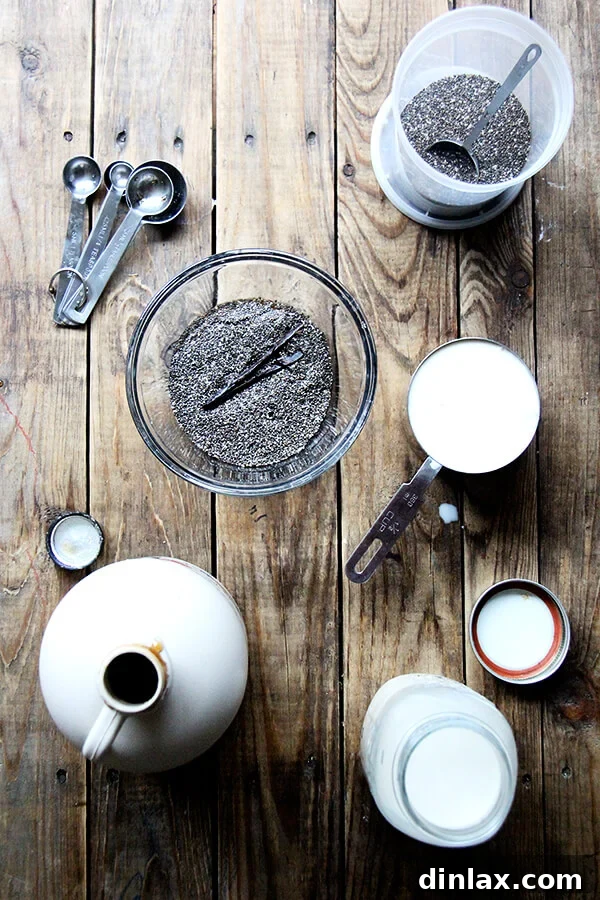
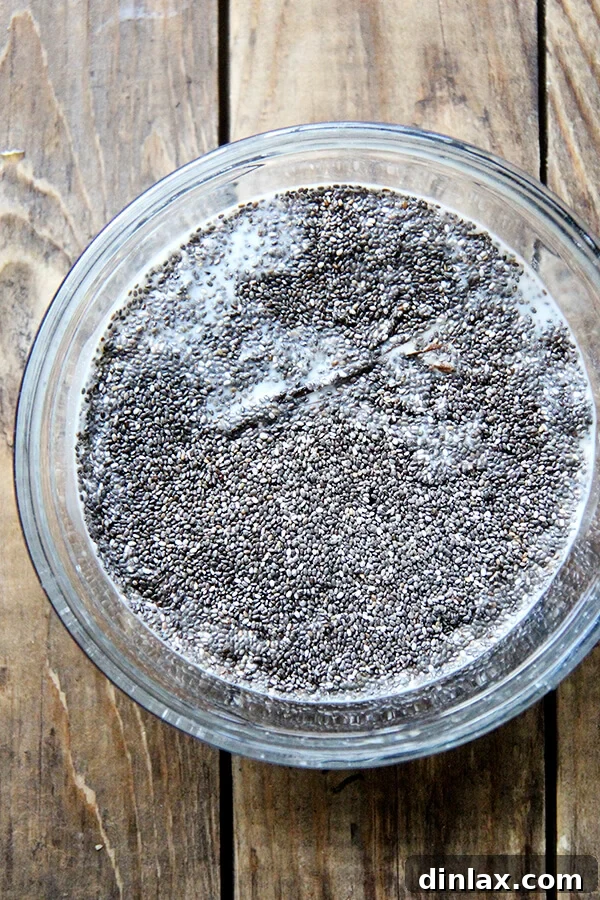
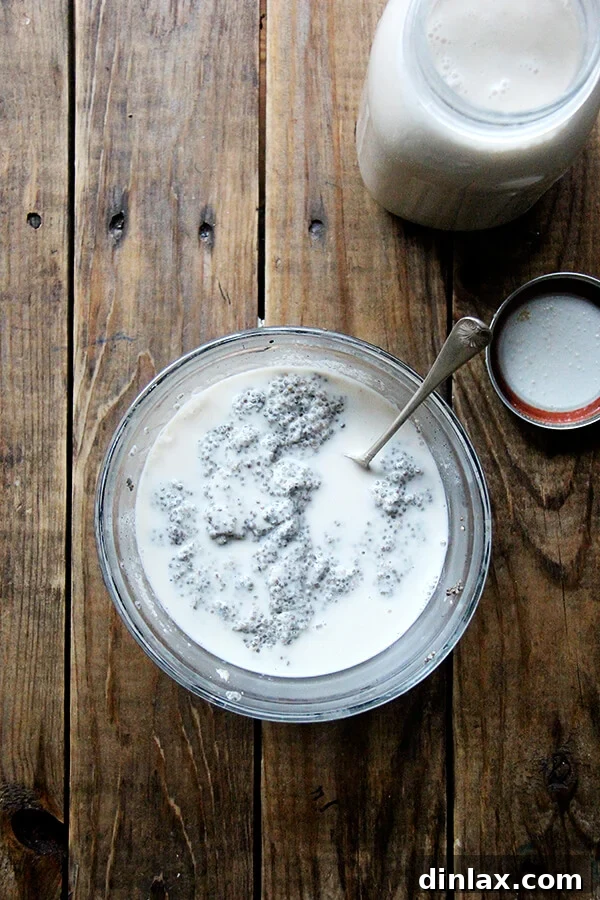
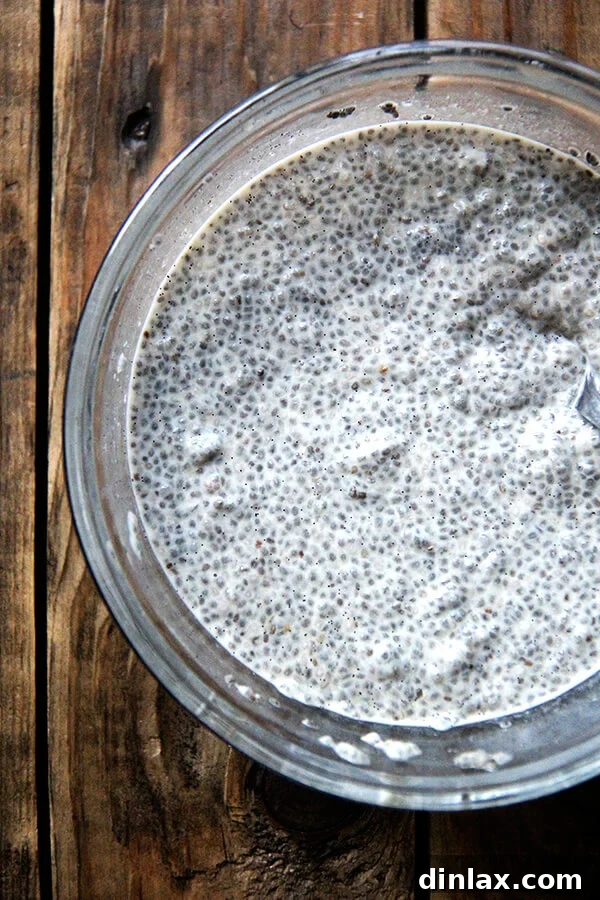
- **Begin the Chia Puddings:** To make the delicious chia puddings, first, measure the chia seeds into a medium-sized bowl. Next, pour the homemade cashew milk, maple syrup, and vanilla extract over the chia seeds. Add a small pinch of salt to balance the flavors. Let the mixture sit undisturbed for 5 minutes, allowing the chia seeds to begin absorbing the liquid. After 5 minutes, give it a thorough stir to prevent clumping. Let it sit for another 10 minutes, then give it one more good stir. At this point, the chia seeds should be noticeably plumping up, and the entire mixture should start to thicken and resemble a loose tapioca pudding in consistency.
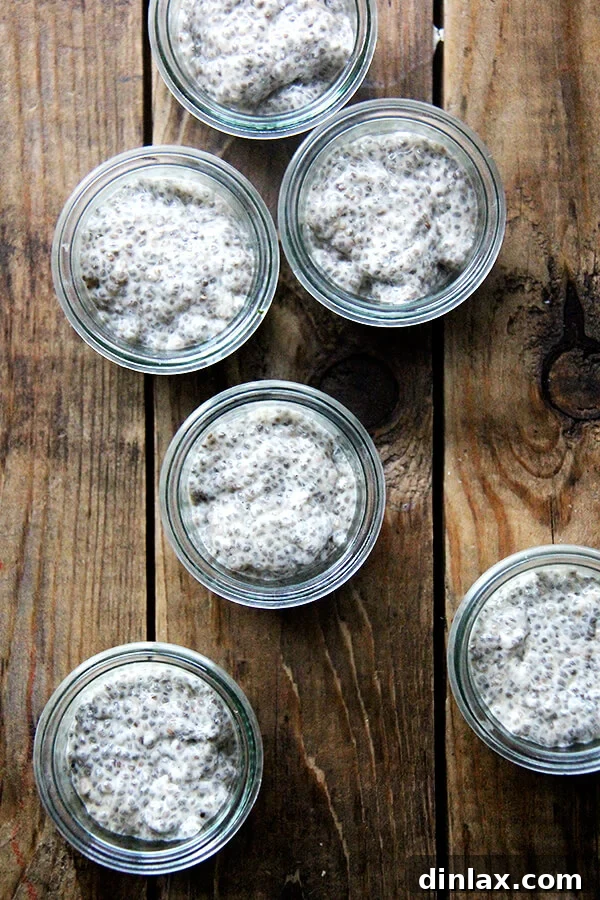
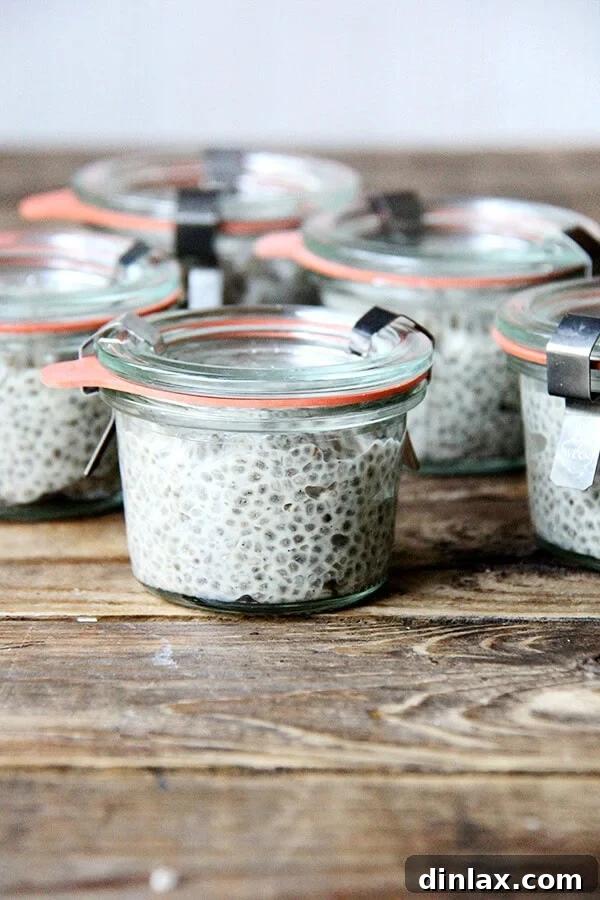
- **Chill and Serve the Chia Puddings:** Once the chia pudding mixture has reached a loose tapioca-like consistency, cover the bowl or individual serving jars tightly. Refrigerate for a minimum of 8 hours, or ideally overnight, to allow the chia seeds to fully expand and create a thick, creamy pudding texture. Before serving, check the consistency of the pudding; if it’s too thick for your preference, you can easily add a little more cashew milk, stirring it in until you achieve your desired smoothness. Finally, taste the pudding and add more maple syrup if necessary to adjust the sweetness to your liking. Enjoy your healthy and satisfying vegan chia pudding!
- Prep Time: 10 minutes