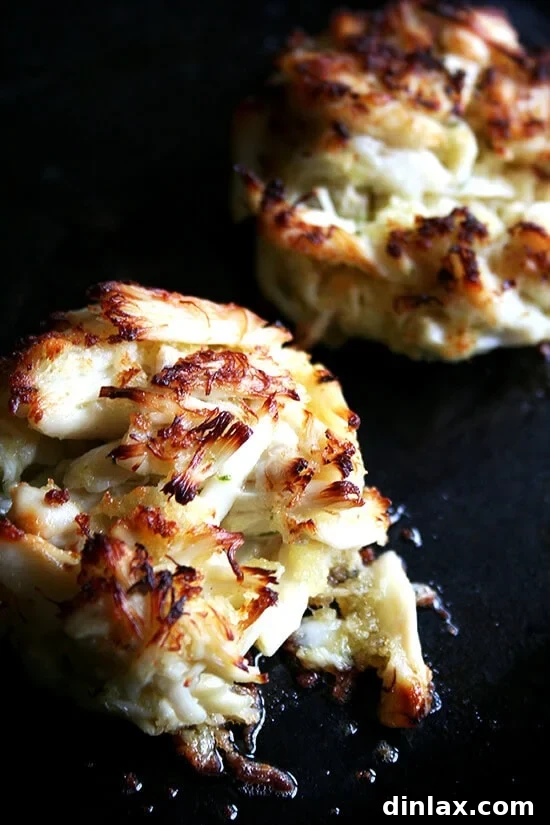
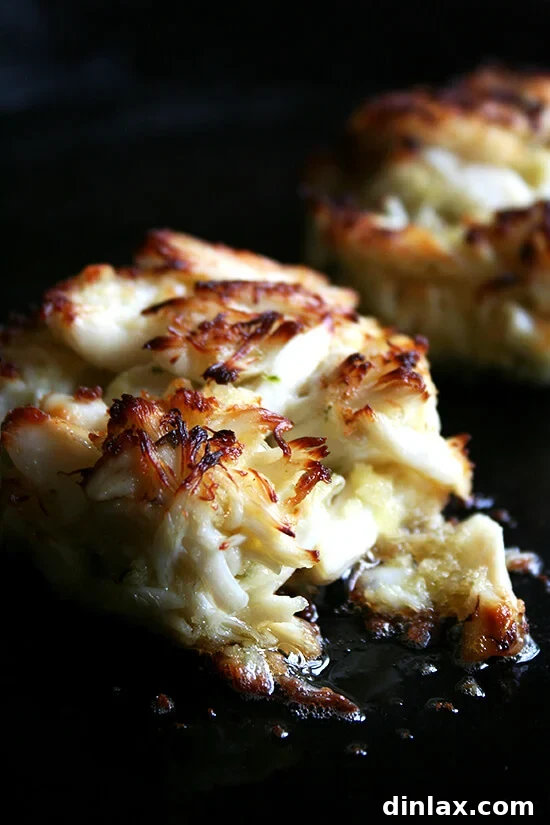
There are few culinary experiences as satisfying as biting into a perfectly crafted crab cake. It’s a dish that evokes images of coastal dining, the freshest seafood, and a simple elegance that often belies its complex reputation. My recent trip to Virginia Beach had one singular, unwavering objective: to discover and savor an exceptional crab cake. And thanks to the incredible culinary artistry at Dockside Restaurant, that mission was gloriously accomplished.
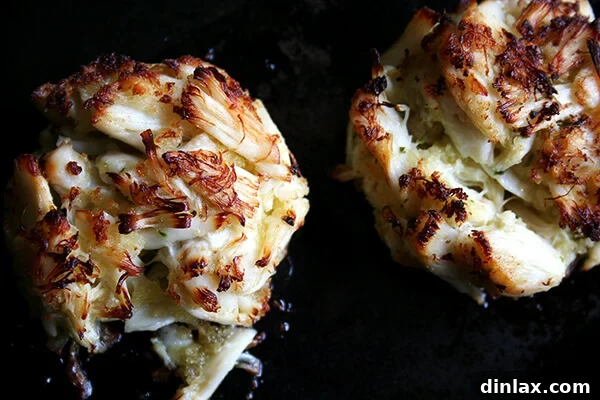
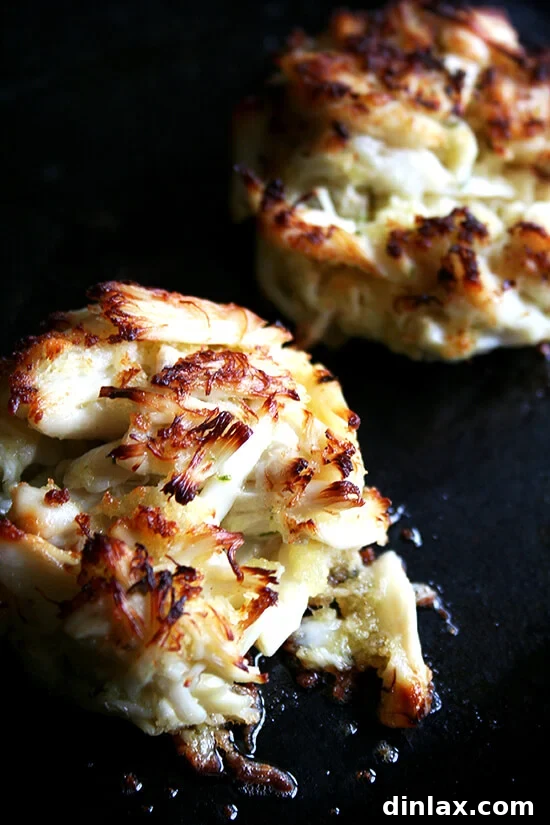
The moment the Dockside crab cake arrived, I knew I was in for something special. It was broiled to a golden perfection, hinting at a delicate crust that encased a treasure trove of succulent, meaty crab. The seasoning was light, allowing the natural sweetness of the crab to shine through, not overpower it. This wasn’t just a meal; it was an embodiment of everything I’d ever hoped for in a crab cake – a true testament to the philosophy that simplicity, when executed flawlessly, can create pure culinary magic.
Upon returning home, the memory of that exquisite crab cake lingered, inspiring a craving that simply had to be satisfied. I found myself dreaming of those delicate flavors, the tender texture, and the sheer joy of each bite. Driven by this gastronomic obsession, I did what any true food enthusiast would: I called Dockside. To my delight and immense gratitude, they were incredibly gracious, willing to share the secrets behind their masterpiece. The recipe, they revealed, was refreshingly simple: premium crabmeat, a touch of mayonnaise, panko bread crumbs, and the quintessential Old Bay seasoning. This minimalist approach came as no surprise; in fact, if they had told me it was nothing but crab, I would have believed them without question. It underscored the belief that when you start with top-tier ingredients, you need little else to create something truly extraordinary.
The Secret to Perfection: Broiling, Not Frying
Recreating the Dockside crab cake experience at home proved to be surprisingly straightforward, primarily due to one crucial technique: broiling. Unlike pan-frying, which necessitates flipping and often results in a more compacted, denser cake to withstand the movement, broiling allows for a far more delicate and loose formation. This distinction is paramount to achieving that coveted, melt-in-your-mouth texture.
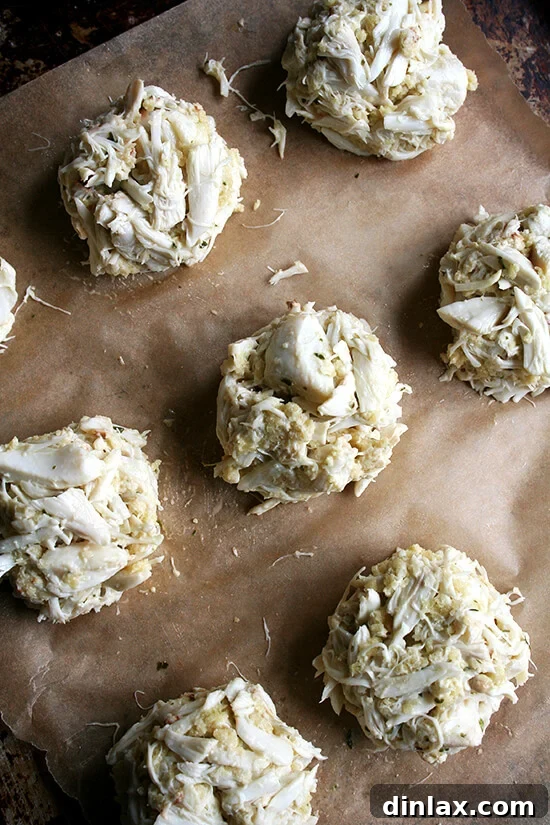
When forming your crab cakes, embrace the idea of them being barely held together. If your creations feel as though they might almost fall apart as you gently place them on the broiling pan, consider it a good sign. This seemingly precarious structure is precisely what ensures that the binders – in this case, mayonnaise and panko – are doing their job efficiently, yet minimally. Their sole purpose is to provide just enough cohesion to keep the crab from completely disintegrating, without adding unnecessary bulk or masking the delicate flavor of the star ingredient. This technique allows the crab to remain the undisputed hero of the dish, yielding a cake that is overwhelmingly crab, with just a whisper of binding agents.
The Importance of Quality Ingredients: The Crabmeat Dilemma
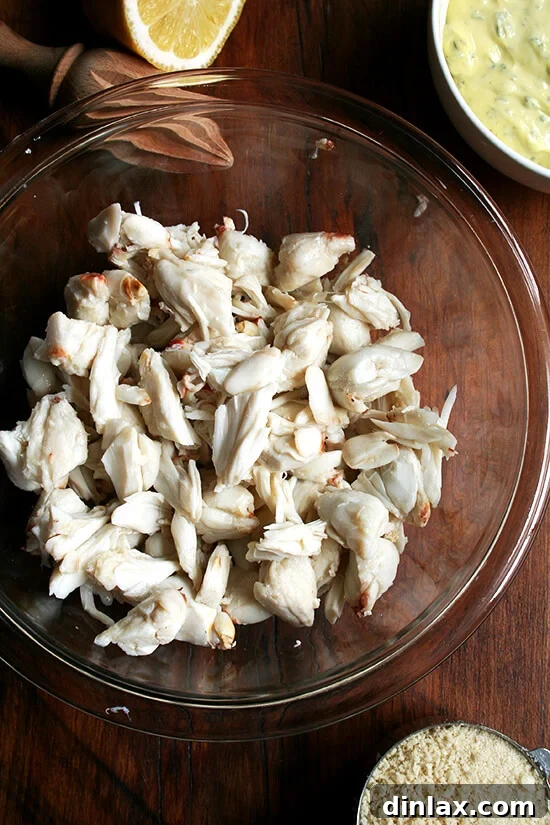
Let’s address the elephant in the room: crabmeat is an investment. It’s expensive – the kind of expensive that makes you pause, do a quick mental budget calculation, and wonder if you can truly justify the splurge. But here’s the undeniable truth: a good crab cake, an *exceptional* crab cake, begins and ends with good crab. There’s no cutting corners here. Opt for jumbo lump or backfin crabmeat; their superior texture and flavor are simply non-negotiable for a truly authentic experience. Jumbo lump offers large, pristine chunks of sweet crab, while backfin provides a combination of lump and smaller flakes, perfect for texture. This initial investment in quality crabmeat is what elevates a simple dish into an unforgettable culinary event.
Beyond the crab, the remaining ingredients are simple but play crucial supporting roles. The mayonnaise provides moisture and a creamy background, while the panko bread crumbs offer a light, crisp texture without becoming soggy or dense. Old Bay seasoning, a staple of Mid-Atlantic cuisine, imparts that signature zesty, savory, and subtly spicy flavor profile that is instantly recognizable as “Maryland style.” Fresh lemon juice and a hint of fresh herbs like tarragon, parsley, or chives cut through the richness, adding brightness and a fragrant lift. Each component works in harmony to celebrate the star ingredient.
The Simple Art of Assembling and Broiling
The assembly of these crab cakes is as important as the ingredients themselves. Begin by gently placing the delicate crabmeat in a large bowl. The key here is to minimize handling; you want to preserve the beautiful lumps of crab as much as possible. Spread it out into a single, loose layer. Lightly season the crabmeat with flaky sea salt or kosher salt. Then, and only then, add the mayonnaise, panko bread crumbs, a squeeze of fresh lemon juice, the Old Bay seasoning, and your chosen fresh herbs. With a large spoon or spatula, gently fold all the ingredients together. The motion should be light and airy, lifting and turning rather than stirring or mashing. This ensures the lumps remain intact and the mixture isn’t over-compressed. Taste a small bit of the mixture and adjust the seasoning as needed; a little more salt or lemon can brighten the flavors considerably.
Once mixed, it’s time to form the cakes. Using a lightly greased half-cup measure helps create uniform portions. Remember, the mixture should feel very loose – just barely holding its shape. Don’t press too firmly. Gently place these loosely formed cakes onto a lightly greased sheet pan. A crucial, often overlooked step is to chill the formed crab cakes in the refrigerator for about 15 minutes. This brief chill time helps them firm up slightly, making them less prone to breaking when transferred to the broiler and ensuring a better sear.
Preheat your broiler, ensuring the oven rack is about 4 inches from the heat source. This distance is ideal for achieving a beautifully golden-brown crust without overcooking the delicate crab within. Just before broiling, brush each crab cake with a tiny bit of melted butter; this contributes to that irresistible golden hue and adds a touch of richness. Then, slide them under the broiler. Five minutes is often all it takes – a testament to their quick cooking nature and the efficiency of broiling. They emerge perfectly cooked, with a lightly crisped exterior and a warm, tender, succulent interior. These cakes, once broiled, have a tendency to disappear in two minutes, a clear indication of their deliciousness.
The Perfect Accompaniment: Homemade Tartar Sauce
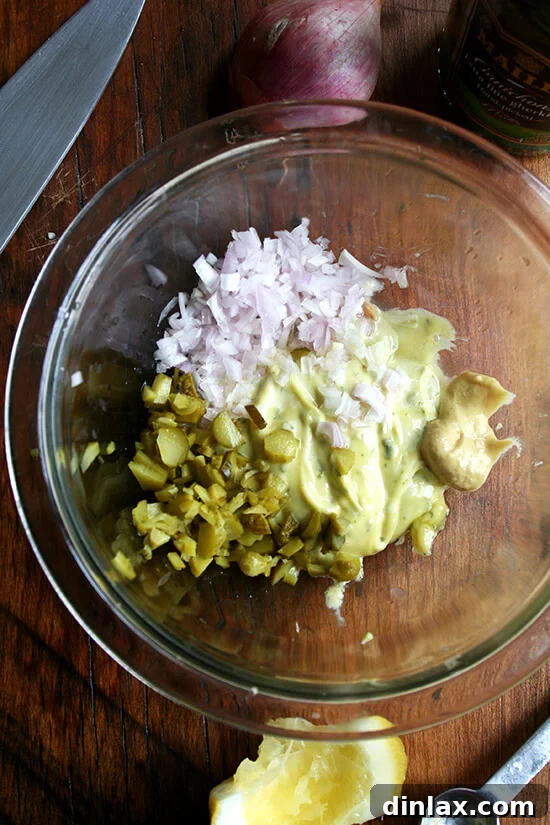
While these broiled crab cakes are certainly capable of standing alone, a homemade tartar sauce elevates the experience to another level. Forget store-bought versions; a fresh, zesty tartar sauce is simple to prepare and makes a world of difference. Combine good quality mayonnaise with finely minced cornichons (or dill pickles), a touch of Dijon mustard for tang, a squeeze of fresh lemon juice, and minced shallots. A pinch of kosher salt brings all the flavors into balance. Stir it all together, taste, and adjust to your preference. The bright, briny, and creamy notes of the tartar sauce provide a delightful counterpoint to the rich sweetness of the crab cakes. Served with extra lemon wedges for a final spritz of acidity, this meal transforms into an authentic coastal feast.
Why It’s Worth the Investment in Flavor
Yes, good crabmeat comes at a premium. It can feel like a pit-in-your-stomach, “oh-shit” kind of expensive. But let’s put it into perspective. When you consider the cost of a comparable crab cake at a high-end restaurant, preparing them at home, even with premium ingredients, often provides better value. More importantly, the satisfaction of creating such an exquisite dish from scratch, tailored perfectly to your taste, is immeasurable. The joy of savoring those sweet, delicate lumps of crab, minimally bound and expertly broiled, is a luxury worth every penny. It’s a culinary journey from Virginia Beach straight to your dining table, a testament to the fact that some simple pleasures, like a perfectly made crab cake, are truly priceless.
Print
Authentic Maryland Crab Cakes (No Egg, Mostly Crab)
5 Stars 4 Stars 3 Stars 2 Stars 1 Star
5 from 2 reviews
Author: Alexandra
Total Time: 15 minutes
Yield: 5 generous crab cakes 1x
Description
Discover the art of making the perfect, authentic Maryland crab cakes with this inspired recipe. These broiled, mostly crab cakes, feature jumbo lump or backfin crabmeat, minimal binder, and the classic Old Bay seasoning. This recipe captures the essence of the celebrated crab cakes served at Dockside Restaurant in Virginia Beach, promising a tender, flavorful, and unforgettable seafood experience right in your own kitchen.
Ingredients
- 1 lb. jumbo lump or backfin crabmeat, carefully picked over for shells
- Flaky sea salt or kosher salt to taste (start with about 1/2 teaspoon)
- 1/4 cup high-quality mayonnaise
- 1/3 cup panko bread crumbs (or finely crushed Saltines for a crispier texture)
- A generous squeeze of fresh lemon juice, plus more to taste (about 1-2 teaspoons)
- 1 teaspoon Old Bay Seasoning (the classic choice for Maryland crab cakes)
- 2 tablespoons freshly chopped herbs: tarragon, parsley, or chives (or a mix)
- Melted butter or olive oil, for brushing the formed cakes
- Fresh lemon wedges, for serving
- Homemade tartar sauce (recipe below), for serving, optional but highly recommended
For the Zesty Homemade Tartar Sauce:
- 1/4 cup mayonnaise
- 8 small cornichons (or 2-3 small dill pickles), very finely minced
- 1/2 teaspoon Dijon mustard
- 1 teaspoon freshly squeezed lemon juice, plus more to taste
- 1 small shallot, very finely minced
- A pinch of kosher salt
- Freshly ground black pepper to taste
Instructions
- Prepare the Crab Mixture: Gently place the crabmeat in a large mixing bowl, being very careful not to break up the delicate lumps. Spread the crabmeat out into a single, loose layer. Season lightly with flaky sea salt or kosher salt. Add the mayonnaise, panko bread crumbs, fresh lemon juice, Old Bay Seasoning, and chopped herbs. Using a large spoon or spatula, gently fold all the ingredients together. The goal is to combine everything without mashing the crab. Taste the mixture and adjust with more salt or lemon juice as desired.
- Preheat and Prepare for Broiling: Position your oven rack about 4 inches from the heat source and preheat the broiler. Lightly grease a large sheet pan with melted butter or olive oil.
- Form the Crab Cakes: Using a lightly greased half-cup measure as a guide, portion your crab mixture into 5 evenly sized cakes. Remember to form them delicately and loosely; the mixture should barely hold together. Place the formed crab cakes onto the prepared sheet pan. For best results, chill the cakes in the refrigerator for about 15 minutes; this helps them firm up slightly before broiling.
- Prepare the Tartar Sauce (Optional but Recommended): While the crab cakes are chilling, make the tartar sauce. In a small bowl, combine the mayonnaise, minced cornichons, Dijon mustard, fresh lemon juice, minced shallot, and a pinch of kosher salt. Stir well to combine. Taste and adjust seasonings (more lemon, salt, or a dash of black pepper) as needed.
- Broil and Serve: Remove the chilled crab cakes from the refrigerator. Lightly brush the tops of each crab cake with melted butter or olive oil for a beautiful golden crust. Carefully place the sheet pan under the preheated broiler. Broil for approximately 5 minutes, or until the tops are golden brown and the cakes are heated through. Keep a close eye on them, as broilers can vary in intensity. Serve immediately with fresh lemon wedges and the homemade tartar sauce on the side, if desired.
- Prep Time: 10 minutes
- Cook Time: 5 minutes
- Category: Dinner, Appetizer, Seafood
- Method: Broil
- Cuisine: American, Maryland