Unlocking Culinary Creativity with The Sprouted Kitchen Cookbook
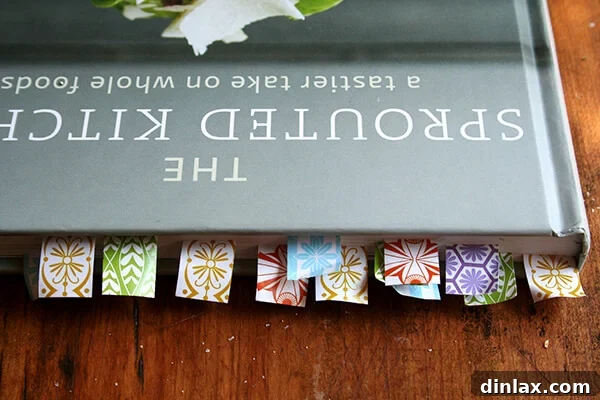
The pages of The Sprouted Kitchen cookbook lay open before me, a vibrant tapestry of culinary delights, each photograph more tempting than the last. Deciding which recipe to embark on first felt like an impossible task. My initial attempts to categorize and prioritize, using colorful page flags to mark particularly alluring dishes, quickly dissolved into a state of delightful indecision. Every roasted wild cod with Meyer lemon, every creamy roasted tomato soup, every hearty mushroom and brown rice veggie burger seemed to beckon, promising an unforgettable meal. The sheer abundance of fresh, wholesome ideas was both exhilarating and overwhelming.
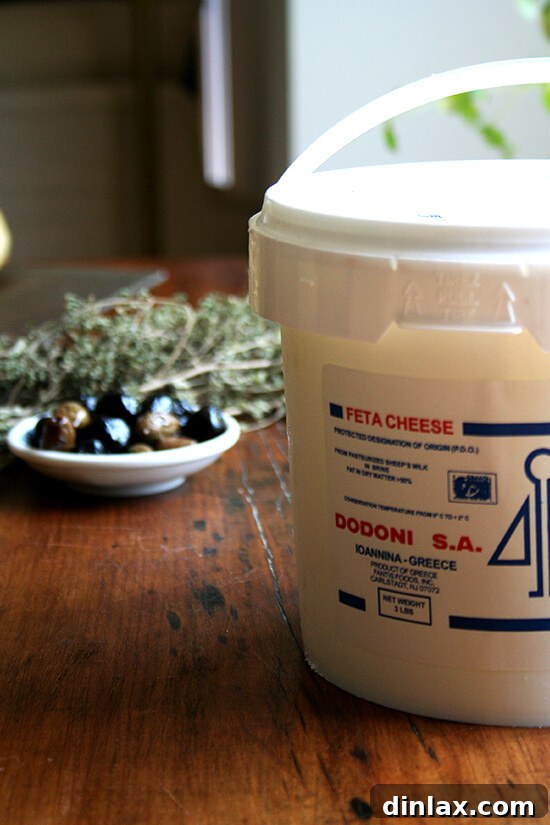
It was in this moment of blissful culinary quandary that my mother, as if summoned by the aroma of impending deliciousness, arrived at my doorstep. Her hands were full, not with a conventional grocery bag, but with a bucket of homemade feta – a staple in her kitchen, and certainly normal in ours – a fragrant branch of freshly picked oregano, and a dozen plump, ripe figs. Her timely arrival and bountiful gifts immediately brought clarity to my wavering culinary vision. The path for our evening meal, which had been obscured by too many tantalizing options, suddenly became brilliantly clear: a Mediterranean-inspired feast was undeniably on the menu.
Discovering The Sprouted Kitchen: A Philosophy of Wholesome Eating
As my mother effortlessly organized her treasures into my pantry and refrigerator, I excitedly fanned the pages of The Sprouted Kitchen before her. We poured over the stunning photography by Hugh Forte, Sara’s husband, each image a testament to the beauty of natural, seasonal ingredients. With every picture, we “oohed” and “ahhed”; with every recipe title, we “yummed” and “mmmmed.” My mother, a seasoned cook herself, quickly grasped my delightful predicament. The cookbook, penned by the talented Sara Forte, is more than just a collection of recipes; it’s an invitation to embrace a lifestyle of wholesome, flavorful eating. Sara’s writing style is approachable and encouraging, making even the most intricate-looking dishes feel achievable for the home cook.
What sets The Sprouted Kitchen apart is its unwavering commitment to fresh, whole ingredients and its philosophy of using recipes as a creative starting point rather than rigid instructions. Sara’s encouragement to “use the recipes as a starting point and to omit or add ingredients according to preferences” resonated deeply with my own approach to cooking. This flexibility, combined with the emphasis on seasonal produce, empowers cooks to personalize dishes, adapting them to what’s available and what tastes best. This ethos is perfectly embodied in the book’s diverse offerings, which range from vibrant salads and hearty grain bowls to comforting main courses and delectable desserts, all crafted with a focus on nutrition and flavor.
Our Culinary Journey Begins: A Mediterranean-Inspired Feast
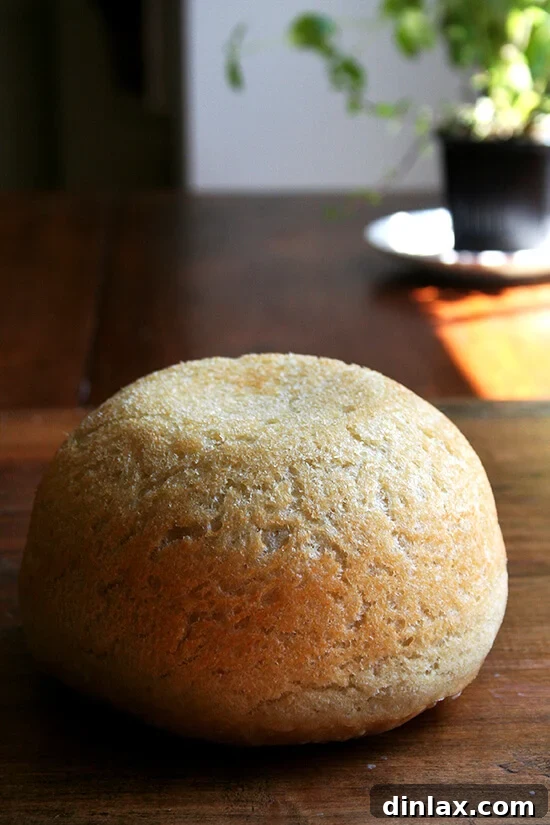
Thanks to my mother’s generous bounty, the decision was no longer a struggle. Our dinner would feature a delightful combination of Mediterranean baked feta with olives and roasted fig tartines with ricotta. For the tartines, we made a simple yet impactful substitution: my mother’s sweet, sun-ripened figs would stand in for the plums, and her famously crusty peasant bread would replace the wheat baguette. As a rule, I never pass on my mother’s peasant bread – its hearty texture and incomparable flavor elevate any dish it accompanies. Sara’s explicit permission to adapt recipes made these changes feel not only acceptable but encouraged, perfectly aligning with the cookbook’s spirit. Figs, with their unique sweetness and earthy notes, indeed proved to be a magnificent substitute for plums, a choice further validated by Sara’s own recommendations for pears or persimmons in the fall.
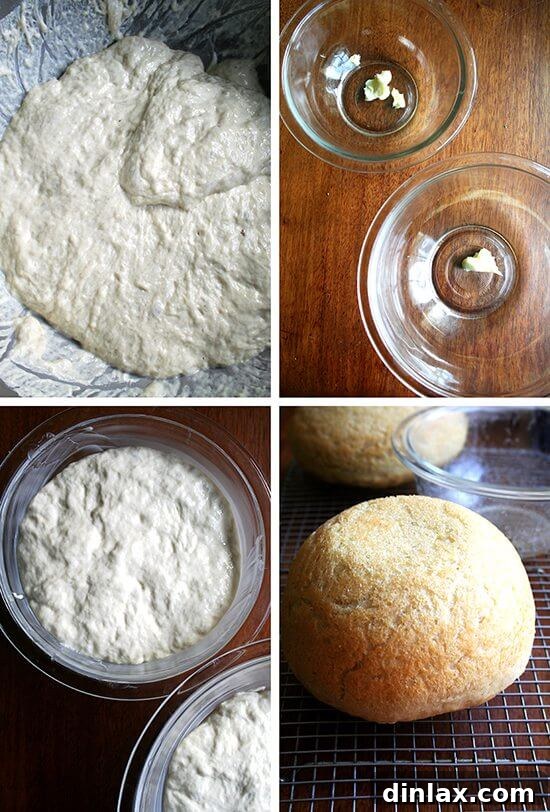
With our menu decided, we dove into the joyful dance of preparation. The kitchen hummed with activity: mixing dough for the peasant bread (my mother’s specialty), slicing vibrant red onions, halving succulent tomatoes, and whipping up a batch of homemade ricotta – a process surprisingly simple and incredibly rewarding. The aroma of minced garlic mingling with freshly chopped parsley filled the air, promising the layers of flavor that would soon grace our table. In what felt like no time at all, we had assembled the makings of a truly beautiful spread, each component as colorful and appealing as the pages from The Sprouted Kitchen itself. The visual promise of Hugh’s photographs was now a tangible, aromatic reality in our kitchen, a testament to Sara’s thoughtfully crafted recipes.
While not exclusively a small-plate cookbook, The Sprouted Kitchen is brimming with fantastic ideas perfect for entertaining or enjoying as lighter meals. As I revisited the pages, a recurring thought echoed in my mind: “This would be so much fun for a party!” And it’s no wonder, as Sara’s stated goal for the book is to “share recipes that are simple enough to make after work but interesting enough to serve at a dinner party.” She has undoubtedly achieved this. The Mediterranean baked feta, served warm with generous hunks of crusty bread, quickly became a weeknight favorite, gracing our dinner table twice in just one week – its savory, tangy notes proving utterly irresistible. The roasted fig tartines, with their elegant simplicity and burst of fresh flavor, were an instant hit and disappeared in record time, truly lighting up the entire meal. I’ve rarely been so eager to invite friends over, eager to share these new, delicious tricks from my culinary repertoire.
Beyond the Main Course: Homemade Delights and Everday Pleasures
Our culinary adventure with The Sprouted Kitchen didn’t stop at dinner. Inspired by the book’s emphasis on homemade goodness, I decided to tackle another recipe that promised a wholesome addition to our breakfasts and snacks: the Honey Almond Butter. This recipe, a testament to the cookbook’s versatility, offers a delightful alternative to store-bought spreads. Making almond butter from scratch is surprisingly straightforward and yields a product far superior in freshness and flavor. The process transforms simple raw almonds into a creamy, rich spread, customizable with a touch of honey or maple syrup and a hint of salt. It’s a revelation to experience the change in texture, from coarse crumbs to a smooth, luxurious butter, all within minutes in a food processor.
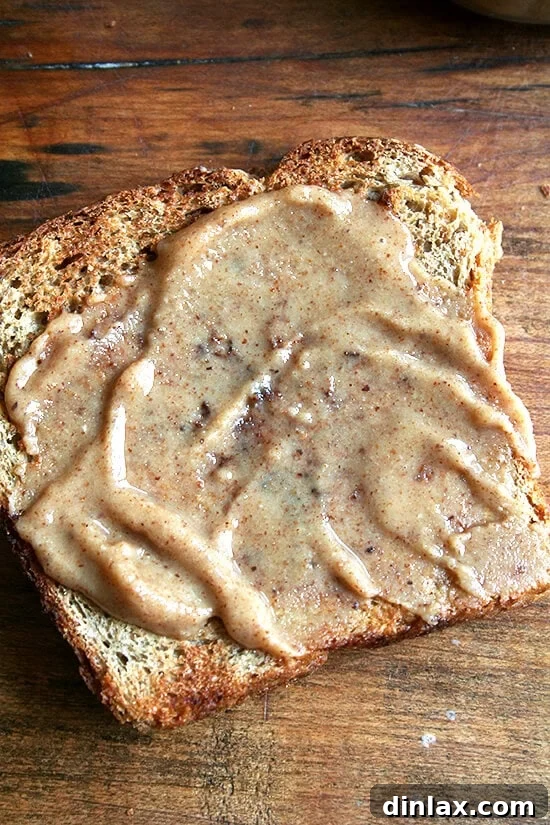
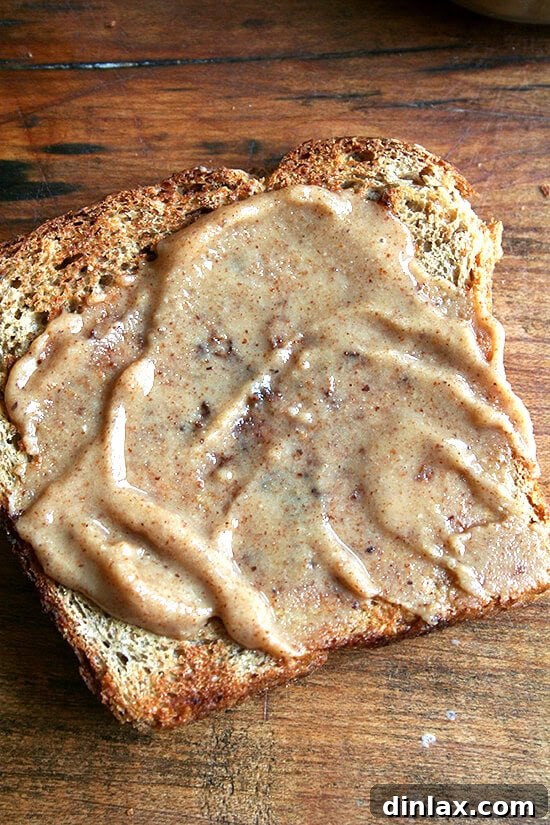
The resulting honey almond butter was exceptionally good. Its naturally sweet, nutty flavor and velvety texture made it an instant household favorite. While the original recipe called for honey, I opted for maple syrup, inspired by a particular store-bought nut butter I adore. The homemade version, however, far surpassed any commercial offering. Spread generously on a slice of my mother’s no-knead oatmeal toasting bread, it became the perfect wholesome breakfast, a delightful snack, or a quick energy boost. It disappeared so quickly from our fridge that any concerns about its shelf life were moot! This simple recipe further reinforced the cookbook’s value, proving that healthy, delicious homemade staples are easily within reach.
Conclusion: An Essential Cookbook for Every Kitchen
Beautifully photographed, thoughtfully written, and genuinely inspiring, The Sprouted Kitchen cookbook is a treasure trove for anyone seeking to infuse their cooking with fresh, wholesome ingredients and simple elegance. Sara Forte’s passion for whole foods and her encouraging approach to recipe adaptation make this book an invaluable resource for both novice and experienced cooks. Whether you’re planning an elaborate dinner party or simply seeking to elevate your everyday meals, this cookbook provides a wealth of ideas that are both accessible and deeply satisfying. It encourages a mindful approach to eating, celebrating the natural flavors and nutritional benefits of seasonal produce. We’ve embraced its philosophy wholeheartedly, transforming simple ingredients into memorable culinary experiences.
The Sprouted Kitchen cookbook is now available for purchase, and I wholeheartedly recommend adding this gem to your culinary collection. It’s more than just a cookbook; it’s a guide to discovering the joy of cooking with purpose and flavor.
Visualizing the Feast: Preparing Our Dishes
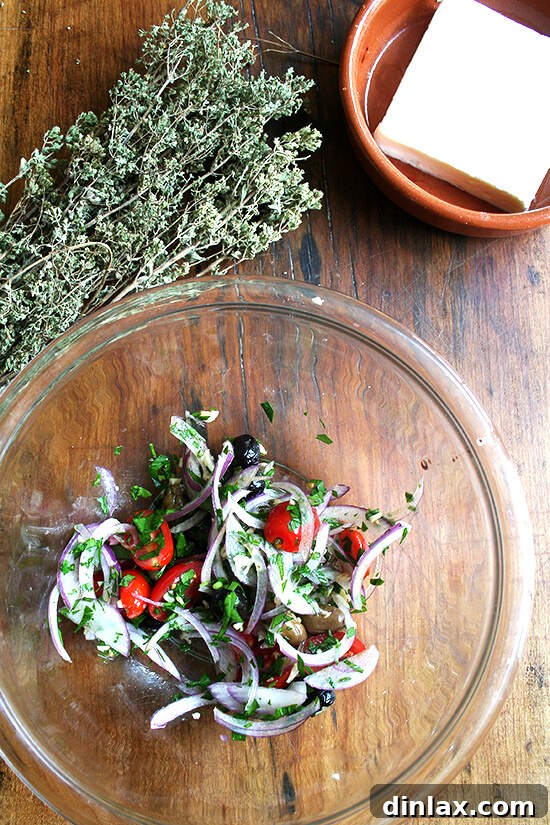
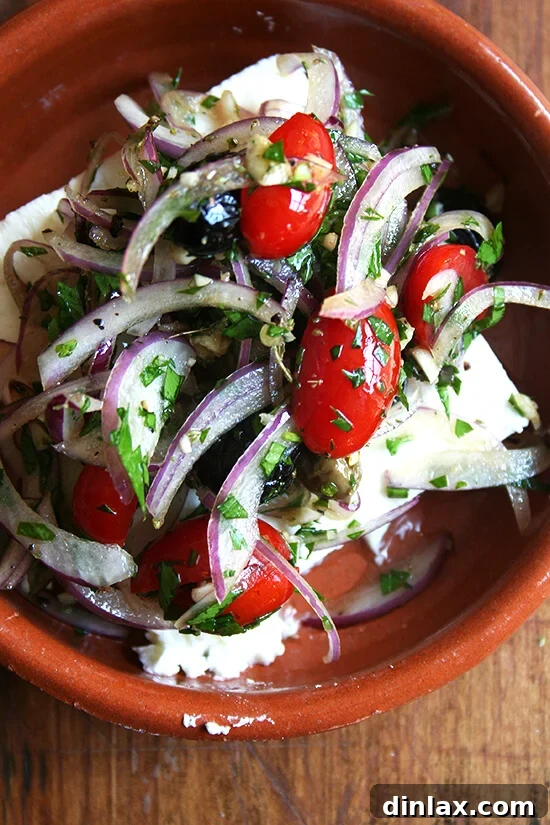
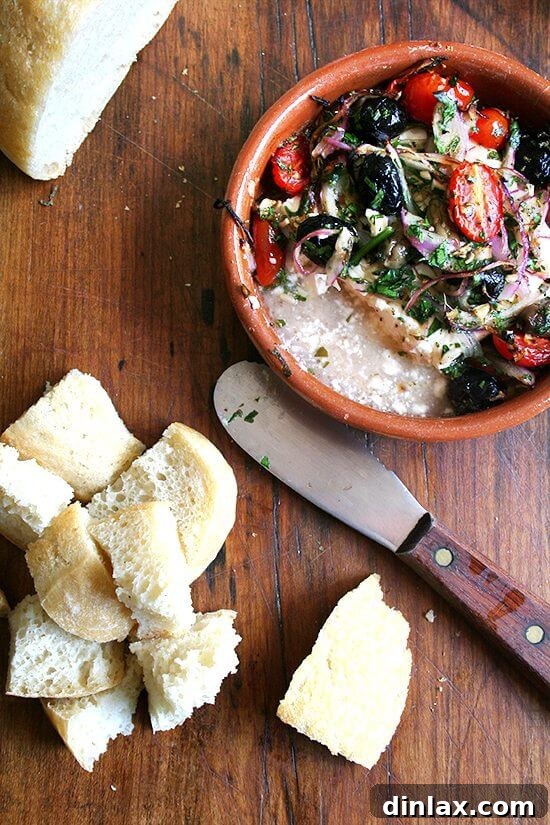
Preparing the baked feta:
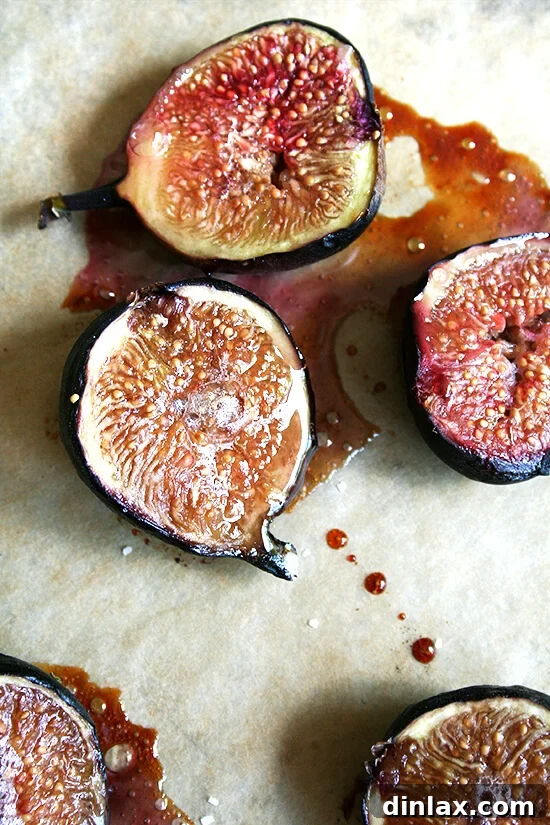
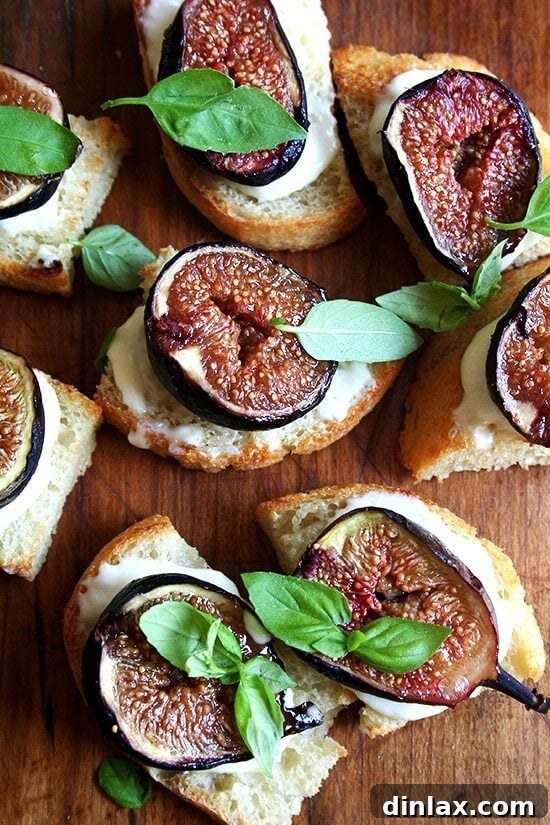
Preparing the roasted fig tartines:
Mom’s special ingredients:
Recipes: Our Sprouted Kitchen Inspired Creations
Print
Roasted Plum (or Fig) Tartines
5 Stars
4 Stars
3 Stars
2 Stars
1 Star
No reviews
- Author: Alexandra Stafford at alexandracooks.com
Total Time: 40 minutes
Description
These elegant tartines showcase the natural sweetness of roasted fruit paired with creamy ricotta, creating a perfect appetizer or light meal. Originally featuring plums, this recipe is incredibly versatile and shines when adapted with seasonal figs, pears, or persimmons. It’s a delightful example of how simple ingredients can yield sophisticated flavors.
Source: The Sprouted Kitchen
Note: This recipe is presented as written in the book, allowing you to easily make your own adjustments. I used figs instead of plums, roasting them with honey and a pinch of salt for about 20 minutes. For an extra touch, I made homemade ricotta, which is both easy and incredibly delicious, and opted to omit the Parmesan and chives for a simpler profile. Fresh basil was used in place of microgreens for garnish.
Ingredients
- 6 ripe plums (or figs, pears, persimmons)
- sea salt and freshly ground pepper
- 2 tablespoons honey, warmed
- 1 1/3 cups ricotta cheese (homemade or good quality store-bought)
- 1/4 cup freshly grated Parmesan cheese (optional)
- 3 tablespoons chopped chives (optional)
- 1 whole grain baguette (or rustic peasant bread)
- 1 cup microgreens for garnish (or fresh basil)
Instructions
- Preheat the oven to 350ºF (175ºC) and line a baking sheet with parchment paper.
- Cut the plums into quarters (if using figs, cut them in half) and remove the pits. Gently toss the fruit pieces with a pinch of salt and the warm honey. Spread them evenly on the prepared baking sheet, cut side up. Bake until the edges are crisped and caramelized, 20 to 25 minutes. Remove from the oven and let cool slightly.
- While the fruit is baking, in a medium bowl, stir together the ricotta, Parmesan (if using), chives (if using), 1/4 teaspoon salt, and a few grinds of pepper until well combined.
- Turn the oven up to 500ºF (260ºC). Slice the baguette in half lengthwise. Place the halves, cut side up, on a clean baking sheet and bake the bread just until lightly toasted, 4 to 5 minutes. Carefully spread the ricotta mixture evenly on both halves and return to the oven just until warmed through, another 1 to 2 minutes. Evenly distribute the roasted fruit on top of the cheese. Finish with a few more grinds of fresh pepper and garnish with the greens or basil. Cut each baguette half into diagonal slices. Serve warm or at room temperature for optimal flavor.
- Prep Time: 10 minutes
- Cook Time: 30 minutes
Print
Mediterranean Baked Feta
5 Stars
4 Stars
3 Stars
2 Stars
1 Star
No reviews
- Author: Alexandra Stafford at alexandracooks.com
Total Time: 20 minutes
Description
This Mediterranean Baked Feta recipe is a testament to the power of simple, high-quality ingredients. Creamy, tangy feta cheese is baked until warm and slightly softened, then topped with a vibrant medley of fresh tomatoes, briny olives, and fragrant herbs. It’s an incredibly easy appetizer that delivers impressive flavor, perfect for entertaining or a cozy night in. Once you make it, you’ll find yourself craving its delicious simplicity again and again.
Source: The Sprouted Kitchen
Note: This recipe is so straightforward, you’ll likely commit it to memory after the first try. The quantity of the olive salad topping can be adjusted based on the size of your feta block. I chose to bake my feta block rather than grill it and served it with warm, crusty bread – absolute heaven.
Ingredients
- 1 (8- to 10-ounce) block of feta cheese
- 1 cup assorted baby tomatoes, halved
- 1/3 cup Kalmata olives, pitted (optional, though I left them in!) and coarsely chopped
- 1/4 cup thinly sliced red onion
- 1 clove garlic, minced
- 2 tablespoons finely-chopped fresh flat-leaf parsley
- 1 teaspoon dried oregano
- 1 teaspoon olive oil
- Freshly ground black pepper, to taste
- Crackers, pita chips, or crostini, for dipping
Instructions
- Heat your grill to medium-high heat, or preheat your oven to 400ºF (200ºC). Place the block of feta in the middle of a piece of foil for grilling, or in a small ovenproof baking dish roughly twice the size of your cheese block for baking.
- In a separate bowl, combine the halved tomatoes, chopped olives, sliced red onion, minced garlic, fresh parsley, dried oregano, and olive oil. Season with a few generous grinds of fresh black pepper.
- Pile the vibrant tomato and olive mixture evenly on top of the feta block. If grilling, fold up the edges of the foil to create a packet that will hold in any liquids as it cooks; place directly on the hot grill and heat for 15 minutes to warm through. If baking, simply place the baking dish in the preheated oven and bake for 15 minutes. The feta will soften and warm but will not melt completely.
- Carefully remove from the grill or oven and serve the warm, savory dip immediately with your choice of crackers, pita chips, or crostini.
- Prep Time: 5 minutes
- Cook Time: 15 minutes
Print
Honey Almond Butter
5 Stars
4 Stars
3 Stars
2 Stars
1 Star
No reviews
- Author: Alexandra Stafford at alexandracooks.com
Total Time: 15 minutes
Description
Forget store-bought! This homemade Honey Almond Butter is a revelation of flavor and freshness. With just a few simple ingredients and a food processor, you can create a creamy, rich nut butter that’s perfect for spreading on toast, adding to smoothies, or enjoying by the spoonful. It’s wonderfully customizable with your choice of sweetener and a hint of cinnamon for added warmth.
Source: The Sprouted Kitchen
Note: This almond butter is absolutely divine. If I wasn’t concerned about overworking my food processor, I’d make batches of this for everyone I know! While I used maple syrup instead of honey (a nod to my favorite store-bought Justin’s Nut Butter), knowing how easy it is to make now means there’s no turning back. I also found that adding a bit more oil than specified helps achieve an even smoother consistency.
Ingredients
- 2 cups raw almonds
- 1 teaspoon oil, such as almond, unrefined peanut or extra-virgin coconut (I used coconut and slightly more than a teaspoon for a smoother finish)
- sea salt, to taste
- 1 1/2 teaspoons cinnamon (optional, I omitted for a pure almond flavor)
- 2 tablespoons honey or maple syrup
Instructions
- Place the raw almonds in the bowl of a high-speed food processor or Vitamix. Process for about 1 minute until they break down into a coarse meal. Add the oil, 1/4 teaspoon of sea salt, and the cinnamon (if using). Continue to process for another 8 to 10 minutes, periodically stopping to scrape down the sides of the bowl as needed. You will observe a fascinating transformation in consistency: from fine crumbs, to large sticky clumps, and eventually forming a single large ball. Finally, as the natural oils are released from the almonds, the mixture will smooth itself out into a creamy butter. If you desire an even smoother texture, add a bit more oil, a teaspoon at a time.
- Once the almond butter has reached your preferred smoothness, add the honey or maple syrup and process briefly to incorporate. Taste and adjust with more salt if desired. Transfer the fresh almond butter to a clean glass jar with a tight-fitting lid. It will keep well covered in the refrigerator for up to 6 weeks. (In my experience, stored at room temperature, it vanished within three days!)
- Prep Time: 15 minutes
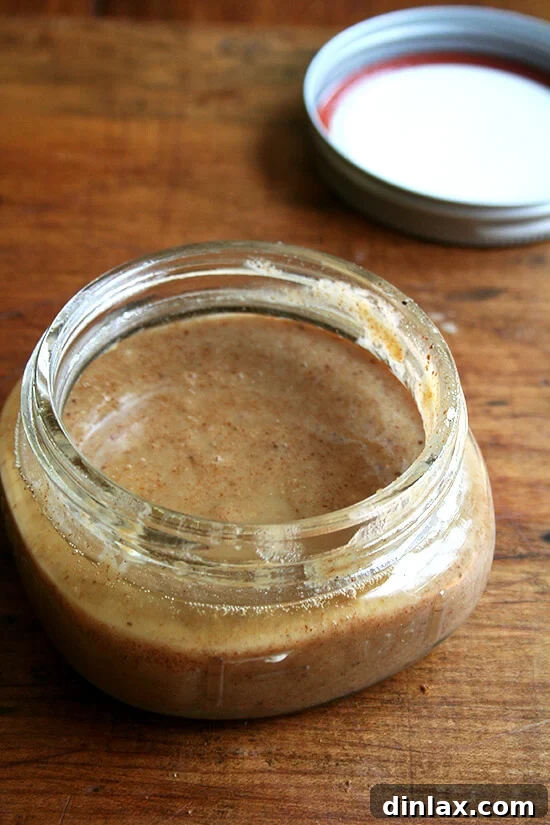
Maple almond butter spread on no-knead oatmeal toasting bread: