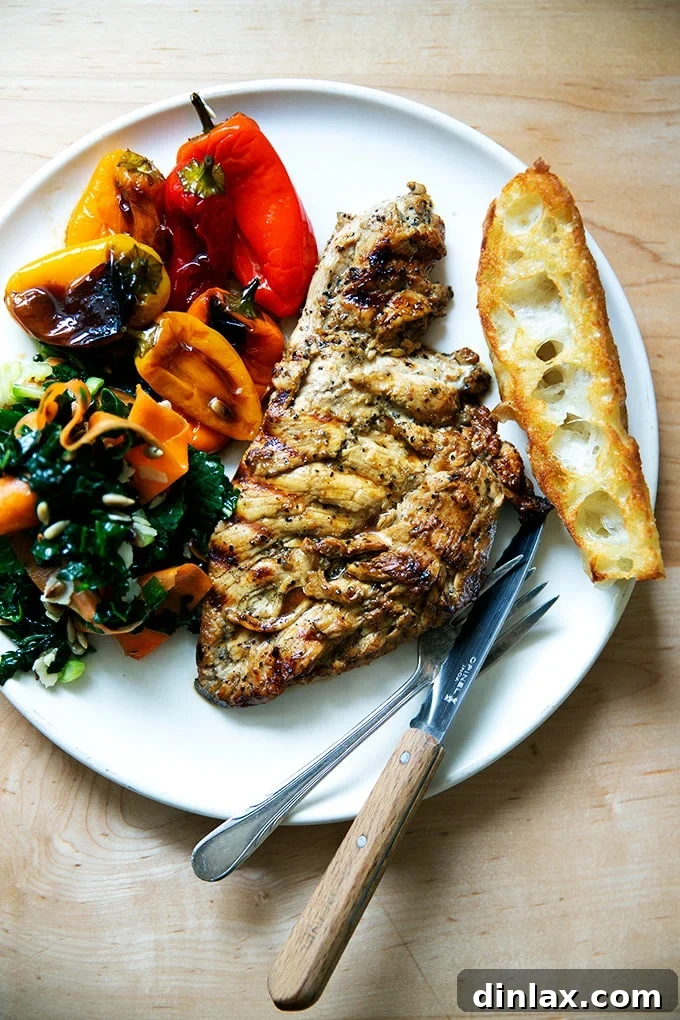
In today’s health-conscious world, it’s not uncommon for discussions about nutrition to arise even at the dinner table. Recently, my sixth-grade daughter, fresh from her health class lessons, posed a very direct question: was the meat I cooked for our family “lean”? Her curiosity extended to other dietary choices, inquiring about the presence of brown rice and whole wheat flour in our meals. My honest answer was, “Sometimes.” But her primary focus remained on the concept of “lean” meat.
I candidly admitted that my culinary preferences often lean towards more flavorful, less “lean” options. I explained my fondness for dark meat chicken over its lighter counterpart and my preference for 80/20 ground beef, which boasts a richer flavor profile thanks to its fat content. I confessed to never having cooked ground turkey and openly acknowledged that bacon, a family favorite, was unequivocally not lean. I even highlighted that the incredible flavor she loved in our ribs was largely attributable to their generous fat marbling.
However, I also took the opportunity to defend my choices and broaden her understanding of healthy eating. I emphasized that our family doesn’t consume large quantities of meat, and critically, that not all fat is detrimental to health. We delved into a discussion about the nuances of “healthy” food, moving beyond the sole factor of “leanness” to explore the broader implications of factory farming versus sustainable agricultural practices. Despite my best efforts to provide a comprehensive dietary education, the conversation ultimately concluded with a simple, unwavering request from my daughter: “Can you make me a chicken breast?”
My heart sank a little. “Of course, Sweetie Pie,” I replied, masking my internal sigh. As many home cooks can attest, chicken breasts often evoke a sense of culinary dread. They have a notorious reputation for drying out, becoming bland, and disappointing even the most enthusiastic eaters. On my site, I had only ever published one chicken breast recipe, a flavorful tarragon-broiled version that I adored, but my children, predictably, did not. The thought of embarking on another chicken breast endeavor filled me with trepidation. Would I invest time and effort only to watch them meticulously push the chicken around their plates, perhaps anticipating how long it would be before they inevitably asked for ketchup to salvage the meal?
I wasn’t entirely sure, but fueled by a mother’s determination to satisfy her child’s request and conquer a common kitchen challenge, I set out to create a truly delicious grilled chicken breast. And to my delight, and as the title of this post suggests, the experiment was a resounding success! It didn’t take countless attempts to perfect the method. When I presented the perfectly grilled breasts alongside tender, well-buttered broccoli, I waited with bated breath. The moment I heard those coveted “mmmmms” and received enthusiastic requests for second helpings, I knew I had achieved a culinary victory. A very happy jig was indeed danced in the kitchen that night. This journey led me to discover three essential techniques that elevate a simple chicken breast from mundane to magnificent, ensuring it’s always juicy, tender, and incredibly flavorful.
Unlocking the Secret to Perfectly Juicy Grilled Chicken Breasts: Three Essential Tips
The quest for a truly juicy and flavorful grilled chicken breast can often feel like a culinary holy grail. Many home cooks have experienced the disappointment of serving dry, uninspired chicken, leading to a general apprehension about preparing this lean protein. However, with a few simple yet powerful techniques, you can transform chicken breasts into a tender, succulent, and utterly delicious meal every time. My journey to mastering grilled chicken breasts revealed three critical steps:
- Pound to Perfection: Achieve uniform thickness and enhanced tenderness.
- Brine for Moisture and Flavor: Infuse the chicken with seasoning and lock in juiciness.
- Marinate for Depth: Add a complex layer of taste and promote beautiful browning.
Let’s explore each of these techniques in detail, understanding the science and simplicity behind them, and how they contribute to an unforgettable grilled chicken experience.
Pound: The First Step to Tender Chicken
Pounding chicken breasts is often overlooked, yet it’s a foundational step for achieving consistently tender and evenly cooked results. The primary goal of pounding is twofold: to create a uniform thickness across the entire breast and to tenderize the meat. Chicken breasts are naturally thicker at one end and thinner at the other. If cooked in their natural state, the thinner parts will inevitably overcook and dry out by the time the thicker sections are fully cooked. Pounding them to an even 1/2-inch thickness ensures that every part of the breast cooks at the same rate, preventing dryness and promoting a perfectly tender texture.
Beyond achieving uniformity, pounding also physically tenderizes the meat. The impact of the mallet breaks down the muscle fibers, making the chicken less chewy and more pleasant to eat. This process is particularly beneficial for chicken breasts, which can sometimes be quite firm. To pound chicken breasts effectively, place them between sheets of plastic wrap, parchment paper, or wax paper. This prevents tearing and keeps your work surface clean. Use the flat side of a meat mallet or a heavy rolling pin, applying even pressure until the breasts are uniformly thin. This initial step might seem minor, but it makes a significant difference in the final tenderness and juiciness of your grilled chicken.
Brine: Infuse Moisture and Flavor
Brining, for many home cooks, might sound like an advanced culinary technique reserved for seasoned chefs. I understand the apprehension; not long ago, I too considered it an extra step I could easily skip. However, inspired by the scientific insights from Cook’s Science, I decided to incorporate a brief brining period for my chicken breasts before grilling, and the results were transformative. Brining is a remarkably simple process that significantly enhances both the seasoning and moisture content of the meat.
At its core, brining involves submerging meat in a solution of salt and water, often with added sugar and other flavorings. The salt in the brine works through osmosis and diffusion. First, it helps to dissolve some of the muscle proteins, which allows the muscle fibers to absorb more water. This increased water content translates directly to juicier chicken. Second, the salt itself permeates the meat, seasoning it from the inside out, far more effectively than a surface seasoning alone. The sugar contributes to a more balanced flavor profile and aids in achieving a beautiful caramelized crust during grilling. For chicken breasts, a simple brine made with 1/4 cup each of salt and sugar dissolved in 1.5 quarts of cold water is incredibly effective. A brief soak of 30 to 60 minutes is often sufficient, though I’ve found that brining for up to 4 hours yields even better results without any adverse effects on texture or salinity. This effortless step truly makes a noticeable difference, guaranteeing a moist and well-seasoned chicken breast every time.
Marinate: Enhance Flavor and Promote Browning
Once your chicken breasts are uniformly pounded and thoughtfully brined, the final step to culinary perfection is marinating. Marinating not only infuses the chicken with an additional layer of robust flavor but also contributes to better browning and a more appealing texture. The marinade I developed for these grilled chicken breasts is a straightforward yet incredibly effective blend, adapted from a reliable steak marinade that has long been a family favorite.
This simple marinade combines the rich, fruity notes of olive oil, the savory depth of Worcestershire sauce, and the bright, zesty kick of lemon pepper. To elevate the flavor profile and encourage a beautiful golden-brown crust on the grill, I added a touch of honey. The olive oil helps tenderize the meat and carries the fat-soluble flavors into the chicken. Worcestershire sauce provides umami and a subtle tang, while lemon pepper adds a fragrant, citrusy, and peppery complexity. Honey, a natural sugar, not only contributes sweetness but also caramelizes wonderfully when exposed to direct heat, resulting in those desirable grill marks and a delicious outer crust.
The beauty of this marinade lies in its flexibility. You can marinate the chicken for as little as 15 minutes if you’re short on time, or allow it to soak up the flavors for up to 24 hours in the refrigerator for a deeper infusion. Regardless of the duration, this marinade ensures your grilled chicken breasts are bursting with flavor and achieve a wonderfully appetizing appearance.
An Interesting Note on Chicken Tenderness: The Role of Aging
Beyond the techniques of pounding, brining, and marinating, the inherent quality of the chicken itself plays a significant role in achieving optimal tenderness. A fascinating insight from Cook’s Science highlights Bell & Evans Air-Chilled Boneless Skinless Chicken Breasts as a top choice for their exceptionally tender texture. The secret behind this superior tenderness lies in a specific processing step: aging.
While most commercial chicken processors rush to debone and package chicken parts immediately after slaughter to maximize efficiency and reduce costs, Bell & Evans allows their chicken to “age.” Specifically, after the chicken is broken down, the breasts are left on the bone for a crucial 12-hour period before the bones and skin are removed. This deliberate delay is not just a logistical choice; it’s a scientific one that directly impacts the meat’s texture. Two key reasons explain why this aging process leads to more tender chicken:
- Enzymatic Breakdown: During the aging period, natural protease enzymes present in the chicken meat get to work. These enzymes naturally break down the contracted muscle fibers. This enzymatic action effectively tenderizes the meat from within, making it softer and less chewy.
- Preventing Muscle Contraction: Boning meat too soon after slaughter can cause a phenomenon known as “cold shortening.” When muscles are removed from the bone before rigor mortis has fully set in and resolved, they tend to contract and stiffen, resulting in tougher meat. By aging the breasts on the bone, the muscle is allowed to relax and complete the rigor mortis process naturally, preventing this contraction and ensuring a more relaxed, tender final product.
This scientific approach demonstrates that investing a little extra time in the processing stage can yield substantial benefits in meat quality. While many companies forgo this aging step due to the added cost and time involved, brands like Bell & Evans prioritize texture, offering a product that inherently starts with a tender advantage. If you’re looking to elevate your grilled chicken even further, seeking out air-chilled and aged chicken breasts, often found at specialty stores or co-ops like the Niskayuna Co-op, can make a noticeable difference in your cooking endeavors.
Simple Grilled Chicken Breast: A Step-by-Step Guide for Perfection
Transforming ordinary chicken breasts into a succulent, flavorful meal is easier than you think. Follow these detailed steps to achieve perfectly juicy grilled chicken every time, from prep to plate. Each step is designed to maximize tenderness and flavor, ensuring a delightful culinary experience.
Preparation Steps
Step 1: Pound the Chicken Breasts for Uniformity
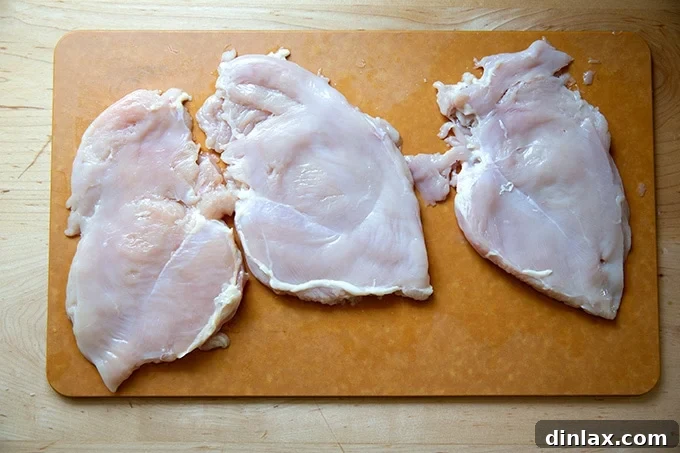
Begin by placing your boneless, skinless chicken breasts on a clean work surface, such as a large cutting board. This initial step is crucial for even cooking and tenderness.
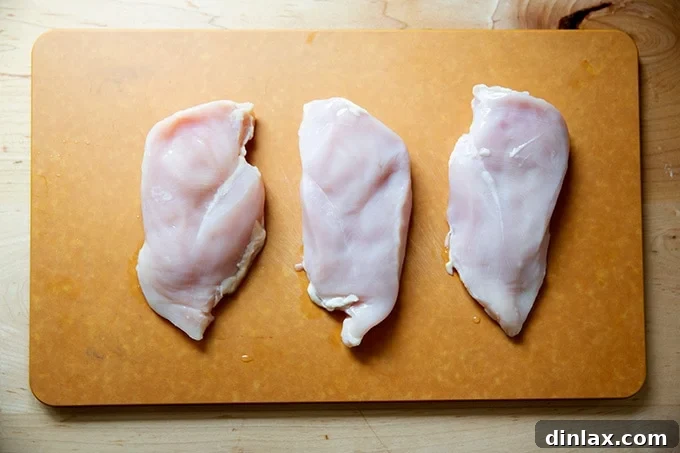
To prevent tearing and maintain hygiene, cover the chicken breasts with a sheet of wax paper, parchment paper, or plastic wrap. Using a meat mallet, or a heavy rolling pin if a mallet isn’t available, gently but firmly flatten each breast. Focus on making the thicker parts as thin as the leaner edges, aiming for a consistent thickness of approximately 1/2-inch across all breasts. This uniformity is key to preventing dry spots.
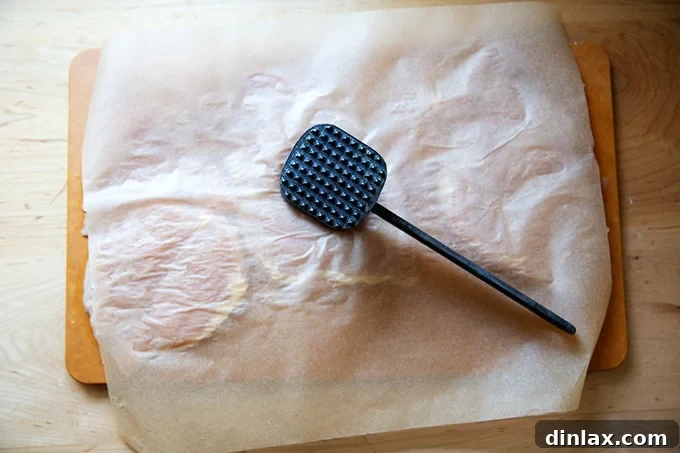
Once pounded, the chicken breasts should appear flatter and more even in thickness, ready to absorb flavors and cook perfectly. This step also subtly tenderizes the meat.
Step 2: Prepare the Brine (Optional but Highly Recommended)
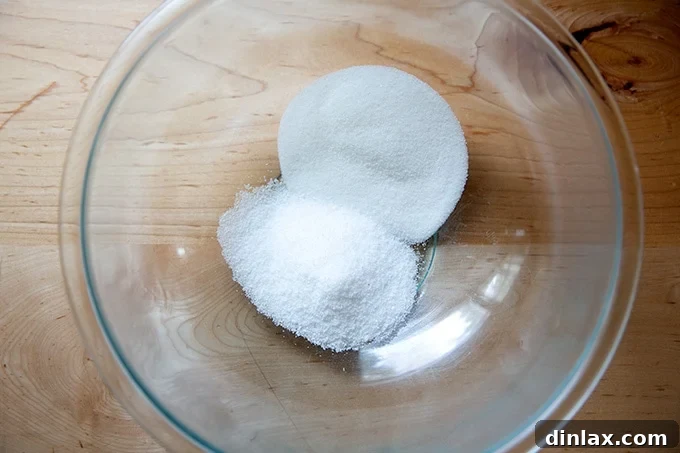
While not strictly mandatory for juicy results (especially if you pound and marinate well), brining significantly enhances moisture and internal seasoning. In a large bowl, combine 1/4 cup of salt and 1/4 cup of sugar. Pour in 1.5 quarts of cold water and stir vigorously until both the salt and sugar are completely dissolved.
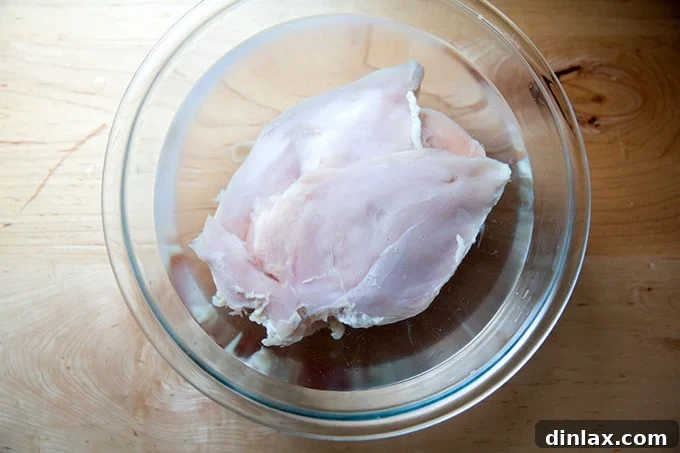
Submerge the pounded chicken breasts into the prepared brine solution. Allow them to soak for 30 to 60 minutes at room temperature for brief brining. If you plan to brine for a longer period, such as 3 to 4 hours, it’s advisable to refrigerate the bowl to ensure food safety. I have experimented with longer brining times with excellent results, finding no adverse effects on the chicken’s texture or taste.
Step 3: Pat the Chicken Dry
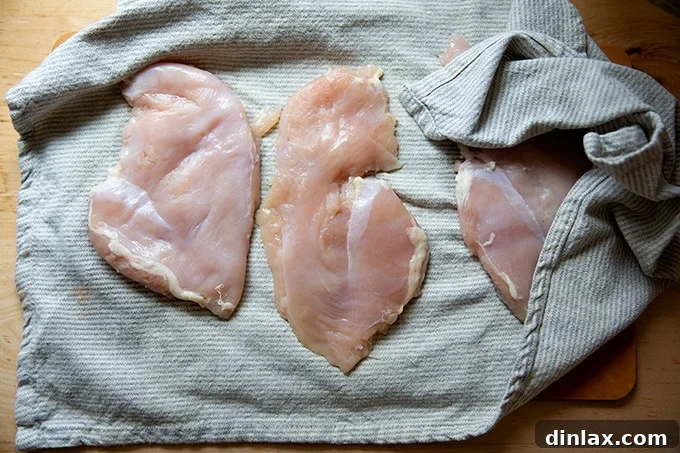
Once the brining period is complete, remove the chicken breasts from the solution. It is crucial to thoroughly pat them dry using paper towels or a clean tea towel. Excess moisture can hinder proper browning on the grill, so ensure the surface is as dry as possible.
Step 4: Prepare the Marinade
In a separate large bowl, whisk together the ingredients for the simple yet potent marinade: olive oil, Worcestershire sauce, honey, and lemon pepper. The olive oil helps keep the chicken moist, Worcestershire adds a savory depth, honey promotes beautiful caramelization, and lemon pepper provides a bright, zesty flavor profile. Use a salt-free lemon pepper if possible, especially if you brined the chicken.

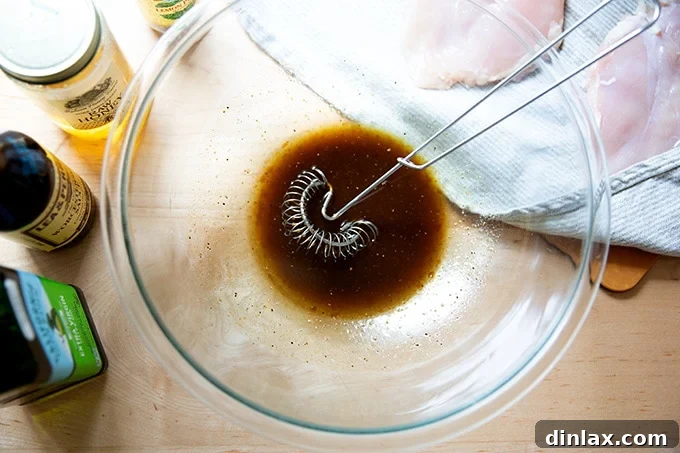
Step 5: Marinate the Chicken Breasts
Add the patted-dry chicken breasts to the bowl with the whisked marinade, ensuring each piece is thoroughly coated. Allow the chicken to marinate for a minimum of 15 minutes, or for enhanced flavor, refrigerate for up to 24 hours. The longer the marinating time, the more infused the flavors will be.
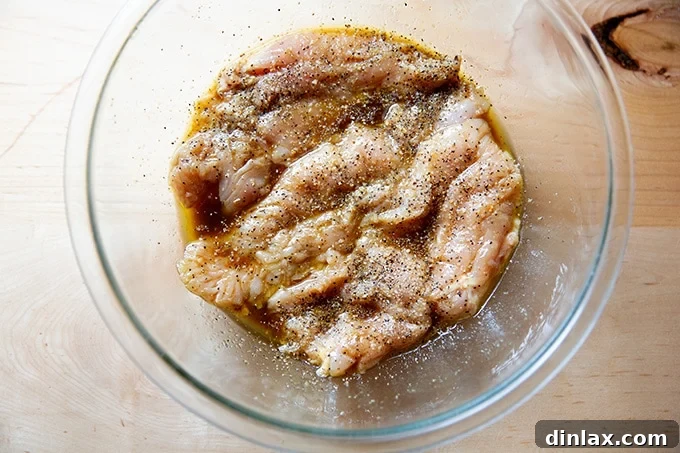
Grilling and Serving
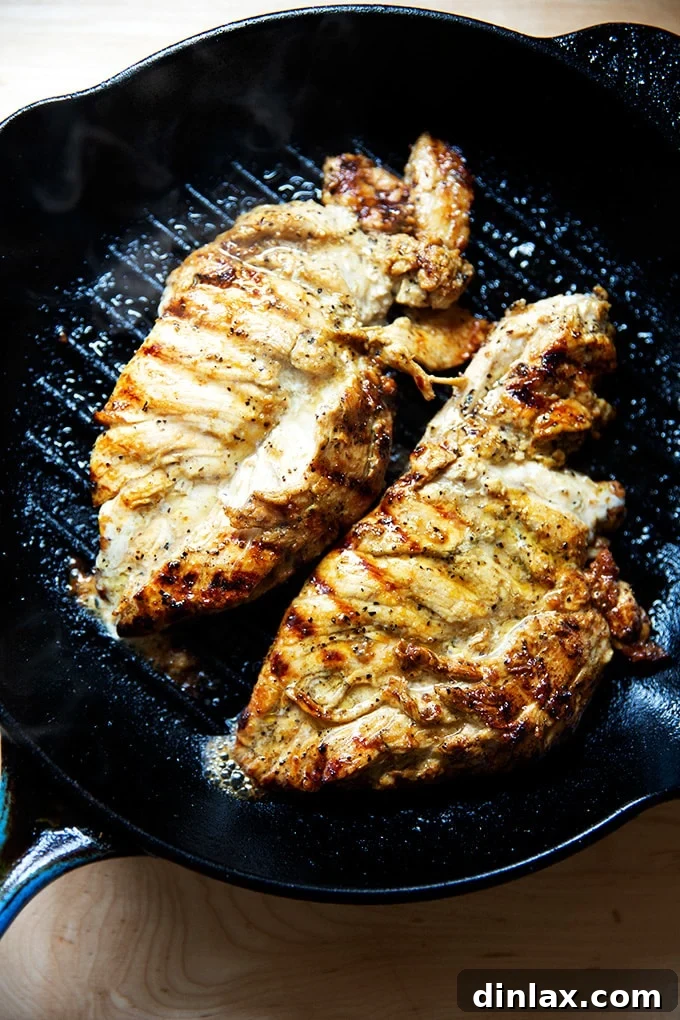
Step 6: Grill the Chicken to Perfection
Preheat your grill pan over medium-high heat on the stovetop, or light your outdoor grill. Once hot, lightly brush the grates with 2 teaspoons of a neutral oil (like canola or grapeseed) or olive oil to prevent sticking. Remove the chicken breasts from the marinade, allowing any excess to drip off, but do not wipe them clean. Place the breasts directly onto the hot grill or grill pan. If using a grill pan, you may need to cook in batches to avoid overcrowding.
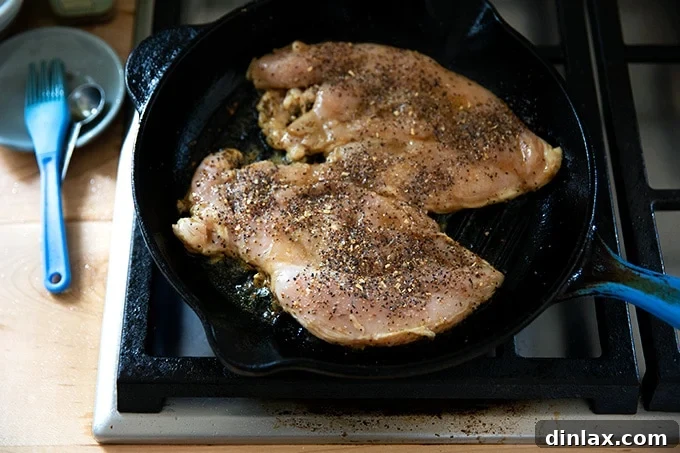
Immediately after placing them on the grill, sprinkle the top side of the breasts with a pinch of kosher salt. For an extra burst of flavor, I also like to add a little more lemon pepper at this stage. Grill for approximately 3 minutes per side. The exact cooking time may vary slightly depending on the thickness of your chicken and the heat of your grill, but aim for beautiful grill marks and an internal temperature of 165°F (74°C) using a meat thermometer.
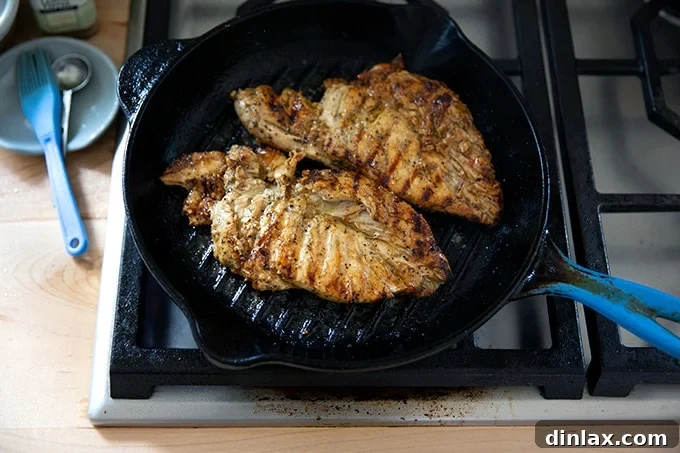
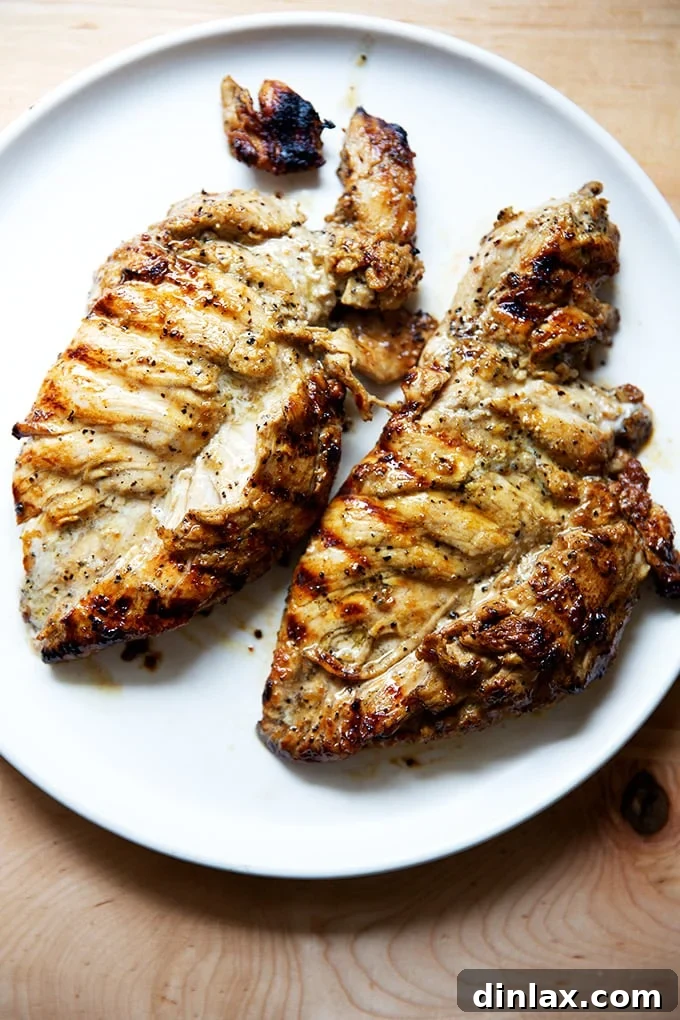
Step 7: Rest Before Serving
Once the chicken is cooked through, transfer it from the grill to a clean plate. It’s essential to let the chicken rest for at least 5 minutes before slicing or serving. This resting period allows the juices to redistribute throughout the meat, ensuring it remains incredibly moist and tender. Skipping this step can result in juices running out onto the plate, leaving you with drier chicken.
Step 8: Serve and Enjoy!
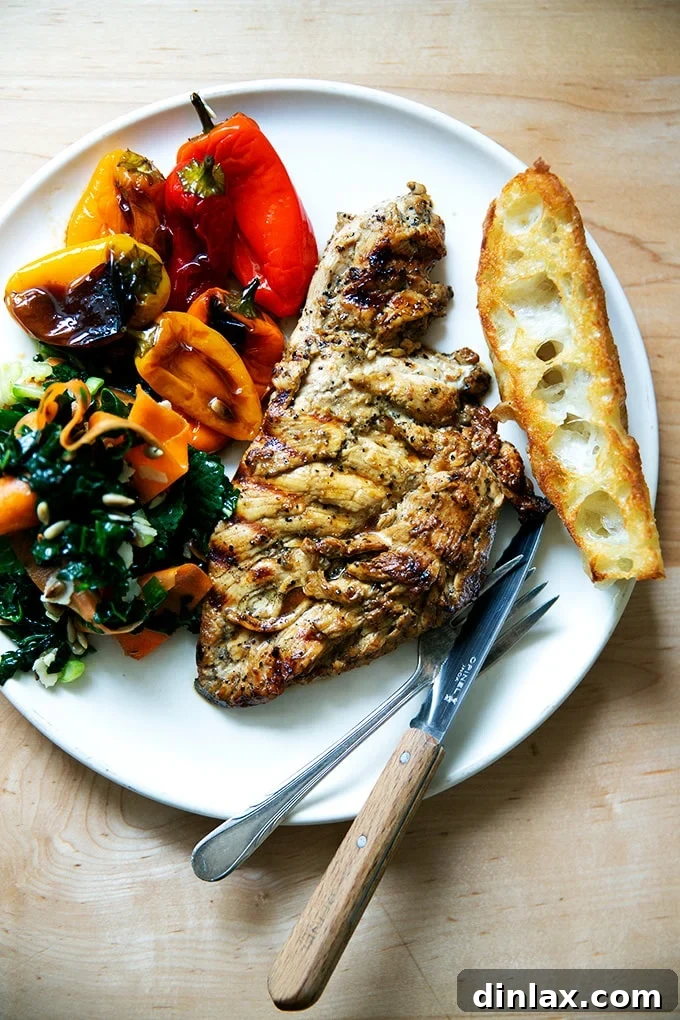
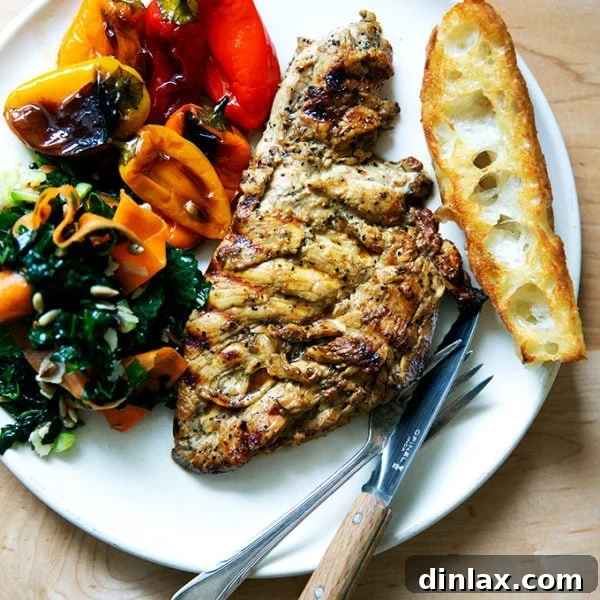
Slice your perfectly grilled chicken breasts and serve them alongside your favorite accompaniments. The versatility of grilled chicken allows it to pair beautifully with a wide array of sides. Below, the chicken is pictured with a vibrant spread:
- Sweet and savory balsamic-roasted mini peppers.
- A refreshing kale salad, enhanced with thinly shaved carrots, crisp cucumbers, and toasted sunflower seeds for added texture.
- A slice of homemade focaccia bread, perfect for soaking up any lingering juices.
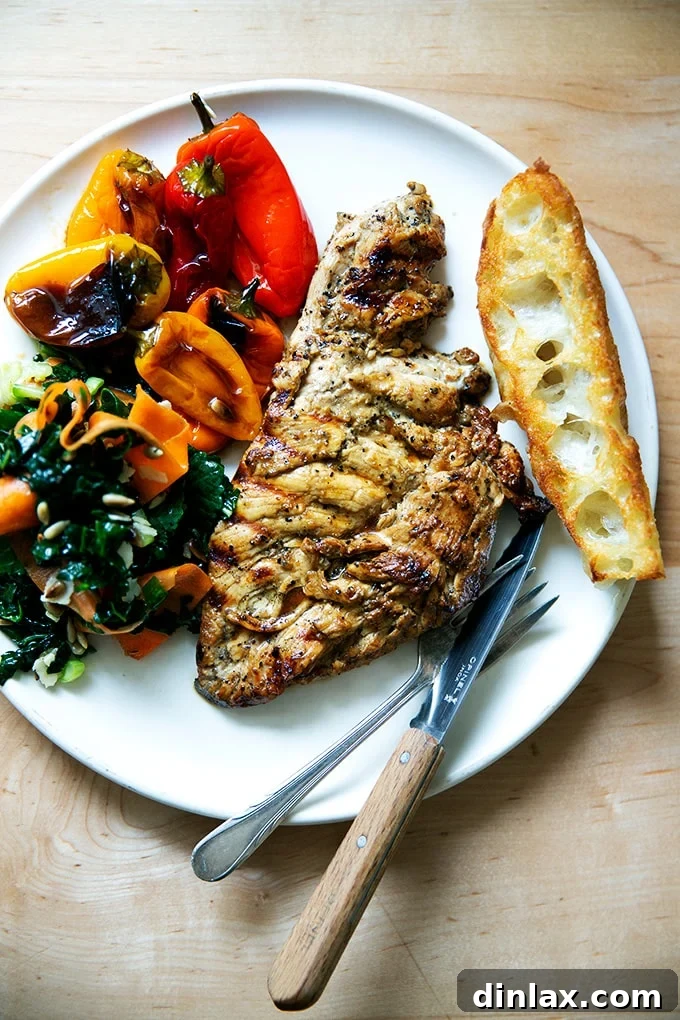
Prepare to be amazed by the incredible juiciness and tenderness of your grilled chicken. This method ensures every bite is bursting with flavor and moisture, proving that chicken breasts can indeed be a highlight of any meal!
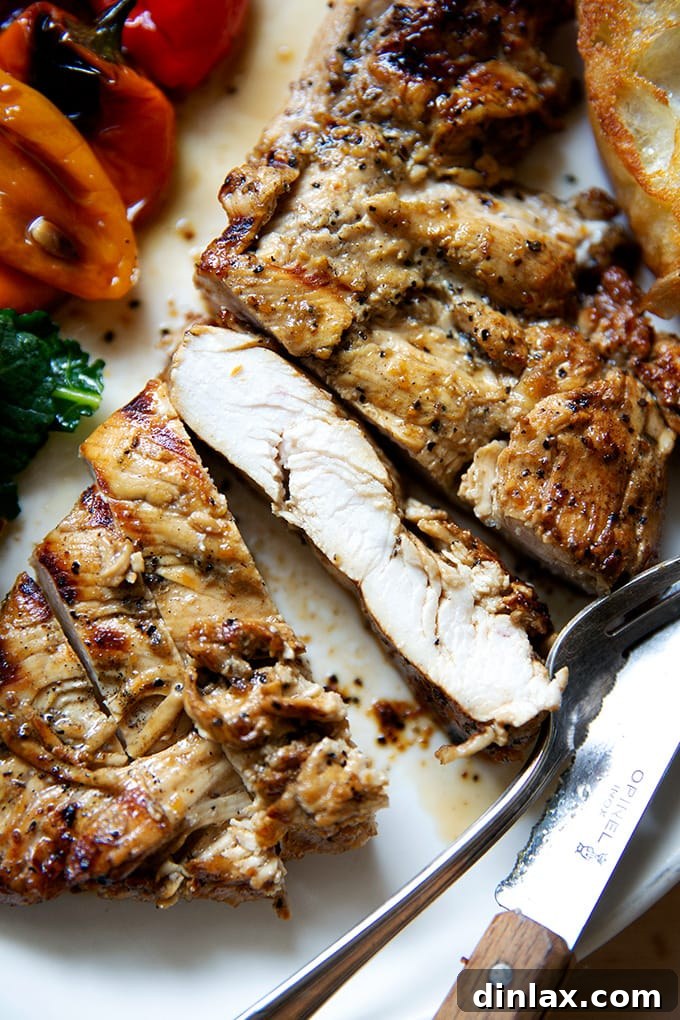
Simple (And Juicy! And Delicious!) Grilled Chicken Breasts
5 from 25 reviews
- Author: Alexandra Stafford
- Total Time: 1 hour 6 minutes
- Yield: Serves 4
- Diet: Low Fat
Description
This recipe combines techniques for maximum juiciness and flavor. The brine recipe is inspired by Cook’s Science, while the marinade is adapted from a classic Dead Easy Steak Marinade.
Update on Brining: For times when speed is essential, I’ve successfully skipped the brining step. By simply pounding the breasts to uniform thickness, cutting larger breasts in half (to get about 6 smaller pieces), and marinating for several hours in the refrigerator, the chicken still came out wonderfully juicy. While brining is a fantastic technique for moisture retention, it appears that thorough pounding might be the most crucial factor for achieving tenderness and preventing dryness.
Ingredients
For the brine (optional, see notes above):
- 1/4 cup salt
- 1/4 cup sugar
- 1.5 quarts cold water
For the chicken:
- 3 to 4 boneless, skinless chicken breasts
- 1/4 cup olive oil
- 2 tablespoons Worcestershire sauce
- 1 teaspoon honey
- Lemon pepper, salt-free if possible, to taste
- 2 teaspoons neutral oil or olive oil for grilling
- Kosher salt to taste
Instructions
- To make the brine (optional, refer to the “Update” note above): In a large bowl, dissolve 1/4 cup of salt and 1/4 cup of sugar in 1.5 quarts of cold water. Stir until completely dissolved.
- Place the chicken breasts on a clean cutting board. Cover them with a sheet of plastic wrap, parchment paper, or wax paper. Using a meat mallet, pound the breasts to an even thickness of approximately 1/2 inch. Submerge the pounded breasts in the brine solution. If brining for a brief period (under 1 hour), you can leave them at room temperature. For longer brining periods (3 to 4 hours), refrigerate the chicken.
- Once brining is complete (if chosen), remove the breasts from the solution and thoroughly pat them dry with paper towels.
- In a separate large bowl, whisk together the 1/4 cup olive oil, 2 tablespoons Worcestershire sauce, 1 teaspoon honey, and lemon pepper to taste (I typically use at least a teaspoon). Add the dried chicken breasts to the marinade, ensuring they are fully coated. Let the breasts marinate for a minimum of 15 minutes, or for richer flavor, refrigerate for up to 24 hours.
- Heat a grill or a grill pan over medium-high heat. When the cooking surface is hot, brush it with 2 teaspoons of neutral oil or olive oil. Remove the chicken breasts from the marinade, allowing excess liquid to drip off. Place the breasts on the grill or grill pan. If using a grill pan, you may need to cook in batches to avoid overcrowding. Season the top side of the breasts with kosher salt, and optionally, sprinkle with a little more lemon pepper. Cook for approximately 3 minutes. Flip the chicken, season the cooked side with salt, and cook for another 3 minutes, or until the chicken is thoroughly cooked and reaches an internal temperature of 165°F (74°C).
- Transfer the cooked chicken to a plate to cool. Allow it to rest for at least 5 minutes before slicing and serving. This resting period is crucial for ensuring the chicken remains juicy.
- Prep Time: 60 minutes
- Cook Time: 6 minutes
- Category: Dinner
- Method: Grill
- Cuisine: American