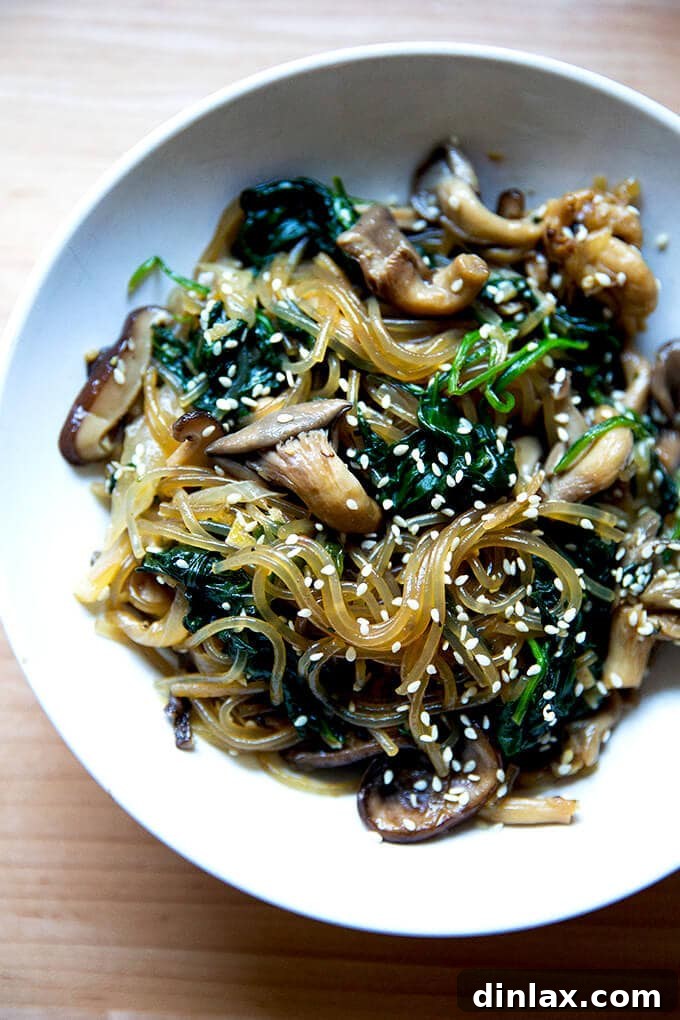
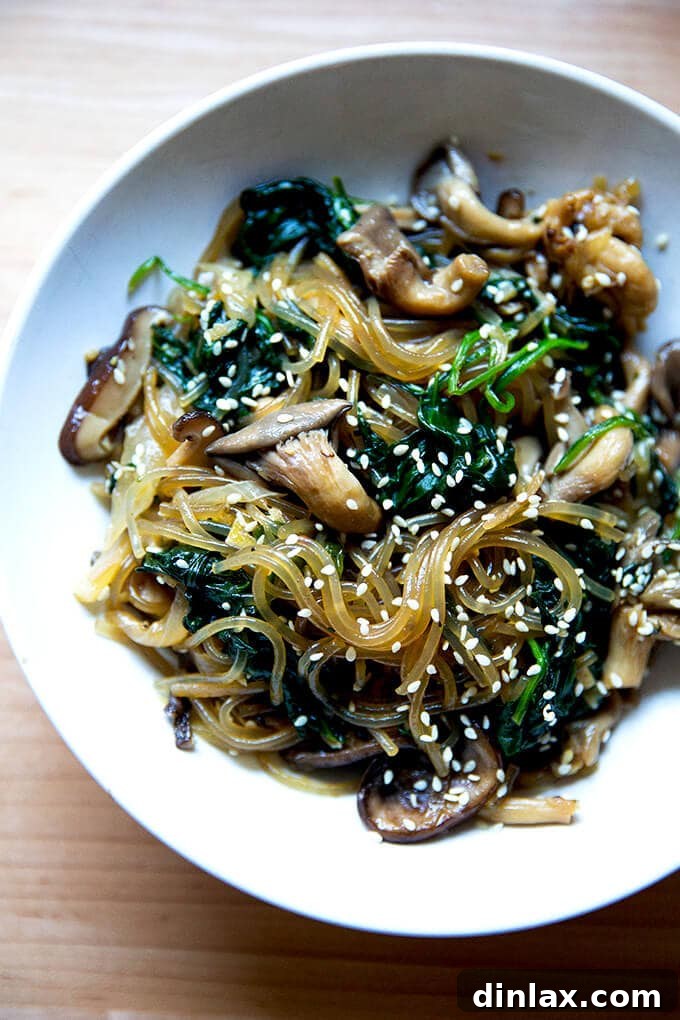
For anyone who appreciates the rich tapestry of Korean cuisine, Japchae needs no introduction. This celebrated dish, often appearing as a vibrant side or a satisfying main, is renowned for its signature glassy, translucent sweet potato noodles, artfully interwoven with a medley of fresh vegetables, savory mushrooms, and sometimes tender meat. Alongside culinary giants like kimchi and bulgogi, Japchae stands as a beacon of Korean gastronomy, a dish I eagerly anticipate whenever I step into a Korean restaurant.
For a long time, the thought of preparing Japchae at home felt like an exotic challenge. I imagined it would involve a labyrinthine trip to an unfamiliar Asian market, only to return with ingredients I might misuse, or worse, completely misunderstand the complex cooking techniques involved. The traditional methods often depict a laborious process of stir-frying each ingredient individually, then combining them with the noodles and sauce – a truly beautiful, yet seemingly daunting, culinary feat for the home cook.
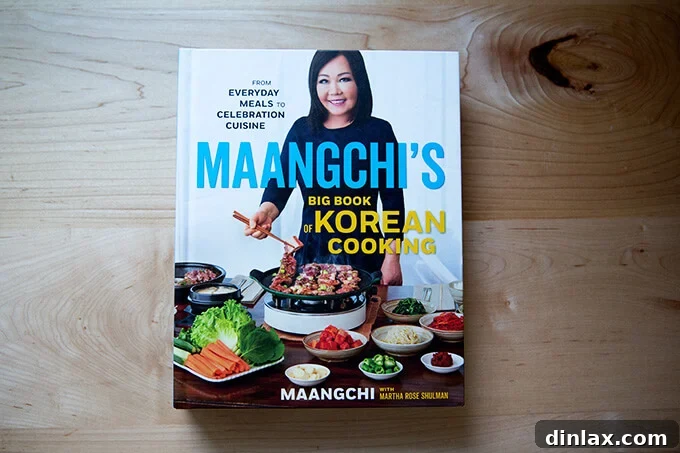
However, my culinary perspective shifted dramatically thanks to an invaluable resource: Maangchi’s Big Book of Korean Cooking. It was here that I discovered the elegant simplicity hidden beneath Japchae’s perceived complexity. At its heart, Japchae is a harmonious blend of noodles, fresh produce, and a perfectly balanced sauce. While a special trip to an Asian grocery store was indeed necessary for the unique sweet potato starch noodles (dangmyeon), I was pleasantly surprised to find that many of the other essential seasonings – soy sauce, sesame oil, brown sugar, fresh garlic, and toasted sesame seeds – were already staples in my pantry.
And the most astonishing revelation? Preparing Japchae, particularly Maangchi’s ingenious version, is unbelievably straightforward and accessible to cooks of all skill levels. This revolutionary approach eliminates much of the fuss, making this beloved Korean classic a delightful possibility for any weeknight meal.
The Magic of Maangchi’s Simplified Japchae
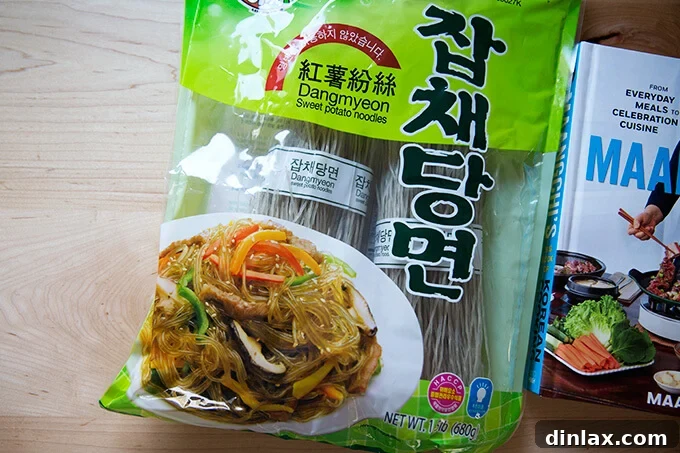
The foundation of any great Japchae lies in its unique noodles, known as dangmyeon. These distinctive noodles, crafted from sweet potato starch, boast a wonderfully chewy texture and a beautiful translucent, “glassy” appearance once cooked. A significant bonus for many diners is that dangmyeon noodles are naturally gluten-free. While they might not be found in every conventional supermarket, your local Asian market is almost guaranteed to stock them, or you can conveniently order them online. Sourcing these noodles is perhaps the most “exotic” step in the entire process, and it’s a small effort for such a rewarding outcome.
Traditionally, many Japchae recipes call for boiling dangmyeon noodles. However, Maangchi’s innovative method streamlines this step by simply soaking the noodles in cold water for approximately 40 minutes. This hands-off preparation time is perfect for prepping all the other fresh ingredients, maximizing efficiency in the kitchen.
The truly groundbreaking aspect of Maangchi’s new approach, as presented in her latest cookbook, is how she completely redefines the cooking process. Classic Japchae often involves a multi-step stir-fry, where vegetables are sautéed one by one in a hot pan, requiring constant attention and often multiple batches. Maangchi herself advocated for this method in her first book and on her popular YouTube channel. However, her latest technique is nothing short of revolutionary – an “un-stir fry” if you will.
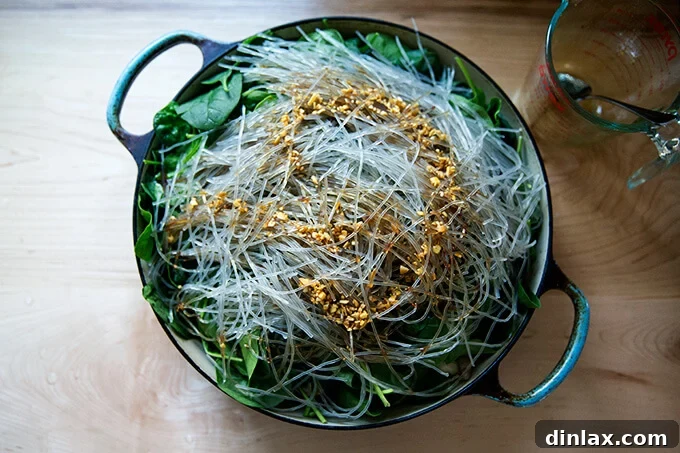
Instead of the meticulous, sequential sautéing, Maangchi champions a brilliant one-pot method. You begin by layering all the raw ingredients into a cold, heavy-bottomed pan. First, the more robust vegetables like onions, carrots, mushrooms, and scallions form the base. Next comes a generous layer of fresh spinach, followed by the soaked, drained dangmyeon noodles. Finally, the savory sauce is drizzled evenly over everything. This layering technique ensures that all ingredients cook evenly and simultaneously, absorbing the delicious flavors of the sauce.
Once all the components are beautifully layered, the pan is covered tightly and placed over medium-high heat on the stovetop. Just ten minutes of steaming and simmering is all it takes! After this brief cooking period, the lid is lifted, a final flourish of sesame seeds and a drizzle of aromatic sesame oil are added, a quick stir combines all the vibrant ingredients, and voilà – your homemade Japchae is ready to serve. This method is not only astonishingly simple but also yields an incredibly flavorful dish, proving that you don’t need complex techniques to achieve authentic Korean tastes. Whether you’re a long-time admirer of Japchae or new to the dish, this easy preparation will undoubtedly win you over.
This innovative cooking style offers numerous advantages for the busy home cook. It significantly reduces active cooking time, minimizes the number of pots and pans used (making cleanup a breeze), and ensures that vegetables retain a pleasant crisp-tender texture without becoming overly soft. Furthermore, the steaming process allows the noodles to absorb the sauce deeply, resulting in a more integrated and flavorful dish. It’s a testament to Maangchi’s genius for making traditional Korean cuisine approachable and enjoyable for everyone.
For those interested in exploring more of Maangchi’s culinary wisdom and other fantastic food literature, you can delve into her latest cookbook and four other compelling titles over here. As part of my annual cookbook chat with Margaret Roach, there’s even an opportunity to win a copy!
Crafting Your Easy Vegetarian Japchae: A Step-by-Step Visual Guide
Embark on your Japchae journey with these clear, easy-to-follow steps. This recipe celebrates the vibrant flavors and textures of Korea, made incredibly simple.
1. Gather Your Essential Noodles
The first step is securing your dangmyeon (sweet potato starch noodles). These chewy, translucent noodles are the heart of the dish. While readily available at most Asian markets, they can also be found online if a local store isn’t an option.
2. Prepare the Noodles for Cooking
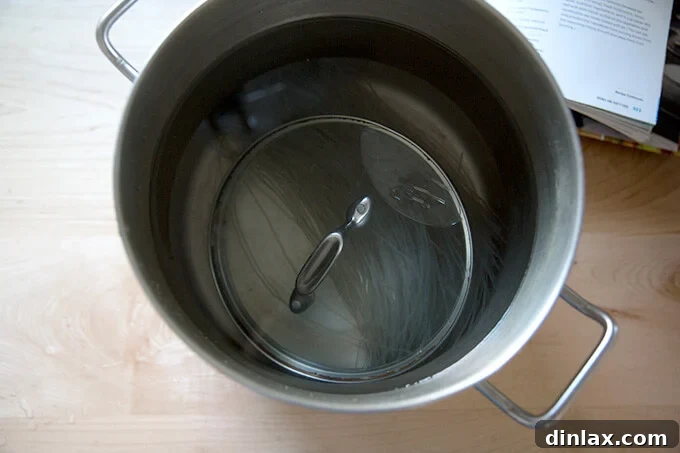
Unlike many noodle dishes, dangmyeon benefits from soaking rather than boiling. Place the dried noodles in a large bowl or pot and cover them completely with cold water. To ensure even soaking, you might need to weigh them down with a plate or lid. Allow them to soak undisturbed for 40 minutes. This passive preparation time is ideal for getting the rest of your ingredients ready.
3. Master Your Vegetable Prep
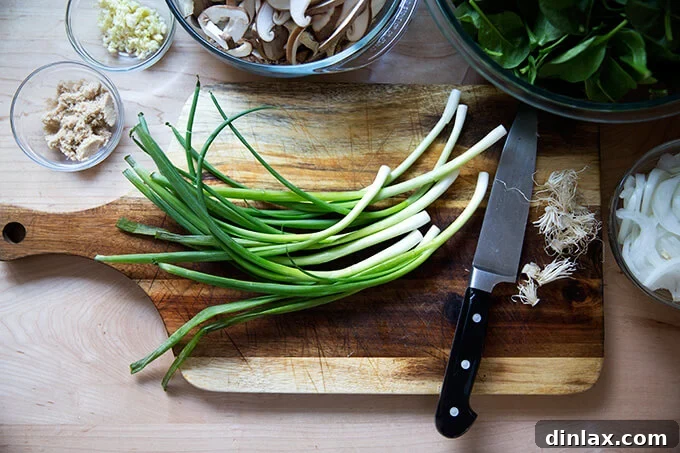
Precision in slicing is key to both the visual appeal and even cooking of Japchae. Thinly slice your chosen mushrooms (a mix of varieties adds depth!), mince your garlic cloves, and slice your onions into delicate strips. For the scallions, cut them into attractive 2-inch lengths, which will add a fresh, aromatic bite to the finished dish.
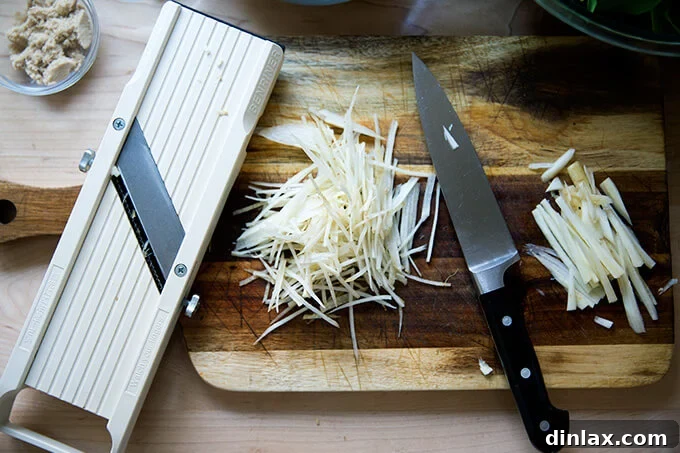
Carrots add a lovely sweetness and vibrant color. Achieve perfectly thin slices, either by carefully using a sharp knife for julienne cuts or by employing a mandoline for consistently uniform, paper-thin pieces. The thinner the slices, the quicker and more evenly they will cook.
4. Whisk Together the Flavorful Sauce
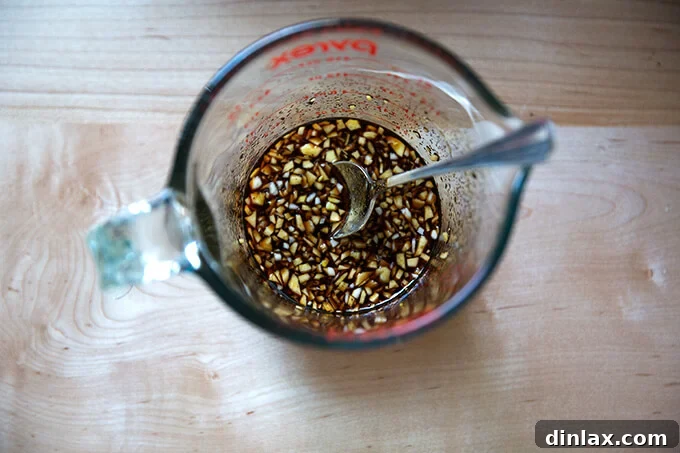
The sauce is where the magic happens, infusing every strand of noodle and every piece of vegetable with classic Korean flavors. In a small bowl, combine soy sauce for umami depth, brown sugar for a touch of sweetness that balances the savory notes, minced garlic for aromatic pungency, and a generous amount of freshly cracked black pepper for a subtle warmth. Whisk these ingredients until well combined, ensuring the sugar dissolves completely.
5. Layer the Ingredients for the “Un-Stir Fry”
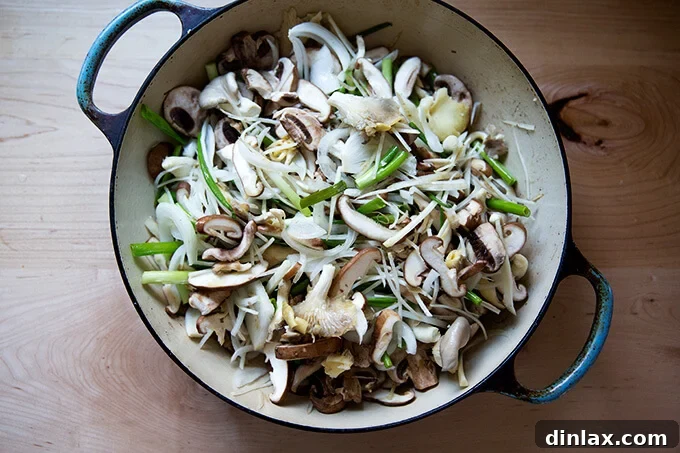
This is where Maangchi’s revolutionary method truly shines. In a large, wide, heavy-bottomed pot or braiser – a 5-qt Le Creuset braiser is ideal for its heat distribution – start by layering your prepared mushrooms, scallions, onions, and carrots. Season these vegetables with a good pinch of kosher salt, then add the olive oil and 1/4 cup of water. Use your hands to gently toss and combine, ensuring the vegetables are lightly coated. This initial toss helps distribute the oil and seasoning evenly, promoting tender cooking.
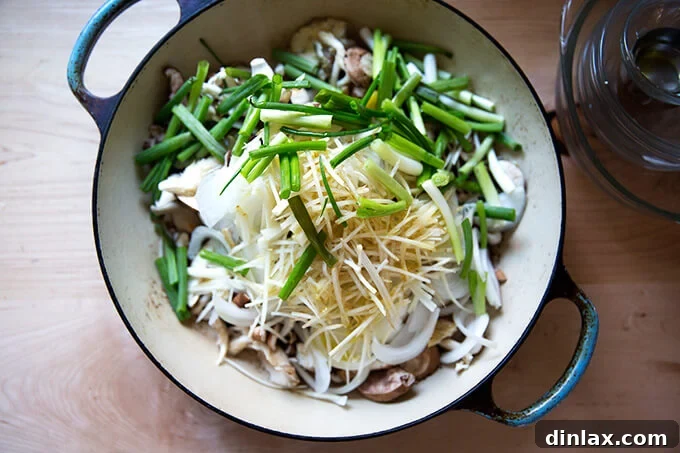
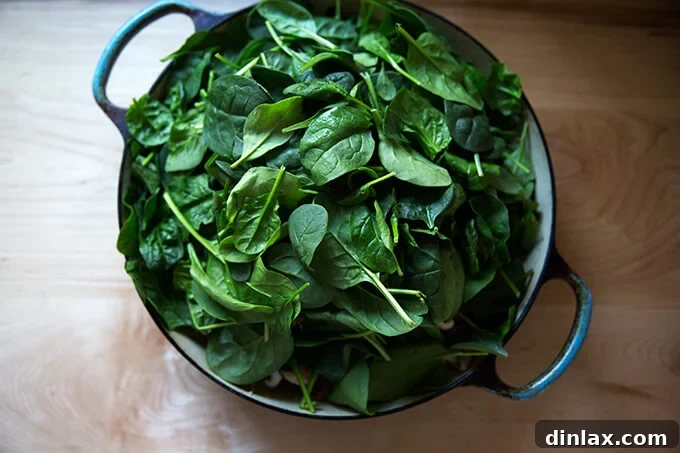
Next, pile a generous half-pound of fresh baby spinach directly on top of the other vegetables. The spinach will wilt down significantly during cooking, adding a beautiful green hue and a tender texture to the dish.
6. Add Noodles and Drizzle with Sauce
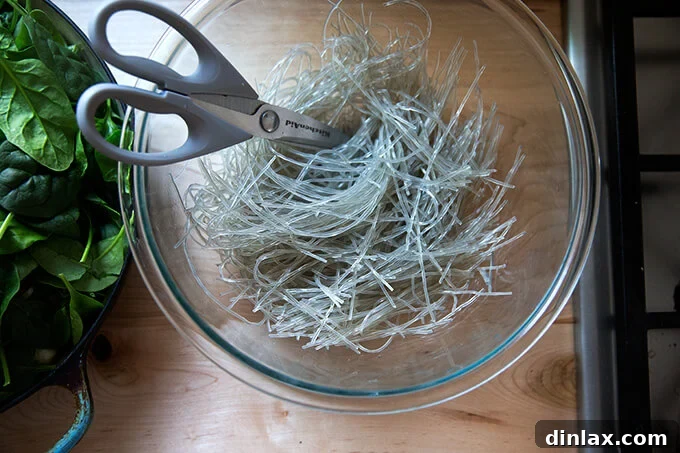
Once your dangmyeon noodles have finished soaking, drain them thoroughly. Using kitchen scissors, cut the long strands into more manageable 5- to 6-inch lengths. This makes them easier to eat and prevents them from tangling excessively. Place these cut noodles evenly over the layer of spinach. Give your prepared sauce one final stir to reincorporate any settled ingredients, then drizzle it generously and evenly over the noodles and vegetables. The sauce will permeate all layers as it cooks, imparting its delightful flavors.
7. Cook to Perfection
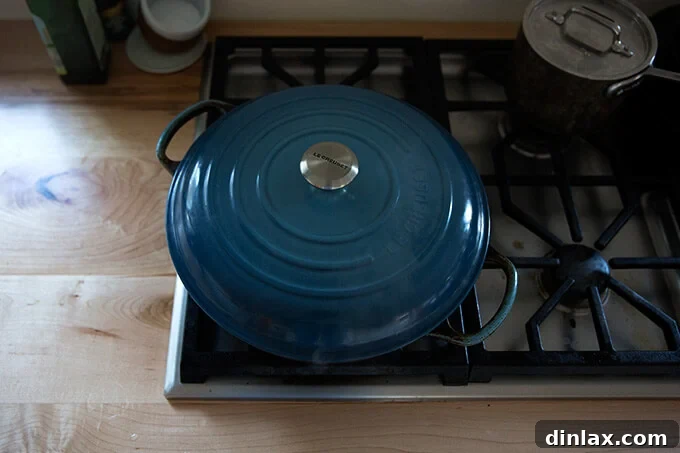
Place your covered pot or braiser on the stovetop. Turn the heat to medium-high and allow the Japchae to cook, completely undisturbed, for exactly 10 minutes. The covered environment will create a steaming effect, gently cooking the noodles and vegetables to a perfect al dente texture while allowing all the flavors to meld beautifully. This hands-off cooking period is a true luxury in the kitchen!
8. The Final Toss and Seasoning
Once the 10 minutes are up, carefully remove the lid. You’ll be greeted by a fragrant, colorful medley. Give everything a thorough stir, gently lifting from the bottom to ensure all ingredients are well combined and coated in the savory sauce. The noodles will be glossy and tender, and the vegetables perfectly cooked.
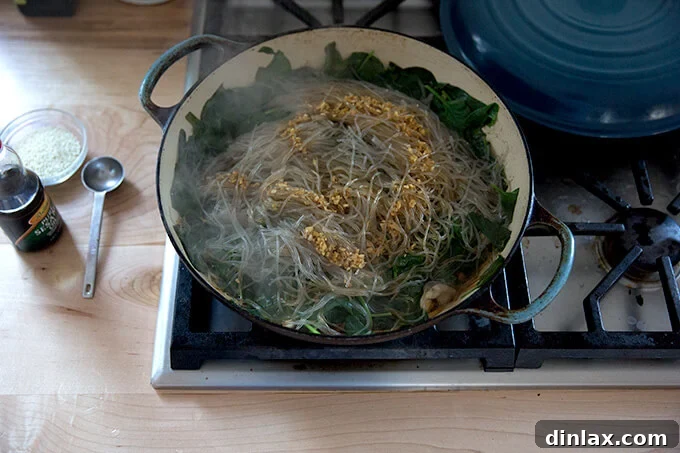
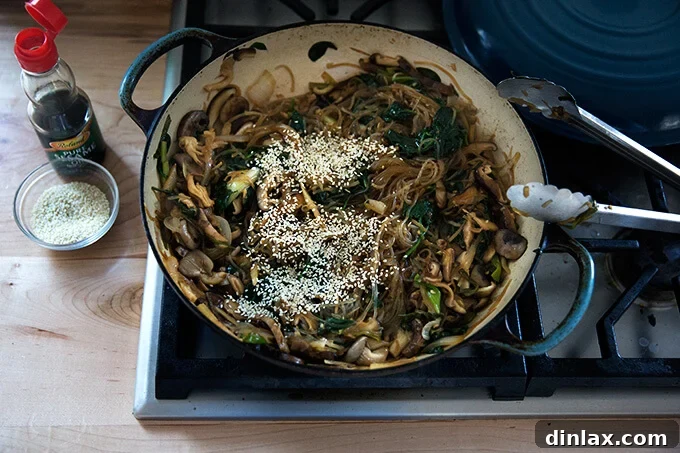
For the finishing touch, sprinkle a tablespoon of toasted sesame seeds over the Japchae – these add a delightful crunch and nutty aroma. Follow with a tablespoon of fragrant sesame oil, which enhances the overall richness and depth of flavor. Toss once more to distribute these final additions evenly.
9. Serve and Enjoy!
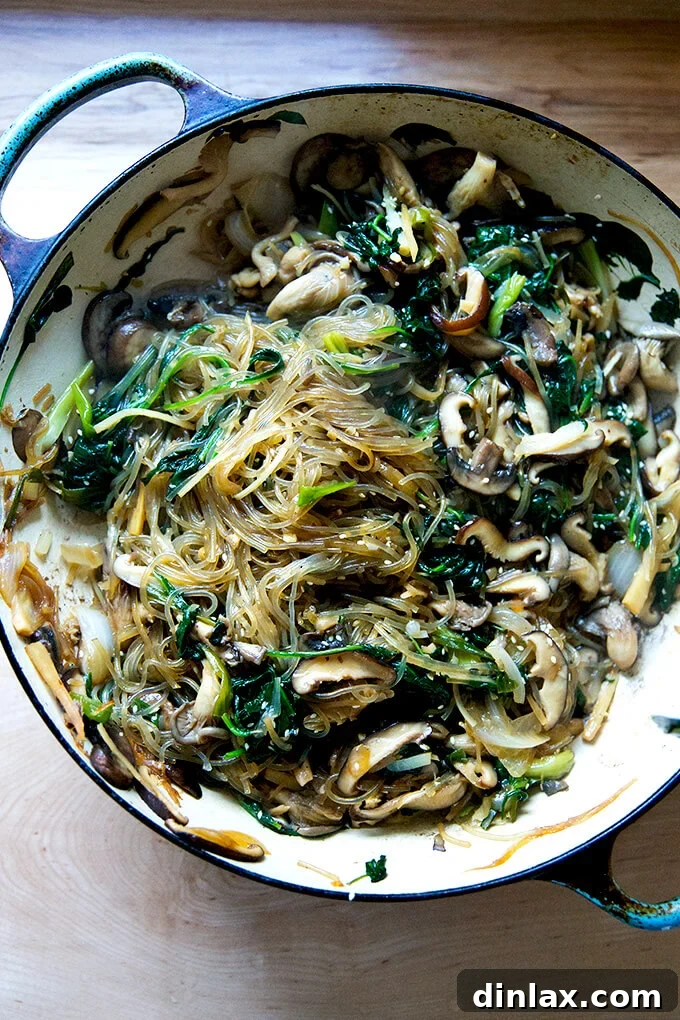
Your homemade Japchae is now ready! Serve immediately, either as a captivating side dish to other Korean fare or as a light yet satisfying main course. If you enjoy a bit of heat, offer a bottle of Sriracha or gochujang on the side for guests to customize their spice level. The best part? Japchae is delicious served warm, at room temperature, or even chilled, making it perfect for meal prep or picnics.
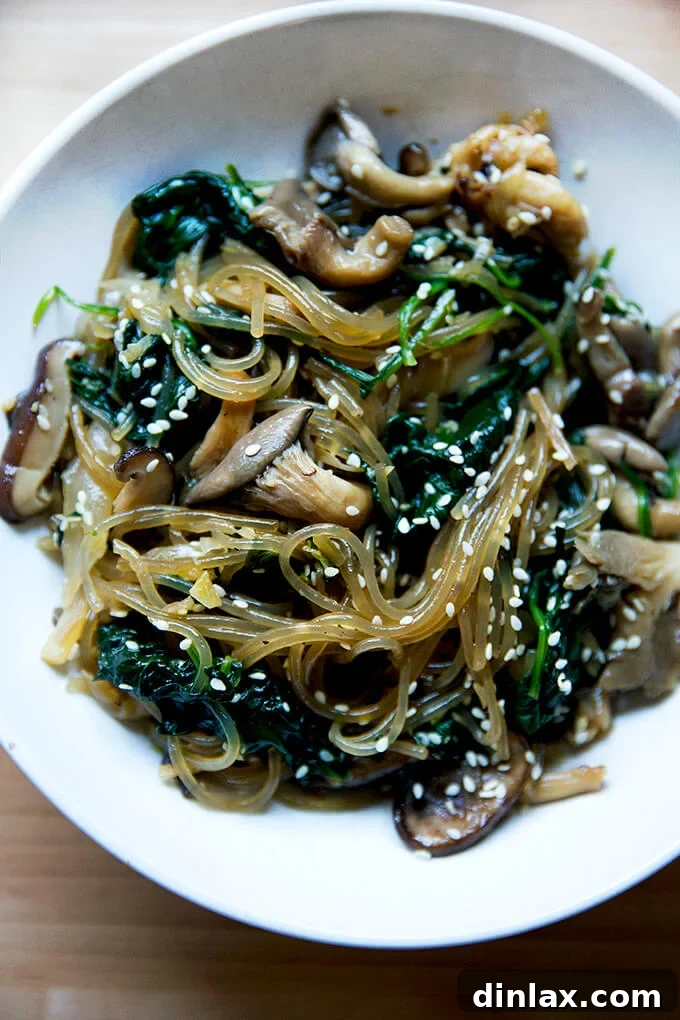
This Maangchi-inspired “un-stir fry” method transforms Japchae from an intimidating restaurant dish into an easy, everyday delight. Its vibrant colors, unique textures, and rich flavors make it a favorite for many. Don’t be shy to experiment with different vegetables like bell peppers, zucchini, or even kale to make it truly your own. For a non-vegetarian version, you could easily add thinly sliced beef (bulgogi style), chicken, or tofu along with the initial vegetable layer. The versatility of this dish is one of its greatest strengths.
For more culinary inspiration and to discover the source of this brilliant recipe, check out Maangchi’s Big Book of Korean Cooking. It’s an indispensable guide for anyone looking to explore authentic Korean flavors with approachable recipes.
Print Recipe
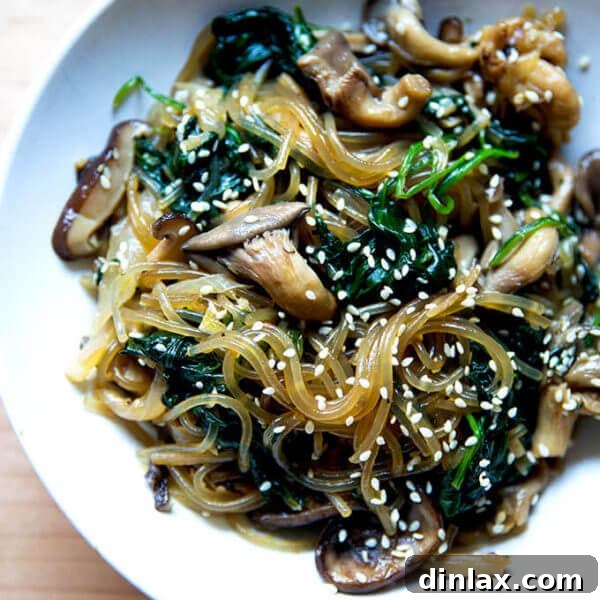
Vegetarian Japchae (Korean Glass Noodles): The Easy One-Pot Method
Rated 4.9 out of 5 stars from 16 reviews
- Author: Alexandra Stafford
- Total Time: 50 minutes
- Yield: Serves 4
Description
Japchae is a classic Korean dish featuring translucent dangmyeon (sweet potato starch noodles), also known as “glass noodles.” This recipe offers a wonderfully simple, vegetarian (and naturally vegan) rendition, adapted from Maangchi’s Big Book of Korean Cooking. We’ve omitted meat and the optional wood-ear mushrooms, making it entirely plant-based. The beauty of this dish is its adaptability – feel free to incorporate your favorite vegetables or add a protein of your choice. The only unique ingredient you’ll need to source is the dangmyeon noodles, which are typically found at Asian markets or available online.
Carrots: Achieve finely sliced carrots using a sharp knife for julienne strips or a mandoline for uniform thinness.
Mushrooms: A diverse mix of mushrooms like shiitake, oyster, maitake, enoki, or crimini will add fantastic depth and texture to your Japchae.
Ingredients
- 8 ounces sweet potato starch noodles (dangmyeon)
- 2 tablespoons brown sugar
- 1/4 cup soy sauce
- 3 – 5 cloves garlic, minced
- Fresh cracked pepper to taste
- 12 – 16 ounces mushrooms, thinly sliced (see notes above)
- 1 large onion, sliced
- 1 to 2 large carrots, peeled and thinly sliced (see notes above)
- 4 to 6 scallions, cut into 2.5-inch pieces
- 1/4 cup olive oil
- Kosher salt to taste
- 8 ounces baby spinach
- 1 tablespoon sesame seeds
- 1 tablespoon sesame oil
- Hot sauce, such as Sriracha, if desired
Instructions
- Prepare the Noodles: Place the dangmyeon noodles in a large bowl or pot and cover them completely with cold water. You may need to weigh the noodles down with a lid or plate to ensure they are fully submerged. Let them soak for 40 minutes.
- Make the Sauce: In a small bowl, whisk together the brown sugar, soy sauce, minced garlic, and fresh cracked pepper until the sugar is dissolved and the ingredients are well combined.
- Assemble the Japchae: In a large, wide, heavy-bottomed pot or sauté pan (a 5-qt Le Creuset braiser works wonderfully), combine the sliced mushrooms, onion, carrot, and scallions. Season with a good pinch of kosher salt. Add the olive oil and 1/4 cup of water, and toss with your hands to evenly coat all the vegetables. Pile the baby spinach on top of this vegetable layer.
- Layer Noodles and Sauce: Drain the soaked noodles thoroughly. Using kitchen scissors, cut the noodles into approximately 5- to 6-inch lengths. Place these cut noodles evenly over the spinach layer in the pot. Give the prepared sauce a final stir and drizzle it evenly over the noodles and vegetables.
- Cook the Japchae: Cover the pan tightly with its lid and place it on the stovetop. Turn the heat to medium-high and cook for 10 minutes. Do not lift the lid during this time, allowing the ingredients to steam and cook evenly.
- Finish and Serve: After 10 minutes, uncover the pan and give everything a thorough stir to combine all the ingredients and distribute the sauce. Add the sesame seeds and sesame oil, then stir again to incorporate. Serve immediately. You can offer hot sauce, such as Sriracha, on the side for those who prefer a spicy kick.
- Prep Time: 40 minutes
- Cook Time: 10 minutes
- Category: Dinner
- Method: Stovetop
- Cuisine: Korean