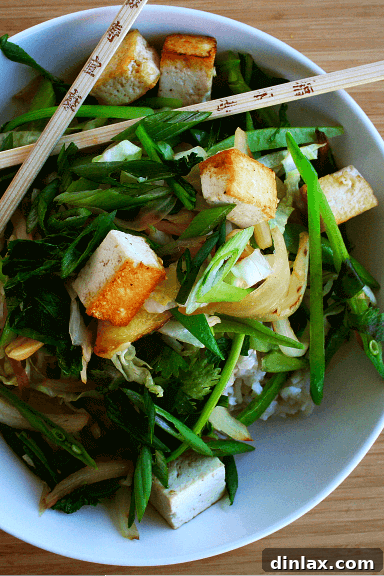
Mastering the Art of Stir-Fry: Your Ultimate Guide to a Flavorful Meal
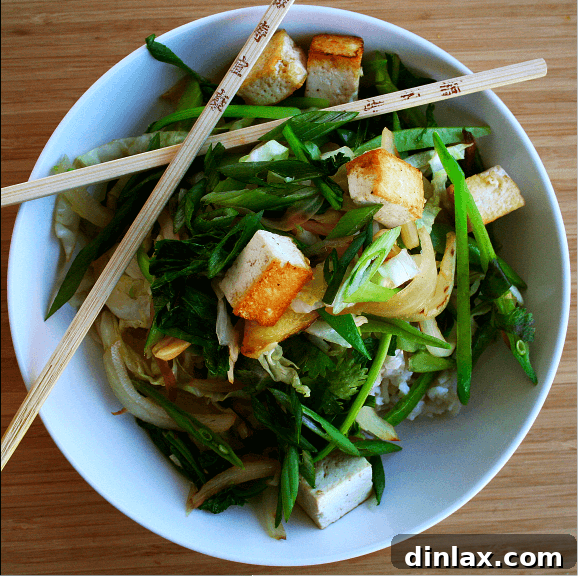
Few dishes offer the versatility, speed, and sheer deliciousness of a perfectly executed stir-fry. It’s a culinary art form that allows for endless creativity, transforming simple ingredients into a vibrant, flavorful meal. Whether you crave a light vegetarian option or a hearty dish with protein, a stir-fry can be tailored to satisfy any palate. But what exactly elevates a good stir-fry to a truly exceptional one? Is it the crispness of the vegetables, the depth of the sauce, or perhaps the unique aroma of a searing hot wok? Let’s delve into the secrets behind crafting an unforgettable stir-fry, exploring every element from fresh produce to the final spicy kick that makes this dish a global favorite.
The Essence of Freshness: The Role of Quality Ingredients
At the heart of any outstanding stir-fry lies the quality of its ingredients. While convenience often dictates our choices, there’s an undeniable difference when you start with the freshest produce. This is where the magic of selecting high-quality components truly shines, transforming a simple meal into a gourmet experience.
Vibrant Vegetables: The Soul of Your Stir-Fry
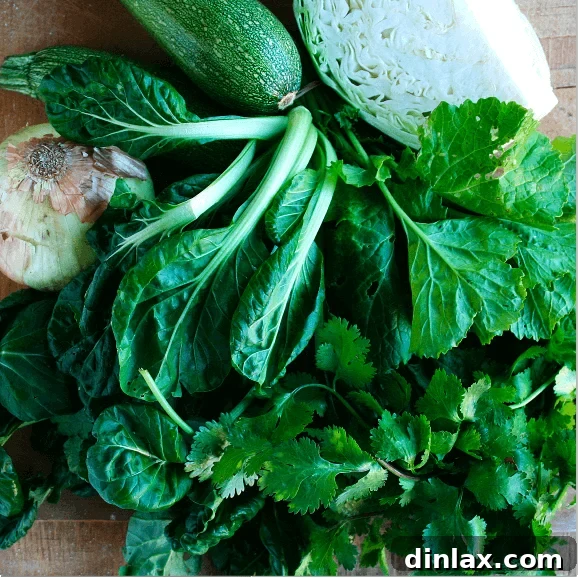
Imagine crisp, colorful bell peppers, tender snap peas, earthy mushrooms, and verdant broccoli florets, all bursting with natural flavor. Farmers’ markets offer a bounty of seasonal produce, often picked just hours before sale. These vegetables not only taste superior but also retain more nutrients and possess a delightful texture that stands up beautifully to the high-heat cooking of a stir-fry. Look for firm, unblemished vegetables with vibrant colors, indicating peak freshness. Beyond the market, even your local grocery store can provide excellent options; simply prioritize organic whenever possible and choose items that feel heavy for their size and show no signs of wilting. A diverse selection of vegetables adds complexity in both flavor and texture, making each bite an exciting discovery.
Beyond the Greens: Proteins and Pantry Staples
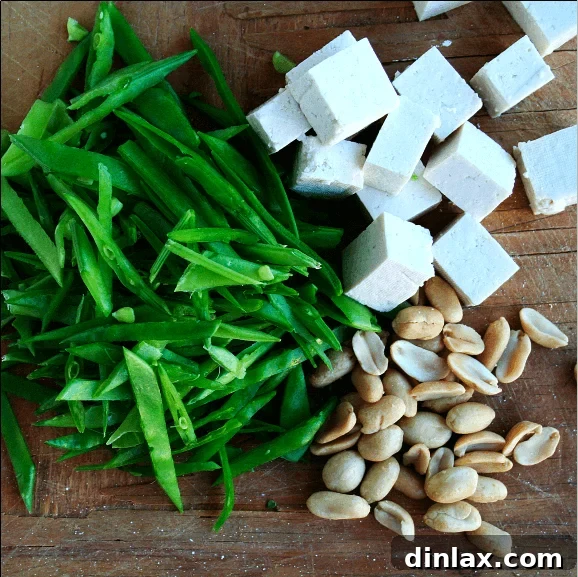
While vegetables form the bulk, the choice of protein and other pantry add-ins significantly impacts the final dish. Tofu is a fantastic choice, absorbing flavors beautifully and providing a satisfying texture. Ensure you press extra-firm tofu to remove excess water before cubing and pan-frying until golden for a crispy exterior. This simple step prevents a soggy stir-fry and adds a desirable textural contrast. For meat lovers, thinly sliced chicken, beef, or shrimp are classic additions. Marinating these proteins for just 15-20 minutes before cooking can infuse them with incredible flavor and ensure tenderness, preventing them from drying out during the quick cooking process. Don’t forget staple aromatics like fresh ginger and garlic, which are non-negotiable for an authentic stir-fry experience. Nuts like peanuts or cashews can also add a delightful crunch and richness, while sprouts offer a refreshing counterpoint, enhancing the overall sensory experience.
The Art of Preparation: Precision Chopping for Perfect Cooking
Why Chopping Matters for a Perfect Stir-Fry
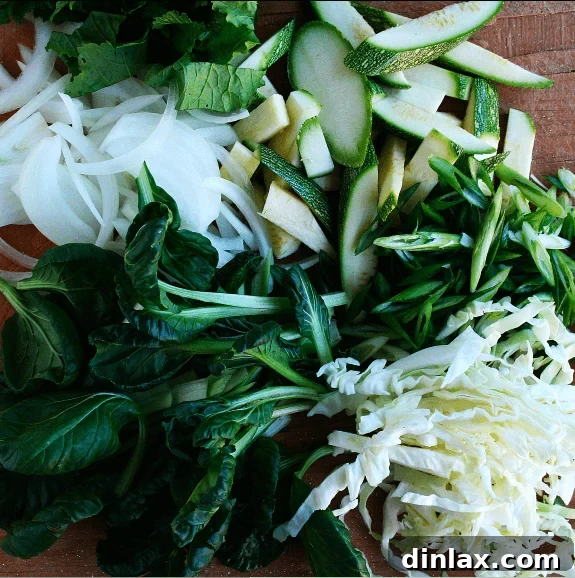
One of the often-overlooked secrets to a stellar stir-fry is proper preparation, particularly how your vegetables are chopped. Uniformity is key. If your ingredients are cut into different sizes, they will cook at different rates, leading to some being overcooked and mushy while others remain raw and crunchy. Aim for pieces that are roughly the same size and shape, allowing everything to cook evenly and quickly in the high heat of the wok. This meticulous attention to detail in prep work is what separates a good stir-fry from a truly great one.
Consider the cooking time of each vegetable. Harder vegetables like carrots, broccoli stems, and bell peppers might need to be cut into smaller pieces or added to the wok first to allow them more time to soften. Softer vegetables such as mushrooms, spinach, or snow peas can be cut larger or added later in the cooking process, ensuring they don’t become overcooked. Common cutting techniques for stir-fries include julienning (thin matchsticks), dicing, or slicing into bite-sized florets. The goal is to maximize surface area for quick cooking while maintaining a pleasant texture. Having all your ingredients prepped and ready – a practice known as “mise en place” – is crucial, as a stir-fry cooks incredibly fast, leaving no time for last-minute chopping once the heat is on.
The Power of the Wok: Unleashing “Wok Hei”
More Than Just a Pan: The Wok’s Unique Advantages

While you can certainly make a decent stir-fry in a large skillet, there’s no denying the unique advantage of a traditional wok. Its distinct curved shape and thin material allow for extremely high heat distribution, with the heat concentrating at the bottom and gradually lessening up the sides. This design facilitates the rapid cooking that defines stir-frying, ensuring vegetables remain crisp-tender and proteins develop a beautiful sear. The constant movement of ingredients up and down the sides of the wok exposes them to varying temperatures, contributing to a more nuanced cooking process.
The high heat of a wok also contributes to a phenomenon known as “wok hei,” a smoky, caramelized aroma and flavor that is the hallmark of authentic Chinese stir-fries. To achieve this, preheating your wok until it’s smoking hot before adding oil is essential. This creates a non-stick surface and allows for instant searing, locking in flavors and textures. When adding ingredients, avoid overcrowding the wok, as this will lower the temperature and cause the food to steam rather than stir-fry, resulting in a less desirable texture. Cook in batches if necessary to maintain optimal heat. If you don’t have a wok, a large, heavy-bottomed skillet or cast-iron pan can serve as an adequate substitute, just ensure it can withstand high heat and that you work in smaller batches to simulate the wok’s effect.
The Secret Sauce: Crafting the Perfect Flavor Balance
The Heart of the Flavor: A Homemade Stir-Fry Sauce
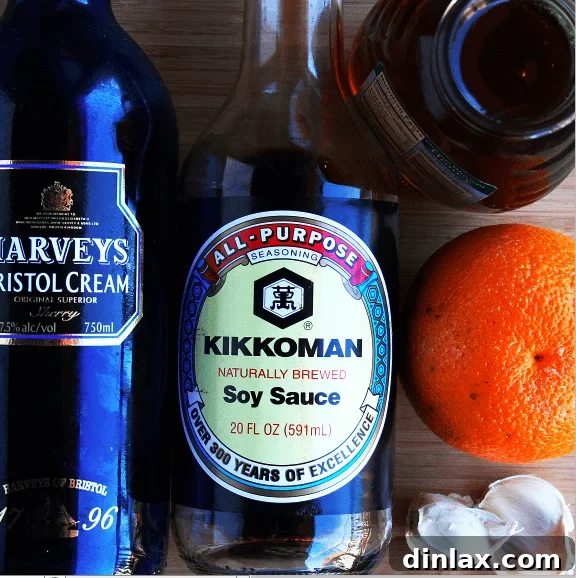
Perhaps the most crucial component of a truly memorable stir-fry is its sauce. A well-balanced sauce ties all the ingredients together, adding depth, sweetness, umami, and a hint of tang or spice. Forget overly sweet or gloopy store-bought options; a homemade stir-fry sauce is remarkably easy to prepare and makes all the difference, allowing you to control the quality and balance of flavors. The sauce acts as the bridge that harmonizes the diverse ingredients into a cohesive, delicious meal.
The best stir-fry sauces typically balance salty (soy sauce, tamari for gluten-free options), sweet (honey, sugar, or a touch of fruit juice like orange or pineapple), savory (garlic, fresh ginger, oyster sauce if desired for a deeper umami), and sometimes a little sour (rice vinegar or lime juice) or alcoholic (Sherry, rice wine). These elements combine to create a complex flavor profile that tantalizes the taste buds. Thickening the sauce with a cornstarch slurry (cornstarch mixed with a small amount of cold water) at the very end of cooking ensures it coats every ingredient beautifully without making the dish watery, giving that desirable glossy finish.
Stir-Fry Sauce Recipe
Rating: 5 from 1 review
- Author: Alexandra Stafford at alexandracooks.com
- Total Time: 5 minutes
Description
Adapted from this 1995 Bon Appetit recipe.
Ingredients
- ¼ cup soy sauce
- ¼ cup Sherry
- 1 T. honey
- 2 cloves garlic, minced
- 2 tsp. orange zest
Instructions
- Whisk all ingredients thoroughly. Set aside until ready to add to your stir-fry.
Notes
I often add some finely minced ginger as well. It adds a wonderful flavor and aromatic depth to the sauce.
- Prep Time: 5 minutes
The Perfect Pairing: Rice, Noodles, and the Final Kick
The Foundation: Steaming Rice or Springy Noodles
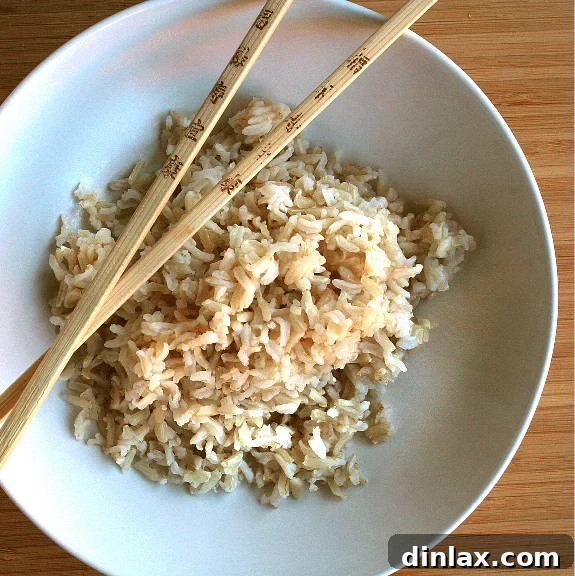
A stir-fry is rarely a standalone dish; it truly shines when served over a comforting bed of steaming rice or a tangle of flavorful noodles. The choice between rice and noodles depends on your preference and the overall profile of your stir-fry. Jasmine rice, with its delicate aroma and fluffy texture, is a classic choice, absorbing the sauce beautifully. Brown rice offers a nuttier flavor and added fiber, while basmati can also work well, especially for stir-fries with Indian or Middle Eastern influences. For noodles, consider egg noodles, udon, ramen, or thin rice vermicelli, ensuring they are cooked al dente so they retain a pleasant chewiness and don’t become mushy when mixed with the sauce. Preparing your rice or noodles ahead of time is crucial, as the stir-fry itself cooks very quickly, and you want everything ready to be served immediately, hot and fresh.
The Essential Heat: Sriracha and Beyond for the Ultimate Finish

For many, a stir-fry isn’t complete without a generous drizzle of Sriracha. This beloved chili sauce adds a vibrant kick of heat and a touch of tangy garlic, elevating the dish with its signature flavor. Its bright red color also adds visual appeal, hinting at the exciting flavors within. Of course, the level of spice is entirely up to personal preference, so feel free to adjust or opt for other chili oils or fresh chilies if you prefer a different kind of heat. Beyond Sriracha, don’t shy away from other garnishes that add freshness, texture, and flavor. A sprinkling of toasted sesame seeds, chopped fresh cilantro or scallions, or even a perfectly fried egg (as often desired) can transform your simple stir-fry into a gourmet experience. The runny yolk of a fried egg mixing with the stir-fry sauce and rice is a culinary delight not to be missed!
Your Go-To: The Simple Stir-Fry Recipe for Weeknights
Now that we’ve covered the essential components, it’s time to put theory into practice. This “no-measure” recipe is designed for flexibility and ease, allowing you to adapt it based on what you have on hand and your personal taste. It truly embodies the spirit of a quick, satisfying weeknight meal that can be easily customized to your preferences or dietary needs.
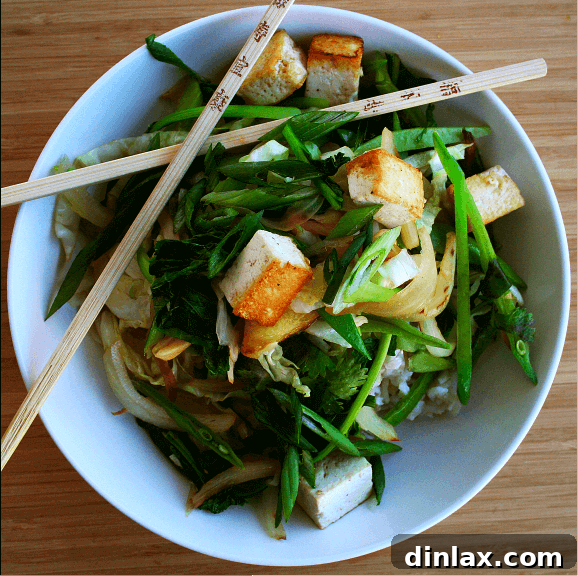
Simple Stir-Fry Recipe
Rating: 5 from 1 review
- Author: Alexandra Stafford at alexandracooks.com
- Total Time: 15 minutes
Description
I wish I could give more detailed instructions/measurements, but this truly is a no-measure recipe that encourages intuition and taste.
Ingredients
This recipe encourages flexibility with ingredients. Use a mix of your favorite vegetables such as onion, cabbage, baby bok choy, rapini, cilantro, snow peas, zucchini, and scallions. Tofu and peanuts are also highly recommended for protein and crunch. Ensure you have about one tablespoon of canola oil for cooking and the Stir-Fry Sauce prepared from the recipe provided above.
Instructions
- Cook your chosen rice — whatever you like best (e.g., jasmine, brown). Set it aside to keep warm. Prepare the stir-fry sauce using the recipe provided earlier in this guide and set it aside.
- Chop all of your vegetables and protein ingredients into uniform, bite-sized pieces. Remember, a stir-fry cooks in just about five minutes once the vegetables are in the wok, so having everything prepped and ready (your “mise en place”) ahead of time is absolutely essential. For this recipe, recommended ingredients include: onion, cabbage, baby bok choy, rapini, fresh cilantro, snow peas, zucchini, scallions, tofu (pressed and cubed), and peanuts. Remember to thoroughly wash the baby bok choy, especially between its leaves.
- Heat your wok with about one tablespoon of canola oil until it begins to lightly smoke. This indicates it’s hot enough for proper stir-frying. (Alternatively, you can heat the wok without oil first, then add the oil once hot — the method often depends on your specific pan and stove.) Add the tofu cubes and let them brown until they develop a nice, crispy crust on one side, which usually takes about 1 to 2 minutes. Once crispy, remove the tofu from the wok and set it aside.
- Add the harder vegetables, such as onions and zucchini, to the hot wok. Allow them to cook without stirring constantly, letting them brown slightly for deeper flavor, typically for 2-3 minutes. Next, add the cabbage, rapini, and baby bok choy, and cook for another two minutes, stirring only briefly to combine. Finally, incorporate the snow peas, scallions, fresh cilantro, and peanuts. Pour in about a ¼ cup (or less, depending on your preference and desired sauciness) of the prepared stir-fry sauce and let it cook for about one minute, allowing it to thicken and coat the ingredients. Return the cooked tofu to the wok and toss everything together gently. Turn off the heat immediately. Serve the stir-fry hot over your prepared rice and douse with Sriracha to taste for an extra kick of spice.
- Prep Time: 10 minutes
- Cook Time: 5 minutes