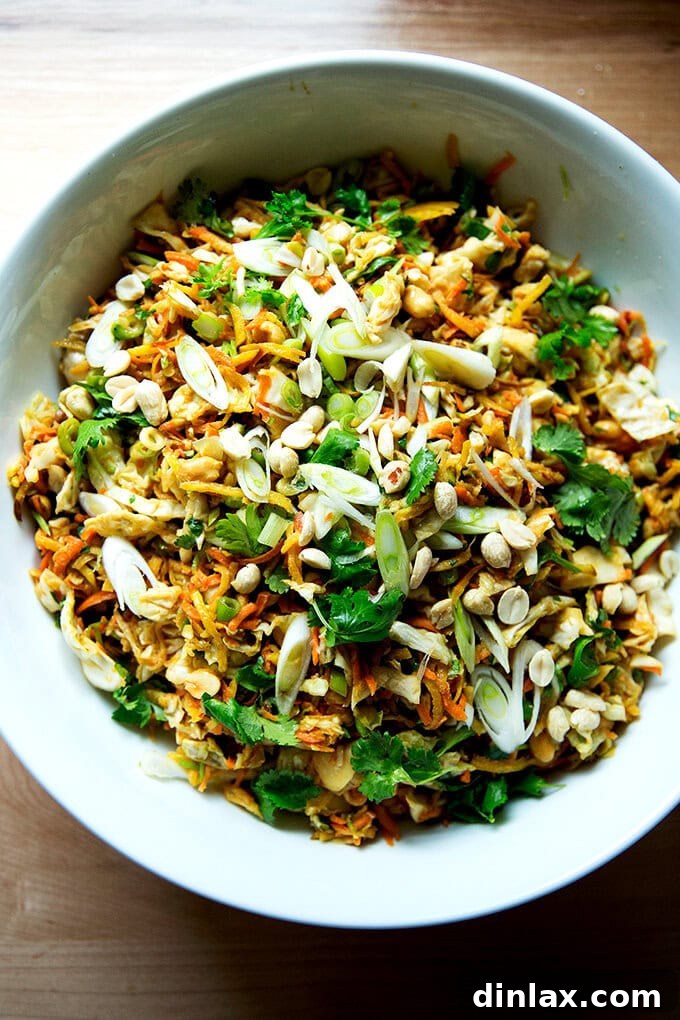
Experience the Zest: Chopped Thai Satay Salad with Creamy Peanut-Ginger Dressing
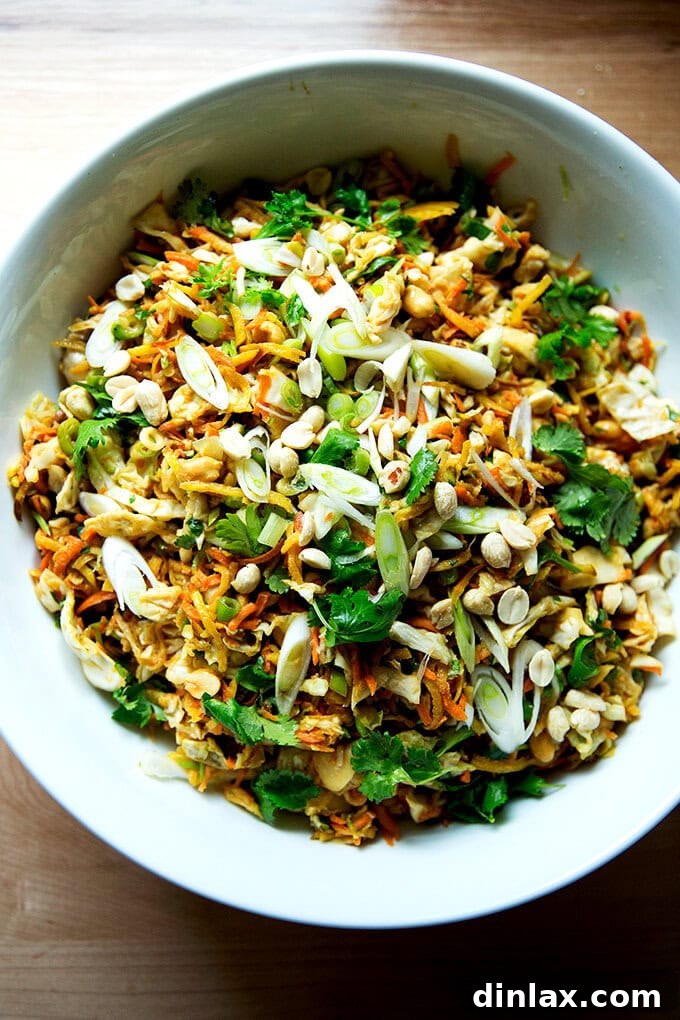
For those who savor the exotic flavors of Thai cuisine, particularly the irresistible allure of chicken satay and its accompanying rich peanut sauce, prepare to be captivated by this “chopped satay salad.” It’s a culinary masterpiece that distills the essence of those beloved flavors into a vibrant, wholesome, and incredibly satisfying salad. At its core, this dish is a harmonious blend of finely chopped vegetables, infused with a boldly flavorful dressing, aromatic fresh herbs, and the satisfying crunch of toasted nuts.
One of the most appealing aspects of this salad is its remarkable speed of preparation. With the aid of a food processor, you can have this nutritious meal on your table in under 30 minutes. Beyond its quick assembly, the recipe boasts incredible versatility, allowing you to customize the ingredients based on whatever fresh produce is available or simply to suit your personal tastes and dietary preferences. It truly is a recipe that adapts to you, not the other way around.
Crafting Your Perfect Chopped Satay Salad: Endless Customization
My current go-to combination for this salad features the crispness of cabbage, the sweetness of carrots, and the earthy undertones of raw golden beets. This trio offers a fantastic textural and flavor contrast. However, as the seasons shift, I eagerly anticipate incorporating a wider array of fresh, seasonal produce. Imagine the delightful additions of vibrant bell peppers, cool and crisp cucumbers, sweet snap peas, or even tender green beans. The beauty of this recipe lies in its adaptability; feel free to experiment with your favorite crunchy vegetables.
Beyond vegetables, this salad also provides a fantastic canvas for adding extra bulk and protein. It pairs wonderfully with a serving of noodles for a more substantial meal, or you can elevate its protein content with leftover roast chicken, gently poached chicken, or even crispy, pan-fried tofu. The inclusion of these elements transforms the salad from a side dish into a complete and robust main course, making it ideal for lunch or a light dinner. This flexibility ensures that the chopped Thai satay salad can be a staple in your meal rotation, always offering something new and exciting.
Inspired by Wellness: Liz Moody’s Healthier Together Cookbook
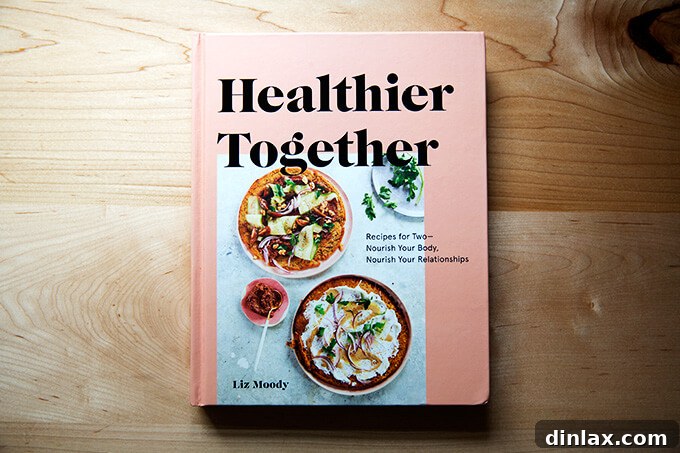
This fantastic recipe originates from Liz Moody’s insightful cookbook, Healthier Together. As its title cleverly suggests, the book is entirely dedicated to the joy and benefits of preparing healthy meals collaboratively. However, it distinguishes itself from cookbooks designed for entertaining large groups. Instead, Liz focuses on a more intimate approach: each recipe is thoughtfully portioned to serve two, perfect for you and your chosen cooking companion, be it a spouse, friend, or family member.
The Philosophy Behind Cooking for Two
Liz Moody, a renowned wellness blogger and editor, frequently receives inquiries about her dietary habits. While always eager to share the tips and strategies that have profoundly impacted her own wellness journey, she consistently underscores a pivotal lesson learned over the years: food, while vital, is merely one component of the intricate wellness puzzle. Her philosophy delves deeper than just ingredients and nutrients, embracing a holistic view of health.
She eloquently states in her book: “Oftentimes those who struggle on their wellness journey have failed to consider the missing piece: the people with whom they choose to journey. Once this piece slides into place, a healthy, satisfying picture emerges.” This powerful insight highlights the profound impact of social connection and shared experiences on our overall well-being. It suggests that a collaborative approach to health, whether through cooking, exercising, or simply supporting one another, can be far more effective and enjoyable than pursuing wellness in isolation. The book aims to make this shared journey accessible and delicious.
Who Will Love This Cookbook?
Healthier Together resonates with a diverse audience, offering something valuable for various dietary preferences and wellness goals:
- Plant-Based Enthusiasts: While the book does include a small number of meat dishes, they are easily adaptable for vegetarian diets. The majority of recipes are vibrant, fresh, and predominantly plant-based, making it a treasure trove for those exploring or committed to plant-focused eating.
- Holistic Health Seekers: This is not a fleeting diet book centered on restriction or sacrifice. Instead, it promotes making healthier choices as part of a balanced, sustainable lifestyle. The book’s inspiring approach has already encouraged me to incorporate simple, beneficial additions like spinach and chia seeds into my favorite morning smoothie, demonstrating its practical, everyday applicability.
- Those Requiring Gluten-Free and Dairy-Free Options: A significant advantage of this cookbook is that every single recipe is thoughtfully crafted to be both gluten-free and dairy-free. This makes it an invaluable resource for individuals with specific dietary needs or sensitivities, ensuring delicious meals without compromise.
- Couples and Small Households: The book’s primary focus on recipes for two is perfect for couples, roommates, or anyone looking to cook healthy, perfectly portioned meals without excess leftovers.
Even without specific dietary restrictions, I wholeheartedly recommend this cookbook to anyone who simply enjoys cooking and values wholesome, flavorful food. I was pleasantly surprised to discover the gluten-free and dairy-free nature of the recipes only after reading the back cover, a testament to their inherent deliciousness. Furthermore, all recipes are easily scalable, making it straightforward to adjust quantities for larger gatherings. I’ve already earmarked several other enticing recipes to try, including the “Moroccan-ish Sunset Salad,” “General Tso’s Cauliflower,” and the “Mexican Street Corn and Quinoa Bowl.” Rest assured, I’ll keep you updated on my culinary adventures with Liz Moody’s inspiring collection.
The Secret to an Exceptional Cabbage Salad: Salt & Massage
When working with cabbage, particularly tougher varieties like green or red cabbage, a simple yet transformative technique can elevate your salad from good to extraordinary: the salt and massage method. Unless you’re using a naturally softer cabbage, such as Napa or certain types of Savoy, cabbage can be quite firm and resistant, making it difficult for dressings to penetrate and flavor the leaves properly. This often results in a less enjoyable, somewhat bland salad experience.
The solution is elegant in its simplicity: finely shred your cabbage, then sprinkle it with a small amount of salt. Gently massage the salted cabbage with your hands for a minute or two, allowing the salt to begin breaking down the tough cell walls. Then, set it aside for about 10 minutes. During this brief resting period, the salt draws out moisture from the cabbage, softening its texture and making it far more receptive to absorbing the delicious dressing you intend to toss it with. For approximately half a head of cabbage (around 1.5 pounds), I find that 1/2 teaspoon of kosher salt is the perfect amount to achieve this tenderizing effect without making the salad overly salty.
*A personal revelation for me has been the joy of incorporating raw beets into salads. They offer a unique sweetness and earthy flavor, alongside a vibrant color and satisfying crunch. The key to their success in a raw application is ultra-thin slicing. This can be achieved effortlessly with a mandoline, a trusty box grater, or the shredder attachment of a food processor, ensuring a delicate texture that blends seamlessly with other ingredients.
Crafting Your Chopped Thai Satay Salad: A Visual Guide and Detailed Steps
Let’s walk through the process of bringing this delightful salad to life, step by step.
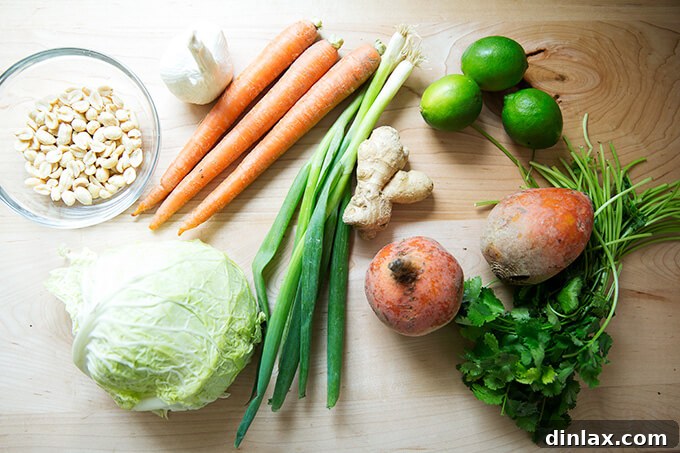
Step 1: Gather Your Ingredients. Ensure you have all the fresh produce and pantry staples ready to go, making the cooking process smooth and enjoyable.
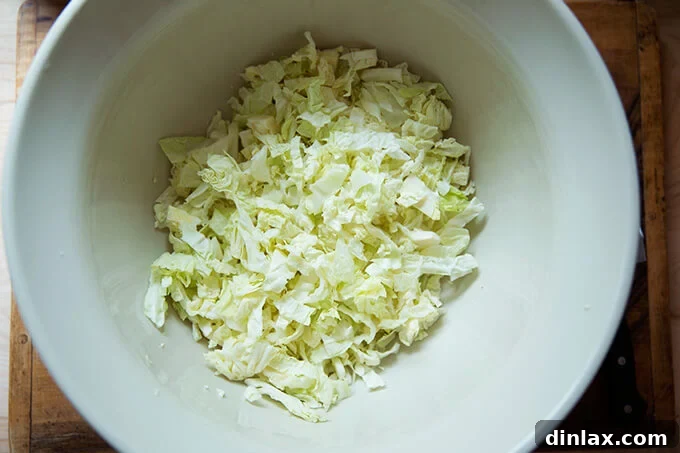
Step 2: Prepare the Cabbage. If your cabbage feels a bit stiff, sprinkle it evenly with a little salt. Gently massage it with your hands for a minute, then let it rest for about 10 minutes. This simple step will tenderize the cabbage, allowing it to better absorb the dressing.
Step 3: Whisk the Peanut Dressing. In a bowl, combine the fresh lime juice, soy sauce (or tamari), creamy peanut butter, aromatic sesame oil, a touch of maple syrup for sweetness, finely grated ginger, and minced garlic. Whisk thoroughly until the dressing is smooth and well-combined. This vibrant dressing is the heart of the salad’s flavor.
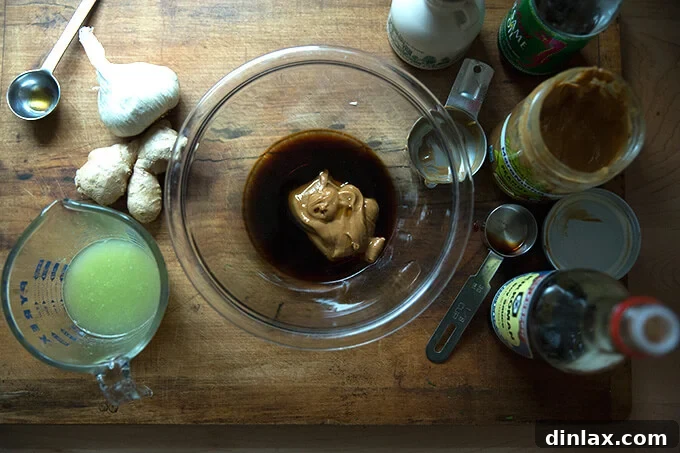
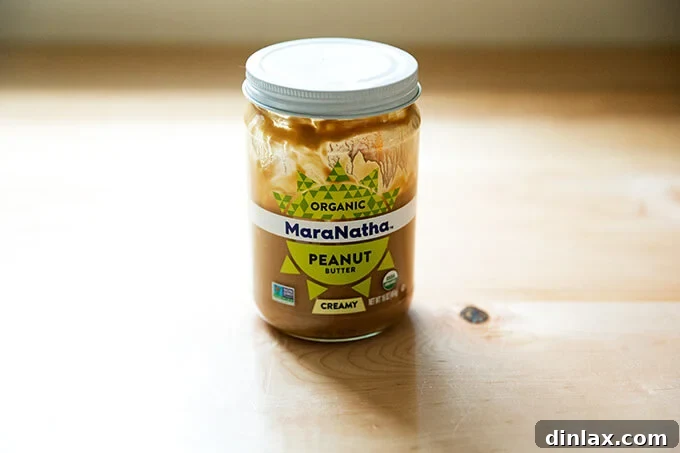
A Note on Peanut Butter: I’ve found a particular fondness for Maranatha peanut butter for its natural flavor and smooth texture. However, feel free to use your preferred brand. I also highly recommend Maranatha’s almond butters for other recipes, and they would likely work wonderfully as an alternative in this dressing if you prefer a different nut flavor or have peanut allergies.
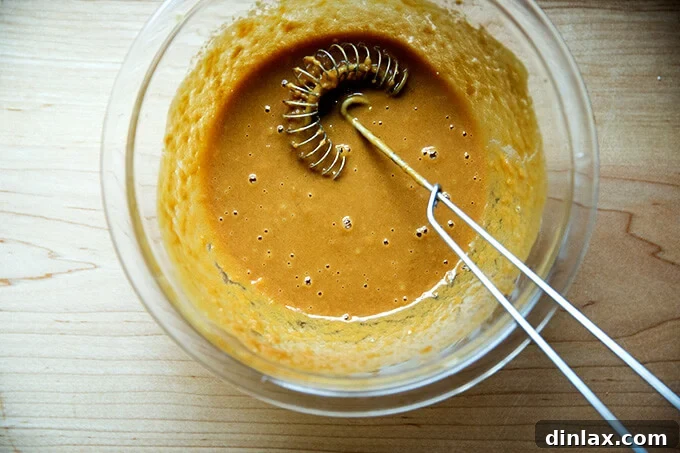
The completed Thai peanut dressing. Its rich, glossy texture promises an explosion of flavor. Many often ask about the whisk I use; it was a cherished gift. A large whipper with a similar design would be a great addition to any kitchen.
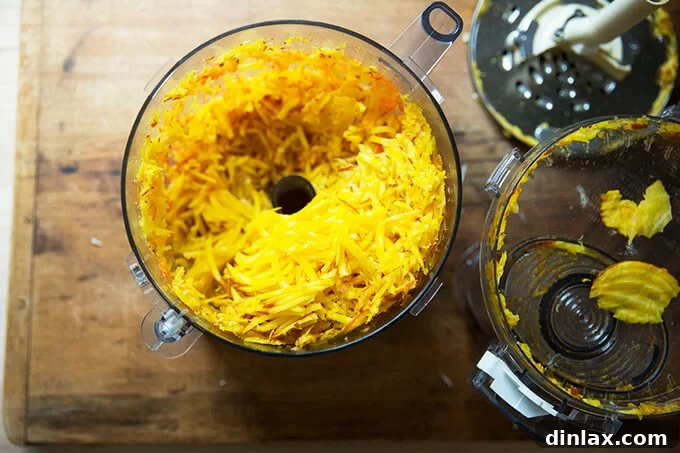
Step 4: Shred Remaining Vegetables. Fit your food processor with the shredder attachment. Carefully feed the carrots down the chute, shredding them evenly. Transfer the shredded carrots to the bowl with the cabbage. Repeat this process with the beets, adding them to the bowl as well. My 14-cup Cuisinart has always been an indispensable tool for tasks like this.
Step 5: Combine and Toss. Pour the exquisite peanut-ginger dressing over the prepared cabbage, carrots, and beets. Toss everything thoroughly, ensuring every piece of vegetable is coated in the creamy, flavorful dressing.
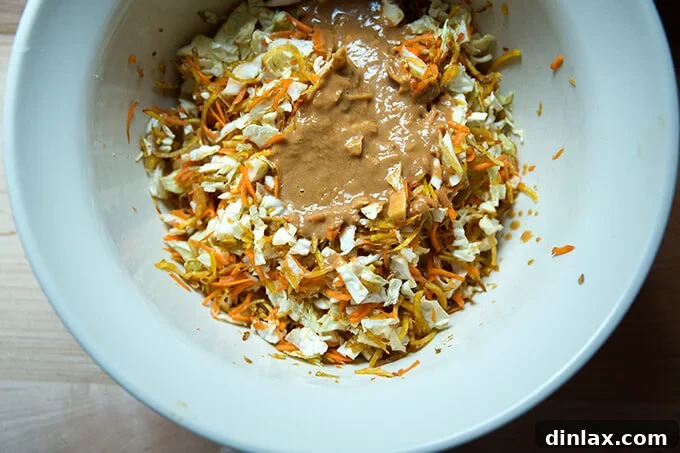
Step 6: Add Finishing Touches. Sprinkle the toasted peanuts, thinly sliced scallions, and fresh cilantro over the dressed vegetables. These additions provide essential texture, aroma, and a burst of fresh flavor that elevates the entire salad.
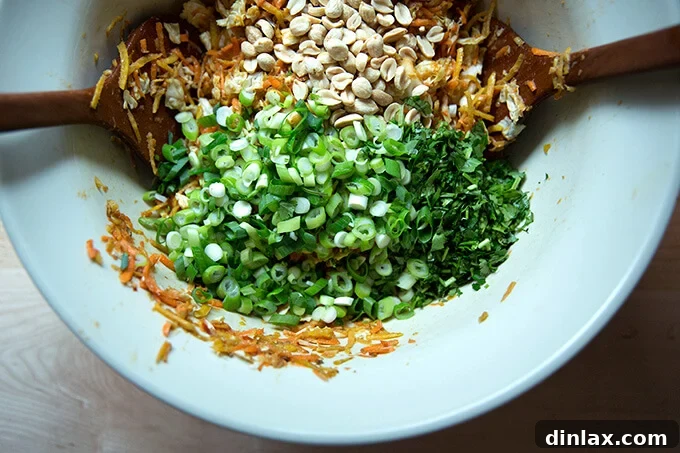
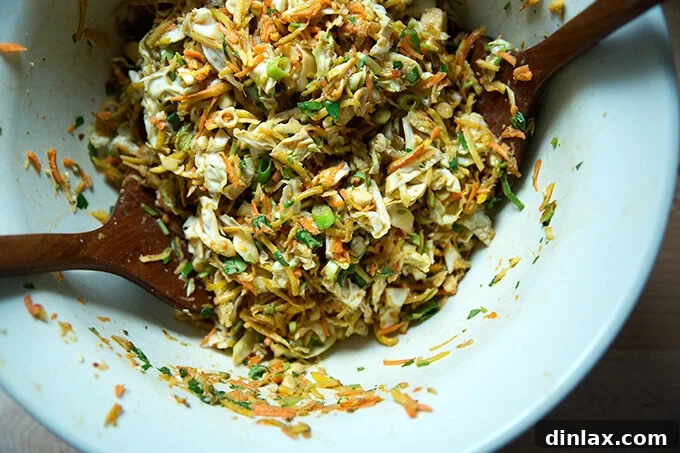
Step 7: Final Toss. Give the salad one last gentle toss to ensure all the elements are evenly distributed. The visual appeal alone is enough to make your mouth water.
Step 8: Serve and Enjoy. Present your beautiful chopped Thai satay salad. For those who appreciate a little extra heat, offer a bottle of your favorite hot sauce on the side, allowing each diner to customize their spice level.
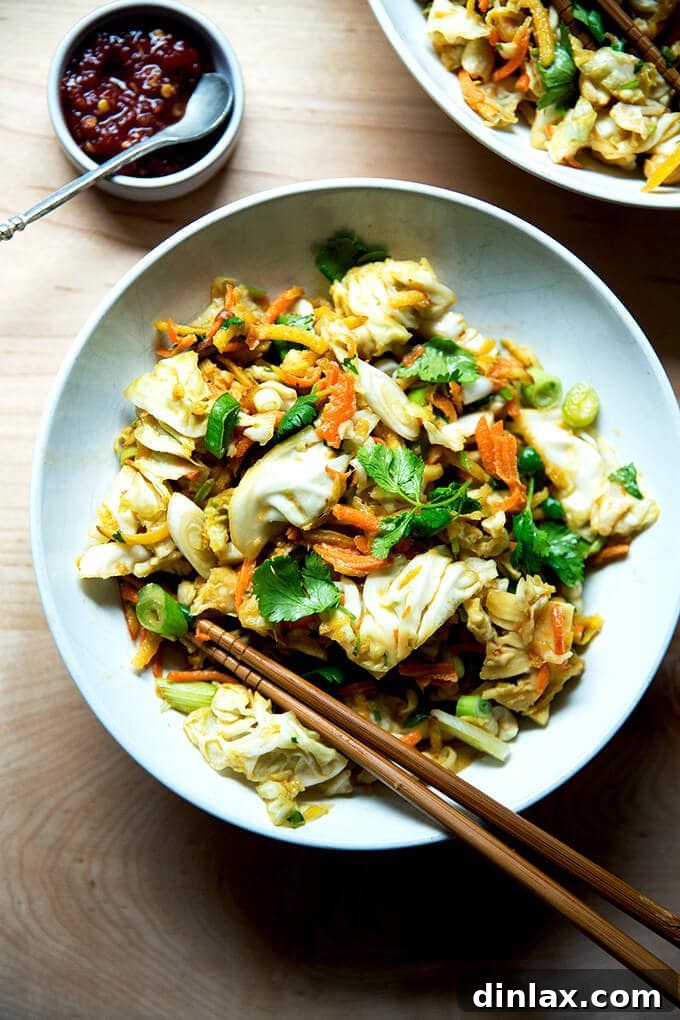
The inspiration behind this delightful dish: Liz Moody’s influential cookbook, Healthier Together, a must-have for anyone seeking to infuse their kitchen with healthful, shared culinary experiences.
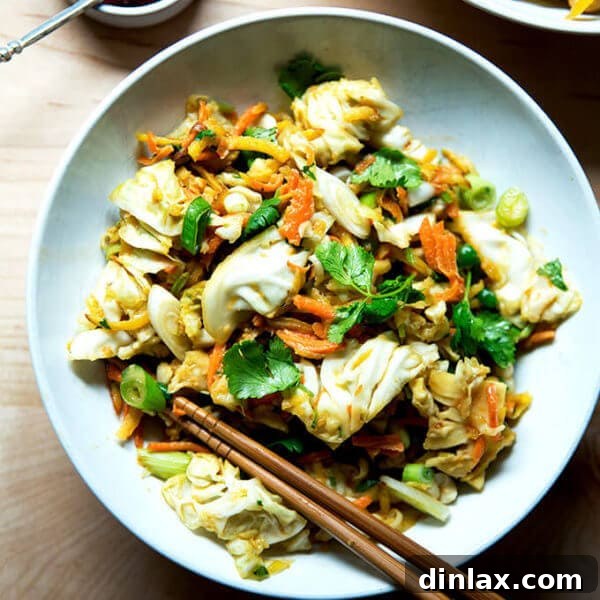
Chopped Thai Satay Salad with Peanut-Ginger Dressing
★★★★★
5 from 17 reviews
- Author: Alexandra Stafford
- Total Time: 25 minutes
- Yield: Serves 2
Print Recipe
Description
Adapted from Healthier Together
A few notes:
- The original recipe suggests red bell pepper, which would be a fantastic addition, especially during summer. Here, I’ve opted for 2 raw golden beets, which offer a delightful sweetness and vibrant color. I’ve also tried this with small red beets; they work equally well but will impart a beautiful red hue to the entire salad.
- Consider the salad ingredient list as a flexible guide. The dressing is incredibly versatile and will beautifully complement a wide array of vegetables. If cilantro isn’t to your taste, fresh parsley makes an excellent substitute.
- To make this salad more substantial, you can easily bulk it up with cooked noodles or shredded, cooked chicken breast. If you choose to add these, you might need to double the dressing to ensure everything is adequately coated and flavorful.
- I highly recommend Maranatha brand peanut butter for its quality, but any good quality peanut butter will work. For those with peanut allergies or who prefer other flavors, the dressing is equally delicious with almond butter or other nut butters. Similarly, for the toasted nuts, almonds or cashews are excellent alternatives to peanuts.
Ingredients
For the salad:
- 1/2 cup raw, unsalted peanuts (or other desired nut, such as almonds or cashews)
- 1/2 head (about 1.5 lbs.) green or red cabbage, finely shredded
- 1/2 teaspoon kosher salt, optional (for tenderizing cabbage)
- 2 – 3 carrots (about 1/2 lb.), unpeeled, ends trimmed, finely shredded
- 2 small beets (about 1 lb.), unpeeled, ends trimmed, finely shredded (see notes above regarding beet color)
- 3 to 6 scallions, thinly sliced
- 1 cup fresh cilantro, roughly chopped (or parsley)
For the dressing:
- 1/4 cup creamy peanut butter or other nut butter
- 3 tablespoons fresh lime juice (from about 1-2 limes)
- 2 garlic cloves, finely minced or grated
- 2 teaspoons grated (or finely minced) fresh ginger
- 2 tablespoons soy sauce or tamari (for gluten-free)
- 1 tablespoon sesame oil
- 1 tablespoon maple syrup
- pinch cayenne pepper, optional (for a hint of heat)
- Flaky sea salt (such as Maldon), to taste
Instructions
- Prepare the salad components: Preheat your oven to 350ºF (175ºC). Spread the raw, unsalted peanuts in a single layer on a small baking dish. Transfer the dish to the preheated oven and toast the peanuts for approximately 10 minutes, or until they are lightly golden and fragrant. Remove and set aside to cool.
- Finely shred the cabbage and transfer it to a large mixing bowl. If your cabbage feels particularly tough, sprinkle it with the 1/2 teaspoon of kosher salt. Toss the cabbage and salt gently, then briefly massage the cabbage for about a minute. Set the bowl aside for 10 minutes to allow the cabbage to soften.
- Attach the shredder disk to your food processor. Feed the carrots down the food chute and shred them into fine strips. Add the shredded carrots to the bowl with the cabbage. Repeat this process with the beets, shredding them and adding them to the same bowl.
- Prepare the dressing: In a medium bowl, combine the peanut butter, fresh lime juice, grated ginger, minced garlic, soy sauce (or tamari), sesame oil, and maple syrup. Season with a small pinch of flaky sea salt and a pinch of cayenne pepper, if using. Stir vigorously until all ingredients are thoroughly combined and the dressing is smooth. If the dressing is too thick, thin it out by adding water, one tablespoon at a time, until it reaches your desired consistency. I typically find 2 tablespoons of water to be perfect.
- Add the prepared peanut-ginger dressing to the large bowl containing the cabbage, carrots, and beets. Toss all the ingredients together thoroughly, ensuring every piece of vegetable is coated evenly with the rich dressing. Next, add the thinly sliced scallions, fresh cilantro, and the toasted peanuts to the bowl. Toss again to incorporate these fresh additions.
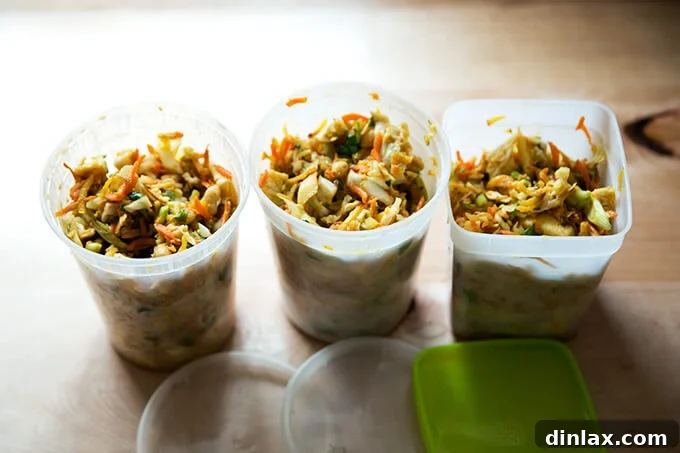
- Serve the chopped Thai satay salad immediately, or transfer it to airtight storage containers and refrigerate for later enjoyment. If desired, serve with a side of your favorite hot sauce for an added kick.
- Prep Time: 25 minutes
- Category: Salad
- Method: Chopped
- Cuisine: Asian