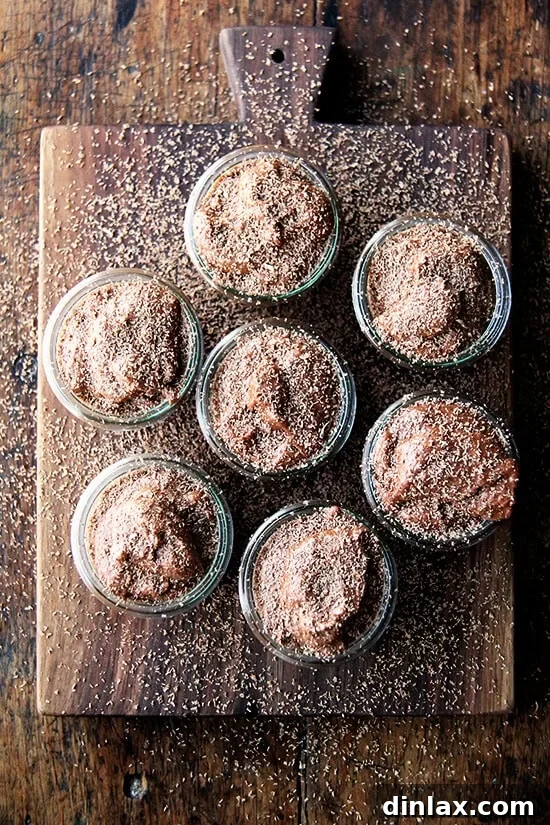
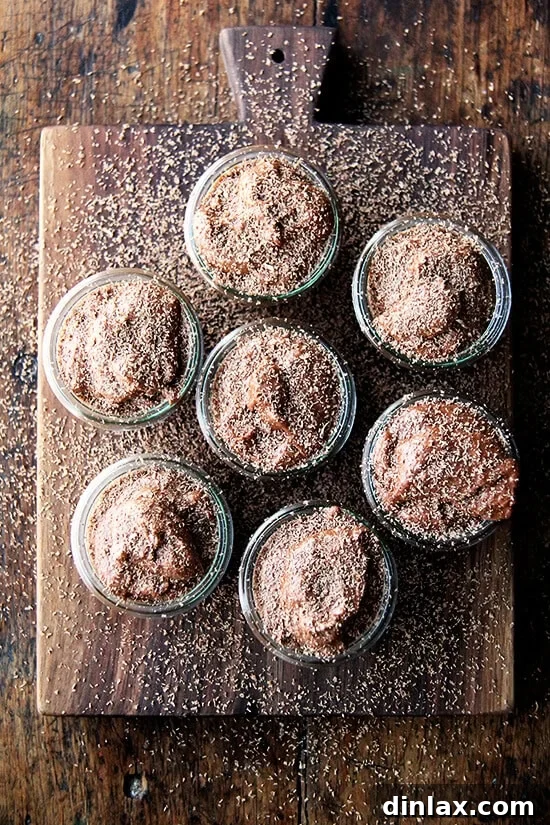
Few desserts evoke such a sense of sophisticated indulgence as chocolate mousse. It’s a classic for a reason, a harmonious blend of rich chocolate flavor and a delicate, ethereal texture that dances on the palate. Yet, in my culinary journey, the quest for the truly perfect chocolate mousse has often been elusive. Many recipes tend to produce something more akin to chocolate-flavored whipped cream—pleasant, certainly, but lacking the profound depth and distinct body that defines a truly exceptional mousse. This pursuit led me, as it has many home cooks and professional chefs alike, to the legendary kitchens of Julia Child, whose seminal recipe for chocolate mousse, beautifully documented by David Lebovitz, promised a revelation.
Julia Child, the iconic figure who demystified French cuisine for American households, had a way of elevating classic dishes to an art form. Her approach to chocolate mousse is no exception. It’s a recipe that transcends the ordinary, offering a dessert that is both deeply satisfying and surprisingly light. What makes Julia’s chocolate mousse particularly remarkable is its ingenious technique, one that eschews the common reliance on heavy cream for its signature texture. Instead, it employs a method that, while reminiscent of classic French parfaits, is elegantly simplified yet incredibly effective.
The heart of Julia Child’s chocolate mousse lies in its unique preparation, specifically the meticulous handling of egg yolks and sugar. This crucial step involves whisking the yolks and sugar until they achieve a thick, pale ribbon stage, first gently warmed over a double boiler and then diligently cooled over an ice bath. This process creates a stable, rich base that is then combined with melted chocolate, butter, and a touch of dark-brewed coffee and rum, which are not just additions but essential flavor enhancers that deepen the chocolate’s complexity.
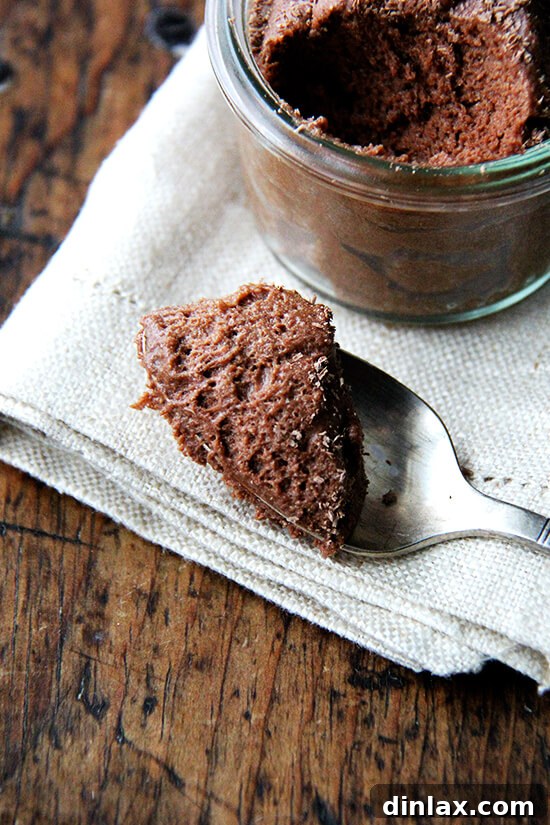
David Lebovitz, a respected voice in the world of French desserts, aptly describes Julia’s mousse as possessing a “perfect, slightly-gummy texture, backed up by a wallop of pure dark chocolate flavor.” This “gumminess,” or a delightful chewiness, is precisely what distinguishes Julia Child’s creation. It’s this very quality that I adore in traditional parfaits and what I’ve come to cherish in this specific chocolate mousse. It means the mousse isn’t merely a fleeting taste of chocolate-infused air; it has a tangible presence, a luxurious body, while still maintaining an exquisite lightness derived exclusively from carefully beaten egg whites. This balance of richness and airiness is a hallmark of true French patisserie, and Julia Child masters it with effortless grace.
My personal experimentation with this classic recipe involved a slight adjustment to the sugar content. Recognizing that the chocolate I typically use (Guittard 64% cacao) is inherently sweeter than a darker chocolate, I opted to reduce the sugar from Julia’s original recommendation. This adaptability is key in baking, allowing one to tailor the sweetness to the specific type of chocolate used. For those who prefer a more intense, less sweet chocolate, adhering to the original ⅔ cup of sugar might be ideal. This flexibility ensures that the rich, authentic chocolate flavor remains the star, perfectly balanced by sweetness.
Beyond its unparalleled flavor and texture, Julia Child’s chocolate mousse offers another significant advantage: it’s an excellent make-ahead dessert. This quality makes it particularly appealing for special occasions, such as a romantic Valentine’s Day spent at home, or any gathering where you wish to impress without the last-minute stress. While I am undeniably fond of lighter, cream-based treats like vanilla bean pots de crème, there’s an undeniable truth: Valentine’s Day, and indeed many celebratory moments, simply call for chocolate. And not just any chocolate, but a chocolate dessert that leaves a lasting impression, a memory of pure culinary delight.
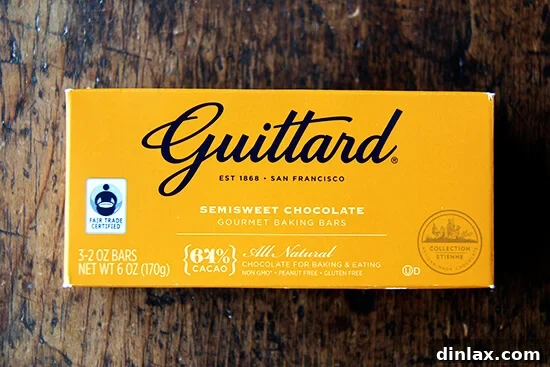
The choice of chocolate is paramount in this recipe. Bittersweet or semisweet chocolate with a cacao percentage between 60-72% is typically recommended. A higher quality chocolate will undoubtedly translate into a richer, more nuanced flavor profile in the finished mousse. The addition of dark-brewed coffee isn’t just for a caffeine kick; it’s a classic culinary trick to intensify the chocolate flavor without making the dessert taste overtly like coffee. Similarly, a good dark rum adds a subtle warmth and aromatic complexity, rounding out the deep chocolate notes beautifully.
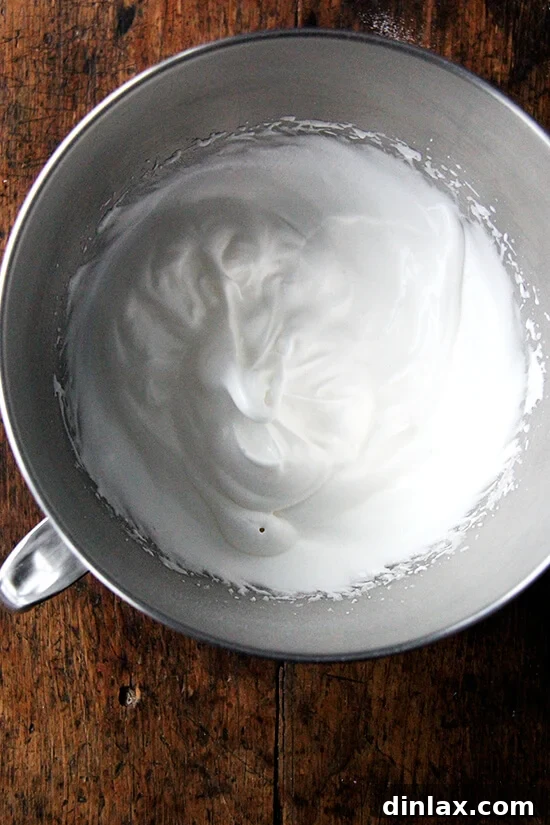
One of the most delicate aspects of making a truly magnificent mousse is the incorporation of the egg whites. After the egg yolks have been tempered, thickened, and cooled, and then folded with the rich chocolate mixture, the light and airy beaten egg whites are carefully folded in. This step requires a gentle hand to maintain as much volume as possible, which is essential for the mousse’s characteristic lightness. Over-mixing at this stage can deflate the whites, resulting in a denser mousse that loses its signature airiness.
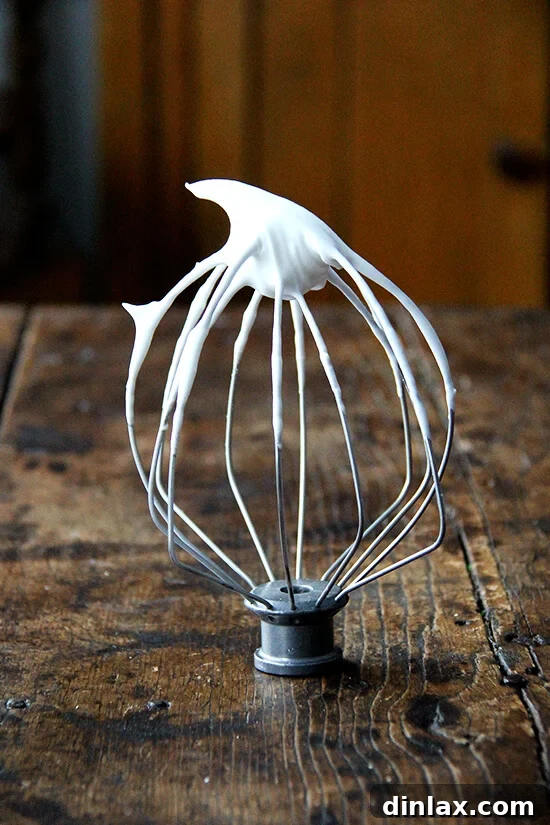
The success of Julia Child’s chocolate mousse hinges on a few critical techniques. First, achieving the “ribbon stage” with the egg yolks and sugar is non-negotiable. This means the mixture should be thick enough to form a ribbon when lifted with the whisk, indicating proper aeration and emulsification. Second, the careful cooling of this yolk mixture over an ice bath is vital to stop the cooking process and ensure a stable base for the chocolate. Finally, the art of folding the beaten egg whites into the chocolate base demands patience and a light touch. It’s about combining the mixtures just until no streaks of white remain, preserving the delicate air pockets that give the mousse its extraordinary texture.
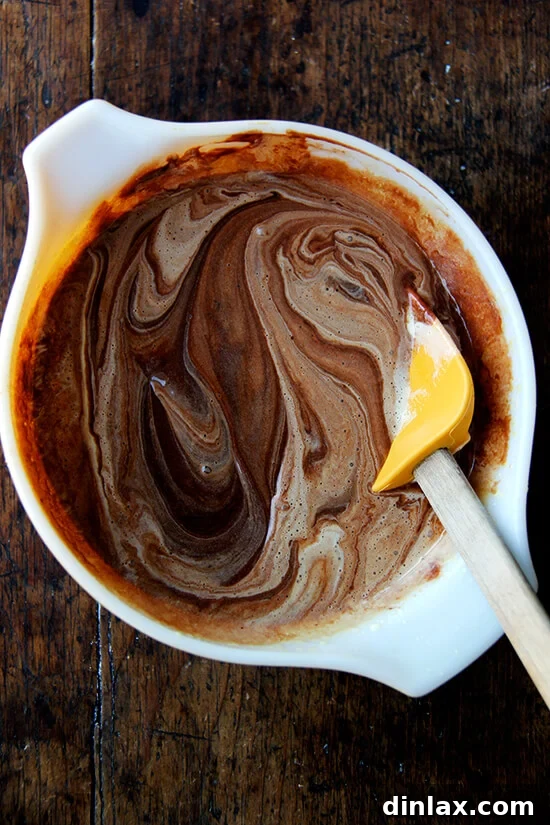
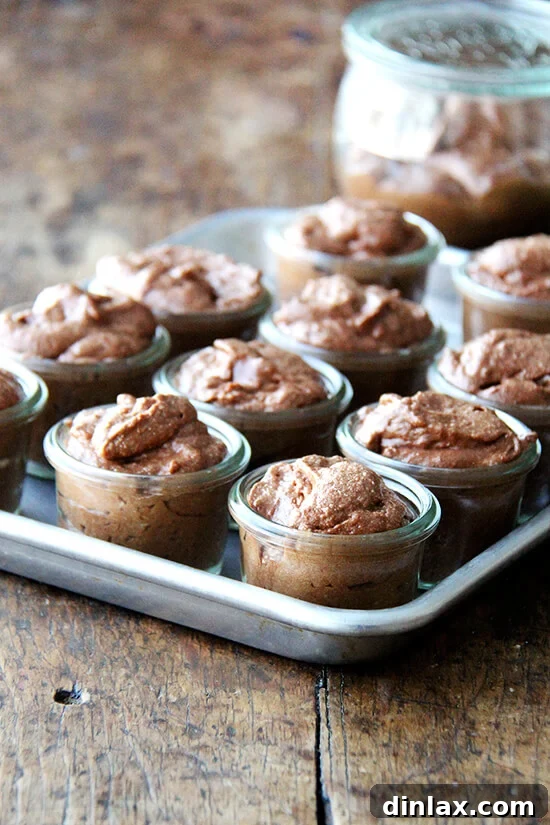
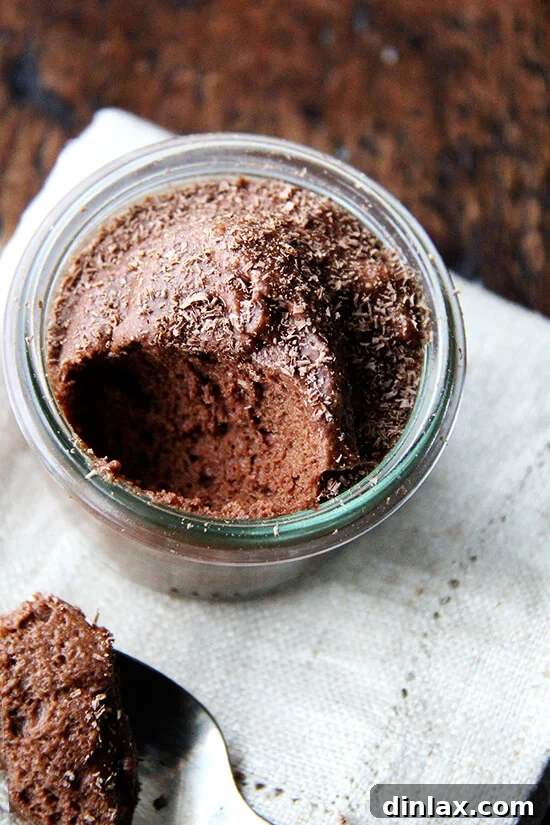
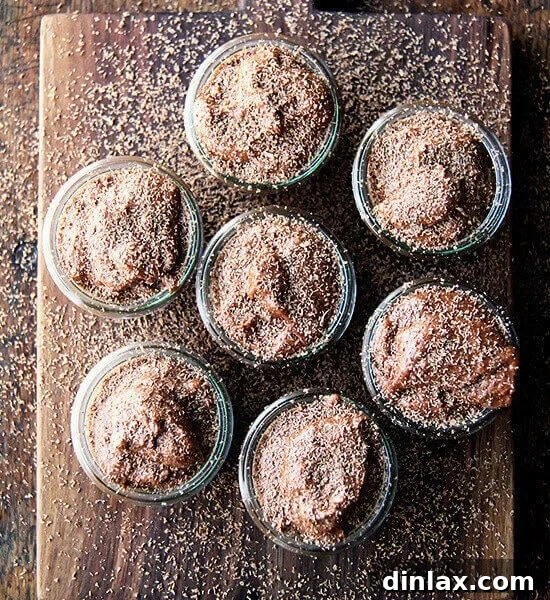
Once assembled, the mousse requires a minimum of four hours of refrigeration to set properly. This chilling period allows the flavors to meld and the mousse to firm up into its characteristic dense yet airy consistency. The anticipation of this waiting period only adds to the reward of the first spoonful. Serving can be as simple as spooning it into elegant individual dishes or a single large serving bowl, and garnishing with something as exquisite as freshly shaved dark chocolate or a sprinkle of flaky sea salt to enhance the chocolate’s depth. Fresh berries or a dollop of unsweetened whipped cream can also provide a beautiful contrast in flavor and texture, though the mousse is perfectly capable of standing on its own merits.
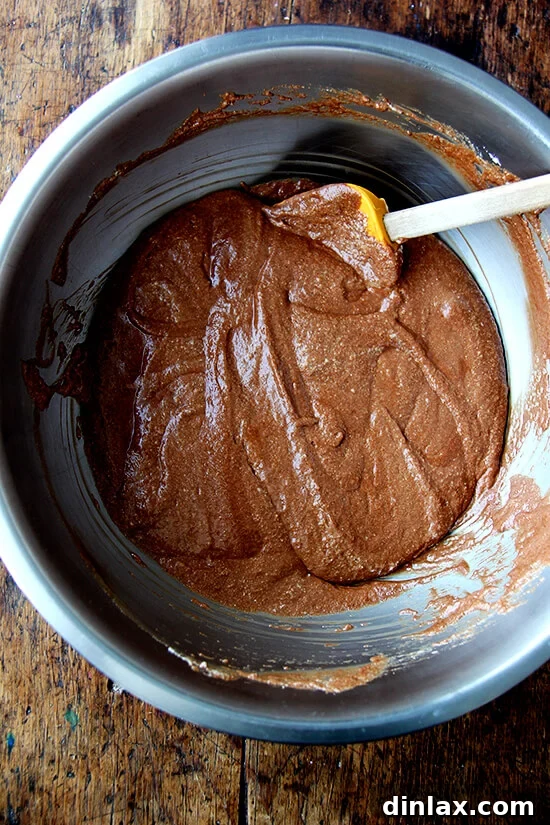
For anyone seeking to master a truly classic chocolate dessert, Julia Child’s chocolate mousse is an essential recipe. It teaches fundamental French culinary techniques and rewards the effort with a dessert that is far superior to most contemporary versions. It’s an experience in texture, a symphony of deep chocolate notes, and a testament to the timeless wisdom of a culinary icon. Whether you’re a seasoned baker or an enthusiastic beginner, this recipe offers a fulfilling challenge and an unforgettable dessert that will surely become a cherished favorite.
Print
Julia Child’s Classic Chocolate Mousse
5 Stars 4 Stars 3 Stars 2 Stars 1 Star
5 from 1 review
Author: Alexandra Stafford
Total Time: 4 hours 35 minutes
Yield: 8 servings 1x
Description
This exquisite chocolate mousse is adapted from Julia Child’s definitive cookbook, Mastering the Art of French Cooking, and brought to wider attention by David Lebovitz. It stands apart from common mousse recipes by achieving a unique, slightly chewy texture and profound depth of chocolate flavor, without relying on whipped cream for body.
A Note on Chocolate and Sugar: The original recipe calls for ⅔ cup of sugar. My preference is for Guittard Chocolate, 64% cacao, which is on the sweeter side. Consequently, I reduce the sugar to ½ cup to achieve a perfect balance. If you opt for a darker chocolate, such as Green and Black 72% cacao (as used by Lebovitz) or similar, you might prefer to stick with the full ⅔ cup of sugar to ensure adequate sweetness.
The Secret to the Signature Texture: The beauty of this recipe lies in its distinct texture – a delightful chewiness that many other mousse recipes lack. This is achieved by meticulously whisking egg yolks to a pale yellow “ribbon stage” before folding them into the chocolate. This process is crucial; if the yolks don’t reach the correct consistency, the finished mousse won’t have that desirable chew and body. For a visual guide to this vital step, refer to the detailed photos in David Lebovitz’s original post.
Ingredients
- 6 ounces (170g) bittersweet or semisweet chocolate, finely chopped (see notes above for sugar adjustment based on cacao percentage)
- 6 ounces (170g) unsalted butter, cut into small pieces
- ¼ cup (60ml) dark-brewed coffee
- 4 large eggs, separated
- ½ cup (116g) to ⅔ cup (170g) granulated sugar, plus 1 tablespoon sugar (see notes above regarding sugar quantity)
- 2 tablespoons (30ml) dark rum (optional, but highly recommended for flavor depth)
- 1 tablespoon (15ml) water
- Pinch of salt
- 1 teaspoon pure vanilla extract
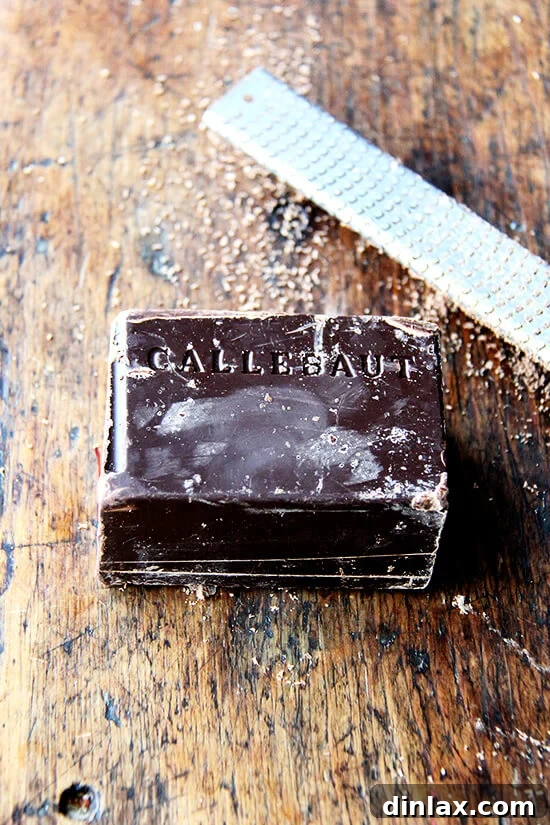
- Dark chocolate for shaving over top, optional garnish
Instructions
- Prepare the Chocolate Base: Fill a medium saucepan one-third full with hot water and bring to a bare simmer over low heat. In a heatproof bowl that fits snugly over the saucepan (creating a double boiler), combine the chopped chocolate, unsalted butter (cut into small pieces), and dark-brewed coffee. Stir gently and continuously over the barely simmering water until the mixture is completely smooth and melted. Remove the bowl from the heat and set aside.
- Set Up an Ice Bath: Fill a large bowl with ice water and place it nearby; you will use this for cooling the egg yolk mixture.
- Whisk Egg Yolks to Ribbon Stage: In another heatproof bowl, large enough to securely rest on the simmering saucepan, whisk together the egg yolks, ½ to ⅔ cup of sugar (refer to notes above for sugar quantity), dark rum, and water. Whisk vigorously for approximately 3 minutes over the simmering water. The mixture should become thick and pale yellow, resembling a runny mayonnaise, and form a distinct “ribbon” when lifted with the whisk. You can use a handheld electric mixer for this step. Ensure the mixture reaches this thickness before proceeding.
- Cool and Combine Yolks with Chocolate: Immediately remove the bowl of whisked egg yolks from the heat and place it into the prepared bowl of ice water. Continue to beat the mixture over the ice bath until it is completely cool and very thick. This cooling process is essential for the mousse’s final texture. Once cooled, gently fold the melted chocolate-butter-coffee mixture into the thickened egg yolks until well combined and smooth.
- Whip Egg Whites: In a separate, very clean bowl, beat the egg whites with the pinch of salt until they become frothy. Continue beating until the whites start to hold their shape, forming soft peaks. Gradually whip in the remaining 1 tablespoon of sugar and the vanilla extract. Continue to beat until the egg whites are thick, glossy, and hold firm, but not dry or completely stiff peaks. They should still have some flexibility.
- Gently Fold Whites into Mousse: Carefully fold one-third of the beaten egg whites into the chocolate-yolk mixture. This lightens the chocolate base and makes it easier to incorporate the rest of the whites. Then, gently fold in the remaining two-thirds of the egg whites. Fold just until no streaks of white remain and the mixture is uniformly combined. Be careful not to overmix, as this will deflate the egg whites and reduce the mousse’s volume and lightness.
- Chill the Mousse: Transfer the finished chocolate mousse to your chosen serving bowl or divide it evenly into individual serving dishes (such as small glasses or ramekins). Cover tightly with plastic wrap and refrigerate for at least 4 hours, or preferably overnight, until the mousse is firm and well-chilled.
- Serve with Garnish (Optional): Before serving, use a microplane grater or a vegetable peeler to shave dark chocolate over the top of the mousse for an elegant garnish. Enjoy this classic French dessert!
- Prep Time: 30 minutes
- Cook Time: 5 minutes
- Category: Dessert
- Method: Stovetop
- Cuisine: French