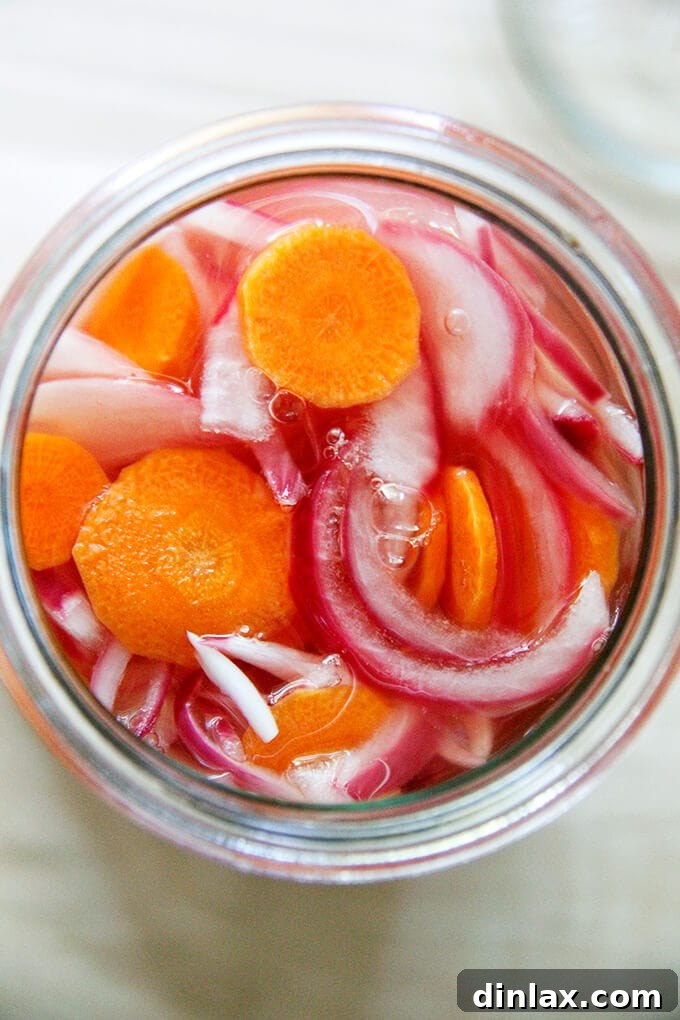
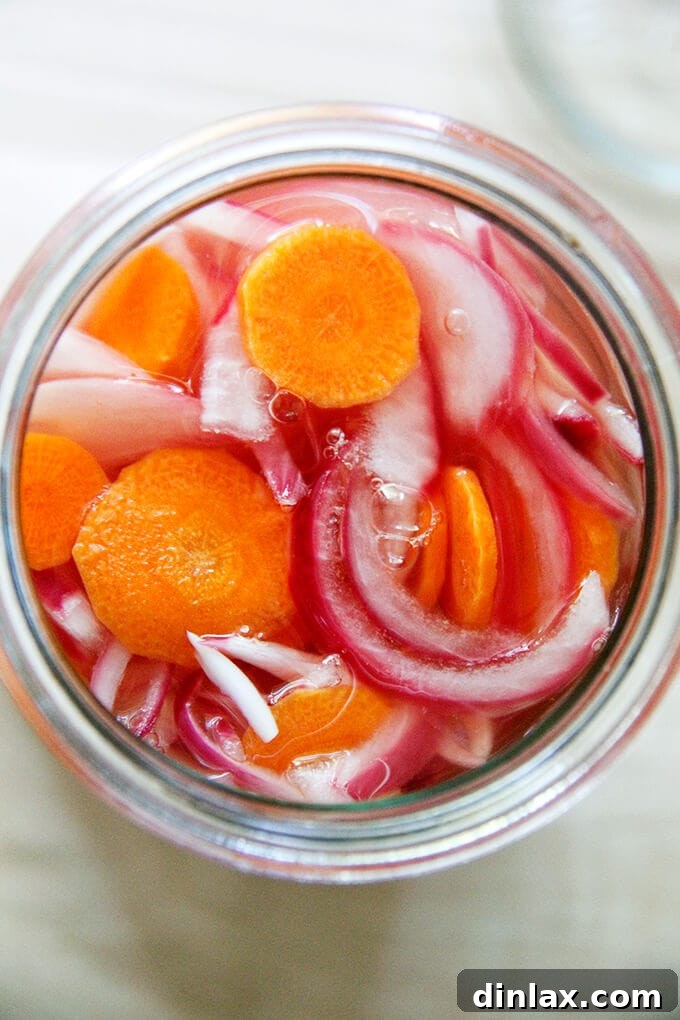
Master the Art of Simple Refrigerator Pickles: Pickle Anything, Anytime!
There’s a special joy in homemade food, and few things are as satisfyingly simple and endlessly versatile as refrigerator pickles. Much like crafting a batch of homemade aioli, the process of making your own pickles is surprisingly straightforward and incredibly rewarding. Forget complicated canning processes; these quick pickles require no special equipment, just a few pantry staples, fresh vegetables, and a fridge.
As sandwich season arrives, a jar of crisp, tangy pickles becomes an indispensable ally. They elevate everything from a humble turkey and Swiss cheese sandwich to more gourmet creations, such as roasted sweet potato and pickled beet sandwiches with creamy ramp aioli. While store-bought pickles certainly have their place, mastering the art of homemade refrigerator pickles puts you in control of the flavor, crunch, and ingredients, offering a fresh, vibrant taste that simply can’t be matched.
Why Make Your Own Refrigerator Pickles? The Benefits of Simple Pickling
Beyond the undeniable satisfaction of DIY, making your own refrigerator pickles offers a wealth of advantages:
- Unmatched Freshness and Flavor: Homemade pickles burst with a fresher, more vibrant taste compared to many commercial varieties. You control the quality of the vegetables and the balance of the brine, ensuring a crisp texture and a perfectly balanced tang.
- Preserve Seasonal Produce: Have an abundance of cucumbers, carrots, or radishes from your garden or farmer’s market? Pickling is an excellent way to extend their shelf life and enjoy them long after their season has passed.
- Customizable to Your Taste: This simple pickling formula is a blank canvas. Adjust the sweetness, add your favorite spices, or experiment with different vinegars to create unique flavor profiles that cater precisely to your palate.
- Healthier Options: By making them yourself, you avoid the artificial colors, preservatives, and excessive sodium often found in store-bought pickles. You can also control the sugar content, making them a healthier condiment.
- Effortless Process: Unlike traditional canning, refrigerator pickles don’t require water baths or special equipment for sealing. Simply combine, pour, cool, and refrigerate. It’s perfect for beginners!
- Versatile Culinary Addition: Pickles are more than just a sandwich companion. They add a bright, acidic counterpoint to rich dishes, a crunchy texture to salads, and a delightful tang to charcuterie boards.
The Simple, Adaptable Brine Formula: Pickle Anything!
The foundation of these incredible refrigerator pickles comes from a brilliantly simple formula, inspired by David Lebovitz’s pickled radish recipe. It’s a 1:1 ratio of water to vinegar, balanced with a touch of salt and sugar. This golden ratio ensures a perfectly tangy, flavorful brine that works with virtually any vegetable.
Choosing Your Vinegar
The type of vinegar you choose will influence the final flavor profile of your pickles. While white vinegar is a classic choice for a clean, sharp tang, don’t hesitate to experiment:
- White Vinegar: The standard, providing a crisp, neutral acidity.
- Apple Cider Vinegar: Adds a slightly fruitier, mellower tang with a hint of warmth.
- White Balsamic Vinegar: Offers a delicate sweetness and nuanced acidity.
- Champagne Vinegar: Provides a refined, subtle flavor that’s less assertive than white vinegar.
- Rice Vinegar: For an Asian-inspired twist, offering a milder, slightly sweet acidity.
The key is to use a “white” vinegar to maintain the bright color of your vegetables, though apple cider vinegar’s slight tint is usually negligible for most pickles.
The Perfect Balance: Salt and Sugar
Salt and sugar aren’t just for flavor; they play crucial roles in the pickling process. Kosher salt is preferred because it’s free of anti-caking agents and iodine, which can sometimes cloud the brine or affect the flavor. The salt draws out moisture from the vegetables, helping them maintain their crispness and preventing spoilage. Sugar, while optional for some, beautifully balances the vinegar’s acidity, creating a more rounded and palatable flavor that enhances the natural sweetness of many vegetables.
Optional Flavor Boosters: Spices and Herbs
While the basic brine is fantastic on its own, a few additions can take your pickles to the next level. Consider infusing your brine with:
- Garlic: Whole or sliced cloves for a pungent kick.
- Dill: Fresh dill sprigs or dill seeds for a classic pickle flavor.
- Mustard Seeds: Adds a subtle, earthy spice.
- Peppercorns: Black, white, or mixed peppercorns for warmth and complexity.
- Red Pepper Flakes: For a touch of heat.
- Bay Leaf: For an aromatic depth.
- Coriander Seeds: A citrusy, floral note.
Add these directly to the jar with the vegetables or simmer them briefly with the brine for a more intense infusion.
What Can You Pickle? A World of Possibilities
The beauty of this simple brine formula is its incredible versatility. I’ve personally used it to transform a wide array of vegetables into delightful pickles. Here’s a detailed look at some of my favorites and how they shine:
- Radishes: Quick to pickle, they retain their beautiful color and peppery bite, mellowing slightly into a vibrant, tangy crunch. Perfect for tacos or salads.
- Turnips: These humble root vegetables become wonderfully tender-crisp with a subtle earthiness. A great unexpected pickle.
- Kohlrabi: With its mild, slightly sweet, and crunchy texture, kohlrabi picks up the brine beautifully, becoming a delightful snack.
- Sliced Bell Peppers and Fennel: Bell peppers offer sweetness and vibrant color, while fennel adds a distinct anise flavor and crispness. Fantastic in sandwiches or as a side.
- Cauliflower and Broccoli: Cut into small florets, they become tender-crisp and absorb the brine wonderfully, offering a delightful texture.
- Watermelon Radishes: These stunners are as beautiful as they are tasty. Their mild flavor and incredible pink interiors make for an eye-catching pickle.
- Carrots: Sweet, crunchy, and vibrant, pickled carrots are a classic for a reason. They’re excellent in banh mi or just eaten straight from the jar.
- Onions and Shallots: Pickling mellows their sharp bite, transforming them into sweet and tangy additions to everything from burgers to salads.
- Ramp Bulbs: If you’re lucky enough to find them, pickled ramp bulbs offer a unique garlicky, oniony flavor that’s truly special.
Don’t stop there! Green beans, asparagus, zucchini (firmer varieties work best), and even thinly sliced cabbage can all be deliciously pickled using this method.
Preparation Tips for Diverse Vegetables
For the best results, consistency in preparation is key:
- Wash Thoroughly: Ensure all vegetables are clean and free of dirt.
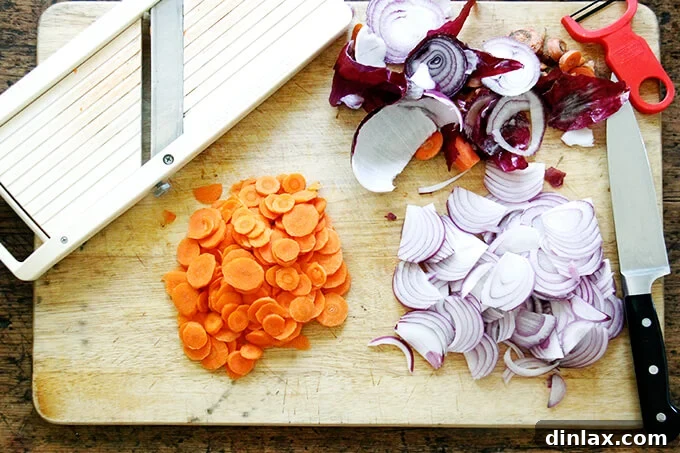
- Uniform Slicing: Aim for slices or pieces of roughly the same size and thickness. This ensures even pickling and consistent texture. A mandoline slicer is invaluable for achieving thin, uniform slices, especially for carrots, radishes, and onions.
- Thickness Matters: Thinner slices will pickle faster and become more tender. Thicker cuts will retain more crunch but may need a longer pickling time.
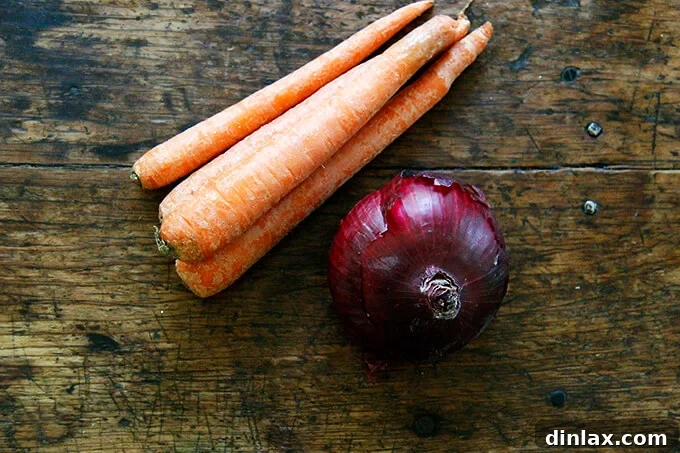
Gather your raw vegetables: carrots and onions are a nice combination.
Slice them thinly:
Step-by-Step Guide to Perfect Refrigerator Pickles
Making these pickles is a breeze. Follow these simple steps for homemade goodness:
1. Gather Your Ingredients and Equipment
You’ll need your chosen vegetables, the brine ingredients (water, vinegar, kosher salt, sugar), and clean glass jars with lids. A small saucepan for the brine and a sharp knife or mandoline for slicing are also essential.
2. Prepare Your Vegetables
Wash your vegetables thoroughly. Then, slice them thinly and uniformly. For carrots, radishes, or onions, a mandoline creates perfect, consistent slices. For cauliflower or broccoli, break them into small, bite-sized florets. The goal is to maximize their surface area for quick absorption of the brine.
3. Create the Brine
In a non-reactive saucepan (like stainless steel or enamel), combine 1 cup water, 1 cup vinegar, 2 teaspoons kosher salt, and 2 teaspoons sugar. This is your base ratio; scale up or down depending on the amount of vegetables you’re pickling. Bring the mixture to a simmer over medium heat, stirring occasionally, until both the salt and sugar are completely dissolved. If adding whole spices like peppercorns or mustard seeds, you can simmer them with the brine to infuse their flavors.
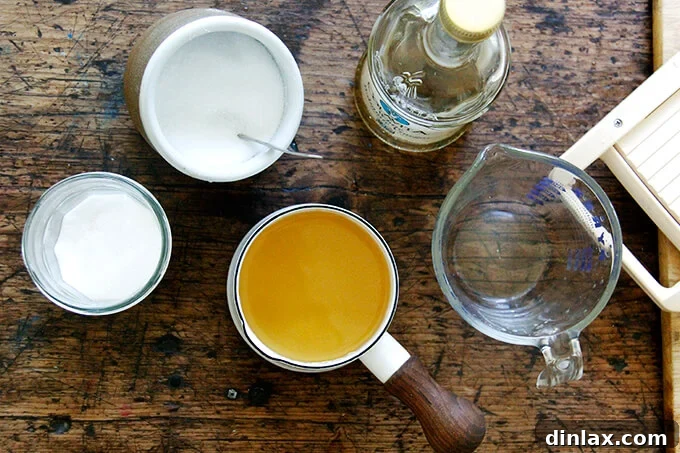
4. Pack the Jars
While the brine simmers, tightly pack your prepared vegetables into clean glass jars. You want to get as many vegetables as possible into the jar without crushing them, ensuring they will be fully submerged once the brine is added. If using herbs like fresh dill or garlic cloves, add them to the jars with the vegetables.
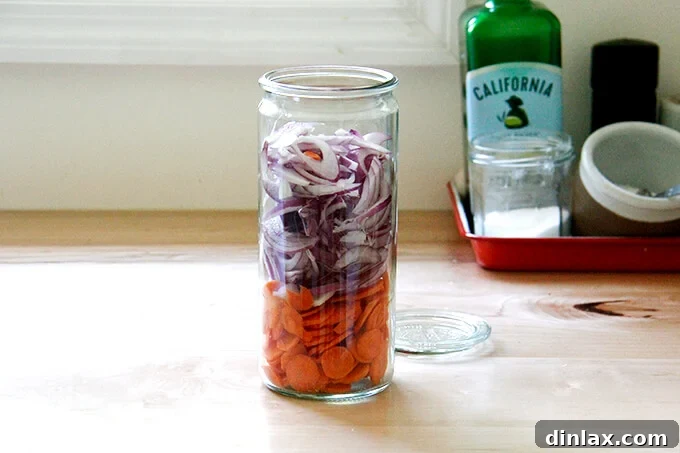
5. Pour, Cool, and Refrigerate
Carefully pour the hot brine over the vegetables in the jars, making sure they are completely submerged. Leave about a ½-inch headspace at the top of the jar. Tap the jars gently on the counter to release any trapped air bubbles. Let the jars cool on your countertop until they reach room temperature. Once cooled, seal them with their lids and transfer them to the refrigerator. They will be ready to enjoy within a few hours, but their flavor will deepen and develop over 24-48 hours. Store them in the refrigerator for several weeks, or even longer, though they rarely last that long!
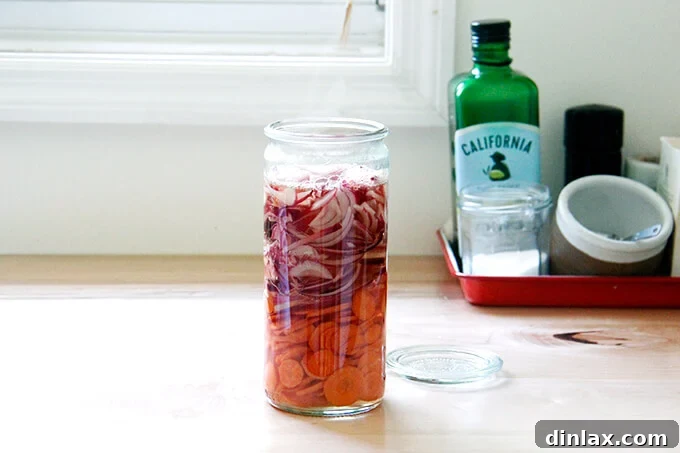
Serving Your Homemade Pickles
Now that you have a jar (or several!) of these delightful refrigerator pickles, how do you enjoy them? The possibilities are endless:
- Sandwich & Burger Essential: The most obvious, yet most satisfying. A tangy crunch cuts through the richness of meats and cheeses.
- Salad Enhancer: Chop them up and toss them into green salads, grain bowls, or potato and pasta salads for a burst of flavor and texture.
- Charcuterie & Cheese Boards: Pickles are a wonderful palate cleanser and textural contrast on any gourmet platter.
- Taco & Burrito Topping: Pickled onions or radishes are particularly fantastic for adding a bright, zesty counterpoint to savory fillings.
- Garnish for Main Dishes: Serve alongside grilled meats, roasted vegetables, or even eggs to add a fresh, acidic lift.
- Simple Snack: Sometimes, the best way to enjoy a good pickle is straight from the jar!
Refrigerator Pickles: A Culinary Game Changer
This simple formula for refrigerator pickles is more than just a recipe; it’s a foundation for culinary creativity. It empowers you to take control of your condiments, reduce food waste by preserving seasonal produce, and add an incredible depth of flavor and texture to countless meals. Once you realize how easy it is to make your own pickles, you’ll find yourself experimenting with every vegetable under the sun. So, gather your ingredients, embrace the simplicity, and get ready to transform ordinary produce into extraordinary pickles!
Print
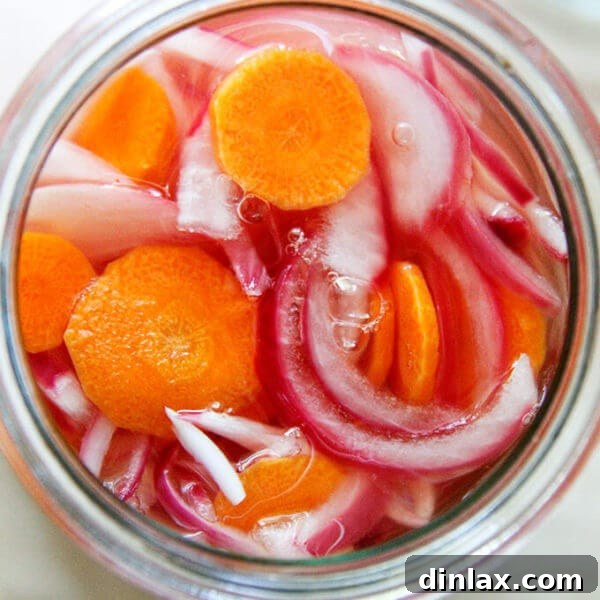
Simple Refrigerator Pickles
5 Stars 4 Stars 3 Stars 2 Stars 1 Star
5 from 9 reviews
Author: Alexandra Stafford
Total Time: 15 minutes
Yield: 3 to 4 cups 1x
Description
This is a simple formula adapted from David Lebovitz’s pickled radish recipe. It can be scaled as needed and used to pickle many a vegetable: peppers, onions, fennel, cauliflower, broccoli, shallots, turnips, kohlrabi … you name it.
Ingredients
- 1 cup water
- 1 cup vinegar (white, apple cider, white balsamic, champagne—any white vinegar)
- 2 teaspoons kosher salt
- 2 teaspoons sugar
- 4 cups (roughly) thinly sliced vegetables: onions, carrots, turnips, radishes, watermelon radishes, peppers, fennel, shallots, etc.
Instructions
- In a large non-reactive saucepan, bring the water, vinegar, salt, and sugar to a boil, until the sugar and salt are dissolved.
- Meanwhile, place the sliced vegetables in glass jars.
- Pour the brine over top. Let cool to room temperature, then refrigerate. Store for weeks if not longer.
- Prep Time: 10 minutes
- Cook Time: 5 minutes
- Category: Pickle
- Method: Stovetop
- Cuisine: American