Jump to Recipe
The Ultimate Guide to Easy & Delicious Roasted Vegetables
In the culinary world, few methods offer such a perfect blend of simplicity, versatility, and sheer deliciousness as roasting. If you’re searching for a way to effortlessly boost your daily intake of vitamins and nutrients, or simply looking for an incredibly flavorful side dish that requires minimal fuss, look no further than these easy roasted vegetables. This method transforms humble root vegetables and aromatic produce into caramelized, tender, and irresistible bites.
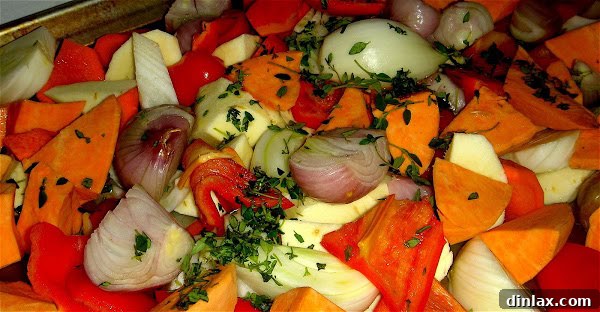
Our featured recipe focuses on a harmonious blend of root vegetables like carrots, parsnips, and sweet potatoes, complemented by the sweet notes of shallots, the subtle anise flavor of fennel, and the vibrant sweetness of red bell pepper. Each vegetable is simply tossed with high-quality extra-virgin olive oil, a generous sprinkle of kosher salt, coarsely ground black pepper, and fragrant fresh thyme. Spread evenly on a baking sheet, they roast to perfection in about forty-five minutes, achieving that desirable knife-tender texture and a beautifully caramelized exterior. The red bell pepper, while softer than the root vegetables, is a welcome addition, contributing not only a pop of color but also a delightful sweetness as it caramelizes alongside its counterparts.
This recipe isn’t just a guide; it’s a philosophy for healthy, flavorful eating. It encourages adaptation, inviting you to experiment with your favorite seasonal produce. The core principle remains: gather vegetables of similar density for even cooking, or learn how to manage varied densities for a mixed medley. Prepare to impress yourself and your loved ones with this vibrant, wholesome, and utterly delicious dish that makes incorporating more vegetables into your diet an absolute joy. Let’s dive into how you can master the art of oven-roasted vegetables!
Why Roasting is the Best Way to Prepare Vegetables
Roasting is more than just cooking; it’s a transformative process that brings out the natural sweetness and depth of flavor in vegetables. Here’s why it stands out as a superior cooking method:
- Enhanced Flavor: The high heat of the oven facilitates the Maillard reaction – a chemical process responsible for the browning and development of complex flavors. This creates a rich, savory, and slightly sweet taste that is incomparable to steaming or boiling. Vegetables become caramelized on the outside and wonderfully tender on the inside.
- Simplicity and Minimal Effort: Once your vegetables are prepped and tossed with oil and seasonings, the oven does most of the work. This hands-off approach makes roasting an ideal choice for busy weeknights or when you’re preparing multiple dishes.
- Health Benefits: Roasting vegetables typically requires less oil than pan-frying, and it retains more water-soluble vitamins compared to boiling. Plus, it makes consuming nutrient-rich vegetables much more appealing and enjoyable.
- Versatility: Almost any vegetable can be roasted. From sturdy root vegetables and cruciferous greens to delicate asparagus and cherry tomatoes, the possibilities are endless. This allows for seasonal eating and endless flavor combinations.
- Easy Cleanup: Using parchment paper or foil on your baking sheets not only prevents sticking but also makes cleanup a breeze, saving you precious time in the kitchen.
Choosing and Preparing Your Vegetables for Roasting
The key to perfect healthy roasted vegetables lies in selecting the right produce and preparing them properly. For this particular recipe, we’ve chosen a fantastic mix that roasts beautifully together:
- Carrots and Parsnips: These root vegetables are firm and sweet, becoming tender and deeply flavorful when roasted. Their similar density allows them to cook evenly.
- Sweet Potatoes: Adding a touch of natural sweetness and vibrant color, sweet potatoes roast up soft and creamy.
- Shallots: Unlike onions, shallots are milder and sweeter, caramelizing beautifully to add a delicate savory-sweet note. Keeping medium-sized ones whole allows for a delightful burst of flavor.
- Fennel Bulb: With its subtle anise flavor, fennel adds an unexpected complexity. It softens and sweetens considerably in the oven, losing its raw crunch.
- Red Bell Pepper: A special inclusion, the red bell pepper, while quicker to cook, caramelizes wonderfully and provides a beautiful contrast in color and texture. Its sweetness complements the earthy tones of the other vegetables.
Tips for Perfect Vegetable Preparation:
- Wash and Dry Thoroughly: Ensure all vegetables are well-washed. More importantly, dry them completely. Excess moisture will steam the vegetables instead of roasting them, preventing that desirable crisp and caramelized exterior.
- Uniform Sizing: While irregular shapes can be charming, the most crucial aspect is to cut your vegetables into pieces of roughly the same size. This ensures they cook evenly and are all tender at the same time. For harder root vegetables, aim for 1 to 1.5-inch pieces.
- Peeling: For carrots, parsnips, and sweet potatoes, peeling is recommended for a smoother texture. Shallots require peeling, and for fennel, remove any tough outer layers and trim the root and fronds. Remove the stem and seeds from the bell pepper.
Seasoning and Oil: The Flavor Foundation for Oven Roasted Vegetables
The right seasoning and fat are crucial for transforming raw vegetables into a culinary masterpiece. For this recipe, we keep it classic and simple, allowing the natural flavors of the vegetables to shine through:
- Extra-Virgin Olive Oil: A good quality olive oil is essential. It helps conduct heat, creates a crispy exterior, and adds a rich, fruity flavor. Ensure your vegetables are well-coated but not drenched.
- Kosher Salt: Essential for drawing out moisture and enhancing flavor. Don’t be shy with the salt; it makes a huge difference.
- Coarsely Ground Black Pepper: Adds a hint of warmth and pungency that complements the sweetness of the roasted vegetables.
- Fresh Thyme: The aromatic, slightly earthy notes of fresh thyme are a perfect match for root vegetables. The leaves can be removed from the sprigs and chopped, then sprinkled over the vegetables before roasting.
Beyond the Basics: Other Flavor Variations
Once you master the basic technique, feel free to experiment:
- Herbs: Fresh rosemary, oregano, or sage can be fantastic additions. Dried herbs work too, but use them more sparingly as their flavor is concentrated.
- Spices: A pinch of garlic powder, onion powder, smoked paprika, cumin, or even a touch of chili powder can add exciting new dimensions.
- Citrus: A squeeze of fresh lemon juice or a sprinkle of lemon zest after roasting can brighten the flavors.
- Sweet & Savory: A drizzle of balsamic glaze or maple syrup during the last 10 minutes of roasting can add a wonderful sticky-sweet finish.
The Roasting Process: Achieving Perfection
Understanding the dynamics of your oven and your vegetables is key to achieving that perfect balance of tenderness and crispness. Here’s a detailed look at the roasting steps:
- Preheat Oven to 400°F (200°C): A hot oven is critical for achieving a good sear and caramelization quickly, preventing the vegetables from becoming soggy.
- Single Layer is Key: Arrange your seasoned vegetables on a rimmed baking sheet in a single layer. Do not overcrowd the pan. If necessary, use two baking sheets. Overcrowding leads to steaming rather than roasting, resulting in soft, rather than crispy, vegetables.
- Initial Roast (20 minutes): Place the baking sheet in the preheated oven. The first phase allows the vegetables to start softening and browning.
- Stir and Rearrange (15 minutes): After 20 minutes, remove the pan, give the vegetables a good stir, and redistribute them. This ensures even cooking and browning on all sides. Return to the oven.
- Final Check & Adjustment: After another 15 minutes, test for doneness. A sweet potato and a carrot are good indicators; they should be easily pierced with a knife (knife-tender). If they’re not quite there, return the pan to the oven and check every 5 minutes until they reach your desired tenderness.
- Seasoning Adjustment: Once roasted, remove the vegetables from the oven, taste, and adjust seasoning with more salt and pepper if needed. Serve immediately to enjoy their warmth and vibrant flavors.
Serving Suggestions & Leftovers
These easy roasted vegetables are incredibly versatile. They make a fantastic:
- Side Dish: Perfect alongside roasted chicken, fish, or any protein.
- Vegetarian/Vegan Main: Serve a larger portion as a wholesome and satisfying main course.
- Salad Topper: Add cold roasted vegetables to a bed of greens for a warm and hearty salad.
- Grain Bowl Component: Combine with quinoa, farro, or brown rice for a nutritious and flavorful grain bowl.
- Breakfast Hash: Repurpose leftovers into a delicious breakfast hash with eggs.
Storing and Reheating:
Leftover roasted vegetables can be stored in an airtight container in the refrigerator for 3-4 days. To reheat, spread them on a baking sheet and warm in a 350°F (175°C) oven for 10-15 minutes, or until heated through and slightly re-crisped. Microwaving is an option, but it won’t restore the crispy texture.
With this comprehensive guide, you’re now equipped to create truly exceptional roasted vegetables. Embrace the simplicity, savor the flavors, and enjoy the countless ways this dish can enrich your meals. Happy roasting!
Roasted Vegetables
5 Stars
4 Stars
3 Stars
2 Stars
1 Star
No reviews yet. Be the first to rate!
- Author: Alexandra Stafford at alexandracooks.com
Total Time: 40 minutes
Yield: 4 servings
Ingredients
- 1 medium-large carrot, peeled
- 1 medium-large parsnip, peeled
- 1 sweet potato, peeled
- 5–6 large shallots, peeled
- 1 medium-large fennel bulb, fronds and rough end removed
- 1 large red bell pepper, stem and seeds removed
- 3–4 sprigs fresh thyme, leaves removed and chopped
- 1–2 tablespoons extra-virgin olive oil
- Kosher salt and freshly ground black pepper to taste
Instructions
- Preheat your oven to 400°F (200°C). Prepare your vegetables: Cut carrots, parsnips, and sweet potatoes into pieces approximately 1½ inches thick. Aim for roughly similar sizes to ensure even cooking, though irregular shapes add rustic charm. Keep medium-sized shallots whole and cut larger ones in half. Cut the fennel bulb into medium-sized wedges and the red bell pepper into 1-inch irregularly-shaped cubes. Sprinkle the chopped thyme leaves over the vegetables, then drizzle with enough olive oil to nicely coat everything. Season generously with kosher salt and black pepper to taste.
- Spread the seasoned vegetables onto a single, rimmed baking sheet in an even layer. Avoid overcrowding; use a second sheet if necessary to ensure vegetables roast rather than steam. Bake for 20 minutes.
- After 20 minutes, remove the baking sheet from the oven. Using a spatula, stir and rearrange the vegetables to promote even browning. Return the baking sheet to the oven and continue baking for another 15 minutes.
- Remove from the oven again. Test for doneness by piercing a sweet potato and a carrot with a knife; they should be easily knife-tender. If the vegetables require more time, return them to the oven and check every five minutes until they reach your desired tenderness.
- Once done, remove the roasted vegetables from the oven, taste, and adjust seasoning with more salt and pepper if necessary. Serve immediately as a delicious and healthy side dish.
- Prep Time: 5 minutes
- Cook Time: 35 minutes