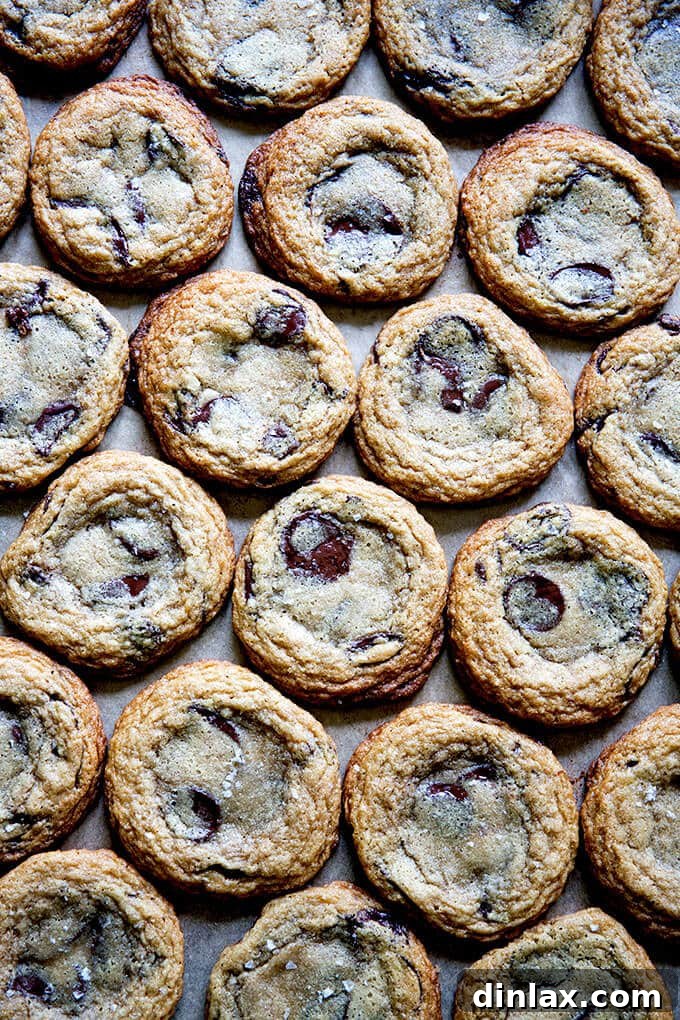
Unlock the secret to truly exceptional gluten-free chocolate chip cookies! This meticulously crafted recipe delivers an unparalleled combination of soft chewiness and rich flavor, proving that going gluten-free doesn’t mean compromising on taste or texture. The magic lies in quality ingredients and a crucial step: chilling the dough in the refrigerator before baking. This game-changing technique, alongside other brilliant insights from Jeffrey Larsen’s acclaimed “Gluten-Free Baking at Home,” will transform your baking. Get ready to dive into expert tips that guarantee chewy, incredibly delicious cookies every time, or jump straight to the recipe to start your gluten-free baking adventure!
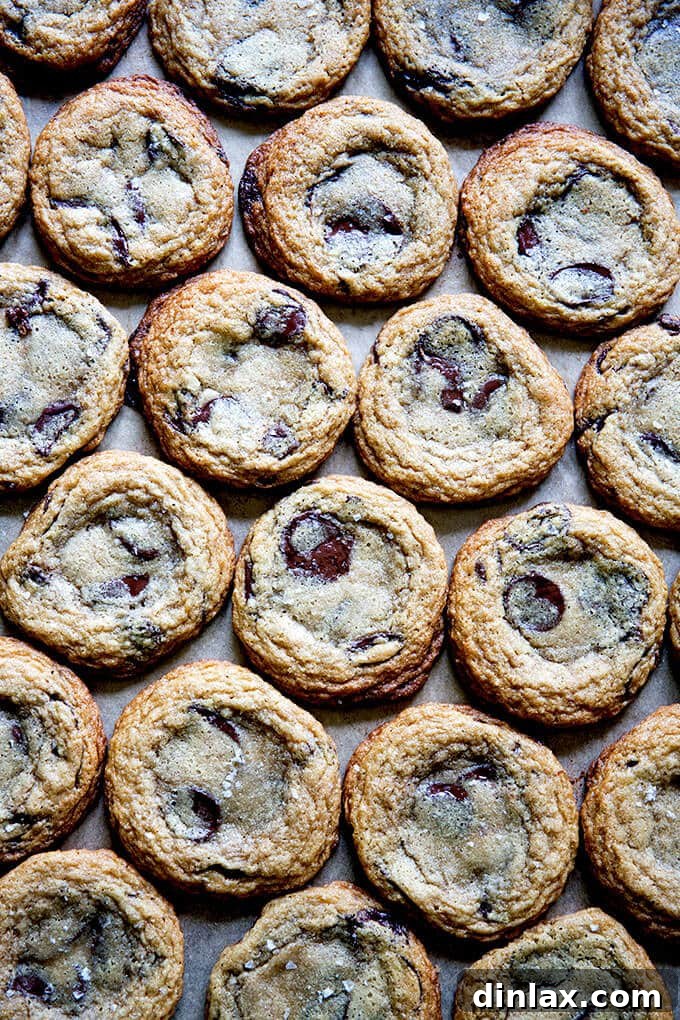
For anyone navigating the world of gluten-free baking, finding a resource that genuinely delivers on taste and texture can feel like striking gold. That’s exactly what Jeffrey Larsen’s groundbreaking cookbook, Gluten-Free Baking at Home, has become for countless home bakers. Launched to widespread acclaim, this comprehensive guide features over 100 meticulously developed recipes spanning gluten-free cakes, cookies, scones, breads, biscuits, and much more. While it’s an indispensable treasure for those on a gluten-free diet who adore baking and indulging in delightful treats, its true brilliance lies in the wealth of tips, tricks, and foundational knowledge meticulously peppered throughout its pages. These insights are the culmination of 18 years of rigorous testing and retesting, transforming the book into an invaluable asset for *any* baker, regardless of their dietary needs. Larsen’s dedication to perfection means every recipe is a testament to what’s possible in the realm of gluten-free deliciousness.
Jeffrey Larsen’s commitment to culinary excellence is perhaps best exemplified by his gluten-free chocolate chip cookie recipe. These cookies are renowned for being wonderfully soft, delightfully chewy, and exceptionally flavorful. Such perfection doesn’t happen by chance; Jeffrey famously revised this particular recipe an astonishing 14 times before deeming it worthy of inclusion in his cookbook. This dedication underscores the depth of his expertise and the reliability of his methods. Below, we’ll delve into three pivotal tips extracted from his celebrated chocolate chip cookie recipe – secrets that elevate these gluten-free treats to a league of their own.
Mastering Gluten-Free Chocolate Chip Cookies: Jeffrey Larsen’s 3 Essential Tips
Achieving the perfect gluten-free chocolate chip cookie involves more than just swapping flours. It demands a nuanced understanding of ingredient interactions and precise techniques. Jeffrey Larsen, a true artisan of gluten-free baking, shares three fundamental tips that guarantee soft, chewy, and truly exceptional results. Incorporating these into your baking routine will elevate your cookies from good to extraordinary.
Tip 1: The Transformative Power of Refrigerated Cookie Dough
Jeffrey’s first golden rule is simple yet profoundly impactful: “Cookie dough should always be set aside to chill in the refrigerator before it is baked.” This isn’t merely a suggestion; it’s a critical step with scientific backing. The primary benefit is allowing the fat within the dough, typically butter, to fully solidify. This solidification is crucial because it prevents the cookies from spreading excessively and becoming thin and brittle during baking. As the cold dough enters a hot oven, the butter melts more slowly, creating steam that helps the cookies rise and maintain a thicker, chewier texture. Furthermore, chilling the dough provides essential time for the various gluten-free flours and starches to fully hydrate. Without proper hydration, gluten-free flours can absorb moisture unevenly, leading to a “gritty, flat cookie” – a common pitfall in gluten-free baking. The extended chill time allows the flours to completely absorb the liquid, resulting in a smoother, more integrated dough and a superior final texture. This technique is one I’ve personally embraced for my own favorite chocolate chip cookie recipe, and the difference is truly astonishing. Cookies baked from dough that has been refrigerated for two to three days are undeniably superior in both texture and flavor compared to those baked immediately after mixing. Now, thanks to Jeffrey, we understand the precise science behind this transformative step.
Tip 2: Elevate Your Baking: Portion, Freeze, and Bake Straight from Frozen
Building on the refrigeration principle, Jeffrey recommends taking it a significant step further for optimal results and convenience: portioning your cookie dough and freezing it before baking. His advice extends to other baked goods like scones and biscuits, too: “Freezing cookies, scones, and biscuits before baking allows for a more gradual bake and thus less spread and a higher rise. If the butter in each of these items is frozen, it takes longer for the butter to melt.” This makes perfect sense. The super-cold, frozen butter takes even longer to melt than refrigerated butter, extending the period during which the cookie holds its shape before softening. This leads to a cookie that’s thicker, chewier in the center, and has delightfully crisp edges – the hallmark of a truly great cookie. An added benefit? The convenience of having pre-portioned, ready-to-bake dough balls means fresh-baked cookies are just minutes away whenever a craving strikes, or unexpected guests arrive. Surprisingly, this method doesn’t require adjusting the baking time. Simply pop the frozen dough balls directly into the preheated oven and bake as usual. This tip not only enhances the cookie’s texture but also offers unparalleled flexibility for home bakers.
Tip 3: The Miraculous Ingredient: Clarified Butter
Jeffrey Larsen’s third key insight involves a somewhat less conventional ingredient: clarified butter, also known as ghee. Part of his personal interest in using clarified butter stems from his own experience with lactose intolerance. Clarified butter is naturally both lactose- and casein-free, making it an excellent dairy alternative for many individuals who find traditional butter problematic. However, the benefits of clarified butter in baking, especially for cookies, extend far beyond dietary considerations. Jeffrey describes clarified butter as “miraculous” for a very specific reason: it dramatically helps to prevent cookies from spreading too much during baking. Regular butter contains a significant amount of water (about 15-20%) and milk solids. The process of clarifying butter involves gently heating it to separate and remove both the water and these milk solids, leaving behind pure butterfat. This pure fat is more stable and has a higher smoke point, contributing to a better texture and less spread in the finished cookie. By eliminating the water content, you reduce a variable that can lead to excessive spreading and a less desirable, flatter cookie. This simple ingredient swap can make a substantial difference in achieving that perfectly thick, chewy cookie texture. Fascinating, isn’t it?
Friends, these three tips are merely a glimpse into the wealth of knowledge contained within “Gluten-Free Baking at Home.” Jeffrey Larsen’s book is packed with even more indispensable advice and innovative techniques that empower bakers to achieve outstanding results. Let’s explore a few more highlights:
Further Insights from Gluten-Free Baking at Home
- Precision through Weight Measurements: Jeffrey strongly advocates for measuring ingredients by weight, a fundamental practice for consistent and accurate baking. This precision is especially critical in gluten-free baking, where the varying densities of alternative flours and starches (like light-as-dust potato or tapioca starch) make volume measurements highly unreliable. A digital scale ensures exact ratios, leading to predictable and successful outcomes every time.
- Tailored Formulas for Every Recipe: Unlike many gluten-free cookbooks that rely on a generic, “one-mix-fits-all” flour blend, Jeffrey Larsen employs a unique formula for each recipe. He thoughtfully selects specific flours, starches, and leaveners based on the desired characteristics of the final product—whether it’s a flaky biscuit, a buttery scone, or a tender cake. This customized approach ensures optimal texture, flavor, and structure for every item.
- Commitment to Nutrition and Flavor: While rice flour is a common and versatile ingredient in gluten-free baking due to its neutral flavor and reliable performance, Jeffrey uses it judiciously. He highlights concerns about high pesticide and heavy metal content in many commercially available rice flours, prioritizing the health and well-being of his readers by integrating them sparingly and thoughtfully.
- Embracing Whole Grain and Nut Flours: Larsen’s recipes feature a diverse array of nutritious whole grain and nut flours, including almond, oat, sorghum, millet, teff, and buckwheat. This not only enhances the flavor and nutritional profile of his baked goods but also offers a wider spectrum of textures and aromas, moving beyond the often-limited scope of traditional gluten-free baking.
- Comprehensive Dairy-Free and Vegan Alternatives: Finding delicious treats that are both gluten-free and vegan can be a significant challenge. Jeffrey addresses this by offering well-tested alternatives for milk, butter, and eggs in nearly every recipe. This inclusivity makes his cookbook a valuable resource for individuals with multiple dietary restrictions, allowing more people to enjoy the pleasure of homemade baked goods.
- Innovative Use of Vegetable and Fruit Purees: Drawing inspiration from classic baking techniques, Jeffrey incorporates vegetable and fruit purées into his breads and baked goods. This creative method, inspired by an old cake recipe that used whole poached oranges, not only infuses profound flavor but also boosts the nutritional content of the treats. For those short on time, he even offers a clever tip: using high-quality baby food as a convenient alternative to making your own purée.
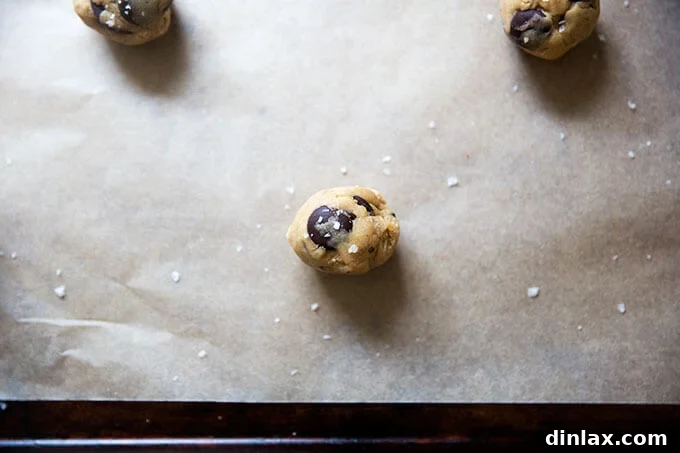
There is truly so much more to discover within “Gluten-Free Baking at Home.” From practical tutorials that precede each chapter, offering foundational knowledge, to Jeffrey’s brilliant food styling tips subtly integrated throughout the book. For instance, a simple yet effective tip for enhancing the visual appeal of your chocolate chip cookies is to reserve some chocolate chips and press them onto the tops of the dough balls just before baking. This ensures a beautiful, chocolate-studded surface that’s as appealing to the eye as it is to the palate. Such thoughtful details make his book an indispensable guide for anyone passionate about baking.
A brief note on the author: Jeffrey Larsen, for those unfamiliar, is a truly remarkable talent. Based in the vibrant Bay Area, he is not only an accomplished food stylist but also a gifted recipe developer, a skilled pastry chef, and an inspiring instructor. I had the distinct pleasure of working with him during the photoshoot for my own cookbook, Bread Toast Crumbs. It was an experience filled with both hilarity and profound respect, as he, being gluten-free, couldn’t partake in any of the delicious bread we churned out day after day for two intensive weeks. Jeffrey is the epitome of a perfectionist and an artist, demonstrating an unwavering commitment to beauty and precision in his craft. Beyond his professional accolades, he is, without a doubt, one of the kindest and most genuinely wonderful people I have ever had the privilege of knowing. His book is a reflection of his generous spirit and exceptional skill.
Alexandra’s Top 5 Tips for Unforgettable Gluten-Free Chocolate Chip Cookies
Building on Jeffrey Larsen’s incredible foundation, I’ve developed my own set of tried-and-true tips to ensure your gluten-free chocolate chip cookies are nothing short of spectacular. These personal insights will guide you towards consistently perfect results, emphasizing precision, quality, and a little bit of patience.
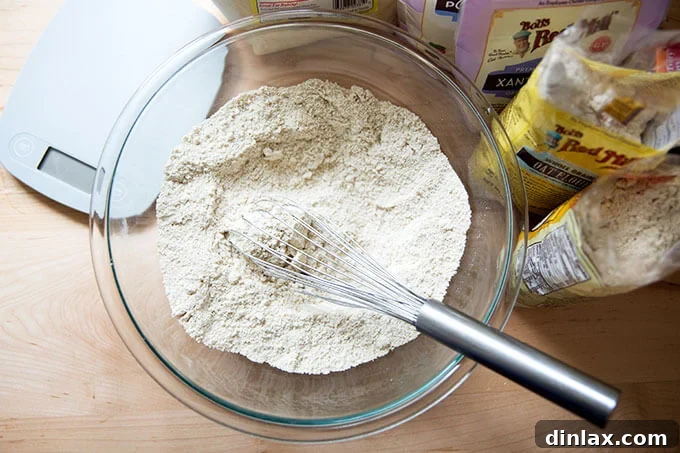
- Embrace the Digital Scale: I know I advocate for this constantly (and apologize if it’s becoming repetitive!), but investing in a reliable digital kitchen scale (often available for under $10) will revolutionize your baking. For gluten-free recipes, where the density of flours varies significantly, measuring by weight is paramount for accuracy and consistency. It ensures you use the exact amount of each ingredient, leading to predictable and flawless cookies every single time. Say goodbye to guesswork and hello to precision!

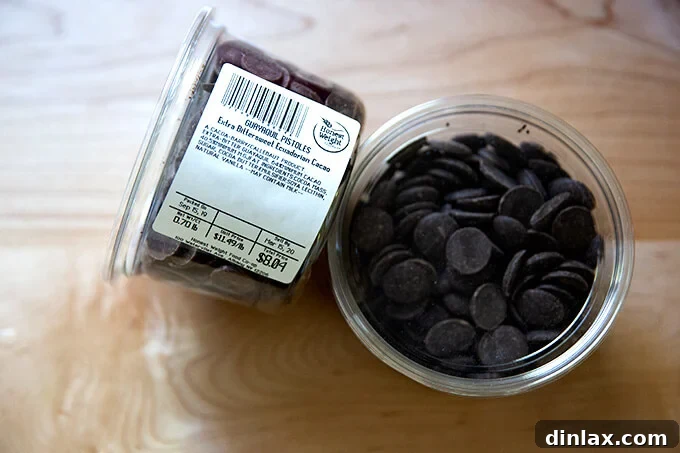
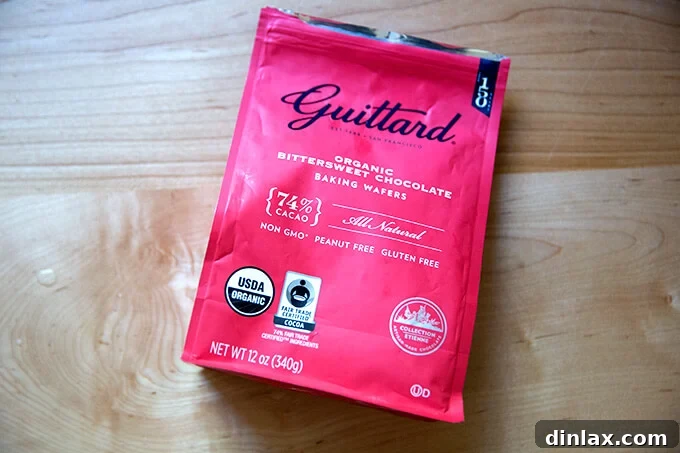
- The Quest for Quality Chocolate: The type of chocolate you choose profoundly impacts the flavor and texture of your cookies. Don’t skimp here! I’ve pictured two of my absolute favorites below. For my local friends, the exquisite Guayaquil Pistoles (64% cacao) can often be found at Honest Weight Food Co-op in Albany. For broader availability, Guittard chocolate wafers (74% cacao) are an excellent and accessible choice. What draws me to these particular chocolates isn’t just their superior flavor, but also their unique shape. There’s something inherently delightful about how the flat wafers melt and settle into the dough, creating luscious pockets of chocolate in every bite. It’s a personal preference, but one I highly recommend exploring.
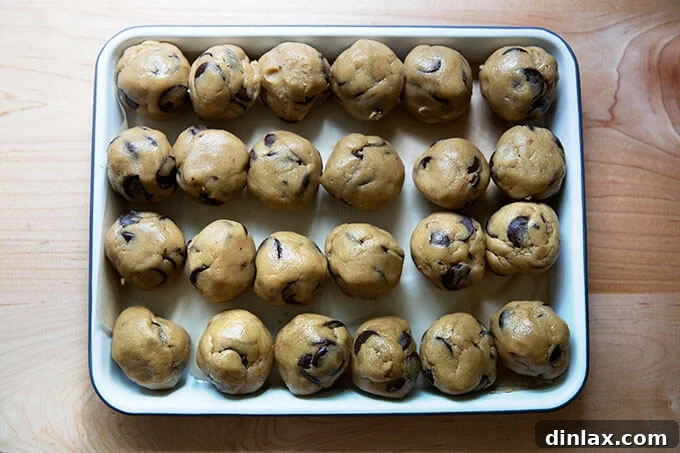
- Uniform Dough Balls (The “Weird” Habit That Works): [Optional, but highly recommended!] For me, there’s a deep sense of satisfaction in knowing that each cookie dough ball weighs precisely the same before it enters the oven. This seemingly peculiar habit is rooted in a desire for consistency: uniform balls ensure that every cookie bakes nearly identically, resulting in an even texture and perfect doneness across the entire batch. I confess, it’s a habit I can’t seem to shake! (And honestly, I don’t want to!) Jeffrey, however, uses a scoop, so feel free to use a scoop if that’s your preferred method. The goal is consistency, however you achieve it.
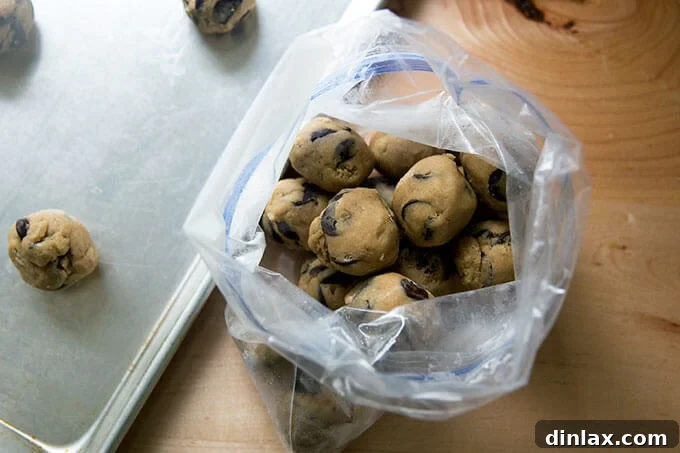
- The Unrivaled Power of Chilling and Freezing: This tip is so crucial, it bears repeating and emphasizing. Refrigerate your dough balls for at least 3 hours, and ideally for up to 5 days. Even better, freeze them! As both Jeffrey and I have discovered, the extended chill time allows flavors to deepen and flours to fully hydrate, while the cold fat prevents excessive spreading. Baking straight from the freezer yields cookies with an unparalleled texture – crisp edges, gooey centers. Don’t skip this step for truly superior results.
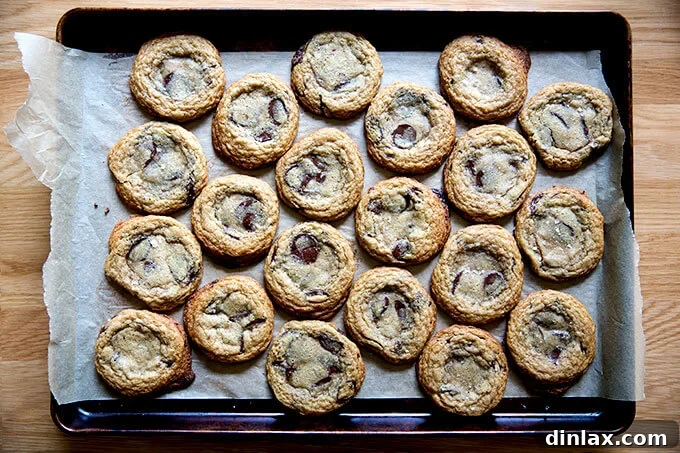
- The “Tester Cookie” Method and Patient Cooling: Every oven is unique, and every pan conducts heat differently. To truly perfect your cookies, bake a single “tester cookie” first. I’ve found 12 minutes to be ideal for my oven and 48g dough balls, but yours might differ. Critically, learn to remove cookies from the oven *before* they appear fully done. At 12 minutes, my cookies often look soft and slightly underbaked, but as they settle and cool completely on the sheet pan, they firm up to the perfect chewy consistency due to carryover cooking. Another personal preference, which might sound odd: I prefer completely cool cookies, ideally even a day old. To me, the hype around warm, freshly baked cookies is overrated – the flavors and textures develop beautifully overnight. (Please tell me I’m not alone in this preference!)
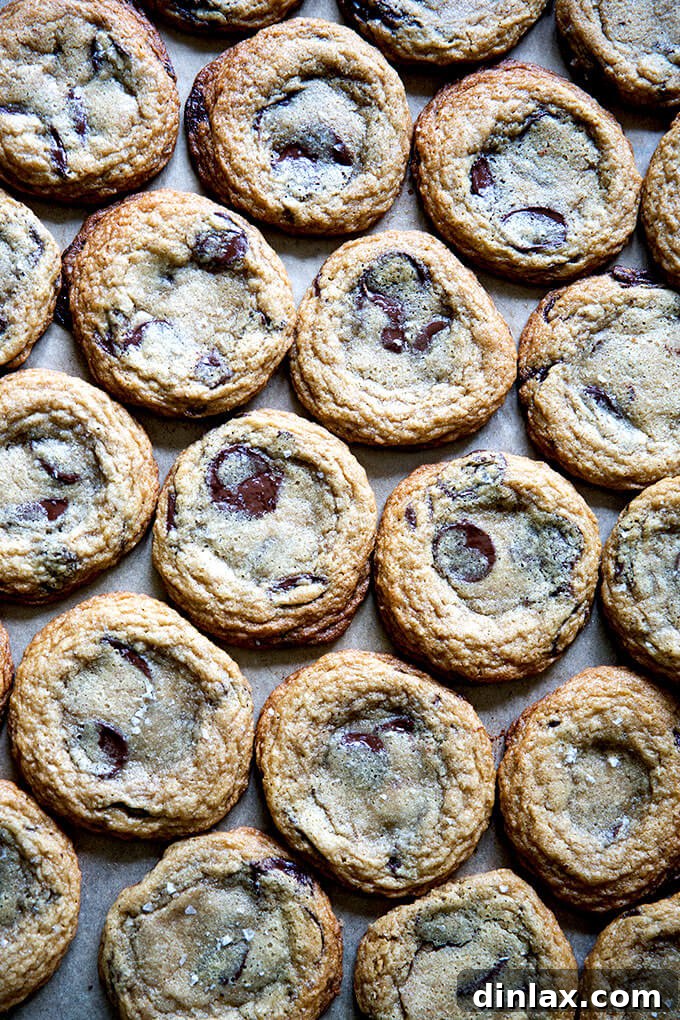
- Bonus Tip: A Pinch of Flaky Sea Salt: This might sound a little old-fashioned, but a delicate sprinkling of Maldon sea salt (or any other flaky sea salt) over the warm cookies just after baking makes them utterly irresistible. The subtle crunch and burst of salinity beautifully balance the sweetness of the chocolate, enhancing the overall flavor profile. It’s a small touch that makes a huge difference.
Gluten-Free Chocolate Chip Cookie Recipe: Step-by-Step Guide
Follow these detailed steps to create your own batch of soft, chewy, and utterly delicious gluten-free chocolate chip cookies, inspired by Jeffrey Larsen’s expertise and enhanced by personal baking insights.
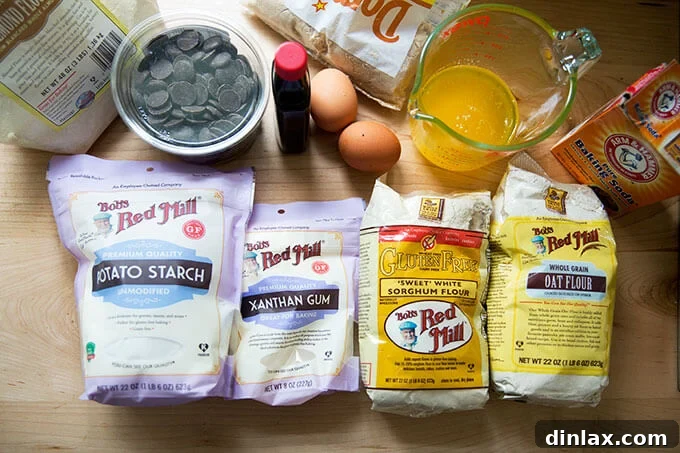
- Gather your ingredients: Before you begin mixing, ensure all your ingredients are measured out and ready. Having everything prepped will make the baking process smooth and enjoyable.
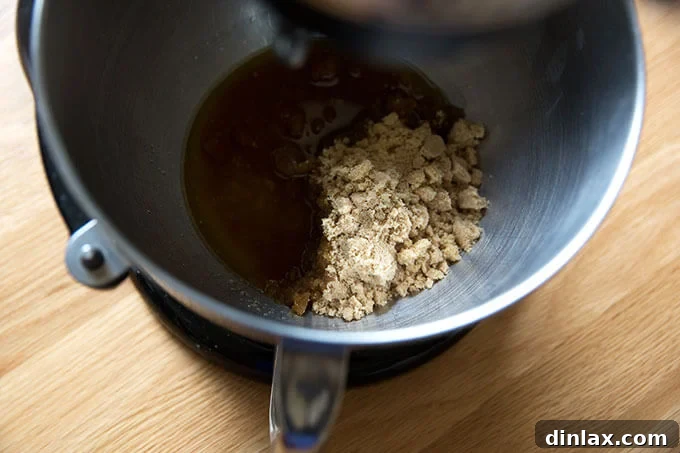
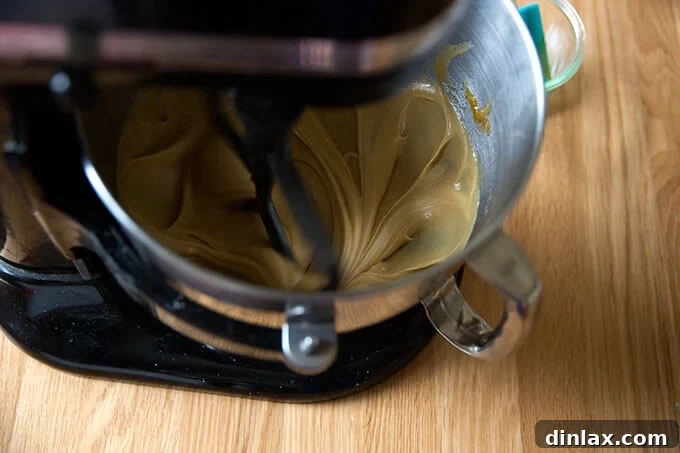
- Cream together the clarified butter and brown sugar until light and airy. This initial creaming step incorporates air, which contributes to the cookies’ final texture and rise.
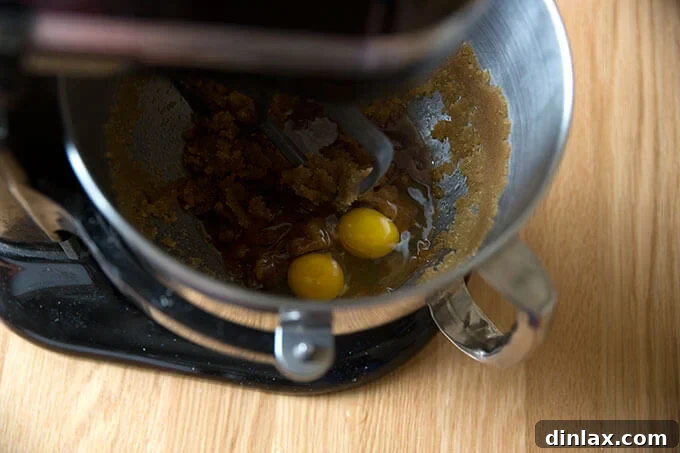
- Gradually add the eggs, one at a time, mixing thoroughly after each addition. This ensures the eggs are fully incorporated into the butter and sugar mixture, creating a stable emulsion. (Oops! The picture shows them all in, but ideally, add one by one for best results.)
- Continue to mix the wet ingredients until the mixture becomes visibly light in color and achieves a fluffy, whipped consistency. This aeration is key for a tender cookie.
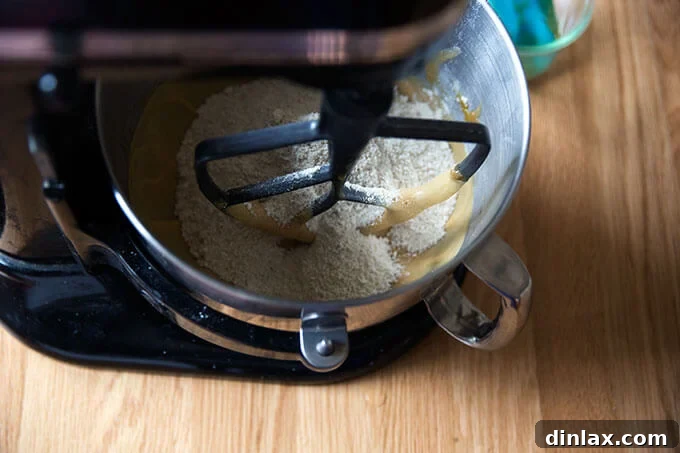
- Introduce the dry ingredients to the wet mixture. Mix on low speed just until they are well combined, being careful not to overmix, which can toughen gluten-free baked goods.
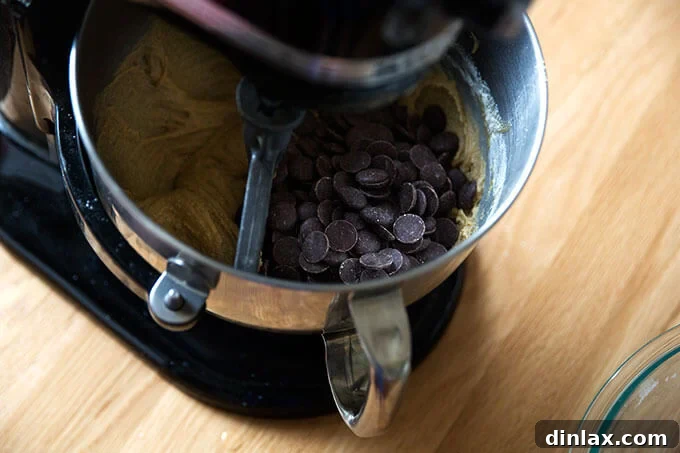
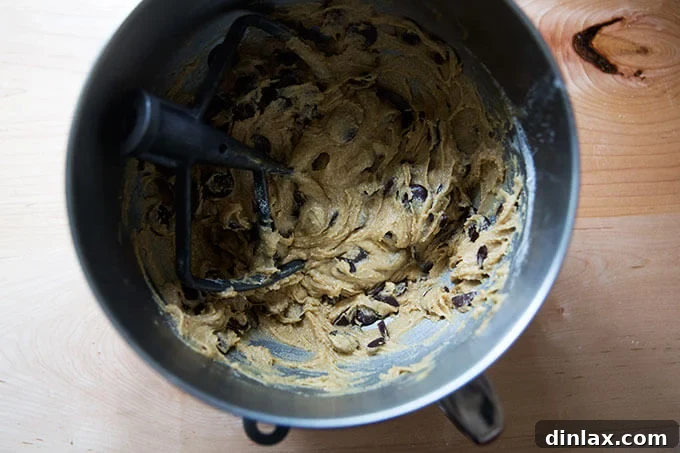
- Finally, add your chosen chocolate chips or wafers. Mix slowly and gently until they are just incorporated throughout the dough. Remember to reserve some for topping if you desire a more aesthetically pleasing finish.
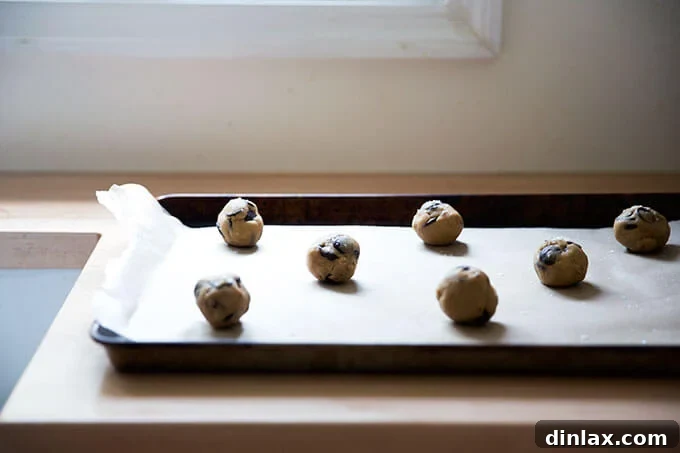
- This step is paramount: Refrigerate the dough for several hours before portioning. Once chilled and firm, portion the dough into individual balls, and then transfer them to the freezer. Freezing ensures optimal texture and allows for bake-as-needed convenience.
- When ready to bake, place the frozen cookie balls directly onto a prepared baking sheet. There’s no need to thaw them, and remarkably, the baking time remains the same, delivering superior results.
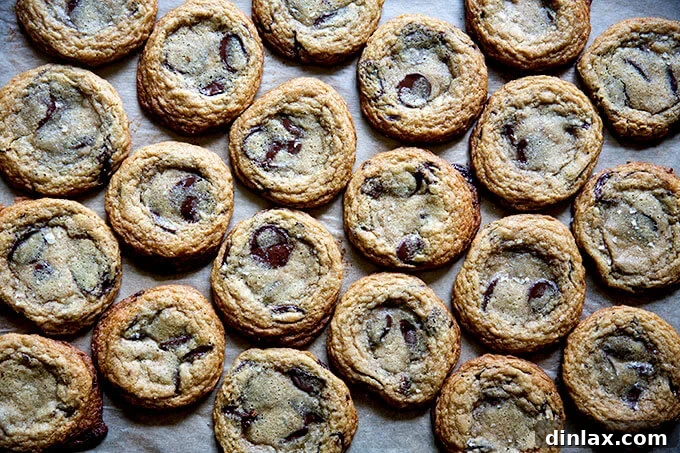
- Remove the cookies from the oven when they are light golden brown around the edges but still appear soft in the center. Allow them to cool completely on the sheet pan, as this critical cooling period allows them to set up perfectly and develop their signature chewiness.
- Finally, share your perfectly baked gluten-free chocolate chip cookies with everyone you know! These delightful treats are sure to impress and prove that gluten-free baking can be utterly delicious and satisfying.
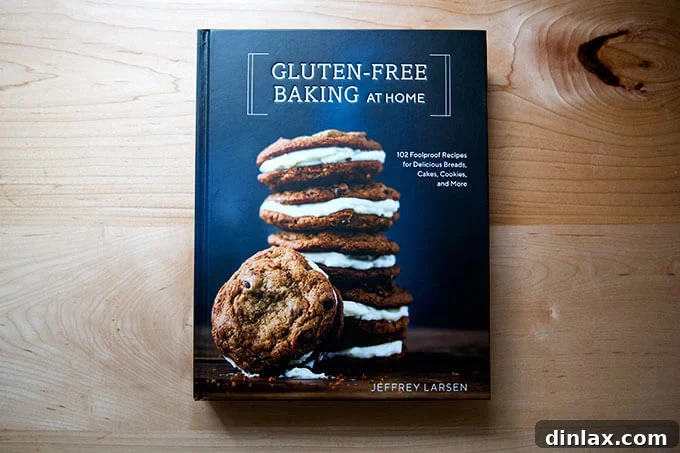
Jeffrey Larsen’s Gluten-Free Baking at Home: an essential guide for every gluten-free kitchen.
Print
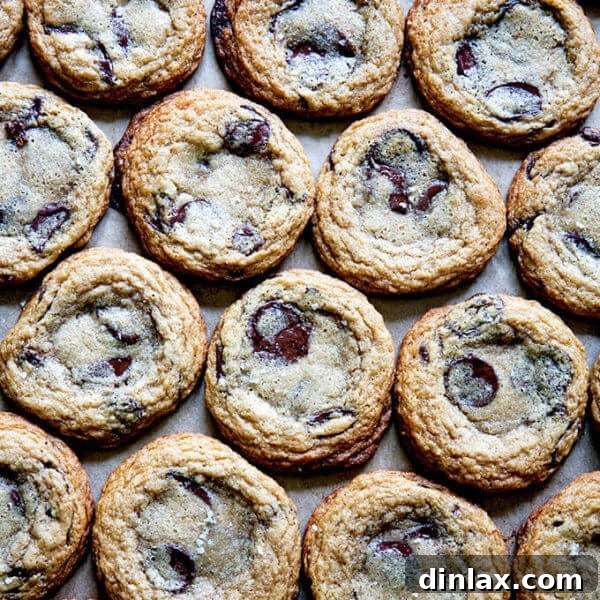
Soft & Chewy Gluten-Free Chocolate Chip Cookies
5 Stars 4 Stars 3 Stars 2 Stars 1 Star
No reviews
Author: Alexandra Stafford
Total Time: 24 hours 12 minutes
Yield: 24 cookies 1x
Description
From Jeffrey Larsen’s Gluten-Free Baking at Home
Notes:
- For best results: Always use a digital kitchen scale for precise measurements, especially with gluten-free flours.
- For optimal texture and flavor: Prepare the cookie batter at least one day in advance and refrigerate. Even better, portion the chilled batter into individual balls and freeze them. These cookies bake perfectly when taken directly from the freezer.
- Almond meal substitute: If almond meal is not suitable or unavailable, you can use pecan meal, sunflower meal, hazelnut meal, or 45 g (1/2 cup) of gluten-free oat flour.
- Clarified butter (Ghee). Jeffrey describes clarified butter as “miraculous” because it significantly helps prevent cookies from spreading excessively during baking. Traditional butter contains water and milk solids; clarifying it removes both, leaving behind pure butterfat that promotes a more stable and less spread-prone cookie. You will need to clarify slightly more than 3/4 cup of butter to ensure you yield precisely 3/4 cup for the recipe.
- Egg alternative: In place of the two eggs, you can use 1/2 cup of unsweetened applesauce for a vegan or egg-free option.
- Chocolate preference: I personally prefer the smooth melt and distribution of chocolate wafers over standard chocolate chips. Local friends can find Guayaquil Pistoles (64% cacao) at Honest Weight Food Co-op in Albany, or they are available online. Guittard chocolate wafers are also an excellent and more widely available option.
Ingredients
- 108 g (3/4 cup) potato starch
- 90 g (1 cup) gluten-free oat flour
- 90 g (3/4 cup) sorghum flour
- 45 g (1/2 cup) almond meal, see notes above
- 1 1/2 teaspoons baking soda
- 1 teaspoon xanthan gum
- 1 teaspoon fine sea salt
- 285 g (1 1/2 cups) firmly packed brown sugar
- 3/4 cup melted and slightly cooled clarified butter or coconut oil, see notes above
- 2 eggs room temperature, see notes above
- 1 tablespoon vanilla extract
- 10 to 12 ounces (2 to 2.25 cups) chocolate chips, see notes above
- flaky sea salt, optional
Instructions
- In a large mixing bowl, thoroughly whisk together the potato starch, oat flour, sorghum flour, almond meal, baking soda, xanthan gum, and fine sea salt until uniformly combined. This ensures even distribution of all dry ingredients.
- In the bowl of a stand mixer fitted with the paddle attachment, combine the firmly packed brown sugar and the melted, slightly cooled clarified butter. Beat on medium speed until the mixture is creamy and well-integrated. Add the eggs one at a time, mixing well after each addition to ensure proper emulsification. Incorporate the vanilla extract and continue to mix for 1 to 2 minutes until the mixture appears light, fluffy, and significantly increased in volume.
- Gradually add the prepared dry ingredients to the wet mixture in the stand mixer. Mix on low speed just until the dry ingredients are fully incorporated and no streaks of flour remain. Reduce the speed to very low, then gently mix in the chocolate chips until they are evenly distributed throughout the dough. Be careful not to overmix.
- This step is essential for perfect cookies: Cover the bowl securely and refrigerate the dough for a minimum of 3 hours, and ideally up to 5 days. This crucial chilling period allows the gluten-free flours to fully hydrate and the butterfat to solidify, which are key to preventing excessive spreading during baking and achieving a superior chewy texture. Optional, but highly recommended for convenience and best results: Once the dough is firm enough to handle (typically after 1-2 hours of chilling), I prefer to portion it into 48-gram balls using a digital kitchen scale for consistent size. Then, I freeze these dough balls on a baking tray until solid before transferring them to an airtight container or freezer-safe bag. Jeffrey Larsen firmly states that these cookies bake best straight from the freezer, and I wholeheartedly concur.
- When you’re ready to bake, preheat your oven to 350ºF (175ºC). Lightly spray a baking sheet with a gluten-free nonstick cooking spray, or line it with parchment paper for easy removal.
- If you haven’t already portioned and frozen the dough balls, use a 1-ounce cookie scoop or a tablespoon measure to portion out the dough and roll it into smooth, uniform balls. Arrange the dough balls on the prepared baking sheet, ensuring they are spaced at least 2 inches apart to allow for proper spread. If desired, sprinkle a pinch of flaky sea salt on top of each dough ball before baking.
- Bake for 12 to 14 minutes, or until the edges of the cookies are light golden brown and the centers still appear slightly soft and set. Remove the baking sheet from the oven and allow the cookies to cool completely on the pan. This critical cooling time on the hot sheet pan allows for carryover cooking and helps the cookies set to their perfect chewy consistency. Once the cookies are entirely cool, taste one to assess its texture and doneness. If you are satisfied with the texture, transfer the remaining cookies to a wire rack to finish cooling and repeat the baking process with any remaining dough. If the cookies appear overcooked (too crisp), reduce the baking time slightly for the next batch. If they are undercooked (too soft or raw in the center), increase the baking time by a minute or two. I find 12 minutes to be the ideal baking time for my 48g dough balls.
- Prep Time: 24 hours
- Cook Time: 12 minutes
- Category: Dessert/Cookie
- Method: Oven
- Cuisine: American