Discovering Upstate New York’s Culinary Gems: From Artisanal Apple Cider Donuts to Homemade Greek Yogurt
The Allure of Saratoga Apple: A Festival for the Senses
Our journey through Upstate New York often leads to unexpected culinary delights, and the vibrant atmosphere at Saratoga Apple is a perfect example. Initially, it was just a landmark on our route to Argyle, but the palpable energy emanating from the stand proved irresistible. Live music filled the air, the aroma of wood-fired pizza tantalized, and even the gentle alpacas added to the charming scene. This lively hub pulled us back on our return trip, a decision that quickly revealed its profound deliciousness: the legendary apple cider donuts.
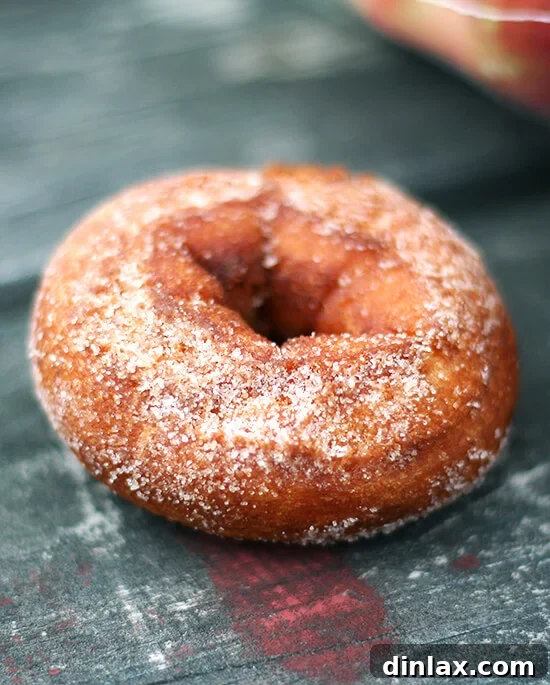
Crafted fresh on the premises, these warm, golden-brown rings were an instant obsession. Each bite offered a symphony of textures and flavors – a perfectly crispy exterior giving way to a feather-light, tender interior, all generously coated in a sweet, spicy blend of cinnamon and sugar. They emerged from the fryer in an endless stream, yet disappeared from the trays with even greater speed, a testament to their unparalleled deliciousness. It wasn’t just a snack; it was an experience, embodying the very essence of fall in the region.
A Local Phenomenon: The Unforgettable Apple Cider Donut Craze
Upon returning home, my excitement led me to research Saratoga Apple’s acclaimed treats online. I quickly discovered that their apple cider donuts were far more than just a local favorite; they were a phenomenon, known to “inspire jealousy, ecstasy, and even inter-state travel.” This didn’t surprise me in the least. Having tasted their perfection, I understood the fervor. I had genuinely never experienced anything quite so exquisite. Naturally, I felt compelled to share my discovery with everyone – new acquaintances, my neighbors, the mailman, and even friends at the Niskayuna Coop. It was through these conversations that I learned apple cider donuts are deeply ingrained in the local culture, a true regional specialty.
Moreover, I soon realized that while Saratoga Apple’s donuts are exceptional, one doesn’t necessarily need to travel dozens of miles to find a superb one. The area is dotted with fantastic orchards and bakeries producing their own versions. In fact, one of the most popular spots for these beloved treats was, as the crow flies, merely two miles from my home. This realization opened up a whole new world of local exploration, highlighting the rich culinary landscape right at my doorstep. So much to savor, so little time to explore it all!
The Road to Argyle Cheese Farmer: A Quest for Dairy Excellence
Our initial destination on that memorable day was the renowned Argyle Cheese Farmer, a farm celebrated for its exceptional dairy products. They are widely acclaimed for producing the most delectable yogurt, buttermilk, and an array of artisanal cheeses. However, what truly captivated our attention was their Greek yogurt, particularly the version lightly sweetened with pure maple syrup. The ACF Greek yogurts boast a distinctive light, whipped, mousse-like texture, a consistency that sets them apart from typical yogurts.
Intrigued by their unique process, I watched several online videos detailing how they achieve this remarkable texture by whipping their strained yogurt in a stand mixer. This revelation sparked a new culinary ambition within me: I simply had to try making my own yogurt at home, starting with the basic recipe and eventually aspiring to replicate that signature Argyle Cheese Farmer-style Greek maple yogurt. It was a journey into the world of cultured dairy that promised both learning and delicious rewards.
Embracing the Art of Homemade Yogurt: A Rewarding Culinary Journey
My foray into yogurt-making proved to be an incredibly rewarding experience, both in its simplicity and the delightful outcome. Witnessing the transformation of plain milk into creamy, tangy yogurt felt nothing short of magical, much like my previous homemade dairy endeavors, such as crafting crème fraîche, fresh ricotta, or churning fresh butter. The active work involved is surprisingly minimal, primarily requiring careful monitoring of temperatures and keeping an eye on the clock. It’s a culinary process that rewards patience with pure, wholesome goodness.
Unlocking the Health and Economic Benefits of DIY Cultured Dairy
Beyond the satisfaction of creating something from scratch, homemade yogurt offers significant advantages. As promised by culinary experts, the process is remarkably cost-effective. My initial half-gallon batch cost approximately $3.22, covering the milk and a small amount of starter yogurt. However, for all subsequent batches, the cost drops to about $2.75, which is essentially just the price of a half-gallon of milk. This welcomed bonus has become even more significant since discovering Argyle Cheese Farmer’s products and incorporating toasted muesli into our daily routine. As a family, our yogurt consumption has increased dramatically, perhaps tenfold (or something wonderfully close to that!).
And let’s not forget the taste. Homemade yogurt boasts a pure, clean, and incomparably delicious flavor that store-bought varieties often can’t match. It’s a game-changer if you’ve been bitten by the “making-cultured-dairy-products-at-home” bug. I’m now on my third batch, and there’s simply no turning back to commercially produced yogurt. The freshness, control over ingredients, and the sheer delight of a truly pure product make it an indispensable part of our kitchen. If you’re looking to elevate your breakfast, snacking, or baking, homemade yogurt is an endeavor well worth exploring.
Essential Tips for Perfect Homemade Yogurt
Making yogurt at home is incredibly rewarding, easy, and cost-effective. It also happens to be exceptionally delicious. If you’re ready for homemade dairy adventures, homemade yogurt should absolutely be next on your list! One of the best parts is that after you successfully make your first batch, you can use a portion of that homemade yogurt to culture your next batch. For every quart of milk you use, you’ll need approximately two tablespoons of your freshly made yogurt as a starter culture.
While any milk can theoretically be used, investing in high-quality milk for this project truly makes a difference in the final taste and texture. I personally opt for this rich milk from Battenkill Creamery, which I purchase at the Niskayuna Coop. After an initial one-time bottle deposit fee of $1.50, each half-gallon costs a consistent $2.75. This means that after the first batch, every half-gallon of homemade yogurt I produce costs approximately $2.75, plus the minimal cost of about a quarter cup of my homemade starter yogurt (which works out to be roughly $0.12). This makes it an incredibly economical choice in the long run.
The initial step in making yogurt involves carefully heating your chosen milk to a temperature range of 180-190 degrees Fahrenheit. This crucial step not only pasteurizes the milk, eliminating any unwanted bacteria, but also denatures the milk proteins, which contributes significantly to a thicker, creamier yogurt.
Following the heating, it’s essential to cool the milk down to precisely 115 degrees Fahrenheit. This temperature is ideal for introducing your yogurt starter culture without harming the beneficial bacteria. Once cooled, gently stir in two tablespoons of your chosen yogurt starter for every quart of milk you are using. This live culture will then work its magic, transforming the milk into yogurt.
Once the milk and starter mixture is prepared, you can pour it into suitable containers. A large vessel works well for big batches, but I highly recommend using several smaller Mason jars, especially the convenient 2-cup size. Glass jars are excellent as they help maintain a consistent temperature and are easy to clean.
After transferring the mixture, cover the jars tightly. The next critical step is to provide a warm, stable environment for the yogurt to culture. Swaddle the covered jars or jar in a thick blanket, creating an insulated cocoon to retain heat. This helps the beneficial bacteria thrive and convert the lactose in the milk into lactic acid, which thickens the yogurt and gives it its characteristic tangy flavor.
Place your blanket-wrapped yogurt in a consistently warm spot. Excellent options include an oven with just the light on (which provides a gentle warmth without overheating) or a sunny spot on your deck or front porch, provided the ambient temperature is suitable. Consistency in warmth is key for the bacteria to work effectively.
Within approximately four hours, your yogurt will have set, reaching a semi-firm consistency. At this point, it’s ready to be chilled. Refrigerating the yogurt helps to further firm its structure and halts the fermentation process, preventing it from becoming too tart. Once chilled, you can easily portion it into smaller containers for convenient storage and enjoyment throughout the week.
For those who prefer a thicker, more luxurious texture, making Greek-style yogurt is a simple extension of this process. After chilling, spoon your homemade yogurt into a cheesecloth-lined colander, a dedicated yogurt strainer, or even a sieve lined with a coffee filter. Place this setup over a bowl to collect the draining whey. Allow it to drain for at least 18 hours in the refrigerator; the longer it drains, the thicker and creamier your Greek yogurt will become.
The Argyle Cheese Farmer Signature: Whipped Greek Maple Yogurt
My absolute favorite creation from Argyle Cheese Farmer is their Greek Maple yogurt. As mentioned earlier, all of ACF’s Greek yogurts feature an incredibly light, whipped, mousse-like texture. This delightful consistency is achieved by thoroughly whipping the strained Greek yogurt in a stand mixer. You can even watch their fascinating process in action on their online video, which was my initial inspiration. Replicating this at home with a touch of pure maple syrup added to taste transforms your homemade Greek yogurt into an indulgent, airy treat that rivals its artisanal counterpart. The light texture becomes even more irresistible after it’s been chilled for a while.
Experience the Charm of Saratoga Apple: Beyond the Donuts
While the apple cider donuts are undeniably a star attraction, Saratoga Apple offers a holistic farm experience that delights visitors of all ages. From rows of vibrant apples ready for picking to a buzzing market stocked with local produce and artisanal goods, the farm is a celebration of fall bounty. The air is often filled with the sounds of live music, creating a festive backdrop for your visit. Families can enjoy the sight of friendly alpacas, adding an unexpected and charming touch to the pastoral setting. And for those seeking something savory, the wood-fired pizza oven churns out delicious pies, making it a perfect spot for a full meal or a quick bite.
Watching the donut-making machine in action is a mesmerizing experience, a clear sign of the fresh, warm treats to come. It’s this blend of entertainment, delicious food, and genuine farm charm that makes Saratoga Apple a destination worth visiting again and again, reinforcing why their donuts have earned such a legendary reputation.
Saratoga Apple
Delightful Pairings: Recipes Featuring Your Homemade Yogurt
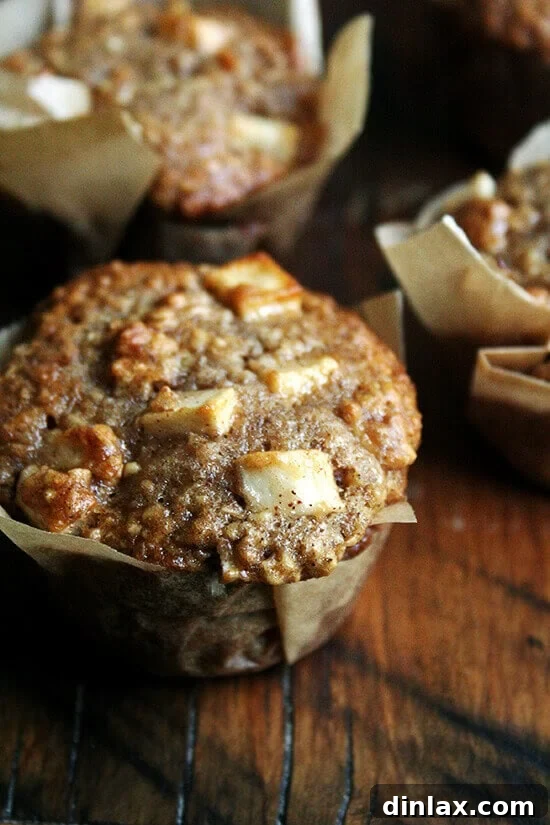
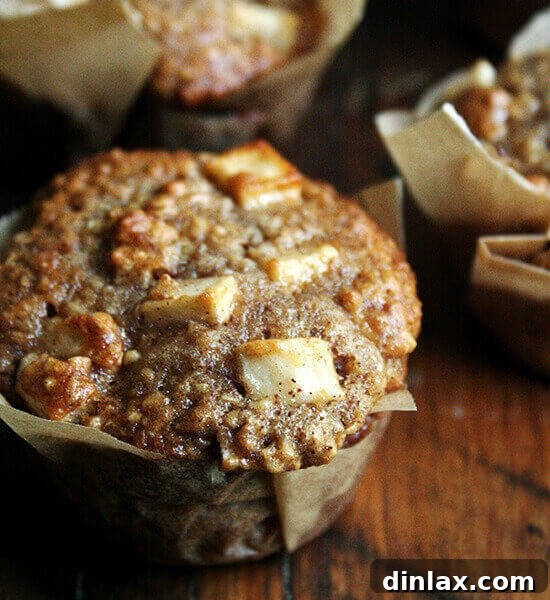
Incidentally, my culinary explorations didn’t stop at just eating the homemade yogurt. I embarked on another delightful project, creating a batch of oatmeal-apple-yogurt muffins using my freshly made cultured dairy. It’s a simple, incredibly delicious, and, as far as muffins go, a relatively healthy recipe perfect for breakfast or a snack. These muffins are a fantastic way to utilize your homemade yogurt and incorporate wholesome ingredients. Find the full recipe below.
P.S. For another wonderful recipe incorporating homemade goodness, be sure to check out our Applesauce-Yogurt Cake!
Oatmeal-Apple Yogurt Muffins
5 Stars 4 Stars 3 Stars 2 Stars 1 Star
No reviews
Author: Alexandra Stafford at alexandracooks.com
Total Time: 55 minutes
Yield: 15–18 muffins 1x
Description
These wholesome Oatmeal-Apple Yogurt Muffins are inspired by this recipe in Bon Appetit, with the original concept hailing from Tazzaria. They make for a perfect breakfast or snack, combining the goodness of oats, fresh apples, and creamy yogurt.
Notes:
- This muffin batter is incredibly versatile and can be prepared in advance. Store it in the refrigerator, and bake off fresh muffins as needed; they taste just as wonderful on day 8 as they do on day 1!
- When baking, use a quarter-cup measuring cup to fill your standard 12-cup muffin pan. You will likely have some leftover batter – enough for 1 jumbo muffin or a few smaller ones. Resist the urge to overfill the existing cups, as muffins bake more evenly when not overpacked. You can always bake the remaining batter in a greased or lined ramekin.
- For a rustic and charming presentation, you can make your own muffin liners by cutting sheets of parchment paper into approximately 5×5-inch squares. While a bit tedious, they look beautiful and function remarkably well. It’s helpful to prepare these liners before mixing the batter and to weigh each one down in the muffin cup with a little flour or a small amount of batter to help them hold their shape. Alternatively, I also highly recommend these quality liners for convenience.
Ingredients
- 2 1/3 cups (230g) quick-cooking oats*
- 1 cup (136g) all-purpose flour
- 1/2 cup (114g) packed, dark brown sugar (light brown sugar works just as well)
- 1/2 cup (116g) granulated sugar
- 1 1/2 teaspoons baking soda
- 1 teaspoon kosher salt
- 1/2 to 1 1/2 teaspoons ground cinnamon (adjust to your preferred intensity; I enjoy a lighter cinnamon flavor)
- 1 cup plain yogurt (preferably homemade!)
- 1/2 cup canola oil
- 1 large egg
- 1 teaspoon vanilla extract
- 1/3 cup boiling water
- 2 medium apples, peeled, cored, and diced (Cortland apples work beautifully)
*For the best texture, I’ve found that 1-minute Quaker Oats yield the best results, but traditional rolled oats also work fine. If you only have rolled oats and prefer a finer texture, you can quickly pulse them in a food processor a few times to achieve a consistency closer to quick-cooking oats.
Instructions
- Preheat your oven to 375°F (190°C). Prepare a standard 12-cup muffin pan by spraying it with nonstick spray or lining it with paper muffin liners. In a large bowl, whisk together the quick-cooking oats, all-purpose flour, both sugars (dark brown and granulated), baking soda, kosher salt, and ground cinnamon until well combined. In a separate bowl, whisk together the yogurt, canola oil, large egg, and vanilla extract. Add the wet ingredients to the dry ingredients and whisk gently to blend. Stir in the 1/3 cup of boiling water and let the batter stand for 5 minutes; the batter will be quite wet. Finally, fold in the diced apples. Distribute the batter evenly among the prepared muffin cups, filling them about two-thirds full. (Note: Remember, you will have extra batter. Do not overfill the cups; save the remaining batter for another day or bake it off in small ramekins to ensure even baking.)
- Bake the muffins for 25 to 30 minutes, or until a wooden skewer or toothpick inserted into the center comes out clean. Depending on your oven, you might need an additional five minutes. Once baked, remove the pan from the oven and let the muffins cool in the pan for about 10 minutes before turning them out onto a wire rack to cool completely. These muffins are delicious served warm or at room temperature.
- Prep Time: 15 minutes
- Cook Time: 25 minutes
Homemade Yogurt | Homemade Greek Maple Yogurt
5 Stars 4 Stars 3 Stars 2 Stars 1 Star
No reviews
Author: Alexandra Stafford at alexandracooks.com
Total Time: 4 hours 35 minutes
Yield: 2 quarts 1x
Description
This simple yet rewarding recipe for homemade yogurt is adapted from Harold McGee’s insightful article, “They Do the Work, You Reap the Yogurt” in The New York Times. It guides you through creating a delicious batch of plain homemade yogurt, with instructions also provided to elevate it to a thick, whipped Greek-style maple yogurt reminiscent of Argyle Cheese Farmer’s acclaimed version.
Notes: I’ve found the homemade yogurt-making process to be incredibly cost-effective over time. Here’s a detailed breakdown of the economics: A single jar of plain Argyle Cheese Farmer (ACF) yogurt, which contains about 2 cups, costs around $3.79. This means that 1/4 cup of ACF yogurt, if used as a starter, would cost approximately $0.47. The high-quality half-gallon of whole milk I purchase costs $2.75. Therefore, my very first batch of homemade yogurt, including the cost of the starter yogurt and the milk, came to a total of $3.22. However, the real savings come in subsequent batches. A half-gallon contains 128 tablespoons of liquid. This means that each tablespoon of my homemade yogurt has an approximate value of $0.03, making a quarter cup of homemade starter yogurt worth about $0.12. So, from the second batch onwards, the cost for a half-gallon of homemade yogurt drops significantly to roughly $2.87. As long as I continue to use my own homemade yogurt to culture subsequent batches, the cost will eventually nearly equate to just the cost of the milk itself: $2.75 per half-gallon. This makes homemade yogurt not only healthier and tastier but also a smart financial choice.
Ingredients
- 4 tablespoons plain yogurt with live cultures (use a good quality store-bought yogurt for your first batch, then your homemade yogurt for subsequent batches)
- 1/2 gallon whole milk (high-quality whole milk is recommended for best results)
- Maple syrup (optional, to taste, if preparing Greek-maple yogurt)
Instructions
- In a large, heavy-bottomed saucepan, gently heat the whole milk. Bring the temperature up to 180 – 190ºF (82-88ºC), or until you observe steam rising from the surface and small bubbles beginning to form around the edges of the pan. Stir occasionally to prevent scorching.
- Remove the milk from the heat and allow it to cool down to a temperature of approximately 115 to 120ºF (46-49ºC). While the milk is cooling, place your 4 tablespoons of yogurt starter in a small bowl. Gradually thin out the starter yogurt by stirring in a few spoonfuls of the cooled milk. Once smooth, thoroughly stir this thinned-out yogurt mixture into the pot with the remaining milk.
- Carefully pour the milk-yogurt mixture into a warm, sterilized jar or a suitable insulated container (such as a thermos). Cover the container securely to seal in the warmth. It is crucial to keep the milk undisturbed and consistently warm to allow the cultures to activate and set the yogurt. This process typically takes about four hours. Following Harold McGee’s excellent advice, you can swaddle your quart jar in several kitchen towels for insulation or place the container in an oven with just the light bulb on, which provides a gentle, consistent heat.
- Once the yogurt has visibly set (it should appear firm when gently tilted), transfer it to the refrigerator. Chilling the yogurt is important to further firm its structure and to slow down the fermentation process, preventing it from becoming too sour. If you desire a thick, creamy Greek-style yogurt, spoon the set yogurt into a fine-mesh strainer or a colander that has been lined with several layers of cheesecloth or a coffee filter. Place this setup over a bowl to collect the liquid whey. Allow the whey to drain in the refrigerator for several hours, or even up to 18 hours, depending on your preferred thickness.
- To create the luxurious, Argyle Cheese Farmer-style Greek yogurt, transfer your well-drained, thick yogurt into the bowl of a stand mixer fitted with the whisk attachment. Whip the strained yogurt on medium-high speed until it becomes wonderfully light, airy, and mousse-like in texture. If you’re making Greek maple yogurt, gradually add maple syrup by the tablespoon, tasting as you go, until you achieve your desired level of sweetness. Chill the whipped yogurt thoroughly until it’s ready to be enjoyed. I’ve found that this light texture becomes even more delightful and mousse-like after it has had some time to chill in the refrigerator.
- Prep Time: 5 minutes
- Cook Time: 10 minutes