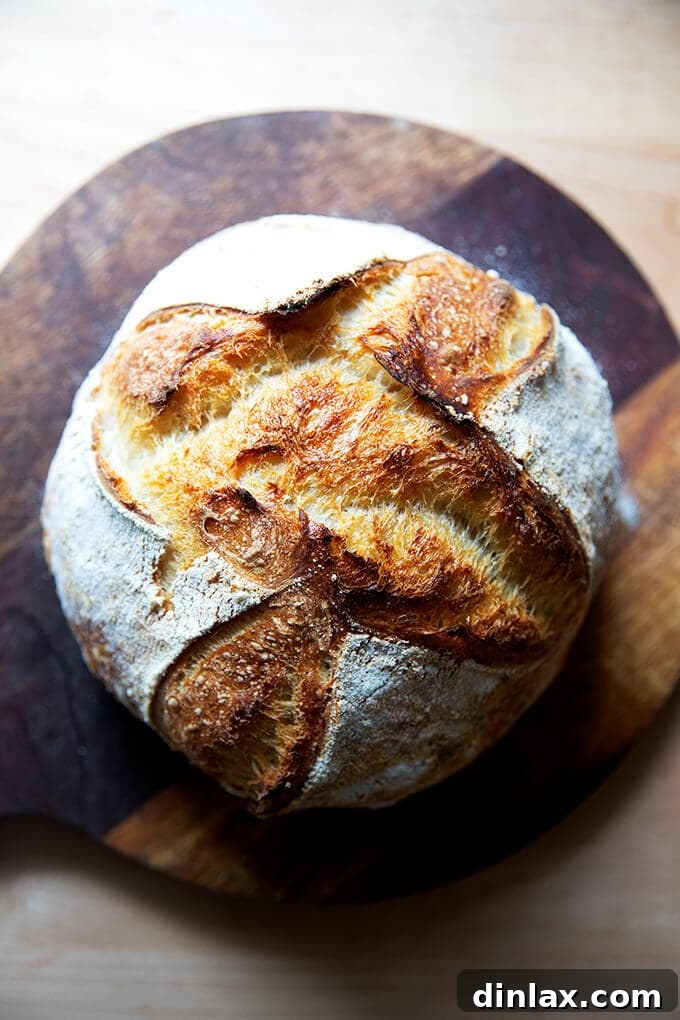
Master the Art of Whole Wheat Sourdough Bread: A Flavorful and Nutritious Journey
There’s nothing quite like the aroma of freshly baked sourdough bread filling your home. This particular recipe elevates that experience by incorporating a small portion of stone-milled whole wheat flour, creating a loaf that is exceptionally flavorful, aromatic, and deeply satisfying. By thoughtfully blending both bread flour and high-quality whole wheat flour, we achieve that coveted light and airy texture, while simultaneously boosting its nutritional value and enriching its complex flavor profile. Prepare to transform your baking with this truly remarkable whole wheat-ish sourdough.
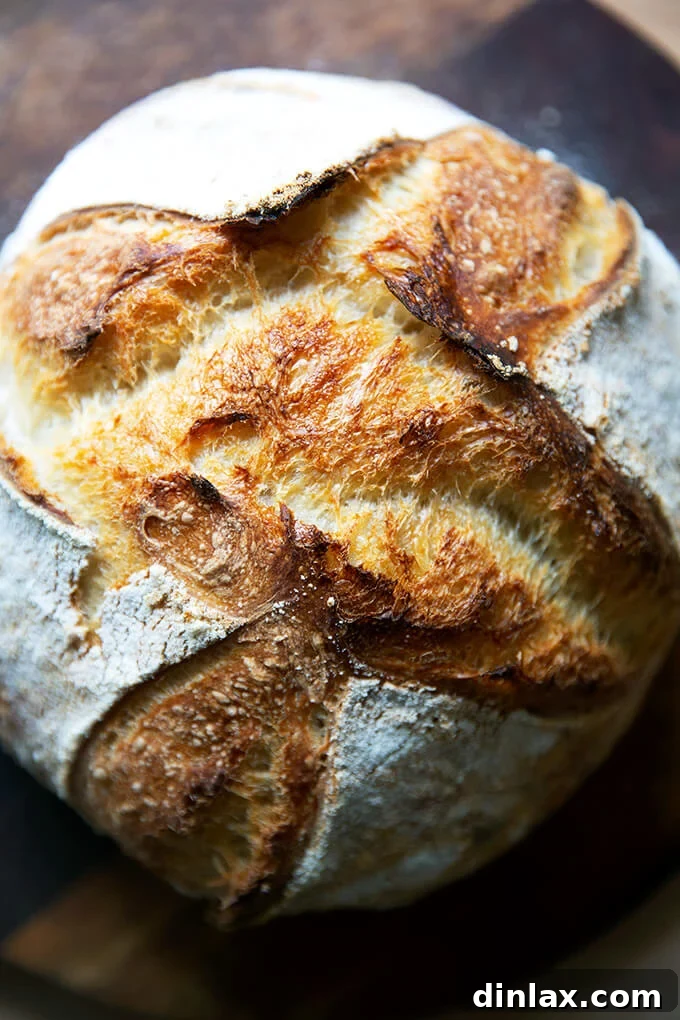
The Superiority of Stone-Milled Flour: A Nutritional Deep Dive
For many home bakers, the desire to make healthier bread often leads to the inclusion of whole wheat flour. While this is a commendable first step, it’s crucial to understand that not all whole wheat flours are created equal. The method of milling plays a monumental role in the nutritional content and flavor of your loaf.
Roller-Milled vs. Stone-Milled: What You Need to Know
Most commercially produced flours, whether white or whole wheat, are created using a process called roller milling. This industrial method efficiently separates the wheat kernel into its three primary components: the endosperm, germ, and bran. White flour is derived exclusively from the starchy endosperm. For “whole wheat” flour produced by roller mills, the germ and bran are often added back into the endosperm after being separated. While this technically makes it “whole wheat,” extensive research indicates that as soon as these components are separated, a significant portion of the wheat kernel’s delicate nutritional value begins to diminish, even if reincorporated later.
This is where stone-milled flour truly shines. In traditional stone milling, the wheat kernels pass between two large, rotating stones. This gentle, slower process ensures that the endosperm, bran, and germ remain together throughout the milling process. This intact structure is key to preserving the maximum nutritional value. The natural oils, vitamins, minerals, and fibers are retained, contributing not only to a healthier product but also to a bread with unparalleled flavor, a more interesting texture, a richer aroma, and a beautiful, natural hue. The difference in taste and quality is profoundly noticeable, adding a depth that simply cannot be replicated with conventional flours.
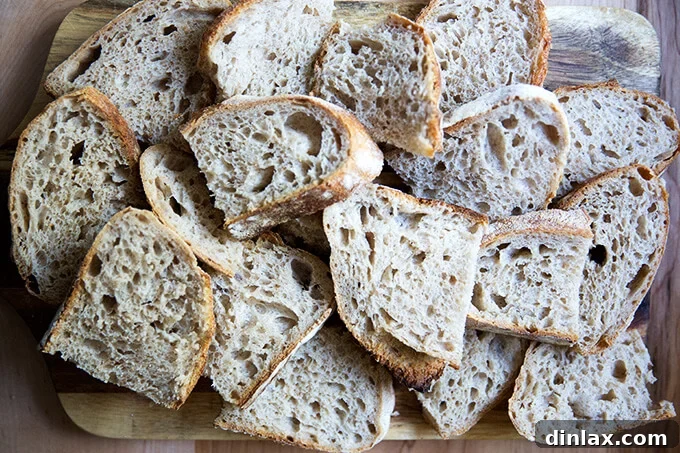
Crafting Your Perfect Loaf: The Whole Wheat Sourdough Recipe
This recipe thoughtfully calls for a blend of bread flour and stone-milled whole wheat flour. By using a smaller, carefully chosen amount of stone-milled flour, you infuse your bread with a wonderful boost of nutrition and a complex flavor profile, all while maintaining a delightfully light and open texture. This balanced approach is ideal for those new to baking with higher percentages of whole grains. Once you’ve mastered this initial recipe and appreciate the unique contributions of the whole wheat flour, you can confidently experiment by gradually increasing the proportion of stone-milled flour in your subsequent bakes to further deepen the flavor and nutrient content.
How to Make Whole Wheat-ish Sourdough Bread: A Detailed Step-by-Step Guide
Baking sourdough is a journey of patience and observation, but the rewards are truly magnificent. Follow these steps closely to create your own incredible whole wheat sourdough boule.
1. Prepare Your Sourdough Starter
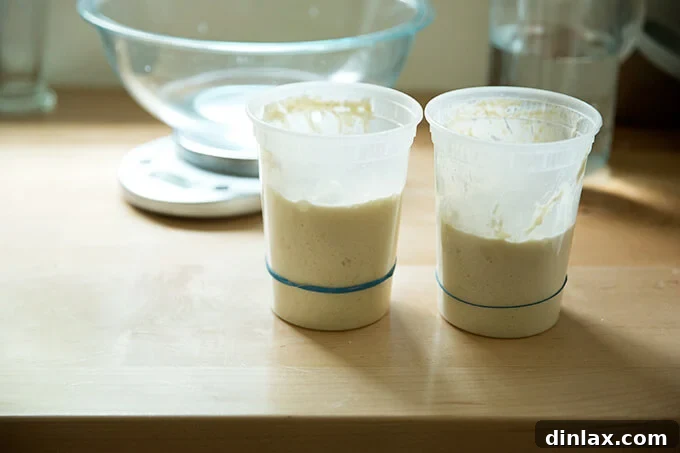
The foundation of great sourdough is an active and healthy starter. Ensure your starter has been fed and has doubled in volume, exhibiting plenty of bubbles. To confirm its readiness, perform the float test: gently drop a small spoonful of starter into a glass of water. If it floats, it’s ready to work its magic! If it sinks, it likely needs more time to develop its strength after feeding.

2. Mixing the Initial Dough
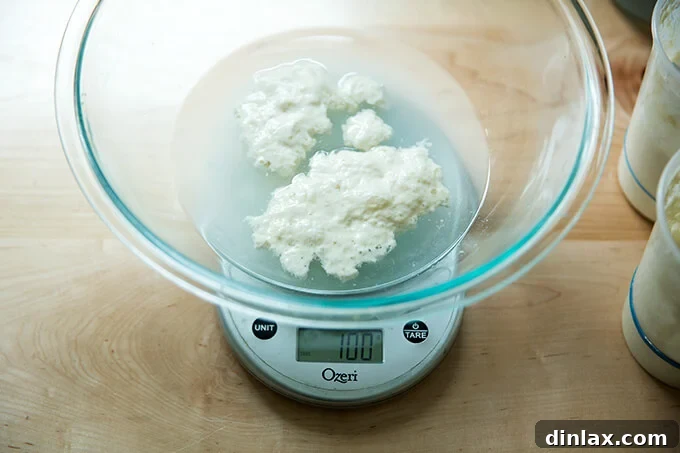
In a large mixing bowl, combine 300g of warm water, 100g of your active sourdough starter, and 10g of fine kosher or sea salt. Stir these ingredients together with a rubber spatula until they are loosely combined and the starter has begun to dissolve into the water.
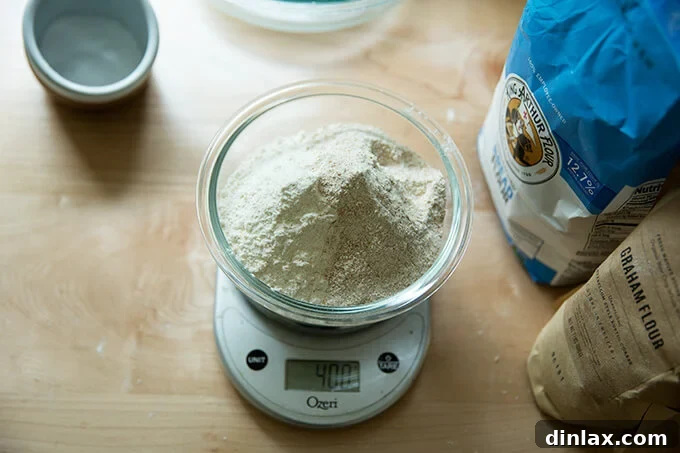
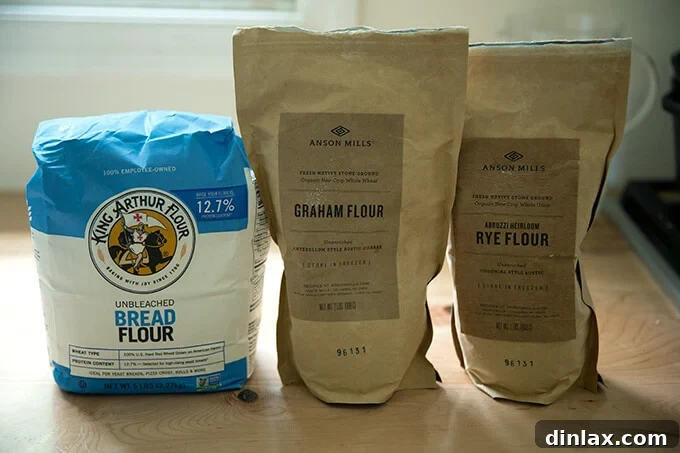
Next, it’s time to measure your flours precisely. For this recipe, you will need a total of 400 grams of flour. My preferred blend for a truly “whole wheat-ish” sourdough includes 350 grams of high-quality bread flour (such as King Arthur Flour) and 50 grams of freshly milled, stone-milled whole wheat flour. I often use a mix of Anson Mills rye and graham flours for their distinctive flavors and nutritional benefits. The precision of a digital scale is absolutely essential here for consistent results.
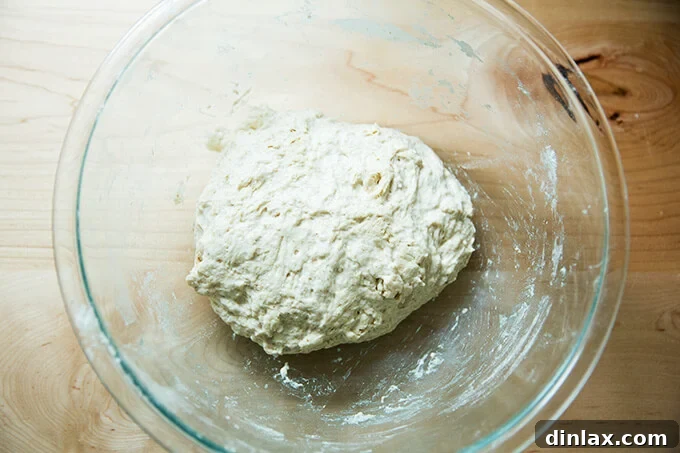
Add the measured flours to the wet ingredients and mix thoroughly with your spatula until a shaggy, sticky dough forms. There’s no need for extensive kneading at this stage; just ensure all the flour is hydrated. Once mixed, transfer the dough to a straight-sided vessel – this is crucial for easily monitoring the dough’s rise during bulk fermentation.
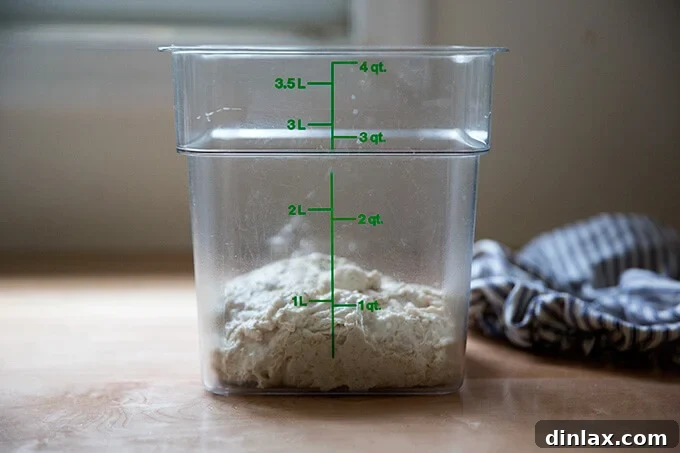
3. The Bulk Fermentation: Building Strength and Flavor
The bulk fermentation, often referred to as the first rise, is a critical stage where your dough develops structure, strength, and its signature sourdough flavor. After 30 minutes of rest, begin the stretch and fold process. With wet hands, gently grab a portion of the dough from the edge of the vessel, stretch it upwards, and fold it over to the center. Rotate the bowl a quarter turn and repeat this action, completing 4-5 folds to cover the entire dough. This technique helps to develop gluten without aggressive kneading.
Repeat this stretch and fold process three more times, at 30-minute intervals, for a total of four sets of stretches and folds over two hours. Even if your schedule only allows for one or two sets, your dough will still benefit significantly. After the final set of folds, cover the dough with a tea towel or a bowl cover and let it rise undisturbed at room temperature (ideally around 70°F or 21°C). The duration can vary widely, from 4 to 18 hours, depending on your kitchen’s temperature and humidity, and the activity of your starter.
The key indicator that bulk fermentation is complete is when the dough has increased in volume by 50-75% and you can observe visible bubbles throughout the dough and on its surface. A straight-sided container is invaluable for accurately gauging this volume increase. Avoid using a warm oven with just the light on, as this can be too warm and negatively affect the fermentation process. Focus on visual cues rather than strict timing.
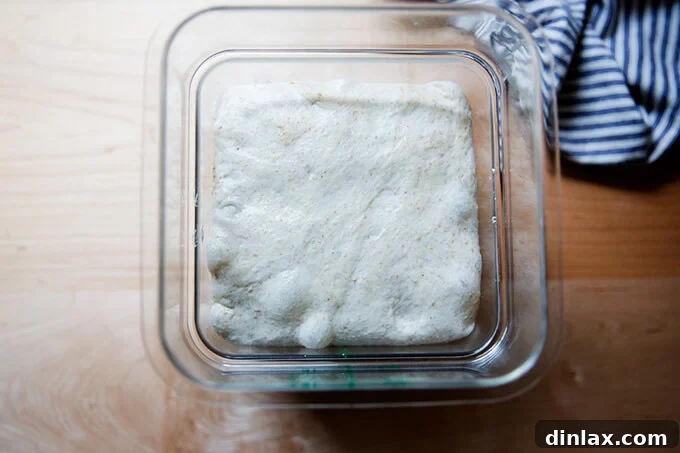
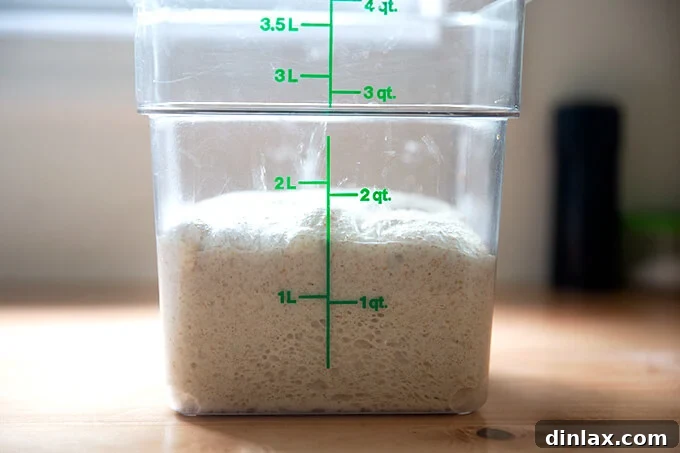
4. Shaping Your Loaf
Gently transfer your fermented dough onto a clean work surface. For best results, I prefer to shape with minimal flour, using a bench scraper to assist. However, if you find the dough too sticky, a light dusting of flour is acceptable. The goal is to develop tension on the surface of the dough, which will give your baked bread its structure and rise.
Perform an “envelope-style” fold: take the top third of the dough and fold it down to the center, then bring the bottom third up and over the center. Repeat this motion from right to left. Flip the dough over so the seam is down. Using your bench scraper, gently push the dough away from you, then pull it back, rotating it slightly to create a tight, round ball. Continue this pushing and pulling motion until you feel good tension on the surface. Allow the dough to rest, seam side down, for 20-40 minutes (this is known as the bench rest).
After the bench rest, repeat the same envelope-style folding and bench scraper technique to achieve another tight ball. This second shaping step further refines the loaf’s structure. Line a shallow 2-quart bowl (or a similar proofing basket, known as a banneton) with a flour sack towel or a lightly floured tea towel. Flour sack towels are excellent for preventing sticking, requiring less rice flour for dusting. If using a tea towel, dust it generously with rice flour. Place your shaped dough, seam side up, into the prepared bowl. Cover with the overhanging towel.
5. Cold Proofing for Enhanced Flavor
Transfer the towel-lined bowl with your shaped dough to the refrigerator for its second rise, or “cold proof.” This slow fermentation in the cold can last anywhere from 12 to 24 hours. The cold temperature significantly slows down yeast activity, allowing the lactic acid bacteria in your sourdough starter to produce more complex flavors and aromas. Don’t be alarmed if your dough doesn’t visibly increase in volume in the fridge – this is normal. It will still be developing structure and flavor. You do not need to bring it back to room temperature before baking.

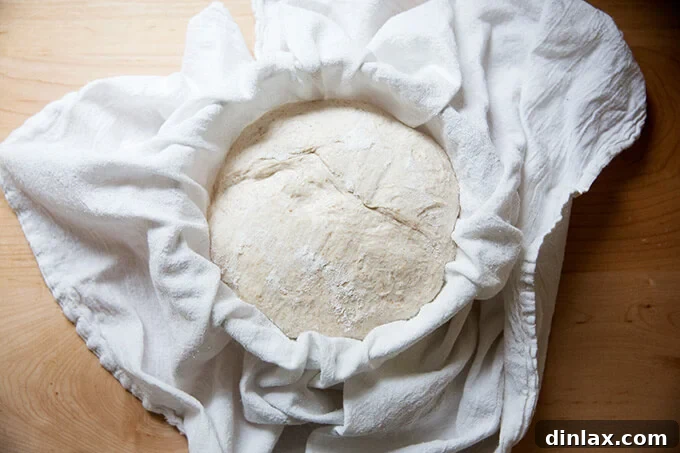
6. Baking to Perfection in a Dutch Oven
After 18 to 24 hours of cold proofing, preheat your oven to 500°F (260°C) with your Dutch oven inside. Allow it to heat thoroughly for at least 30 minutes. Once the oven and Dutch oven are scorching hot, carefully remove your sourdough from the fridge. Open the towel, place a sheet of parchment paper over the bowl, and then a sturdy plate over the parchment. With one hand firmly on the plate and the other on the bowl, swiftly invert the dough onto the parchment-paper-lined plate. Carefully remove the bowl and towel, then the plate. Brush off any excess rice flour.
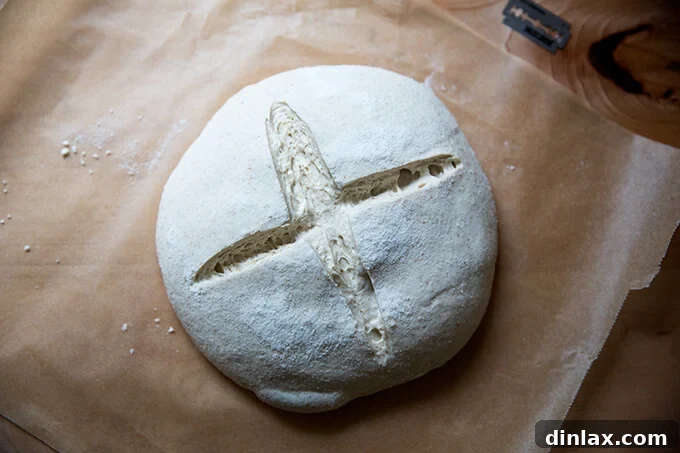
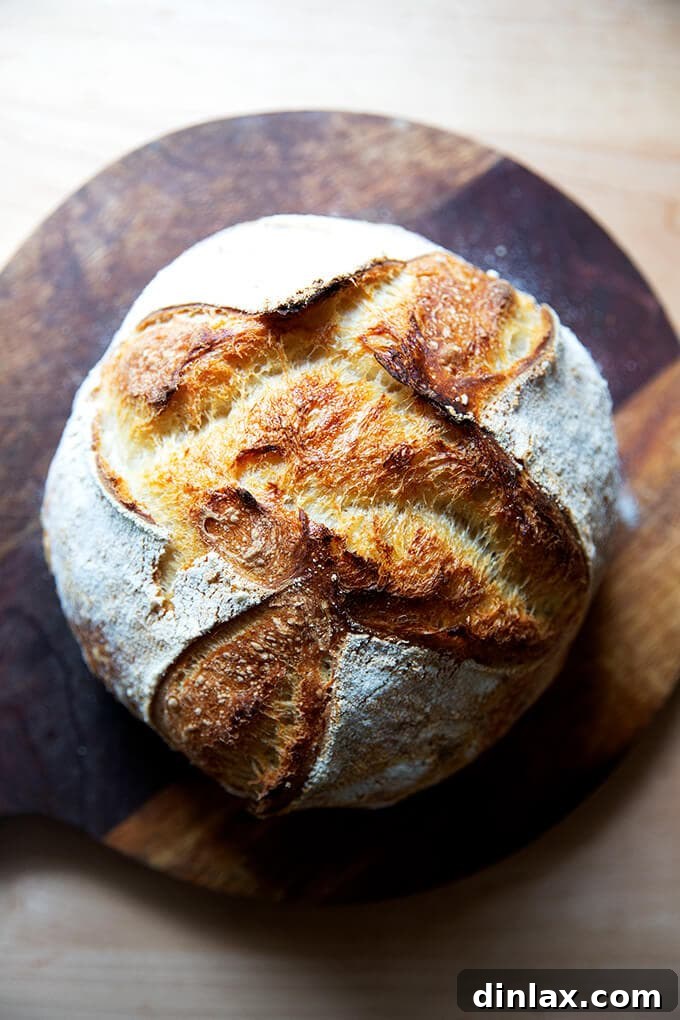
Using a sharp razor blade or a lame, score the dough as desired. A simple “X” cut is effective and beautiful, allowing the bread to expand properly. Carefully lift the parchment paper by its ends and gently lower the dough into the preheated Dutch oven. Cover it tightly with the lid. Reduce the oven temperature to 450°F (230°C) and bake covered for 30 minutes. This creates a steamy environment, crucial for a good oven spring and a crispy crust. After 30 minutes, remove the lid, lower the temperature to 400°F (200°C), and continue to bake uncovered for another 10-15 minutes, or until the crust reaches your preferred level of golden brown and rich caramelization. The internal temperature should be around 200-210°F (93-99°C).
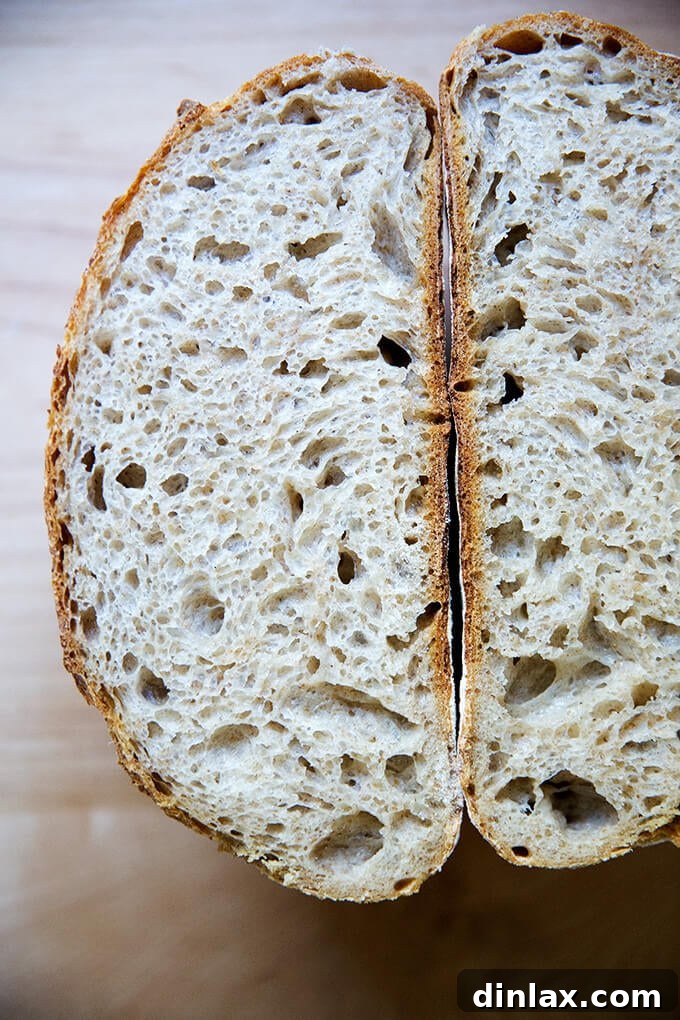
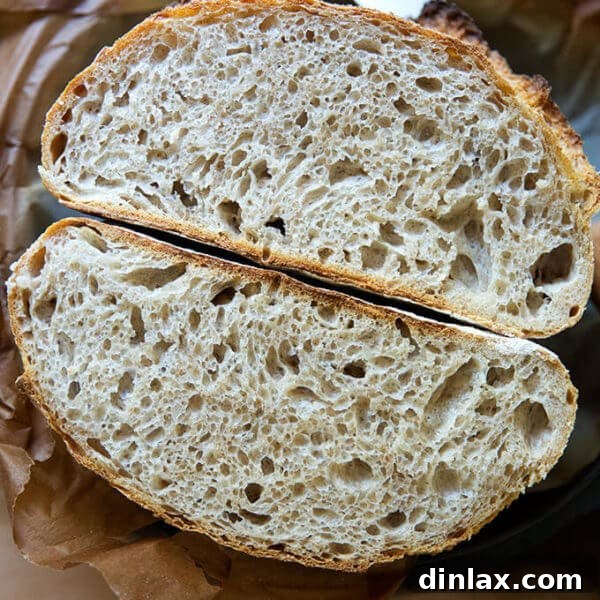
Once baked, carefully transfer the hot loaf to a wire cooling rack. This step is crucial. Resist the temptation to cut into it immediately! Allowing the bread to cool for at least 30-60 minutes lets the internal structure set, preventing a gummy texture and ensuring the best flavor and crumb.
Storing Your Homemade Sourdough Bread
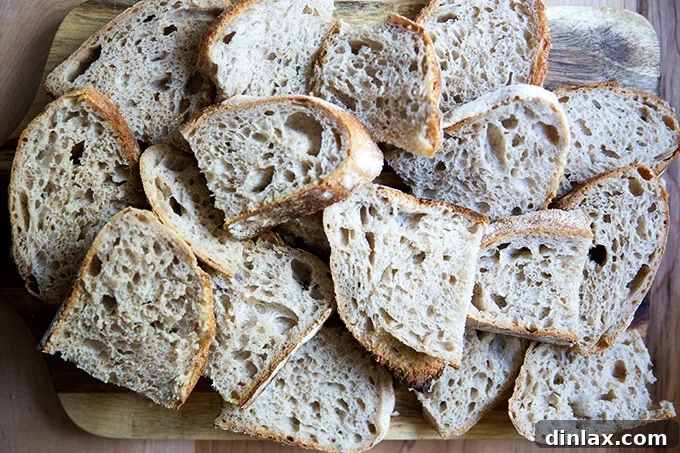
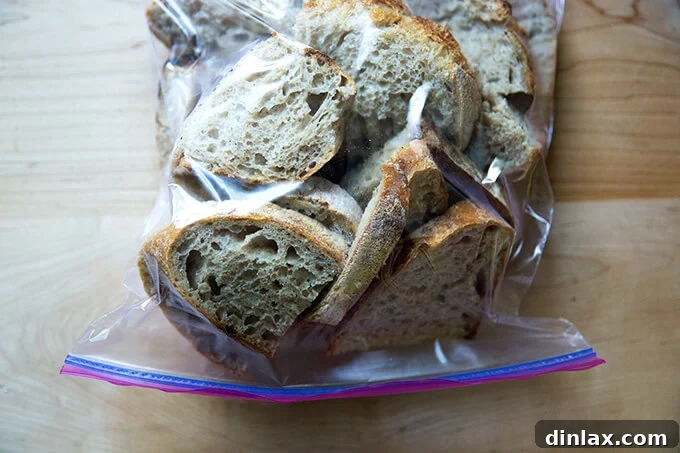
Once your sourdough has fully cooled, it’s ready to enjoy. For optimal freshness, store the bread at room temperature in a large ziptop bag or a bread box for 3 to 4 days. If you’ve baked an extra loaf or wish to preserve it longer, slice the cooled bread and store the slices in an airtight freezer bag for up to 3 months. To enjoy, simply toast directly from frozen for a quick and delicious treat.
Easy Sourdough Bread (Whole Wheat-ish)
★★★★★
4.9 from 323 reviews
- Author: Alexandra Stafford
- Total Time: 48 hours 45 minutes
- Yield: 1 loaf
Description
Made with a small portion of stone-milled whole wheat flour, this sourdough bread is so flavorful, aromatic, and tasty. Using a mix of both bread flour and whole wheat flour keeps the texture light while providing a nutritional boost and more flavor.
Notes:
Special equipment: Straight-sided vessel for the bulk fermentation, Dutch oven, flour-sack towel
Digital Scale: Do not attempt this recipe without a scale. This one costs $10. Troubleshooting what goes wrong with sourdough bread is impossible if you’ve measured with cups. They’re simply not accurate.
Troubleshooting: If you have issues with your dough being too sticky, please read this post: Why is my sourdough so sticky? The 4 common mistakes.
Flour:
- I prefer making this bread with 350g bread flour and 50g of freshly milled, stone-milled flour, which provides both flavor and color. I love using a mix of Anson Mills graham flour and rye flour, but there are many great stone-milled flours out there, and you may have a local source, which is even better.
- Where to buy stone-milled flour? In the past few years, it has become easier to find stone-milled flour, and if you are up for it, you should seek out locally, stone-milled flour. Why? Because if you’re buying locally milled flour, you likely can find out how recently it was milled. Because stone-milled flour perishes more quickly than roller-milled flour, it’s best if you can find a local source, which will ensure it will be fresh. Note: Store stone-milled flour in the freezer if you don’t bake regularly.
- I find locally milled stone-milled flours at a local co-op, Honest Weight Food Co-op, and I also order online from various sources. Here are a few I love: Cairnspring Mills,Anson Mills, andCommunity Grains
- 50g may seem like a tiny amount of stone-milled flour for this recipe, but I am constantly amazed by how much flavor this small amount of freshly milled flour adds.
Ingredients
*Please read notes above before proceeding. Watching the video is helpful, too.*
- 300 g water
- 100 g active sourdough starter
- 10 g kosher salt or sea salt
- 350 g bread flour, see notes above
- 50 g whole wheat flour, preferably stone-milled, see notes above
- rice flour, for dusting
Instructions
- Mix the dough. In a large bowl, combine the water, starter, and salt. Stir with a rubber spatula to loosely combine. Add the flours, and stir with a spatula to combine — it will be a wet, sticky dough ball. Transfer to a straight-sided vessel and cover with a tea towel or bowl cover for 30 minutes.
- Stretch and fold. After 30 minutes, grab a corner of the dough and pull it up and into the center. Repeat until you’ve performed this series of folds 4 to 5 times with the dough. Let the dough rest for another 30 minutes and repeat the stretching and folding action. If you have the time, do this twice more for a total of 4 times in 2 hours. [Video guidance here.] Note: Even if you can only perform one series of stretches and folds, your dough will benefit. So don’t worry if you have to run off shortly after you mix the dough.
- Bulk fermentation: Cover the vessel with a tea towel or bowl cover and let rise at room temperature (70ºF/21ºC) for 4 to 18 hours (times will vary based on the time of year, the humidity, and the temperature of your kitchen). The bulk fermentation will end when the dough has nearly doubled in volume, and you can see bubbles throughout the dough and on the surface. (Note: Do not use your oven with the light on for the bulk fermentation — it is too warm for the dough. To determine when the bulk fermentation is done, it is best to rely on visual cues (doubling in volume) as opposed to time. A straight-sided vessel makes monitoring the bulk fermentation especially easy because it allows you to see when your dough has truly doubled.)
- Shape: Gently transfer the dough to a clean work surface. I prefer to use no flour and a bench scraper at this step, but if you find an unfloured work surface to be difficult, feel free to lightly flour it. [Video guidance is especially helpful for this step.] Fold the dough, envelope style: top third over to the center; bottom third up and over to the center. Then repeat from right to left. Turn the dough over and use your bench scraper to push the dough up, then back towards you to create a tight ball. Repeat this pushing and pulling till you feel you have some tension in your ball. Place the dough ball top side down and let rest 30 to 40 minutes. (FYI: This is called the bench rest.)
- Proof. Line a shallow 2-qt bowl (or something similar) with a tea towel or flour sack towel. Flour sack towels are amazing because the dough doesn’t stick to them, and therefore, you need very little rice flour, but if you only have a tea towel, you will be fine. If you are using a tea towel, sprinkle it generously with rice flour. If you are using a flour sack towel, you can use a lighter hand with the rice flour. After the 30-to 40-minute bench rest, repeat the envelope-style folding and the bench scraper pushing and pulling till you have a tight ball. [Video guidance here.] Place the ball top side down in your prepared towel-lined bowl. Cover bowl with overhanging towel. Transfer bowl to the fridge for 12 to 24 hours. (Note: When you remove your dough from the fridge, visually it will likely look unchanged. This is OK. You do not need to let it then proof at room temperature before baking.)
- Bake. Heat oven to 500ºF. Remove your sourdough from the fridge. Open the towel. Place a sheet of parchment over the bowl. Place a plate over the parchment. With a hand firmly on the plate and one on the bowl, turn the dough out onto the parchment-paper-lined plate. [Video guidance here.] Carefully remove the bowl and towel. Carefully remove the plate. Brush off any excess rice flour. Use a razor blade to score the dough as you wish. I always do a simple X. Grab the ends of the parchment paper and transfer to the Dutch oven. [Video guidance here.] Cover it. Lower oven temperature to 450ºF, bake covered for 30 minutes. Uncover. Lower the temperature to 400ºF. Bake for 10 minutes more or until the loaf has darkened to your liking. Transfer the loaf to a cooling rack.
- Cool. Let the loaf cool for at least 30 minutes before cutting.
- Prep Time: 48 hours
- Cook Time: 45 minutes
- Category: Bread
- Method: Sourdough
- Cuisine: Global