
Skip to Recipe

The Ultimate Baked French Toast with a Zesty Twist
There’s something truly special about a leisurely weekend morning, and for many, that perfect picture includes a delicious, comforting breakfast. If you’re on the hunt for a show-stopping dish that’s both indulgent and surprisingly easy to prepare, look no further than this incredible baked French toast. It’s a recipe I find myself returning to time and again, a testament to its irresistible charm and simple elegance.
Originating from the renowned Tartine Bread cookbook – a source that also introduced me to other culinary gems like eggplant involtini and kale Caesar salad – this baked French toast recipe stands out for all the right reasons. It transforms a breakfast classic into an extraordinary experience, making your mornings feel like a culinary celebration.
Why This Baked French Toast Will Become Your Weekend Favorite
What sets this baked French toast apart from any other I’ve encountered, whether baked or pan-fried, are two distinct features that elevate it from good to absolutely sublime:
1. The Perfect Texture: Caramelized and Never Soggy
Texture is paramount when it comes to French toast, and this recipe delivers perfection. The exterior achieves a beautiful caramelization, offering a delightful crispness that provides a satisfying contrast to the tender interior. Crucially, the center remains moist and fluffy, never falling into the dreaded soggy trap. This ideal balance is achieved through a specific cooking method that ensures every bite is a harmonious blend of crisp edges and a soft, custard-soaked crumb. You won’t find any mushy bread here; just pure, unadulterated French toast bliss.
2. The Unexpected Zest of Lemon
While traditional French toast often relies on cinnamon for its signature warmth, this recipe introduces a most unexpected and utterly delicious flavor: lemon zest. This bright, aromatic addition cuts through the richness of the custard, providing a fresh, vibrant note that transforms the dish. It’s a subtle yet powerful twist that awakens the palate and makes this French toast uniquely memorable. The lemon zest doesn’t overpower; instead, it provides an elegant counterpoint, creating a sophisticated flavor profile that will surprise and delight even the most discerning French toast aficionados.
Essential Keys to French Toast Success
Achieving this heavenly baked French toast is straightforward, but there are a few critical steps that ensure consistently perfect results. Pay close attention to these guidelines, and you’ll be rewarded with a breakfast masterpiece:
- Slice the Bread Generously Thick: This is arguably the most important step. Forget thin, floppy slices. You need to cut your bread into robust 1 1/2-inch thick pieces. This might feel unusually thick, but it’s essential. Thicker slices absorb enough custard to remain incredibly moist without collapsing or becoming mushy during baking. If you’re unsure, grab a ruler – precision here makes all the difference. Bread that is too thin will quickly become oversaturated and turn soggy, defeating the purpose of a beautifully baked French toast.
- Achieve Caramelization Before Baking: Do not rush this step! Before the skillet even thinks about entering the oven, ensure the bottoms of your bread slices are deeply caramelized on the stovetop. This initial browning creates a protective, flavorful crust that locks in moisture and prevents the bread from becoming soggy when it absorbs more custard. If the bottoms aren’t caramelized first, they simply won’t achieve that coveted golden-brown crispness in the oven. Patience over medium-low heat is key here; this foundation is crucial for the final texture.
- Bake for Sufficient Time: Once in the oven, allow the French toast to bake for an adequate duration. I’ve found that baking for 20 to 25 minutes, sometimes even a few minutes longer, ensures the center is cooked through and non-soggy. The exact time can vary slightly depending on your oven and the thickness of your bread, so keep an eye on it. The goal is for the custard to be fully set and the slices to appear slightly puffed, indicating they are thoroughly cooked. A quick check at 15 minutes is always a good idea, but don’t hesitate to extend the baking if needed to achieve that perfect, custardy interior.
I genuinely hope you have a wonderful weekend ahead. And if you seize the opportunity to incorporate this exceptional baked French toast into one of your mornings – perhaps alongside some crispy bacon or fresh berries – I promise “wonderful” will feel like an understatement. Get ready to elevate your breakfast game!

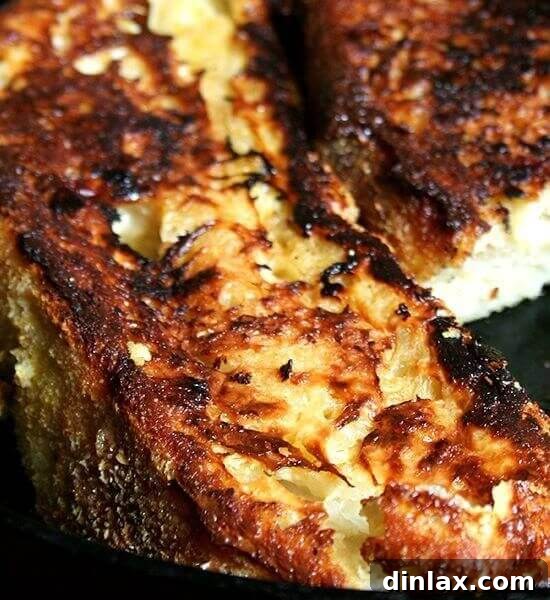
This is what the French toast looks like when it emerges from the oven. The caramelization happens on only one side — the skillet side — and the only flipping involved happens when you’re ready to serve.

Baked French Toast with Lemon Zest
5 Stars 4 Stars 3 Stars 2 Stars 1 Star
5 from 1 review
- Total Time: 1 hours 35 minutes
- Yield: 2–4 servings 1x
Description
This baked French toast, inspired by Tartine Bread, offers a truly unique experience. It’s perfectly caramelized on the outside, incredibly moist within, and features a delightful, unexpected hint of lemon zest that elevates it above traditional versions. Perfect for a special weekend breakfast or brunch!
Note: The book suggests serving the French toast with maple-glazed bacon and a very ripe Hachiya persimmon. Delicious additions!
Ingredients
- 3 large eggs, whisked
- 2 tablespoons granulated sugar
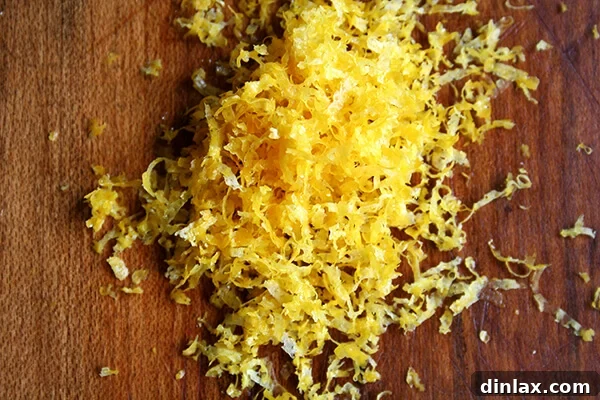
- Zest of one fresh lemon (about 1-2 teaspoons)
- 1/2 teaspoon pure vanilla extract
- 1/4 teaspoon salt
- 1 cup milk (2% or whole milk recommended for richness)
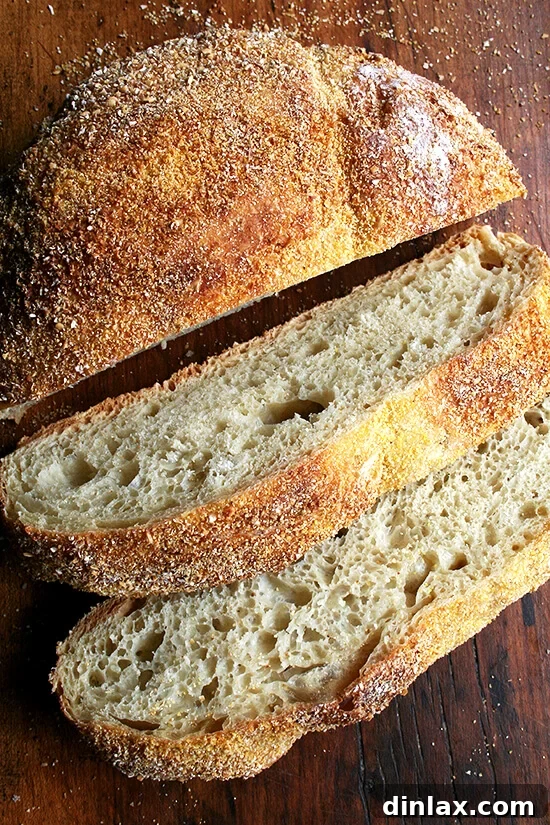
- 2 slices day-old country bread*, cut into generous 1 1/2-inch thick slices
- 2 tablespoons unsalted butter
*Any sturdy, bakery-style loaf like challah, brioche, or sourdough will also work wonderfully. Ensure it’s day-old for optimal custard absorption without sogginess.
Instructions
- Prepare the Custard: In a shallow dish or baking pan, whisk together the eggs, sugar, fresh lemon zest, vanilla extract, and salt until well combined. Gradually whisk in the milk until the custard base is smooth.
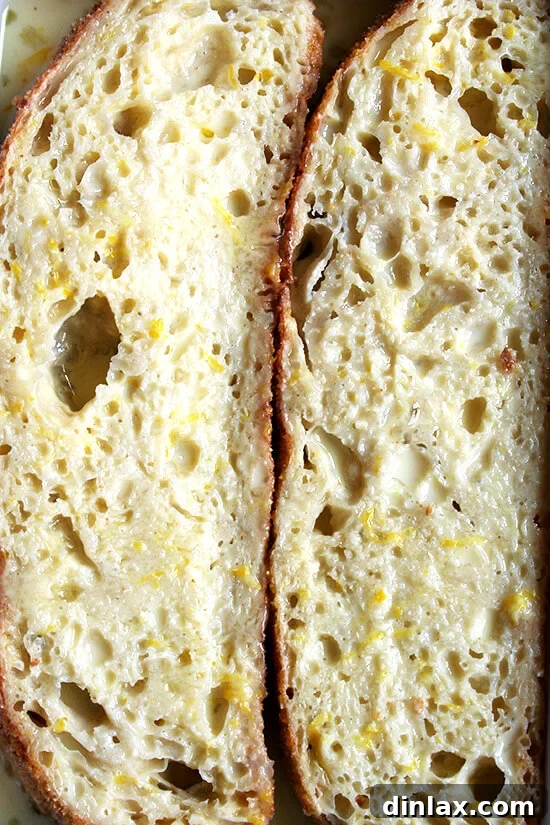
- Soak the Bread: Place the thick bread slices into the prepared custard base, ensuring both sides are fully submerged. Allow the bread to soak thoroughly, turning once or twice, for about 1 hour. This extended soaking time ensures the bread becomes deeply saturated with flavor without becoming overly mushy, thanks to its thickness.
- Preheat Oven & Skillet: While the bread soaks, preheat your oven to 350ºF (175ºC) and position an oven rack in the middle. Once ready to cook, heat an oven-proof skillet (a cast-iron skillet works exceptionally well for even heat distribution) over medium-low heat. The key here is patience; maintain a low-to-medium heat to prevent burning.
- Caramelize the First Side: Melt the 2 tablespoons of butter in the skillet, ensuring the bottom of the pan is evenly coated. Carefully lift each soaked bread slice from the custard, allowing any excess to drip off, and place them gently into the hot skillet. Cook the slices for approximately 3 minutes. Occasionally, press the slices lightly against the bottom of the pan with a spatula to encourage even caramelization and a good seal. This crucial step seals the bottom of the slices by cooking the outer layer of custard and prepares the bread to receive additional custard without leaking.
- Add More Custard & Seal: (Optional, but recommended by the original source for extra richness) Spoon or ladle a small amount of additional custard base directly into the center of each bread slice while it’s still in the skillet. If you notice the liquid leaking out onto the pan, it means the bottoms of your bread slices aren’t quite sealed yet. Continue cooking for another minute or so, pressing the slices gently to help them seal properly.
- Bake to Perfection: Once the bottoms are beautifully caramelized and the slices are sealed, transfer the skillet directly to the middle rack of your preheated oven. Do not flip the slices; the caramelization will only occur on the skillet side.
- Check for Doneness: Bake the French toast for 15 to 25 minutes. While the original recipe suggests 12-15 minutes, I’ve found that 20 to 25 minutes, or even slightly longer, yields a perfectly cooked, non-soggy center. The French toast is done when the custard appears solid, and each slice looks visibly inflated or “souffléed,” indicating it’s fully cooked through. Begin checking at 15 minutes, but don’t hesitate to give it more time if necessary, especially for very thick slices.
- Serve Immediately: Using a spatula, carefully remove the baked French toast from the skillet and place them, caramelized-side up, onto individual plates. The skillet side should be a rich, crisp, golden brown. Serve hot with your favorite toppings.
- Prep Time: 10 minutes
- Cook Time: 25 minutes
Serving Suggestions and Creative Variations
This baked French toast is fantastic on its own, but it truly shines with a few thoughtful accompaniments. For a classic pairing, a generous drizzle of warm maple syrup is a must. Don’t forget a side of crispy bacon or breakfast sausage to complement the sweetness. To add freshness and color, serve it with a medley of fresh berries – strawberries, blueberries, raspberries, or sliced bananas. A dollop of whipped cream or a dusting of powdered sugar adds an extra touch of indulgence. For a truly gourmet experience, consider the cookbook’s suggestion of maple-glazed bacon and a ripe Hachiya persimmon.
Feeling adventurous? While the lemon zest is a signature, you can experiment with other citrus zests like orange or lime for a different aromatic profile. A pinch of nutmeg or cardamom can add a warm, exotic twist to the custard. For a decadent treat, add chocolate chips or a swirl of cream cheese mixture before baking. The possibilities are endless!
Troubleshooting Common French Toast Woes
Even with the best recipes, sometimes things can go awry. Here’s how to avoid common French toast problems and ensure your baked French toast is consistently perfect:
- Soggy Centers: This is the most common complaint. The solution lies in two main areas: slice your bread thick (1 1/2 inches minimum) and ensure adequate baking time. Thinner slices absorb too much liquid and break down. If your bread isn’t day-old, lightly toast it first to dry it out, making it more absorbent and less prone to sogginess.
- Burnt Exteriors, Raw Interiors: This usually happens when the stovetop caramelization is done too quickly or at too high a heat. Remember to keep the heat at medium-low and be patient. The slow caramelization builds a crust that protects the interior during baking. In the oven, if the top is browning too quickly, you can loosely tent the skillet with foil.
- Lack of Flavor: Always use fresh lemon zest – pre-packaged zest lacks the vibrant oils and aroma. Similarly, good quality vanilla extract makes a noticeable difference. Don’t skip the salt in the custard; it balances the sweetness and enhances all the other flavors.
- Custard Leaking: If you add more custard to the center of the slices (as per step 5), and it leaks, it means the initial stovetop cooking didn’t fully seal the bottom of the bread. Go back to a gentle press with your spatula and cook for another minute to fully seal before transferring to the oven.
With these tips and the detailed instructions, you’re well on your way to mastering this delightful baked French toast. It’s a recipe designed to deliver extraordinary texture and flavor with minimal fuss, transforming your breakfast or brunch into a truly memorable occasion. Enjoy!